分类: society

  • Jersey votes to approve assisted dying, as a similar UK bill stalls in House of Lords

    Jersey votes to approve assisted dying, as a similar UK bill stalls in House of Lords

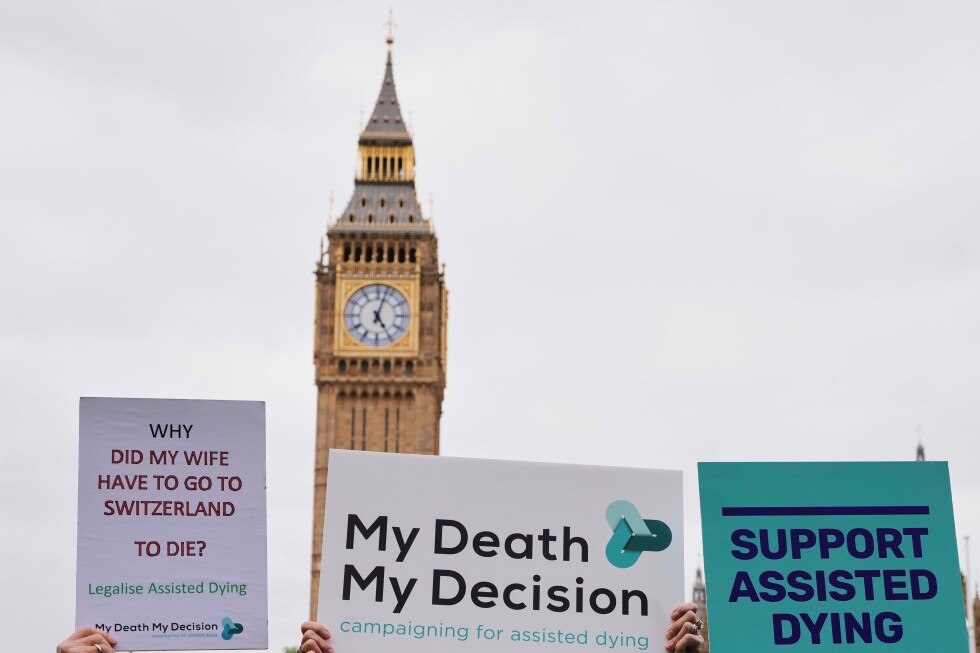
    The British Crown Dependency of Jersey has enacted groundbreaking assisted dying legislation, marking the second UK territory to legalize medical assistance in ending life for terminally ill patients. Following an extensive three-day parliamentary debate, Jersey’s States Assembly voted decisively 32-16 to approve the measure on Thursday.

    The newly passed law permits terminally ill adult residents who have lived on the island for over one year to seek medical assistance ending their lives. Eligibility requires a prognosis of fewer than six months to live, or fewer than twelve months for those suffering from neurodegenerative conditions. Unlike proposed legislation currently stalled in the UK Parliament, Jersey’s framework allows medical professionals—either doctors or registered nurses—to administer life-ending medications directly to patients.

    This development occurs as the UK Parliament remains gridlocked over similar legislation for England and Wales. The Terminally Ill Adults (End of Life) Bill, approved by the House of Commons in June, now faces significant delays in the House of Lords where opponents have submitted over 1,000 amendments. Supporters characterize these actions as deliberate obstruction tactics, while critics maintain they represent necessary legislative scrutiny for what they deem dangerous policy.

    Jersey follows the Isle of Man, which passed similar legislation in March 2023 but continues awaiting formal approval from King Charles III. Both self-governing territories rely on the UK for defense and foreign affairs, requiring royal assent for such legislation—a process that government officials acknowledge can be protracted for complex or sensitive bills due to legal and constitutional considerations.

    Opposition groups continue expressing concerns that vulnerable populations—including the elderly, disabled, and mentally ill—might face pressure to end their lives prematurely. Meanwhile, Scottish lawmakers prepare to vote on their own assisted dying bill in March, indicating growing momentum for end-of-life legislation reform across British jurisdictions.


  • Norway’s king is being discharged from a Spanish hospital after treatment for a skin infection

    Norway’s king is being discharged from a Spanish hospital after treatment for a skin infection

    King Harald V of Norway has been released from a medical facility in Spain’s Canary Islands after responding positively to treatment for a leg skin infection. The 89-year-old monarch, who celebrated his birthday last weekend, was admitted to a Tenerife hospital on Tuesday during a private vacation with Queen Sonja.

    According to a Thursday announcement from the royal palace, the king demonstrated rapid recovery following medical intervention. His personal physician, Dr. Bjørn Bendz, who traveled to Tenerife on Wednesday, will remain on site for several additional days to monitor the monarch’s condition. The royal household confirmed that the king and queen intend to continue their vacation itinerary, with no definitive timeline established for their return to Norway.

    This medical episode evokes parallels to a previous health incident two years prior, when the king required emergency cardiac intervention during a private visit to Malaysia. That event culminated in the implantation of a permanent pacemaker following his medically-assisted repatriation.

    The king’s hospitalization occurs during a period of intensified scrutiny toward the Norwegian royal family. Crown Princess Mette-Marit, spouse of heir apparent Crown Prince Haakon, has recently faced renewed examination regarding her past associations with convicted sex offender Jeffrey Epstein. Concurrently, her son from a previous relationship is currently undergoing judicial proceedings in Oslo, confronting multiple allegations including charges of sexual assault.

    King Harald, who ascended to the throne in 1991, remains Europe’s oldest reigning sovereign despite these recent health challenges.

  • Singer D4vd confirmed as ‘target’ of investigation into murder of teen

    Singer D4vd confirmed as ‘target’ of investigation into murder of teen

    Newly unsealed court documents have unveiled that emerging music artist D4vd, legally named David Anthony Burke, has been formally designated as a target in a high-profile grand jury investigation concerning the murder and dismemberment of a 14-year-old California girl. The case centers on the September 2025 discovery of Celeste Rivas Hernandez’s remains inside a Tesla vehicle registered to the singer’s Texas address.

    Investigative reports detail how authorities responding to foul odor complaints at a Hollywood impound lot discovered Hernandez’s decomposed torso and head within a cadaver bag placed in the front trunk of the vehicle. Subsequent examination revealed additional black bags containing her severed limbs. Forensic analysis indicated the victim had been deceased for several weeks prior to discovery.

    The legal proceedings took a significant turn when D4vd’s family members received summons to testify before the California grand jury. His father, Dawud Burke, mounted a legal challenge in Texas courts arguing the subpoena violated due process rights due to heavily redacted documentation. This legal maneuver resulted in the unprecedented release of previously sealed investigation materials.

    While no formal charges have been filed and D4vd maintains non-suspect status, court filings explicitly state he may face proceedings for one count of murder. The artist’s representatives have previously stated his cooperation with law enforcement, though his legal counsel declined to comment on recent developments.

    The case has drawn additional scrutiny due to the Los Angeles Medical Examiner’s office receiving a rare security hold order, preventing public release of autopsy findings. Chief Medical Examiner Dr. Odey Ukpo noted such practices are ‘virtually unheard of in other counties’ and lack proven benefit to legal outcomes. The Los Angeles District Attorney’s office has declined comment as the secretive grand jury proceedings continue.

  • Girl, 14, shot dead as South Africa’s ‘taxi wars’ hit school

    Girl, 14, shot dead as South Africa’s ‘taxi wars’ hit school

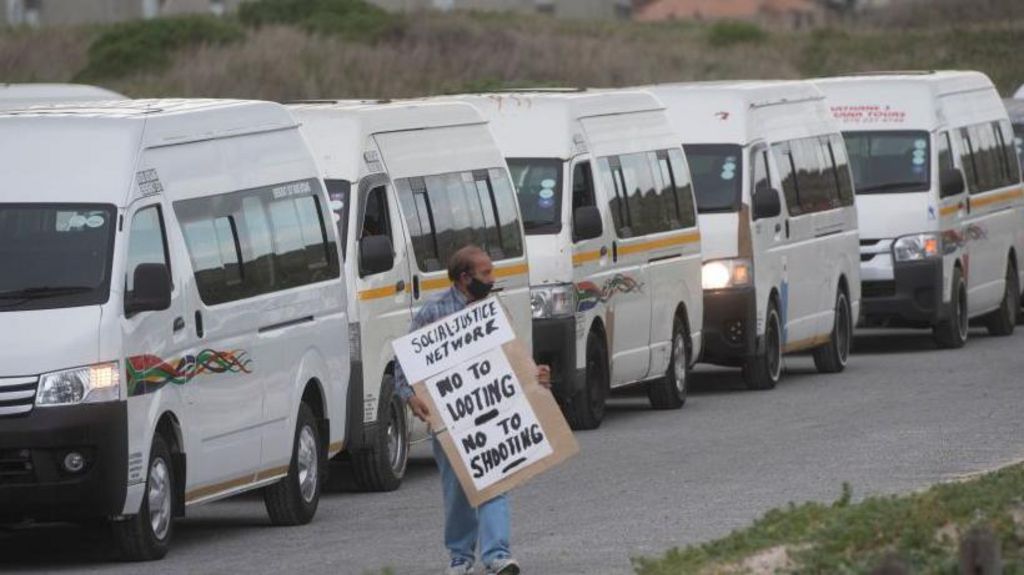
    A deadly shooting outside a secondary school in Cape Town has resulted in the deaths of a 14-year-old student and a taxi operator, marking another violent episode in South Africa’s long-standing taxi industry conflicts. The attack occurred on Wednesday as students were departing Atlantis Senior Secondary School, when an unidentified assailant opened fire on a stationary minibus taxi awaiting passengers.

    According to police spokesperson FC van Wyk, the shooting left the 42-year-old taxi driver with multiple fatal gunshot wounds inside his vehicle. On school grounds, authorities discovered the body of a female student who sustained multiple chest wounds while attempting to flee the gunfire. Two additional students aged 14 and 16 sustained gunshot injuries—one seriously wounded in the back and another grazed by a bullet.

    Western Cape official Isaac Sileku condemned the incident, stating: ‘It is unacceptable that our children continue to be exposed to danger as a result of ongoing conflict within the taxi industry.’ Regional authorities characterized the violence as a ‘senseless act’ that undermines community safety and disrupts education.

    The investigation involves specialized units including the Taxi Violence Investigations Unit, though the number of perpetrators remains undetermined. Local media reports indicate this was the second assassination attempt on the same taxi operator within the month.

    This tragedy highlights the escalating tensions in South Africa’s competitive transportation sector, where traditional minibus taxi services face increasing pressure from e-hailing platforms. The industry has been plagued by deadly turf wars for decades, but recent violence has increasingly impacted public spaces and civilian populations.

  • Chinese courts crack down on telecom fraud linked to northern Myanmar

    Chinese courts crack down on telecom fraud linked to northern Myanmar

    China’s Supreme People’s Court has announced groundbreaking judicial actions against transnational telecommunications fraud networks operating from northern Myanmar. By December 2025, Chinese courts had adjudicated more than 27,000 first-instance cases connected to these criminal operations, resulting in convictions for over 41,000 individuals involved in cross-border fraud schemes.

    The judicial campaign achieved a major milestone with the conclusive resolution of two high-profile cases targeting notorious family-run syndicates based in northern Myanmar. These proceedings culminated in severe sentences for 39 convicted criminals, including life imprisonment and more stringent penalties. Notably, 16 ringleaders received capital punishment for their roles in orchestrating sophisticated fraud operations.

    Wang Bin, presiding judge of the SPC’s Third Criminal Division, characterized these verdicts as a decisive strike against transnational criminal enterprises. “The dismantling of these two major armed criminal organizations represents a significant blow to the audacity of offenders operating across international borders,” Wang stated during a press briefing.

    The judicial authority emphasized its continued commitment to imposing stringent punishments on telecommunications fraud perpetrators, particularly those leading cross-border criminal networks. Wang further clarified that individuals involved in violent accompanying crimes—including intentional homicide, assault, and kidnapping—would face the full severity of Chinese law.

    Comprehensive data released by the Supreme People’s Court reveals the extensive scope of anti-fraud efforts between 2021 and 2025. During this five-year period, Chinese judiciary bodies concluded approximately 159,000 first-instance criminal cases related to telecommunications fraud, leading to sentencing decisions for about 338,000 defendants nationwide.

  • Guarding Great Wall as lifelong commitment for Beijing local villager

    Guarding Great Wall as lifelong commitment for Beijing local villager

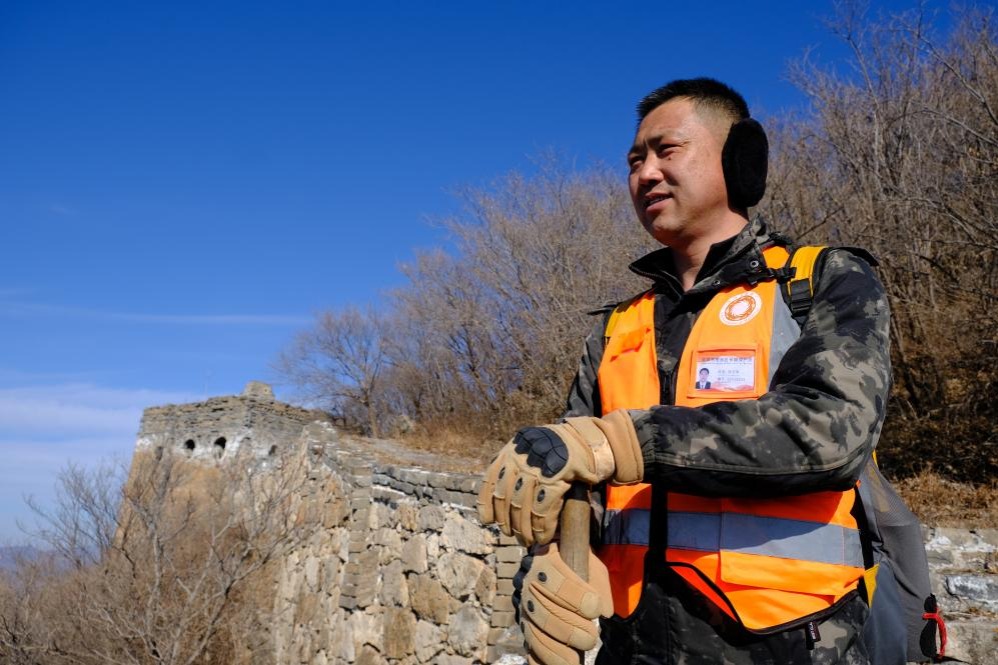
    In the rugged mountains of Beijing’s Miyun district, Zhou Wenjun embarks on his daily pilgrimage along the Simatai section of the Great Wall, carrying specialized tools and a profound sense of historical responsibility. For fourteen consecutive years, this local villager has dedicated himself to protecting one of China’s most challenging architectural marvels—a steep Ming Dynasty (1368-1644) structure where some slopes exceed 70 degrees, requiring climbers to ascend on all fours.

    Zhou’s conservation methodology demonstrates remarkable precision. He exclusively employs a flat-head shovel to clear drainage channels of leaves and branches, consciously avoiding pointed or rounded tools that might damage the ancient masonry. “Every brick here is a treasure,” Zhou emphasizes during his multi-kilometer patrols, where he meticulously collects displaced bricks from surrounding woodlands—some bearing inscriptions dating back to 1577 that document the soldiers and craftsmen who originally constructed the wall nearly 450 years ago.

    His 10-kilogram backpack contains essential preservation equipment: water, snacks, trash bags, measuring tape, and first-aid supplies. Beyond structural maintenance, Zhou assists visitors and monitors potentially damaging behaviors. His estimated 10,000 kilometers walked along the wall represent just one aspect of his expanding conservation efforts.

    Zhou has pioneered digital preservation through livestreaming broadcasts that reach over 70,000 followers. His explanations of defensive architectures and ancient border guards’ daily lives have earned him recognition as a knowledgeable “farmer anchor” disseminating cultural heritage knowledge.

    The Simatai protection team now comprises 22 members, predominantly local villagers, forming part of Beijing’s broader network of 380 dedicated Great Wall guardians. Their conservation work will gain strengthened legal support next month with new capital regulations specifically addressing Great Wall preservation.

    Despite the physical demands, Zhou’s commitment has evolved from occupation to life purpose. Through both physical safeguarding and digital education, he ensures global recognition of this UNESCO World Heritage site’s enduring significance.

  • Nigeria to hold inquest into death of Chimamanda Ngozi Adichie’s toddler

    Nigeria to hold inquest into death of Chimamanda Ngozi Adichie’s toddler

    A formal judicial inquest into the tragic death of Nkanu Nnamdi Esege, the 21-month-old son of acclaimed Nigerian author Chimamanda Ngozi Adichie, will commence on April 14th. The Yaba Magistrate Court in Lagos established this timeline during preliminary proceedings, nearly two months after the infant’s passing at Euracare hospital in January.

    The child’s family has levied serious allegations of medical malpractice against the healthcare facility, asserting that medical staff denied the boy essential oxygen support while administering excessive sedation medication. This combination of actions allegedly precipitated fatal cardiac arrest. Euracare Hospital has issued public condolences regarding the tragedy but maintains that their treatment protocols adhered rigorously to international medical standards.

    Presiding Magistrate Atinuke Adetunji has mandated all involved parties to submit formal witness statements in preparation for the comprehensive inquiry. The forthcoming proceedings will feature testimony from medical specialists and hospital representatives as the coroner seeks to determine the precise circumstances and medical causation behind the toddler’s demise.

    According to court documentation submitted by Adichie’s legal representatives, Nkanu was initially receiving treatment at Atlantis Hospital in Lagos for a progressively worsening though initially mild illness. Medical arrangements were underway to transfer the patient to Johns Hopkins Hospital in Baltimore, Maryland for advanced specialized care. As part of pre-transfer preparations, Atlantis Hospital referred the patient to Euracare for diagnostic procedures including magnetic resonance imaging (MRI) and lumbar puncture. The child died on January 7th following these interventions.

    Through legal counsel, Adichie and her husband Dr. Ivara Esege formally accused Euracare of violating their duty of care obligations three days after their son’s death. The hospital administration has consistently refuted these allegations. The case has sparked broader conversations about patient safety protocols and medical accountability within Nigeria’s healthcare infrastructure.

  • Ugandan police arrest two women for allegedly kissing in public

    Ugandan police arrest two women for allegedly kissing in public

    Ugandan authorities have made their first documented arrests under the nation’s stringent Anti-Homosexuality Act of 2023, marking a significant enforcement milestone for the controversial legislation. Police in the northwestern city of Arua detained two women on February 18th following reports from neighbors who alleged witnessing same-sex intimacy between the individuals.

    According to police spokesperson Josephine Angucia, officers responded to community tips about frequent kissing between the women and discovered them in a compromising situation. The suspects were subsequently released on police bond pending further investigation, with formal charges yet to be filed as authorities continue their probe.

    The 2023 legislation, while not criminalizing LGBTQ identification itself, imposes extreme penalties including capital punishment for so-called ‘aggravated homosexuality’—a broad category encompassing HIV-positive individuals engaging in sexual activity, relations with minors, and other vulnerable groups. This new law exists alongside colonial-era statutes that already criminalize ‘relations against the order of nature.’

    Frank Mugisha, a leading Ugandan LGBTQ rights advocate, condemned the arrests as indicative of a ‘grim reality’ unfolding under the legislation. Mugisha warned of escalating targeted crackdowns that extend beyond arrests into dangerous patterns of blackmail and extortion against sexual minorities.

    The Ugandan legislation reflects broader continental trends, with approximately 30 of Africa’s 54 nations maintaining criminal penalties for same-sex relations. Recent developments in Senegal suggesting heightened penalties further underscore the region’s challenging environment for LGBTQ rights.

  • India’s top court bans textbook for referring to judicial corruption

    India’s top court bans textbook for referring to judicial corruption

    India’s Supreme Court has issued a comprehensive prohibition on a school textbook containing a chapter that referenced judicial corruption, deeming its content “extremely contemptuous” and “reckless.” The controversial material appeared in a revised social science textbook published by the National Council of Educational Research and Training (NCERT), the primary curriculum development authority for millions of Indian students.

    The judicial intervention came after Chief Justice Surya Kant expressed strong criticism of the textbook, warning that it could severely damage the judiciary’s reputation. Following the court’s rebuke, NCERT promptly withdrew the publication and issued a formal apology, acknowledging an “error in judgement” that had “inadvertently crept” into the chapter.

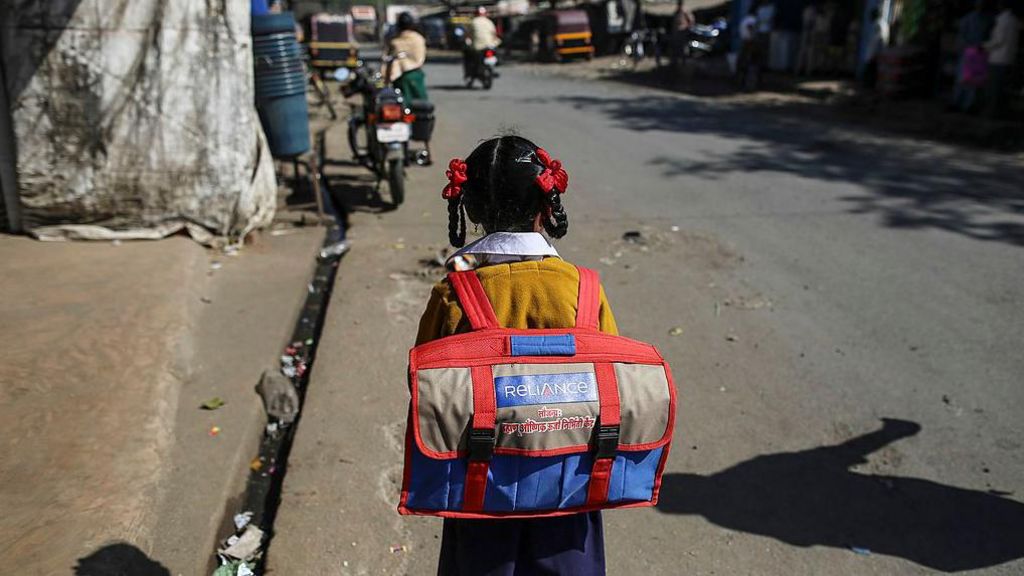
    The contentious section, titled “The Role of the Judiciary in Our Society,” was intended for eighth standard students aged 13-14. It contained references to “corruption at various levels of the judiciary” and highlighted the massive backlog of over 53 million pending cases in Indian courts. The textbook attributed judicial delays to multiple systemic factors including insufficient judges, complex legal procedures, and inadequate infrastructure.

    The court’s ruling on Thursday imposed a complete ban on any further publication, reprinting, or digital dissemination of the material. Additionally, the bench issued notices to senior education officials and NCERT’s director, demanding explanations for why they should not be held in contempt of court for including the controversial content.

    The textbook had drawn sharp criticism from legal professionals who described its content as “scandalous” and disrespectful. Senior advocate Kapil Sibal expressed deep concern about teaching children that the judiciary is corrupt, while Abhishek Manu Singhvi criticized the text for being one-sided and ignoring corruption in other sectors like politics and bureaucracy.

    NCERT, an autonomous body under the federal education ministry, develops syllabus and textbooks primarily for the Central Board of Secondary Education (CBSE), though its materials are widely used by state education boards and private schools across India, making their publications subject to intense public scrutiny.

  • Green light for apartments on site of mother and baby home

    Green light for apartments on site of mother and baby home

    Cork City Council has granted conditional planning approval for a 140-unit apartment complex on the grounds of Bessborough House, a former mother and baby home in Blackrock, Cork. The controversial decision comes despite vehement opposition from survivors’ groups and local officials concerned about potential desecration of unmarked burial sites.

    The development, proposed by Estuary View Enterprises, will involve demolishing ten existing agricultural structures and constructing three residential blocks featuring workspace, library, and function facilities. The project includes infrastructure upgrades such as a new pedestrian bridge and enhanced cycling paths.

    This approval carries profound historical sensitivity. Bessborough operated from 1922 to 1998 as part of Ireland’s network of institutions for unmarried mothers. A state inquiry revealed that over 900 children died at the facility, with only 64 having identified graves. The commission documented “very extensive inquiries and searches” yet could not establish burial locations for the vast majority.

    The planning permission includes 70 stringent conditions mandating archaeological supervision. Developers must employ qualified archaeologists and forensic anthropologists specializing in juvenile remains to monitor all excavations. Any discovery of human remains requires immediate work cessation and notification of coronial and police authorities.

    The Bessborough Mother and Baby Home Support Group formally objected, arguing the development lacks proper sensitivity and transparency. Labour Councillor Peter Horgan joined the opposition, advocating instead for public ownership as memorial parkland rather than private residential profit.