分类: society

  • Death toll from floods in Thailand reach 145 as receding water reveals widespread damage

    Death toll from floods in Thailand reach 145 as receding water reveals widespread damage

    BANGKOK — Catastrophic flooding across twelve southern Thai provinces has resulted in at least 145 confirmed fatalities, according to official statements released Friday. The devastating deluge, triggered by torrential rainfall, has impacted approximately 1.2 million households and 3.6 million residents throughout the region.

    Government spokesperson Siripong Angkasakulkiat confirmed during a Bangkok news conference that the majority of casualties occurred in Songkhla province, which alone recorded 110 deaths. The death toll saw a significant increase as receding floodwaters enabled rescue teams to access previously submerged residential areas, particularly in Hat Yai, the south’s largest urban center.

    While flood levels have subsided across most affected zones, certain locations continue to experience elevated water levels. The Meteorological Department reported decreased rainfall but issued ongoing thunderstorm warnings for specific areas.

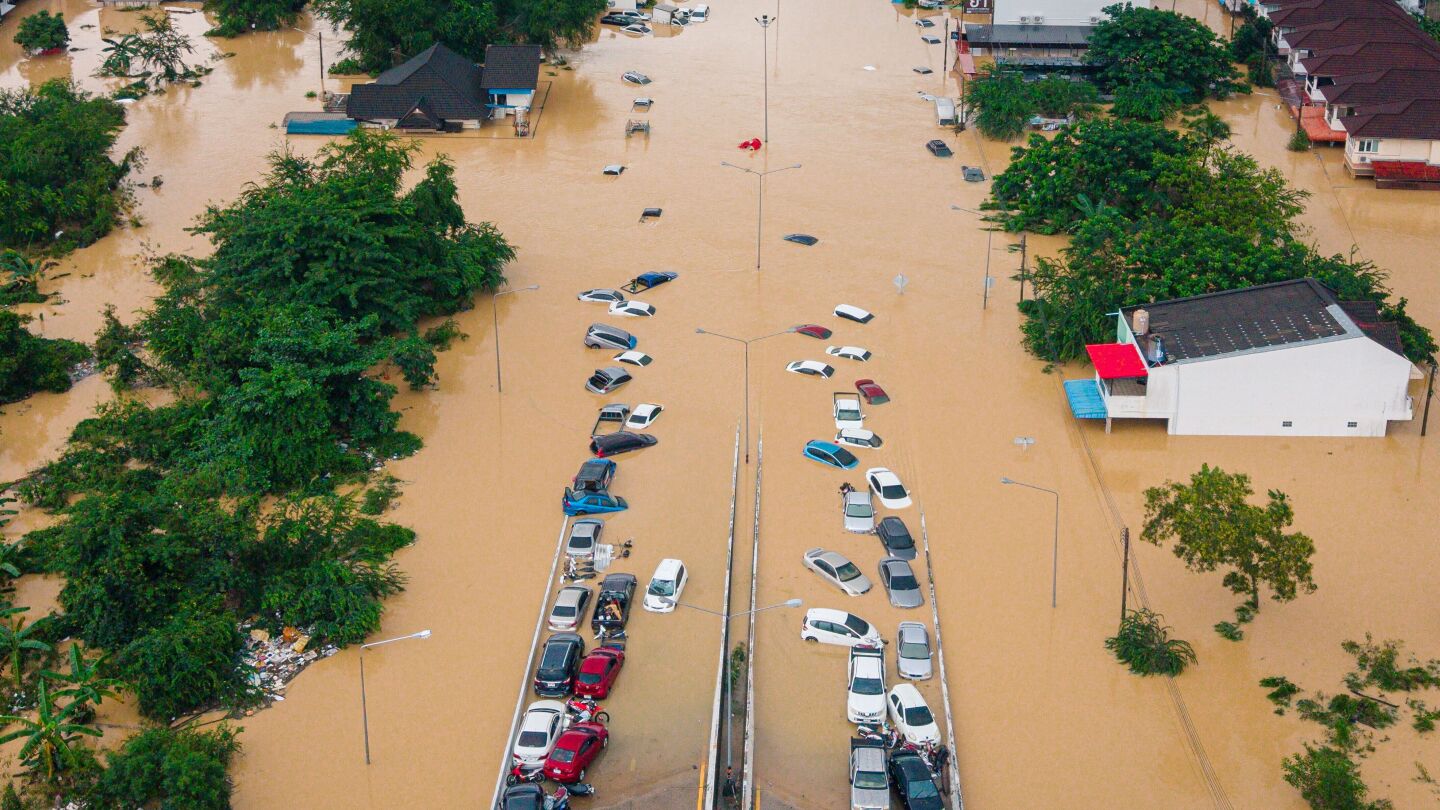
    The scale of destruction became increasingly visible as waters retreated, revealing overturned vehicles, collapsed infrastructure, and extensive debris accumulation. Powerful currents had swept away automobiles, leaving them stacked atop one another, while damaged roads and fallen power poles rendered many areas inaccessible. Household appliances and personal belongings lay scattered throughout flooded neighborhoods, illustrating the overwhelming force of the floodwaters that stranded thousands of residents and submerged low-rise buildings.
  • Kenyan court declares law banning seed sharing unconstitutional

    Kenyan court declares law banning seed sharing unconstitutional

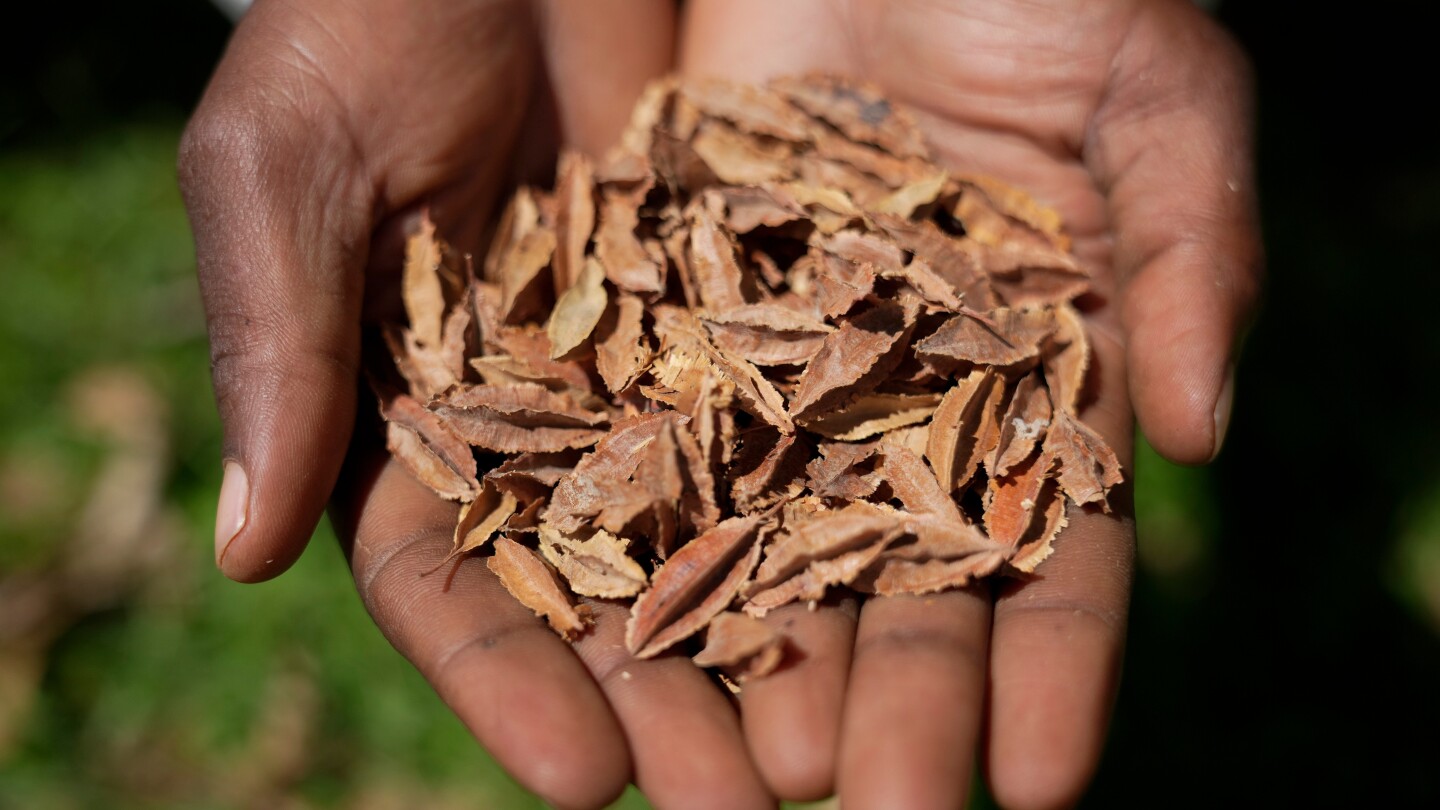
    In a groundbreaking judicial decision, Kenya’s High Court has struck down controversial provisions of the nation’s seed legislation that criminalized traditional farming practices. The ruling, delivered Thursday in Kisumu, nullifies sections of the 2012 seed law that imposed severe penalties—including two-year imprisonment and fines equivalent to $7,700—on farmers for sharing indigenous seeds through community seed banks.

    Presiding Justice Rhoda Rutto declared unconstitutional the statutory clauses that granted government authorities power to conduct raids on seed banks and confiscate seeds. The original legislation was enacted to combat the proliferation of counterfeit seeds that had caused significant agricultural losses, granting exclusive seed trading rights to licensed corporations.

    The case was brought before the court by fifteen smallholder farmers representing community seed banks that have preserved and distributed traditional seeds for generations. Plaintiff Samuel Wathome expressed profound relief, stating: “My grandmother saved seeds, and today the court has said I can do the same for my grandchildren without fear of the police or of prison.”

    Environmental and food security advocates hailed the decision as transformative. Elizabeth Atieno of Greenpeace Africa celebrated the outcome as “a victory for our culture, our resilience, and our future,” emphasizing that the ruling challenges corporate dominance over food systems while legitimizing climate-resilient agricultural practices.

    The court’s recognition of indigenous seeds—known for their drought resistance and adaptability to local conditions—marks a significant advancement for food security advocates who have long promoted farmer-government collaboration in seed preservation. While Kenya maintains a national seed bank near Nairobi, community-based seed preservation remains crucial for both variety accessibility and geographical convenience for farmers.

    This decision emerges against the backdrop of ongoing challenges in Kenya’s agricultural sector, where counterfeit seeds have resulted in massive financial losses for farmers dependent on rain-fed agriculture.

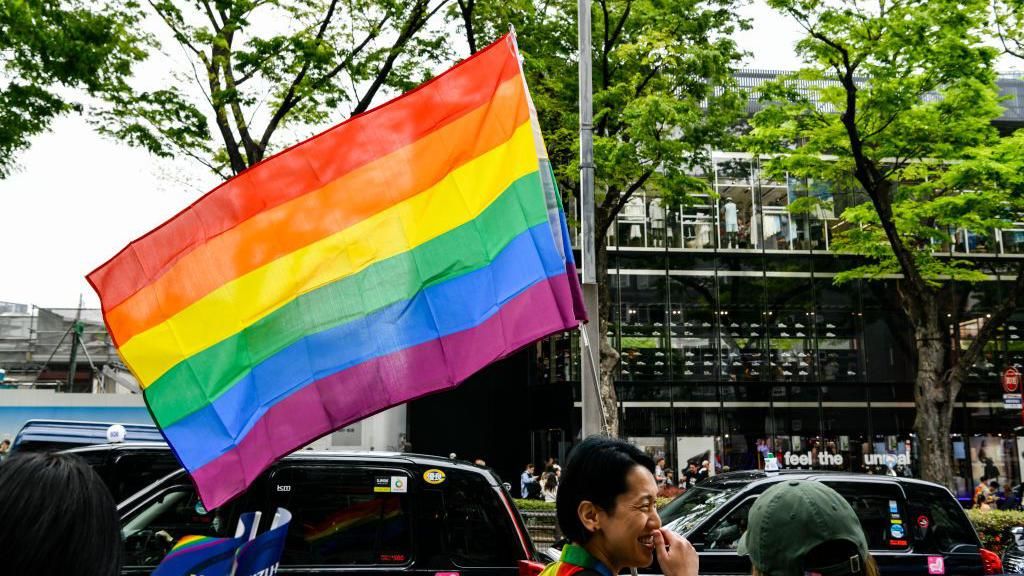
  • Japan’s same-sex marriage ban is constitutional, says Tokyo court

    Japan’s same-sex marriage ban is constitutional, says Tokyo court

    In a landmark decision that defies recent judicial trends, Tokyo’s High Court has declared Japan’s prohibition of same-sex marriage constitutional. This verdict stands in stark contrast to five previous high court rulings across the nation that had found the ban unconstitutional, creating significant disappointment among marriage equality advocates.

    The ruling emerged from the final batch of six same-sex marriage lawsuits filed between 2019 and 2021 in various Japanese cities including Sapporo, Osaka, and Fukuoka. Presiding Judge Ayumi Higashi asserted that the matter should first undergo parliamentary deliberation rather than judicial determination, according to Mainichi newspaper reports.

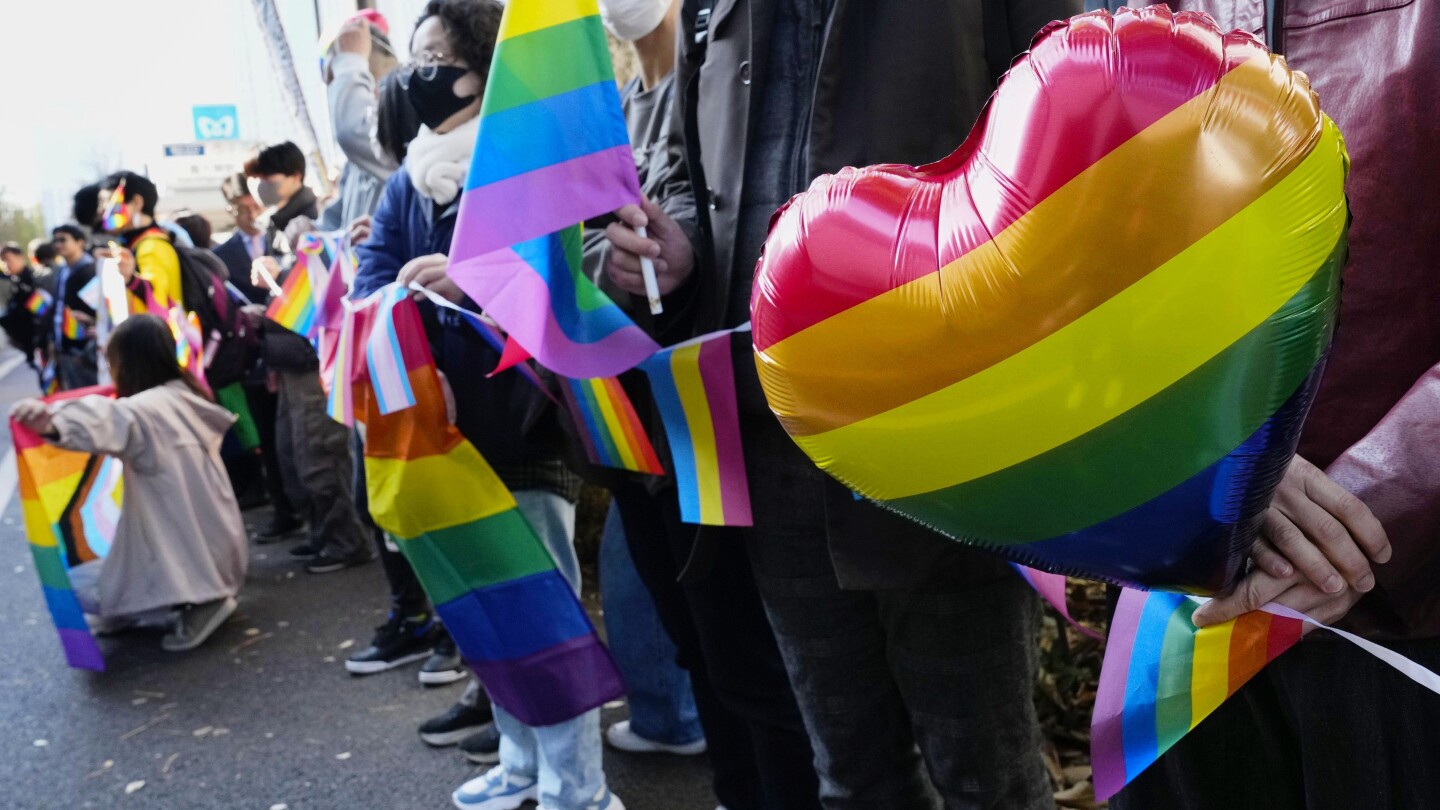
    Plaintiffs and their legal representatives gathered outside the courthouse expressed profound dismay, displaying signs declaring the verdict “unjust.” Shino Kawachi, one of the plaintiffs, questioned the judiciary’s perspective: “What is justice? Was the court even watching us? Were they considering the next generation?” Her partner, Hiromi Hatogai, conveyed extreme outrage while vowing to continue their legal battle.

    Amnesty International’s East Asia researcher Boram Jang condemned the decision as a “damaging step backwards,” urging the Japanese government to proactively work toward legalization so same-sex couples can enjoy equal marriage rights. Japan remains the only G7 nation without full recognition or clear legal protections for same-sex couples, though it aligns with most Asian countries where only Taiwan, Thailand, and Nepal currently permit same-sex marriages.

    The cases are expected to advance to Japan’s Supreme Court for final adjudication, setting the stage for a definitive national ruling on marriage equality.

  • Sons of Virginia Giuffre, who accused Andrew and Epstein of abuse, seek control of her estate

    Sons of Virginia Giuffre, who accused Andrew and Epstein of abuse, seek control of her estate

    A contentious legal proceeding unfolded in Australia’s Supreme Court on Friday as multiple parties vied for control of the estate belonging to Virginia Giuffre, the prominent accuser in the Jeffrey Epstein sexual abuse scandal. The hearing marked the beginning of what promises to be an extended legal battle over Giuffre’s assets, which include real estate holdings in Western Australia and potential royalties from her recently published memoir.

    Giuffre, who died by suicide in April at age 41 without leaving a will, had achieved international recognition for her allegations against Epstein and Britain’s Prince Andrew. Her two adult sons, Christian (19) and Noah Giuffre (18), have petitioned the court to be appointed administrators of their mother’s estate. Their application faces opposition from two unexpected quarters: Giuffre’s former housekeeper and caregiver Cheryl Myers, and her Perth-based attorney Karrie Louden, both of whom are seeking administrative control.

    The court has appointed a temporary administrator to oversee the estate pending resolution of the case. During Friday’s proceedings, legal representatives debated whether Giuffre’s minor daughter (whose identity remains protected by court order) and her estranged husband Robert Giuffre should be included as formal parties to the litigation.

    Complicating the matter further are revelations about Giuffre’s personal circumstances prior to her death. Court documents indicate she had separated from her family earlier this year and faced pending charges for violating a family violence restraining order related to a February incident. The case will resume with additional hearings scheduled for next year, as the court seeks to determine the most appropriate stewardship of assets connected to one of the most high-profile figures in the Epstein scandal.

  • Death toll rises to 94 in Hong Kong residential building fire: fire department

    Death toll rises to 94 in Hong Kong residential building fire: fire department

    Hong Kong authorities confirmed Thursday that the death toll from a devastating residential building fire has climbed to 94, marking one of the deadliest fire incidents in the city’s recent history. The fire department continues rescue operations at the scene amid growing concerns about building safety standards in densely populated urban areas.

    The blaze, which erupted in a multi-story residential complex, prompted an extensive emergency response involving hundreds of firefighters and medical personnel. Despite their efforts, the rapid spread of flames and dense smoke created extremely challenging rescue conditions, resulting in the staggering casualty count.

    Chinese President Xi Jinping has expressed profound condolences over the tragic incident and called for maximum efforts in rescue operations to minimize further losses. The statement emphasized prioritizing people’s lives and safety while mobilizing all available resources for the emergency response.

    Local authorities have launched a comprehensive investigation into the fire’s cause, with preliminary reports suggesting possible electrical faults or structural safety issues as potential contributing factors. The tragedy has sparked immediate discussions about fire safety regulations and building maintenance standards in Hong Kong’s aging residential infrastructure.

    Survivors and families of victims are receiving government support services as the community grapples with the scale of the tragedy. The incident has drawn attention to urban safety challenges in high-density living environments across Asian metropolises.

  • Court’s ruling against same-sex marriage sets up a Japan Supreme Court decision

    Court’s ruling against same-sex marriage sets up a Japan Supreme Court decision

    In a significant legal setback for marriage equality advocates, Tokyo’s High Court declared Japan’s prohibition of same-sex unions constitutional on Friday, marking the first defeat at this judicial level among six parallel cases challenging the nation’s marital laws.

    The ruling overturned a previous lower court decision from 2023 and established that Japan’s legal framework rationally defines family as a unit comprising heterosexual couples and their children. Presiding Judge Ayumi Higashi asserted that excluding same-sex partnerships from marital recognition remains legally valid under this interpretation. The court additionally rejected damage claims of 1 million yen (approximately $6,400) per plaintiff sought by eight LGBTQ+ individuals demanding equal marriage rights.

    This decision represents only the second judicial finding supporting the constitutionality of Japan’s current policy since the 2022 Osaka District Court ruling. With all six high court cases now concluded, attention turns to the Supreme Court, which is anticipated to consolidate appeals and deliver a definitive verdict potentially as early as next year.

    Plaintiffs expressed profound disappointment outside the courthouse. ‘Rather than sorrow, I’m outraged and appalled by the decision,’ stated Hiromi Hatogai, one of the claimants. Another participant, Rie Fukuda, emphasized their determination: ‘We only want to be able to marry and be happy, just like anyone else. I believe society is changing. We won’t give up.’

    Despite this judicial setback, recent years have witnessed rapidly growing public support for marriage equality and increasing backing from Japan’s business community. The nation remains the sole G7 country that neither recognizes same-sex marriage nor provides legally binding protections for LGBTQ+ couples, with Prime Minister Sanae Takaichi’s conservative Liberal Democratic Party maintaining strong opposition to marital rights expansion.

    More than 30 plaintiffs have participated in marriage equality lawsuits filed across Japan since 2019, arguing that current civil law provisions violate constitutional guarantees of equality and marriage freedom. The government maintains that civil marriage fundamentally concerns heterosexual unions and places importance on natural reproduction.

  • Ten photos from across China: Nov 21 – 27

    Ten photos from across China: Nov 21 – 27

    A captivating visual narrative unfolded across China from November 21-27, 2025, showcasing the nation’s rich cultural heritage and contemporary advancements. The photographic collection, released by official sources, provides a multifaceted glimpse into China’s regional diversity and traditional practices.

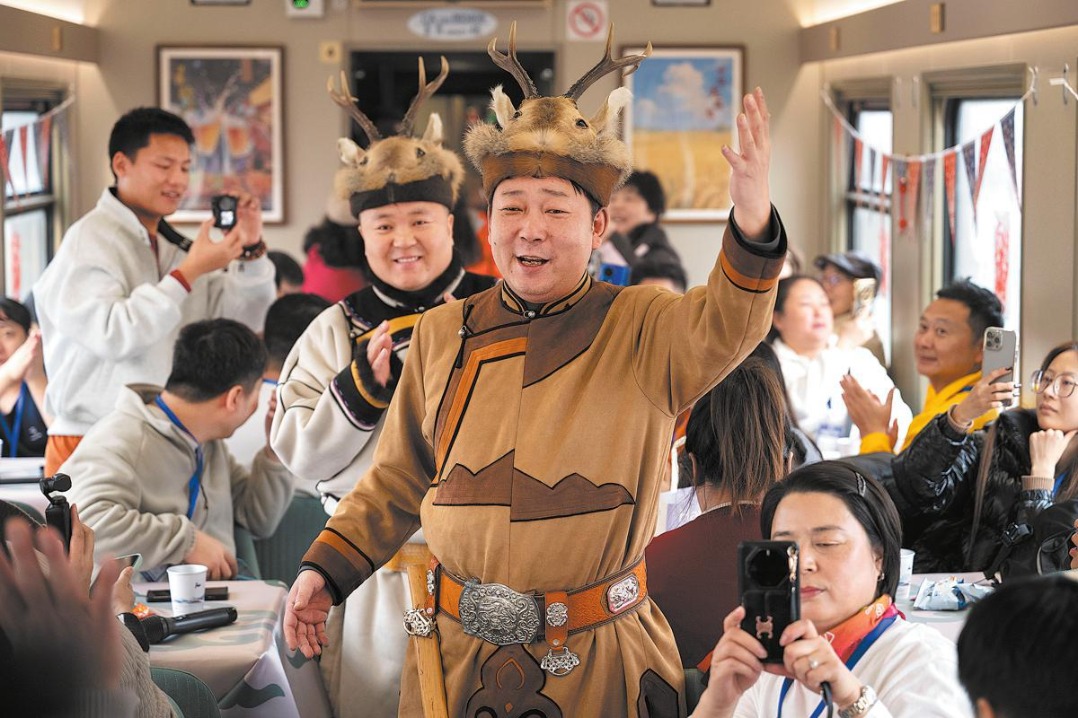
    In Southwest China’s Yunnan province, the ancient tie-dye technique of the Bai ethnic group demonstrated remarkable preservation efforts. Artisans in Zhoucheng village of Dali Bai Autonomous Prefecture meticulously created intricate knots on fabrics using methods dating back over a millennium. This traditional folk art, recognized for its cultural significance, earned placement on China’s first national intangible cultural heritage list in 2006, ensuring its protection for future generations.

    The photographic series extended beyond cultural preservation to highlight various aspects of Chinese society including technological innovation, environmental initiatives, and urban development. Each image told a distinct story of regional characteristics while collectively portraying China’s balanced approach to maintaining cultural traditions while embracing modernization.

    These visual documents serve as both artistic expression and historical record, capturing moments that reflect the government’s commitment to cultural conservation. The collection provides international audiences with accessible insights into China’s diverse ethnic traditions and their continued relevance in contemporary society.

    The timing of this release coincides with increased global interest in indigenous craftsmanship and sustainable practices, positioning China’s cultural heritage within broader international conversations about preserving traditional arts in the modern world.

  • Hong Kong firefighters make final search for survivors after apartment tower blaze kills 94

    Hong Kong firefighters make final search for survivors after apartment tower blaze kills 94

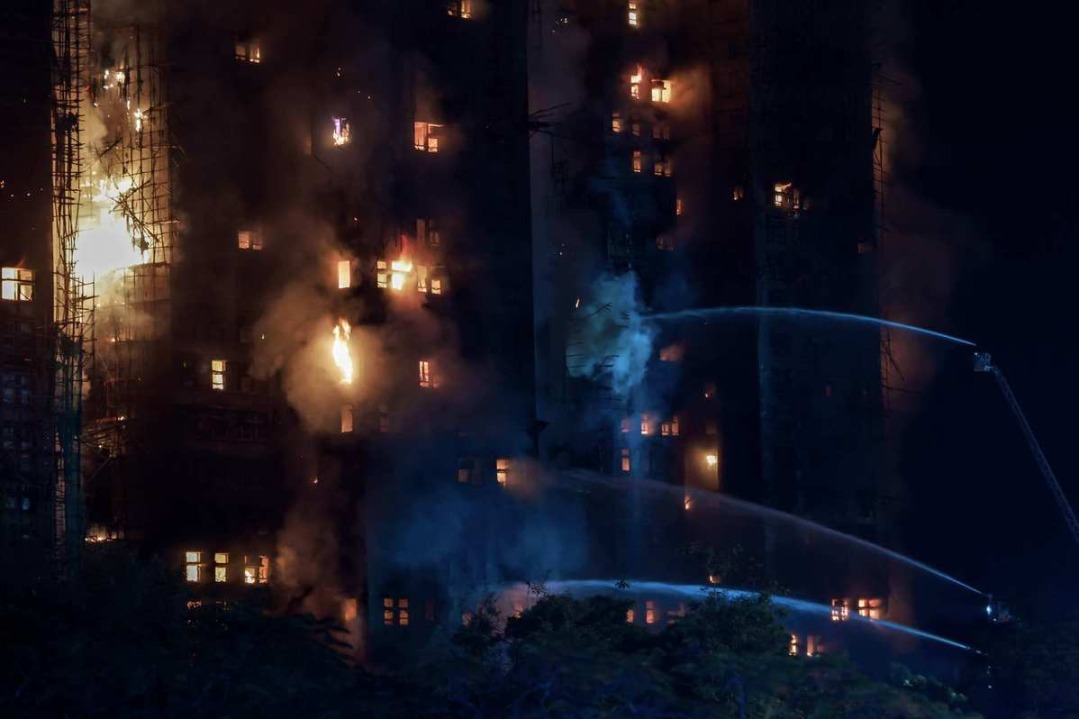
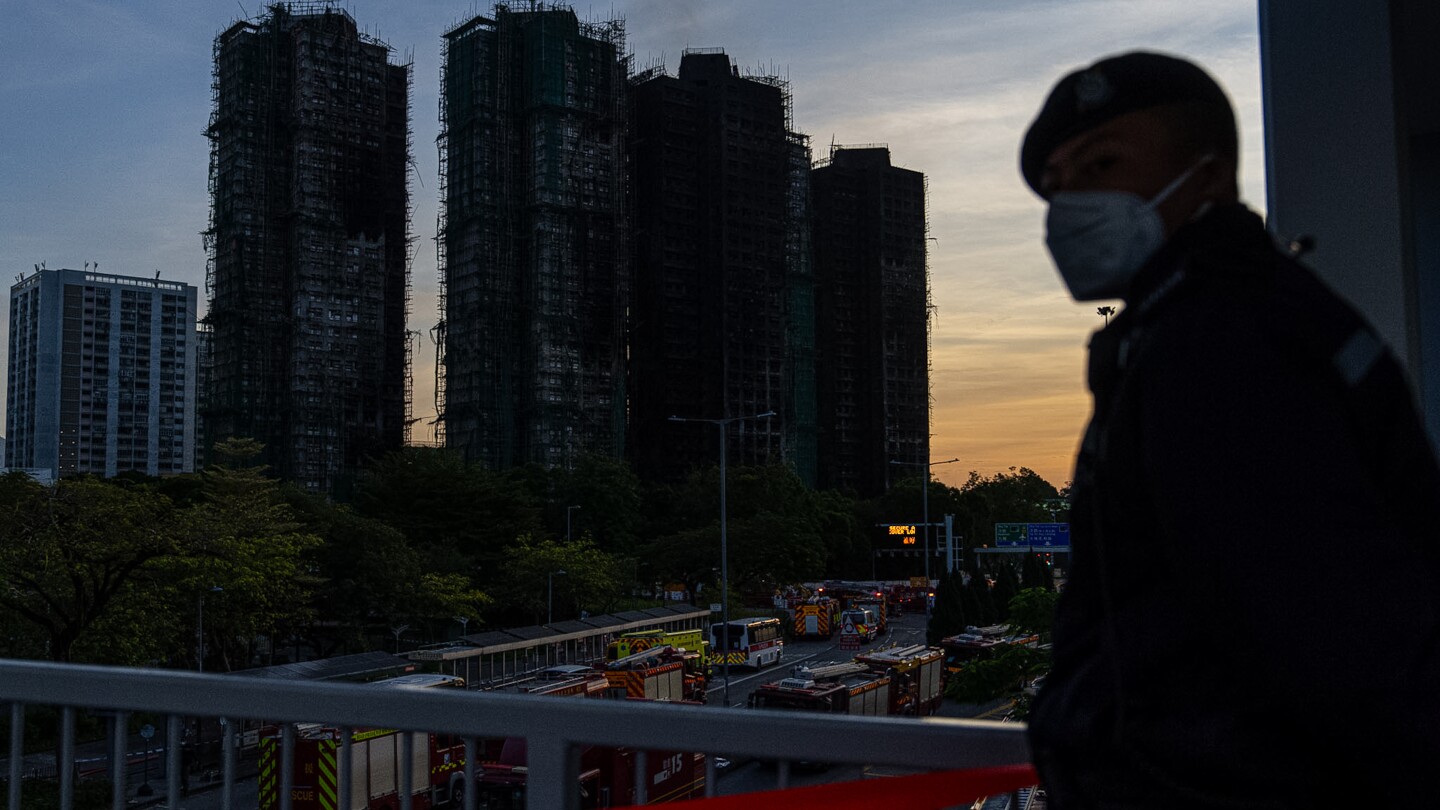
    HONG KONG — In one of the most catastrophic urban fires in recent history, Hong Kong authorities concluded a massive search operation Friday through the charred remains of a residential complex where a devastating blaze claimed at least 94 lives. The inferno, which rapidly engulfed seven interconnected towers in the Wang Fuk Court complex, represents the city’s deadliest fire incident in decades.

    Firefighters conducted apartment-by-apartment sweeps as their operation transitioned from rescue to recovery. Deputy Director of Hong Kong Fire Services Derek Armstrong Chan confirmed crews prioritized approximately 25 units from which distress calls were received during the height of the emergency but remained unreachable until flames subsided.

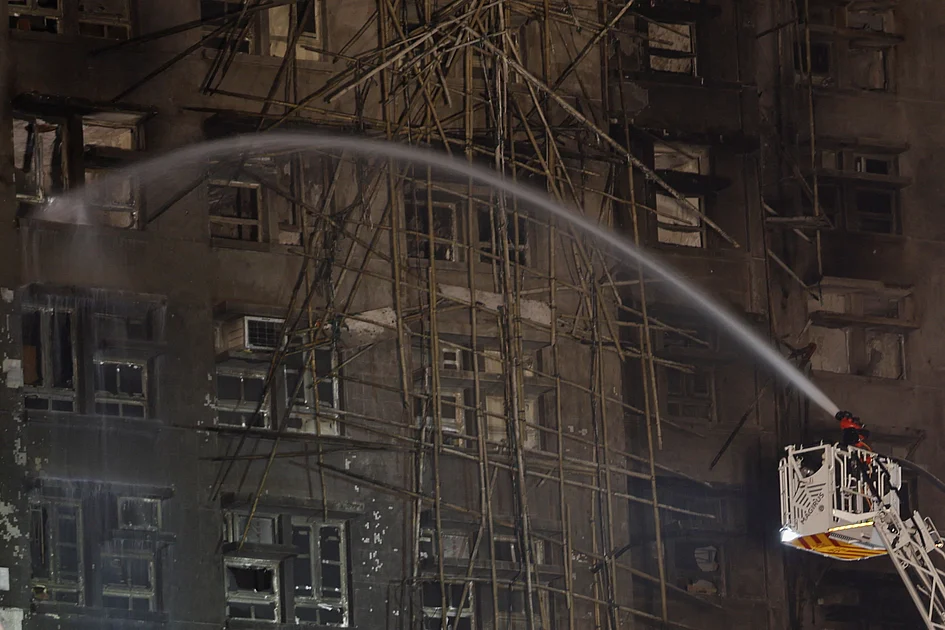
    The tragedy ignited Wednesday afternoon when renovation scaffolding—constructed primarily from bamboo and covered in netting—caught fire, creating a rapid vertical conduit for flames to jump between buildings. Over 1,000 firefighters battled the five-alarm conflagration for 24 hours before bringing it under control, with sporadic flare-ups continuing to produce smoke nearly two days later.

    The Tai Po district complex, housing approximately 4,800 residents across 1,900 apartments with significant elderly population, became the scene of unprecedented destruction. Hong Kong leader John Lee reported 279 residents remained unaccounted for early Thursday, though officials cautioned the final missing persons count would only be determined after complete building searches.

    The disaster has triggered multiple investigations, including a corruption probe into renovation practices. Hong Kong’s Independent Commission Against Corruption has joined the investigation amid allegations of substandard materials and safety violations. Three construction company officials—including directors and an engineering consultant—have been arrested on suspicion of manslaughter, with police citing evidence of gross negligence.

    Authorities identified highly flammable plastic foam panels improperly installed near elevator lobbies and suspect exterior wall materials failed to meet fire resistance standards, contributing to the unusually rapid fire spread. The government has announced immediate safety inspections at all housing estates undergoing major renovations.

    With over 70 injured including 11 firefighters, and approximately 900 residents displaced to temporary shelters, the catastrophe has exposed critical safety concerns in urban construction practices. The incident marks the most lethal fire since Hong Kong’s 1996 commercial building blaze that killed 41 people in Kowloon.

  • Louvre hikes ticket prices for most non-EU tourists by 45%

    Louvre hikes ticket prices for most non-EU tourists by 45%

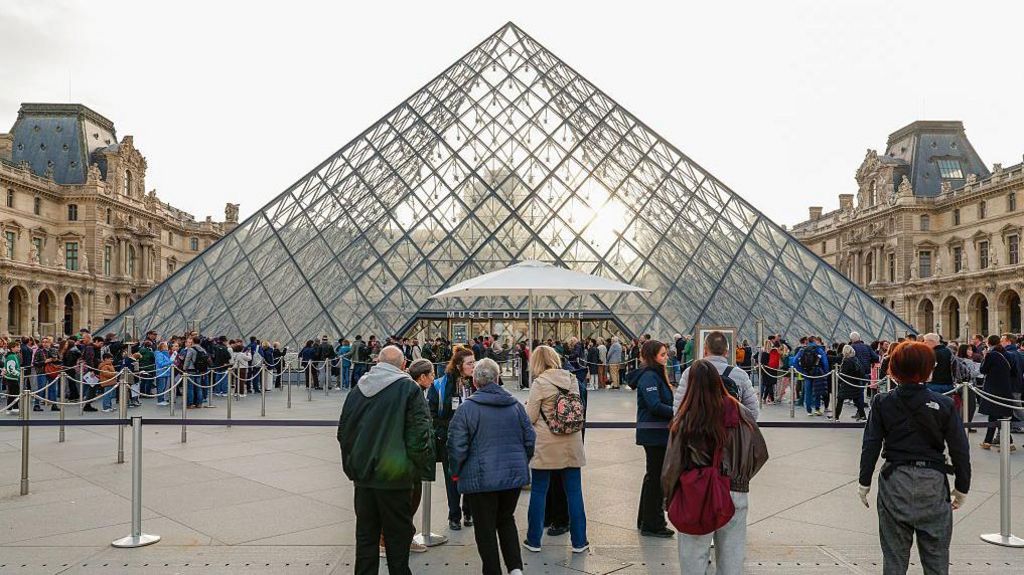
    The Louvre Museum in Paris has announced a substantial 45% price increase for visitors from outside the European Economic Area, effective January 14th. The decision, ratified by the museum’s board on Thursday, will see tourists from nations including the United States, United Kingdom, and China paying €32 ($37; £28) for admission—an increase of €10 from current rates.

    This strategic move comes in response to mounting criticism of the institution’s security protocols and aging infrastructure following a spectacular October heist where thieves stole jewelry valued at $102 million (£76m) in a meticulously executed operation. An official audit conducted after the incident revealed significant deficiencies in the museum’s protective systems.

    The revenue generated from this pricing restructuring is projected to yield millions annually, earmarked for comprehensive security enhancements and facility modernization. These improvements include addressing structural concerns that recently forced the closure of the Greek ceramics gallery, alongside planned renovations to visitor amenities including restrooms and dining facilities.

    As the world’s most visited museum with approximately 9 million attendees in 2024—predominantly international tourists—the Louvre has faced persistent challenges with overcrowding. Notably, American visitors constitute over 10% of attendance, with Chinese tourists accounting for approximately 6%.

    In a parallel development, President Emmanuel Macron confirmed plans to relocate Leonardo da Vinci’s Mona Lisa to a dedicated exhibition space to alleviate congestion in the Salle des États, where approximately 30,000 daily visitors compete for brief viewing opportunities of the iconic masterpiece.

    The pricing strategy aligns with earlier suggestions from Macron and museum administration regarding differential fees for non-EU residents, though implemented earlier than the initially proposed 2026 timeline.

  • Hong Kong fire ‘expected to be extinguished tonight’; construction firm bosses arrested

    Hong Kong fire ‘expected to be extinguished tonight’; construction firm bosses arrested

    Hong Kong authorities have made significant arrests in connection with the catastrophic fire that engulfed the Wang Fuk Court housing complex, marking the city’s most devastating blaze since 1948. Police have taken into custody two directors and an engineering consultant from Prestige Construction, the firm contracted for maintenance work, on suspicion of manslaughter due to alleged gross negligence in using unsafe materials.

    The inferno, which tore through the northern Tai Po district complex wrapped in bamboo scaffolding and green mesh, has claimed at least 83 lives with approximately 300 individuals still unaccounted for. Firefighters battled intense heat and thick smoke for over 24 hours before largely containing the blaze, with officials anticipating complete extinguishment by Friday evening.

    Rescue operations revealed harrowing scenes as distraught families searched for missing relatives outside emergency shelters housing 900 displaced residents. “They didn’t have water to save our building,” wept one 52-year-old woman identified only as Ng, clutching her daughter’s graduation photo while awaiting news of her family’s fate.

    The tragedy has triggered a massive response across societal and political spheres. Hong Kong leader John Lee announced a HK$300 million ($39 million) relief fund, while major corporations including Xiaomi, Xpeng, Geely, and foundations linked to Alibaba’s Jack Ma and Tencent pledged substantial donations. Pope Leo expressed spiritual solidarity through a telegram to Hong Kong’s bishop, while Chinese President Xi Jinping called for “all-out efforts” to minimize casualties.

    Authorities seized critical evidence including bidding documents, employee records, and electronic devices during raids on Prestige Construction’s offices. The development bureau has initiated discussions about replacing traditional bamboo scaffolding with metal alternatives as a safety measure, responding to concerns about the flammable foam material found sealing windows in unaffected buildings.

    The densely-packed complex, home to over 4,600 residents through Hong Kong’s subsidized home ownership scheme, represents the acute affordable housing challenges facing the financial hub. The tragedy has drawn comparisons to London’s 2017 Grenfell Tower disaster, raising serious questions about construction safety standards in high-density urban environments.