分类: society

  • ‘Too scared to speak’ – Nigerian villagers on living in the midst of kidnap gangs

    ‘Too scared to speak’ – Nigerian villagers on living in the midst of kidnap gangs

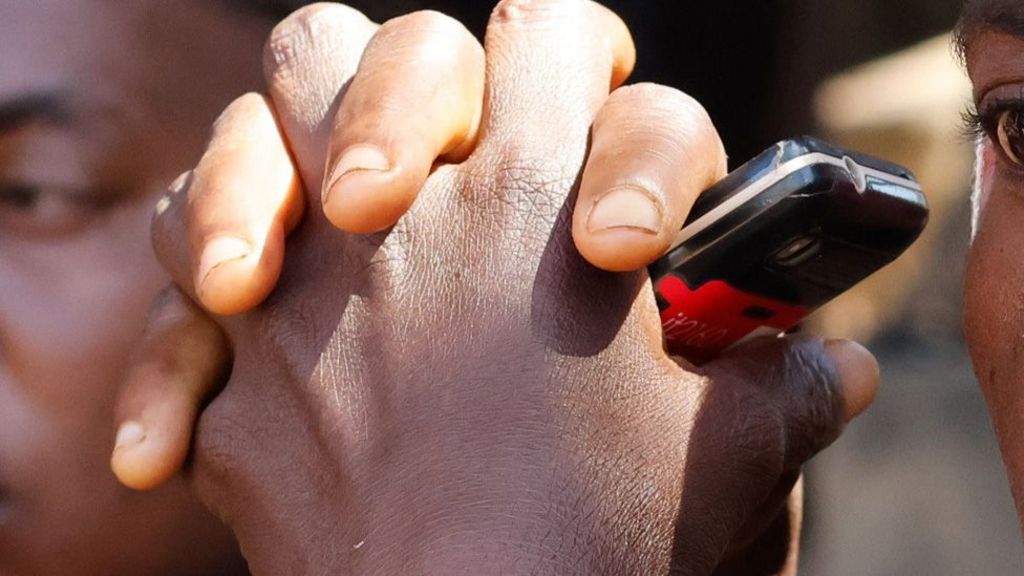
    In the remote village of Papiri in Niger state, anguished parents maintain a fearful vigil outside St. Mary’s Catholic School, their silence speaking volumes about Nigeria’s escalating kidnapping epidemic. Their children—among them five-year-olds—vanished ten days ago when armed militants stormed the boarding facility under cover of darkness, part of a disturbing resurgence of mass abductions plaguing north and central Nigeria.

    Over 300 students were taken in the November 21 raid, with approximately 250 reportedly still missing despite official claims that numbers are exaggerated. The BBC has spoken with terrified parents who refuse to be identified, fearing brutal reprisals from captors they know operate just three hours from their community. “If they hear you say anything about them, before you know it they’ll come for you. They’ll come to your house and take you into the bush,” shared one father identified only as Aliyu, whose son remains among the missing.

    This incident follows a similar pattern to the abduction of 25 girls from Maga in Kebbi state just days earlier, though those students were subsequently rescued from a farm settlement by security forces. While no group has claimed responsibility, the Nigerian government suggests jihadist elements rather than conventional bandits may be behind these operations—a distinction that matters little to traumatized families.

    The crisis has forced remote communities to develop extraordinary survival strategies. After enduring a decade of violence with minimal government protection, some villages have initiated unprecedented peace negotiations with their tormentors. In Katsina state, communities like Jibia and Kurfi have brokered fragile agreements where bandits guarantee safety in exchange for access to resources—including mineral-rich lands and market privileges.

    Security analyst David Nwaugwe of SBM Intelligence explains: “Those communities severely affected by mass kidnappings have struck so-called peace deals with these bandits in exchange for access to mines.” Northwest Nigeria contains significant untapped mineral deposits, particularly gold, creating profitable opportunities for armed groups.

    These negotiations—conducted under shade trees with armed bandit leaders present—have yielded tentative successes. Schools have reopened, hostages have been released, and violence has decreased in participating areas. Bandit leader Nasiru Bosho, who participated in Kurfi talks, stated: “We are all tired of violence. We have agreed to live and let live.”

    However, security experts warn these local solutions may simply displace violence southward toward more economically advantaged regions where ransom payments are more substantial. The situation remains further complicated by international factors, including recent comments from U.S. political figures that Nigerian officials insist oversimplify the complex religious and criminal dynamics at play.

    As Christian Ani of the Institute for Security Studies notes: “Nigeria’s security situation is now very complicated. We don’t know how to draw the lines between violent extremist groups or bandits because they operate almost in the same areas and in a fluid manner.”

    For now, desperate parents in Papiri continue their vigil, hoping for their children’s safe return while larger solutions remain elusive in Africa’s most populous nation.

  • Watch: Moment huge fireball destroys Sydney waste facility

    Watch: Moment huge fireball destroys Sydney waste facility

    A catastrophic explosion rocked a waste management facility in Sydney, propelling a massive chemical storage tank into the sky and unleashing a towering inferno that required an unprecedented emergency response. The incident, captured in dramatic footage that circulated widely, shows a colossal fireball erupting with tremendous force, illuminating the night sky and sending plumes of thick, black smoke billowing across the metropolitan area.

    Emergency services scrambled to contain the blaze, deploying over 200 firefighters from multiple stations across the city to combat the intense flames. The complex nature of the fire, fueled by chemicals and waste materials, presented significant challenges to containment efforts. Authorities immediately established a substantial exclusion zone around the facility as a precautionary measure, urging nearby residents to remain indoors and keep windows closed to avoid exposure to potentially toxic fumes.

    The explosion’s cause remains under rigorous investigation by environmental agencies and fire authorities, with initial assessments pointing toward a possible chemical reaction within the facility’s storage systems. Structural engineers were called to evaluate the integrity of remaining infrastructure while environmental specialists began monitoring air quality across surrounding neighborhoods. The incident has raised serious questions about safety protocols at industrial facilities operating within urban environments, prompting calls for renewed scrutiny of hazardous material storage regulations.

  • Dubai: Camel trekkers from 14 countries to embark on 1,000km desert journey for 21 days

    Dubai: Camel trekkers from 14 countries to embark on 1,000km desert journey for 21 days

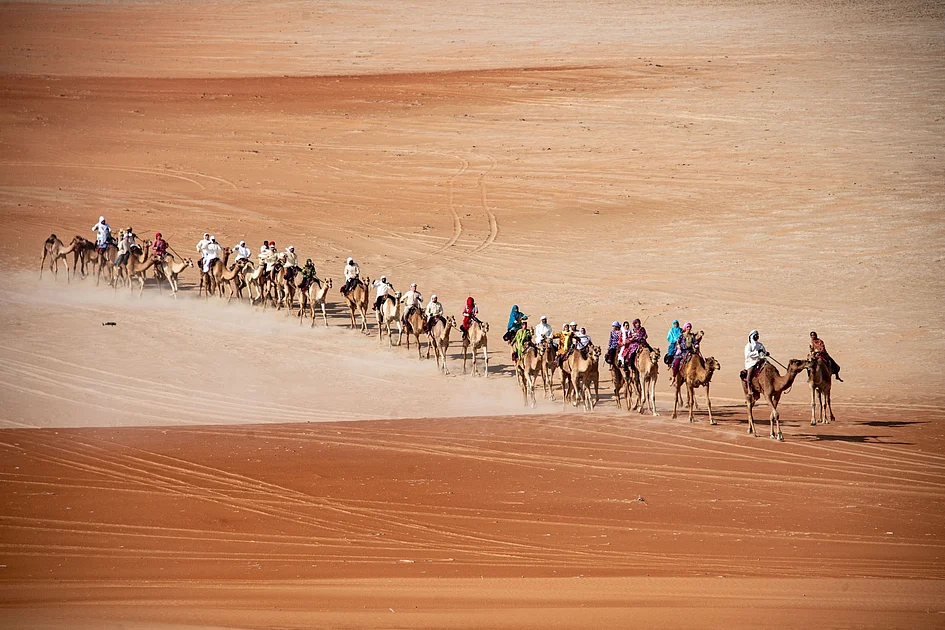
    A diverse assembly of 33 adventurers from 14 nations is poised to undertake a monumental 21-day camel trek across 1,000 kilometers of the UAE’s desert landscape. Commencing at dawn on November 30th from As-Sila in the Al Dhafra region, this year’s expedition marks the longest journey in the event’s history, organized annually by the Hamdan Bin Mohammed Heritage Centre (HHC) since 2014.

    The participants, ranging from 16 to 60 years old, represent a global mosaic including China, Colombia, Spain, UK, Germany, Hong Kong, Russian Federation, Pakistan, New Zealand, Canada, Austria, Ireland, Italy, and the UAE. Selected through a rigorous HHC training program at a Dubai camel farm, these trekkers—both novices and veterans—will navigate prepared routes while camping at designated stations, culminating their desert voyage at Dubai’s Global Village on December 20th.

    HHC CEO Abdullah Hamdan Bin Dalmook emphasized the trek’s significance in promoting cultural heritage and embodying values of tolerance, endurance, and camaraderie. The initiative revives traditional Bedouin lifestyles while creating an extraordinary test of human spirit and collective effort against the challenging desert environment.

  • Forgotten photos reveal women who powered India’s freedom struggle

    Forgotten photos reveal women who powered India’s freedom struggle

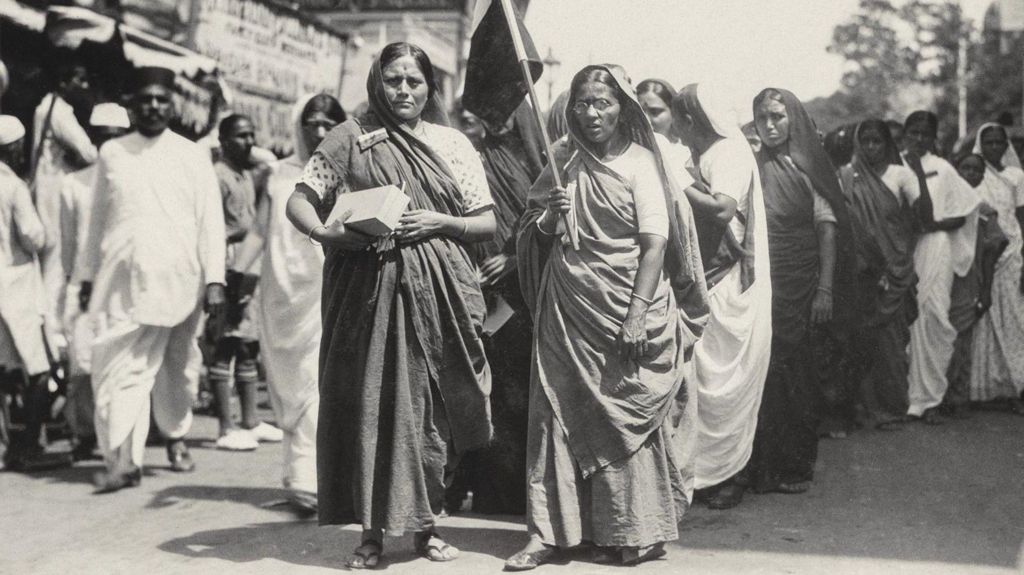
    A remarkable photographic collection has emerged as transformative evidence documenting the previously underrecognized leadership of women in India’s historic civil disobedience movement of 1930-31. The Alkazi Foundation’s acquisition of the Nursey album—a previously obscure photographic record discovered at a London auction two decades ago—has fundamentally reshaped historical understanding of this critical anti-colonial struggle.

    The collection captures unprecedented visual testimony of women commanding political activities during Mahatma Gandhi’s civil disobedience campaign, often relegating male participants to supportive roles. These images document female volunteers manufacturing contraband salt, leading boycott processions through Bombay’s markets, confronting British police forces, and orchestrating mass demonstrations. Particularly striking are images of Congress leader Lilavati Munshi directing male volunteers at government salt pans and standing defiantly before boycotted British establishments.

    Historical significance extends beyond recognized figures like Munshi to thousands of anonymous women who joined the movement. The photographs reveal mothers bringing young daughters to protests, intergenerational transmission of political consciousness, and remarkable inversions of traditional gender dynamics. Middle-class men—many previously unfamiliar with domestic spaces—are shown conducting impromptu salt production classes, while women dominated public demonstrations carrying spindles symbolizing Gandhi’s homespun khadi movement.

    Scholars from Duke University note the collection’s unique value in capturing spontaneous action rather than staged imagery. The photographs reveal violent confrontations, monsoon-soaked marches, and wounded volunteers being loaded into ambulances—scenes absent from conventional historical accounts. This visual record demonstrates how women seized nationalist activities through direct action: challenging police authority, drumming support for boycotts, addressing crowds, and courting arrest.

    The rediscovery has prompted major scholarly reappraisal. As historian Sumathi Ramaswamy notes, while history associates civil disobedience with Gandhi, these images demonstrate how Bombay’s citizens fundamentally shaped the movement that subsequently amplified Gandhi’s global fame. The photographs now circulate publicly through the publication ‘Photographing Civil Disobedience’ and museum exhibitions titled ‘Disobedient Subjects’ at Mumbai’s CSMVS Museum and Duke University’s Center for Documentary Studies, offering belated recognition to women whose resolve remains palpable nearly a century later.

  • UAE: Demand for turkey up as many families celebrate Thanksgiving over long weekend

    UAE: Demand for turkey up as many families celebrate Thanksgiving over long weekend

    The United Arab Emirates is witnessing a remarkable surge in Thanksgiving celebrations, with demand for traditional turkey meals reaching unprecedented levels during the extended National Day weekend. This American holiday has transcended its cultural origins, becoming an increasingly popular occasion for communal gatherings among diverse communities in the Gulf nation.

    Major food retailers and restaurants report exceptional growth in turkey sales, with some establishments experiencing 100% increased demand compared to 2024. The trend reflects the UAE’s evolving cultural landscape, where international traditions blend with local customs to create unique hybrid celebrations.

    According to industry experts, the phenomenon demonstrates significant shifts in consumer behavior. Warwick Gird, General Manager of Marketing at Spinneys, noted particularly strong demand for large turkeys in the 6-8 kg range, indicating that residents are hosting substantial gatherings. “We’ve seen high double-digit growth versus last year,” Gird confirmed, highlighting the scale of the increase.

    The trend extends beyond retail to prepared meals, with restaurants reporting substantial pre-order volumes. Joe Dourans, Operations Manager at Rodeo Drive, observed that while Thanksgiving originated as a US holiday, UAE families are embracing it as a warm, communal celebration. “Each year, we see more returning guests and larger group bookings,” Dourans noted, indicating the tradition’s growing roots beyond its original cultural context.

    Sajan Alex, CEO of Tablez Food Company, attributed the surge to strong economic performance and positive consumer sentiment. “Individuals are more willing to spend on premium festive experiences,” Alex stated, noting that their Famous Dave’s brand has seen 100% growth in demand for their oak-smoked turkey feast offerings.

    Industry professionals anticipate the trend will continue through the Christmas season and beyond, with turkey becoming a preferred centerpiece for various celebrations throughout the year. Interestingly, there’s growing interest in locally-infused variations that incorporate Middle Eastern flavors while maintaining the dish’s festive essence, creating a distinctive UAE interpretation of the Thanksgiving tradition.

  • Cambridge union approves motion saying world ‘failed Palestine’

    Cambridge union approves motion saying world ‘failed Palestine’

    In a decisive move reflecting growing campus activism, the Cambridge University Student Union has passed a motion declaring that the international community has failed Palestine. The resolution received overwhelming support during a Thursday debate featuring prominent voices from both sides of the conflict.

    The contentious debate featured Palestinian journalist and campaigner Yara Eid advocating for the motion, while Israeli speaker Hen Mazzig, a former army liaison officer, argued against it. Mazzig later characterized the reception to his arguments as ‘hostile’ in a Jewish News article reproducing his speech.

    This development follows last month’s significant decision by Cambridge Student Union to disaffiliate from the National Union of Students (NUS), citing the organization’s failure to adequately campaign for Palestine and support pro-Palestine protesters. The disaffiliation was further justified by citing poor value for money, with annual fees estimated at £20,000 ($26,000).

    The Cambridge vote aligns with broader student activism across the United Kingdom, where student groups and union officers from 55 universities signed an open letter demanding the NUS take a stronger stance on Gaza or face mass disaffiliation. In response, the NUS controversially demanded that union officers remove their signatures from the letter or face bans from NUS events.

    Concurrently, Cambridge University announced last month its decision to divest from companies involved in producing ‘controversial weapons,’ following a year of pro-Palestine protests on campus. This move mirrors similar action taken by King’s College, one of Cambridge’s largest colleges, which committed to divesting from arms industry companies complicit in ‘the occupation of Ukraine and Palestinian territories.’

  • UAE President waives Dh475 million in debt for over 1,400 citizens

    UAE President waives Dh475 million in debt for over 1,400 citizens

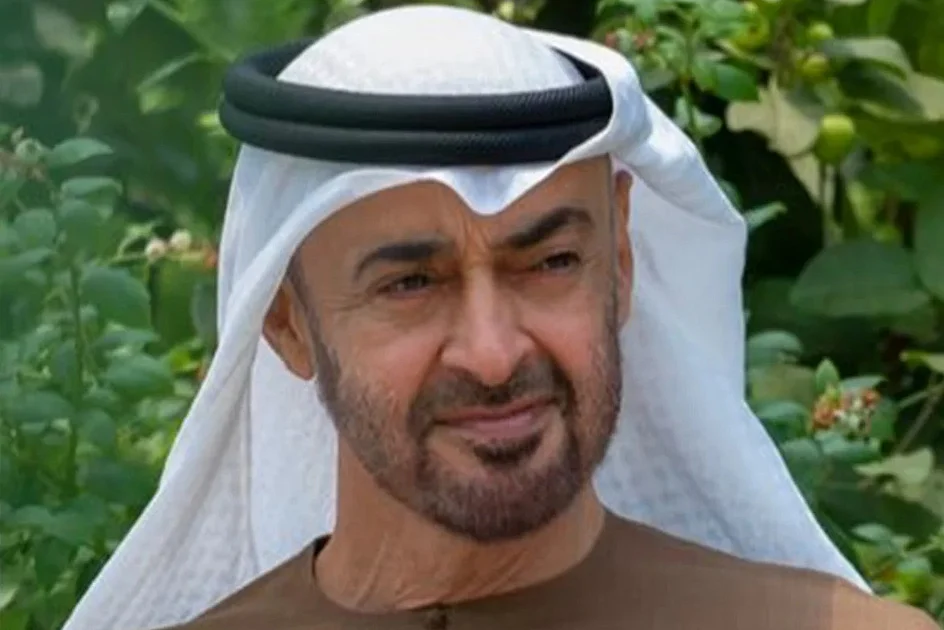
    In a sweeping humanitarian gesture, UAE President Sheikh Mohamed bin Zayed Al Nahyan has authorized the cancellation of debts exceeding Dh475 million for 1,435 Emirati citizens facing financial hardship. The monumental debt relief initiative, coordinated through the Defaulted Debts Settlement Fund, represents one of the most substantial social welfare measures undertaken in the nation’s recent history.

    The comprehensive debt waiver program specifically targets vulnerable segments of society, including humanitarian and medical cases, low-income borrowers, families of deceased individuals, retirees with limited means, and senior citizens. The program operates in collaboration with 19 major banking institutions and financial entities across the Emirates, ensuring widespread impact across the financial sector.

    Sheikh Mansour bin Zayed Al Nahyan, Vice President, Deputy Prime Minister and Chairman of the Presidential Court, has been personally overseeing the implementation of this presidential directive. The initiative reflects the leadership’s profound commitment to alleviating financial pressures on citizens while promoting family stability and social development.

    Debt settlement procedures are being conducted according to rigorous legal and regulatory frameworks that carefully consider the nature and purpose of each loan. Priority is given to essential living expenses and necessary costs that affect citizens’ quality of life and financial security.

    The participating financial institutions include Abu Dhabi Commercial Bank Group, Emirates NBD, First Abu Dhabi Bank, Abu Dhabi Islamic Bank, Mashreq Bank, RAKBANK, Sharjah Islamic Bank, Dubai Islamic Bank, e&, United Arab Bank, Arab Bank for Investment & Foreign Trade (Al Masraf), Commercial Bank of Dubai, HSBC, Ajman Bank, Amlak Finance, Emirates Islamic Bank, Standard Chartered Bank, National Bank of Umm Al Qaiwain, and Citibank.

    This unprecedented debt relief measure demonstrates the UAE government’s proactive approach to social welfare and economic stability, providing citizens with a fresh financial start while reinforcing the nation’s commitment to compassionate governance.

  • Abu Dhabi Crown Prince approves Dh4-billion housing package for 3,310 citizens

    Abu Dhabi Crown Prince approves Dh4-billion housing package for 3,310 citizens

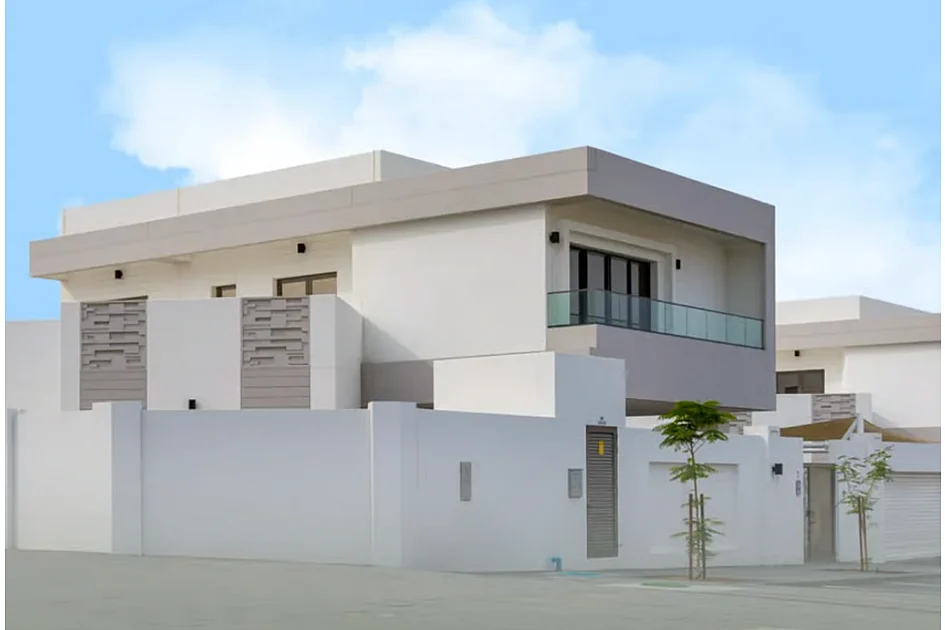
    In a landmark move marking the UAE’s 54th National Day celebrations, Abu Dhabi’s leadership has authorized a comprehensive housing assistance package valued at 4 billion dirhams (approximately $1.1 billion) to benefit 3,310 Emirati citizens across the capital region.

    The substantial housing initiative, approved under the directives of UAE President Sheikh Mohamed bin Zayed Al Nahyan and formally authorized by Crown Prince Sheikh Khaled bin Mohamed bin Zayed Al Nahyan, represents the third such package disbursed in the emirate during 2025. This latest allocation brings the total value of housing benefits distributed to Abu Dhabi citizens this year to 15.384 billion dirhams, directly assisting 10,718 individuals through various support mechanisms.

    The comprehensive package encompasses multiple forms of housing assistance, including 2.27 billion dirhams in housing loans allocated to 1,768 citizens, alongside housing grants and ready-built residential units valued at 1.51 billion dirhams. A particularly significant component involves 208 million dirhams in loan repayment exemptions and reductions specifically designed to support limited-income senior citizens, retirees, and families of deceased borrowers, with 204 citizens qualifying for this financial relief.

    Mohamed Ali Al Shorafa, Chairman of the Board of Directors of the Abu Dhabi Housing Authority, emphasized the symbolic importance of the timing, noting: “As we mark Eid Al Etihad, we express our profound appreciation for our leadership, which consistently prioritizes the welfare and stability of Emirati citizens. This housing package demonstrates the leadership’s unwavering commitment to enhancing quality of life for Emirati families while fostering the spirit of unity and generosity that characterizes our society.”

    The initiative falls under the broader Emirati Family Growth programme, which has already provided 514.75 million dirhams in housing support to 478 citizens through various exemption and reduction schemes. The comprehensive approach addresses both immediate housing needs through ready-built homes and long-term financial support through favorable loan terms, reflecting the government’s multidimensional strategy to ensure housing security for its citizens.

  • China launches nationwide fire safety inspection following Hong Kong’s deadly blaze

    China launches nationwide fire safety inspection following Hong Kong’s deadly blaze

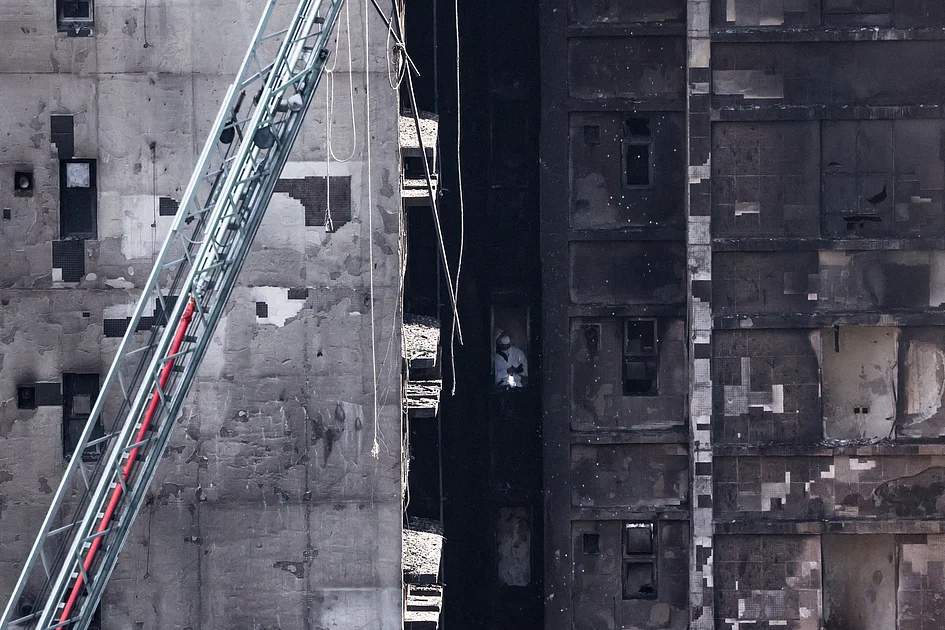
    In response to Hong Kong’s most catastrophic fire incident in decades, Chinese authorities have launched an unprecedented nationwide safety inspection targeting high-rise buildings. The Ministry of Emergency Management announced the comprehensive campaign on Saturday, November 29, 2025, following Wednesday’s devastating blaze that claimed 128 lives with approximately 200 individuals still unaccounted for and 79 injured.

    The inspection initiative will concentrate on structures undergoing external renovations and interior modifications, with particular emphasis on four critical safety domains: combustible materials within external wall insulation systems, prohibited construction materials including bamboo scaffolding, functionality of fire safety equipment, and accessibility of emergency evacuation pathways.

    The tragedy unfolded on November 26th at an eight-tower residential complex housing over 4,600 occupants. The inferno propagated rapidly through buildings encased in bamboo scaffolding and protective mesh, creating a perfect storm of fire hazards. Firefighting operations have concluded after extensive efforts, with twelve firefighters sustaining injuries during the rescue mission, one critically.

    Hong Kong law enforcement has taken three individuals into custody—two directors and one engineering consultant from the construction firm—on suspicion of manslaughter related to the incident. Superintendent Eileen Chung of the Hong Kong Police confirmed the arrests as investigations continue into the circumstances that led to one of the territory’s worst civilian disasters.

    The nationwide safety drive represents a proactive measure to prevent similar tragedies across China’s urban landscapes, where rapid construction and renovation projects have sometimes outpaced safety protocol implementation. The initiative underscores the government’s commitment to addressing systemic safety vulnerabilities in densely populated residential structures.

  • ‘Blank Space’: Why US culture is stagnating

    ‘Blank Space’: Why US culture is stagnating

    The opening lyrics from Tenacious D’s musical tribute to Bach serve as an ironic prelude to a pressing contemporary question: Has Western culture, particularly in the United States, entered a period of creative stagnation? This question has sparked vigorous debate among cultural commentators, with thinkers like Adam Mastroianni and Ted Gioia presenting compelling evidence of declining innovation across multiple creative domains.

    Mastroianni attributes this cultural stagnation to increasing societal risk aversion, arguing that longer lifespans and reduced background risk have made creators and consumers more cautious. Meanwhile, Gioia points to entertainment conglomerates that prioritize intellectual property exploitation and algorithmic content delivery over genuine innovation. Both theorists support their arguments with data showing the dominance of legacy content—sequels, remakes, and adaptations—across books, films, music, television, and gaming.

    Counterarguments suggest that creativity has merely migrated to new formats like memes, short-form videos, and podcasts. However, this perspective fails to explain why reduced production costs haven’t yielded more original feature films instead of endless franchise extensions.

    Amid this debate, cultural theorist David Marx offers a unique perspective through his recent work ‘Blank Space: A Cultural History of the Twenty-First Century.’ Marx, author of the acclaimed ‘Ametora’ exploring Japanese fashion history, delivers a narrative account of American pop culture since 2000. The book chronicles everything from New York’s hipster scene and Pharrell Williams’ influence to the rise of reality television celebrities and internet memes.

    Marx’s central thesis posits that internet culture has driven toward homogenization and commercialism, though his narrative brilliance sometimes undermines his argument by vividly resurrecting the very cultural moments he characterizes as bland. The book notably overlooks significant cultural developments including the 2000s indie film renaissance and the massive influence of Japanese cultural imports—an ironic omission given Marx’s expertise in Japanese fashion.

    The discussion inevitably turns to the ‘long tail’ theory and whether niche cultural production compensates for mainstream stagnation. Evidence suggests creativity flourishes unevenly—while television and graphic novels have experienced creative explosions, film, literature, and music show concerning declines in innovative output.

    Ultimately, technological factors may provide the most compelling explanation for this uneven cultural landscape. New technologies typically unlock creative possibilities that eventually become exhausted—much as electric guitars revolutionized music for decades before conventions solidified. This technological determinism suggests that cultural innovation may be inherently temporary without new technological catalysts.

    The fragmentation of internet culture away from mass social media toward private communities may offer hope for renewed subcultural development. As Marx suggests, cultural innovation requires spaces where creativity can develop away from immediate commercial pressures and algorithmic optimization.

    While ‘Blank Space’ excels as cultural history, its prescriptions for revitalizing creativity remain preliminary. The conversation about cultural stagnation continues, with technology, economics, and social dynamics all contributing to complex creative challenges that defy simple solutions.