分类: society

  • Bruce Lee’s legacy drives Foshan tourism

    Bruce Lee’s legacy drives Foshan tourism

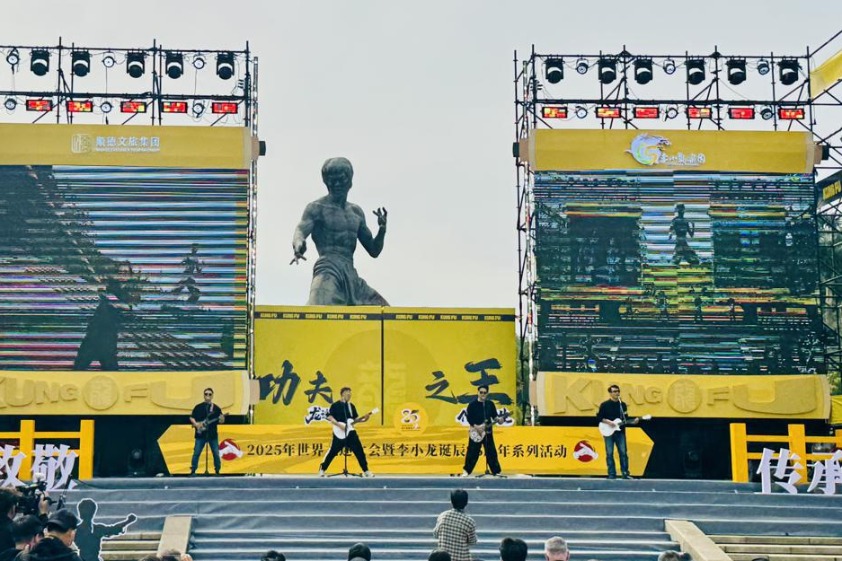
    Foshan’s Shunde district has launched an ambitious cultural tourism initiative centered on the enduring legacy of martial arts legend Bruce Lee. The 2025 International Bruce Lee Fans Convention, held from November 27-29 at Bruce Lee Paradise in Jun’an township, marked both the convention’s opening and commemorative events for what would have been Lee’s 85th birthday.

    Local officials emphasized Lee’s profound cultural impact, noting how he not only introduced the term ‘kung fu’ to the English language but elevated Chinese martial arts to global cultural significance. Wang Jinghua, senior official from Shunde’s district committee, highlighted Lee’s role in making Chinese kung fu a recognized element of humanity’s cultural heritage.

    The convention unveiled several significant developments, including the official designation of November 27 as ‘Shunde Kung Fu Day’ to promote Chinese culture and martial arts worldwide. The event attracted international fans and martial arts figures, showcasing Foshan’s strategy to transform cultural assets into economic opportunities.

    Lao Lujun of Shunde Culture and Tourism Group revealed plans to cultivate cultural tourism as both a pillar industry and community benefit by leveraging Lee’s global recognition. The initiative incorporates a innovative ‘kung fu + cuisine + tourism’ model, featuring for the first time a workshop combining Shunde’s martial arts traditions with its renowned culinary heritage.

    Complementing the convention, the Mars Martial Championship—a premier combat sports tournament—commenced alongside academic forums, musical performances, and specialized kung fu tours. Project leader Zeng Futian explained these efforts represent broader district plans to integrate cultural development with urban construction and economic growth.

    Bruce Lee, born in San Francisco in 1940 and passing in 1973, revolutionized martial arts cinema and philosophy through his Jeet Kune Do system and iconic weaponry mastery, particularly with nunchaku. His ancestral connection to Shunde continues to inspire cultural and economic development in the region decades after his death.
  • Platform transforms rural women’s lives

    Platform transforms rural women’s lives

    A groundbreaking social enterprise is creating transformative pathways for rural women across China by combining vocational training with cultural preservation. Spearheaded by Dr. Chen Qiong, a dedicated scholar and women’s rights advocate, the organization Yichuang has developed a sophisticated framework addressing the distinct needs of different age demographics in underserved communities.

    The initiative operates through a dual-program structure targeting women aged 18-45 and 45-65 respectively. The younger cohort receives comprehensive beauty industry training through the ‘Beauty for Better Life’ program—a decade-old initiative providing skills in cosmetics, hairstyling, and related services. This 20-day intensive training enables participants to secure local employment with monthly earnings averaging 3,000 yuan ($421), allowing them to maintain family stability while achieving financial independence.

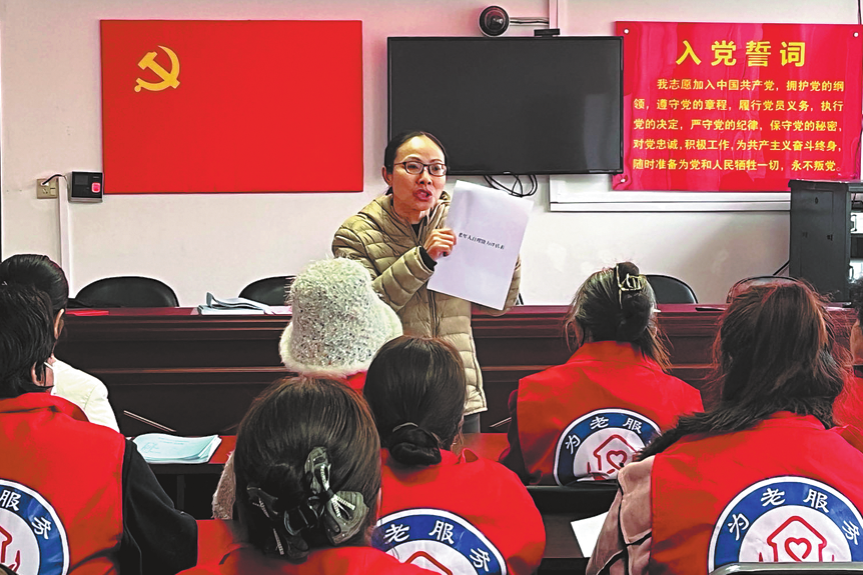
    For mature women who have completed their child-rearing responsibilities, Yichuang offers an elderly care program that transforms traditional caregiving roles into professional opportunities. Participants learn to provide essential services to seniors in their communities, particularly those whose children have migrated for work. The program includes daily wellness checks, weekly safety inspections, and bi-weekly practical support including accompaniment to medical appointments.

    Operating in hundreds of counties across China, with particular focus on rural revitalization regions like Hebei and Henan provinces, as well as less developed western areas including Shaanxi and Guizhou, the organization conducts approximately 40 classes annually with 40 participants each. The model relies on strategic partnerships with local organizations and female entrepreneurs who receive resources and financial support gathered from government agencies and foundations.

    Dr. Chen’s inspiration emerged during her graduate studies at Central China Normal University in 2005, where mentor Liu Xiaohong’s work on rural women’s political participation ignited her commitment to women’s empowerment. After completing her doctorate, she recognized the critical disconnect between grassroots initiatives and policy implementation, leading her to establish Yichuang in 2017 as a bridging platform.

    The organization maintains rigorous follow-up procedures spanning six to twelve months post-training, ensuring skills translation into sustainable economic opportunities. Through transparent monitoring systems and accountability measures, Yichuang addresses challenges such as potential exploitation by local partners, ensuring the program’s integrity remains intact.

    Beyond economic impacts, participants report improved family dynamics, enhanced educational outcomes for children, and stronger community bonds. The initiative demonstrates how women’s development can simultaneously advance personal fulfillment, family wellbeing, and broader social progress, creating a holistic model of rural empowerment that honors cultural values while embracing economic opportunity.

  • Donations for Hong Kong fire victims reach $115 million, while crackdown on dissent hardens

    Donations for Hong Kong fire victims reach $115 million, while crackdown on dissent hardens

    HONG KONG — A catastrophic inferno that ravaged the Wang Fuk Court residential complex in Tai Po has left 146 confirmed fatalities while approximately 100 individuals remain unaccounted for, marking one of Hong Kong’s deadliest urban disasters in recent history. The tragedy has triggered an unprecedented humanitarian response with donations surpassing HK$900 million (US$115 million), complemented by an additional HK$300 million in government emergency funding for victim support.

    The seven-tower complex, housing approximately 4,600 residents, became engulfed in flames last Wednesday afternoon, with firefighting operations continuing until Friday morning before complete containment. Preliminary investigations reveal the buildings were undergoing external renovations shrouded in highly flammable materials—bamboo scaffolding draped with nylon netting and polystyrene panel window coverings—creating ideal conditions for rapid fire propagation.

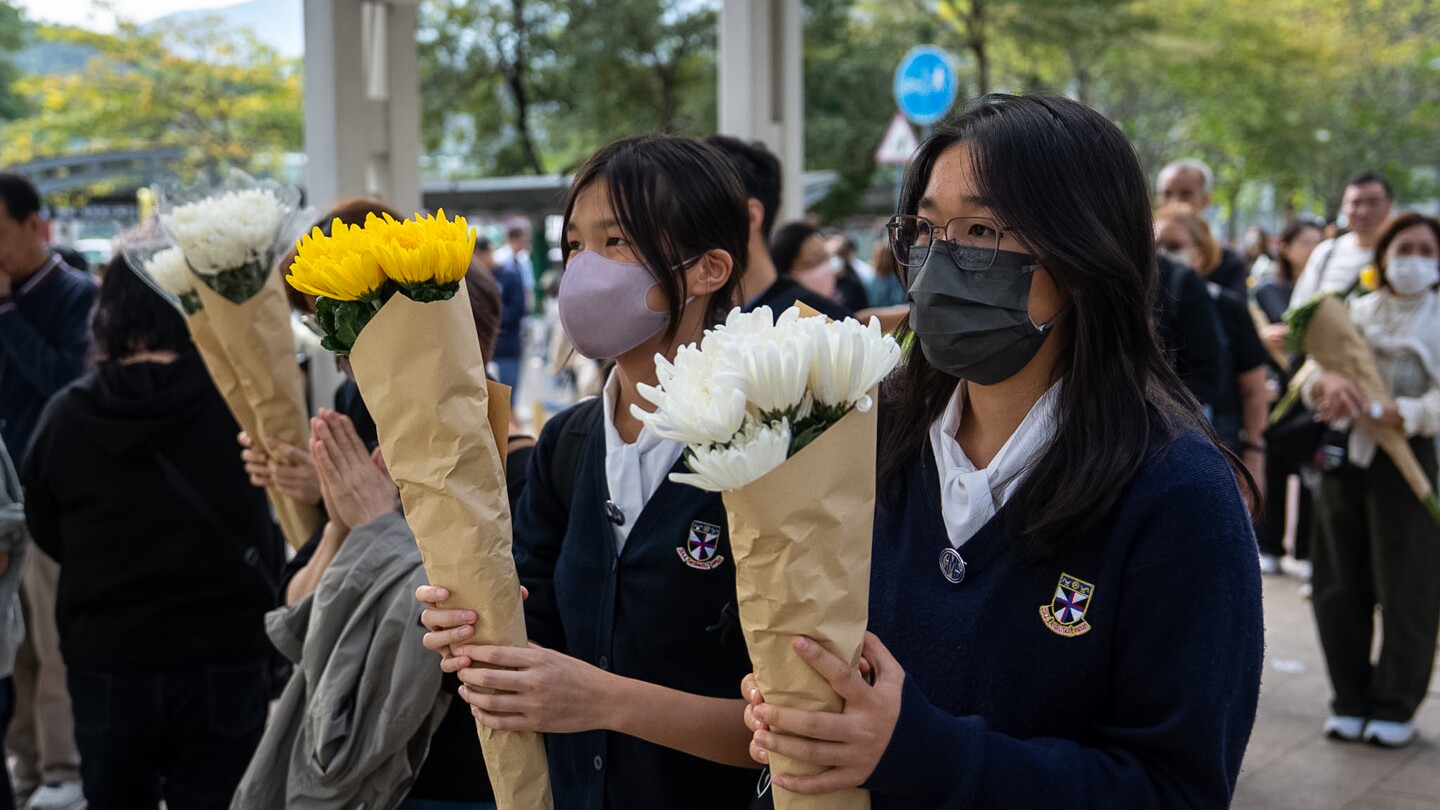
    Despite the massive outpouring of solidarity evidenced by endless queues of mourners at makeshift memorials, the government faces mounting scrutiny over its regulatory oversight. The Labor Department confirmed 16 safety inspections since July 2024, with multiple written warnings issued to contractors regarding fire code compliance. Yet residents had reportedly voiced concerns about the netting installations for nearly a year prior to the disaster.

    In a concerning development, Hong Kong’s national security apparatus has moved aggressively to suppress criticism, arresting at least 11 individuals including construction company executives and three civilians—among them a volunteer aid organizer and petition coordinator. The Office for Safeguarding National Security condemned what it termed “evil schemes” exploiting the tragedy, reflecting the city’s increasingly restrictive environment for dissent since the 2019 pro-democracy protests.

    Survivor relocation efforts continue with 683 residents placed in temporary hotel accommodations and 1,144 moved to transitional housing units, while two emergency shelters remain operational. The government has pledged comprehensive support including funeral subsidies and long-term housing solutions, even as many question whether officials themselves should bear accountability for regulatory failures that contributed to the scale of the catastrophe.

  • Competition heats up for new civil jobs

    Competition heats up for new civil jobs

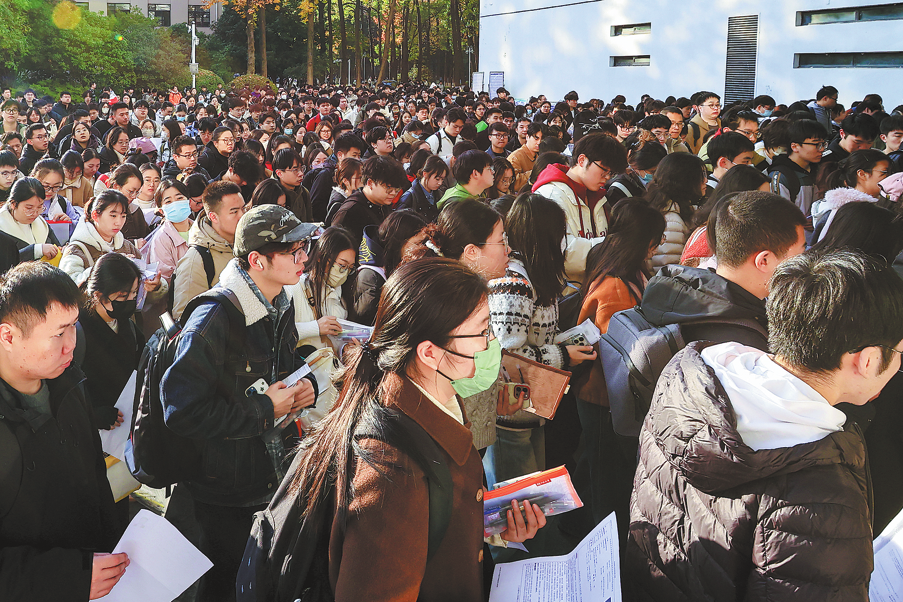
    China witnessed unprecedented competition in its 2026 national civil service examination for central government institutions held on Sunday, with a record-breaking 74 applicants contending for each available position. The examination, administered nationwide, saw approximately 2.83 million candidates compete for merely 38,100 positions after 3.718 million applicants passed initial verification procedures, according to data from the State Administration of Civil Service.

    This year’s recruitment process marks the most intensely competitive in the examination’s history, continuing a dramatic upward trend in applicant numbers that has surged from approximately 2.6 million in 2023 to over 3.7 million currently. The competition reached extraordinary levels in specific cases, notably a single police officer position with the National Immigration Administration in Ruili, Yunnan province, which attracted an astonishing 6,470 applicants.

    A landmark reform characterized this year’s examination—the significant relaxation of age restrictions aligned with China’s progressive approach to delaying legal retirement ages. The general applicant age ceiling was elevated from 35 to 38 years, while new graduates holding master’s and doctoral degrees became eligible up to age 43, representing a three-year extension from previous limitations.

    Professor Zhu Lijia of the National Academy of Governance emphasized that this policy adjustment recognizes the valuable experience and capabilities professionals in their mid-30s have accumulated, potentially significantly enhancing government department quality. The reform has already generated substantial social impact, with multiple provincial-level civil service examinations in Shanghai, Sichuan, and Jiangsu adopting similar relaxed age policies.

    For older candidates like Zhou Ming, a 35-year-old internet industry professional from Guangdong province, the policy represents a renewed opportunity for public service careers. However, challenges persist as approximately 66.7% of positions remain reserved for recent graduates, limiting options for experienced professionals seeking career transitions.

    Yi Dinghong from Huatu Education, a civil service examination training institution, noted that while older candidates balance work and family responsibilities during preparation, their extensive experience provides distinct advantages in communication, coordination, and stress management during interviews.

    Professor Ma Liang from Peking University’s School of Government indicated that relaxing age restrictions represents an inevitable demographic trend as retirement ages extend and educational periods lengthen. Future adjustments might include complete removal of age limits, though this would require gradual implementation and corresponding reforms in career advancement systems to ensure equitable development opportunities for all employees.

  • China plans to implement key education reforms

    China plans to implement key education reforms

    China is embarking on one of its most transformative education reforms in decades, with plans to expand free education and potentially extend compulsory schooling as part of the forthcoming 15th Five-Year Plan (2026-2030). This strategic shift represents a fundamental reorientation toward human capital investment, aiming to reduce household education costs while building a more skilled workforce for the future.

    The reform initiative gained momentum following the State Council’s August guideline implementing free preschool education, which currently waives fees for public kindergarten final-year students, benefiting approximately 12 million children. The recommendations adopted at the fourth plenary session of the 20th Central Committee of the Communist Party of China in October further solidified this direction, proposing a steady expansion of free education coverage.

    Education experts hail these changes as a crucial step toward educational equity. Professor Gao Hang, Vice-Dean of Renmin University of China’s School of Education, characterizes this as a strategic move from traditional infrastructure investment to human development, strengthening the government’s commitment to safeguarding every citizen’s educational rights.

    The reform approach demonstrates pragmatic consideration of demographic and fiscal realities. With declining birth rates reducing preschool-age populations, free preschool education becomes financially feasible under China’s current fiscal system. In contrast, senior high school expansion faces greater fiscal challenges due to growing student numbers.

    Professor Xue Eryong of Beijing Normal University envisions 15 years of free basic education as an ideal goal, proposing gradual extension of free preschool education from one to three years and expanding free senior high school education in resource-adequate regions. He clarifies that while free education may be achieved for preschool, making it compulsory would require ensuring mandatory enrollment and standardized quality nationwide.

    The reforms also address broader social objectives. Compulsory education expansion helps curb school dropouts due to financial difficulties, improves foundational knowledge, reduces household education costs, and supports fertility-friendly policies.

    China faces multiple challenges in implementation, including debates over upward or downward expansion, trade-offs between prolonged learning and workforce entry timing, and balancing educational demands with fiscal constraints. Regional initiatives have laid groundwork, with Beijing targeting 90% affordable kindergarten coverage by 2025, Shandong province working toward adequate high school capacity by 2026, and the Xizang autonomous region already practicing 15-year free education since 2012.

    Wu Ni of the Chinese Academy of Education Sciences emphasizes the importance of phased, region-specific approaches, encouraging economically developed regions to pilot reforms first while establishing dynamic resource allocation mechanisms aligned with demographic trends and fiscal capacities.

  • Nation rallies in grief, support after Hong Kong fire

    Nation rallies in grief, support after Hong Kong fire

    A profound wave of national solidarity has swept across China as citizens and institutions rally behind Hong Kong following the catastrophic residential tower fire that has left 146 people dead. The devastating blaze at Wang Fuk Court in Tai Po has triggered an unprecedented response from mainland compatriots, businesses, and government entities alike, all demonstrating swift support for relief operations and victim assistance.

    Financial support has reached remarkable levels, with relief funds totaling HK$1.1 billion (approximately $141.3 million) mobilized through a combination of governmental allocations and corporate philanthropy. According to Cheuk Wing-hing, Deputy Chief Secretary for Administration of the Hong Kong Special Administrative Region government, HK$800 million originated from donations by dozens of major listed companies and charitable foundations nationwide, while HK$300 million was allocated through government grants.

    The People’s Bank of China has implemented special financial measures to facilitate cross-border support, establishing a dedicated ‘green lane’ for renminbi donations originating from the mainland. This expedited processing system ensures immediate transfer of funds to recipient accounts in Hong Kong, accelerating critical search and rescue operations, medical treatment for the injured, and comprehensive relief efforts.

    Hong Kong’s leadership, led by Chief Executive John Lee Ka-chiu, joined principal officials and civil servants in a solemn memorial service at government headquarters on Saturday. The ceremony featured flags flown at half-staff and a three-minute silence observed by all present officials in honor of those lost in the tragedy.

    The HKSAR government has announced a three-day mourning period during which condolence points will be established across all 18 districts of the city. These designated areas will allow members of the public to express their sympathies through condolence books and participate in collective mourning activities for the victims of one of Hong Kong’s most devastating residential fires in recent history.

  • Sydney men charged with spreading child sexual abuse videos tied to international ring

    Sydney men charged with spreading child sexual abuse videos tied to international ring

    Australian authorities have apprehended four Sydney-based individuals allegedly connected to a sophisticated international child exploitation ring specializing in ritualistic abuse content. New South Wales police confirmed the arrests following a comprehensive investigation into encrypted online channels distributing extreme child sexual abuse material with satanic and occult themes.

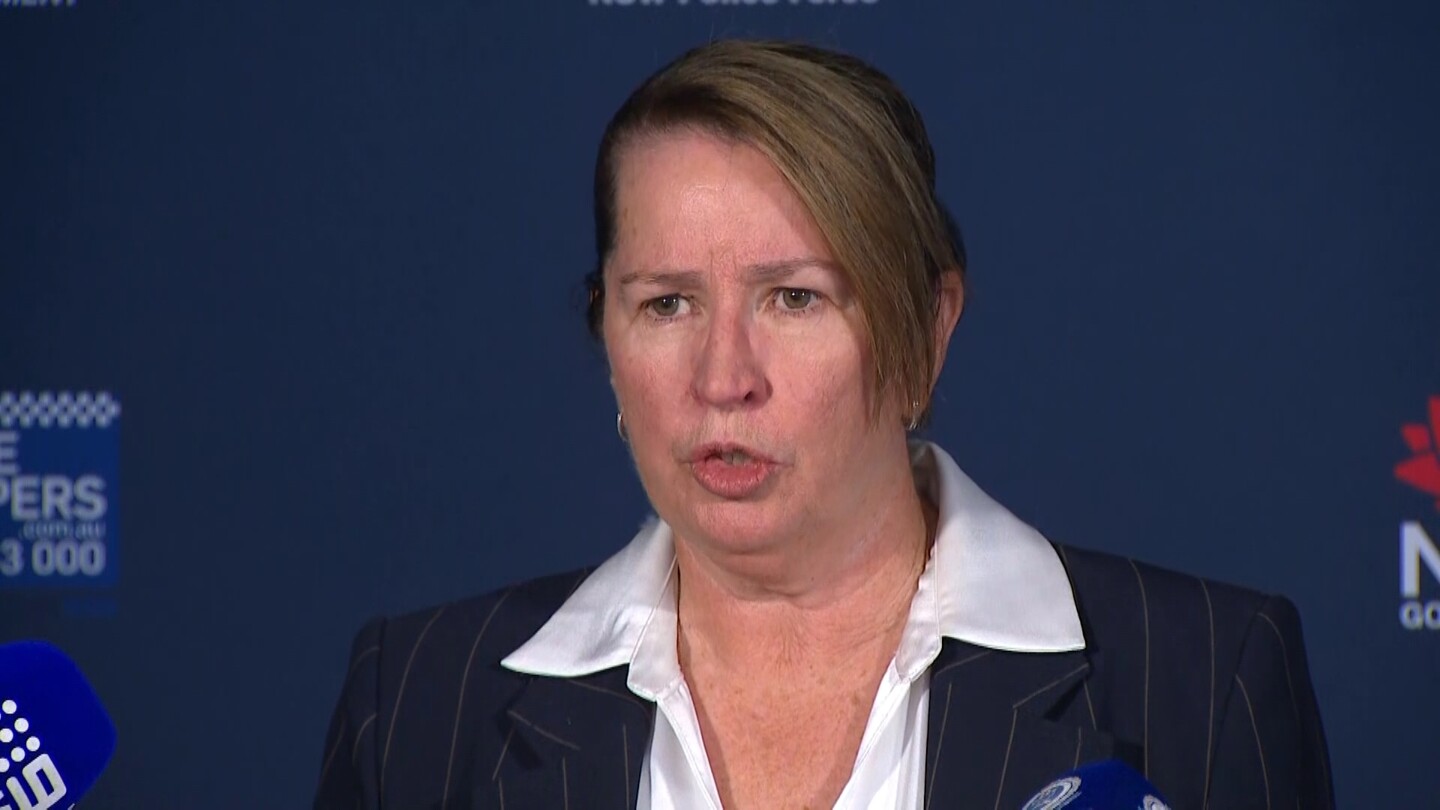
    Detective Superintendent Jayne Doherty characterized the network’s activities as particularly devastating due to their incorporation of ritualistic symbols and organized discussions surrounding child torture. The investigation, spearheaded by a specialized state police task force, uncovered thousands of videos depicting abuse victims ranging from infants to 12-year-olds.

    Last Thursday, law enforcement executed multiple search warrants across Sydney, resulting in the seizure of electronic devices containing extensive evidence. The four accused men—Landon Germanotta-Mills (26), Stuart Woods Riches (39), Mark Andrew Sendecky (42), and Benjamin Raymond Drysdale (46)—face multiple charges related to distributing child abuse material online.

    Germanotta-Mills, identified as playing a leadership role within the network, faces additional charges for disseminating and possessing bestiality content. Police emphasize that while the defendants actively shared this material, they did not produce the original abuse content themselves.

    International collaboration remains ongoing to identify victims and perpetrators across jurisdictions. Despite the progress made, no victims had been formally identified as of Monday. All defendants have been denied bail and are scheduled to reappear in court in late January. Legal representatives for the accused have declined to comment on the ongoing proceedings.

  • Sharjah: Free parking announced during Eid Al Etihad public holiday

    Sharjah: Free parking announced during Eid Al Etihad public holiday

    In celebration of the Eid Al Etihad public holiday, Sharjah’s municipal authorities have declared complimentary parking across most public zones for an extended period. The exemption from parking fees will be effective on Monday, December 1st, and Tuesday, December 2nd, providing financial relief to motorists during the national festivities. This initiative aligns the emirate with similar measures recently announced by Dubai and Abu Dhabi, creating a unified gesture of celebration across the UAE. However, officials have clarified that this exemption does not extend to smart parking yards or the ‘blue’ paid-parking zones, which will maintain their standard operational fees throughout the holiday week regardless of the national occasion. The timing of this announcement coincides with a four-day weekend for most UAE residents, while Sharjah’s unique four-day work week schedule actually creates a five-day holiday period for many of its employees. Municipal authorities confirmed that regular parking enforcement will resume on Wednesday, December 3rd, following the conclusion of the holiday celebrations.

  • Princess Aiko’s popularity sparks calls to change Japan’s male-only succession law

    Princess Aiko’s popularity sparks calls to change Japan’s male-only succession law

    TOKYO — Japan faces a constitutional crossroads as Princess Aiko, the only child of Emperor Naruhito and Empress Masako, emerges as a charismatic royal figure whose popularity is challenging the nation’s male-only succession laws. During recent public appearances in Nagasaki and Okinawa, the 24-year-old princess received overwhelming public adoration that frequently eclipsed that of her parents, highlighting her unique connection with the Japanese people.

    The imperial succession crisis has reached critical levels with Japan’s monarchy shrinking to merely 16 members, all adults, and only three male heirs in the direct line of succession. Prince Hisahito, the Emperor’s 19-year-old nephew, remains the sole eligible heir from the younger generation, creating what experts describe as an existential threat to the world’s oldest continuous monarchy.

    Princess Aiko’s maturation into her royal duties has been remarkable. Since her official debut as an adult royal in 2021, she has impressed the nation with her intelligence, compassion, and diplomatic skill. Her successful solo diplomatic mission to Laos in November, where she met with top officials and engaged with local communities, demonstrated her capability to represent Japan on the international stage. Her commitment to continuing her father’s work of preserving World War II historical memory has further endeared her to the public.

    The growing movement to revise the 1947 Imperial House Law has gained momentum through various grassroots efforts. Cartoonist Yoshinori Kobayashi has created comic books advocating for legal change, while activists distribute leaflets and maintain YouTube channels dedicated to the cause. Social media advocate Ikuko Yamazaki, 62, argues that allowing female succession would not only preserve the monarchy but significantly advance gender equality in Japanese society.

    Historical context reveals that Japan’s male-only succession tradition is relatively modern. While the monarchy has historically been male-dominated, eight female monarchs have ruled throughout Japan’s history, with Empress Gosakuramachi being the last in the 18th century. The current succession law dates only to 1889 and was maintained in the postwar 1947 constitution. Experts note that the system previously functioned only through the practice of concubines, which produced approximately half of Japan’s historical emperors.

    The government’s conservative faction, including Prime Minister Sanae Takaichi, remains opposed to changing the succession laws. A 2022 expert panel recommended maintaining male-line succession while allowing female royals to retain their status after marriage—a compromise that fails to address the core issue of succession rights. The United Nations has intervened, urging Japan to allow female emperors to promote gender equality, though the Japanese government dismissed these recommendations as “inappropriate interference” in national identity matters.

    As Crown Prince Akishino acknowledged on his 60th birthday, the royal family faces unprecedented challenges with its aging and shrinking membership. The future of Japan’s 1,500-year monarchy may ultimately depend on whether the nation chooses tradition over survival, with Princess Aiko’s popularity serving as a powerful symbol of potential change.

  • India: At least 11 killed after two buses crash head-on in Tamil Nadu

    India: At least 11 killed after two buses crash head-on in Tamil Nadu

    A devastating head-on collision between two buses near Tirupattur in Tamil Nadu’s Sivaganga district resulted in at least eleven fatalities on Sunday evening, according to confirmation from District SP Siva Prasad. The catastrophic incident, which occurred on November 30, 2025, represents the latest in a series of tragic road accidents plaguing the southern Indian state.

    Authorities have launched a comprehensive investigation to determine the precise cause of the collision, though preliminary findings remain inconclusive. The accident adds to a disturbing pattern of public transportation tragedies in the region, highlighting persistent road safety concerns.

    This tragedy follows closely on the heels of another severe bus collision in Tamil Nadu’s Tenkasi district just six days prior, where six individuals including a child lost their lives and over fifty passengers required hospitalization with severe injuries including multiple fractures. That incident, occurring on November 24, involved fifty-five travelers across the two vehicles.

    The region’s road safety crisis extends beyond bus accidents. On the same day as the Tenkasi tragedy, Karnataka’s Bidar district witnessed a fatal head-on collision between two motorcycles that claimed three lives, including a five-year-old child identified as Mahalaxmi alongside adults Mallikarjuna (35) and Pawan (28).

    Historical data reveals this safety pattern spans multiple years. In March 2025, a collision between a tipper lorry and a bus in Tamil Nadu’s Tiruvallur district proved fatal for five individuals while seriously injuring ten others. Earlier, in May 2024, four passengers died and fifteen sustained injuries when their omnibus collided with a lorry on the Chennai-Trichy Highway in Madhuranthangam, a suburban Chennai district area.

    The recurrence of these tragic incidents across Tamil Nadu and neighboring regions underscores systemic challenges in road infrastructure, vehicle maintenance standards, driver training protocols, and traffic law enforcement that demand urgent governmental attention and comprehensive safety reforms.