分类: society

  • Bridge as keeper: Sipping tradition and modern life at Yinding and Wanning bridges

    Bridge as keeper: Sipping tradition and modern life at Yinding and Wanning bridges

    In the heart of Beijing’s ancient hutong neighborhoods, two historic bridges—Yinding and Wanning—stand as silent witnesses to the city’s evolving identity where centuries-old traditions intersect with contemporary urban life. These architectural landmarks physically and symbolically connect Beijing’s historical districts with its modern developments, creating unique spaces where the past dialogues with the present.

    The bridges serve as daily crossroads for residents like Bella Li, a native Beijinger who returned to her hometown after extensive international travels. Her story exemplifies the modern Beijing experience—global perspectives integrated with deep local roots. The areas surrounding these bridges have become cultural hubs where traditional tea houses coexist with modern cafes, and where elderly residents practicing tai chi share space with young professionals commuting to work.

    These bridges represent more than mere transportation infrastructure; they function as living museums that preserve Beijing’s architectural heritage while facilitating the city’s continuous transformation. The stone constructions have witnessed dynastic changes, political upheavals, and now serve as backdrops for the daily rhythms of 21st century urban life. Locals and tourists alike frequent these areas to experience authentic Beijing culture, where the aroma of traditional teas blends with the energy of a modern metropolis.

    The preservation of these historical structures demonstrates Beijing’s commitment to maintaining cultural continuity amid rapid urbanization. As development continues throughout the capital, these bridges remain anchor points that ground the community in its rich history while allowing for organic evolution of traditions and lifestyles.
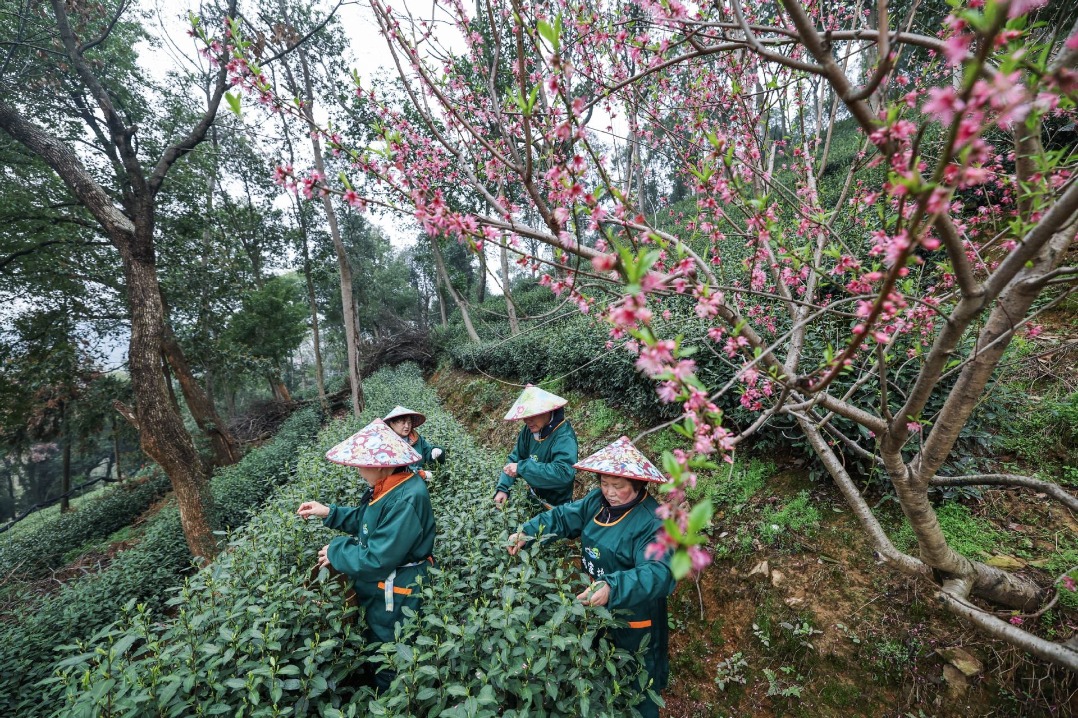

  • Tea farmers harvest West Lake Longjing tea in China’s Hangzhou

    Tea farmers harvest West Lake Longjing tea in China’s Hangzhou

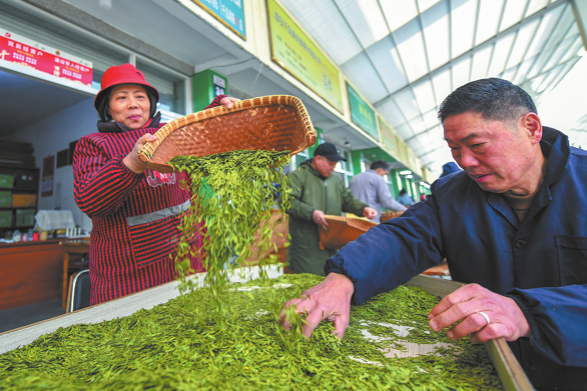
    The annual harvest of West Lake Longjing tea, China’s prestigious green tea variety, has officially commenced in the picturesque hills of Hangzhou, Zhejiang province. Tea farmers across the region have begun carefully hand-picking the season’s first tender leaves, marking a significant cultural and agricultural milestone in the Chinese tea calendar.

    This year’s harvest, which traditionally aligns with the spring equinox, showcases the meticulous process behind one of China’s most celebrated tea varieties. The West Lake Longjing tea, renowned for its exceptional quality and historical significance, undergoes precise harvesting techniques where only the youngest leaves and buds are selected to ensure premium quality.

    Characterized by its distinctive flat-shaped leaves, vibrant jade-green coloration, and delicate aroma, this tea variety holds a protected geographical status, with authentic production limited to specific regions around West Lake. The tea’s reputation stems from its complex flavor profile featuring subtle chestnut notes and a smooth, sweet aftertaste without bitterness.

    Local agricultural experts note that this year’s weather conditions have been particularly favorable, with adequate rainfall and temperate climates contributing to optimal leaf development. The harvesting process follows centuries-old traditions while incorporating modern sustainable farming practices to maintain both quality and environmental stewardship.

    The West Lake Longjing tea not only represents an important economic activity for local farmers but also embodies China’s rich cultural heritage in tea production, dating back to the Tang Dynasty. Its global reputation continues to grow, with increasing international demand for authentic Chinese premium teas driving both cultural appreciation and economic development in the region.

  • ICE arrests of Asians, Pacific Islanders nearly quadruple

    ICE arrests of Asians, Pacific Islanders nearly quadruple

    A dramatic escalation in US immigration enforcement has disproportionately targeted Asian and Pacific Islander communities, with arrest figures surging nearly 400% during President Donald Trump’s second administration according to newly analyzed government data.

    The research conducted by Stop AAPI Hate, a coalition addressing anti-Asian racism, reveals that between January 20 and mid-October of last year, US Immigration and Customs Enforcement (ICE) arrested 7,752 individuals of Asian and Pacific Islander descent. This represents a staggering increase from the 1,998 arrests recorded throughout 2024 under the previous administration. The enforcement actions resulted in 7,243 detentions and 2,776 deportations within these communities.

    Chinese nationals constituted the largest demographic among those arrested at 26%, followed closely by Indian citizens at 25%. Vietnamese nationals accounted for 12% of arrests, with Laotian and South Korean citizens each representing 4% of the total.

    The human toll of these enforcement measures extends beyond statistics. Government records indicate 33 fatalities occurred within immigration detention facilities last year. Human rights observers attribute these deaths to multiple factors including deprivation of liberty, isolation, psychological distress, and substandard physical conditions compounded by inadequate medical and mental healthcare services.

    The intensified enforcement has generated widespread anxiety throughout Asian American communities nationwide. In October, ICE operations on New York’s historic Canal Street effectively emptied Chinatown of its typical vibrant street vendors. Similar enforcement actions targeted Asian-owned businesses including grocery stores, massage parlors, salons, and restaurants in Sacramento, California, prompting community vigils.

    The psychological impact is profound. A University of Chicago National Opinion Research Center survey found 34% of Asian and Pacific Islander adults feel less secure in the United States, with 39% reporting they have withdrawn from public life to varying degrees. Approximately 36% of over 1,300 respondents expressed concern about their immigration status being questioned or revoked, while 30% reported fear of arrest, detention, or deportation.

    The climate of fear has altered daily behaviors, with some long-term residents like Jessica, a Chinese immigrant and retired teacher in Dallas, now carrying identification documents despite four decades of residence. ‘I know I’m not required by law to carry my passport as an American citizen,’ she explained, ‘but news of wrongful detentions has made me fearful that ICE agents might question me based on my appearance.’

  • Nearly 100 people evacuated after house fire in Hong Kong

    Nearly 100 people evacuated after house fire in Hong Kong

    A significant emergency response unfolded in Hong Kong’s Tsuen Wan district on Thursday evening as a major fire consumed a tin-sheet structured residence near Lo Wai. Local authorities elevated the alarm designation to Level 3 following the blaze’s rapid intensification around 10 pm.

    The incident gained immediate attention as multiple explosions accompanied the initial outbreak, triggering numerous emergency calls from concerned residents. Firefighting crews implemented large-scale evacuation procedures, successfully relocating approximately 100 individuals from adjacent properties during the critical initial response phase.

    Eyewitnesses reported dramatic scenes with intense flames generating substantial thermal radiation and towering columns of thick, dark smoke visible across considerable distances. The structural characteristics of the tin-sheet construction contributed to both rapid fire spread and challenging containment conditions for emergency personnel.

    As of the latest updates, emergency services have confirmed no casualties resulting from the incident, though damage assessment to the affected structure remains ongoing. The Hong Kong Fire Services Department continues to maintain operational presence at the scene to ensure complete extinguishment and investigate ignition factors.

  • China revises rules to tighten oversight of imported food safety

    China revises rules to tighten oversight of imported food safety

    China’s General Administration of Customs (GAC) has announced comprehensive revisions to its regulatory framework governing overseas food manufacturers, with updated registration requirements taking effect June 1, 2026. The overhaul represents a significant advancement in China’s approach to imported food safety management, introducing dynamic categorization systems and refined risk assessment protocols.

    The enhanced regulatory mechanism will establish three distinct classifications: a catalog of imported food products requiring official recommendation for registration, a list of products ineligible for automatic registration renewal, and a defined scope for overseas food storage facilities mandated to register. These determinations will incorporate multifaceted analysis of raw material sourcing, production methodologies, historical safety records, target consumer demographics, and consumption patterns, while maintaining alignment with international standards.

    Registration validity remains set at five-year intervals with provisions for automatic renewal, except where specified otherwise. The GAC emphasized that these modifications aim to strengthen oversight capabilities while simultaneously facilitating smoother import trade operations. Official Li Jinsong clarified that the updated system maintains continuity with existing registration protocols, ensuring uninterrupted market access for currently registered international enterprises while offering enhanced operational convenience.

    Since the initial implementation of registration requirements in 2022, China’s system has processed registrations from over 96,000 food manufacturers across 178 countries and territories. This framework has successfully introduced diverse specialty products—including Norwegian salmon and New Zealand frozen fruits—to Chinese consumers while supporting substantial trade growth from 1.05 trillion yuan (approximately $152.23 billion) in 2020 to 1.32 trillion yuan in 2025.

  • Building bright future on snowy slopes

    Building bright future on snowy slopes

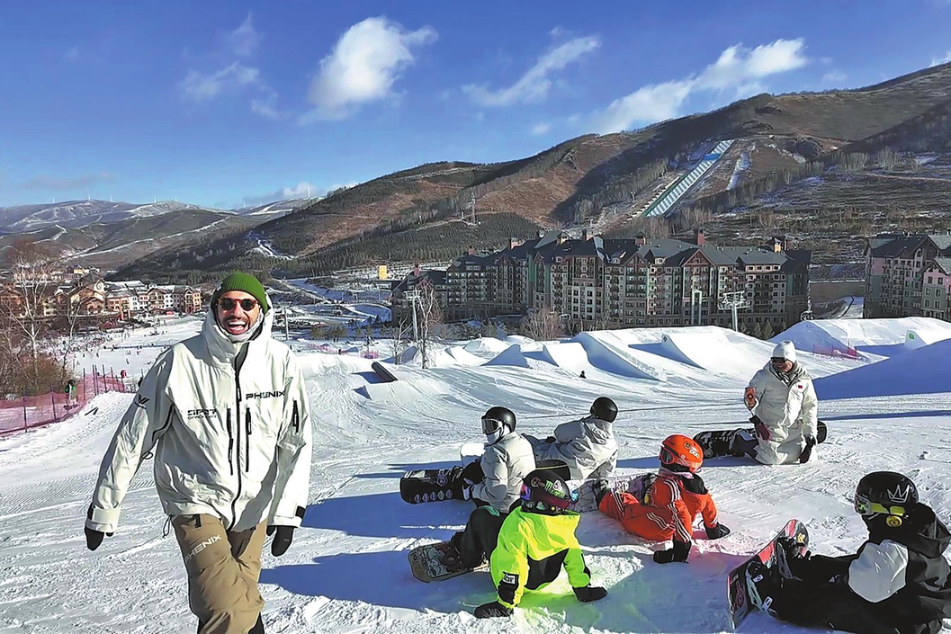
    In the snow-covered mountains of Chongli, a remarkable transformation story unfolds through the eyes of Andrea Coatti, an Italian expatriate who has become an integral part of China’s winter sports revolution. The 41-year-old ski resort designer, known locally as Yibu (meaning “one step”), has witnessed firsthand the dramatic evolution of this once-sleepy Hebei province town into an international skiing destination.

    Coatti’s journey began unexpectedly in 2006 when he answered his mentor’s call to help develop ski facilities in an unfamiliar Chinese town. Despite initial reservations upon arriving in the underdeveloped mountain community, the pristine landscapes and welcoming locals convinced him to stay. His vision was simple yet profound: create inclusive skiing environments accessible to all skill levels, from beginners to professionals.

    The pivotal turning point emerged when Coatti partnered with Scottish enthusiast Simon Adams to establish Yibuparks, their terrain park design company. Their expertise eventually earned them the prestigious opportunity to contribute to the 2022 Beijing Winter Olympics, constructing and maintaining the Freestyle Big Air venue at Shougang. This Olympic credential propelled their small company onto the global stage, attracting numerous international and domestic projects.

    Chongli’s metamorphosis extended far beyond ski slopes. Infrastructure developments revolutionized accessibility, with high-speed rail reducing the Beijing-Chongli journey from over four hours to under sixty minutes. This connectivity transformed the town into an international hub where foreign visitors now constitute 10-15% of tourists, according to local authorities.

    The most significant change Coatti observes is the generational shift in participation. Unlike two decades ago when children were absent from the slopes, Chongli now teems with young enthusiasts. The 2022 Winter Olympics catalyzed this growth, multiplying winter camps and introducing free skiing programs for local children. This development has nurtured emerging talents like 11-year-old Chen Songyu, who recently claimed victory at New Zealand’s LAAX Open U11 snowboard competition.

    Having established permanent roots in Chongli with property ownership and deep community connections, Coatti reflects on his circular journey: “The first half of my life was in Italy, the second half in Chongli. I’m basically a local now.” His expertise has come full circle as he currently applies two decades of Chinese experience to help prepare slopes for the Milan-Cortina 2026 Winter Games in his native Italian Alps.

    Through his philosophy of taking things “one step at a time,” Coatti has bridged continents and cultures, leaving an enduring legacy in the snow that connects mountain communities across hemispheres.

  • China approves Meishan as national historical and cultural city

    China approves Meishan as national historical and cultural city

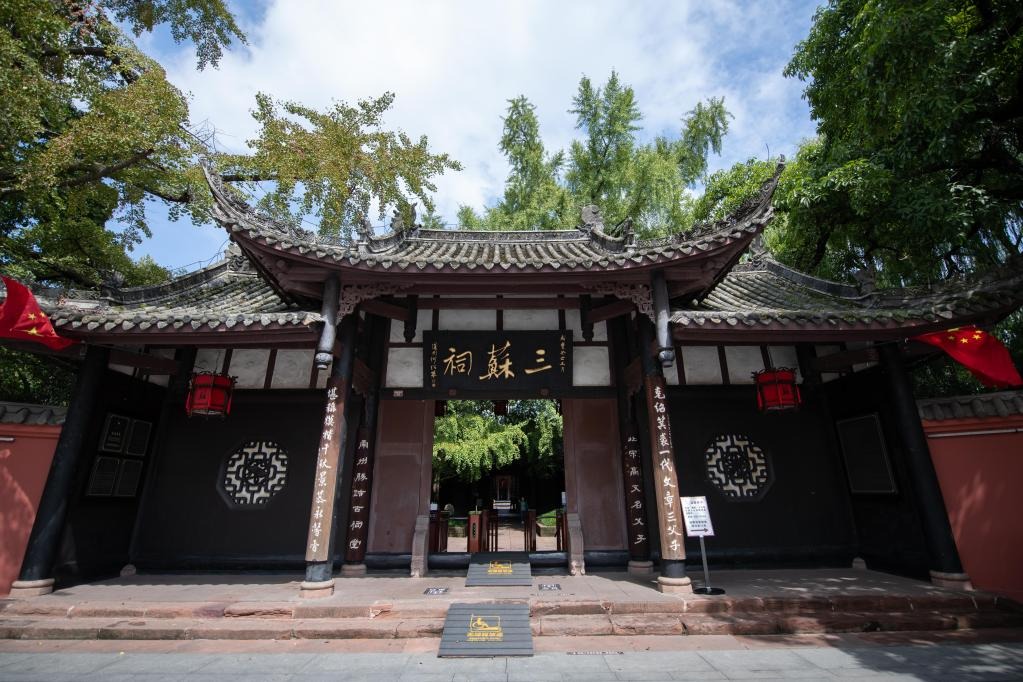
    BEIJING, March 20, 2026 – The Chinese State Council has formally designated Meishan, a culturally significant city in Sichuan Province, as a National Historical and Cultural City. This prestigious recognition was announced through an official government notice published on Thursday, elevating Meishan’s status for its exceptional preservation of historical heritage.

    The government communiqué emphasized Meishan’s profound historical legacy, rich cultural traditions, and distinctive regional characteristics that have been meticulously maintained through centuries. The city’s outstanding conservation of ancient architecture and cultural artifacts played a pivotal role in securing this national designation.

    According to the official directive, both Sichuan provincial and Meishan municipal authorities are now mandated to strengthen implementation of cultural relic protection legislation. The notice specifically calls for enhanced exploration of heritage value, comprehensive documentation of ancient Meizhou’s urban layout, and improved conservation measures alongside sustainable utilization of historical sites.

    The recognition further requires local governments to actively promote traditional Chinese culture through Meishan’s historical resources. Notably, Meishan – historically known as Meizhou – holds special significance as the birthplace of Su Shi (also known as Su Dongpo), one of China’s most celebrated poets and literary figures from the Song Dynasty (960-1279). This cultural connection to one of China’s greatest literary minds adds substantial historical weight to Meishan’s new designation.

    The National Historical and Cultural City program represents China’s highest level of recognition for urban centers that preserve extraordinary cultural and historical heritage, ensuring these treasures receive maximum protection and promotion for future generations.

  • Finely balanced tea captures the flavor of chun fen

    Finely balanced tea captures the flavor of chun fen

    As the Spring Equinox arrives, marking one of China’s 24 solar terms with perfect balance between day and night, a parallel equilibrium is found in the season’s most prized agricultural product: first-flush spring tea. The chun fen period has ushered in peak harvest season across eastern China’s misty mountains, where tea growers are gathering leaves that embody the essence of seasonal transition.

    Professional tea taster Weng Huiqiong explains that these early buds, harvested after winter dormancy, contain significantly higher concentrations of amino acids and theanine, creating a distinctive flavor profile characterized by crisp briskness followed by subtle sweetness. “Spring tea is the ultimate flavor of the season,” Weng notes, describing the tender single buds as “nature’s most concentrated energy pods.”

    While traditional varieties like West Lake Longjing remain celebrated, Weng recommends exploring regional specialties including Jiangnan’s fruity Biluochun and Sichuan varieties such as Mengding Ganlu, Emei Xueya, and Zhuyeqing. Jasmine tea also serves as an ideal transitional choice for early spring, with its fresh floral aroma helping to clear the senses.

    The ancient tea culture is undergoing contemporary transformation through the emergence of “tea mixologists” who blend traditional ingredients with modern techniques. At Hangzhou’s Four Seasons Hotel, this innovation manifests in the Osmanthus Longjing Latte—part of their Grand Canal Cultural Tea Series—which replaces espresso with carefully brewed Longjing tea, textured microfoam, and dried osmanthus flowers.

    Using low-temperature extraction methods to preserve delicate aromas, these modern creations allow vegetal and floral notes to emerge through creaminess without overpowering the drink. Yet the season remains fleeting: as Spring Equinox passes, the window for the freshest spring tea narrows rapidly, making each cup a temporary moment of balance before the year progresses.

  • Relaxing ColorWalk takes social media by storm

    Relaxing ColorWalk takes social media by storm

    A novel social media movement dubbed ‘ColorWalk’ is captivating millions of young Chinese users, offering a therapeutic escape from daily pressures through the simple act of color-themed exploration. The trend has exploded across platforms including Douyin and Xiaohongshu, generating massive engagement as participants seek beauty in their immediate surroundings.

    The practice involves selecting a specific color theme before venturing outdoors, then documenting all matching hues encountered during leisurely walks or daily commutes. This intentional focus transforms ordinary environments into vibrant canvases, encouraging participants to rediscover overlooked details in their urban landscapes.

    Yang Zheng, a 29-year-old publishing professional from Qingdao, exemplifies the trend’s appeal. After discovering ColorWalk on Douyin, she established a WeChat sharing group that rapidly attracted approximately 45 predominantly Gen-Z members. The collective now designates daily color themes and exchanges photographic discoveries, creating a supportive community around mindful observation.

    According to psychological experts, ColorWalk represents a practical application of grounding techniques—a therapeutic method with dual objectives: actively redirecting attention and establishing manageable goals. Xu Gaoyang, a psychotherapist at Beijing Anding Hospital of Capital Medical University, compares the approach to stabilizing an aircraft during turbulence. ‘By anchoring attention to external environmental elements—in this case specific colors—we rapidly reconnect with the present moment, fostering stability and calm,’ he explains.

    The activity produces measurable physiological effects, with different colors triggering distinct nervous system responses. Cool tones like blue and green activate the parasympathetic nervous system, reducing heart rate and promoting relaxation, while warmer hues like red and orange stimulate the sympathetic nervous system, enhancing energy and alertness.

    University student Hu, 19, from Anhui province, finds ColorWalk naturally complements his passion for life documentation. ‘It enables me to record my days more meaningfully,’ he notes, emphasizing how the practice reveals previously unnoticed elements—a red fire hydrant suddenly becomes significant during a ‘red’-themed walk, transforming mundane surroundings into sources of wonder.

    Academics interpret ColorWalk’s popularity as a response to contemporary ‘purpose fatigue,’ where young people overwhelmed by achievement-oriented pressures create undemanding yet purposeful activities. Wang Wenda, Director of Psychological Health Education at Xinhua College of Ningxia University, observes that these minor accomplishments activate the brain’s reward system, alleviating feelings of powerlessness while enhancing self-efficacy through achievable positive experiences.

    This low-cost, accessible trend represents a broader cultural shift among Chinese youth seeking agency within competitive environments. As Wang concludes: ‘You needn’t await perfect circumstances to feel good. Small actions can generate pleasure, relaxation, and control—allowing people to carve personal sanctuaries amid uncertainty.’

  • Fire at South Korean auto parts factory injures at least 53

    Fire at South Korean auto parts factory injures at least 53

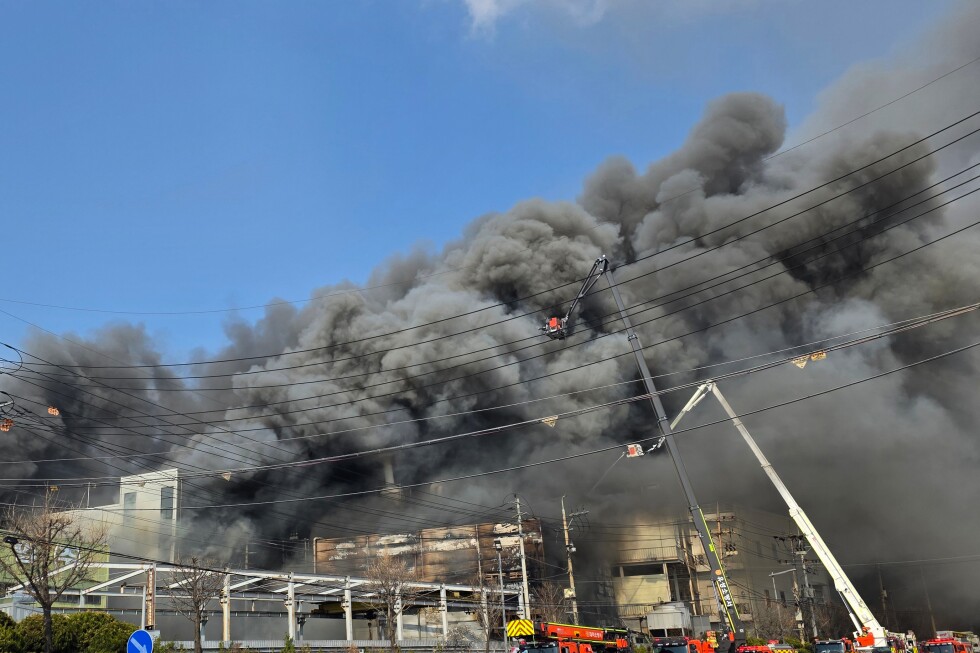
    A major industrial fire erupted at an automotive components manufacturing facility in Daejeon, South Korea, on Friday afternoon, resulting in significant casualties and prompting a large-scale emergency response. The incident, which occurred at approximately 1:17 p.m. local time, has left at least 53 individuals injured, with 24 sustaining serious wounds, according to Daedeok District Fire Chief Nam Deuk-woo.

    Emergency authorities continue search operations for 14 individuals potentially trapped within the facility, utilizing mobile signal tracking technology to locate missing personnel. While officials have not confirmed any life-threatening conditions among the injured, witness accounts describe a rapid escalation of the blaze accompanied by what sounded like an explosion, leading to dense gray smoke enveloping the industrial complex.

    The structural integrity of the affected building has been severely compromised, preventing firefighting teams from entering due to collapse risks. Response efforts have prioritized containing the fire’s spread to adjacent facilities and securing hazardous chemicals present on-site.

    Injury patterns reveal varied trauma mechanisms, with some victims suffering from smoke inhalation while others sustained injuries from emergency building evacuations. The incident has mobilized substantial resources, including over 250 emergency personnel and approximately 100 specialized vehicles deployed to the scene.

    South Korean President Lee Jae Myung has ordered full mobilization of all available personnel and equipment to support containment and rescue operations. The cause of the fire remains under investigation by authorities, who have not yet determined the exact sequence of events that led to the rapid propagation of the blaze.