分类: society

  • Gas explosion kills 16 after apartment building partially collapsed in southern Pakistan

    Gas explosion kills 16 after apartment building partially collapsed in southern Pakistan

    A catastrophic gas explosion devastated a residential building in Karachi, Pakistan’s largest metropolitan center, during the early hours of Thursday, resulting in a confirmed death toll of 16 individuals with multiple others sustaining injuries. The tragedy occurred as residents were engaged in preparations for suhoor, the pre-dawn meal marking the commencement of Ramadan, according to local law enforcement authorities.

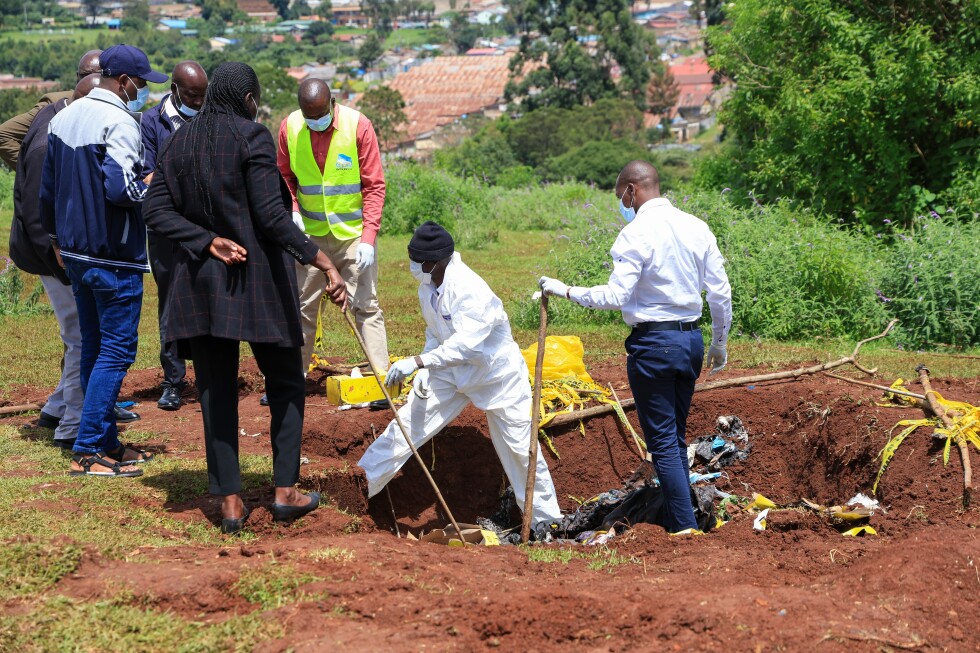
    Rizwan Patel, Karachi’s senior police superintendent, confirmed that the blast triggered significant structural collapse within the apartment complex, necessitating extensive rescue operations to locate survivors beneath the debris. Emergency response teams continued their search operations throughout the day as the death count escalated from initial reports of 13 fatalities.

    Pakistani President Asif Ali Zardari issued an official statement expressing profound grief and extending condolences to bereaved families while mandating comprehensive medical care for the injured. The presidential directive emphasized accelerated rescue efforts and called upon provincial authorities in Sindh to implement rigorous building safety protocols, enhance gas cylinder inspection systems, and conduct detailed investigations to prevent recurrence of similar incidents.

    This tragedy highlights ongoing infrastructure challenges in Pakistani urban centers, where natural gas distribution networks frequently operate below optimal pressure levels, compelling numerous households to supplement with liquefied petroleum gas cylinders. The incident echoes a previous gas-related catastrophe in Islamabad last July that claimed eight lives during wedding celebrations, underscoring persistent safety concerns regarding gas utilization in residential settings.

  • Watch: Thai police go undercover as lion dancers to catch thief

    Watch: Thai police go undercover as lion dancers to catch thief

    In an inventive approach to law enforcement, officers from the Thai police force successfully apprehended a serial theft suspect by utilizing an unexpected disguise: traditional lion dance costumes. The operation culminated outside a temple on the outskirts of Bangkok, where the individual, wanted in connection with multiple counts of theft, was taken into custody.

    The strategic deployment of this cultural camouflage allowed police to blend seamlessly into the local environment, capitalizing on the vibrant and common sight of lion dance performances, particularly in the vicinity of temples. This method enabled close surveillance without alerting the suspect, demonstrating a significant departure from conventional police tactics.

    Authorities have highlighted the operation as a testament to adaptive policing, merging cultural understanding with crime-fighting initiatives. The suspect’s arrest marks a critical development in a series of investigations targeting theft rings in the Bangkok metropolitan area, potentially signaling a new era of innovative law enforcement strategies within the region.

  • The travertine quarries that built ancient Rome are carving rock for a new generation of temples

    The travertine quarries that built ancient Rome are carving rock for a new generation of temples

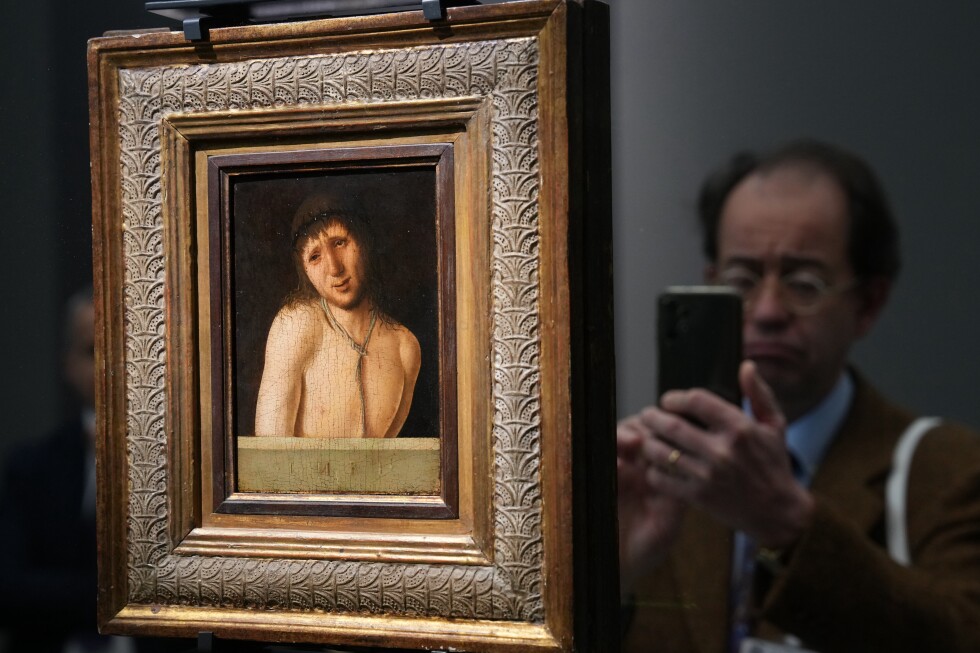
    For two millennia, the subterranean quarries of Tivoli, Italy have supplied the distinctive pock-marked stone that built Rome’s architectural marvels and now graces contemporary structures worldwide. This porous limestone, known scientifically as lapis tiburtinus and commonly as travertine, formed through mineral deposits from sulfuric springs over hundreds of thousands of years, capturing regional volcanic history within its striated layers.

    From the Colosseum constructed in 70-80 AD to Bernini’s magnificent St. Peter’s Square colonnade completed in 1667, travertine has demonstrated exceptional durability against environmental challenges. The stone’s unique composition of calcium carbonate minerals provides both structural integrity and aesthetic versatility, appearing in finishes ranging from rough-textured to polished sleek, with color variations from warm white with black voids to veined beige with gray, brown, or greenish tones.

    The Mariotti Carlo SpA stonecutting firm, operating for four generations, continues this ancient tradition by fulfilling prestigious international commissions. Their current projects include supplying travertine for the reconstruction of a Latter-day Saint temple in Manhattan and major developments in Riyadh and Shenzhen. Fabrizio Mariotti, head of the family enterprise, describes travertine as “carrying the light of Rome everywhere” due to its distinctive reflective qualities.

    At the Degemar quarries, where Baroque master Bernini once maintained a residence to personally select materials, extraction continues 30 meters below sea level. Vincenzo De Gennaro, current quarry director, notes that the stone’s 2,000-year performance in Roman structures provides undeniable proof of its longevity. Professor Marco Ferrero of La Sapienza University adds that travertine embodies Rome’s spirit—solid and noble without marble’s ostentation—comparing it to “Roman dialect” versus marble’s “literary Italian.”

  • A beloved teacher in Morocco unmasked: Frenchman investigated over abuse of 89 boys

    A beloved teacher in Morocco unmasked: Frenchman investigated over abuse of 89 boys

    The quiet Moroccan town of Khenifra faces an existential crisis following the shocking arrest of Jacques Leveugle, a 79-year-old French national who embedded himself deeply within the community over decades. Previously celebrated as a benevolent figure who swept streets at dawn, offered free language instruction, and organized children’s excursions, Leveugle now stands formally investigated in France for the systematic rape and sexual assault of 89 minors across a 55-year span in multiple nations.

  • How rescuers raced against time to reach skiers trapped in avalanche

    How rescuers raced against time to reach skiers trapped in avalanche

    A devastating backcountry skiing expedition in California’s Sierra Nevada mountains has culminated in tragedy, with eight of nine missing skiers confirmed deceased following a massive avalanche. The catastrophic event unfolded on Tuesday when emergency signals from both a guide’s satellite-enabled iPhone and another skier’s distress beacon alerted authorities in Truckee, California.

    The group of 15 individuals—comprising 11 recreational skiers and four professional guides—was concluding their three-day excursion at the Frog Lake Huts within the renowned Castle Peak region when the avalanche struck. Rescue operations faced immediate challenges as Highway 80 remained impassable due to severe winter storms, forcing authorities to implement unconventional access strategies.

    Nearby resorts including Boreal Mountain Ski Resort and Tahoe Donner’s Alder Creek Adventure Center deployed specialized rescue teams, utilizing snow-cats—vehicles designed for deep snow traversal—to navigate the treacherous conditions. By afternoon, approximately 50 rescuers had converged on the mountain from both northern and southern approaches.

    The rescue team eventually located six survivors sheltering in makeshift tents, though two required medical evacuation due to avalanche-related injuries. Placer County Sheriff Wayne Woo confirmed these survivors included one guide and five clients of Blackbird Mountain guided tours. Tragically, one deceased individual was identified as the spouse of a rescuer, adding profound personal dimension to the tragedy.

    Avalanche experts from the Sierra Avalanche Center had previously issued warnings about naturally occurring avalanches in the region, citing unstable snowpack conditions and continuing precipitation that increased loading on dangerous slopes. The accident site spanned approximately the area of a football field, complicating recovery efforts.

    Authorities have postponed recovery of the seven women and two men killed until weather conditions improve, citing ongoing safety concerns. The search for the one remaining missing skier continues, though officials presume this individual has also perished.

    Backcountry safety equipment—including avalanche beacons, shovels, and probes—proved critical in this incident, though officials remain uncertain whether any skiers carried inflatable avalanche airbag systems. The tragedy highlights the inherent dangers of winter backcountry travel despite technological advancements and professional guidance.

  • Float featuring Brazil’s Lula comes last at Rio Carnival

    Float featuring Brazil’s Lula comes last at Rio Carnival

    Rio de Janeiro’s iconic Carnival parade reached its spectacular climax as samba school Unidos do Viradouro claimed the championship title with their artistic homage to legendary drum director Master Ciça. The victory came amidst unprecedented political tensions that overshadowed portions of the world’s largest carnival celebration.

    The Academicos de Niteroi samba school found itself at the center of controversy with their politically-charged parade honoring President Luiz Inácio Lula da Silva’s journey from impoverished shoeshine boy to national leadership. The performance, which designer Tiago Martins described as ‘a deeply personal story of social mobility,’ finished in last place following substantial backlash from opposition groups.

    Political tensions escalated as opposition parties filed multiple legal challenges attempting to block the presidential tribute, alleging violation of electoral campaign regulations ahead of October’s elections. Despite judicial rejections of these petitions, the performance generated intense debate across Brazilian society.

    The parade’s provocative elements included a controversial depiction of former President Jair Bolsonaro as ‘Bozo the Clown’ behind bars, alongside segments that critics argued mocked traditional Christian values through performances titled ‘preserved neoconservatives.’

    President Lula personally attended the festivities, watching from the Sambadrome stands alongside thousands of spectators who witnessed the spectacular displays of giant lions, dancing books, and rainbow-colored plumes that characterized this year’s celebrations.

    The competition, judged across ten categories by forty officials, maintained its tradition of artistic excellence while unexpectedly becoming a platform for Brazil’s ongoing political divisions. Despite the controversies, the carnival’s vibrant spirit prevailed with breathtaking displays of color, choreography, and cultural expression that define Rio’s most celebrated annual event.

  • A Kenyan school like no other may be an African education blueprint

    A Kenyan school like no other may be an African education blueprint

    In the Kenyan town of Kitengela, an innovative educational institution is transforming the learning experience for students with dyslexia through specialized teaching methodologies. Rare Gem Talent School has developed a unique educational framework that replaces traditional lecture-based instruction with multi-sensory techniques specifically designed for neurodiverse learners.

    The school addresses a critical gap in Kenya’s educational landscape, where despite significant improvements in general education access, students with learning disabilities frequently struggle within conventional systems. Dyslexia affects approximately 10% of learners nationwide, creating substantial barriers to literacy development and academic achievement.

    Educational specialists at Rare Gem employ what they term a ‘multi-sensorial approach’ to reading instruction. This methodology incorporates visual techniques such as color-coding word sounds, auditory methods including musical spelling patterns, and tactile learning using physical objects to represent word construction. “You teach step by step until the learner comprehends the material, moving beyond the traditional teacher-centered lecture model,” explained Dorothy Kioko, an educator at the institution.

    Founded in 2012 through the Dyslexia Organisation Kenya, the school began with fewer than ten students and has expanded to serve approximately 210 learners today. While primarily focused on dyslexia, the institution also accommodates students with other learning challenges including autism spectrum disorders.

    The school’s founder, Phyllis Munyi, established Rare Gem after witnessing the educational struggles of her own son with dyslexia. “Early identification and intervention are crucial,” Munyi emphasized. “With proper support, these students can develop their skills, discover their talents, and complete their education successfully.

    Despite Kenya’s remarkable progress in educational access—with primary school enrollment increasing from 5.9 million in 2002 to 10.2 million in 2023—special needs education has lagged considerably. Official statistics indicate that while 11.4% of Kenyan children have special educational requirements, only 250,000 such students are currently enrolled in appropriate educational programs.

    Rare Gem offers a potentially scalable model for inclusive education, utilizing a modified version of Kenya’s standard curriculum rather than creating an entirely separate educational framework. The school charges $180 per term, making it more affordable than elite private institutions while remaining financially inaccessible to many Kenyan families compared to government schools.

    Significant challenges remain, including persistent social stigma, limited parental awareness, and the traumatic impact of bullying that many students experienced in previous educational settings. Former student Geoffrey Karani, now an art teacher at the school, noted: “In conventional schools, there was extensive discrimination and bullying. Now I mentor students by showing them I’ve traveled the same difficult journey.”

  • Turkish TV network accused of stoking social tensions with pork dinner scene

    Turkish TV network accused of stoking social tensions with pork dinner scene

    A Turkish television drama has triggered intense nationwide controversy after airing a scene depicting pork being served to conservative Muslim guests, igniting debates about cultural sensitivity and media responsibility in the country’s polarized social landscape.

    The incident occurred during the February 17th episode of ‘Aynı Yagmur Altında’ (Under the Same Rain), broadcast on ATV network. The controversial scene showed host characters serving pork to newly arrived guests who displayed visual markers of religious conservatism, including headscarves and traditional attire. While the characters weren’t explicitly identified as Muslim, viewers overwhelmingly interpreted the implication as intentional given Turkey’s predominantly Muslim population.

    Social media backlash erupted immediately, with critics arguing the scenario represented cultural implausibility rather than religious offense. The Turkish Orthodox Society highlighted the peculiarity in a viral statement: ‘Even Christian Turks rarely consume pork, and we would never serve it to Muslim neighbors. This suggests either deliberate provocation or serious lack of cultural awareness.’

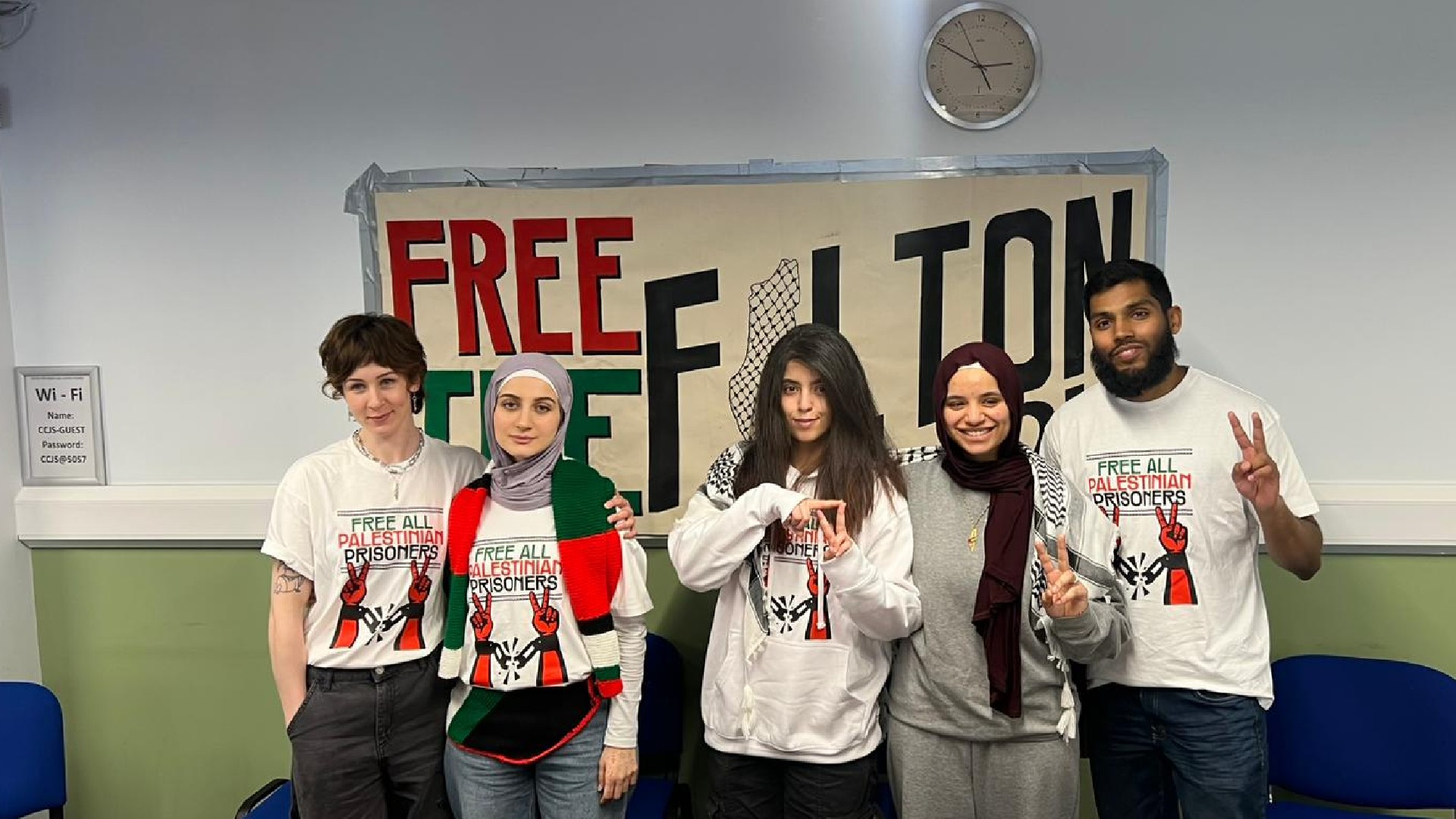
    The series, which premiered on February 9th, follows protagonist Rosa’s journey from London—where she attended pro-Palestine protests—back to Turkey, exploring themes of activism, identity, and cross-cultural relationships. However, the pork scene has largely overshadowed the intended narrative.

    Further complicating the controversy is ATV’s ownership structure. The channel operates under Turkuvaz Media Group, whose chairman Serhat Albayrak is brother to Berat Albayrak—former energy minister and son-in-law of President Recep Tayyip Erdoğan. This connection led many to question why a government-aligned network would broadcast content perceived as marginalizing religious conservatives.

    Production company Baba Yapim defended the scene in a statement to Middle East Eye, explaining: ‘The scene wasn’t designed to endorse the host’s behavior but rather to demonstrate how her actions were rejected by her own family. Our story aims to bridge differences through fundamental values of respect and human courtesy.’

    The show’s official social media account was deactivated following the episode’s airing, while discussions expanded beyond religious dietary rules to encompass media ethics, cultural polarization, and the role of entertainment in reflecting societal tensions.

  • The teacher who won $1m for turning India’s slums into open-air classrooms

    The teacher who won $1m for turning India’s slums into open-air classrooms

    In the dense urban landscape of Mumbai’s Colaba district, a vibrant educational revolution is unfolding within the city’s most marginalized communities. Artist and educator Rouble Nagi has been awarded the prestigious 2026 Global Teacher Prize, accompanied by a $1 million award, for her extraordinary work establishing over 800 learning centers across India’s underserved communities.

    The Varkey Foundation, in collaboration with UNESCO, selected Nagi from among 5,000 nominations spanning 139 countries for her innovative approach to education through the Rouble Nagi Art Foundation (RNAF). Her methodology transforms unconventional spaces—from laundry workers’ settlements to open slum areas—into dynamic learning environments where art serves as the primary educational catalyst.

    Nagi’s journey began three decades ago when a chance encounter with an out-of-school child during an art workshop revealed the educational disparities in Mumbai’s slums. This inspired her to initiate community engagement through mural painting, which unexpectedly attracted curious children eager to learn. This discovery evolved into a formalized educational model that combines artistic expression with fundamental academic instruction.

    The RNAF’s approach emphasizes flexibility and accessibility, with lessons conducted in open areas using mats instead of traditional classrooms. Volunteers provide skill-based instruction while addressing the complex socioeconomic challenges facing students. Teachers frequently assume additional roles as counselors and family liaisons, conducting home visits when children miss classes and holding regular parent sessions to maintain educational continuity.

    A cornerstone initiative, the ‘Misaal’ project, converts slum walls into educational canvases featuring murals that teach scientific concepts, hygiene practices, environmental awareness, and social responsibility. These visual lessons serve as both community beautification and continuous educational tools that stimulate curiosity and behavioral change.

    The foundation’s impact is evidenced by success stories like Mayur, a former student who now operates his own art classes and printing business while volunteering weekends with RNAF. Current students like seven-year-old Khushi aspire to become educators themselves, demonstrating the program’s cyclical empowerment model.

    Nagi plans to utilize the prize money to expand operations into Jammu and Kashmir, establishing a comprehensive skill-development and learning center equipped with computer technology. Her work demonstrates that educational transformation can occur anywhere—when approached with creativity, community trust, and unwavering commitment to marginalized populations.

  • UAE Rulers pardon thousands of prisoners as Ramadan 2026 begins

    UAE Rulers pardon thousands of prisoners as Ramadan 2026 begins

    In a profound demonstration of Ramadan’s spirit of compassion and forgiveness, the rulers of the United Arab Emirates have enacted sweeping prisoner pardons across all seven emirates. This annual tradition, marking the commencement of the holy month in February 2026, represents one of the largest clemency initiatives in recent years.

    The presidential decree from Sheikh Mohamed bin Zayed Al Nahyan secured freedom for 1,440 inmates from penal institutions—a significant increase of 145 prisoners compared to the previous year’s figures. Simultaneously, Dubai’s Ruler and UAE Vice President Sheikh Mohammed bin Rashid Al Maktoum authorized the release of 1,856 individuals from correctional facilities throughout the emirate.

    Beyond mere liberation, the ruling authorities have committed to assuming all outstanding financial penalties owed by the pardoned inmates. This extraordinary financial relief ensures that returning citizens can reintegrate into society without economic burdens, enabling them to celebrate Ramadan with their families under improved circumstances.

    The compassionate initiative extended across the federation with Sheikh Dr. Sultan bin Muhammad Al Qasimi of Sharjah ordering 407 releases, while Ajman’s Ruler Sheikh Humaid bin Rashid Al Nuaimi granted clemency to 134 inmates. Ras Al Khaimah witnessed 407 prisoners pardoned under Sheikh Saud bin Saqr Al Qasimi’s directive, and Fujairah’s Sheikh Hamad bin Mohammed Al Sharqi authorized 125 releases.

    Selection criteria prioritized individuals demonstrating exemplary conduct and behavioral rehabilitation during their incarceration, with the amnesty benefiting prisoners of diverse nationalities. This collective act of mercy reflects the UAE leadership’s commitment to social reconciliation and the core Islamic values of redemption during the sacred month.