分类: society

  • Deliveries in Xizang are now faster and cheaper

    Deliveries in Xizang are now faster and cheaper

    A transformative logistics overhaul is sweeping across the Xizang Autonomous Region, fundamentally reshaping e-commerce accessibility for remote communities. This breakthrough follows strategic policy interventions that have dramatically reduced delivery times and eliminated prohibitive shipping costs that long plagued the region’s online shoppers.

    The catalyst for change emerged from NPC deputy Norbu Yangzom’s 2025 proposal addressing the logistical challenges facing Tibet’s rural populations. Her advocacy triggered a coordinated national response involving the State Post Bureau, Ministry of Finance, State Taxation Administration, and Ministry of Commerce, culminating in comprehensive infrastructure upgrades and subsidy mechanisms specifically designed for high-altitude delivery networks.

    Previously, Tibet’s formidable geography and sparse population density created near-insurmountable barriers for parcel services. Residents outside urban centers typically faced weeks-long wait times and exorbitant fees—often seeing symbolic 999 yuan ($138) shipping charges that effectively barred online purchases. Many communities lacked any delivery options beyond China Post services, forcing arduous journeys to county seats for parcel retrieval.

    The implementation strategy featured dual approaches: physical infrastructure expansion and economic incentivization. By February 2026, over 2,400 village-level postal and logistics stations had been modernized across Tibet, creating last-mile delivery capabilities comparable to urban standards. Simultaneously, regional authorities established targeted subsidies for agricultural and pastoral area deliveries, rapidly driving down consumer costs.

    The results have been transformative. Delivery times from southeastern China to Tibetan villages have compressed from three weeks to approximately ten days, with some shipments now arriving in just four days—even to historically isolated regions like Metog county, which lacked road access until 2013. The number of products eligible for free shipping to Tibet has surged to 1.7 billion items, representing a 119% year-on-year increase.

    Beyond consumer benefits, the logistics revolution has activated new economic channels for Tibetan producers. Improved outward delivery capabilities have enabled villagers to effectively market local specialties to national marketplaces, creating substantial income generation opportunities. With plans to upgrade 60 county-level logistics centers and 4,000 additional village stations in 2026, Tibet’s connectivity transformation continues accelerating, effectively dismantling the region’s historical isolation through logistical innovation.
  • South Sudan models dominate global catwalks but visas a problem

    South Sudan models dominate global catwalks but visas a problem

    South Sudan has emerged as an unlikely powerhouse in the global fashion industry, producing an extraordinary concentration of modeling talent despite being one of the world’s youngest and most troubled nations. Remarkably, nine of the top 50 models currently ranked on Models.com originate from this East African country, creating a remarkable success story amid ongoing challenges.

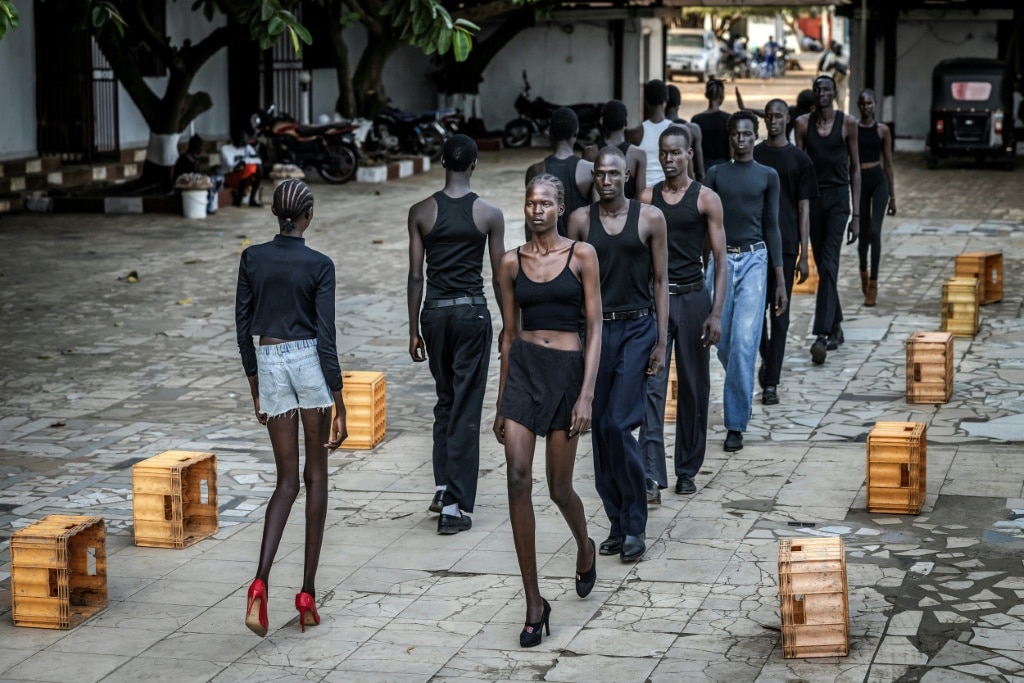
    The journey from South Sudan to international runways often begins on cracked paving stones in Juba, where aspiring models practice their craft with dreams of escaping poverty. They follow in the footsteps of pioneers like Awar Odhiang, who transitioned from an Ethiopian refugee camp to closing Chanel’s prestigious Paris Fashion Week show, and Alek Wek, who blazed the trail in the 1990s after her family fled conflict.

    Doris Sukeji, founder of Jubalicious modeling agency in Juba, confirms the industry’s current dominance: “Paris, Milan, London—the fashion world is presently dominated by South Sudanese boys and girls. Their distinctive dark skin tone has become particularly sought-after by major agencies.”

    However, this success story faces significant political obstacles. Despite having the physical attributes and talent demanded by the industry, many South Sudanese models encounter insurmountable visa barriers. Yar Agou, a 19-year-old signed with Jubalicious, experienced this firsthand when her visa was rejected at the last minute, preventing her from participating in Milan Fashion Week. Instead of walking international runways, she currently works as a cleaner while awaiting new opportunities.

    The financial stakes are substantial—successful models can earn tens of thousands of dollars in a single season, potentially transformative in a country where 92% of the population lives below the poverty line. Yet Sukeji reports that seven of her models with confirmed work sponsorships have been denied visas in recent months, reflecting increasingly strict immigration policies in Western nations.

    Additional challenges include conservative local attitudes toward modeling, which some families associate with prostitution, and the fashion industry’s relentless demand for new faces. Sukeji provides free training that can last up to three months, taking only a 10% commission when her models secure work.

    Despite these hurdles, South Sudan’s modeling community maintains hope. As models practice their runway walks on Juba rooftops, they envision futures beyond poverty and conflict, inspired by success stories like Anyier Anei, who transitioned from international modeling to starring in French cinema. Their perseverance demonstrates that even in the most challenging circumstances, extraordinary talent can emerge and captivate global industries.

  • Ancient fort scrambler bike damage ‘disrespectful’

    Ancient fort scrambler bike damage ‘disrespectful’

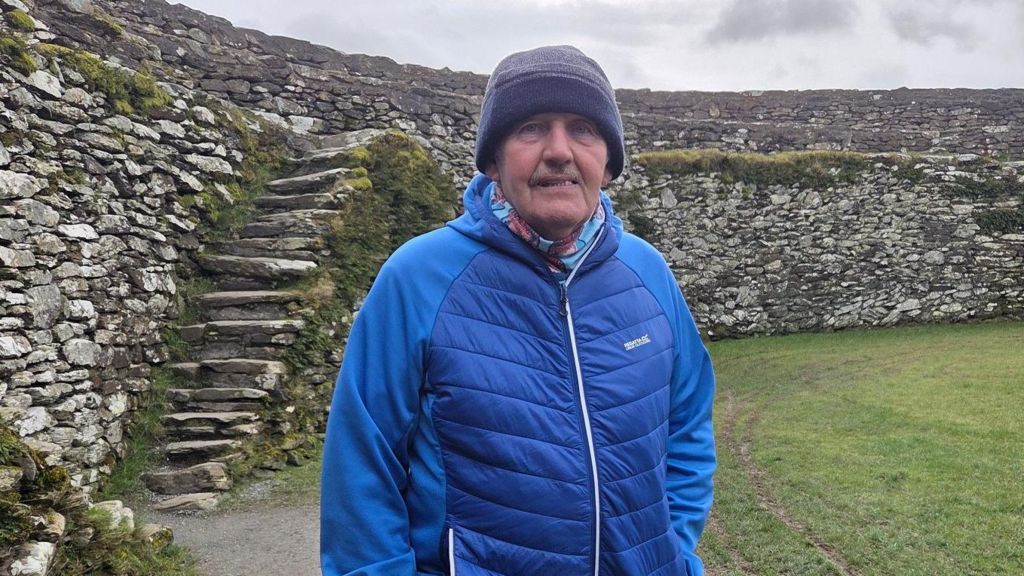
    An Grianán of Aileach, a protected hilltop fort in County Donegal dating back to the 9th century BC, has suffered significant ground damage from unauthorized scrambler bike activity within its ancient walls. The incident, occurring between March 6th and 9th, has prompted an official investigation by Ireland’s Office of Public Works and local gardaí.

    Local historian Dessie McCallion condemned the act as profoundly disrespectful, stating the ancient monument is not a playground. While the stone structure itself remains intact, the ground surface inside the fort sustained noticeable damage from the powerful bikes.

    Residents living near the historically significant site expressed both concern and bewilderment. Photographer Jacqui Devenney, who frequently witnesses visitors including wedding parties at the location, emphasized that the vandals likely failed to comprehend the site’s historical importance. Neighbor Mary McCallion noted that while the damage is repairable, the mindset behind such actions remains incomprehensible.

    Designated a National Monument, An Grianán of Aileach represents one of Ireland’s most ancient sites with evidence of fortification dating back to 1100-800 BC. The current stone structure served as a ceremonial center for the medieval O’Neill clan and underwent significant restoration in the 1870s.

    Sinn Féin councillor Jack Murray confirmed that descriptions of those involved have been provided to authorities, expressing hope that those responsible will be held accountable. The incident has reignited discussions about improved public education regarding Ireland’s protected historical sites, with some historians comparing the fort’s significance to that of the Hill of Tara.

  • S Korea police raid transport ministry as questions mount over Jeju Air crash

    S Korea police raid transport ministry as questions mount over Jeju Air crash

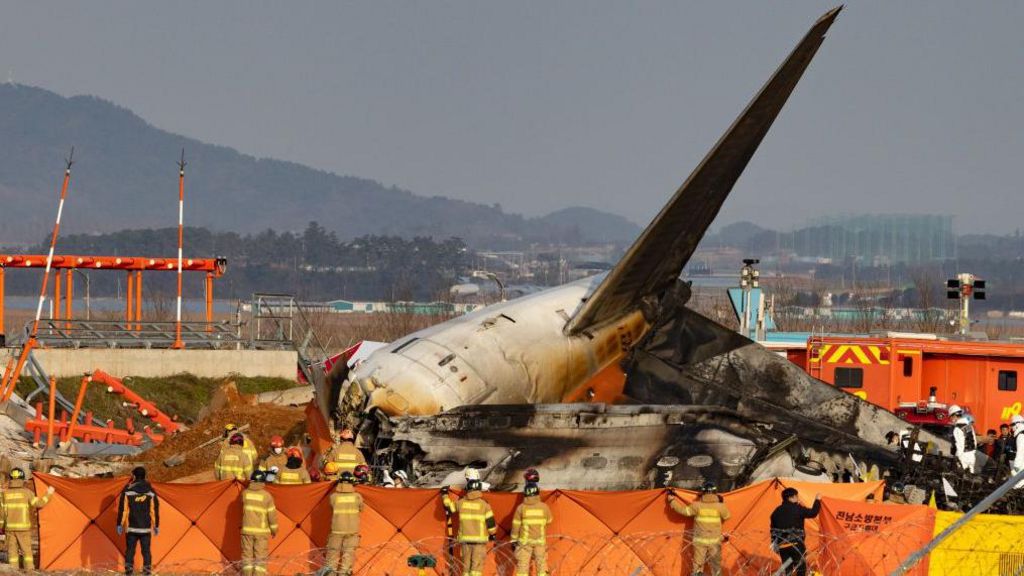
    South Korean law enforcement authorities have executed a search operation at the Transport Ministry’s headquarters in Sejong, intensifying scrutiny over the government’s handling of the nation’s most catastrophic aviation disaster. The December 2024 Jeju Air Flight 2216 tragedy, which resulted in 179 fatalities, continues to generate profound public outrage and institutional investigations.

    The Boeing 737-800 aircraft, carrying 181 individuals, overshot the runway at Muan International Airport on December 29, 2024, after experiencing a critical bird strike that disabled both engines. While pilots successfully executed an emergency belly landing, the aircraft subsequently collided with a concrete navigation structure, triggering a catastrophic explosion that claimed all lives except two flight attendants seated in the rear section.

    Recent developments have revealed disturbing investigative shortcomings. Months after the accident, examination of debris sacks collected from the crash site yielded additional human remains and passenger belongings that initial recovery efforts had overlooked. This discovery provoked substantial public condemnation and prompted direct intervention from President Lee Jae Myung, who ordered comprehensive reviews and disciplinary measures against officials responsible for recovery deficiencies.

    Parallel investigations have uncovered critical safety compromises in airport infrastructure design. The Board of Audit and Inspection confirmed the controversial concrete structure was constructed as a cost-saving alternative to proper terrain leveling. Aviation safety simulations demonstrated all passengers might have survived impact forces absent the concrete obstruction, which violated international standards requiring frangible (breakaway) design for runway-adjacent structures.

    In response to these findings, South Korean aviation authorities have initiated removal of similar navigation structures across seven domestic airports. The Transport Ministry has issued formal apologies, though victim families have rejected these gestures as insufficient and delayed. Multiple investigative branches continue examining institutional accountability, with final conclusions anticipated by mid-year.

  • Gay Muslim influencer hosts inclusive Ramadan meal and calls for acceptance across faiths

    Gay Muslim influencer hosts inclusive Ramadan meal and calls for acceptance across faiths

    In a powerful display of solidarity, Berlin-based influencer Ali Darwich is redefining religious inclusivity through his groundbreaking social advocacy. The 33-year-old German of Palestinian and Lebanese descent, known on Instagram as @alifragt, recently hosted an interfaith iftar dinner that brought together Muslims, Christians, immigrants, Germans, and LGBTQ+ individuals to break the Ramadan fast collectively.

    Darwich has cultivated a rapidly expanding digital following by highlighting the complex realities facing queer Muslims in contemporary Germany. Through his platform, he addresses the profound isolation many experience when rejected by their families, particularly during traditionally communal holidays like Ramadan. His message resonates deeply amid concerning statistics: 2024 data reveals a disturbing 40% surge in anti-LGBTQ+ violence across twelve German states compared to 2023 figures, as documented by the Association of Counseling Centers for Victims of Right-Wing, Racist and Antisemitic Violence.

    The influencer’s personal journey underscores his activism. His coming out several years ago triggered familial rejection, including a six-month estrangement from his mother and exclusion from family celebrations. This experience motivated his current mission: creating alternative support networks for those facing similar marginalization.

    The inclusive iftar, hosted at the Berlin home of fellow influencer Randa Weiser (@randa_and_the_gang), featured traditional Middle Eastern cuisine including freekeh soup, spiced rice with almonds and raisins, grilled chicken, and assorted desserts. The gathering represented remarkable diversity, with attendees hailing from Jordan, Lebanon, Morocco, Turkey, Chechnya, Syria, Iran, and Peru.

    Despite receiving some online criticism for her inclusive stance, Weiser maintains that being Muslim and LGBTQ+ are not mutually exclusive identities. The event attracted numerous content creators who documented the celebration across social platforms, amplifying its message of acceptance.

    Among attendees, Syrian artist and belly dancer Haidar Darwish (@thedarvishofficial) emphasized the importance of resilience: ‘No matter how much hate others show, we can respond with greater love through self-belief and ally support.’ Both Darwich and his collaborators emphasize that religious devotion and queer identity can coexist harmoniously, advocating for unconditional acceptance within all faith communities.

  • Synagogue attacked in US state of Michigan, suspect killed

    Synagogue attacked in US state of Michigan, suspect killed

    A violent incident unfolded at Temple Israel synagogue in West Bloomfield, Michigan, on Thursday afternoon, culminating in the death of an armed suspect following an exchange of gunfire with security personnel.

    The attack occurred approximately at 12:30 PM local time, triggering a massive law enforcement response from multiple agencies across metropolitan Detroit. Preliminary investigations indicate the individual arrived at the religious institution and immediately engaged in an armed confrontation with temple security forces.

    Oakland County Sheriff Michael Bouchard provided initial confirmation that no congregational injuries had been verified despite the severity of the encounter. Law enforcement authorities established a shelter-in-place order within a one-mile radius of the synagogue as investigation protocols continued throughout the afternoon.

    Eyewitness footage captured by local media outlets showed substantial police mobilization and visible smoke emanating from sections of the building complex. The Jewish Federation of Detroit initially implemented precautionary lockdown procedures across affiliated organizations before subsequently lifting security restrictions as the immediate threat subsided.

    Additional patrols were deployed to other worship centers throughout the district as standard precautionary measures. Investigation teams are currently examining potential connections to additional individuals while forensic analysis of the scene continues.

  • Low and slow meets forever: US postage stamps honor lowrider car culture

    Low and slow meets forever: US postage stamps honor lowrider car culture

    The United States Postal Service is officially recognizing lowrider culture with a groundbreaking commemorative stamp series, celebrating the vibrant automotive artistry that emerged from Mexican American communities in the 1940s. The stamps, featuring meticulously designed lowrider vehicles, will be unveiled Friday in San Diego, marking a significant cultural milestone for the community.

    Lowrider culture—characterized by custom-painted vehicles with hydraulic systems, elaborate chrome detailing, and luxurious interiors—has evolved from its origins in working-class neighborhoods of the American Southwest to achieve global recognition. From barrios in Southern California to international appreciation in Japan and beyond, these rolling works of art represent creativity, craftsmanship, and cultural identity.

    Antonio Alcalá, the Postal Service’s art director and a San Diego native, led the design project. After extensive research, he selected five iconic vehicles: a 1946 Chevy Fleetline, three classic Chevy Impalas, and a 1987 Oldsmobile Cutlass Supreme. Each stamp showcases distinctive features including curvaceous body lines, low stances, and hints of the hydraulic mechanics that enable the characteristic bouncing motion.

    The final artistic touch comes from master pinstriper Danny Alvarado, whose intricate designs adorn each stamp corner. With fifty years of experience, Alvarado views the project as particularly meaningful—his father served as a mail carrier for over two decades, creating a personal connection to this official recognition.

    This celebration comes after decades of challenges for lowrider enthusiasts. During the 1980s, many municipalities implemented anti-cruising laws and height restrictions that disproportionately affected Chicano youth. Recent years have seen a reversal of these policies, with California repealing cruising bans in 2024 and New Mexico establishing Lowrider Day at its state capitol.

    Roberto Hernández, founder of the San Francisco Lowrider Council, describes the postal honor as “the final stamp of approval” for a community that has long sought recognition beyond stereotypes. Photographer Humberto ‘Beto’ Mendoza, whose work inspired three stamps, notes the project arrived at a pivotal moment in his recovery from a 2022 stroke, providing both personal and communal inspiration.

    The stamps feature vehicles that have achieved legendary status within the community, including ‘El Rey,’ a red 1963 Chevrolet Impala currently displayed at the National Museum of American History. This official recognition signals a broader cultural acceptance of lowriding as both an art form and significant American cultural contribution.

  • Neo-Nazi Jacob Hersant out of jail after Nazi salute sentence

    Neo-Nazi Jacob Hersant out of jail after Nazi salute sentence

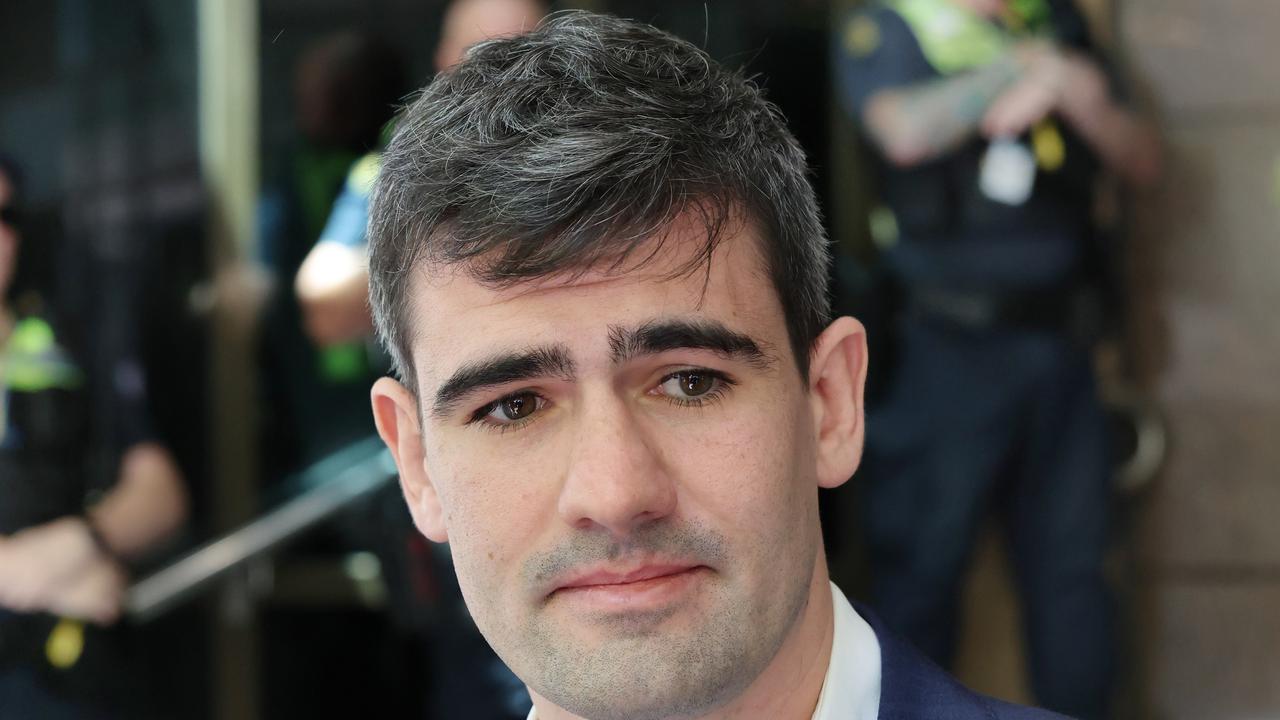
    Jacob Hersant, a 26-year-old Melbourne-based neo-Nazi, has been released from custody after completing a one-month prison sentence. His incarceration marked a historic first in Australia, stemming from a conviction for performing a Nazi salute in public—an act recently criminalized in the state of Victoria. Hersant executed the gesture directly before television cameras outside the County Court of Victoria on October 27, 2023, deliberately flouting the new legislation just days after its enactment.

    Emerging from confinement, Hersant expressed no remorse for his actions, a stance consistent with his previous declaration, “I am a Nazi.” His legal troubles, however, are far from over. On Friday, he appeared in Melbourne Magistrates’ Court concerning separate allegations of “grossly offensive public conduct” related to an incident on Halloween 2024. Hersant and an associate, Nathan Bull, 24, are accused of verbally abusing members of the public while allegedly dressed in highly offensive costumes; Hersant as a Ku Klux Klan member and Bull in blackface with a noose around his neck.

    This court appearance was adjourned until April due to a scheduling discrepancy with his co-accused’s case. A former leader of the now-disbanded National Socialist Network, a neo-Nazi group, Hersant also has a prior criminal history, having previously pleaded guilty to a violent disorder charge for a group assault on hikers in 2021. Despite his mounting legal challenges, Hersant remarked outside court that he had been ‘productive’ during his jail term and anticipates further guilty verdicts in his ongoing cases.

  • US jury to begin deliberations in social media addiction trial

    US jury to begin deliberations in social media addiction trial

    A California jury is poised to commence deliberations in a groundbreaking legal battle that accuses tech giants Meta and YouTube of deliberately engineering addictive platforms that harmed a young user’s mental health. The case, filed by 20-year-old Kaley G.M., represents a significant challenge to the legal protections traditionally enjoyed by social media companies.

    During closing arguments, plaintiff’s attorney Laura Marquez-Garrett employed a culinary metaphor, comparing social media’s impact to baking soda in a cupcake—seemingly small but fundamentally essential to the final product. She argued that while other factors contributed to Kaley’s struggles, social media served as the critical catalyst that exacerbated her mental health challenges.

    Defense attorneys presented a contrasting narrative, with Meta’s representative Paul Schmidt highlighting that none of the testifying therapists identified social media as the primary cause of Kaley’s documented emotional and physical abuse, academic difficulties, and pre-existing psychiatric conditions. YouTube’s legal team further distanced their platform by comparing it to traditional television rather than social media.

    The trial featured testimony from Kaley herself, who described becoming hooked on YouTube videos at age six and later developing depression and suicidal thoughts that she attributed to platform engagement. However, under cross-examination, she acknowledged significant family troubles and neglect that contributed to her mental health struggles.

    In a notable courtroom moment, Meta CEO Mark Zuckerberg expressed regret over the company’s delayed progress in identifying underage users but maintained that current systems are now adequate. YouTube executive Cristos Goodrow testified that despite aggressive growth targets, the platform prioritizes user value over addictive engagement.

    This case transcends individual damages, potentially establishing a legal precedent for thousands of similar lawsuits alleging that social media platforms’ algorithmic designs and business models constitute defective products that harm youth mental health. The verdict could redefine accountability under Section 230 of the Communications Decency Act, which has historically shielded platforms from liability for user-generated content.

  • One dead and two injured in Virginia university shooting

    One dead and two injured in Virginia university shooting

    NORFOLK, Va. – A deadly shooting at Old Dominion University’s business school building Thursday has been officially designated as an act of terrorism by the FBI, culminating in the death of the assailant at the hands of quick-acting ROTC students. The incident resulted in one fatality and two injuries before the armed suspect was neutralized.

    The FBI identified the gunman as Mohamed Bailor Jalloh, 31, a former Virginia National Guard member with established extremist ties. Special Agent Dominique Evans confirmed Jalloh had previously served prison time after pleading guilty in 2016 to attempting to provide material support to the Islamic State group. He was released from federal custody in 2024.

    According to law enforcement sources, Jalloh entered a classroom in Constant Hall and specifically inquired whether it was an ROTC class before opening fire. Multiple students from the Reserve Officers’ Training Corps program immediately intervened, physically subduing the attacker and ultimately causing his death. FBI officials confirmed Jalloh was not shot but declined to specify the exact manner of his demise, citing the ongoing investigation.

    FBI Director Kash Patel praised the students’ bravery, stating their actions ‘undoubtedly saved lives’ alongside the rapid response of campus police. The three shooting victims included two Army personnel, with one succumbing to injuries at a local hospital. CBS News identified the deceased victim as the class instructor, a retired military officer.

    Agent Evans revealed the terrorism classification stems from Jalloh’s established extremist background and reports that he shouted ‘Allahu Akbar’ – Arabic for ‘God is greater’ – prior to the attack. Evidence indicates Jalloh had previously planned an attack mirroring the 2009 Fort Hood shooting that killed 13 people. Authorities confirmed no connection to current geopolitical events involving Iran.

    The Virginia incident occurred hours before an unrelated vehicle attack targeting a Michigan synagogue, where one security guard was injured but all children and staff evacuated safely.