分类: society

  • ‘This felt inevitable’: Australian Jews react to Bondi attack with grief and anger

    ‘This felt inevitable’: Australian Jews react to Bondi attack with grief and anger

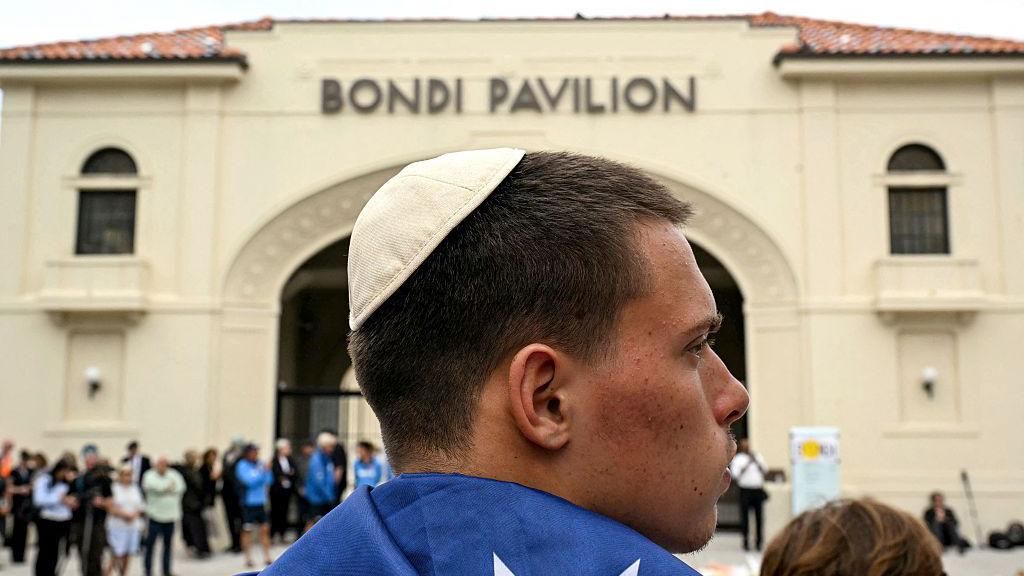
    The iconic Bondi Beach has been transformed into a somber crime scene following Australia’s deadliest terrorist attack. Two gunmen opened fire during a Hanukkah celebration on Sunday afternoon, killing at least 15 people and injuring over 40 others in what authorities describe as an antisemitic-motivated assault.

    Under clear skies, the normally vibrant shoreline sits eerily quiet. Forensic teams in bright blue protective gear meticulously examine the area where chaos erupted just days prior. Personal belongings—beach chairs, crumpled towels, children’s sandals—lie abandoned in neat piles, silent witnesses to the panic that ensued.

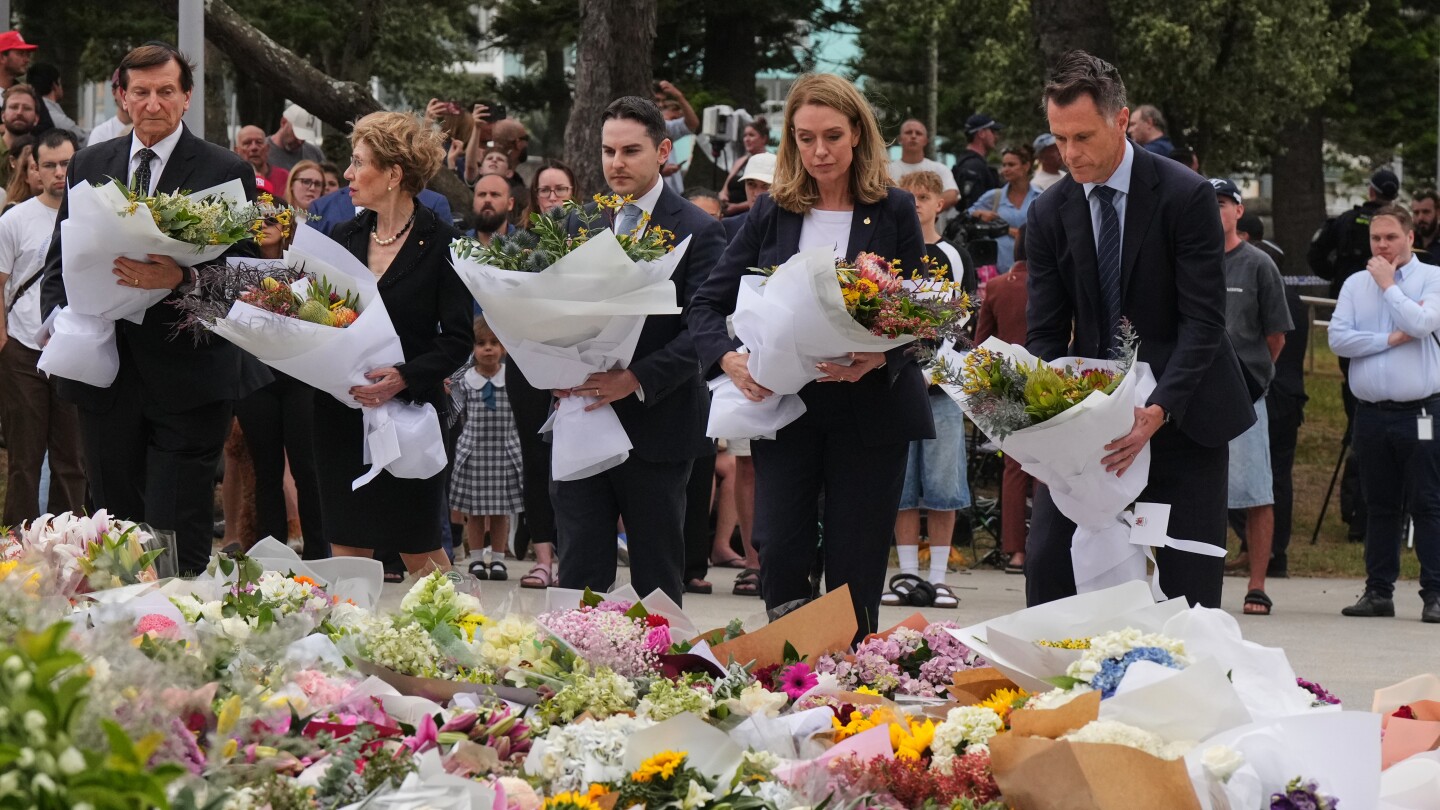
    A growing memorial of floral tributes now lines the footpath as shocked locals gather in disbelief. Twenty-two-year-old Jess, who identifies as Jewish, expressed the community’s grim resignation: ‘I’ve grown up in fear my whole life. This felt inevitable.’

    The attack has sparked urgent questions about national security and rising antisemitism. Prime Minister Anthony Albanese condemned the ‘act of pure evil’ while detailing government measures to combat hate crimes, including enhanced police task forces and stricter penalties for antisemitic offenses.

    Among the victims was prominent local Rabbi Eli Schlanger, who recently welcomed his fifth child, and 10-year-old Matilda, whose ‘only crime was being Jewish,’ according to Alex Ryvchin of the Executive Council of Australian Jewry. The community continues to locate missing persons and identify the deceased, including a Holocaust survivor who narrowly escaped persecution decades ago only to perish in this tragedy.

    The attackers, identified as 50-year-old Sajid Akram and his 24-year-old son Naveed, were reportedly planning their assault at a rental property. Police are investigating potential connections and concerns about retaliatory violence.

    In response to the tragedy, Australians have demonstrated remarkable solidarity. Blood donation centers reported overwhelming demand, with queues stretching for hours after supplies dwindled dangerously low. ‘Australia has your back,’ remarked 21-year-old Alex Gilders, echoing the national sentiment.

    The incident has drawn comparisons to the 1996 Port Arthur massacre, which prompted sweeping gun reforms. Government officials are now considering similar measures amid calls for stronger leadership and prevention strategies.
  • UAE’s rainy days mean resort stays: How bad weather drives wellness getaways

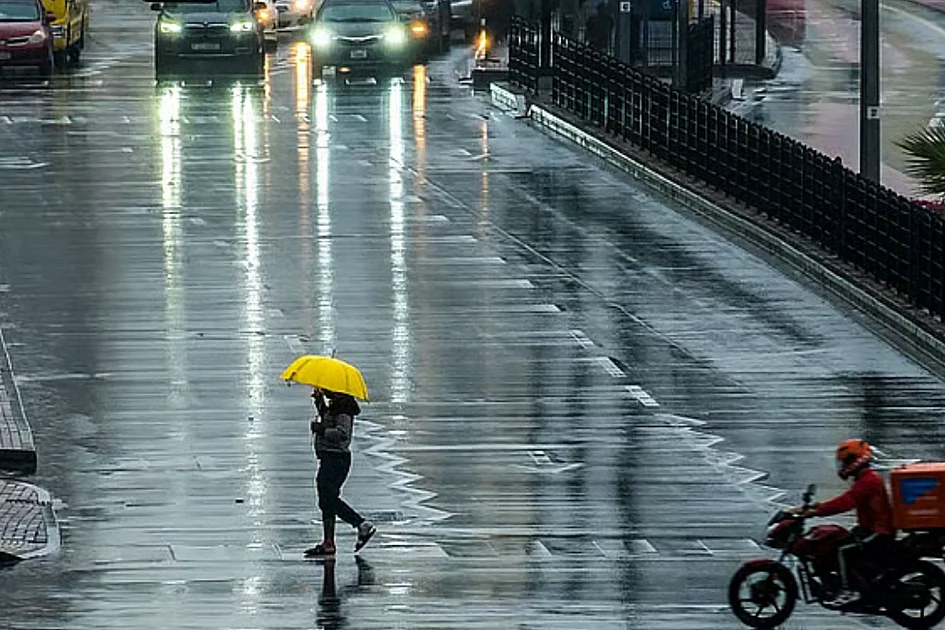
    UAE’s rainy days mean resort stays: How bad weather drives wellness getaways

    In the arid climate of the United Arab Emirates, where rainfall remains a rare meteorological phenomenon, an unexpected behavioral pattern has emerged among residents. Rather than viewing impending precipitation as merely a logistical challenge, a growing segment of the population now actively seeks refuge in wellness-oriented getaways when rain appears in forecasts.

    This psychological shift represents a fundamental reimagining of weather-related behavior. Dubai-based entrepreneur Abdullah S. exemplifies this trend, explaining how rain predictions now trigger his planning for retreats to destinations like Sir Bani Yas Island or Fujairah resorts. ‘Rain there feels like a gift in the UAE,’ he noted. ‘I use that time to think clearly, plan new ventures and reflect on business decisions without distractions.’

    The hospitality industry has documented corresponding booking patterns. According to Shilpa Mahtani, co-founder of bnbme holiday homes, ‘We usually see a spike in last-minute staycation bookings when rain is forecasted. Larger apartments and villas with comfortable indoor spaces tend to perform best.’ These bookings frequently include premium add-ons such as in-house chefs, masseuse services, and extended check-out times.

    Clinical psychologist Dr. Laxmi Saranya of Mediclinic provides scientific context for this phenomenon, noting that weather forecasts function as ‘cognitive primes’ that trigger emotional associations and behavioral adjustments even before physical weather changes occur. ‘Rain acts as a socially acceptable justification for slowing down,’ she explained. ‘It provides an external reason to withdraw, cancel plans or reflect without guilt.’

    This behavioral adaptation highlights how urban populations in high-performance environments increasingly value and seek validated opportunities for mental respite, using rare weather events as culturally approved moments for psychological renewal.

  • What to know about the attack on the Jewish festival in Australia that killed 15 people

    What to know about the attack on the Jewish festival in Australia that killed 15 people

    SYDNEY — Australian authorities are confronting a rare episode of mass gun violence that has shaken the nation’s sense of security. A father and son are suspected of carrying out a deadly shooting at a Hanukkah celebration on Sydney’s iconic Bondi Beach, leaving 15 people dead and dozens injured in what Prime Minister Anthony Albanese has labeled an act of antisemitic terrorism.

    The attack targeted a Jewish community gathering marking the first day of the eight-day holiday festival. Among the victims were a 10-year-old girl, a rabbi, and a Holocaust survivor, highlighting the particularly tragic nature of the assault.

    Authorities revealed that the 50-year-old father, who arrived in Australia in 1998 on a student visa and held resident status, was killed during the incident. His 24-year-old Australian-born son sustained injuries and remains hospitalized under police guard. Investigators are examining suspicious items recovered from the scene, including improvised explosive devices found in one suspect’s vehicle.

    Dramatic footage circulating on Australian media showed a bystander courageously tackling and disarming one gunman before securing the weapon. The father held a legitimate firearms license obtained through membership at a gun club, as target shooting qualifies as a ‘genuine reason’ for firearm ownership under current Australian law, while self-defense does not.

    The tragedy has prompted immediate government action, with Prime Minister Albanese announcing proposed tougher gun laws just one day after the shootings. This response comes amid criticism that authorities had underestimated the severity of rising antisemitic violence across the country.

    Government reports indicate antisemitic incidents have surged more than threefold since Hamas attacked Israel in October 2023 and Israel responded with military action in Gaza. Recent months have seen synagogues and vehicles burned, businesses vandalized with antisemitic graffiti, and physical assaults targeting Jewish communities in Sydney and Melbourne, where most of Australia’s 117,000 Jewish residents live.

    The Bondi Beach shooting represents Australia’s deadliest firearm incident in three decades, reviving memories of the 1996 Port Arthur massacre that claimed 35 lives and prompted sweeping gun law reforms. While Australia maintains strict firearm regulations compared to many nations, this event has exposed vulnerabilities in the system and highlighted growing religious tensions within Australian society.

  • Jiangxi valley goes viral, wrongly tagged Japan

    Jiangxi valley goes viral, wrongly tagged Japan

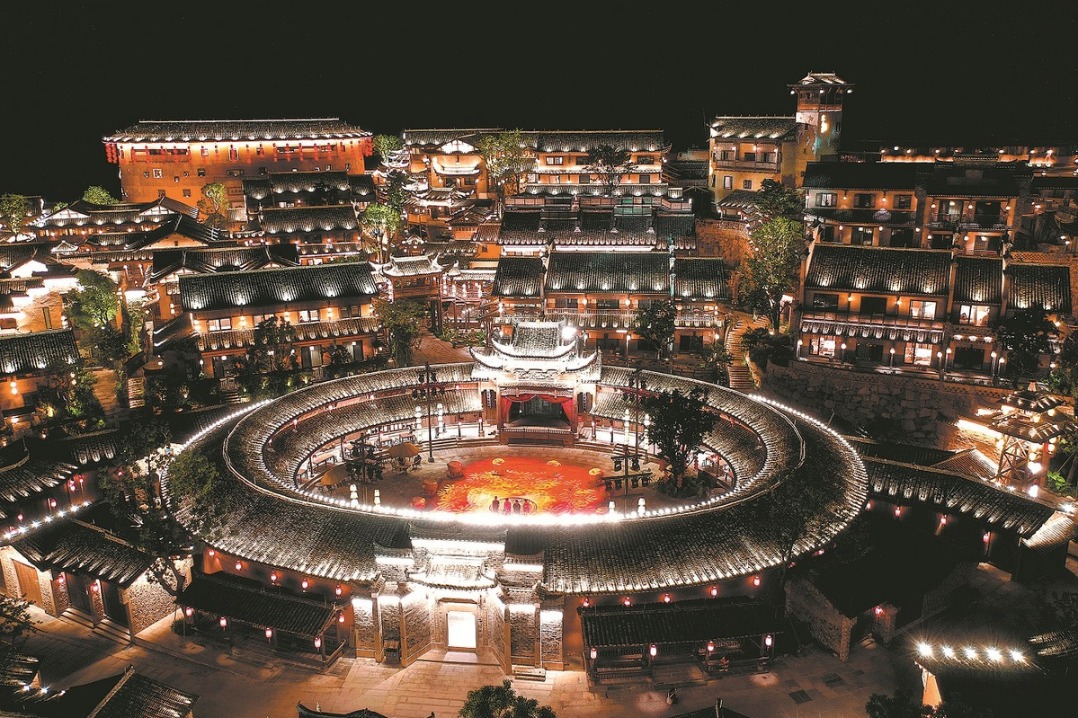
    A breathtaking video showcasing mist-shrouded cliffs that went viral on international social media platforms has been correctly identified as featuring Wangxian Valley in China’s Jiangxi province, not Japanese locations as originally mislabeled. The viral clip, which amassed over 1.3 million likes on TikTok, had been erroneously tagged as depicting scenery from Tokyo and Hokkaido, Japan.

    Operators of the Jiangxi tourist attraction confirmed the video’s actual origin after noticing the significant international attention it generated. Xiong Hui, a representative of Wangxian Valley, expressed surprise at the unexpected global exposure. “We observed substantial interest emerging on overseas social platforms Wednesday morning,” Xiong stated. “Wangxian Valley is unequivocally situated in Shangrao, Jiangxi. Its distinctive deep gorges and dynamic mist create an immediately recognizable landscape. We’re delighted that viewers appreciated the footage and extend an invitation for international visitors to experience Jiangxi’s authentic mountainous splendor firsthand.”

    The site represents a remarkable transformation story, having been converted from a discontinued mining area into a comprehensive cultural resort destination that harmoniously blends natural scenery with folk traditions and performance activities. Official statistics indicate the area welcomed 3.1 million visitors in 2024, including over 150,000 international tourists, demonstrating its expanding global appeal.

    The misidentification prompted diplomatic clarification from Yu Jing, spokeswoman for the Chinese embassy in India, who utilized social media platform X to correct the record on December 8. “Chinese landscapes are being mislabeled as ‘#Tokyo’ and ‘#Hokkaido’ in this viral video that’s already hit 1.3M likes,” Yu wrote. “In reality, this is Wangxian Valley in Jiangxi province, China.” Her post attracted numerous engaged responses, with one user noting the importance of proper geographical attribution while acknowledging that all countries possess beautiful landscapes.

    This incident marks neither an isolated case nor a novel phenomenon. Earlier this year, footage purportedly demonstrating “Japanese subway discipline” was subsequently identified as having been filmed at Beijing’s Xi’erqi station—a similar misattribution that had previously circulated in 2020. Commentary from China.com suggests these recurrent misidentifications reflect persistent perceptual filters within Western media and popular culture, which have historically portrayed East Asia through narrow, one-dimensional frameworks. The analysis contends that China’s rapidly evolving realities—from futuristic urban skylines to scenic sites like Wangxian Valley that merge traditional aesthetics with contemporary tourism design—often transcend these outdated conceptual boundaries, resulting in frequent misinterpretations and misplaced assumptions.

  • Breathing new life into lakes

    Breathing new life into lakes

    Across China’s diverse landscapes, ambitious ecological restoration projects are transforming degraded water bodies into thriving ecosystems while generating substantial socioeconomic benefits. In Yunnan and Hubei provinces, multi-year conservation initiatives demonstrate how coordinated environmental policies can reverse ecological damage while supporting sustainable development.

    At Erhai Lake in Yunnan, the transformation has been particularly remarkable. Yan Bingqi, a 59-year-old environmental worker, has witnessed firsthand the lake’s dramatic recovery since 2015. Previously required to remove approximately one metric ton of debris daily from the polluted waters, Yan and his team now collect merely 50 kilograms—a 95% reduction in waste extraction that signals profound ecological improvement.

    The restoration breakthrough followed President Xi Jinping’s 2015 visit and subsequent policy changes that addressed pollution sources from agriculture, urbanization, and tourism. The comprehensive program implemented centralized sewage treatment for all households near the lake and established strict ecological fishing schedules. These measures aligned with Xi’s ‘lucid waters and lush mountains are invaluable assets’ concept, which celebrates its 20th anniversary this year.

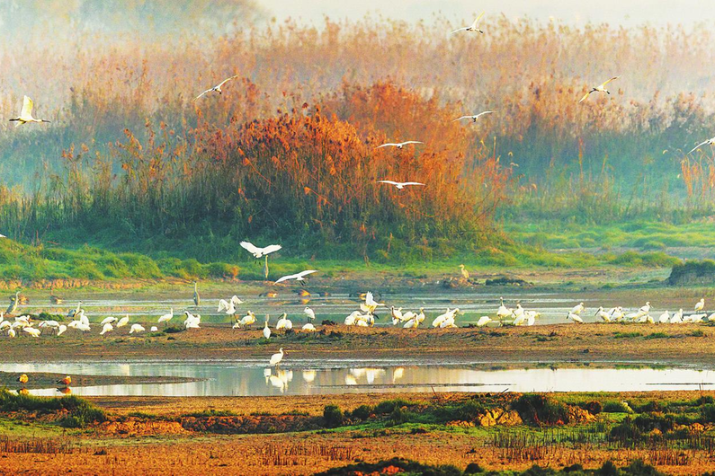
    Parallel successes emerged at Wuhan’s Chenhu Wetland Nature Reserve in Hubei province, where morning mists now reveal gathering birds in revitalized habitats. These conservation achievements represent broader national efforts to transform ecological resources into sustainable assets through scientific management and community engagement.

    The restoration initiatives have generated multiple benefits beyond environmental improvement, including enhanced tourism potential, protected drinking water sources, and increased biodiversity. These projects demonstrate China’s growing expertise in balancing economic development with ecological preservation, offering valuable models for other regions facing similar environmental challenges.

  • Aurora museum opens in Heilongjiang

    Aurora museum opens in Heilongjiang

    BEIJING – China’s northernmost Arctic village has become home to the nation’s pioneering aurora museum, blending cutting-edge technology with natural wonder in an unprecedented cultural attraction. The Shenlu Aurora Museum, named after the mythical deer god, opened its doors on November 19 in Mohe’s Beiji village, Heilongjiang province, marking a significant milestone in China’s scientific tourism infrastructure.

    The 1,000-square-meter facility represents a remarkable engineering achievement, having been constructed in just five months. Since its inauguration, the museum has already welcomed over 5,000 visitors during its inaugural week, demonstrating immediate public appeal. The project combines immersive digital experiences with practical scientific forecasting, creating a comprehensive destination for both education and entertainment.

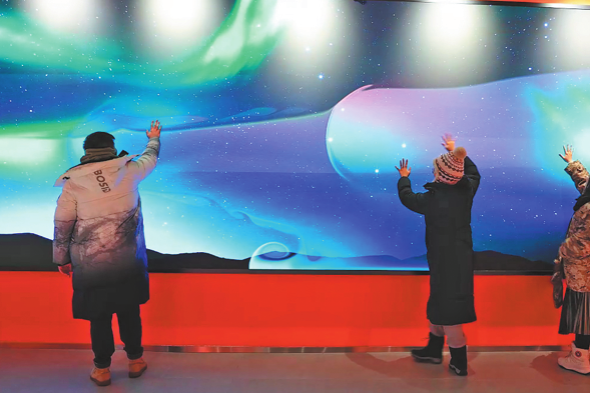
    Visitors are greeted by an impressive LED welcome screen that cycles through educational content and curated aurora footage, immediately immersing guests in the phenomenon’s mystical allure. The museum’s centerpiece features an innovative interactive radar screen where visitors can manipulate aurora visualizations through hand gestures without physical contact. This system supports simultaneous interaction for up to five participants, creating collaborative digital experiences.

    The facility extends beyond visual spectacles with multiple specialized zones. A multimedia photo wall enables tactile exploration of Mohe’s cultural and natural heritage through enlargeable images and accompanying text. The polar weather forecast station provides real-time aurora prediction data, assisting visitors in planning optimal viewing times for natural displays. Additionally, the museum houses eight virtual reality digital realms, an augmented reality object recognition table, and a fully-equipped VR classroom with sixteen headsets offering interdisciplinary educational modules.

    Manager Yu Heng emphasized the institution’s innovative approach to learning: “We’ve designed a paperless educational environment that transcends traditional curriculum structures through immersive technological experiences. Our goal is to make complex scientific concepts accessible and engaging for all age groups.”

    The museum’s opening coincided with spectacular natural aurora displays throughout November, with particularly vivid pink and purple illuminations observed on November 24. These celestial events attracted photographers and tourists to the frozen banks of the Heilongjiang River, creating perfect synergy between natural phenomena and their technological interpretation.

    Tourist Xu Qingyue from Shandong province expressed her amazement: “The technological sophistication exceeded all expectations. Witnessing actual auroras after experiencing their digital representation created a profoundly complete understanding of this natural wonder.”

    Mohe’s geographical position at China’s highest latitude makes it uniquely suited for aurora observation, with multiple displays occurring since winter’s onset. The museum now provides both context for these occurrences and tools for predicting future events, establishing Beiji village as China’s premier destination for aurora enthusiasts and scientific tourism.

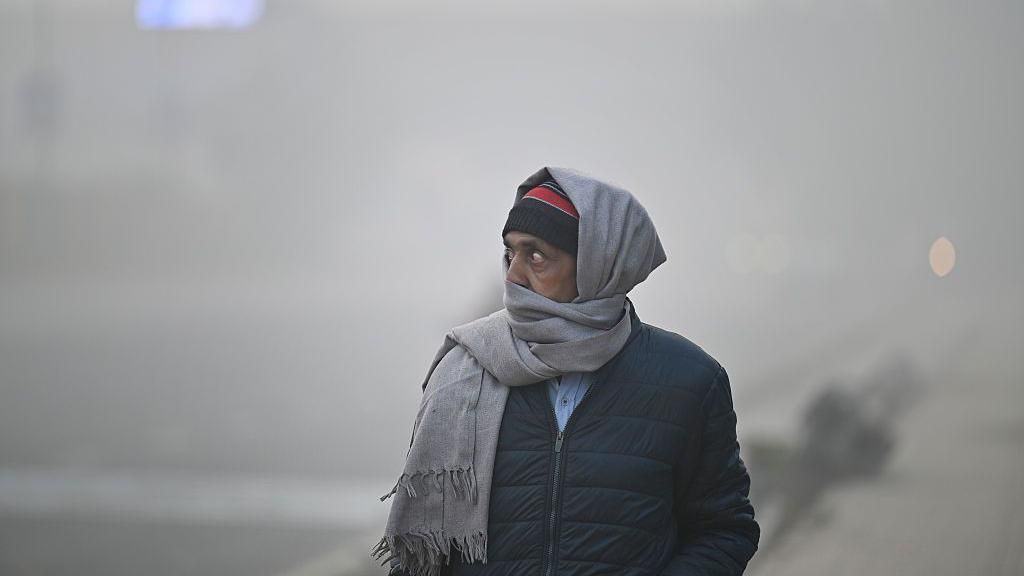
  • Toxic smog blankets New Delhi, disrupting travel and plunging air quality to hazardous levels

    Toxic smog blankets New Delhi, disrupting travel and plunging air quality to hazardous levels

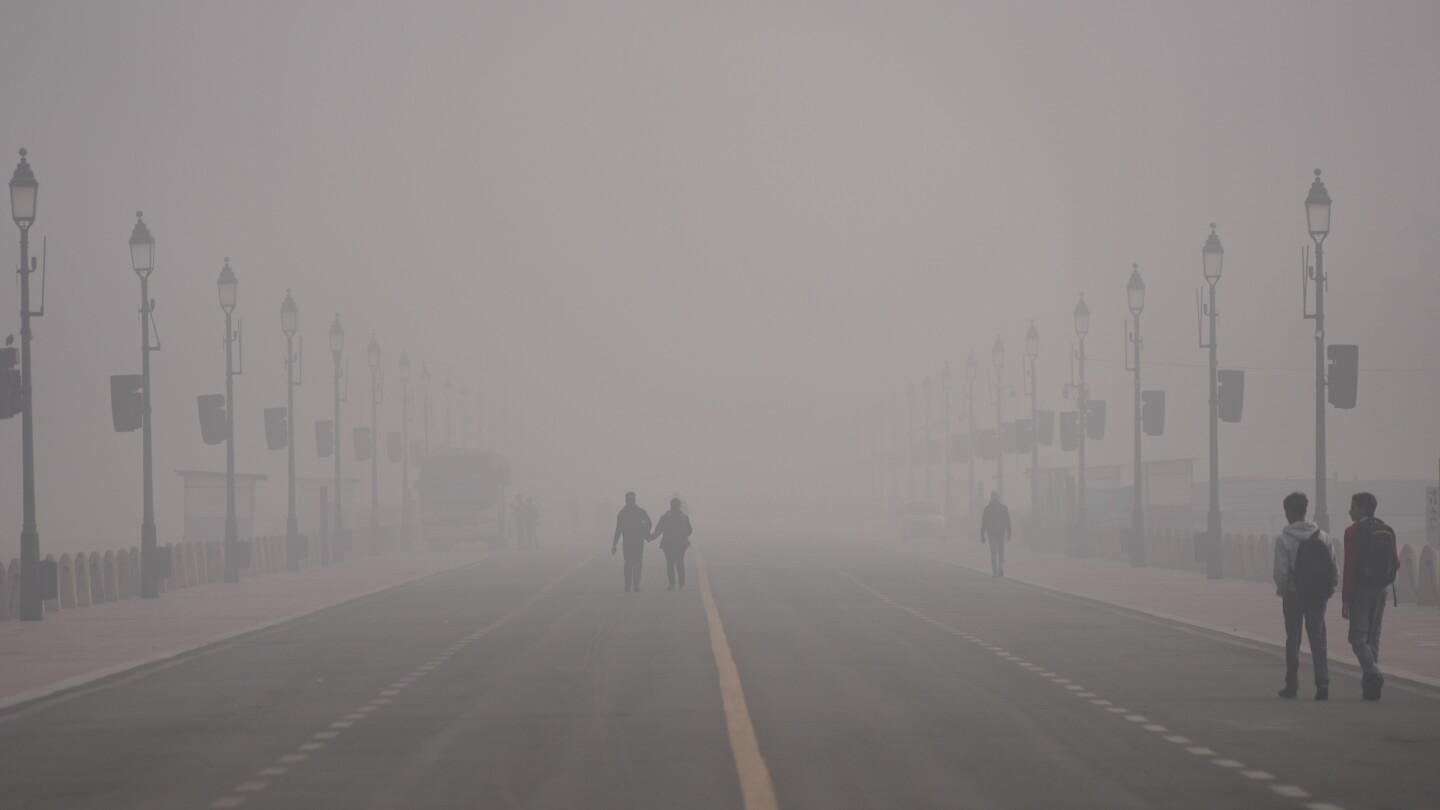
    India’s capital region descended into a severe public health emergency as a thick blanket of toxic smog enveloped New Delhi, registering the winter’s worst air quality readings and prompting drastic containment measures. The crisis triggered massive travel disruptions with over 40 flight cancellations and significant delays affecting more than 50 train services in and out of the capital.

    Healthcare facilities reported surging numbers of patients complaining of respiratory distress and eye irritation, prompting medical experts to issue urgent advisories against outdoor activities. Physician Naresh Dang from Max Healthcare described conditions as critical: ‘New Delhi is a gas chamber right now. Air purifiers offer limited relief—this demands permanent governmental solutions.’

    Official monitoring data revealed alarming pollution levels, with the Central Pollution Control Board recording readings exceeding 450 at multiple stations—far beyond the 50-point threshold considered safe. Authorities responded with emergency protocols including construction bans, restrictions on diesel generators and vehicles, and deployment of water sprinklers to combat particulate matter.

    Environmental experts emphasize that this annual catastrophe stems from complex factors including agricultural residue burning in neighboring states, vehicular emissions, and industrial pollution, exacerbated by seasonal meteorological conditions. Despite short-term measures, activists like Vimlendu Jha argue that Delhi’s air remains dangerously polluted throughout the year, with winter months making the crisis visibly apparent.

    The situation has sparked public protests and renewed scrutiny on pollution-related mortality, following a Lancet study linking 1.5 million annual deaths in India to air pollution exposure. Recent unconventional attempts at cloud-seeding to induce rainfall and clear the smog proved unsuccessful, highlighting the persistent challenges in addressing this environmental emergency.

  • Online classes and ban on construction as toxic haze covers Delhi

    Online classes and ban on construction as toxic haze covers Delhi

    Delhi has activated its highest-level pollution emergency protocol as the capital city plunged into another severe air quality crisis. A dense toxic haze descended upon the metropolitan area, drastically reducing visibility and disrupting transportation networks with multiple flight and train delays reported.

    The city’s air quality index reached alarming levels, with government monitoring systems recording an average AQI of 471—far exceeding the World Health Organization’s recommended safety thresholds by more than thirtyfold. This measurement places Delhi’s air pollution firmly in the ‘severe’ category, representing immediate health risks to all residents, particularly vulnerable populations.

    In response to the escalating environmental emergency, India’s Commission for Air Quality Management implemented Stage IV of the Graded Response Action Plan. These stringent measures include comprehensive bans on construction activities, restrictions on older diesel vehicles entering the city, and mandatory school closures with transitions to online learning platforms. The Supreme Court of India has additionally advised virtual proceedings for legal matters.

    Meteorological conditions have significantly contributed to the current crisis, with elevated moisture levels and shifting wind patterns creating ideal circumstances for pollutant accumulation and smog formation. The seasonal practice of agricultural stubble burning in neighboring states, combined with industrial emissions and vehicular exhaust, has exacerbated the situation.

    Medical authorities have issued urgent health advisories recommending that residents, especially children and individuals with pre-existing respiratory or cardiovascular conditions, minimize outdoor exposure and utilize protective masks when ventilation is unavoidable. Historical data reveals the severe health impact, with over 200,000 cases of acute respiratory illnesses documented in Delhi’s government hospitals between 2022 and 2024 during previous pollution episodes.

    This environmental challenge represents a recurring public health emergency for northern India, particularly during winter months when atmospheric conditions trap pollutants close to the ground, creating persistent hazardous conditions for millions of inhabitants.

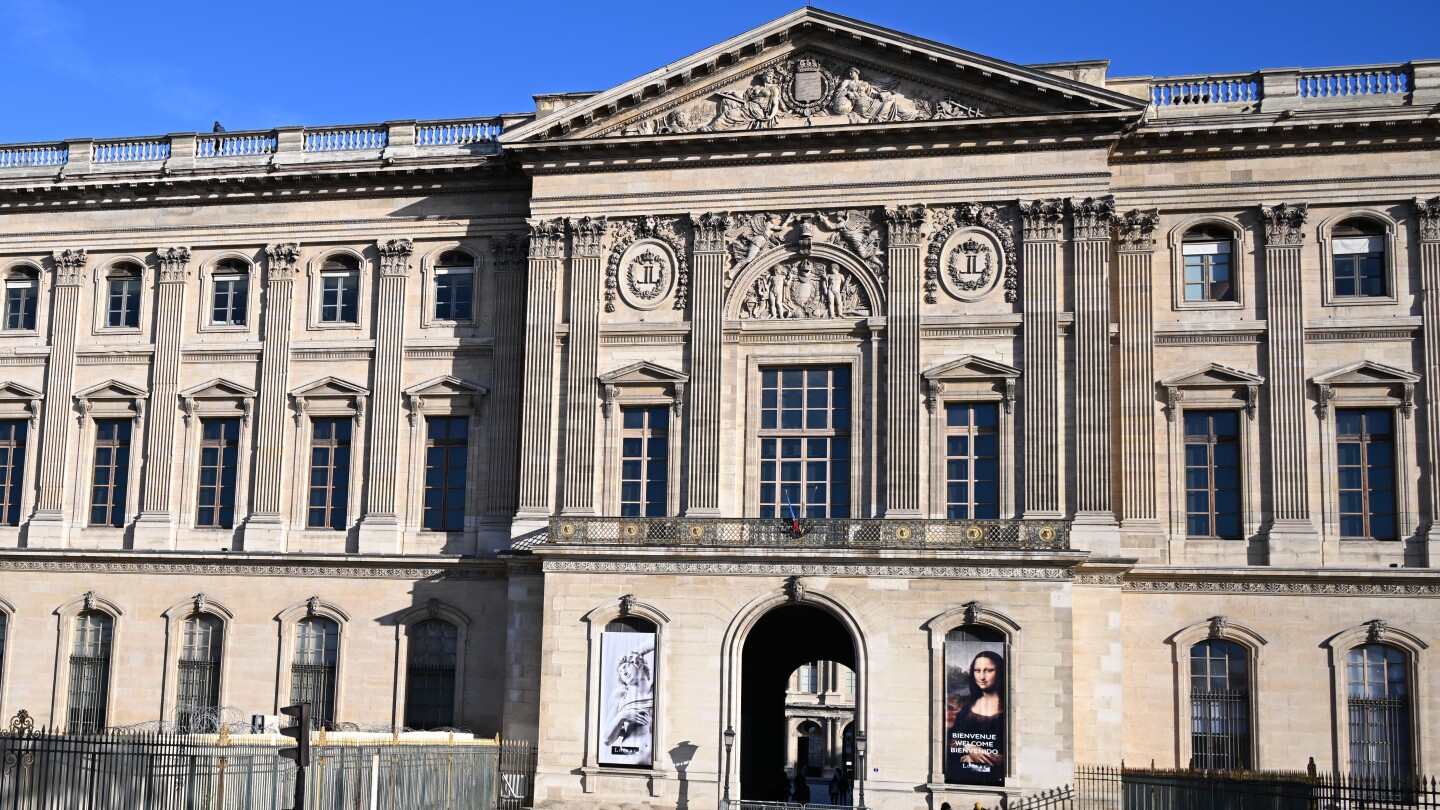
  • Louvre faces fresh test as staff weigh strike after jewel heist and June shutdown

    Louvre faces fresh test as staff weigh strike after jewel heist and June shutdown

    PARIS — The Louvre Museum, the world’s most visited cultural institution, faces a pivotal moment as hundreds of employees convene Monday to determine whether to initiate strike action or continue negotiations with the French government. This decisive vote follows months of escalating tensions over security vulnerabilities and deteriorating working conditions that unions have characterized as a full-blown institutional crisis.

    The closed-door assembly, held in the museum’s 500-seat auditorium, will feature union representatives presenting outcomes from recent discussions with Culture Minister Rachida Dati. A subsequent show-of-hands vote could potentially paralyze the vast museum complex, echoing a June strike that left thousands of visitors stranded beneath I.M. Pei’s iconic glass pyramid.

    The vote occurs against a backdrop of multiple operational challenges. Recent events include a daring October jewel heist where thieves exploited security weaknesses to steal French crown jewels with barely 30 seconds to spare, as detailed in a Senate inquiry. The report highlighted broken cameras, outdated equipment, understaffed control rooms, and coordination failures that initially dispatched police to incorrect locations.

    Additionally, the museum announced temporary closures of staff offices and one public gallery due to structurally compromised floor beams, further compounding operational difficulties.

    For employees, the high-profile theft epitomized long-standing concerns that excessive visitor numbers and inadequate staffing have undermined both security protocols and working conditions. These tensions manifested publicly during June’s strike action, creating viral social media images of motionless visitor lines that revealed the institution’s operational fragility.

    While union officials acknowledge “quite important progress” in three negotiation rounds last week—including promises of additional full-time hires and increased state funding—they emphasize that proposals remain incomplete and require written confirmation. Alexis Fritche, general secretary of the culture wing of the CFDT union, characterized the progress as “not completely satisfying” while noting employees’ determination balanced against their commitment to keeping the museum accessible.

    In a parallel development, the Culture Ministry has assigned Philippe Jost, who oversaw Notre-Dame’s reconstruction, to propose a comprehensive Louvre reorganization based on administrative inquiry findings.

    The strike notice submitted to Minister Dati last week by three major unions described the institution as suffering from insufficient resources and “increasingly deteriorated working conditions.” If workers approve strike action, it could commence with a one-day closure (coinciding with the museum’s Tuesday closure) under an open-ended strike notice.

    All eyes remain on Monday morning’s meeting outcome, with lawmakers scheduled to visit the museum shortly afterward. France now watches anxiously to determine whether its premier cultural landmark can remain operational amid mounting pressures.

  • LA police investigate ‘apparent homicide’ at Rob Reiner’s home

    LA police investigate ‘apparent homicide’ at Rob Reiner’s home

    LOS ANGELES — Law enforcement authorities have launched a comprehensive investigation into what is being treated as an apparent double homicide after two individuals were discovered deceased at the Brentwood residence of acclaimed Hollywood director and actor Rob Reiner.

    The Los Angeles Fire Department confirmed that emergency responders were dispatched to a property on Chadbourne Avenue at approximately 3:38 PM local time on Sunday following a distress call requesting medical assistance. Upon arrival, crews encountered a 78-year-old male and a 68-year-old female, both of whom were pronounced dead at the scene despite resuscitation efforts.

    While official identification remains pending confirmation by the Los Angeles County Coroner’s Office, the ages correspond precisely with those of Reiner (78) and his spouse Michele Singer Reiner (68), a accomplished photographer and former actress. The renowned filmmaker, celebrated for cinematic classics including ‘The Princess Bride,’ ‘When Harry Met Sally,’ and ‘This Is Spinal Tap,’ was reportedly not present at the property during the incident.

    Robbery-Homicide detectives from the Los Angeles Police Department have assumed control of the active investigation, characterizing the case as an ‘apparent homicide’ based on preliminary evidence. Authorities have maintained tight operational security around the upscale Brentwood neighborhood, an exclusive enclave that houses numerous entertainment industry luminaries.

    Investigators have deliberately withheld specific details regarding the circumstances surrounding the deaths, potential motives, or evidence of forced entry. Forensic teams continue processing the residence for physical evidence while detectives conduct neighborhood canvassing for witness statements and security footage.

    Reiner’s representative has not yet issued an official statement regarding the tragic development. The director, who gained initial fame portraying Michael ‘Meathead’ Stivic in the groundbreaking television series ‘All in the Family,’ maintains an active career in filmmaking and political advocacy.

    The investigation remains ongoing with law enforcement officials expected to provide additional details following forensic analysis and family notifications.