分类: society

  • China’s Red Cross boasts 3.5m registered volunteers and 34,000 service organizations

    China’s Red Cross boasts 3.5m registered volunteers and 34,000 service organizations

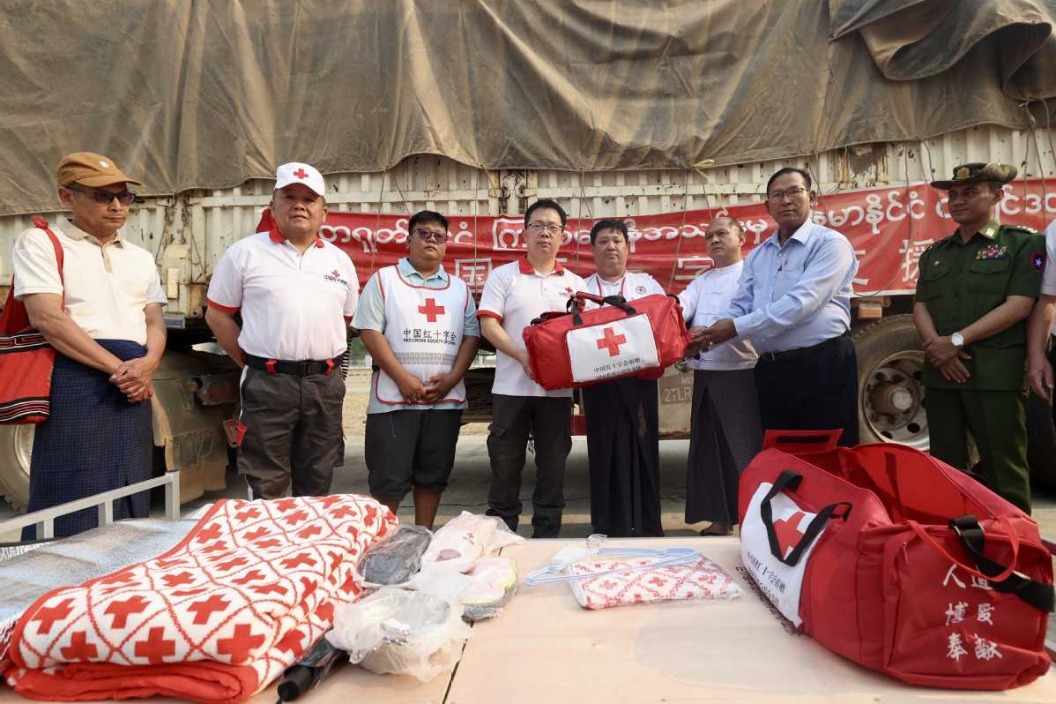
    The Red Cross Society of China has revealed an extensive humanitarian network comprising approximately 3.5 million registered volunteers and 34,000 dedicated service organizations across the nation. This announcement was made during a press conference on Monday by Vice-President Wang Bin, highlighting the organization’s significant capacity for emergency response and community support.

    Throughout 2025, the humanitarian organization has demonstrated its operational capabilities by deploying rescue teams on 2,580 separate occasions, engaging a total of 29,921 personnel and volunteers. These deployments have provided critical assistance during numerous natural disasters, including earthquake relief operations in Myanmar and China’s Xizang autonomous region, alongside emergency responses to severe typhoons, torrential rains, and devastating floods affecting multiple regions including Beijing, Guangdong, Guizhou, Liaoning, Hebei, Gansu, and the Guangxi Zhuang autonomous region.

    In the aftermath of the tragic residential fire in Hong Kong on November 26, the Hong Kong Red Cross activated its first local disaster relief emergency service team with support from the mainland organization. The Red Cross continues to monitor the needs of affected residents while supporting recovery and community rebuilding efforts through its Hong Kong branch.

    The organization’s preventive health initiatives have included conducting 4.25 million emergency rescue certification trainings and installing 86,000 automated external defibrillators in public spaces such as schools, communities, and transportation hubs.

    As the national manager of blood and bone marrow donations, China now maintains Asia’s largest bone marrow donor registry, ranking fourth globally with 3.72 million registered volunteers and 21,000 completed donations. The organization also reported that 7.28 million people have registered as organ donation volunteers, with over 60,000 posthumous donations resulting in the provision of 195,000 organs for transplantation.

    Additionally, the Red Cross has established more than 6,000 community-based projects specifically designed to enhance disaster preparedness and provide volunteer assistance and care services to vulnerable populations.

  • Rome opens long-awaited Colosseum subway station, with displays of unearthed artifacts

    Rome opens long-awaited Colosseum subway station, with displays of unearthed artifacts

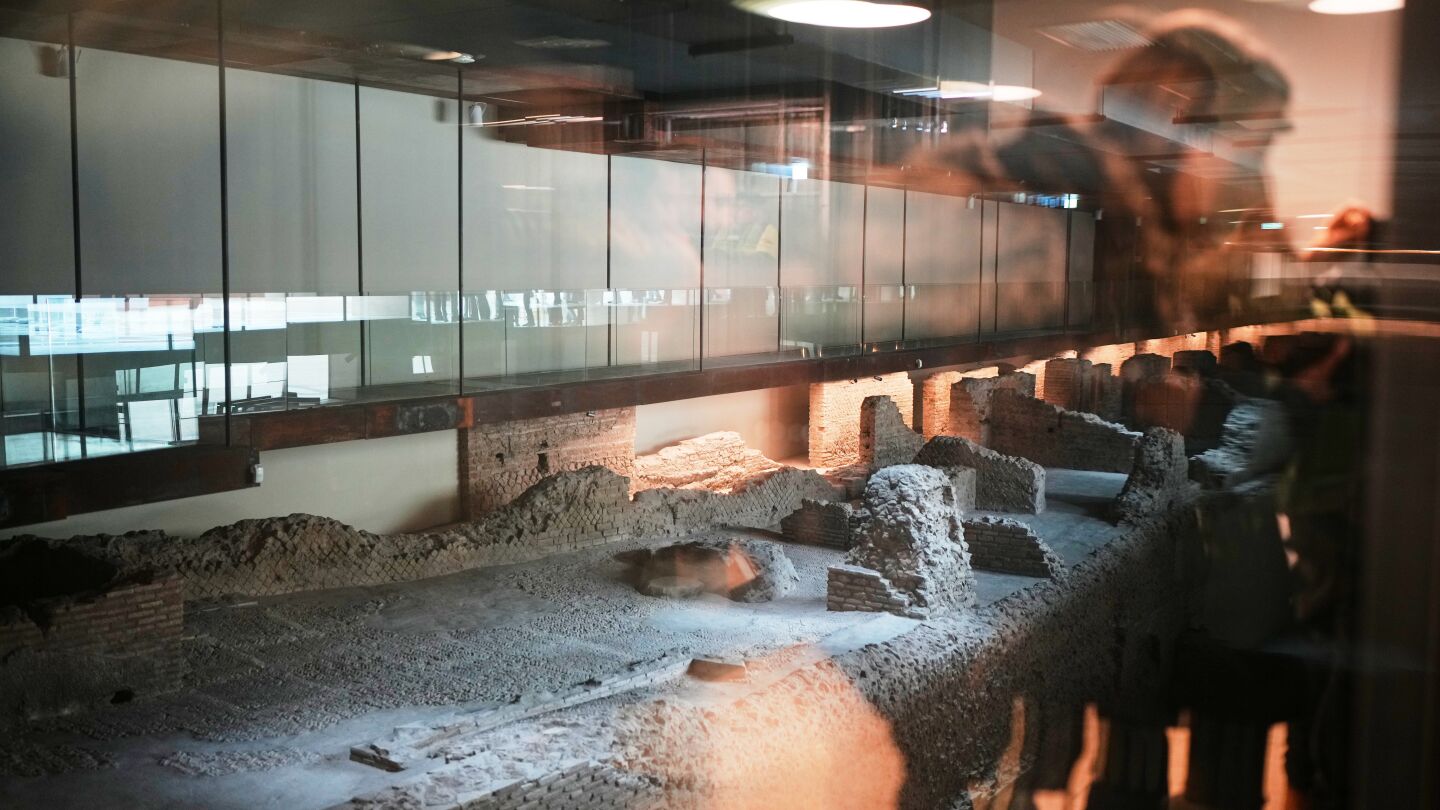
    ROME — In an unprecedented fusion of archaeological preservation and urban infrastructure, Rome inaugurated two groundbreaking subway stations on Tuesday that double as underground museums. The centerpiece Colosseo station, situated deep beneath the iconic Colosseum, showcases an extensive collection of ancient artifacts discovered during its construction, transforming daily commuting into a historical journey.

    Visitors descending into the Colosseo station are greeted by meticulously curated displays featuring second-century BC ceramics, stone wells, suspended buckets, and the preserved ruins of a first-century thermal bath complex. Interactive screens document the painstaking excavation process, providing context for the project’s extended timeline while engaging archaeology enthusiasts.

    The Metro C line represents one of Europe’s most complex urban infrastructure projects, plagued by two decades of bureaucratic delays, funding challenges, and the immense logistical complications of building through archaeologically sensitive ground. Construction manager Marco Cervone emphasized the dual challenge of managing substantial groundwater while preserving both underground discoveries and surface structures.

    Simultaneously opened Porta Metronia station reveals another remarkable find: an 80-meter military barracks dating to the early second century, identified by its strategically offset doorways designed to prevent soldier collisions. Archaeologist Simona Moretta confirmed the structure likely housed either imperial guards or urban security forces. The station also contains a residential dwelling with exceptionally preserved frescoes and mosaics, with plans for an expanded museum facility.

    The monumental construction effort has yielded over 500,000 artifacts to date, requiring innovative engineering solutions including ground freezing techniques and sacrificial concrete diaphragms. With three-quarters of the planned 31 stations now operational, the complete 29-kilometer line is projected to cost approximately €7 billion and carry up to 800,000 daily passengers upon its 2035 completion.

    The next phase will see the line extending beneath Trajan’s Column, the Basilica of Maxentius, and Renaissance palaces before reaching Piazza Venezia at record depths of 48 meters. Once finished, the transit system will finally provide relief from Rome’s notorious traffic congestion while offering unprecedented access to the city’s layered historical narrative.

  • Winter swimmers dive into frigid waters in Harbin

    Winter swimmers dive into frigid waters in Harbin

    In a breathtaking display of human endurance, dedicated winter swimmers in Harbin defied extreme subzero temperatures to plunge into the frozen waters of the Songhua River. With recent temperatures plummeting to -20°C (-4°F), these cold-water enthusiasts demonstrated remarkable resilience as they leaped from a 4-meter-high diving platform into the icy current below.

    The event transformed the riverbank into a spectacle of human determination, with each diver receiving enthusiastic applause from gathered spectators. These winter swimming practitioners, who regularly brave the harsh conditions, consider the activity both a physical challenge and a wellness practice that boosts immunity and mental fortitude.

    Harbin, known for its brutally cold winters and spectacular ice festivals, has long been a hub for winter swimming enthusiasts. The tradition represents a unique cultural phenomenon in northern China where residents embrace rather than retreat from the extreme winter conditions. The swimmers’ ability to withstand such frigid temperatures continues to attract both participants and observers, creating a distinctive winter tradition that highlights human adaptability to challenging environments.

  • Driver who rammed through crowd at Liverpool soccer parade sentenced to over 21 years

    Driver who rammed through crowd at Liverpool soccer parade sentenced to over 21 years

    LIVERPOOL – A 54-year-old man has been sentenced to more than 21 years in prison for a vehicular assault that left over 130 people injured during Liverpool’s Premier League championship celebrations. Paul Doyle received his sentence at Liverpool Crown Court on Tuesday for the May 26 incident that turned a festive parade into a scene of terror.

    Judge Andrew Menary delivered a scathing rebuke to Doyle, describing how the defendant “struck people head-on, knocked others onto the bonnet, drove over limbs, crushed prams and forced those nearby to scatter in terror” during the two-minute rampage. The attack only concluded when a courageous bystander intervened, entering the moving vehicle and forcing it into park while it rested atop injured victims.

    Prosecutor Paul Greaney revealed that Doyle’s actions stemmed from roadway frustration rather than terrorism. Dashboard camera footage presented in court showed Doyle screaming obscenities at pedestrians, blaring his horn, and shouting “move, move, move” while plowing through the crowd. The footage depicted terrified fans scrambling for safety, many being knocked aside or tossed into the air by the accelerating minivan.

    During the two-day sentencing hearing, emotional victim impact statements were read aloud, revealing the lasting trauma inflicted by Doyle’s actions. Sergeant Dan Hamilton of Merseyside Police described “sickening, dull thuds that are difficult to describe and impossible to forget,” while recounting his belief that he would die during the attack. Other victims reported losing employment, undergoing extensive rehabilitation to regain mobility, and developing severe anxiety triggered by Liverpool-associated sights and sounds.

    Defense attorney Simon Csoka acknowledged his client’s remorse and stated Doyle never intended to harm anyone, claiming the driver had panicked after the crowd began pounding on his vehicle. However, Judge Menary dismissed this explanation as “demonstrably untrue,” noting that any crowd reaction occurred in response to Doyle’s initial aggression.

    The court learned that Doyle had previous criminal convictions from his twenties, including an incident where he bit off a sailor’s ear during a drunken fight. Despite subsequently rebuilding his life with a university education, successful IT career, and family, Doyle’s actions on May 26 have resulted in one of the most significant vehicular assault sentences in recent British legal history.

  • China’s railway passenger trips hit new record in first 11 months

    China’s railway passenger trips hit new record in first 11 months

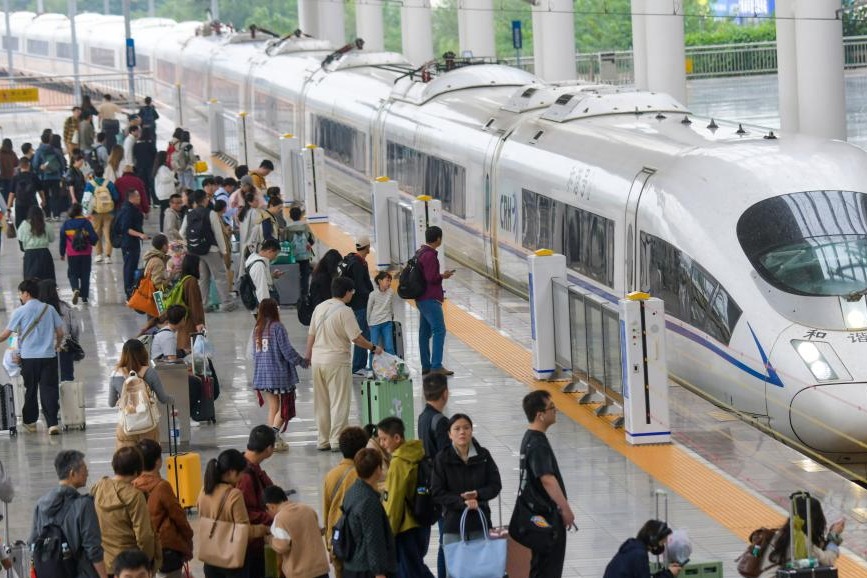
    China’s national railway system has achieved unprecedented passenger traffic volumes during the initial eleven months of 2025, establishing a new milestone in the country’s transportation history. According to official data released by China State Railway Group Co Ltd on December 16, 2025, the railway network accommodated approximately 4.28 billion passenger journeys between January and November, representing a substantial 6.6 percent increase compared to the equivalent period in the previous year.

    This remarkable growth demonstrates the continuing expansion and modernization of China’s railway infrastructure, which has undergone significant development in recent years. The record-breaking numbers coincide with the nation’s ongoing economic recovery and increased domestic mobility patterns following previous periods of travel restrictions.

    Transportation analysts highlight that this surge in railway usage reflects both the improved connectivity between urban and rural regions and the public’s growing preference for rail travel due to its efficiency, affordability, and environmental benefits compared to other transportation modes. The data emerges as China continues to invest heavily in its high-speed rail network, which remains the most extensive in the world.

    The railway operator’s report indicates consistent monthly growth throughout the monitoring period, with particular spikes during traditional holiday seasons and summer vacation months. This performance underscores the critical role that rail transportation plays in China’s domestic travel ecosystem and economic infrastructure.

  • Wondrous Xinjiang: High on the plateau, guardians keep watch over pristine wilderness

    Wondrous Xinjiang: High on the plateau, guardians keep watch over pristine wilderness

    In the starkly beautiful expanse of northwestern China’s Xinjiang Uygur autonomous region, a dedicated team of guardians patrols one of the country’s most remote and ecologically significant sanctuaries. Before dawn breaks across the high-altitude meadows of the Altun Mountain National Nature Reserve, these rangers embark on their mission to protect a pristine wilderness thriving with biodiversity.

    Spanning 45,000 square kilometers in the southeastern corner of Xinjiang, the reserve averages an elevation of 4,580 meters, creating challenging conditions where oxygen levels drop to barely half those at sea level and temperatures plunge to minus 40 degrees Celsius. Despite these brutal conditions, the patrol team led by Shang Peng navigates the complex terrain with expertise honed over a decade of experience.

    ‘The grass here is excellent. We should see Tibetan antelopes soon,’ Shang observed during a recent patrol as the first light touched the horizon. True to his prediction, faint shapes soon emerged in the distance—Tibetan antelopes moving across the barren landscape with wolves following behind, their movements stirring up dust in the thin, cold air.

    Established in 1983 and managed by approximately 70 dedicated personnel, the reserve serves as a crucial gene bank hosting 17 species under top-level state protection, including 338 species of wild animals and 387 species of plateau plants. The area connects with the Hoh Xil National Nature Reserve of Sanjiangyuan National Park in Qinghai and borders Xizang’s Changtang National Nature Reserve to the south, forming an extensive protected ecosystem.

    ‘Our primary task is to protect the plateau ecosystem and its iconic ungulates, such as the wild yak, Tibetan wild ass, and Tibetan antelope,’ explained Gong Junsheng, deputy director of the reserve administration.

    The conservation efforts have yielded remarkable success stories. Since 2010, the Tibetan antelope population has roughly doubled, now exceeding 65,000 individuals, while the wild yak count stands at approximately 12,000. Early December marks their mating season, when rangers observe wildlife and conduct routine inspections, documenting spirited courtship displays among the antelope herds.

    Hundreds of kilometers to the east, on the fringes of the Kum Kol Desert—one of the highest deserts on Earth—herds of wild yaks gather to drink from giant sand springs that well up from the ground like massive natural funnels. The diverse landscape also provides habitat for snow leopards, black-necked cranes, and Tibetan brown bears.

    To meet the formidable challenges of protecting this vast territory, the administration has built a comprehensive management system combining fixed posts, seasonal patrols, and mobile teams. They have increased patrols, deployed infrared cameras and drones, and dissuaded hundreds of attempted illegal entries.

    ‘The terrain is complex and distances vast. In summer, marshes can turn travel to distant stations into a journey of several days,’ said Tomurbatu, head of a reserve inspection station.

    For rangers like Erkin Jume, who patrols over 400 kilometers daily, the improvements are tangible. ‘We see more wildlife every year,’ he noted. ‘Before, we slept in tents or cars. Now, with better-equipped stations, the reserve feels like a second home.’

    These conservation efforts represent part of a broader push for green development and biodiversity conservation in western China, supported by strengthened policies and planning. The reserve administration has invested significantly in infrastructure, including a preliminary patrol road network, with future plans focusing on enhancing scientific research and monitoring to ensure this high-altitude sanctuary continues to thrive for generations to come.

  • Brigitte Macron defends ‘clumsy’ sexist slur against feminist protesters

    Brigitte Macron defends ‘clumsy’ sexist slur against feminist protesters

    PARIS — In a remarkable public address, France’s First Lady Brigitte Macron has broken her silence regarding the controversial use of derogatory language against feminist protesters, characterizing her remarks as “clumsy” but insisting they were made during a private moment without awareness of being recorded.

    During an extensive interview with digital media outlet Brut published Monday evening, Macron acknowledged her choice of words was “very direct” while maintaining context for the exchange. The incident occurred backstage at Paris’ historic Folies Bergère theatre earlier this month, where she was conversing with French actor and comedian Ary Abittan prior to his performance.

    Addressing Abittan’s apparent distress following previous night’s protest disruption by feminist activists who shouted “Abittan, rapist!” during his show, Macron attempted to reassure the performer. When Abittan expressed fear about the ongoing situation, the First Lady employed a sexist slur to describe the demonstrators, adding “We’ll toss them out.”

    The revelation sparked immediate condemnation from multiple sectors, including organizations combating sexual and sexist violence, alongside political opponents of President Emmanuel Macron’s administration.

    In her defense, Brigitte Macron emphasized the private nature of the conversation, stating: “I am not always the wife of the president of the Republic. I also have a private life and this was a private moment. I am sorry if I hurt women victims. It’s them and just them that I am thinking of.”

    While expressing understanding for those offended, Macron simultaneously criticized protest tactics that disrupt artistic performances, questioning: “How does he carry on afterward? What is the meaning of this censorship being placed on artists?”

    The context involves Abittan’s previous legal challenges, as magistrates terminated a 2021 rape investigation due to insufficient evidence in 2024, a decision upheld on appeal this January. Feminist collective “Nous Toutes” (All of Us) organized the protests to highlight what they characterize as “the culture of impunity” surrounding sexual violence in France.

    When pressed about regret, Macron responded: “I cannot regret speaking. I don’t want to regret. It is true that I am the wife of the president of the Republic, but I am also myself above anything.”

  • Ningxia students recreate masterpiece with paper-cutting

    Ningxia students recreate masterpiece with paper-cutting

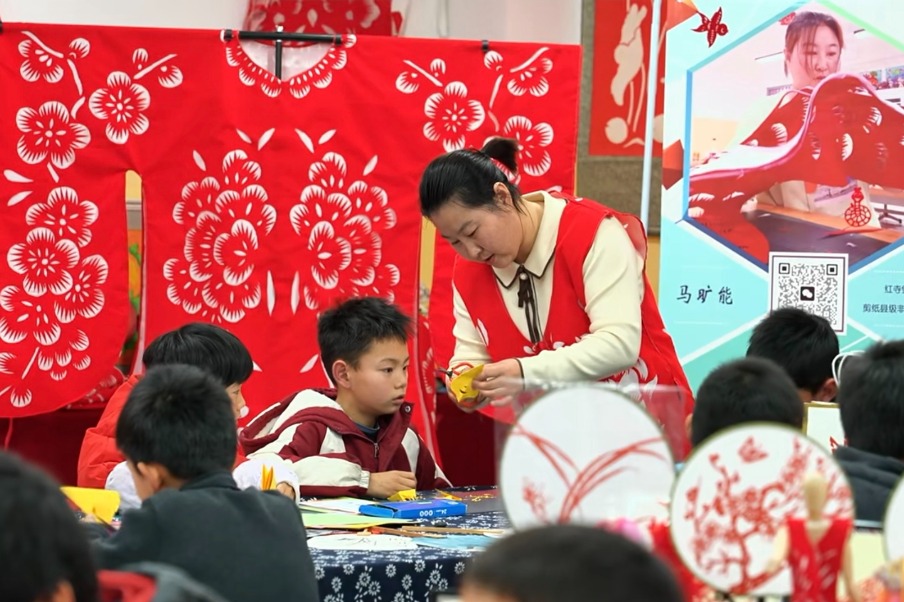
    In an extraordinary fusion of cultural education and artistic dedication, students from China’s Ningxia Hui Autonomous Region have completed a monumental two-year project: recreating the entire classical masterpiece “Riverside Scene at Qingming Festival” through intricate paper-cutting artistry.

    The ambitious endeavor, initiated in summer 2023, involved meticulous craftsmanship as students transformed colored paper into the vibrant tapestry of daily life depicted in the original Song Dynasty (960-1279) painting. Using traditional scissors techniques, the young artists painstakingly reconstructed the bustling markets, flowing rivers, and animated figures that characterize this iconic artwork.

    This project served dual purposes: as both an artistic achievement and an immersive historical education. Throughout the creative process, participants engaged in comprehensive studies of Song Dynasty culture, gaining insights into the social structures, economic activities, and daily customs of the period. The hands-on approach allowed students to connect with historical narratives through tactile artistic expression, bridging centuries of cultural heritage with contemporary educational methods.

    The completed work stands as a testament to both the preservation of traditional Chinese paper-cutting techniques and innovative approaches to cultural education. By interpreting two-dimensional artwork through three-dimensional paper craft, the students have created a unique interpretive version of this national treasure while demonstrating remarkable patience, precision, and cultural appreciation.

    Educational experts note that such projects represent significant advancements in experiential learning, where students actively participate in cultural preservation rather than passively receiving historical information. The Ningxia students’ achievement highlights how traditional arts can serve as effective vehicles for historical education and cultural continuity in modern pedagogical approaches.

  • ‘Best of our country’: Australian PM visits Bondi hero in hospital

    ‘Best of our country’: Australian PM visits Bondi hero in hospital

    Australian Prime Minister Anthony Albanese has personally visited Syrian-born fruit shop owner Ahmed al Ahmed, who is recovering from multiple gunshot wounds after confronting an armed assailant during Sydney’s deadliest mass shooting since 1996. The attack, which occurred during a Hanukkah celebration event, has been officially declared a terrorist incident targeting the Jewish community, resulting in at least 15 fatalities.

    During his hospital visit, Prime Minister Albanese praised the 43-year-old father of two as embodying ‘the best of our country’ and ‘an inspiration for all Australians.’ Mr. Ahmed, who sustained serious shoulder injuries during his intervention, requires additional surgical treatment according to medical authorities.

    Eyewitness footage captured the moment Mr. Ahmed emerged from behind a parked vehicle to physically engage the alleged attacker, successfully seizing the firearm and momentarily turning it against the assailant before demonstrating to approaching police that he was not among the perpetrators. His father later explained to media outlets that his son’s actions were motivated by profound human empathy upon witnessing ‘victims, blood, women and children lying on the street.’

    The act of bravery has garnered international recognition, including commendation from former US President Donald Trump and a substantial financial contribution of nearly US$65,000 from an American billionaire who identified Mr. Ahmed as a ‘brave hero.’ Prime Minister Albanese characterized the intervention as ‘a shining example of human strength in the face of evil,’ emphasizing that Mr. Ahmed’s courage represents the resilience and compassion of the Australian spirit.

  • Teen donates to preserve war truths in Nanjing

    Teen donates to preserve war truths in Nanjing

    In an extraordinary act of historical preservation, 15-year-old Yu Ningpeng from Xuzhou, Jiangsu province has donated significant wartime artifacts to the Memorial Hall of the Victims in Nanjing Massacre by Japanese Invaders. The high school student, who began collecting historical items at age six, has dedicated nine years to assembling evidence countering Japanese right-wing attempts to distort invasion history.

    The donated materials include two particularly revealing documents: a December 18, 1937 battlefield letter sent by a Japanese lieutenant to Fukushima prefecture, bearing a distinctive ‘Nanjing Fall Memorial’ postmark, and a photographic album from the Japanese military’s Hanami unit containing 44 rare images documenting a field hospital establishment in Tianjin.

    The lieutenant’s correspondence vividly describes the capture of Nanjing: ‘Our destination, the capital Nanjing, was finally captured by us on the 13th. On the 17th, we held a grand entry ceremony for the military commander and received a review.’ Meanwhile, the photo album provides unprecedented visual evidence of military medical operations, showing hospital layouts, laboratory facilities, supply rooms, and patient wards.

    Yu acquired these artifacts through secondary trading platforms at considerable personal expense, investing over 20,000 yuan without parental financial support. ‘All the expenses for the collection were earned through my own insight and knowledge,’ the teen collector revealed.

    The donation ceremony on December 5 marked Yu’s seventh visit to the memorial hall since its 2007 reopening, though his first as an official donor. His contribution comes amid increased public engagement with historical preservation, as the museum has received 573 artifacts this year alone—a 30% increase over previous years.

    Yu emphasizes that historical remembrance serves educational rather than retaliatory purposes: ‘Remembering history is not about perpetuating hatred, but about learning from it.’ The aspiring archaeologist advocates for Sino-Japanese youth exchanges grounded in historical accuracy, stating that friendship should not come at the expense of truth. His ultimate goal remains clear: ‘We must work hard to learn skills and make the country stronger so that historical tragedies do not repeat themselves.’