分类: society

  • ‘They look hideous’ – Battle over the Irish flag on Dublin streets

    ‘They look hideous’ – Battle over the Irish flag on Dublin streets

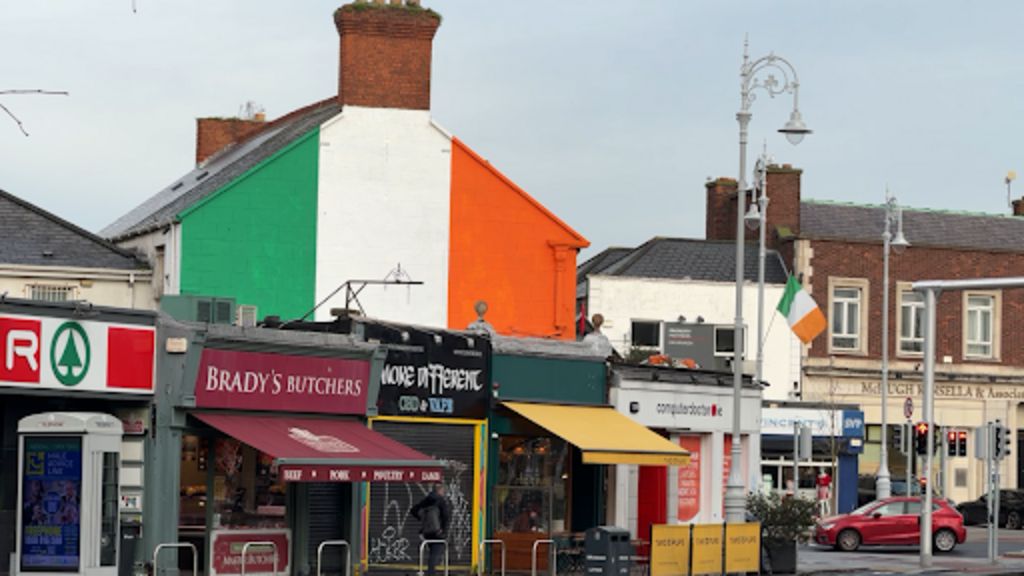
    Dublin has become the stage for a complex cultural confrontation as the Irish tricolour flag transforms into a symbol of division rather than unity. Across the capital’s northern districts, particularly in East Wall, numerous flags have appeared on street lamps without official authorization, sparking intense community debate about national identity and inclusion.

    The phenomenon has drawn sharp criticism from political figures and anti-racism advocates who characterize these displays as territorial marking and intimidation tactics. Conversely, far-right groups and certain community members maintaining the installations reject accusations of racism, insisting they simply express national pride.

    Dublin City Council has adopted a cautious stance, declining to remove the flags despite their unauthorized status. Officials deem removal ‘counterproductive,’ instead proposing educational initiatives about the flag’s historical significance and meaning.

    In response to the perceived co-opting of national symbolism, the #OurFlag movement has emerged seeking to reclaim the tricolour as an inclusive emblem. Organizer Dil Wickremasinghe, a prominent broadcaster and psychotherapist, described the campaign as resistance against those weaponizing the flag to create atmospheres of exclusion. She shared her personal experience of her six-year-old son expressing fears about safety following the 2023 Dublin riots, highlighting the very real human impact of such symbolic conflicts.

    Independent Councillor Malachy Steenson represents the opposing viewpoint, vigorously supporting the flag displays as legitimate expressions of national identity while rejecting any immigration-related motivations. He argues for the tricolour’s exclusive presence on public infrastructure, opposing other flags including European or Pride banners.

    Meanwhile, Social Democrat Councillor Cat O’Driscoll reports significant community concern about the anti-immigration messaging potentially associated with the flags. This concern has manifested physically through a new mural proclaiming ‘North Wall welcomes all’ along North Strand Road, creating a visual counter-narrative to the flag campaign.

    Academic analysis from Professor Dominic Bryan of Queen’s University Belfast contextualizes Dublin’s situation within broader UK and Irish patterns, noting how national flags can simultaneously express patriotism and function as instruments of coercive control. This duality creates particular challenges for authorities reluctant to remove national symbols.

    The council’s current strategy emphasizes community engagement and education over enforcement, aiming to foster deeper understanding of the flag’s intended meaning while addressing safety concerns only when installations create tangible hazards.

  • A homeless man’s death caught the pope’s attention. Now his likeness is on display at the Vatican

    A homeless man’s death caught the pope’s attention. Now his likeness is on display at the Vatican

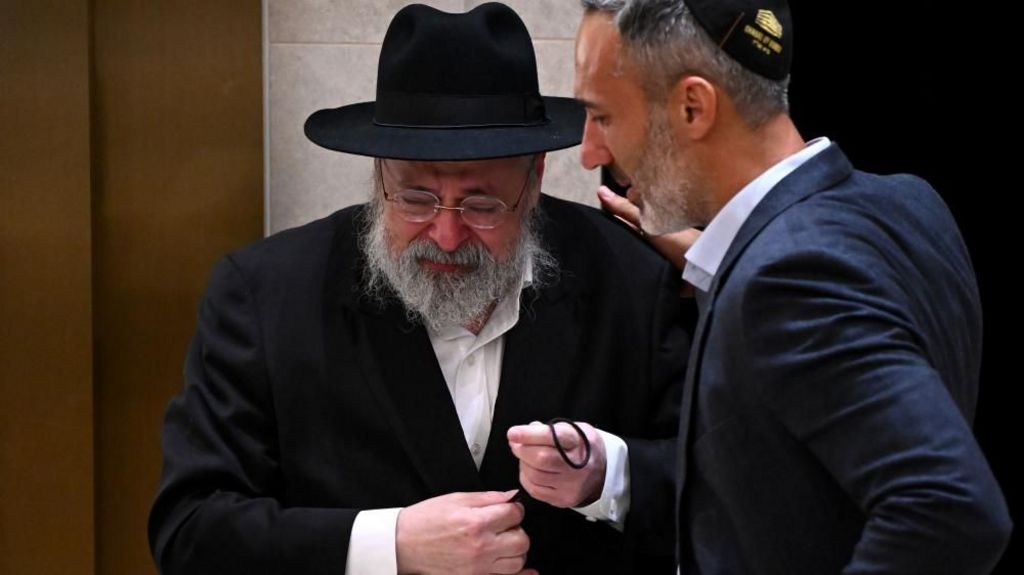
    In an extraordinary convergence of art, faith, and human tragedy, the portrait of a homeless German man has found its spiritual home at the Vatican, completing a profound narrative that began with a chance encounter on Roman streets.

    German artist Michael Triegel first met Burkhard Scheffler in 2018 outside a Roman church, immediately recognizing the homeless man’s striking features as ideal for depicting Saint Peter. Unbeknownst to Triegel, this artistic decision would later intertwine with Scheffler’s tragic death from exposure in St. Peter’s Square in November 2022—an event that captured Pope Francis’s personal attention.

    The artistic journey continued in Germany where Triegel, a Catholic convert, had won a prestigious commission from Naumburg’s Protestant cathedral to create a new central altar panel complementing surviving Renaissance works by Lucas Cranach the Elder. His painting incorporated Scheffler as Saint Peter among other contemporary figures—a rabbi as Saint Paul, the artist’s daughter as Mary, and anti-Nazi theologian Dietrich Bonhoeffer.

    Following UNESCO-related disputes about the altar’s placement in Germany, the artwork was loaned to the Vatican’s Teutonic College chapel. There, in a remarkable moment of recognition, Vatican art experts identified the painted Saint Peter as the deceased Scheffler, whose grave lies mere steps away in the Teutonic cemetery—a burial place arranged by Pope Francis himself.

    The altar now resides temporarily near Scheffler’s resting place, creating what Monsignor Peter Klasvogt calls ‘a wonderful outcome’ that honors the man’s memory through art and prayer. For Triegel, the coincidental reunion validates his artistic mission: creating religious figures that feel authentically connected to contemporary humanity rather than idealized archetypes.

  • ‘An unspeakable loss’: Funeral takes place for rabbi killed in Bondi shooting

    ‘An unspeakable loss’: Funeral takes place for rabbi killed in Bondi shooting

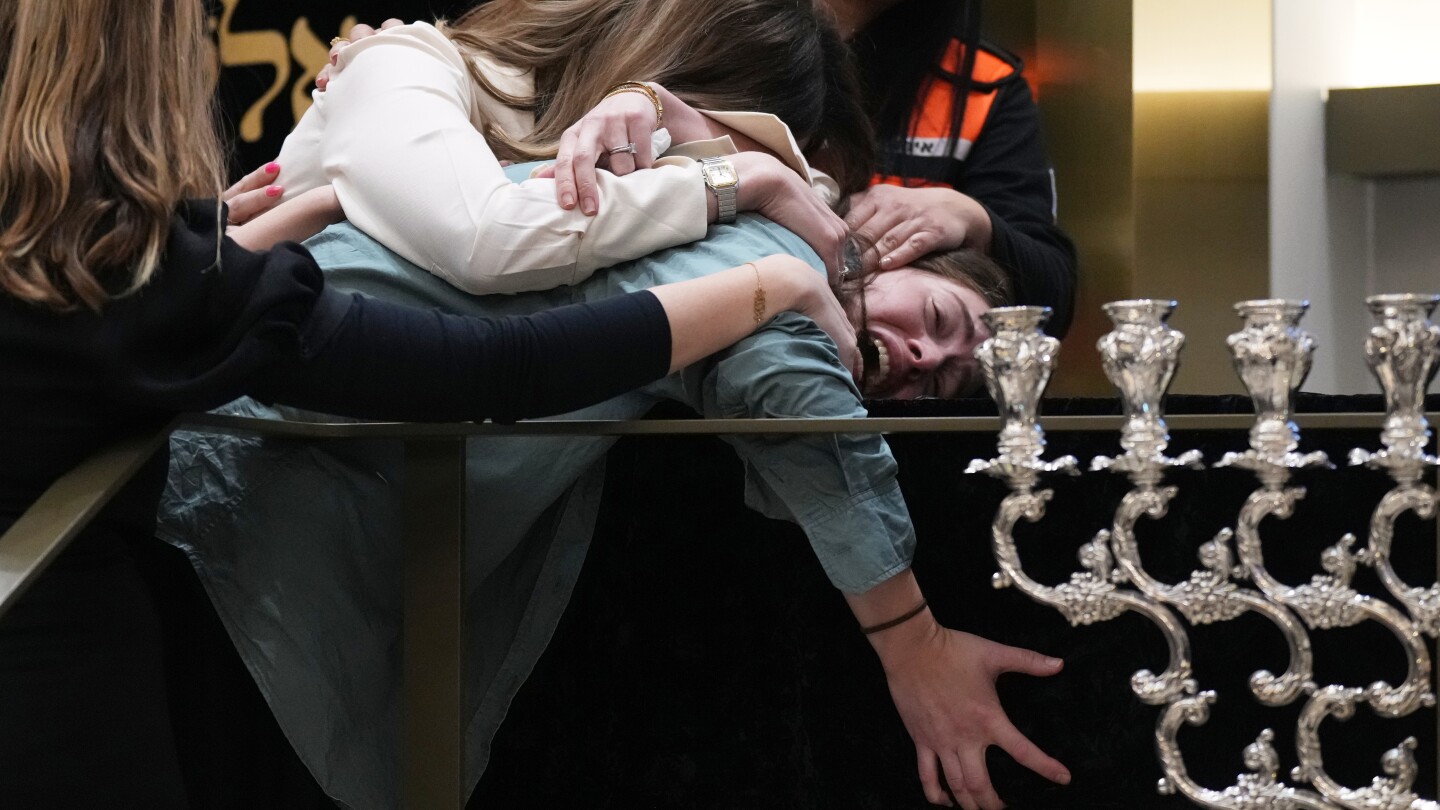
    Sydney witnessed profound grief as thousands gathered to honor Rabbi Eli Schlanger, the first victim of the Bondi Beach shooting to be laid to rest. The 41-year-old British-born community leader, affectionately known as the ‘Bondi Rabbi,’ was among 15 fatalities when two assailants allegedly inspired by Islamic State ideology opened fire during a Hanukkah celebration.

    Rabbi Levi Wolff characterized Schlanger’s death as an ‘unspeakable loss’ for both the local community and the global Jewish nation during the emotionally charged service. Schlanger’s father-in-law, Rabbi Yehoram Ulman, remembered him as ‘my son, my friend, my confidant,’ expressing regret for not more frequently vocalizing his love and appreciation. Schlanger leaves behind a wife who recently gave birth to their fifth child just two months ago.

    In a powerful demonstration of resilience, Ulman announced that the Jewish community would maintain a 31-year tradition by lighting the final Hanukkah candle on Bondi Beach despite the tragedy. ‘We will gather under the banner of our Chabad house of Bondi, to which Eli dedicated his life,’ he declared, urging community members not to retreat from public life.

    The funeral proceedings continue with services scheduled for Rabbi Yaakov Levitan on Wednesday afternoon and 10-year-old Matilda, the youngest victim, on Thursday. Matilda’s father publicly thanked lifesavers, bystanders, and police officers who assisted during the attack, specifically acknowledging an unidentified woman who protected his younger daughter Summer throughout the ten-minute shooting.

    The memorial service attracted prominent figures including Opposition leader Sussan Ley, New South Wales Premier Chris Minns, former prime minister Scott Morrison, and Israeli Ambassador Amir Maimon. Prime Minister Anthony Albanese’s absence drew attention, with him explaining on ABC NewsRadio that he attends events by invitation only. This comes amid criticism from the Jewish community regarding his administration’s handling of antisemitism.

    In response, Albanese detailed measures including appointing Australia’s first antisemitism envoy, strengthening hate speech legislation, and increasing funding for social cohesion initiatives and Jewish institutions.

    Regarding the investigation, authorities indicated that one suspect, Naveed Akram, would face charges pending assessment of his medical condition after awakening from a coma. Akram and his father, 50-year-old Sajid Akram who was fatally shot by police, allegedly traveled to the Philippines in November, with investigations ongoing into potential connections with Islamic extremists.

    The human cost extended to two police officers critically injured during the incident. Twenty-two-year-old Constable Jack Hibbert, with merely four months of service, lost vision in one eye yet demonstrated ‘courage, instinct, and selflessness’ throughout the attack. His colleague Constable Scott Dyson remained in critical but stable condition following additional surgery.

  • BBC outside Rabbi Schlanger’s funeral as mourners pay tribute

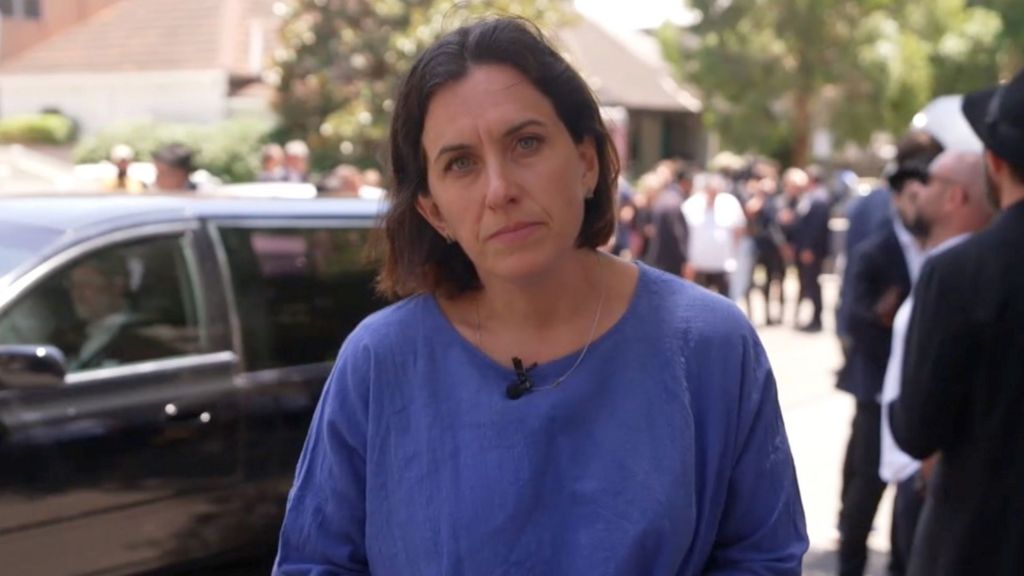
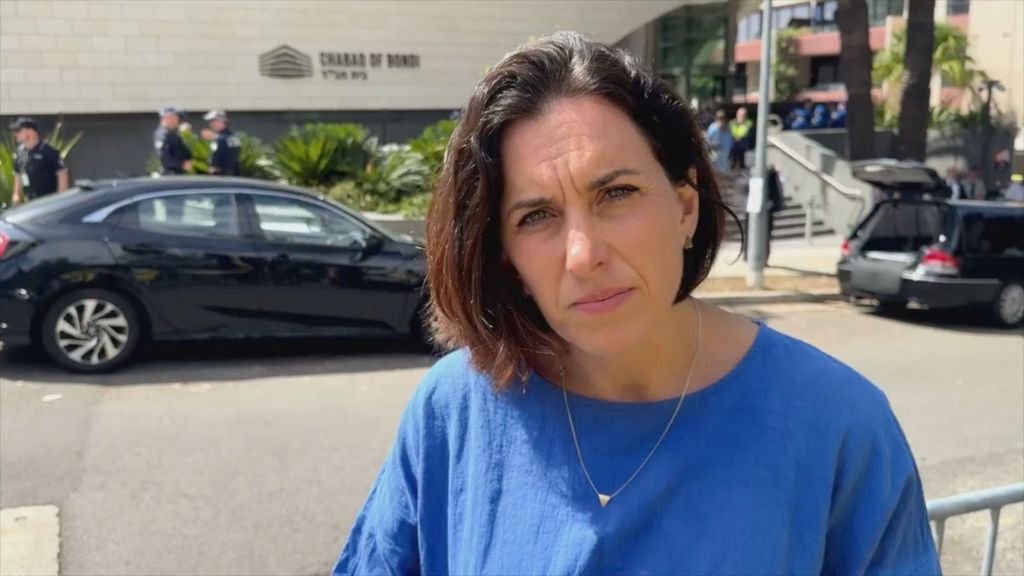
    BBC outside Rabbi Schlanger’s funeral as mourners pay tribute

    The global Jewish community gathered in solemn tribute today as hundreds of mourners filled Chabad of Bondi for the funeral service of Rabbi Schlanger, whose passing has created what attendees described as an irreplaceable void in religious leadership. The emotional service, attended by both local congregants and international representatives from Jewish communities worldwide, highlighted the rabbi’s decades of spiritual guidance and community building efforts. Eulogies delivered by prominent religious figures emphasized his extraordinary dedication to interfaith dialogue and educational initiatives that transcended traditional synagogue activities. The BBC’s external broadcast coverage captured poignant moments as mourners shared personal testimonies of how Rabbi Schlanger’s mentorship transformed their spiritual lives. Community leaders acknowledged the particular significance of his work in strengthening Australian Jewish identity while maintaining strong connections with Israeli religious institutions. The funeral procession demonstrated the rare unity across different Jewish movements, with Orthodox, Conservative, and Reform representatives all participating in the memorial ceremonies. Many speakers noted the rabbi’s instrumental role in establishing Bondi as a significant center for Jewish learning in the Southern Hemisphere.

  • Miss Finland’s viral ‘slanted-eyes’ photo stirs racism firestorm

    Miss Finland’s viral ‘slanted-eyes’ photo stirs racism firestorm

    A diplomatic and public relations crisis has engulfed Finland following a racially insensitive social media post by its recently dethroned Miss Universe delegate. Sarah Dzafce, 22, ignited international outrage after a photograph depicting her pulling the corners of her eyes to mimic slanted eyes went viral. The image was originally captioned ‘eating with a Chinese,’ a gesture widely condemned as a derogatory stereotype against East Asian communities.

    The controversy rapidly transcended borders, sparking significant backlash across Japan, South Korea, and China. The fallout extended beyond Dzafce to impact Finland’s national image, even triggering calls for a boycott of the country’s flag carrier, Finnair.

    In response to the escalating situation, the Miss Finland Organisation announced Dzafce’s dethronement, stating the move was ‘difficult but necessary.’ The organization emphasized that the titleholder’s role-model status demands respect for all people regardless of origin or appearance.

    Dzafce offered an apology on Instagram, claiming the gesture was an innocent reaction to a headache during dinner and that the offensive caption was added by a friend without her consent. She expressed regret for causing ‘ill will’ and affirmed her commitment to respecting diverse backgrounds. However, the apology, written primarily in Finnish, was criticized by many international observers as insufficient and insincere.

    The scandal took a further political turn when two right-wing Finnish MPs, Juho Eerola and Kaisa Garedew, posted photos mimicking Dzafce’s gesture in a show of support. Both posts were subsequently deleted following widespread condemnation. Prime Minister Petteri Orpo condemned the lawmakers’ actions as ‘childish’ and stated that elected officials should exemplify proper conduct. The Finns Party is now considering potential sanctions against the MPs.

    Finnair issued a formal statement on its Japanese social media account, distancing itself from the politicians’ actions and reaffirming its commitment to welcoming everyone with respect. The airline acknowledged that its diverse workforce and global customer base make inclusivity a core value.

    The incident has prompted serious discussions about racism in Finnish society. The Finnish embassy in Japan acknowledged receiving numerous inquiries and stated that ‘racism remains a challenge’ requiring continuous effort to resolve. Meanwhile, a Japanese resident in Finland launched a petition calling for an investigation into anti-Asian discrimination, which gathered over 7,000 signatures within days.

  • Kenyans unite around the country’s growing bullfighting tradition

    Kenyans unite around the country’s growing bullfighting tradition

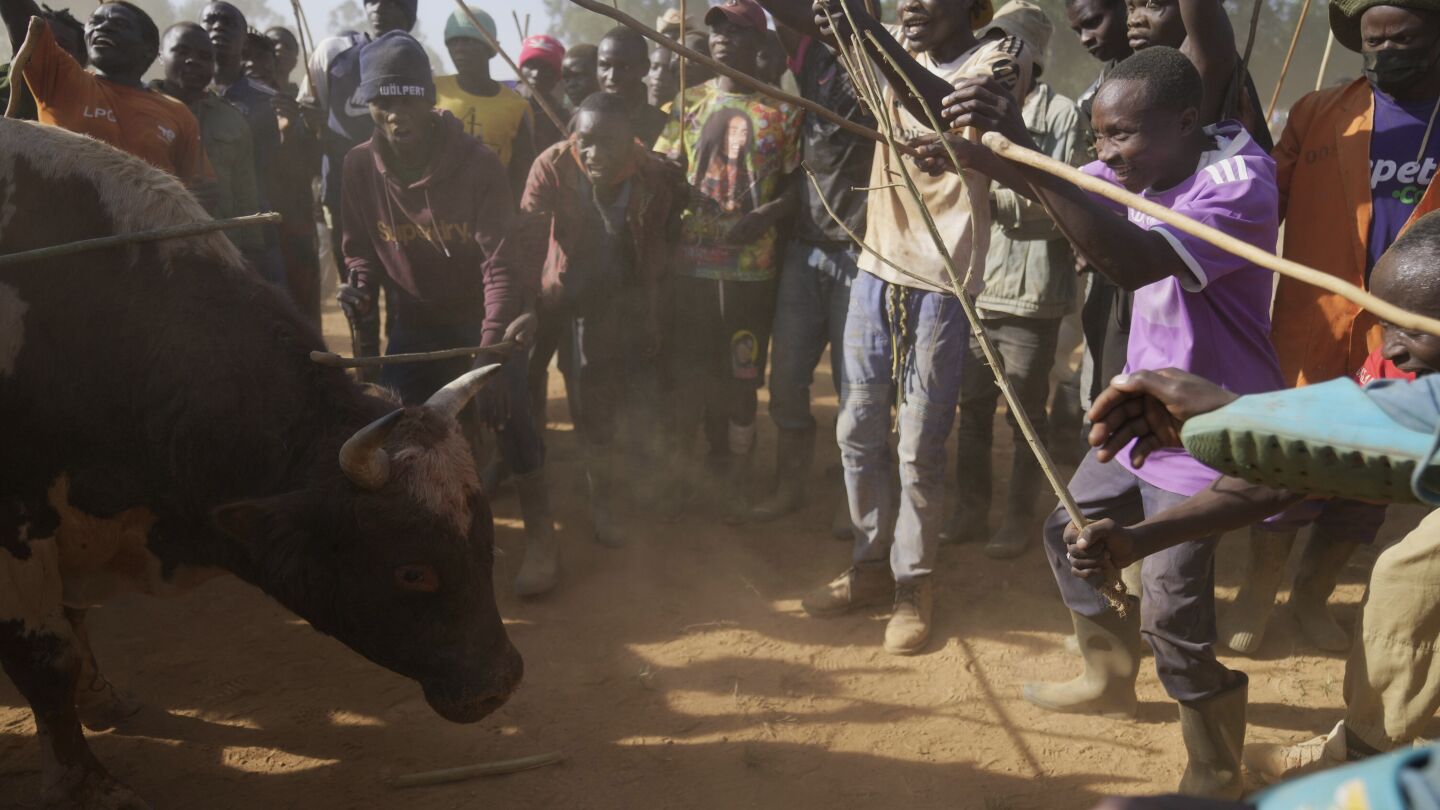
    In western Kenya’s Kakamega County, an ancient tradition has transformed into a modern spectacle that captivates thousands. The bullfighting derby, deeply rooted in Luhya community heritage, now serves as both cultural preservation and contemporary social outlet for Kenya’s youth.

    The recent rematch between veteran bull Promise and rising contender Shakahola—named after the forest where over 400 cult-related deaths occurred in 2023—demonstrated how this centuries-old practice has adapted to modern times. What began as post-harvest entertainment has evolved into organized sport complete with social media betting, merchandise sales, and viral TikTok content creation.

    University of Nairobi sociologist Kathleen Anangwe identifies multiple factors driving this resurgence: “The youth are seeking identity and authenticity,” she explains, noting that bullfighting provides social solidarity amid Kenya’s challenging unemployment landscape. Official statistics place national unemployment at 9%, though youth rates are significantly higher according to workers’ rights groups.

    The economic impact extends beyond the arena. Young entrepreneurs capitalize on events by selling snacks, traditional bull-chasing sticks, and refreshments to spectators. The matches foster community bonding while creating informal economic opportunities.

    Preparation for fights involves meticulous traditional rituals. Bulls receive special diets of napier grass and herbal concoctions believed to enhance strength. Owners perform pre-match encouragement rituals, and transportation to the arena becomes a procession with hundreds of motorcycle-riding fans waving sticks and ululating.

    The spectacle draws diverse audiences, from local devotees to first-time visitors like David Gitau from central Kenya, who expressed amazement at the tradition. The matches themselves are brief but intense—lasting under five minutes as bulls lock horns until one retreats. Organizers emphasize that the animals are not deliberately injured during these encounters.

    Twenty-year-old Brenda Milimo, niece of Shakahola’s owner, represents the new generation of enthusiasts. Despite being unemployed, she travels 4.5 hours by bus from Nairobi to attend major matches and participates in casual social media betting. “Bullfighting is in my blood,” she declares, having wagered up to 1,500 Kenyan shillings ($11) on previous matches.

    The recent victory by Shakahola—avenging a loss from two years prior—sparked celebratory eruptions of song, dance, and traditional drumming. Owner Josphat Milimo expressed triumphant satisfaction, claiming redemption after previously feeling “cheated of victory.” As the tradition gains popularity among digital-native youth, participants anticipate further formalization through dedicated betting platforms and expanded media coverage.

  • Grief, tears and anger as funerals for people slain in Australian antisemitic mass shooting begin

    Grief, tears and anger as funerals for people slain in Australian antisemitic mass shooting begin

    SYDNEY — A somber atmosphere enveloped Sydney on Wednesday as hundreds gathered to mourn victims of Australia’s deadliest antisemitic attack in modern history. The funerals commenced for those killed in Sunday’s targeted shooting at a Hanukkah celebration on Bondi Beach, where assailants slaughtered 15 Jewish attendees and left more than 20 others hospitalized.

    The first service honored Eli Schlanger, 41, the assistant rabbi at Chabad-Lubavitch of Bondi who had organized the annual ‘Chanukah by the Sea’ event. A father of five and prison chaplain, Schlanger was remembered by his tearful father-in-law, Rabbi Yehoram Ulman, who expressed profound regret for not more frequently voicing his love and appreciation.

    Heavy police presence surrounded the funerals as Australia confronts difficult questions about security failures, rising antisemitism, and gun control. Among the victims were Boris and Sofia Gurman, a couple in their 60s who attempted to disarm one gunman, and Reuven Morrison, also in his 60s, who threw bricks at the attackers. The youngest victim, 10-year-old Matilda, was remembered at a vigil where her mother urged attendees to keep her memory alive.

    Authorials identified the perpetrators as a father-son duo—50-year-old Sajid Akram and his 24-year-old son—who carried out what federal police commissioner Krissy Barrett described as ‘a terrorist attack inspired by Islamic State.’ The elder Akram was killed during the attack, while his Australian-born son awoke from a coma and faces imminent charges.

    The investigation has expanded to examine the suspects’ November trip to the Philippines, where they listed Davao City as their destination—a region historically associated with Muslim separatist groups that once expressed support for IS.

    Prime Minister Anthony Albanese pledged decisive action to combat antisemitism and tighten Australia’s already strict gun laws, particularly after revelations that the older suspect had legally amassed six weapons. Proposed reforms include restricting gun ownership to citizens and limiting the number of firearms an individual can possess.

    Amid the tragedy, Australians have responded with solidarity. Long queues formed at blood donation centers, floral tributes multiplied at the attack site, and hundreds of swimmers held a minute’s silence at dawn before entering the ocean near the still-cordoned crime scene.

    Rabbi Ulman vowed that the Hanukkah celebration—a 31-year Bondi tradition that Schlanger had helped organize for 18 years—would continue despite the attack. ‘We’re going to show the world that the Jewish people are unbeatable,’ he declared, emphasizing resilience in the face of hatred.

  • In Senegal, climate change is adding to historic tension between farmers and herders

    In Senegal, climate change is adding to historic tension between farmers and herders

    In a tragic incident that underscores growing tensions across West Africa, 18-year-old Cheikh Diouf recounts the January day his father was brutally murdered by machete-wielding herders near their village in Senegal’s Thies region. The confrontation erupted when Moussa Diouf, a cassava farmer and mosque muezzin in his sixties, confronted herders whose animals had strayed into his cultivated fields. This personal tragedy reflects a broader pattern of escalating violence driven by environmental degradation and changing climate patterns.

    Historical tensions between agriculturalists and pastoralists have reached crisis levels as climate change dramatically alters West Africa’s landscape. According to Copernicus Climate Change Service data, Senegal has experienced a 27% reduction in annual rainfall over the past three decades compared to the 1951-1980 period. Simultaneously, unpredictable precipitation patterns have disrupted traditional farming calendars, while rising temperatures have decimated pasturelands essential for nomadic herders.

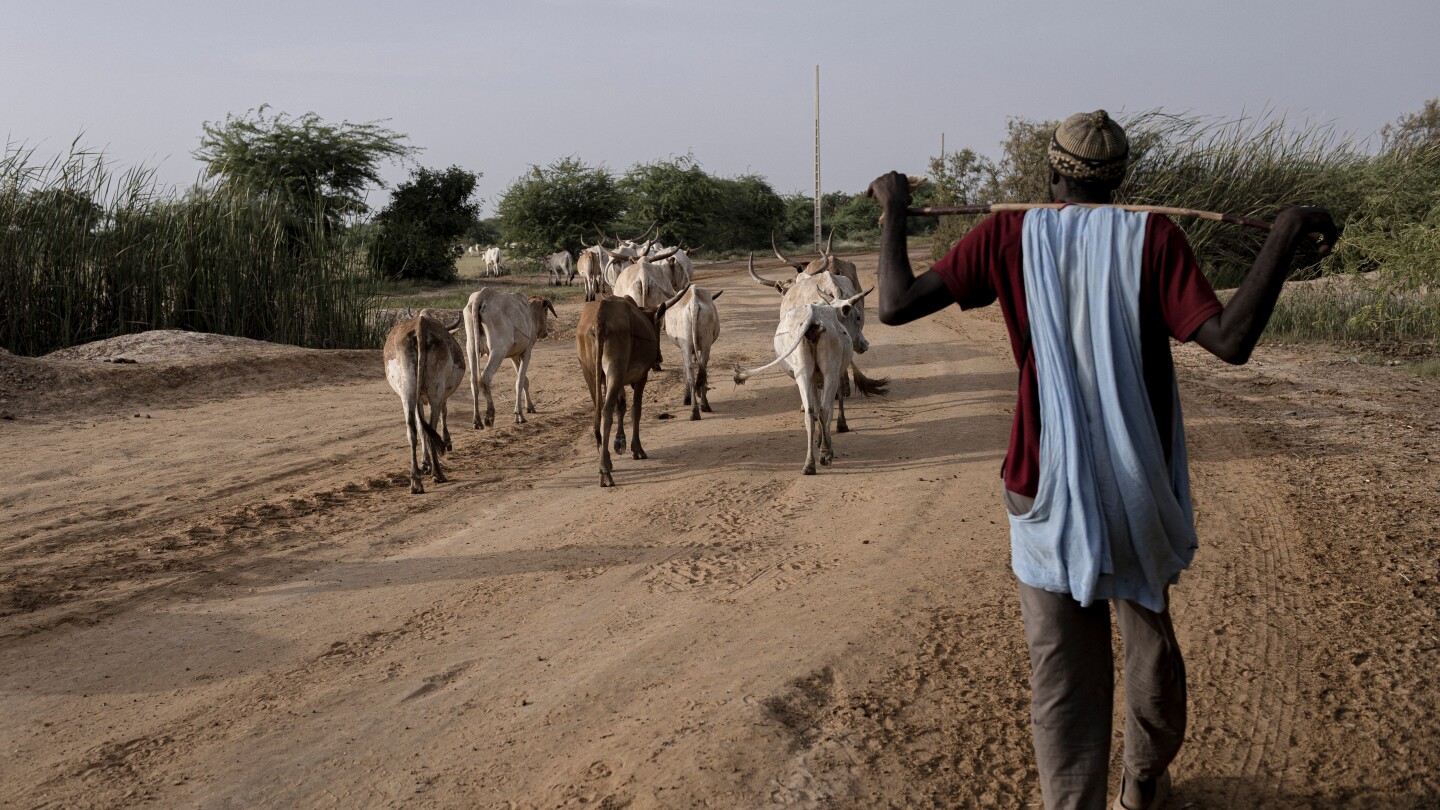
    The Peul (or Fulani) people, who have practiced transhumance across the Sahel region for centuries, now face unprecedented challenges. These pastoralists provide approximately two-thirds of the region’s meat and dairy products, yet their migratory routes have extended significantly as they search for diminishing grazing resources. The annual southward migration during October and November increasingly overlaps with harvest seasons, creating flashpoints for conflict.

    Medical professionals report treating increasingly severe injuries from these confrontations. Dr. Yawma Fall, deputy head of the Ndofane medical center, describes treating a 12-year-old shepherd struck with an ax and another herder who lost fingers to blade attacks. Farmers likewise suffer brutal injuries, with 39-year-old Mamadou Gueye losing his left hand during a 2022 confrontation over cattle incursions.

    Both communities express frustration with the deteriorating situation. Farmers like Fode Diome of Ndofane village acknowledge the necessity of animal migration but criticize herders for disregarding traditional schedules that previously minimized conflict. Herders such as 61-year-old Alioune Sow from Linguere counter that agricultural expansion has eliminated traditional grazing lands and cattle paths, forcing animals into cultivated areas.

    Senegal lacks a national framework for managing these conflicts, relying instead on local mediation through village chiefs and non-governmental organizations. In Labgar village, agricultural adviser Papa Khokhane Seydou Faye has implemented community workshops that bring both groups together to discuss solutions including clearer demarcation of grazing trails and field boundaries. However, the absence of comprehensive data collection on violent incidents hampers broader understanding and intervention efforts.

    As climate pressures intensify, the fundamental incompatibility between expanding agriculture and sustainable pastoralism threatens to exacerbate these deadly conflicts unless structural solutions addressing land use, climate adaptation, and conflict mediation can be implemented across the region.

  • BBC outside Rabbi Eli Schlanger’s funeral as Bondi mourners gather

    BBC outside Rabbi Eli Schlanger’s funeral as Bondi mourners gather

    Sydney commenced the painful process of laying its victims to rest on Wednesday as the first funerals were conducted for those killed in Sunday’s devastating mass stabbing at Bondi Junction Westfield. Among the initial services was that of Rabbi Eli Schlanger, whose funeral drew significant community mourning and media attention, including coverage from the BBC.

    The ceremonies mark a somber milestone for a city still reeling from the attack that left six people dead and numerous others injured. Mourners gathered in substantial numbers to pay their respects to the victims, creating scenes of collective grief and solidarity across Bondi and surrounding communities.

    This initial wave of funerals represents the beginning of a prolonged period of mourning and recovery for Sydney residents. The services are being conducted with heightened security presence and media attention, reflecting both the public nature of the tragedy and the community’s need to collectively process the events.

    Psychological support services have been mobilized throughout affected areas as authorities recognize the profound impact on first responders, witnesses, and the broader community. The funerals serve as both private moments of grief and public expressions of resilience as Sydney begins its long journey toward healing from one of Australia’s most significant public attacks in recent years.

  • Police release new video in manhunt for Brown University attacker

    Police release new video in manhunt for Brown University attacker

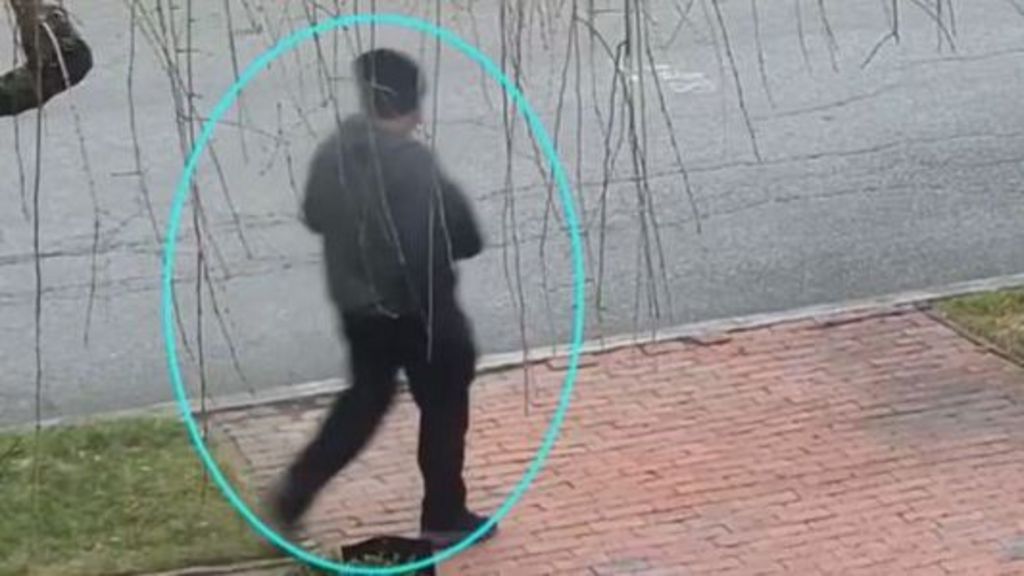
    Law enforcement authorities have intensified their search for the perpetrator behind the deadly shooting at Brown University, releasing newly enhanced surveillance footage of an individual considered a person of interest in the ongoing investigation. The video, compiled from various security cameras, depicts a figure clad in dark attire with a black mask and hat moving through campus areas approximately two hours prior to the tragic incident that resulted in two fatalities and nine injuries.

    Providence Police Chief Oscar Perez characterized the footage as showing potential ‘casing’ behavior—a reconnaissance tactic often employed by criminals before executing planned offenses. The individual appears carrying a black bag across their chest in certain frames, though this detail remains inconsistent across all footage. Despite four days of intensive investigation, authorities have yet to establish a confirmed identity for the suspect, leaving the Ivy League community in a state of heightened alertness.

    Investigators have disclosed that no internal CCTV cameras within the lecture hall—where students were conducting exam reviews during the attack—captured imagery of the gunman. Officials remain guarded regarding potential motives or whether specific individuals were deliberately targeted in the assault.

    Rhode Island Attorney General Peter Neronha affirmed that investigative operations are progressing effectively, urging public confidence in the capabilities of experienced detectives working on the case. Concurrently, law enforcement presence has been substantially amplified throughout the campus and surrounding Providence area as a precautionary measure. Mayor Brett Smiley emphasized that these enhanced security deployments aim primarily to reassure community members, noting there exists ‘no credible, actionable, specific threat’ identified since the Saturday shooting.

    Authorities continue soliciting public assistance, requesting residents review personal security systems for any relevant footage and noting distinctive characteristics such as gait patterns or other identifiable features of the individual in the released video.