分类: society

  • Pope names fellow Chicagoan, Bishop Ronald Hicks, as new archbishop of New York

    Pope names fellow Chicagoan, Bishop Ronald Hicks, as new archbishop of New York

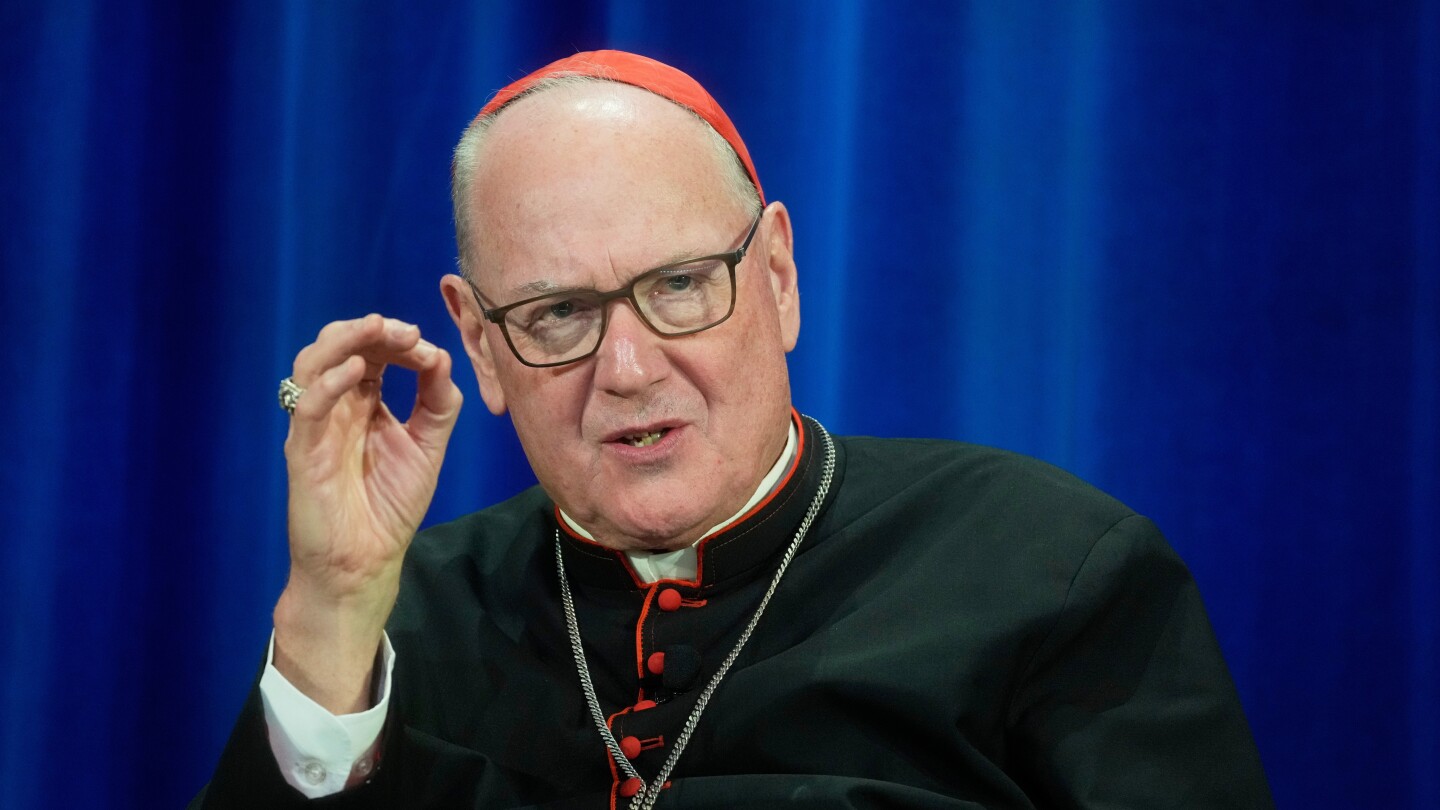
    In a landmark decision reshaping American Catholic leadership, Pope Leo XIV has appointed Bishop Ronald Hicks of Joliet, Illinois, as the next Archbishop of New York. The appointment marks the most significant U.S. ecclesiastical assignment to date for the first American pontiff, who shares Chicago roots with his newly designated prelate.

    Bishop Hicks, 58, succeeds Cardinal Timothy Dolan, who submitted his mandatory resignation upon turning 75 last February. The transition occurs as the New York Archdiocese—serving approximately 2.5 million Catholics across Manhattan, the Bronx, Staten Island, and seven northern counties—navigates complex relationships with the Trump administration, particularly regarding immigration policies.

    The leadership change follows Cardinal Dolan’s recent establishment of a $300 million compensation fund for sexual abuse victims who had filed lawsuits against the archdiocese. Vatican authorities typically delay such appointments pending resolution of abuse litigation and other governance matters, making this transition particularly noteworthy.

    Hicks brings extensive pastoral experience to his new role, including five years directing a church-operated orphanage program across nine Latin American and Caribbean nations. His background aligns closely with Pope Leo’s own missionary work in Peru, creating shared perspectives on immigration and social justice issues.

    In November, Hicks endorsed a statement from the U.S. Conference of Catholic Bishops condemning Trump administration immigration raids, particularly those targeting Chicago. He urged Catholics to embrace “solidarity with all our brothers and sisters” grounded in “the church’s enduring commitment to the Catholic social teaching of human dignity.”

    The two Chicago natives first met in 2024 when then-Cardinal Prevost visited one of Hicks’ parishes. Their conversation extended from scheduled minutes to a substantial discussion that revealed shared priorities for bridge-building and common upbringing experiences.

    Hicks’ progression through church ranks included service as vicar general of the Chicago Archdiocese under Cardinal Blase Cupich—a progressive prelate and close adviser to both Pope Francis and Pope Leo. Many observers see Cupich’s endorsement as instrumental in Hicks’ appointment to this prominent position.

    Among Hicks’ immediate responsibilities will be overseeing implementation of the abuse settlement fund finalized by his predecessor. The diocese will finance the compensation program through budget reductions and asset sales, addressing approximately 1,300 outstanding abuse claims.

    Hicks previously managed abuse scandal fallout in the Joliet diocese, which faced severe criticism in a 2023 Illinois attorney general’s report documenting 451 clergy abusing 1,997 children between 1950 and 2019. While the report acknowledged improved child protection policies under Hicks’ leadership, it detailed previous bishops’ mishandling of abusive clergy and victim disparagement.

    The appointment signals continued alignment between the U.S. hierarchy and Pope Leo’s vision, particularly regarding immigration advocacy and church reform priorities.

  • China to enhance capabilities in coping with extreme weather

    China to enhance capabilities in coping with extreme weather

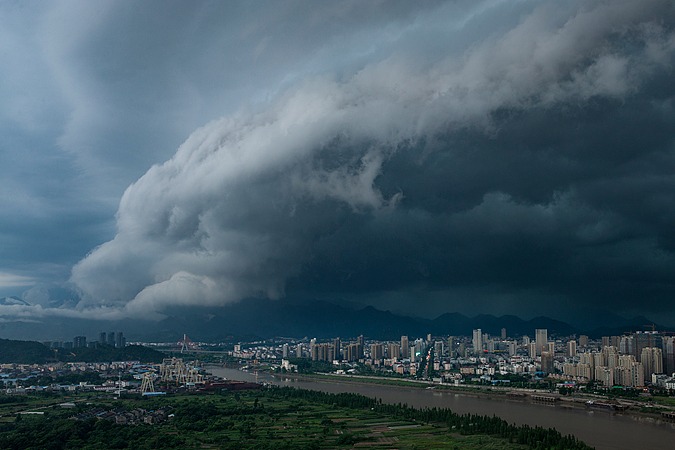
    In a decisive response to the escalating global climate crisis, China has announced a comprehensive national strategy to significantly bolster its resilience against increasingly frequent and severe extreme weather phenomena. The initiative comes as scientific data reveals a troubling trend of more destructive and complex disaster chains triggered by climatic changes.

    According to the China Meteorological Administration, research conducted since 2011 demonstrates a substantial expansion of regions receiving between 400-800 mm of annual precipitation. Concurrently, extreme rainfall events are generating longer-lasting and more hazardous cascading effects across vulnerable areas.

    Despite maintaining an impressive meteorological infrastructure—including nine Fengyun satellites, 842 weather radars, and more than 90,000 ground stations achieving an 83 percent severe weather detection rate—the administration acknowledges persistent challenges in predicting extreme events within complex terrain and unusual atmospheric conditions.

    The enhanced strategy will focus on critical upgrades to monitoring, forecasting, and early-warning systems, particularly in flash flood zones, geologically unstable regions, and major urban flood control districts. Additionally, the plan emphasizes developing urban environments with improved water absorption, retention, and purification capabilities through strategic infrastructure investment, dedicated drainage pathways, and elevated flood resilience standards for buildings.

  • Ecuador defender Pineida killed in shooting

    Ecuador defender Pineida killed in shooting

    The Ecuadorian football community is in mourning following the tragic death of national team defender Mario Pineida, who was fatally shot in an armed attack in Guayaquil. The 33-year-old athlete lost his life on Wednesday when assailants on motorcycles opened fire outside a northern district shop, also injuring his mother and another woman who were with him at the time.

    According to local media reports, the coordinated shooting occurred in broad daylight, highlighting the escalating security crisis in Ecuador’s largest city. The Interior Ministry has deployed specialized police units to investigate the homicide, though no suspects have been apprehended yet.

    Pineida’s killing underscores Guayaquil’s transformation into a epicenter of gang-related violence and narcotics trafficking. Official statistics reveal a staggering 1,900 homicides recorded between January and September alone, marking the highest murder rate nationwide. This incident continues a disturbing pattern of violence targeting athletes: three second-division footballers were killed in September, followed by another player surviving a shooting in October.

    Having earned nine international caps between 2014-2021, Pineida spent the majority of his professional career with Barcelona SC of Guayaquil, where he played from 2016 after beginning at Independiente DV. His career included loan spells at Brazilian side Fluminense and domestic club El Nacional.

    The football world responded with immediate tributes. Barcelona SC expressed profound dismay, while former clubs Independiente and Fluminense posted memorial messages on social platforms. The Ecuadorian Football Federation issued an official statement condemning the violence and extending condolences to Pineida’s bereaved family.

  • In pictures: Toxic haze covers Delhi as air quality worsens

    In pictures: Toxic haze covers Delhi as air quality worsens

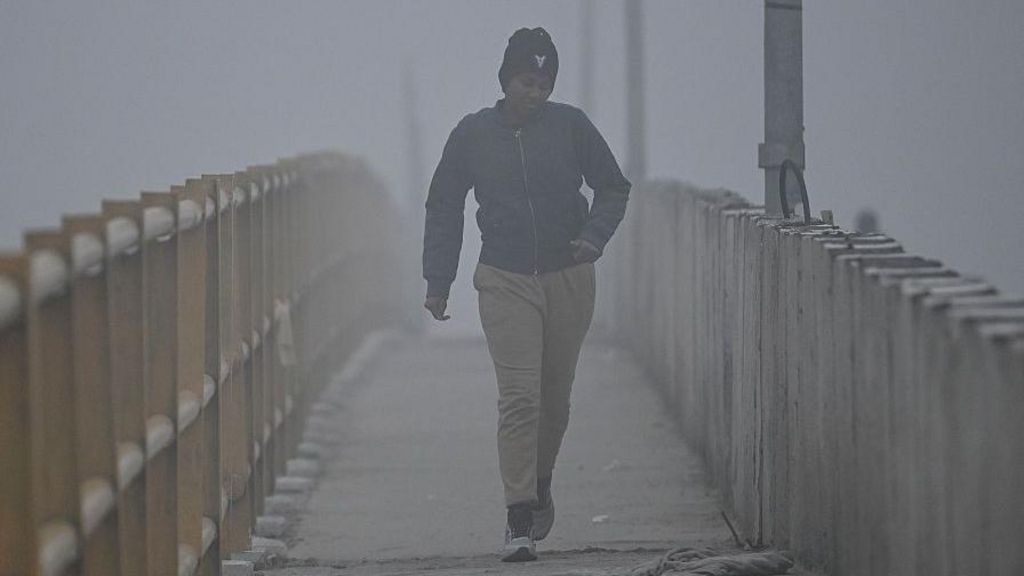
    For consecutive days, India’s capital region has been suffocating under an oppressive blanket of toxic haze, creating one of the most severe air pollution events of the season. Meteorological conditions combined with anthropogenic factors have transformed Delhi and its surrounding areas into a health hazard zone, with visibility dramatically reduced and air quality readings reaching alarming levels.

    Current environmental monitoring data reveals a staggering Air Quality Index (AQI) reading of 376, predominantly driven by PM2.5 concentrations that exceed the World Health Organization’s safety threshold by more than twenty-five times. These microscopic particles, capable of penetrating deep into lung tissue and entering the bloodstream, present particular dangers to vulnerable populations including children, the elderly, and those with pre-existing respiratory conditions.

    In response to the escalating crisis, Delhi’s administration has implemented a comprehensive emergency action plan. Effective immediately, all government and private institutions must transition 50% of their workforce to remote working arrangements. Additional measures include stringent restrictions on construction operations, prohibition of older diesel vehicles from roadways, implementation of hybrid learning models for educational institutions, and enhanced enforcement against vehicles violating emission standards.

    The pollution’s impact has extended beyond public health concerns to affect cultural and sporting events. Notably, the hazardous conditions forced the cancellation of an international cricket match between India and South Africa in Lucknow, located approximately 550 kilometers from Delhi, demonstrating the extensive geographical reach of the pollution cloud.

    This environmental emergency represents a recurring seasonal pattern for northern India, where winter months typically bring deteriorating air quality. The complex interplay of industrial emissions, vehicular exhaust, agricultural burning practices in neighboring states, and unfavorable meteorological conditions including temperature inversions and diminished wind speeds creates a perfect storm of pollution accumulation that blankets the region annually.

    Visual documentation from across the capital shows residents navigating through visibly impaired conditions, with many adopting protective measures such as face masks. Transportation networks continue operating under challenging circumstances, while daily life adapts to the persistent environmental adversity that has become an expected feature of Delhi’s winter season.

  • French anaesthetist who poisoned 12 patients to death jailed for life

    French anaesthetist who poisoned 12 patients to death jailed for life

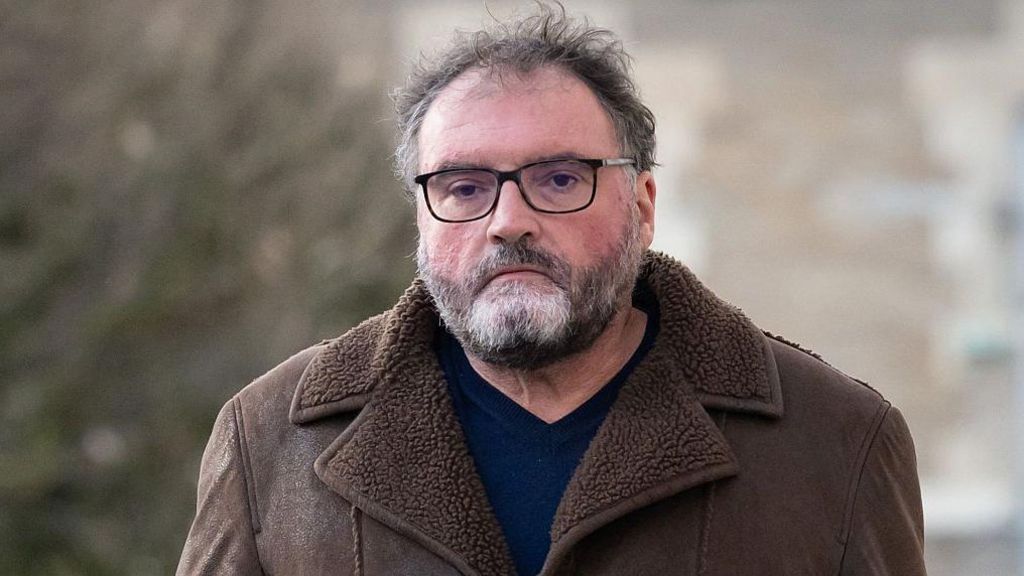
    In a landmark verdict that has shocked France’s medical community, former anesthesiologist Frédéric Péchier has been sentenced to life imprisonment for deliberately poisoning 30 patients, resulting in 12 fatalities. The Besançon Criminal Court in eastern France delivered the decisive ruling after establishing that Péchier had systematically contaminated intravenous bags with potent substances capable of inducing cardiac arrests or severe hemorrhaging.

    The case, which first emerged eight years ago, uncovered a disturbing pattern of misconduct spanning from 2008 to 2017 at two private clinics in Besançon. During last week’s emotionally charged proceedings, prosecutors delivered a blistering condemnation, labeling Péchier ‘Doctor Death’ and accusing him of transforming medical facilities into ‘graveyards.’ The prosecution emphasized the profound breach of trust represented by his actions, stating he had brought ‘shame upon all medical professionals.’

    Despite maintaining his innocence throughout the judicial process, Péchier now faces a minimum incarceration period of 22 years. Under French law, he retains the right to appeal within a ten-day window following the verdict. This case represents one of France’s most severe medical criminal proceedings in recent decades, raising significant questions about medical oversight and patient safety protocols within private healthcare institutions.

    The investigation revealed that Péchier allegedly orchestrated the poisonings to create medical emergencies that would demonstrate his superior resuscitation skills, though prosecutors suggested additional motives may have included personal conflicts with colleagues. The trial included testimony from hundreds of witnesses and relied heavily on pharmaceutical analysis demonstrating abnormal substance concentrations in the affected patients’ systems.

    This verdict concludes a lengthy judicial process that has captivated French media and sparked nationwide debates about medical ethics and institutional accountability within healthcare systems.

  • Unease lingers amid search for Brown University gunman

    Unease lingers amid search for Brown University gunman

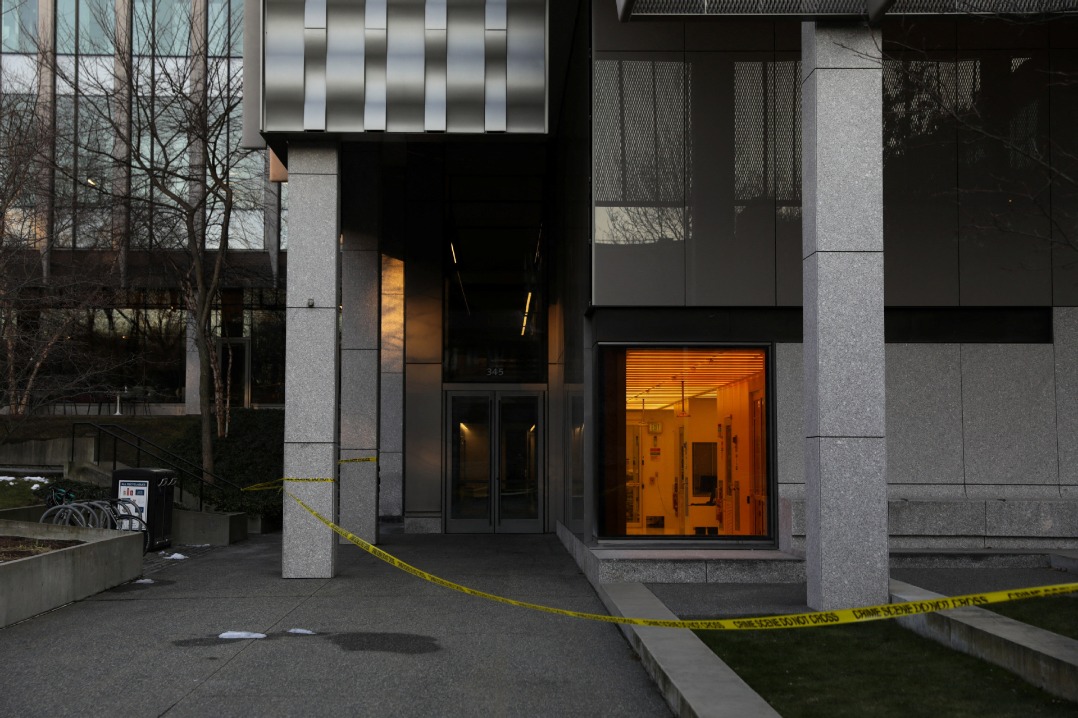
    PROVIDENCE, Rhode Island — A palpable sense of apprehension persists at Brown University as law enforcement continues its intensive search for a gunman responsible for a deadly campus shooting that occurred on December 17th, 2025. The incident, which resulted in two fatalities and nine injuries, has left the academic community in a state of heightened alert despite the partial resumption of normal campus operations.

    Authorities from the Providence Police Department have been conducting an extensive manhunt that entered its fourth day on Tuesday. While investigators detained an individual considered a ‘person of interest’ on Sunday, that person was subsequently released without charges, leaving the investigation without a primary suspect.

    The tragedy stands in stark contrast to Rhode Island’s general crime statistics. According to FBI data, the state typically maintains one of the lowest violent crime rates nationwide. However, data from the Gun Violence Archive reveals this incident marks the 393rd mass shooting recorded in the United States this year alone.

    In remembrance of the victims, students gathered for a vigil honoring Mukhammad Aziz Umurzokov, a freshman international student from Uzbekistan, and Ella Cook, a sophomore from Alabama who served as vice-president of the university’s Republican club.

    Eyewitness accounts from students who experienced the lockdown reveal the profound psychological impact of the event. Zico, a graduate student who was working in a laboratory within the engineering building where the shooting occurred, described his immediate response: ‘My first instinct involved rapidly assessing whether to escape or seek shelter. I barricaded the door with office chairs, concealed myself beneath a desk, and maintained absolute silence while awaiting police assistance.’

    His ordeal lasted approximately eight hours from the initial emergency alert until he was finally able to return home around midnight. Zico expressed particular frustration with the investigation’s progress, noting ‘The ongoing inability to apprehend the suspect, coupled with what appears to be limited investigative leads, compounds our collective anxiety.’

    Another student, Bella Wang, recounted her experience of seeking refuge with classmates in a computer science building situated between the library and the engineering complex. ‘Initially, we struggled to comprehend the reality of the situation,’ Wang recalled. ‘Even after several hours in lockdown, part of us questioned whether the events were actually unfolding.’

    The shooting has sparked renewed conversations about campus security protocols and broader national gun violence prevention measures, with many students expressing diminished confidence in their safety within academic environments.

  • World closely watches Australia’s social media ban for children

    World closely watches Australia’s social media ban for children

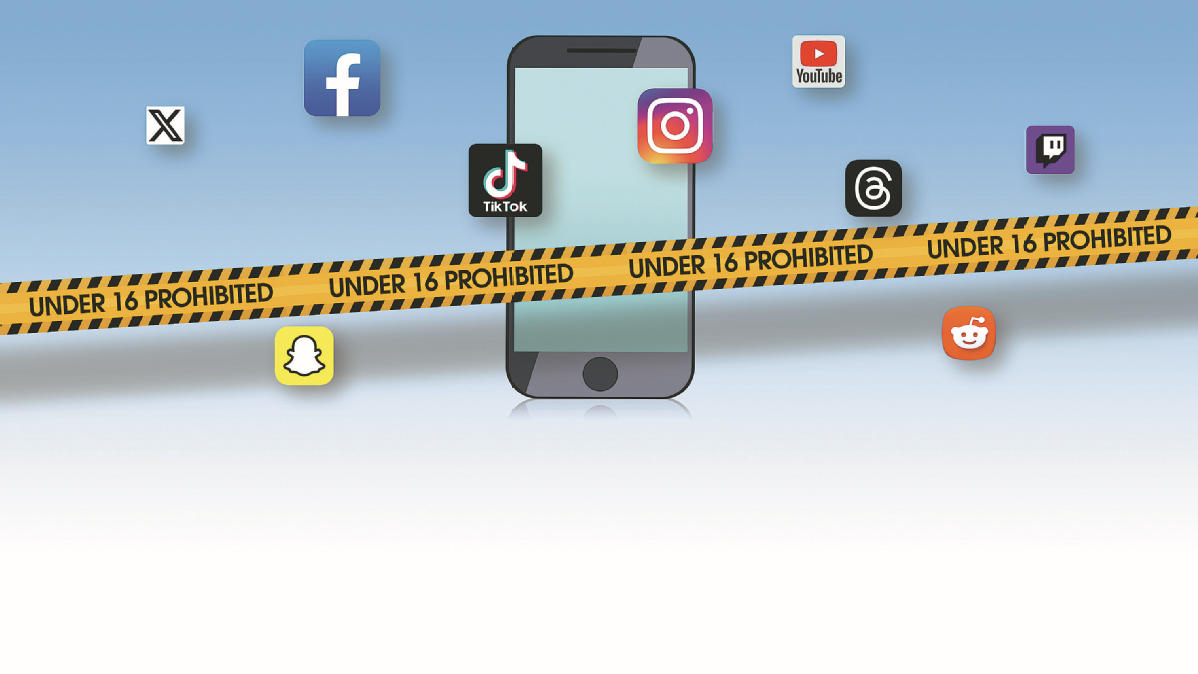
    Australia has implemented the world’s first comprehensive social media ban for children under 16, triggering widespread international attention and legal challenges. The groundbreaking legislation, which took effect on December 10, requires major platforms including Instagram, Facebook, X, Snapchat, TikTok, Reddit, and YouTube to implement strict age verification measures or face penalties up to A$49.5 million ($32.9 million).

    The policy follows an Australian National University study revealing social media’s negative impact on adolescent life satisfaction, with nearly one-fifth of young Australians actively posting content daily. While platforms like TikTok and YouTube have committed to compliance through facial age estimation, credit card authorization, and government ID verification, Reddit has mounted a constitutional challenge in Australia’s High Court, arguing the ban violates implied political communication freedoms.

    Communications Minister Anika Wells defended the legislation, stating the government stands with “Australian parents and kids, not platforms.” Health Minister Mark Butler compared Reddit’s lawsuit to “Big Tobacco against tobacco control,” accusing the platform of prioritizing profits over child protection.

    Academic responses remain divided. Professor Julian Sefton-Green of Deakin University praised the legislation as “inspiring” for challenging multinational platforms’ power, while Edith Cowan University’s Catherine Archer warned of potential anxiety and mental health issues among teens forced from their primary communication channels. Concerns also emerged that the ban might drive young users to less regulated platforms and messaging apps where bullying could persist.

    Prime Minister Anthony Albanese acknowledged implementation challenges, comparing potential circumvention to underage drinking, but emphasized the importance of establishing protective frameworks. Early indicators suggest significant impact, with an Australian Broadcasting Corporation survey indicating one-quarter of under-16 users might abandon social media entirely.

    Digital rights advocates expressed concerns about increased identity theft risks and questioned whether the ban addresses root causes rather than symptoms. Tom Sulston of Digital Rights Watch warned that “bullies, abusers, and predators will not go away” but merely follow children to permitted platforms.

    Globally, the Australian experiment is being closely monitored, with Germany, Denmark, New Zealand, and Malaysia considering similar policies. Professor Michael Salter of the University of New South Wales highlighted the ban as a necessary response to escalating online sexual exploitation, noting that 300 million children globally experience online sexual abuse annually, predominantly through social media platforms.

    The outcome of this pioneering legislation may establish new precedents for how nations regulate digital spaces for young users, balancing protection against fundamental rights and practical enforcement challenges.

  • Mourning outside funeral of the youngest victim of the Bondi shooting

    Mourning outside funeral of the youngest victim of the Bondi shooting

    The Sydney community stood in solemn solidarity on Thursday as family, friends, and countless mourners gathered to honor the life of Matilda, a vibrant 10-year-old girl whose life was tragically cut short during the devastating Bondi Junction attack last Sunday. The funeral service, imbued with profound sorrow and heartfelt tributes, became a powerful symbol of collective grief and resilience in the wake of the inexplicable violence that shook the nation. Attendees, many dressed in the young girl’s favorite color, shared poignant memories of her kindness and spirited personality, transforming the ceremony into a celebration of a life cherished, albeit far too brief. The overwhelming public response, including floral tributes and messages of support extending blocks from the service, underscores a city’s attempt to grapple with an unimaginable loss and the indiscriminate nature of the tragedy that claimed six lives. This gathering not only provided a space for communal mourning but also highlighted the deep scars left on the fabric of the local community, prompting a renewed dialogue on public safety and support for victims of violent crime.

  • Museum knows ‘little to nothing’ about new display

    Museum knows ‘little to nothing’ about new display

    In an unprecedented move confronting Britain’s colonial history, Manchester Museum has launched a groundbreaking exhibition featuring thousands of African artifacts with largely unknown origins—many acquired through questionable means during the Empire’s peak. The institution has deliberately placed these culturally significant objects in its newly established Africa Hub to openly address the substantial gaps in its historical records.

    The collection, comprising over 40,000 items from across Africa, reveals troubling acquisition methods including trade, anthropological collection, confiscation, and outright looting during colonial expansion. One particularly telling example is a carved figure depicting a horse with an ibis on its back, whose entire documented history consists only of its 1976 donation by a Mrs M A Bellhouse, with no information regarding its cultural context, place of origin, or traditional significance.

    Curator Lucy Edematie describes this exhibition as fundamentally different from traditional museum displays, characterizing it as “the beginning” rather than the culmination of research. “It is a chance to do our thinking in public, with honesty and transparency, and to involve people in that process from the start,” Edematie explained, highlighting the institution’s commitment to ethical reconsideration of colonial collections.

    The museum, part of the University of Manchester, acknowledges that this transparent approach may ultimately lead to repatriation decisions or collaborative partnerships with diaspora communities to develop culturally appropriate ways of preserving and celebrating heritage. In a significant co-curation effort, the Africa Hub features displays developed with Igbo Community Greater Manchester (ICM), representing one of West Africa’s largest ethnic groups.

    ICM Vice-Chairwoman Sylvia Mgbeahurike emphasized the exhibition’s profound significance: “Some of these objects were given, some were stolen, some were taken forcefully out of conquest. Bringing them together shows inclusiveness, demonstrates strength in diversity, and reaffirms that we are one people regardless of color or origin.”

    This bold institutional initiative represents a growing movement among museums to address colonial-era acquisitions honestly while developing new ethical frameworks for handling contested cultural property.

  • Refugee firefighters in Mauritania battle bushfires to give back to the community that took them in

    Refugee firefighters in Mauritania battle bushfires to give back to the community that took them in

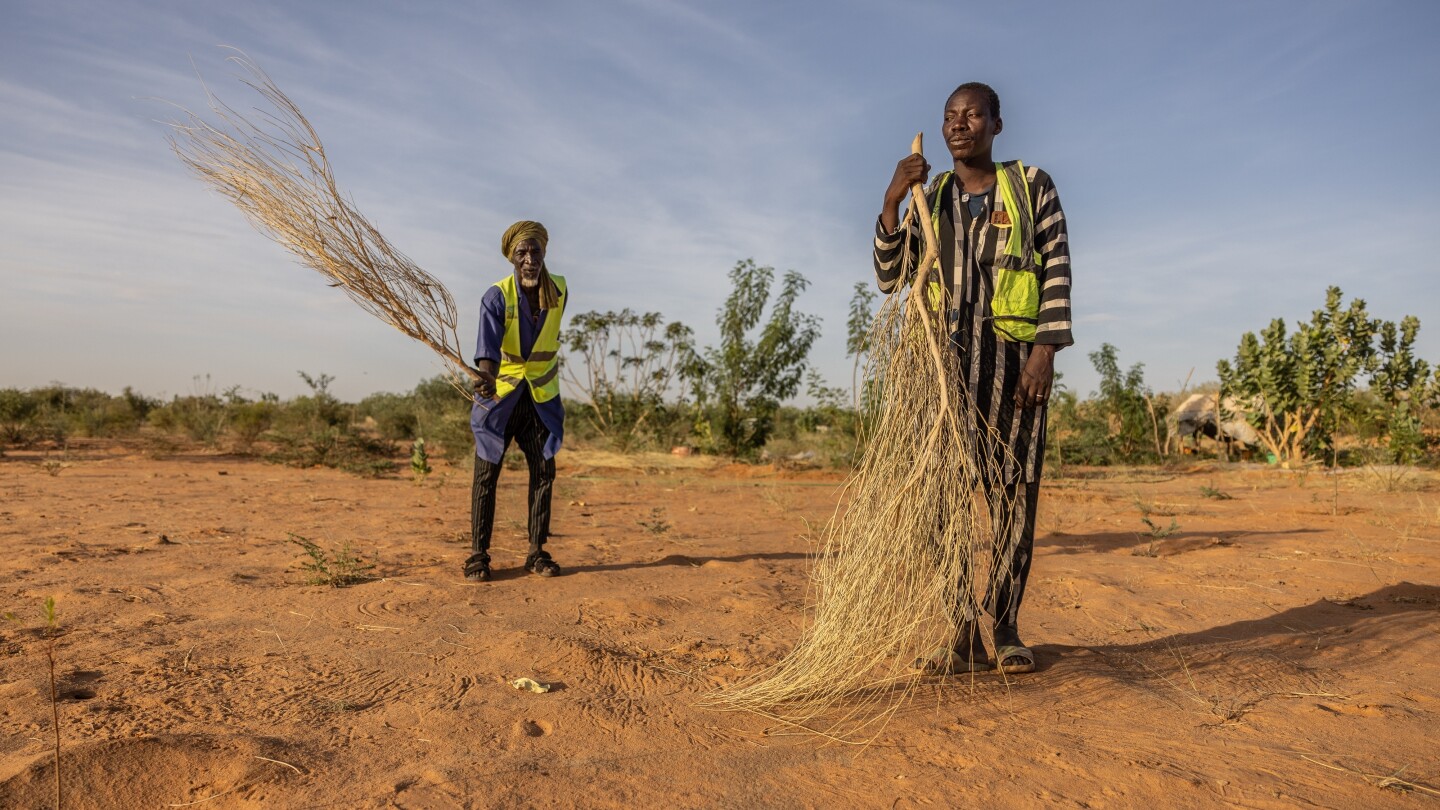
    In the harsh expanse of Mauritania’s desert landscape, a unique partnership has emerged between Malian refugees and their host community through the shared battle against destructive bushfires. At sunset in Mbera, synchronized movements of volunteer firefighters create a rhythmic cadence as they practice with acacia branches—a specialized technique perfected over years of combating desert blazes.

    These 360 refugees, operating under UNHCR patronage with EU funding, have transformed environmental protection into a reciprocal gesture of gratitude toward the Mauritanian communities that sheltered them from Mali’s violence since 2012. The region houses approximately 300,000 Malian refugees, with half residing in formal camps and others integrated into local villages.

    Hantam Ag Ahmedou, who arrived as a child refugee, explains the critical methodology: “Water proves futile against fires that ignite hundreds of kilometers from sources. Our branches smother flames effectively—this knowledge became our contribution.” The volunteer brigade responds urgently to alerts, deploying in coordinated teams with heat-resistant acacia branches to contain infernos that threaten both refugee settlements and local villages.

    The environmental context heightens the urgency: Mauritania, with 90% Sahara coverage, faces accelerated desertification from climate change. Tayyar Sukru Cansizoglu of UNHCR notes that single fires now carry life-threatening consequences for all residents amid strained natural resources. Tensions over grazing areas and water access underscore the fragility of this coexistence.

    Beyond firefighting, the initiative has expanded into ecological restoration with tree nurseries cultivating acacias, citrus, and mango trees to counteract vegetation loss. For veterans like 52-year-old Abderrahmane Maiga, this work represents necessary reciprocity: “After people welcomed us, standing to help them is only right.”

    The refugees acknowledge the permanence of their situation—with returning to Mali increasingly implausible amid ongoing violence. Ag Ahmedou articulates their resolve: “We cannot abandon our home for Europe. We must resist. We must fight—for survival is our only option.”