分类: society

  • Dubai: Family restaurant Moreish to close doors after 7 years; community nostalgic

    Dubai: Family restaurant Moreish to close doors after 7 years; community nostalgic

    DUBAI – After seven years of operation, Moreish, a cherished family restaurant in Dubai, will permanently shutter its doors on January 18, 2026. The establishment announced its closure through emotional social media posts, citing evolving market conditions and personal readiness to “turn the page” as primary factors behind the decision.

    The restaurant’s management expressed profound gratitude to patrons while acknowledging the difficulty of their choice. “With the heaviest of hearts, we’ve decided it’s time to move on,” the statement read, emphasizing pride in their culinary standards and the meaningful connections forged with the community.

    Local residents responded with an outpouring of sentimental memories and expressions of loss. Patrons highlighted the restaurant’s cozy atmosphere and lovingly prepared dishes, with many sharing personal anecdotes of life milestones celebrated within its walls. The announcement triggered widespread nostalgia among both current and former Dubai residents, including those who made special visits to Moreish when returning to the city.

    In response to the closure, customers proposed alternative ways to preserve the restaurant’s legacy. Suggestions included recipe publications and exploring new culinary ventures that would allow the community continued access to their favorite dishes.

    During its final weeks of operation, Moreish extended an invitation to the public for one last dining experience, specifically mentioning two signature dishes – Polenta Steak and Grilled Peach Bruschetta – that would particularly miss their devoted clientele. The restaurant’s departure marks the end of an era for Dubai’s dining scene, reflecting the continuous evolution of the city’s culinary landscape amid rapidly changing market dynamics.

  • How UAE weathered heavy rains with constant public alerts, drainage through the night

    How UAE weathered heavy rains with constant public alerts, drainage through the night

    The United Arab Emirates demonstrated exceptional crisis management capabilities during recent severe weather conditions that affected the nation over a two-day period. Through coordinated government action and advanced preparedness measures, authorities effectively minimized potential damage and ensured public safety despite heavy rainfall.

    Prior to the weather event, the National Centre of Meteorology provided consistent updates on developing conditions while municipal and civil defense agencies deployed specialized 4×4 vehicles and rescue equipment including hydraulic lifting systems, cutters, and advanced rescue technologies. Patrol and emergency teams maintained heightened vigilance, particularly in low-lying and vulnerable areas, to enhance response capabilities.

    The comprehensive approach included widespread emergency SMS alerts distributed to both residents and tourists, urging precautionary measures and adherence to official safety guidelines. This communication strategy echoed systems previously implemented during pandemic conditions, ensuring maximum public awareness.

    This weather response represented a significant evolution from the April 2024 rainstorm, which marked the most intense precipitation event recorded in 75 years with over 250mm falling within 24 hours. That historical event caused substantial infrastructure damage and property loss, prompting a fundamental reassessment of weather emergency protocols.

    Notable outcomes from the improved response included no major weather-related traffic fatalities or serious injuries reported during the recent event, though authorities continue investigating one unrelated expatriate death in Ras Al Khaimah. Recovery services noted substantially fewer distress calls compared to the 2024 floods, indicating improved public awareness and precautionary behavior.

    Emergency teams worked continuously through nighttime hours to clear drainage systems and manage flooded roadways. Dubai Police extended officer shifts and deployed approximately 70% of patrol and rescue resources across the emirate, including remote areas like Hatta. Authorities restricted access to hazardous locations including valleys, elevated terrain, and coastal areas while maintaining real-time coordination and field updates.

    The successful management highlighted the importance of early monitoring, clear public communication, and interagency cooperation. Media organizations played a crucial role in disseminating timely information and official announcements throughout the weather event.

    The UAE’s response demonstrates how structured preparedness, public trust, and collective effort can effectively mitigate natural challenges despite increasingly unpredictable weather patterns.

  • A memorial ends – but Bondi tragedy has left Australia reeling, again

    A memorial ends – but Bondi tragedy has left Australia reeling, again

    The iconic Bondi Beach, long celebrated as Australia’s quintessential coastal paradise, now bears the scars of two unprecedented tragedies that have fundamentally challenged the nation’s perception of safety. Within just 18 months, this vibrant community has endured both the Westfield Bondi Junction stabbings in April and the recent Hanukkah festival shooting that claimed 15 lives, including a 10-year-old girl.

    The psychological impact on survivors and first responders has been profound. Mary, a UK expatriate who witnessed both attacks, describes experiencing ‘grim déjà vu’ as sirens descended on her suburb on December 14th. The first paramedic to confront the bloody scenes at the Chanukah by the Sea event had also been first on scene during the Westfield stabbings, with health officials describing injuries ‘like you would see in a war zone.’

    For Bondi’s substantial Jewish community, these events represent a devastating betrayal of what many considered a sanctuary. Holocaust survivors who sought refuge in Australia now find themselves confronting violent antisemitism in their twilight years. Clinical psychologist Zac Seidler, who had repeatedly assured his Holocaust-survivor grandparents of Australia’s safety, now admits feeling ‘like the fool’ as warnings about rising antisemitism went unheeded.

    The attack has triggered complex societal reactions. While thousands have demonstrated solidarity through blood donations, floral tributes, and ocean vigils, underlying tensions are calcifying into anger and division. Many Jewish Australians express fury at perceived government failures to address antisemitism, with Prime Minister Anthony Albanese facing public booing and resignation demands. The government has promised legislative crackdowns on ‘hateful’ chants and enhanced police powers.

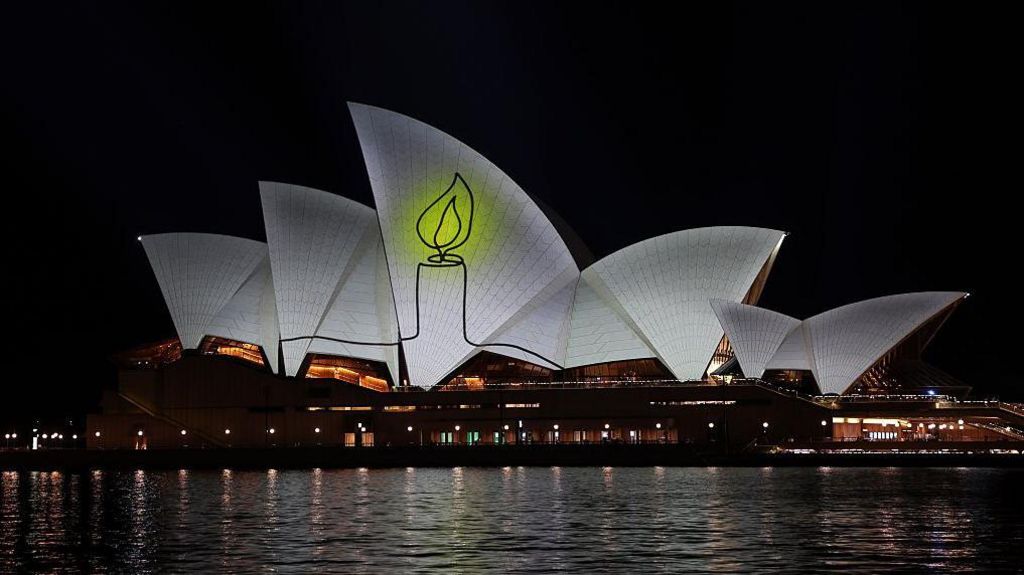
    Yet within the grief exists remarkable stories of courage. Lifeguards risked their lives to protect others, restaurants hid people in freezers, and ordinary citizens administered first aid amidst the chaos. The father of Ahmed al Ahmed, who wrestled a gun from an attacker, lit the central menorah candle at a memorial service that defiantly proclaimed: ‘kindness is louder than hate.’

    As investigations continue into security failures and mental health system deficiencies, the community faces fundamental questions about preserving Australia’s multicultural fabric while addressing imported and homegrown extremism. The road to healing will require navigating complex truths about safety, tolerance, and the preservation of community spirit in the face of unprecedented violence.

  • When Sheikh Zayed opened a hospital in remote UAE town 44 years ago today

    When Sheikh Zayed opened a hospital in remote UAE town 44 years ago today

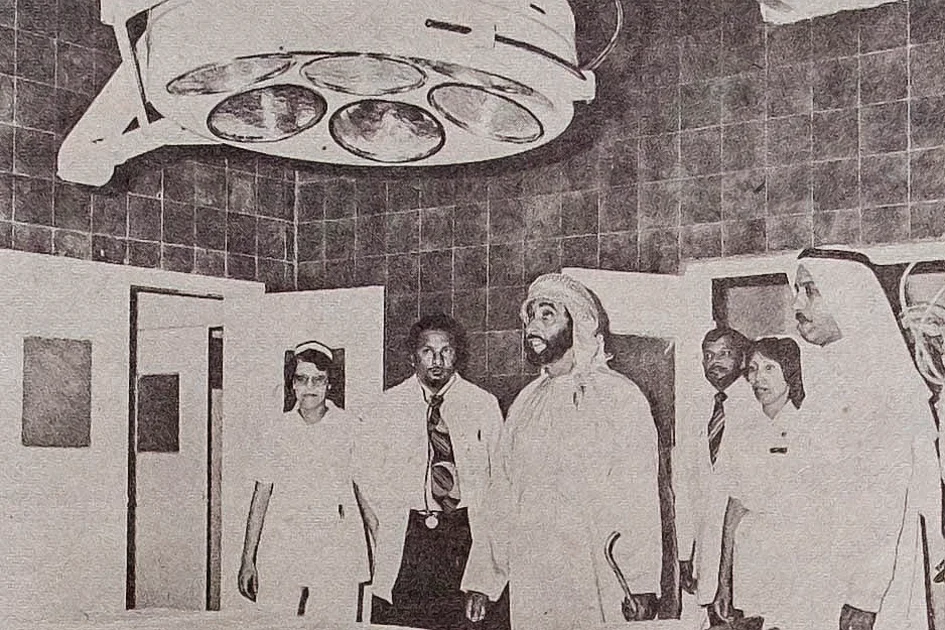
    December 21st marks the 44th anniversary of a seminal moment in UAE healthcare history when the nation’s founding father, the late Sheikh Zayed bin Sultan Al Nahyan, inaugurated a comprehensive medical facility in the remote western town of Ghayathi. This strategic investment in December 1981 demonstrated the leader’s unwavering commitment to ensuring equitable healthcare access for all citizens, regardless of their geographical location.

    The 50-bed hospital represented a significant advancement in medical infrastructure for the Western Region, featuring segregated outpatient clinics for men and women alongside multiple specialized treatment departments. The inauguration ceremony attracted prominent figures including Sheikh Mohammed bin Butti, the Abu Dhabi Ruler’s Representative in the Western Region, and Ahmed Khalifa Al Suweidi, the President’s Representative, underscoring the project’s national importance.

    Historical accounts from Khaleej Times document Sheikh Zayed’s personal involvement in the facility’s launch, where he emphasized the government’s dedication to fulfilling citizen aspirations through modern healthcare infrastructure. During his address, the founding father highlighted the necessity of extending quality medical services to remote communities, considering healthcare accessibility a fundamental pillar of national development.

    The then Minister of Health, Hamad Al Midfa, noted that Sheikh Zayed’s personal appearance at the inauguration symbolized his profound concern for citizen welfare across all emirates. The founding father received an enthusiastic reception from local residents before conducting an extensive inspection tour of the medical complex, expressing particular satisfaction with the facility’s operational standards and service quality.

    This historic initiative established a precedent for healthcare development in underserved regions, reflecting Sheikh Zayed’s hands-on leadership approach and people-centric governance philosophy that continues to influence UAE public health policy four decades later.

  • UAE winter: Police warn of house fire, suffocation risks with heater use

    UAE winter: Police warn of house fire, suffocation risks with heater use

    As the UAE experiences its coldest winter temperatures with readings plunging to 3.5°C in mountainous regions, Abu Dhabi authorities have escalated public safety warnings regarding heating equipment hazards. The Abu Dhabi Police and Civil Defence Authority have jointly issued comprehensive guidelines addressing the dangerous misuse of both traditional and modern heating devices.

    With Jebel Jais Mountain in Ras Al Khaimah recording unprecedented seasonal lows following recent thunderstorms and unstable weather patterns, residents are increasingly turning to various heating methods. Authorities emphasize that all heating systems—whether charcoal-based, firewood-powered, or electric—carry significant risks if improperly utilized.

    The safety advisory specifically prohibits numerous hazardous practices including: indoor ignition of firewood or charcoal; sleeping in proximity to active heaters; inadequate ventilation management; improper extinguishment protocols; and negligence regarding electrical capacity requirements. Additional warnings address the dangers of placing heating elements under carpets, allowing children near operational devices, and positioning heaters near flammable materials, water sources, or damp areas.

    Particular emphasis is placed on the critical importance of deactivating all heating systems before sleeping or vacating premises. The authorities’ alert comes as a preventive measure against potential tragedies involving residential fires or carbon monoxide suffocation, which historically increase during temperature drops across the emirates.

  • Saudi Arabia: Mandatory e-salary payments for domestic workers starting January 1

    Saudi Arabia: Mandatory e-salary payments for domestic workers starting January 1

    Saudi Arabia’s Ministry of Human Resources and Social Development has announced the full implementation of mandatory electronic salary payments for all domestic workers effective January 1, 2026. This landmark policy requires employers to process wages exclusively through the official Musaned platform using authorized financial channels including digital wallets and participating banking institutions.

    The comprehensive digital payment system represents a significant advancement in labor protection, designed to guarantee secure wage transfers, minimize employment disputes, and streamline administrative procedures for both employers and workers. The initiative forms part of Saudi Arabia’s broader strategy to modernize the domestic worker sector and enhance transparency in employment contracts.

    According to official guidelines, salaries must correspond exactly to the amounts specified in employment contracts and should typically be processed at the conclusion of each Hijri month, unless both parties formally agree to alternative arrangements. While the system mandates electronic transfer, workers retain the option to withdraw cash using government-issued Mada cards through approved channels.

    The ministry implemented this transformation through a carefully structured phased rollout beginning July 2024. The initial phase targeted first-time domestic workers entering the Kingdom, followed by incremental expansion based on employer workforce size. The final phase encompassing all remaining domestic workers takes effect January 2026.

    This electronic wage system provides multiple advantages including reliable payment verification, simplified administrative processes during contract transitions or international travel, and secure international remittance capabilities for workers supporting families abroad. The policy establishes a new standard for labor rights protection in the region’s domestic employment sector.

  • From schools to theatres, venison butts beef off menus at UK venues

    From schools to theatres, venison butts beef off menus at UK venues

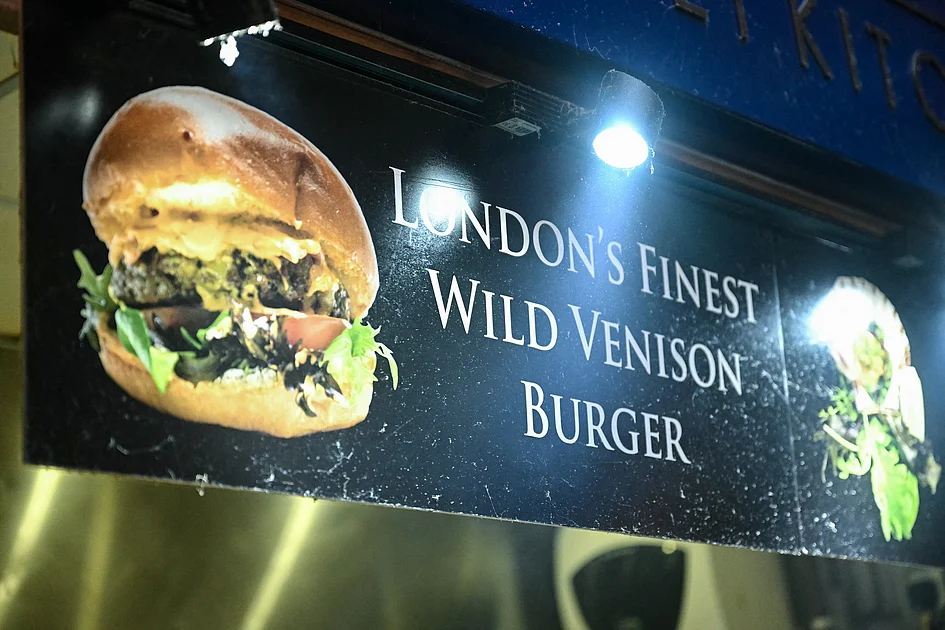
    Across the United Kingdom, a culinary revolution is underway as educational institutions, sports arenas, and cultural venues increasingly replace traditional beef offerings with wild venison. This strategic shift responds to growing climate change concerns by introducing a lower-carbon protein alternative to conventionally farmed livestock.

    The movement has gained significant momentum through catering giant Levy UK, which now serves deer meat at more than 20 prominent venues including London’s O2 Arena, the National Theatre, and Twickenham Stadium. During the recent women’s Rugby World Cup final, the stadium sold approximately 5,500 wild venison burgers within a single month. Similarly, Brentford Football Club in west London has incorporated venison burgers sourced from professionally culled deer in England and Scotland.

    This transition addresses multiple environmental and economic concerns. Britain’s deer population has surged from 450,000 in 1970 to approximately two million today—the highest level in over a millennium. Without natural predators, these animals can damage local ecosystems, making controlled culling necessary. Wild venison presents a substantially lower carbon footprint compared to traditional meats, registering 38% fewer emissions than beef and 49% less than lamb according to conservation data.

    Levy UK CEO Jon Davies emphasized the dual benefits of this approach: ‘I was keen to find something that was good for the planet but also nutritionally beneficial.’ The company’s ‘Game On’ initiative aims to replace 54 tonnes of beef burgers with wild venison alternatives, potentially saving 1,182 tonnes of CO₂ annually. Economically, the shift proves practical as beef prices have experienced double-digit inflation over the past year.

    The trend has expanded beyond sports venues to include Imperial College London, which eliminated beef from most campus cafeterias two years ago. Hospitals in East Lancashire and London’s Guy’s and St Thomas’s NHS Foundation Trust have conducted similar trials, along with schools in Scotland’s Islay and Jura islands.

    Despite environmental advantages, consumer acceptance varies. Some students express ethical appreciation for venison, while others prefer traditional beef. Chef Atesh Luximon of Imperial College noted the psychological barrier: ‘The perspective of it being a reindeer, a Bambi, doesn’t really appeal to people.’

    Industry experts caution that venison alone cannot meet total meat demand. Peter Windsor of the Irish Deer Society warned against market saturation, noting that clients typically use only premium cuts while lesser portions often become pet food. Levy UK claims commitment to utilizing entire animals through burgers, curries, and pies.

    Phil Brooke of Compassion in World Farming offered measured support: ‘Regeneratively farmed beef and culled deer can both be part of the solution—if eaten in small quantities.’ This balanced perspective highlights that while venison provides a sustainable alternative, it represents one component within a broader strategy toward environmentally conscious food consumption.

  • 3 killed in Taiwan metro stabbing; police rule out ‘terrorism’

    3 killed in Taiwan metro stabbing; police rule out ‘terrorism’

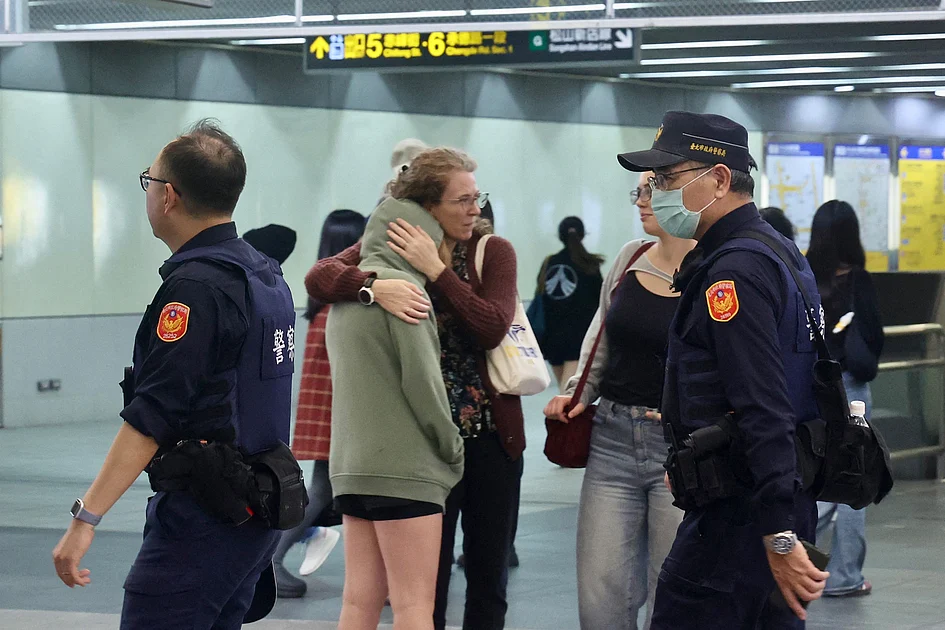
    Taiwanese authorities have confirmed that Friday’s violent stabbing incident at Taipei’s metro system, which resulted in three fatalities and eleven injuries, was not motivated by terrorism. The attack commenced when 27-year-old Chang, identified only by his surname, detonated smoke bombs within Taipei Main Station before embarking on a three-hour stabbing rampage that extended to the Zhongshan shopping district.

    According to an anonymous senior official from the Taipei City Police Department, comprehensive investigation revealed no evidence of political, religious, or ideological motivations behind Chang’s actions. ‘Terrorist attacks have specific defining characteristics that the suspect’s behavior does not satisfy,’ the official stated, emphasizing the preliminary exclusion of terrorism as a motive.

    Police investigation uncovered disturbing evidence on Chang’s personal device, including searches related to ‘random killings’ and historical metro attack methodologies. The suspect, who had been discharged from military service due to alcohol-related offenses, was additionally wanted for failing to report for mandatory reserve training—a legal requirement in Taiwan that carries serious consequences for non-compliance.

    Taipei Mayor Chiang Wan-an confirmed that Chang was found deceased after apparently jumping from a nearby building on the day of the attack. In response to the tragedy, city officials have implemented enhanced security measures, including doubled police presence for the Taipei Marathon and planned high-intensity drills at metro facilities ahead of New Year’s Eve celebrations.

    President Lai Ching-te has called for improved emergency protocols and counter-terrorism preparedness within law enforcement agencies. Meanwhile, Metro Taipei authorities have temporarily closed a Christmas market near Zhongshan station for three days as a memorial gesture to the victims.

  • Dubai: Sheikh Mohammed congratulates Lebanese economist for winning Great Arab Minds

    Dubai: Sheikh Mohammed congratulates Lebanese economist for winning Great Arab Minds

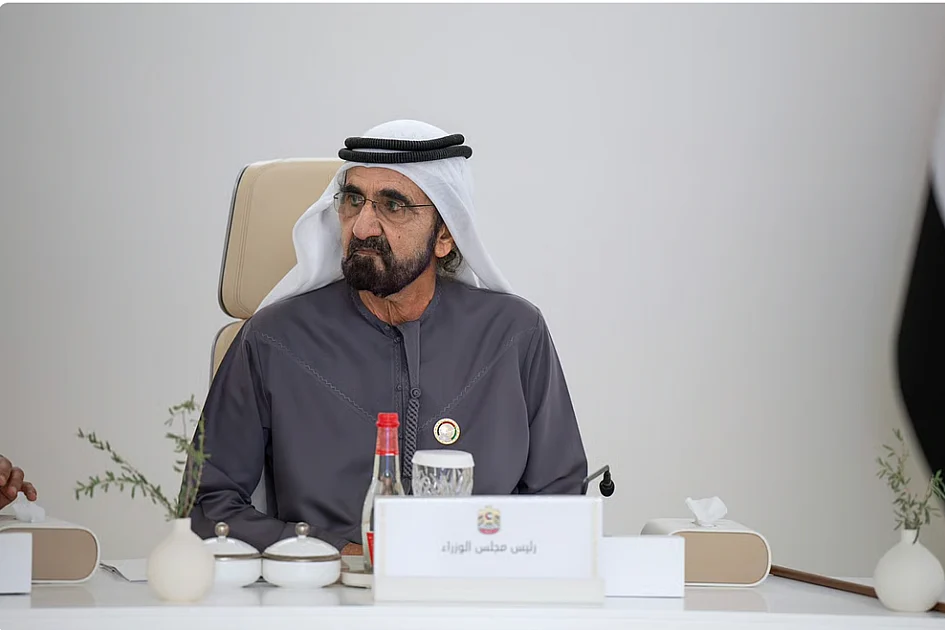
    His Highness Sheikh Mohammed bin Rashid Al Maktoum, Vice-President and Prime Minister of the UAE and Ruler of Dubai, has formally extended congratulations to Lebanese economist Professor Badi Hani for his remarkable achievement in securing the 2025 Great Arab Minds Award in the Economics category. The announcement was made via Sheikh Mohammed’s official social media channel on December 21.

    Professor Hani, a distinguished academic at Syracuse University, was recognized for his groundbreaking research that has established the fundamental theoretical and practical frameworks for panel data econometrics. His pioneering work has significantly advanced the field of economic data analysis, with substantial applications in critical areas including wage studies, public health economics, and macroeconomic forecasting.

    With an illustrious career marked by over 200 peer-reviewed scientific publications, Professor Hani has authored a seminal reference text on economic data model analysis that has become essential reading for researchers and economists worldwide. His contributions have provided the methodological tools necessary for more accurate and nuanced economic policymaking.

    In his statement, Sheikh Mohammed emphasized the vital role of expert economists in Arab societies, noting that effective national policies must be built upon rigorous scientific foundations and precise data analysis. The Dubai Ruler further articulated that the economic future of the Arab world is fundamentally shaped by its intellectual capital and the determination of its people to contribute to the ongoing development of Arab civilization.

    The Great Arab Minds initiative continues to identify and celebrate exceptional Arab intellectuals across various disciplines, highlighting their contributions to global knowledge and regional development.

  • Dubai: Man jailed, fined Dh130,000 for stealing 18 AC units from a villa

    Dubai: Man jailed, fined Dh130,000 for stealing 18 AC units from a villa

    A Dubai criminal court has delivered a comprehensive verdict against a repeat offender convicted of stealing multiple air-conditioning units from a residential property, highlighting the emirate’s stringent approach to property crimes. The defendant received a one-year prison sentence, a substantial fine of Dh130,000, and mandatory deportation following incarceration.

    The case originated when a Gulf national property owner discovered the disappearance of 18 AC units from his villa in Al Muhaisnah during a routine inspection. The owner had visited the premises after authorities ordered its closure due to rental regulation violations and unauthorized use as shared accommodation. Upon arrival, he observed clear evidence of forced entry, including a compromised main entrance and interior disarray, prompting an immediate police report.

    Law enforcement authorities conducted a thorough investigation, collecting forensic evidence from the crime scene that proved crucial to the case. The investigation revealed that the suspect was already serving a sentence for similar theft offenses, establishing a pattern of criminal behavior. A forensic laboratory analysis confirmed the defendant’s fingerprints on the external casing of one stolen unit, providing irrefutable physical evidence connecting him to the crime.

    During judicial proceedings, the defendant admitted to stealing the air-conditioning units and confessed to involvement in comparable criminal activities. His voluntary confession, supported by forensic evidence and witness testimonies, strengthened the prosecution’s case significantly. The court determined the fine amount based on the exact market value of the stolen property, ensuring appropriate financial restitution.

    The verdict demonstrates Dubai’s judicial system’s firm stance against recidivism and property violations, particularly emphasizing the protection of private ownership rights. The deportation order underscores the emirate’s zero-tolerance policy toward repeat offenders who threaten community security and property safety.