分类: society

  • Families grieve toxic tap water deaths in India city

    Families grieve toxic tap water deaths in India city

    A tragic water contamination incident in Indore, Madhya Pradesh, has resulted in multiple fatalities and widespread illness, casting a shadow over the city frequently awarded as India’s cleanest. The crisis emerged from a pipeline leak that allowed sewage to infiltrate drinking water supplies in the Bhagirathpura neighborhood.

    The outbreak has claimed several lives, including five-month-old Avyan Sahu, who died just three days after consuming diluted cow’s milk prepared with contaminated tap water. His father, Sunil Sahu, recounted how the family had boiled the water-milk mixture believing it would be safe, only to witness their infant succumb to severe diarrhea.

    Official reports present conflicting casualty figures, with Madhya Pradesh Chief Minister Mohan Yadav confirming four deaths through postmortem examinations while local journalists estimate the toll接近 14. The scale of the outbreak is substantial, with health authorities identifying approximately 2,450 cases of vomiting and diarrhea among 40,000 screened residents.

    Healthcare facilities in Indore are overwhelmed, with more than 200 patients currently hospitalized. The municipal corporation has responded by deploying water tankers to affected areas and advising residents to avoid tap water entirely until further notice.

    The political ramifications are significant, with opposition Congress leader Jitu Patwari accusing the governing Bharatiya Janata Party (BJP) of misgovernance and deliberately obscuring the true death count. In damage control efforts, local authorities have dismissed one municipal officer and suspended two others while establishing an investigative committee to prevent future occurrences.

    Residents report having complained about foul-smelling water for over two months prior to the outbreak, raising questions about the responsiveness of local governance in what is consistently ranked as India’s cleanest urban center.

  • Watch: Four men rescued from boat teetering on dam edge

    Watch: Four men rescued from boat teetering on dam edge

    A dramatic water rescue operation successfully extracted four individuals from a critically precarious situation after their vessel experienced complete motor failure and drifted toward a dam’s precipice. Emergency response teams executed a high-stakes operation to secure the boat and its occupants before it could be pulled over the dam’s edge.

    The incident, which unfolded under dangerous conditions, required specialized water rescue techniques to stabilize the situation. First responders utilized advanced equipment and training to approach the compromised vessel while managing the strong currents near the dam infrastructure.

    Marine safety experts emphasize that mechanical failure represents one of the most common causes of water emergencies, particularly near dam structures where water flow patterns create additional hazards. The successful outcome highlights the importance of professional emergency response capabilities and the critical nature of immediate reporting when watercraft experience mechanical difficulties.

    Authorities have initiated an investigation into the circumstances leading to the mechanical failure while commending the coordination between various emergency services that prevented potential tragedy. The rescued individuals received medical evaluation at the scene and were reported to be in stable condition following the harrowing experience.

  • Australia’s Northern Territory considers passing assisted dying laws for second time in 31 years

    Australia’s Northern Territory considers passing assisted dying laws for second time in 31 years

    Australia’s Northern Territory, which pioneered the world’s first voluntary euthanasia legislation in 1995 only to have it overturned by federal parliament, is now positioned to become the final Australian jurisdiction to enact assisted dying laws. The territorial government announced Friday its commitment to draft new legislation by mid-2026, marking a historic reversal after nearly three decades of prohibition.

    The territory’s groundbreaking 1995 laws—which allowed four terminally ill patients to end their lives legally—were nullified by the Australian Parliament in 1997. This federal ban persisted until 2022, when legislation was amended to permit both the Northern Territory and Australian Capital Territory to legislate on assisted dying. The ACT subsequently passed its laws in 2024.

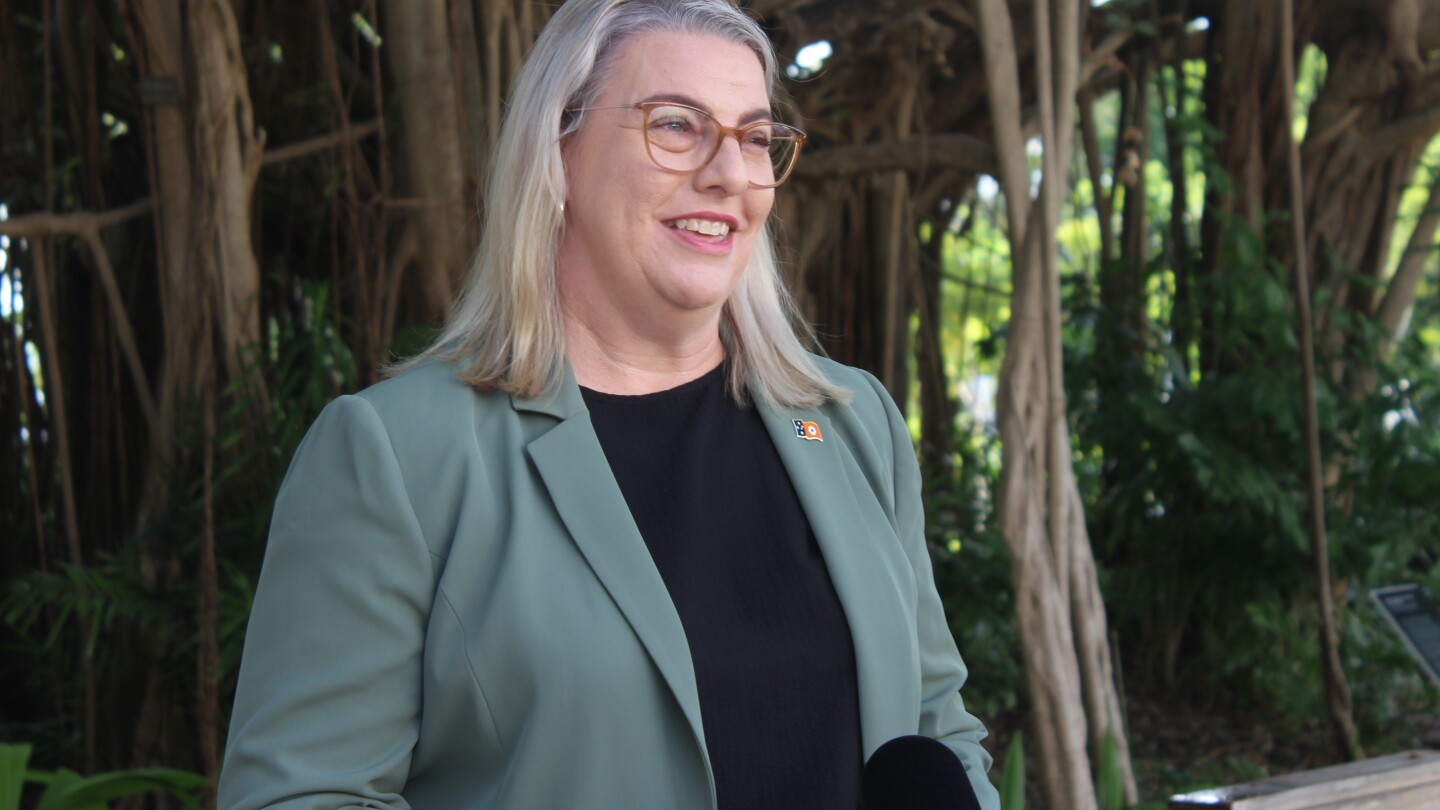
    Northern Territory Attorney-General Marie-Clare Boothby emphasized the complexity of the undertaking, stating: “Legislating for the rights of the terminally ill is one of the most sensitive and complex reforms any government can undertake. We’re taking the time to get this right through careful consultation rather than rushing the process.”

    The unique demographic landscape of the Northern Territory presents significant implementation challenges. With just 260,000 residents scattered across an area nearly the size of France, the territory contains Australia’s highest proportion of Indigenous citizens—over 25% of the population compared to 3.8% nationally.

    These demographic realities complicate the legislative process. Indigenous communities hold diverse perspectives on assisted dying, ranging from deep suspicion of medical systems to advocacy for culturally safeguarded access. Legislative Assembly Speaker Robyn Lambley expressed concerns about implementation, noting: “Establishing adequate education about assisted dying laws for Indigenous people, many of whom don’t speak English as a first language, is probably unrealistic. Aboriginal people have reluctance around accessing health services for anything.”

    The government has committed to a conscience vote for lawmakers and will develop comprehensive public education campaigns addressing misinformation, particularly in remote and Indigenous communities, as recommended by a September 2025 parliamentary committee report.

  • Watch: Moment 400-pound runaway prop injures Disney employee

    Watch: Moment 400-pound runaway prop injures Disney employee

    A dramatic workplace incident unfolded during a live performance at a Disney theme park when a massive 400-pound prop malfunctioned, resulting in injury to a park employee. The accident occurred during a meticulously choreographed recreation of a famous scene from the Indiana Jones film franchise, a popular attraction that regularly draws large crowds.

    Eyewitness footage captured the moment the oversized prop, which was supposed to follow a controlled path, broke free from its intended trajectory. The runaway equipment then struck a cast member who was performing their duties nearby. Park safety protocols were immediately activated as the show was halted and emergency responders rushed to assist the injured employee.

    The incident has sparked serious conversations about entertainment industry safety standards, particularly regarding heavy props used in live performances. While theme park attractions are designed with multiple safety systems, this event demonstrates how unpredictable elements can create hazardous situations even in highly controlled environments.

    Disney officials have confirmed they are conducting a thorough investigation into the mechanical failure and reviewing all safety procedures for the attraction. The company has emphasized its commitment to employee safety while also maintaining the magical experience guests expect. The injured cast member received immediate medical attention, though their current condition has not been publicly disclosed due to privacy concerns.

  • Xiamen-Jinmen ferry route marks 25 years

    Xiamen-Jinmen ferry route marks 25 years

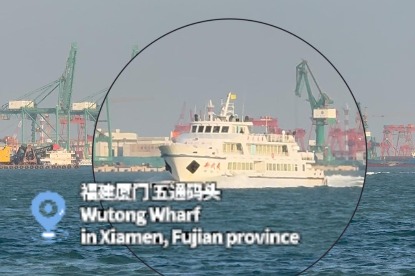
    The Xiamen-Jinmen ferry route, affectionately dubbed the ‘marine shuttle,’ commemorates its 25th anniversary of continuous operation this January. Since its inaugural journey on January 2, 2001, this critical maritime corridor has facilitated over 23 million passenger trips between mainland China’s Fujian province and the Taiwanese island of Jinmen.

    The route has earned its reputation as an essential transportation link through its exceptional operational efficiency. With a sailing duration of approximately thirty minutes, frequent daily departures, and affordable pricing structure, the service has become the preferred choice for cross-strait travelers. The implementation of intelligent customs clearance systems has further streamlined the journey, reducing processing times and enhancing the overall passenger experience.

    This maritime connection represents more than mere transportation infrastructure—it symbolizes the enduring cultural and economic ties between the coastal city of Xiamen and the Jinmen islands. The ferry service has played a pivotal role in fostering people-to-people exchanges, facilitating business interactions, and strengthening familial bonds across the Taiwan Strait.

    The anniversary highlights the route’s transformation into a model of cross-strait connectivity, demonstrating how practical cooperation can benefit communities on both sides. Its quarter-century of successful operation stands as testament to the importance of maintaining and developing transportation links that serve both practical needs and broader relationship-building objectives.

  • A fire in an Swiss ski resort bar has left about 40 people dead

    A fire in an Swiss ski resort bar has left about 40 people dead

    CRANS-MONTANA, Switzerland — A festive New Year’s celebration at Le Constellation bar in the prestigious Crans-Montana ski resort descended into unimaginable tragedy when a rapidly spreading fire engulfed the crowded venue shortly after midnight Thursday. The catastrophic blaze resulted in approximately 40 fatalities and left 115 individuals with serious injuries, marking one of Switzerland’s most devastating modern disasters.\n\nEyewitness accounts describe scenes of chaos and desperation as revelers fought to escape the inferno. Sixteen-year-old Parisian Axel Clavier recounted his narrow escape after forcing a window open with a table. \”I felt like I was suffocating,\” Clavier told The Associated Press, noting he lost personal belongings but survived while one of his friends perished in the flames.\n\nInitial witness testimonies suggest the fire may have originated from celebratory sparklers attached to Champagne bottles. Two women interviewed by French broadcaster BFMTV described seeing bartenders engaging in festive displays with lit candles in bottles before flames suddenly spread upward, causing the wooden ceiling to collapse.\n\nThe subsequent panic triggered a deadly crowd surge as patrons attempted to flee the basement nightclub through a narrow staircase and single exit. Witnesses reported people smashing windows to escape, with some sustaining grave injuries in the process. Distraught parents rushed to the scene searching for their children amid the chaos.\n\nValais Canton authorities have launched a comprehensive investigation into the tragedy. Police commander Frédéric Gisler confirmed ongoing efforts to identify victims, acknowledging the community remains \”devastated.\” Attorney General Beatrice Pilloud emphasized that while the cause remains undetermined, there is \”no question of any kind of attack\” and no suspects have been identified.\n\nThe resort town, situated in the heart of the Swiss Alps approximately 5 kilometers from Sierre—site of another tragic incident in 2012—typically bustles with winter sports enthusiasts. Authorities have urged caution to prevent additional accidents that could strain overwhelmed medical resources.\n\nSwiss President Guy Parmelin, addressing the nation on his first day in office, praised emergency responders confronted with \”scenes of indescribable violence and distress,\\” calling for unity and dignity in the face of tragedy.

  • Japan’s emperor and his family greet New Year well-wishers

    Japan’s emperor and his family greet New Year well-wishers

    TOKYO — Emperor Naruhito of Japan delivered a poignant message of peace during the Imperial Palace’s annual New Year greeting ceremony on Friday, marking a significant moment of public engagement for the world’s oldest continuous monarchy. The Emperor, accompanied by Empress Masako and senior royal family members, addressed thousands of flag-waving well-wishers who braved winter temperatures to gather at the palace’s typically restricted grounds.

    The appearance carried particular significance as Naruhito referenced the 80th anniversary of World War II’s conclusion in his pre-released statement. ‘I profoundly believe in the critical importance of persistent efforts toward dialogue among peoples,’ the Emperor emphasized, ‘striving to enhance mutual understanding to construct a peaceful world.’ This message resonated against the backdrop of ongoing global conflicts and domestic challenges.

    The event marked a return to normalcy after recent cancellations, including last year’s absence due to the devastating Noto Peninsula earthquake and previous years impacted by pandemic restrictions. The full imperial contingent present included Princess Aiko, the imperial couple’s only child, whose presence highlighted ongoing national discussions regarding male-only succession laws. Also drawing attention was Emperor Emeritus Akihito, who abdicated in 2019, making a rare public appearance alongside Empress Emerita Michiko.

    Beyond geopolitical concerns, the Emperor addressed recent natural disasters affecting Japan, including earthquakes, severe weather events, and wildfires, expressing solidarity with affected communities. The ceremony represented both tradition and evolution for the Chrysanthemum Throne, balancing ceremonial pageantry with contemporary relevance in modern Japanese society.

  • Japan PM joins fight for more female toilets in parliament

    Japan PM joins fight for more female toilets in parliament

    In a landmark move highlighting infrastructure gender gaps, approximately 60 female Japanese parliamentarians including Prime Minister Sanae Takaichi have formally requested expanded women’s restroom facilities within the National Diet building. This initiative comes following October 2024’s historic election that seated 73 women in the 465-member Lower House, surpassing the previous record of 54 set in 2009.

    The petition reveals significant disparities: while male legislators enjoy access to 12 restrooms containing 67 stalls and urinals throughout the parliamentary complex, female members share merely nine restrooms with only 22 total cubicles. Most critically, just one women’s facility with two stalls serves the crucial plenary chamber area where legislators gather for major sessions.

    Opposition lawmaker Yasuko Komiyama of the Constitutional Democratic Party detailed the practical consequences: ‘Long queues consistently form before plenary sessions commence, prompting some colleagues to abandon restroom use entirely beforehand.’ The situation compounds as female staff and visitors must share these inadequate facilities.

    This infrastructure deficiency originates from the building’s 1936 construction, predating women’s suffrage (granted 1945) and the first female parliamentarians (1946). The sprawling structure encompasses over 53,000 square meters but remains structurally unchanged despite evolving demographic realities.

    Komiyama framed the issue symbolically: ‘I want to raise my voice preparing for when women exceed 30% parliamentary representation.’ Lower House committee chair Yasukazu Hamada has reportedly expressed willingness to consider the proposal, acknowledging alignment with broader gender equity goals.

    Despite a governmental target for 30% female leadership across sectors by 2020 (later extended to 2030), women currently hold just 16% of Lower House seats. Prime Minister Takaichi—who appointed only two other women to her 19-member cabinet despite Nordic-level representation pledges—now supports addressing this fundamental equity issue.

    The parliamentary restroom shortage mirrors nationwide patterns where queues for women’s public facilities remain commonplace. Former Prime Minister Shigeru Ishiba previously committed to enhancing women’s restroom infrastructure for a society where ‘women can live with peace of mind,’ indicating cross-party recognition of this persistent challenge.

  • ‘You’re invisible, you don’t exist’ – life without a birth certificate

    ‘You’re invisible, you don’t exist’ – life without a birth certificate

    In the shadows of South Africa’s bustling society, thousands face an invisible crisis—statelessness—that strips them of fundamental rights and opportunities. Arnold Ncube, a 25-year-old Johannesburg native, embodies this plight. Despite being born to a South African father, Arnold lacks state-issued identification, relegating him to menial work like car washing in Thembisa township. His dreams of education crumbled when he couldn’t produce a birth certificate for secondary school registration, a consequence of parental abandonment that left him without proof of identity.

    Arnold describes his existence as ‘living in the shadows,’ unable to open bank accounts, pursue formal employment, or access public services. His emotional turmoil mirrors that of an estimated 10,000 stateless individuals in South Africa, though unofficial estimates suggest global numbers reach 4.5 million, with some projections as high as 15 million.

    Christy Chitengu, a human rights lawyer who once faced statelessness herself, underscores the systemic barriers. Born to Zimbabwean parents in Johannesburg, she held a handwritten birth certificate unrecognized by authorities. At 17, she discovered her stateless status when school officials questioned her enrollment. Despite eligibility for Zimbabwean citizenship, bureaucratic hurdles—including age restrictions on late birth registration and travel constraints—left her stranded without nationality until Lawyers for Human Rights secured her South African citizenship three years ago.

    Statelessness stems from administrative gaps, poor record-keeping, and restrictive policies. South Africa’s Department of Home Affairs, responsible for immigration, remains unresponsive to inquiries about solutions. UNHCR expert Jesus Perez Sanchez emphasizes that statelessness isn’t merely legal but a developmental crisis, preventing individuals from contributing fully to society and the economy.

    Globally, experts advocate for policy reforms: allowing refugees to register children born on foreign soil and granting mothers equal rights to pass nationality to offspring. For Arnold, hope emerges through legal aid; a lawyer now assists his fight for documentation. He aspires to study computer science, believing citizenship could unlock a future beyond the shadows.

  • Abu Dhabi’s new pet rule sees restaurants open up to pets, owners welcome move

    Abu Dhabi’s new pet rule sees restaurants open up to pets, owners welcome move

    Abu Dhabi has ushered in a new era of urban inclusivity with groundbreaking regulatory amendments that permit licensed tourism establishments to welcome companion animals. The Department of Municipalities and Transport (DMT) has authorized hotels and restaurants to designate specific areas for pets, provided they maintain stringent health, safety, and animal welfare standards. This policy shift represents a significant departure from previous restrictions that primarily accommodated service animals.

    The hospitality sector has responded with enthusiastic implementation. EL&N at Yas Bay reported accepting its first canine-accompanied patrons within hours of the regulation taking effect. Director Mohamed Metwally hailed the move as addressing a long-standing need among pet owners seeking dining options without separation from their animals. Meanwhile, establishments like Art Market Café in Yas Bay have demonstrated prior adaptability, with staff noting regular patronage by dog owners and even a customer with a trained talking bird. The café distinguishes itself by providing customized amenities including water bowls and specially prepared pet meals.

    Despite widespread approval, animal behavior experts emphasize the necessity of responsible implementation. Antje Westermann, a professional dog behaviorist, characterized the policy as a ‘double-edged sword’ requiring careful management of potential allergies, animal phobias, and behavioral considerations. She stressed that successful adoption depends heavily on pet temperament and proper socialization, noting that well-trained animals in controlled environments typically adapt best.

    The regulation remains optional for businesses, reflecting Abu Dhabi’s balanced approach to urban modernization. For residents like Ognjen and Jelena Kukic, cat owners from Serbia, the changes offer cautious optimism. They note that feline companions present unique challenges due to their territorial nature, but welcome the opportunity to gradually test their pet’s adaptability in designated spaces. This legislative evolution aligns Abu Dhabi with global pet-inclusive trends while establishing frameworks for responsible coexistence between commercial establishments and animal companions.