分类: society

  • Spearfisher mauled on Great Barrier Reef in Australia’s second fatal shark attack in a week

    Spearfisher mauled on Great Barrier Reef in Australia’s second fatal shark attack in a week

    Australia’s iconic coastal waters have once again been marked by tragedy, as a second fatal shark attack in just over a week has claimed the life of a local spearfisher at the Great Barrier Reef, bringing the total number of fatal shark encounters in the country to three so far in 2026.

    Queensland Police Inspector Elaine Burns confirmed the details of Sunday’s attack: the 39-year-old victim, a permanent resident of Cairns, was spearfishing alongside three friends who had anchored their boat at Kennedy Shoal, a popular remote recreation spot around 60 kilometers south of Cairns. The shallow coral outcrop, known for its 19th-century Lady Bowen shipwreck that draws divers and recreational anglers year-round, has a documented history of bull shark sightings reported by local fishers prior to the attack.

    The victim sustained critical, fatal injuries to the head during the assault. His companions brought him back by boat to the coastal tourist town of Hull Heads, where emergency paramedics were staged to meet the group by noon. A Queensland Ambulance Service statement later confirmed the man’s injuries were unsurvivable, and he was pronounced dead at the scene.

    This attack follows closely on the heels of another fatal incident just over a week ago off Western Australia’s coast. On May 16, 38-year-old Steve Mattabonni, a Perth resident, was killed by a shark while at a coral reef off Rottnest Island, a popular holiday destination 18 kilometers off the state’s southwest coast. Witnesses brought Mattabonni ashore to the island by boat, but first responders were unable to resuscitate him. Investigators suspect a 5-meter great white shark was responsible for that attack.

    The first fatal shark attack of 2026 occurred in mid-January, when 12-year-old Nico Antic was attacked by a suspected bull shark off a Sydney metropolitan beach. Antic succumbed to his injuries and died in hospital several days after the encounter.

    Wildlife data shows that Australia has long averaged more than three fatal shark attacks per year over recent decades. Experts note that the convergence of increased human recreational activity in coastal waters and natural shark migration patterns contributes to this steady rate of incidents, though fatal encounters remain statistically rare compared to the millions of coastal recreation trips Australians take annually.

  • Man killed in shark attack off Australia’s north-east coast

    Man killed in shark attack off Australia’s north-east coast

    Australian law enforcement has officially confirmed that a 39-year-old man has become the second person killed by a shark attack in Australian waters within a 14-day window, following an incident off the Cassowary Coast in Queensland’s northeastern region.

    Local emergency dispatch received a distress call shortly before noon on Sunday, responding to reports of a shark bite at a boat ramp located between the major northern cities of Cairns and Townsville. Witnesses reported the attack occurred while the man was swimming at a shoal located a short distance from shore. First responders pulled the victim from the water, but he could not be saved, succumbing to the injuries he sustained in the encounter.

    This latest fatality comes just one week after another deadly shark attack off the coast of Western Australia, near the city of Perth. That incident claimed the life of a 38-year-old man who was spearfishing in the area when he was bitten on his lower legs; emergency medics were unable to resuscitate him after pulling him from the water.

    Queensland Police have not released any further details about the most recent victim, including the specific nature of his injuries or his personal identity, per standard protocol for cases under coronial review. Law enforcement confirmed it will prepare a full report on the “sudden and non-suspicious” death for the coroner, noting that no additional comments will be made while the matter is officially open.

    While Australia records more shark-human interactions than most other coastal regions globally, fatal outcomes remain relatively rare. Data from the Australian Shark-Incident Database shows that in January of this year alone, four confirmed shark encounters were documented across the country, with only one resulting in a fatality. Most high-traffic coastal areas popular with swimmers and surfers maintain dedicated protective measures to reduce the risk of unprovoked attacks.

  • Rescuers race to find survivors after a deadly Chinese coal mine blast kills at least 82

    Rescuers race to find survivors after a deadly Chinese coal mine blast kills at least 82

    QINYUAN, China — A devastating gas explosion at a northern Chinese coal mine, the country’s deadliest mining disaster in recent years, has left at least 82 people dead, with search operations for remaining missing survivors continuing on Sunday. The accident occurred at the Liushenyu coal mine in Qinyuan County, Changzhi City, in Shanxi Province—China’s largest coal-producing region—on Friday evening.

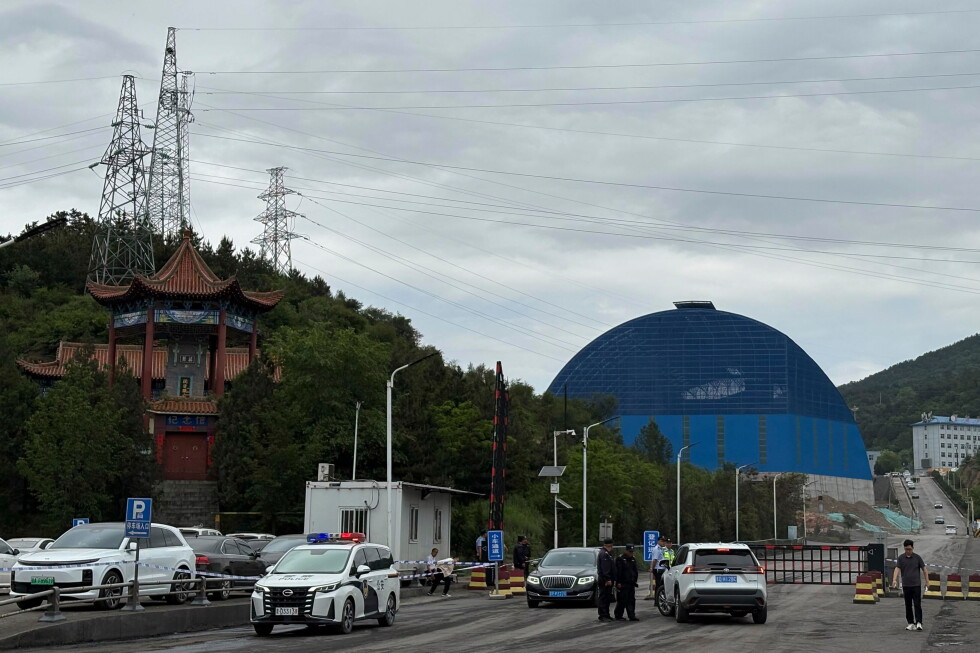
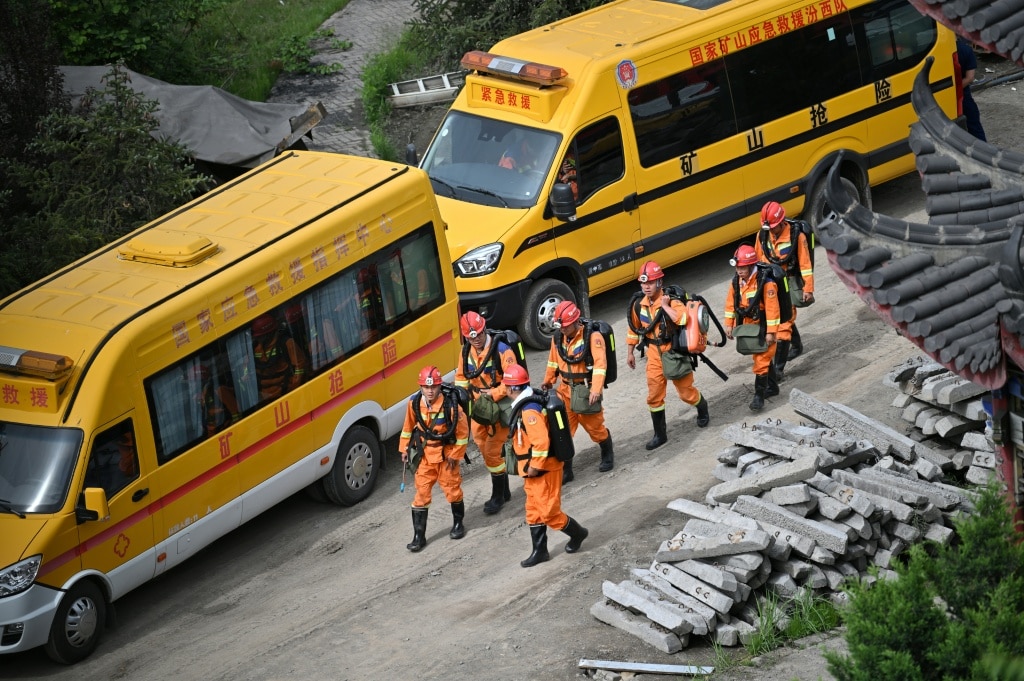
    An Associated Press reporter on site observed heavy security presence cordoning off the mine entrance, with multiple emergency response vehicles stationed at the facility. State media reports confirm that hundreds of rescuers and medical staff have been deployed to support search and recovery efforts. Local authorities announced Saturday evening at an official press conference that two people remain unaccounted for, and dozens of injured miners are receiving hospital treatment. Officials confirmed the death toll has been revised downward from an initial count of 90, attributing the error to chaotic post-blast conditions and inaccurate preliminary information provided by the mine’s operating team.

    According to state media accounts, several hospitalized survivors recalled seeing thick smoke fill the mine tunnels immediately after the explosion before losing consciousness. Local officials have confirmed that the Liushenyu mine committed serious regulatory violations, though they have not yet released specific details of the infractions. China Central Television previously reported that official blueprints submitted by the mine did not match its actual underground layout, a discrepancy that slowed rescue teams’ progress as they navigated the site. All personnel from the mine’s operating company found responsible for the disaster have already been placed under official control, China’s official Xinhua News Agency confirmed.

    Chinese President Xi Jinping has ordered a full, transparent investigation into the explosion and pledged to hold all parties accountable for safety lapses that led to the tragedy. In response to the disaster, Shanxi’s local government has announced a sweeping, industry-wide safety inspection covering all coal mining operations across the province. Inspectors will examine key safety infrastructure including gas drainage systems, ventilation networks, real-time safety monitoring tools, and will verify that actual underground layouts match official documentation, per local authorities.

    Shanxi, an inland province of roughly 34 million people located southwest of Beijing, is the backbone of China’s coal industry, with hundreds of thousands of workers employed in its mines. The province produces approximately 1.3 billion tons of coal annually, accounting for nearly one-third of China’s total national coal output. The planned blanket safety inspections are expected to temporarily impact production volumes across the province as facilities are audited for compliance.

    Despite China’s aggressive push to expand renewable energy capacity as part of its carbon neutrality goals, coal remains the country’s dominant energy source, favored for its abundant domestic reserves and low cost. While major mining accidents were once far more common across China’s coal sector, authorities have introduced widespread safety reforms over the past two decades that have sharply reduced annual fatalities. This disaster, however, underscores ongoing challenges in enforcing safety standards, particularly at smaller or non-compliant operations.

  • Wild photos reveal carnage after allegedly drunk driver crashed onto South Australian beach

    Wild photos reveal carnage after allegedly drunk driver crashed onto South Australian beach

    Shocking images have been made public showing the extensive damage left by an alleged drunk driving incident that sent a car careening through safety barriers and onto a popular South Australian beach over the weekend.

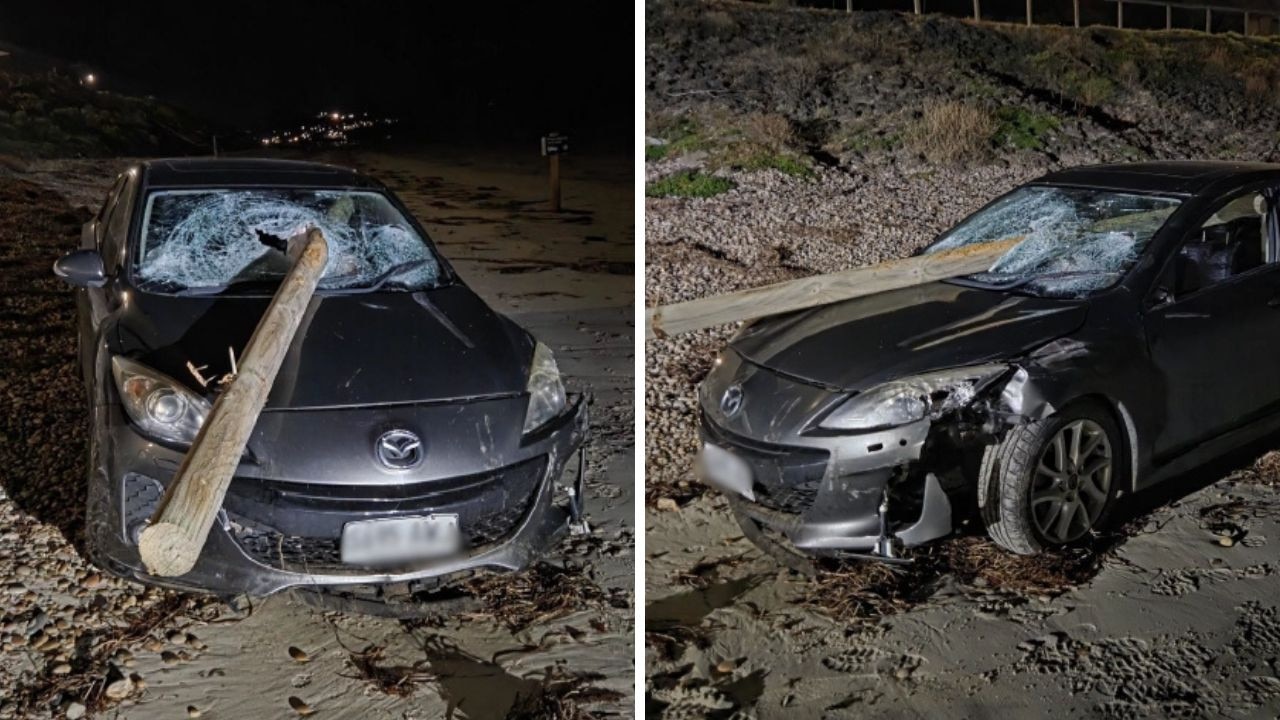
    The crash unfolded at approximately 12:30 a.m. on Sunday at Aldinga Beach, a coastal spot located roughly 45 kilometers south of the state capital Adelaide. According to South Australia Police reports, a 32-year-old female driver was operating a Mazda Sedan when she failed to negotiate the road along the Esplanade, slamming into a heavy timber guardrail. The force of the impact pushed the vehicle over the edge of the elevated road, sending it rolling down a steep embankment before coming to a stop on the sand of the beach below.

    Graphic photographs released by law enforcement capture the severe wreckage caused by the collision. One image shows a section of the wooden guardrail piercing all the way through the car’s front windscreen, leaving the glass completely shattered and scattered across the vehicle’s interior and surrounding sand. Miraculously, the driver was able to exit the vehicle on her own and walked away from the violent crash with no reported physical injuries.

    Once officers arrived at the scene to respond to the crash, they administered a standard breath alcohol test to the driver. The test returned a reading of 0.110, more than double the legal blood alcohol limit for driving in Australia. Police subsequently took the woman into custody and charged her with multiple drunk driving offenses. As an immediate penalty, her driver’s license was suspended on the spot for a period of six months.

    Following the incident, the wrecked vehicle was removed from the beach via towing to clear the public recreational area. Authorities have issued a public call for any members of the public who may have witnessed the crash or have additional information about the incident to come forward and assist with the ongoing investigation. The accused driver is scheduled to appear at a local court at a future date to answer the charges against her.

  • A 9-story building under construction in Philippines collapses, possibly trapping dozens of workers

    A 9-story building under construction in Philippines collapses, possibly trapping dozens of workers

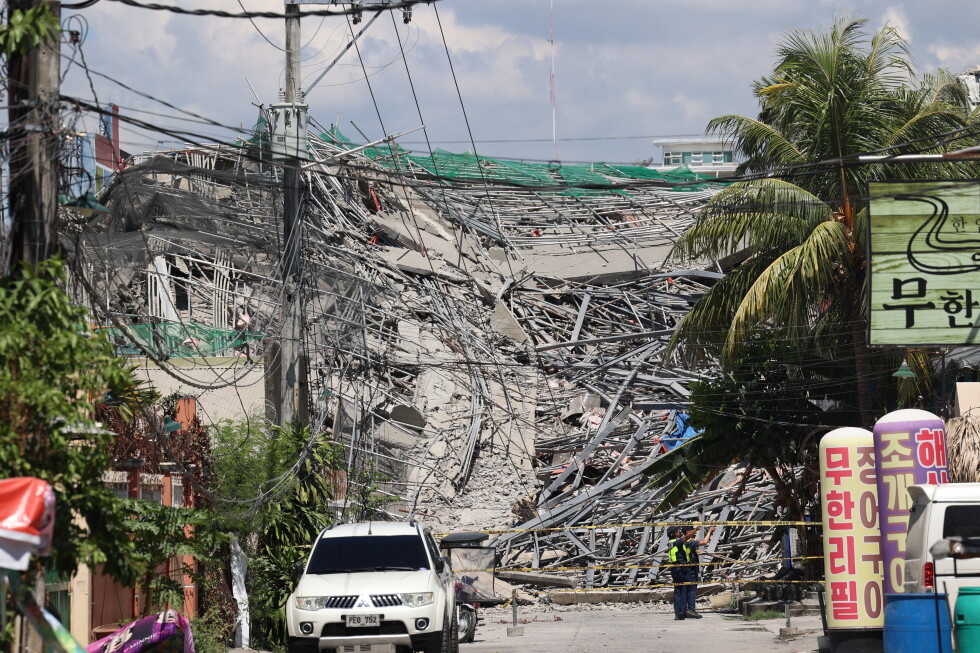
    In the pre-dawn hours of Sunday, a violent thunderstorm triggered the collapse of a nine-story building under construction in Angeles City, Pampanga — a bustling commercial hub just 80 kilometers north of the Philippine capital, Manila. Philippine law enforcement officials confirmed that while 22 construction workers successfully evacuated the unstable structure before it crumbled, dozens more remain unaccounted for, with fears that many are trapped beneath piles of concrete and steel rubble.

    More than 100 rescue personnel, including police officers and other government emergency responders, have been deployed to the disaster site to launch a urgent search-and-rescue operation, according to police Brigadier General Jess Mendez, who is overseeing the response on the ground. Mendez noted that no fatalities have been confirmed in the incident as of initial updates, but several of the 22 evacuated workers have been treated for injuries sustained during their escape.

    Authorities have not yet been able to confirm an exact number of trapped workers. However, Angeles City Information Office chief Jay Peladio shared that based on accounts from an on-site construction foreman who escaped the collapse, at least 30 workers may still be buried in the rubble.

    Located in northern Luzon, Angeles City holds unique historical context: it was once home to one of the largest United States Air Force bases outside the U.S. mainland before the facility closed in the early 1990s. The base’s departure reshaped the region’s economy, transforming Angeles City and surrounding communities into major entertainment and commercial centers for northern Luzon. Today, the former base grounds operate as the Clark Freeport Zone, a key economic development area for the Philippines.

  • China rescuers search for missing after mine blast kills 82

    China rescuers search for missing after mine blast kills 82

    Two days after a devastating gas explosion ripped through the Liushenyu coal mine in northern China’s Shanxi province, emergency response teams continued a desperate search operation Sunday for the last two missing workers, after the blast claimed the lives of 82 people. The explosion, which occurred Friday, ranks as China’s deadliest mining disaster in nearly 20 years, and unfolded when 247 miners were working underground at the shaft, according to official Chinese state media. Hundreds of rescuers have been deployed to the remote accident site, with medical teams evacuating 12 injured people to nearby hospitals by Saturday evening. Late Saturday, AFP correspondents observed a heavy police cordon blocking all access roads to the mine, with only credentialed emergency and official vehicles permitted entry. State media reports confirm teams of helmeted rescue workers rotated shifts descending into the damaged mine shaft overnight to continue the hunt for the two missing workers. “As long as there is hope, we will make every possible effort,” one rescue worker told China’s official Xinhua News Agency. In the wake of the disaster, Chinese national and provincial authorities have launched a full formal investigation into what caused the blast. Preliminary investigations have already uncovered “serious illegal violations” on the part of the company that operates the mine, officials told a press conference carried live on state-run China Central Television (CCTV). Authorities have pledged that anyone found responsible for the accident will face strict punishment under Chinese laws and regulations. Xinhua also confirmed that a senior leader of the operating company has already been taken into police custody. China’s national cabinet, the State Council, has responded to the disaster by ordering immediate sweeping nationwide safety crackdowns on violations common in the country’s mining sector, including falsification of workplace safety data, unreported underground worker headcounts, and unregulated illegal contracting of mining work. One survivor of the blast, Wang Yong, recounted his harrowing escape to CCTV, saying he detected no loud explosion but noticed a strong sulphur odor right before toxic smoke filled the mine tunnel. “I didn’t hear any sound at all, but then a cloud of smoke appeared. When I smelled it, it was the smell of sulphur like when people set off firecrackers. When the smoke came down, I shouted for people to run,” he told reporters. Wang recalled seeing multiple fellow miners overcome by toxic smoke before he lost consciousness. “After more than an hour, I came to on my own, and then I woke up the person next to me” before the pair escaped the mine, he said. Shanxi, one of China’s less economically developed provinces, is the core of the country’s national coal mining industry, producing much of the fossil fuel that powers China’s industrial grid. While national mine workplace safety has improved markedly over the past three decades, deadly accidents still occur with some regularity, as many smaller operations cut corners on safety protocols and regulatory enforcement remains inconsistent in many regions. Just last year, an open-pit coal mine collapse in the northern region of Inner Mongolia killed 53 workers. Beyond the human cost of the disaster, the accident draws renewed attention to China’s ongoing reliance on coal: the country is the world’s largest consumer of coal, and the world’s top greenhouse gas emitter, even as it expands renewable energy capacity at a global record pace.

  • In Japan, divorce splits parents from children. Could a law change end sole custody?

    In Japan, divorce splits parents from children. Could a law change end sole custody?

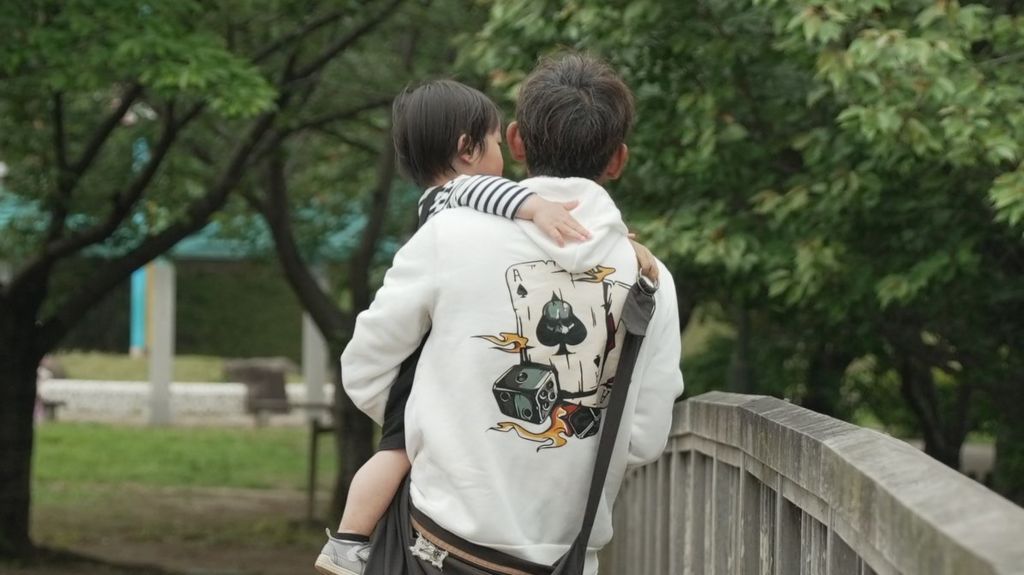
    On a quiet weekday afternoon in a Tokyo residential neighborhood, John Deng (a pseudonym to protect his privacy) lingers near a local playground, straining to catch the sound of laughter that might belong to his 8-year-old son and 10-year-old daughter. For nearly three years, the Hong Kong-born long-term Japanese resident has been locked out of the daily rhythms of his children’s lives, after his marriage ended and his ex-partner took the children without advance notice. Today, he only gets a handful of supervised hours with them each month, with no unsupervised contact in between. His story is far from unique in Japan — until this year, decades of family law forced hundreds of thousands of children to grow up without regular access to one parent after divorce.

    That landscape shifted dramatically on April 1, 2026, when a landmark revision to Japan’s Civil Code came into force, formally legalizing joint child custody for divorced couples. Before the amendment was approved by Japan’s parliament in 2024, Japan stood alone among G7 nations as the only country that did not recognize the legal concept of shared parental custody after separation. Under the previous sole custody regime, only one parent held full legal rights over children after a split, and the non-custodial parent could be completely cut off from their children’s lives unless the custodial parent voluntarily granted access. In practice, custody was most often awarded to whichever parent removed the children from the shared home first, creating a race for custody that left many non-custodial parents disconnected from their kids.

    Seiya Saito, a family lawyer at Tokyo’s Setagaya International Law Office, notes that the shift to joint custody aligns Japan with a global consensus centered on prioritizing children’s best interests. “It always shocked me that every time I speak to lawyers in the US and the UK, they say that it’s not about win or lose, it’s just focusing on the best interest of children,” Saito explained. The new legal framework codifies the principle that children typically benefit from maintaining healthy relationships with both parents, while also spreading parental responsibility more evenly between separated couples.

    Latest official data from Japan’s Ministry of Health, Labor and Welfare shows that roughly 38.5% of Japanese marriages ended in divorce in 2024 — equal to one out of every three unions. That same year, women retained sole custody in more than 86% of all divorce cases, and joint custody arrangements made up only a tiny fraction of finalized custody agreements. Overall, more than 164,000 children under 18 were affected by sole custody arrangements after parental divorce in 2024. The legal reform comes amid broader national pressure to support families, as Japan grapples with plummeting birth rates and a rapidly aging population that has pushed policymakers to re-examine systems that place disproportionate burden on single parents.

    For parents like Deng, who have spent years fighting for even limited access to their children, the new law offers a rare glimmer of hope. Deng, who maintains two residences — one in Tokyo and a second just an hour from his children’s home — says he clings to the possibility that the reform will let him rejoin the ordinary moments he misses: waking his kids up in the morning, taking them to the park, and attending school recitals and holidays like Father’s Day. “They mean the world to me,” he said. “It’s something that no parent should face.” He notes that the current arrangement robs children of their right to connect with both parents whenever they want: “I just feel so empty.”

    Yet the landmark change has sparked fierce debate, with critics and domestic violence advocates warning that the new framework puts survivors of abuse at serious risk. Chisato Kitanaka, co-head of the All Japan Women’s Shelter Network, warns that joint custody could force survivors of domestic violence and child abuse to remain in contact with abusive former partners, trapping them in cycles of harm. “There is a risk that those suffering from domestic violence or child abuse may be unable to escape,” Kitanaka said.

    Those fears are echoed by survivors like Ryo Suzuki (also a pseudonym), who endured years of severe physical abuse at the hands of her ex-husband, including being choked against a wall and dragged by her hair. After winning sole custody of her two children, Ryo thought she had escaped the abuse — but the new law leaves her facing constant anxiety that her ex-husband could petition for joint custody of her 15-year-old daughter, forcing her back into contact with her abuser. “When I got sole custody, I used to think, ‘It’ll be okay from here on out,’ but now there’s the possibility that we might be tied together,” Ryo said. “I’ll have to live with that anxiety until my daughter becomes an adult.” Her 18-year-old son Taro, who witnessed years of his mother’s abuse, says he believes the new law should never have been passed: “I really think this is a law that shouldn’t exist.”

    Lawmakers and supporters of the reform have included explicit legal protections for vulnerable families: Japanese courts are required to award sole custody if they confirm a history of domestic violence that puts children or survivors at risk. Even so, survivors and advocates worry that Japan’s court system will demand hard physical evidence of abuse, which many survivors do not have — abusers often intentionally avoid leaving visible marks, as Ryo says was the case for her. Many survivors remain skeptical that courts will consistently rule to protect their safety.

    Today, the new law occupies a delicate middle ground, balancing the goal of preserving children’s access to both fit parents against the urgent need to protect survivors of domestic abuse. For hopeful parents like Deng, it represents a long-overdue step forward for family law in Japan that could finally restore the relationships he has spent years missing. For survivors like Ryo, it introduces a new source of constant uncertainty that undermines the safety they fought so hard to win.

  • Peru’s Catholic Church holds a symbolic ceremony in apology for Indigenous land dispossession

    Peru’s Catholic Church holds a symbolic ceremony in apology for Indigenous land dispossession

    LIMA, Peru – Decades of unaddressed harm and land disputes came to a pivotal moment Saturday, when top Catholic leaders in Peru gathered with Indigenous Tallán people in the northern community of Catacaos to offer a formal, long-delayed apology for land dispossession carried out by the now-disbanded Sodalitium Christianae Vitae.

    Founded in 1971 as a conservative counter-movement to the left-leaning liberation theology that spread across Latin America in the 1960s, Sodalitium grew to become one of Peru’s most influential religious societies, boasting roughly 20,000 members across South America and the United States at its peak. But the organization’s reputation collapsed after decades of hidden misconduct came to light, leading to its full dissolution by the late Pope Francis in 2025. A sweeping Vatican investigation uncovered a pattern of severe abuses, including sexual exploitation by the group’s founder Luis Figari, systemic financial mismanagement by senior leadership, and widespread spiritual abuse against members.

    Calls for accountability first emerged in 2011, when former Sodalitium members submitted formal abuse allegations against Figari to the Archdiocese of Lima. For years, however, neither local church authorities nor the Holy See took meaningful action. It was not until 2015, when a survivor and an independent journalist published a book detailing the group’s wrongdoings, that pressure for a full investigation became impossible to ignore. After an unsuccessful internal reform attempt, Pope Francis dispatched two of his most trusted investigators – Monsignor Jordi Bertomeu, who led Saturday’s ceremony, and Archbishop Charles Scicluna – to probe the claims. Their final report exposed a troubling culture of “sadistic,” sect-like abuse of power, misappropriation of church funds, and coordinated harassment of whistleblowers and critics.

    Saturday’s ceremony marked a long-overdue step toward repairing harm that extends far beyond internal religious abuse, to the displacement of Indigenous and rural communities in Catacaos. Land disputes between the Tallán people and Sodalitium-linked entities stretch back more than 10 years, after companies tied to the group launched legal eviction proceedings to seize thousands of hectares of land held by local farmers, through a series of property transfers that the community has never legally recognized. Dozens of local farmers were charged with criminal usurpation in the wake of the claims, and two community land rights leaders were shot and killed during violent clashes over the eviction efforts.

    Addressing a packed congregation of community members and church leaders, Bertomeu, the apostolic commissioner who oversaw Sodalitium’s dissolution, offered an unflinching acknowledgment of the church’s decades-long failure to act. “We are here to ask for your forgiveness in the name of the Church,” he said. “We are late. We should have come 20 years ago, and we are truly sorry. Forgive us, offer us your forgiveness, because we too need it.” Bertomeu also shared a message of solidarity the late Pope Francis sent to the Catacaos community in 2024, which read: “Fight for your lands, I am with you.”

    The historic ceremony comes months after the Peruvian Episcopal Conference confirmed that Pope Leo XIV is considering a visit to the South American nation before the end of the year. Tania Pariona, secretary of Peru’s National Human Rights Commission, framed the event as a groundbreaking step for accountability in the country. She noted that the church’s gesture puts it far ahead of Peru’s national government, which she said has repeatedly failed to uphold the land rights of rural and Indigenous communities. Describing Catacaos as a community still “fearful and broken” after decades of conflict, Bertomeu’s apology opens a new chapter in reckoning with the harm caused by one of Latin America’s most influential fallen Catholic organizations.

  • How the ‘Netflix effect’ is hampering a generation’s Australian dream

    How the ‘Netflix effect’ is hampering a generation’s Australian dream

    For generations, the Great Australian Dream – owning a fully paid-off home by retirement – stood as a defining life goal for working people across the country. Once widely achievable for most households, this long-held ambition has grown increasingly out of reach for younger generations today, driven by a toxic mix of skyrocketing property values and a shifting cultural attitude toward consumption and instant access that financial experts have dubbed the “Netflix effect.”

    Unlike the structural economic pressure of housing costs that have outstripped real wage growth for decades, the Netflix effect describes a broader cultural shift away from delayed gratification, a core value that allowed previous generations to slowly build wealth and save for a down payment on a home. Today’s young people, raised in an on-demand economy defined by streaming services like Netflix, ride-hailing apps such as Uber, and constant instant digital access, have grown accustomed to getting what they want immediately – a mindset that financial industry leaders argue is spilling over into long-term financial planning.

    Adelaide-based mortgage expert Marissa Schulze, founder of High Rise Financial Solutions, explains that the generational gap in expectation traces directly to this cultural shift. “When older generations were growing up, they had to wait for things – whether that was waiting until next week for the next episode of their favourite sitcom. They come to learn that good things come to those who wait,” Schulze said. “But nowadays, people are so much more use to having things now and at their convenience, through things like Uber and Netflix.”

    This constant access to instant satisfaction, she added, has eroded young people’s intuitive understanding of the value of long-term saving, making it far harder for many to set aside the funds needed for a property down payment. Even so, Schulze stressed that the Australian dream is not dead – just harder to reach than it was for previous generations. “It certainly is a lot harder for young people to save for a deposit, that is the big part, but it is still possible,” she noted. “I think maybe young people as a result of changing ideas and values do perhaps have less realistic expectations for what they want in a first home and so are less prepared to have a home as a first step then trade up. But I do also think there is a greater need to be more disciplined about saving, and lots of young people are.”

    That assessment is echoed by Sean Lee, director of Finance Quarter, who argues that the “want it now” mindset that defines modern culture comes with a tangible long-term cost. Lee points to social media as a key amplifier of this attitude, encouraging young people to take on debt for discretionary purchases ranging from new cars to international vacations just because they can qualify for borrowing. Small recurring costs, from multiple streaming subscriptions to monthly gym memberships, also add up over time, eating into funds that could otherwise go toward a housing deposit.

    “Social media in particular has created a culture where we want things now – so people may borrow for a new car or a holiday just because they can,” Lee explained. “This type of lifestyle makes it far more difficult to save up for a deposit. Things like subscription services and gym memberships do not sound a lot, but it does all add up. We have a ‘want it now’ society, but that does come at a price.”

    Like Schulze, Lee confirms that the dream remains achievable, but it looks different today than it did for older generations. It requires far more intentional financial planning, and is particularly challenging for single buyers, he said, adding that improved financial literacy education would go a long way to helping young people reach their goals. He also acknowledged that structural economic factors play a major role: in many parts of Australia, property prices have jumped 50% to 100% over just the past five years, a surge that average wage growth has nowhere near kept up with.

    Veteran financial advisor Peter White of the Financial Brokers Association of Australia, who has worked with first-time home buyers for 47 years, said saving for a deposit has always been challenging, even for previous generations. The biggest difference today, he argues, is the soaring cost of everyday living that leaves less disposable income for saving. To make the dream work, modern first-time buyers must be willing to compromise on location and size, he said.

    “It may be that you have to come to terms with not being able to buy in the same area as your mum and dad – you may have to move to a different suburb or something smaller,” White said. “Saving in the modern world is quite different to what it once was and it is a lot harder to do – and there’s always something that makes it harder. I do think we’ve become a bit more relaxed and prefer to have things the easy way than the hard.”

    His top advice for aspiring homeowners? Set realistic expectations, start saving immediately, and be prepared to make short-term sacrifices, such as taking on extra work to build up funds. He also reminds buyers to account for extra closing costs that can add up to roughly 5% of a home’s purchase price on top of the down payment.

    Ben Kingsley, managing director of Empower Wealth, echoes the call for adjusted expectations, emphasizing that younger buyers should not expect to purchase their ideal forever home as their first property. Instead, he encourages buyers to get on the property ladder with a more affordable entry-level home, then build equity to trade up to a larger or more desirable property later in life. That first step is particularly challenging for buyers who want to settle in major Australian capital cities, where prices have risen fastest, he noted.

    “Getting that deposit is definitely getting harder and harder,” Kingsley said. “However, if you trade down your expectations, you also trade down the size of the deposit you need and then have your first step. What you are finding is that people are coming into home ownership later in life. A big question is whether there is any sense of delayed gratification nowadays? The truth is, if you want the dream to become a reality, you are going to have to be prepared to buckle down.”


  • Quiet Chinese county hit by deadly coal mine disaster

    Quiet Chinese county hit by deadly coal mine disaster

    The quiet rural county of Qinyuan in northern China’s Shanxi province, a region dotted with underground coal mines that have long been the economic backbone of the area, has been shattered by one of the deadliest industrial accidents in the country’s recent history. On the evening of Friday, May 22, 2026, a violent gas explosion ripped through the Liushenyu coal mine at 7:29 pm local time, when 247 miners were working deep below the surface. As of Saturday, official state media reports confirm at least 82 workers have been killed, with two miners still unaccounted for and search and rescue operations ongoing. A total of 128 injured workers have been transported to local hospitals for treatment, making this the deadliest coal mining disaster China has seen in 17 years.

    Preliminary investigations released by state outlets have already flagged severe regulatory violations by the company that operates the mine, raising urgent new questions about workplace safety enforcement in China’s $2 trillion coal industry. For residents of Qinyuan, a quiet county where mining is the primary source of employment for most working-age men, the grief of the disaster is deeply personal.

    Zhang, a local restaurant owner who runs a popular grilled meat skewer shop frequently visited by off-duty miners, especially on payday, told AFP the tragedy has left the tight-knit community reeling. “This is the first time such a big accident has happened here,” she said, speaking on condition of only releasing her surname. Most of the killed miners were the sole breadwinners for their families, she explained, balancing the financial burden of aging parents and young children. “He works in the coal mine, goes down the shaft and never comes back up. How are they supposed to go on living?” Zhang asked.

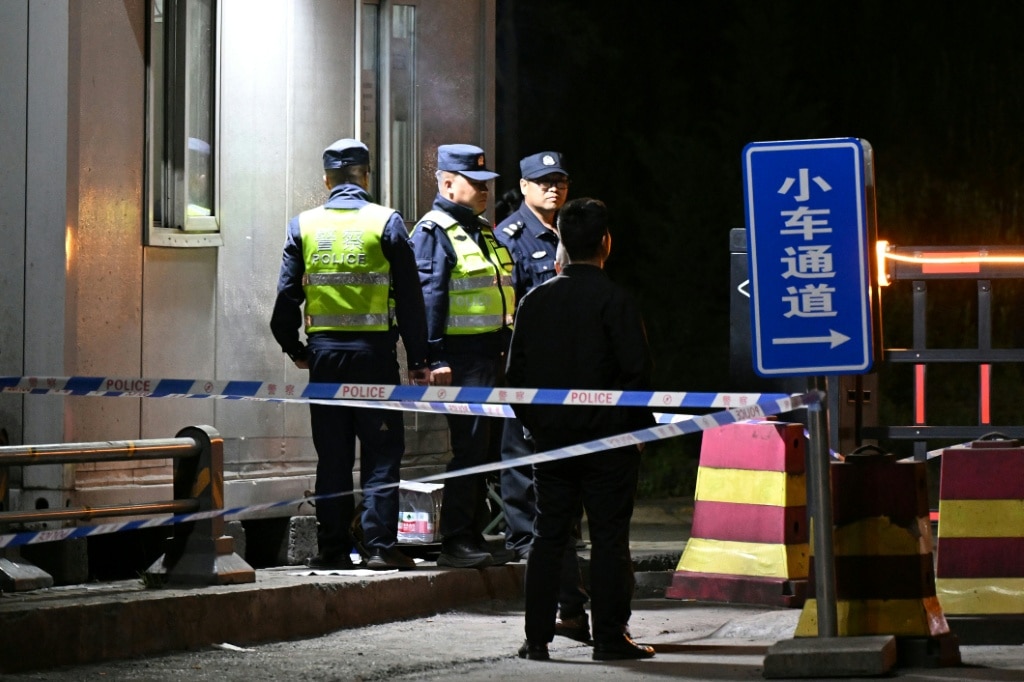
    When AFP journalists visited the area Saturday, access to the mine site was tightly restricted. Local law enforcement blocked all public roads leading to the Liushenyu facility, with security personnel posted at major road intersections only allowing authorized emergency and official vehicles to pass. Though the lit signage for the mine was visible from a distance, on-site security staff declined to comment on the status of rescue operations, saying they were not authorized to release information. One guard did confirm he had worked through the entire night without sleep, responding to the steady stream of emergency personnel responding to the blast.

    Local business owners near the mine site expressed a mix of grief, resignation, and caution when speaking to reporters. At a nearby gas station, staff declined to comment on the disaster, saying they were not aware of the full details and could not speak on the record. One worker did, however, share his quiet hope that the final death toll would not climb higher. At a neighboring Sichuan restaurant popular with miners, a staff member named Li said he had watched dozens of ambulances rush past his shop in the hours after the blast, and while he was shocked by the scale of the accident, he echoed a common sentiment among locals who have grown up around mining work. “Working in a coal mine, this kind of accident is inevitable,” he said, adding that he still holds out hope the two missing miners will be found alive.

    Hospitals that received injured survivors were also cordoned off with police tape, with multiple law enforcement vehicles stationed around their perimeters to control access. In a grim irony, an electronic display outside one local Qinyuan mine greets entering workers with the slogan: “Go to work happy, go home safely.”

    Zhang, who continues to run her small restaurant as the community grapples with loss, holds the same simple wish for the missing: that they will be brought out alive. Even though mining work pays better than most local jobs, she lamented, miners are essentially “earning money with their lives at risk.” Each life lost leaves a hole across multiple generations, she pointed out: “He is also someone’s son, someone’s father, someone’s husband.” Zhang called on national and local authorities to ramp up safety inspections, enforce existing regulations, and do everything possible to prevent similar tragedies from devastating other mining communities in the future.