分类: society

  • Watch: How workers installed ultra-powerful lights on world’s tallest building for NYE

    Watch: How workers installed ultra-powerful lights on world’s tallest building for NYE

    As Dubai prepared for its globally anticipated New Year’s Eve celebration, a team of skilled technicians and engineers undertook a monumental six-month operation to equip the world’s tallest building with an unprecedented lighting system. The Burj Khalifa, standing at the heart of Downtown Dubai, required the installation of nearly 250 high-intensity light fixtures and 70 advanced lasers to execute its legendary pyrotechnic display.

    The installation process itself was a feat of human engineering and courage. Video footage released by Emaar Properties, the developer of the iconic tower, revealed workers suspended by heavy-duty ropes at dizzying heights along the skyscraper’s facade. These technicians meticulously attached the sophisticated equipment while coordinating with ground-based teams managing timing and visual effects.

    Baiju, co-founder of Johnson Technical Services, the Dubai-based firm responsible for the lighting provision, described the intense pressure surrounding the countdown moment: ‘The final seconds elevate our heartbeat; every component must function precisely at the 11:59:99 mark. We experience both nervous anticipation and tremendous excitement.’

    The culmination of 180 days of meticulous planning and physical effort transformed the Burj Khalifa into a radiant canvas of color on December 31, 2025. The spectacle drew millions of residents and global viewers through livestreams, creating another historic entry into Dubai’s record of magnificent celebrations. Mohammed Alabbar, founder of Emaar Properties, publicly acknowledged the technical teams for their outstanding efforts in creating what he termed ‘the world’s most powerful light installation.’

  • Number of registered Nanjing Massacre survivors falls to 23

    Number of registered Nanjing Massacre survivors falls to 23

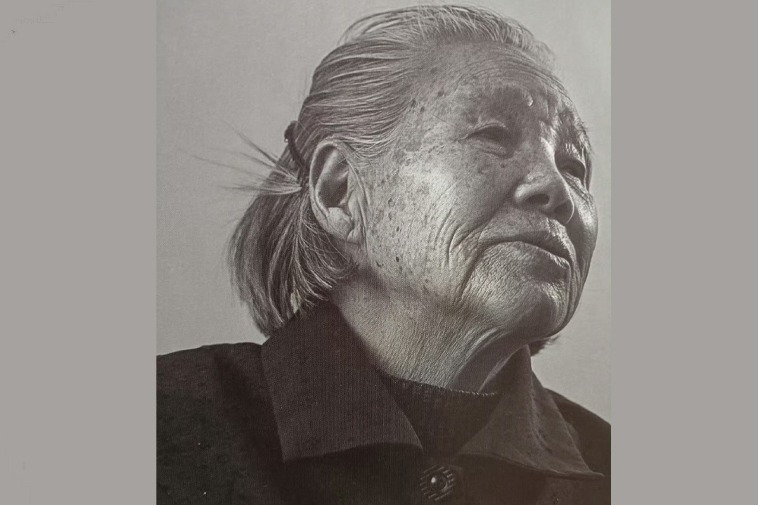
    The community of registered survivors from the Nanjing Massacre has diminished further with the passing of Pan Qiaoying at age 95 on January 1, 2026. The Memorial Hall of the Victims of the Nanjing Massacre by Japanese Invaders confirmed her death, reducing the number of living certified survivors to just 23 individuals.

    Pan Qiaoying was six years old when Japanese forces captured Nanjing in December 1937. Her personal testimony recounts hiding inside a kitchen stove while witnessing Japanese soldiers fatally bayonet her grandfather, father, and cousin during the occupation. This traumatic experience represented one of countless atrocities committed during the six-week period following the city’s capture, where historical records indicate approximately 300,000 Chinese civilians and disarmed soldiers were systematically killed.

    The declining number of survivors presents urgent challenges for historical preservation efforts. Each passing represents the loss of firsthand accounts from what historians consider one of World War II’s most brutal chapters. In response, China has implemented comprehensive documentation initiatives including video testimonies, written transcripts, and official commemoration practices.

    Since 2014, China has observed December 13 as the national memorial day for Nanjing Massacre victims. The international community has likewise recognized the historical significance of these events, with UNESCO inscribing documents related to the massacre onto its Memory of the World Register in 2015. These preservation measures ensure that despite the diminishing number of living witnesses, the historical record and lessons from this tragedy will endure for future generations.

  • Veer Bal Diwas Bravery Awards celebrated at Guru Nanak Darbar Gurudwara Dubai

    Veer Bal Diwas Bravery Awards celebrated at Guru Nanak Darbar Gurudwara Dubai

    The Guru Nanak Darbar Gurudwara in Dubai hosted its second annual Veer Bal Diwas Bravery Awards ceremony, celebrating 23 exceptional students for demonstrating remarkable courage, compassion, and community responsibility. The event transformed into a powerful showcase of youth empowerment as it honored real-life stories of resilience among children and adolescents.

    Distinguished guests included Satish Kumar Sivan, Consul General of India to Dubai and the Northern Emirates, who served as chief guest, alongside Goswami Sushil Ji Maharaj, National Convener of the Bharatiya Sarva Dharma Sansad. The program commenced with vibrant cultural performances by children, setting the stage for the awards presentation.

    Eight participating schools saw their students recognized for exemplary character, with eight recipients receiving comprehensive one-year scholarship packages covering school fees, complemented by commemorative medals and Certificates of Bravery. All other honorees received medals and certificates acknowledging their achievements.

    Surender Singh Kandhari, Chairman of Guru Nanak Darbar Gurudwara Dubai, emphasized the contemporary relevance of the observance: “Veer Bal Diwis transcends historical remembrance—it actively instills essential values in our youth. The ceremony reinforces that courage, empathy, and moral integrity can manifest at any age.”

    The celebration culminated in a community gathering that powerfully emphasized principles of equality, inclusivity, and collective solidarity, creating an atmosphere of shared purpose and mutual respect among all attendees.

  • Survivor describes how she lost sight of friend while escaping flames

    Survivor describes how she lost sight of friend while escaping flames

    A catastrophic fire has resulted in a devastating loss of life, with preliminary reports indicating dozens of fatalities and over one hundred individuals sustaining injuries. The scale of the tragedy has sent shockwaves through the community, prompting a large-scale emergency response.

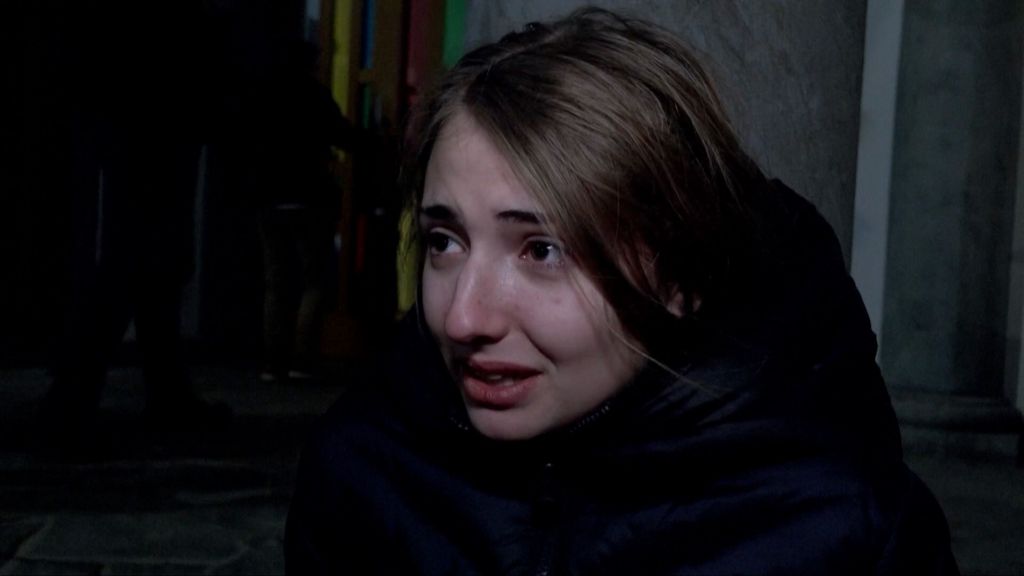
    In a firsthand account that underscores the chaos and terror of the event, a survivor has come forward to describe the frantic moments of her escape. Her testimony paints a vivid picture of the sheer panic that ensued as thick smoke and intense heat rapidly filled the area. Amidst the blinding conditions and the desperate scramble for safety, she described the heart-wrenching moment she became separated from a close friend. The disorienting environment, coupled with the overwhelming rush of evacuees, made it impossible to maintain contact, leaving her to flee the inferno alone, uncertain of her companion’s fate.

    This personal narrative brings a human face to the staggering statistics, highlighting the profound emotional and psychological trauma experienced by those who managed to survive the calamity. Rescue operations continue at the scene as authorities work tirelessly to account for all individuals and investigate the precise cause and origin of the fire, which remains under active investigation.

  • Director of Swiss hospital describes the rush to treat the injured from Alpine resort bar fire

    Director of Swiss hospital describes the rush to treat the injured from Alpine resort bar fire

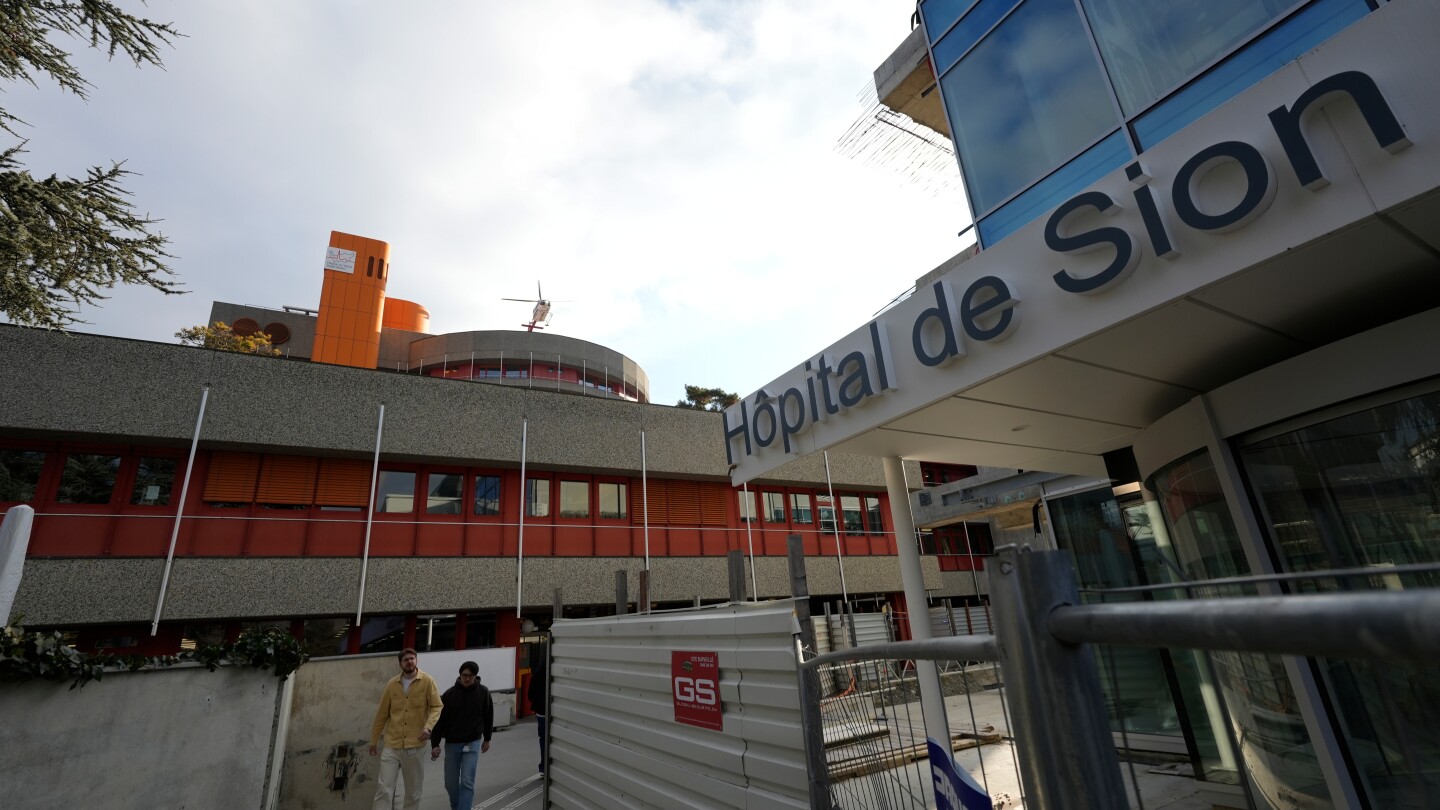
    SION, Switzerland — The regional hospital in this Alpine city found itself at the epicenter of a catastrophic medical emergency when dozens of severely burned young revelers arrived following a devastating fire at Le Constellation bar in Crans-Montana during New Year’s Eve celebrations.

    Despite being accustomed to handling winter sports injuries, medical staff at Sion Hospital faced an unprecedented challenge as they received approximately 80 seriously injured patients within a mere three-hour window. The victims, predominantly teenagers and young adults with an average age of 20, presented complex burn injuries that required immediate and specialized care.

    Hospital General Director Eric Bonvin described the extraordinary response from medical personnel, many of whom abandoned their holiday celebrations to voluntarily assist overwhelmed colleagues. “Many people came spontaneously, even those who were on holiday or having a night out,” Bonvin noted, highlighting the dedication of staff who worked while uncertain whether their own relatives might be among the casualties.

    The medical complexities extended beyond visible burns, with many patients suffering from inhaled superheated air that caused internal airway burns—a particularly devastating injury pattern. Bonvin explained the diagnostic challenges: “Burns are not necessarily apparent initially because nerve endings are destroyed and feelings are lost. The person is primarily in a state of shock, and at those moments, every minute counts.

    The hospital, though lacking a specialized burn unit, mobilized all available resources, opening every surgical operating room and maximizing intensive care capacity. Despite these efforts, the facility quickly reached maximum occupancy, necessitating transfers to other medical centers. By Friday, approximately 30 critically injured patients remained under care at Sion Hospital.

    Bonvin tempered his sobering medical assessment with cautious optimism, noting that the youth of most victims could significantly enhance recovery prospects. However, he emphasized that those with severe burns face months of intensive treatment and a long, arduous rehabilitation process.

    The psychological impact on both victims and caregivers has been profound, with Bonvin acknowledging the trauma of treating young patients from a popular local establishment where many staff members likely knew attendees personally.

  • Delhi flights disrupted, as smog, dense fog lower AQI to ‘very poor’

    Delhi flights disrupted, as smog, dense fog lower AQI to ‘very poor’

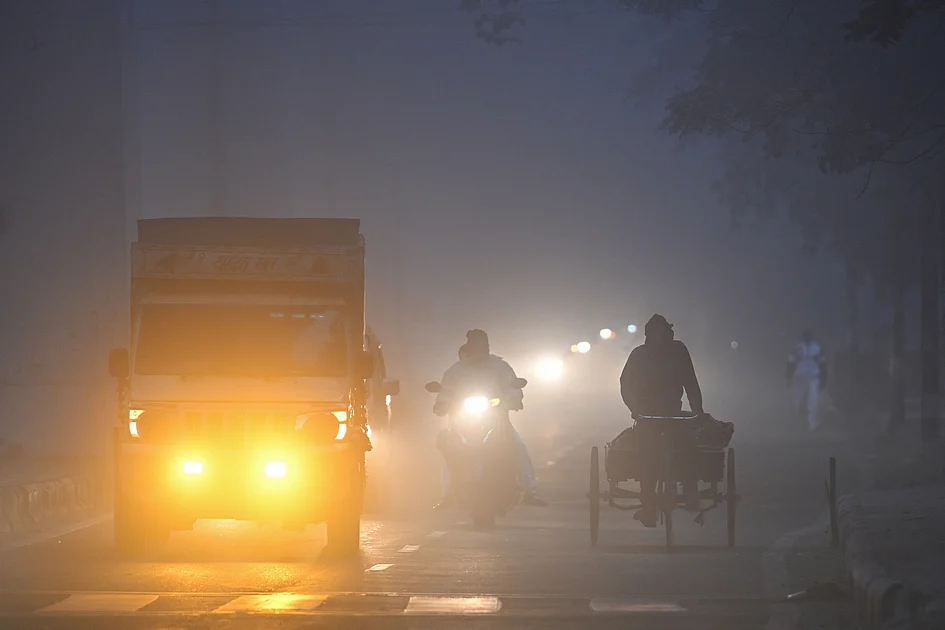
    A severe combination of toxic smog and dense fog enveloped New Delhi on Friday, January 2nd, 2026, creating hazardous conditions that significantly disrupted air travel and daily life. The capital’s Indira Gandhi International Airport experienced substantial flight delays and cancellations as visibility dropped dramatically across the city.

    Airline IndiGo had proactively issued a travel advisory on January 1st, warning passengers of anticipated disruptions. The carrier preemptively canceled several early-morning flights to minimize passenger inconvenience. Travelers were strongly advised to verify their flight status via official channels before heading to the airport, with airline teams actively monitoring conditions and assisting affected customers.

    The environmental crisis was quantified by the Central Pollution Control Board, which recorded an overall Air Quality Index (AQI) of 348 at approximately 8 a.m.—a reading that borders the ‘very poor’ and ‘severe’ classification. Monitoring stations throughout Delhi consistently reported AQI levels ranging from 219 to 348, indicating widespread dangerously poor air quality.

    Despite the challenging conditions, Republic Day preparations continued with security personnel and parade participants persevering through the low visibility at India Gate. The India Meteorological Department reported temperatures around 11°C alongside persistent dense fog, with forecasts suggesting improving conditions beginning Saturday. The combination of extreme pollution and cold wave conditions significantly disrupted morning routines for residents across multiple areas of the national capital.

  • Footage shows partygoer trying to put out flames as blaze takes hold

    Footage shows partygoer trying to put out flames as blaze takes hold

    A deeply unsettling video has surfaced, documenting the initial moments of a fire emergency at a social gathering. The footage depicts a lone individual’s desperate and frantic efforts to combat rapidly spreading flames using what appears to be a piece of clothing or fabric. In a stark and alarming contrast, the scene is underscored by the persistent soundtrack of party music, suggesting the event continued unabated. Simultaneously, several attendees can be seen passively recording the escalating danger on their mobile phones rather than assisting or evacuating. This incident raises profound questions about public safety protocols at private events and the modern bystander response in crisis situations, where documentation sometimes precedes intervention. The chilling visual evidence serves as a critical case study for emergency preparedness and crowd behavior psychologists.

  • A tall building under construction collapses in Nairobi, with 4 believed to be trapped

    A tall building under construction collapses in Nairobi, with 4 believed to be trapped

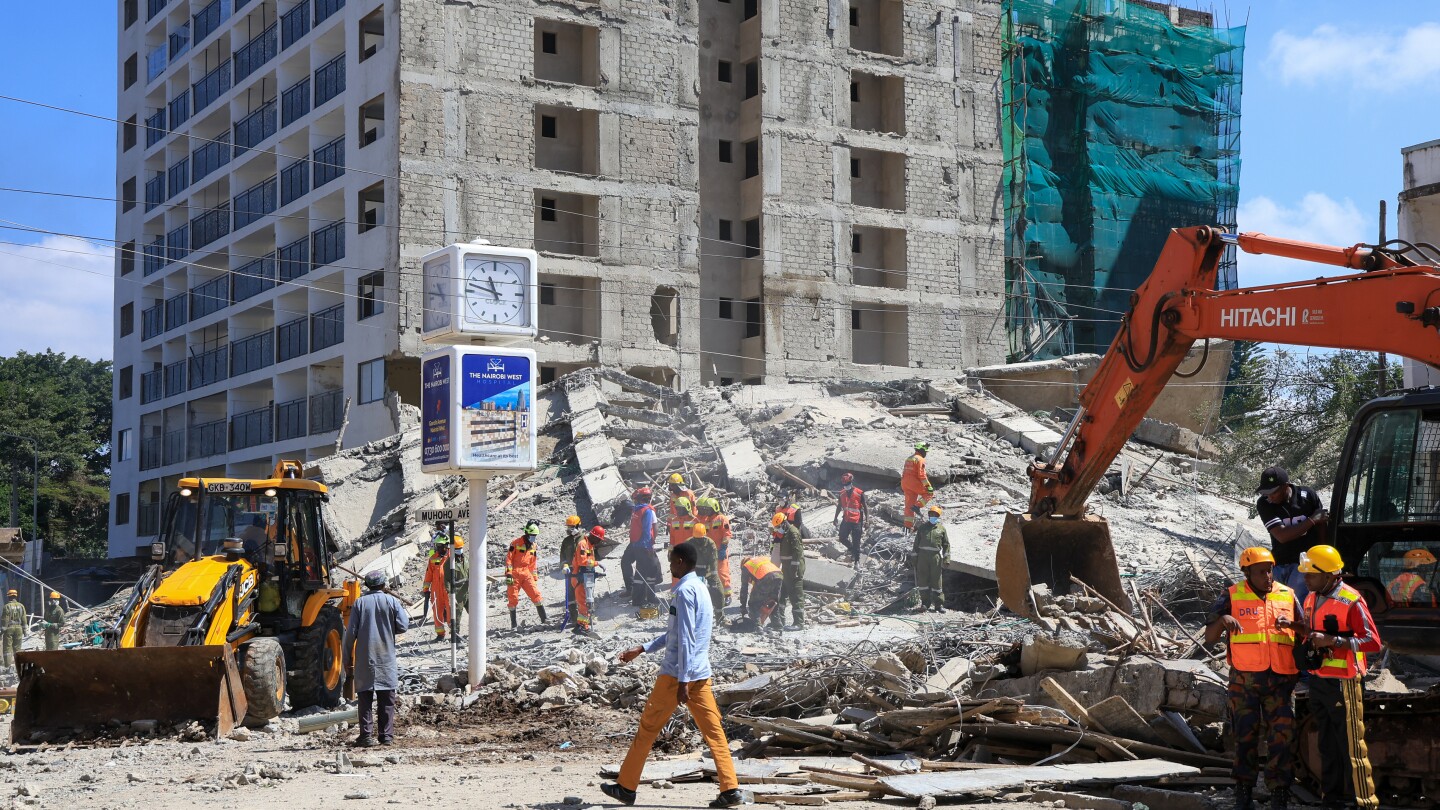
    NAIROBI, Kenya — A multi-story residential structure undergoing construction in Nairobi’s South C district collapsed on Friday, triggering an extensive emergency response operation with at least four individuals confirmed trapped beneath the debris.

    Rescue teams comprising multiple agencies are currently conducting search and recovery operations at the disaster site. The Kenya Red Cross confirmed the deployment of a specialized response unit to manage the critical situation, with workers meticulously excavating through concrete rubble in a race against time.

    Geoffrey Ruku, Cabinet Secretary for Public Service, provided official confirmation regarding the number of persons trapped during a press briefing at the incident location. The human dimension of the tragedy emerged through emotional appeals from relatives, including Safia Ali Aden, whose brother remains among those trapped. She recounted receiving a desperate telephone call from her sibling from beneath the wreckage, pleading for accelerated governmental intervention.

    While investigation into the structural failure remains ongoing, authorities have yet to determine the precise cause of the collapse. This incident revives concerns about construction safety standards within Kenya’s capital, where rapid urbanization and high housing demand frequently lead to regulatory compromises.

    The catastrophe echoes previous building failures that have plagued Nairobi’s development landscape. A 2015 national audit initiated by the presidency—following eight separate collapse incidents that resulted in 15 fatalities—revealed alarming statistics: approximately 58% of structures within the city failed to meet basic construction standards according to the National Construction Authority’s assessment. This recurrent pattern highlights persistent challenges in enforcing building code compliance and development oversight.

  • UAE weather: Partly cloudy skies with chance of fog

    UAE weather: Partly cloudy skies with chance of fog

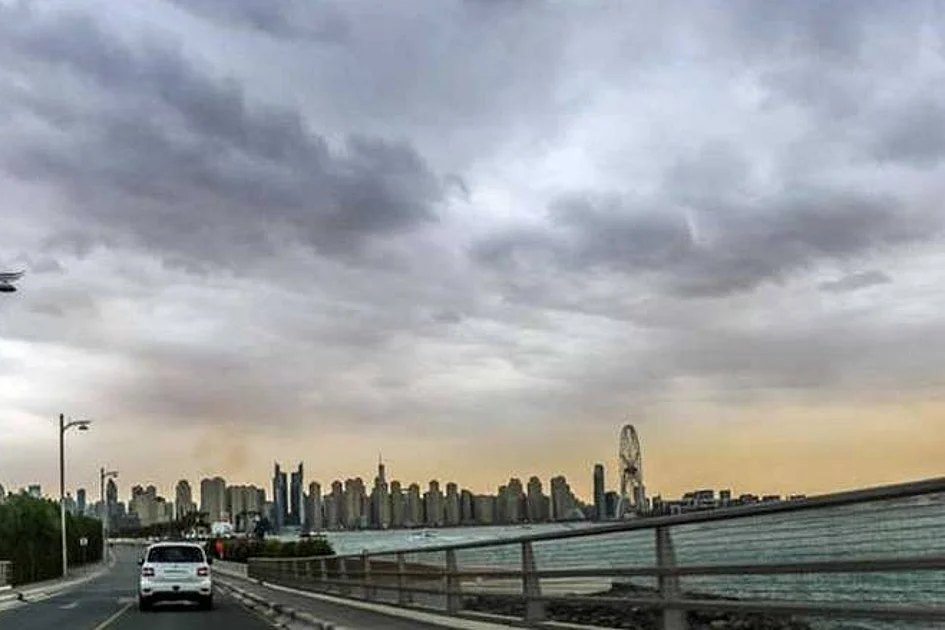
    Residents across the United Arab Emirates should prepare for predominantly fair to partly cloudy conditions on Friday, January 2nd, 2026, as forecasted by the National Centre of Meteorology (NCM). Meteorological data indicates a gradual increase in temperatures, with Abu Dhabi reaching a daytime high of 24°C and Dubai climbing slightly higher to 25°C. Both emirates will experience cooler evening lows of 16°C.

    Weather patterns are expected to shift after nightfall, with humidity levels rising significantly across select coastal and interior regions. This increase in moisture will persist into Saturday morning, creating a high probability for the formation of fog or mist, potentially impacting visibility for early morning travelers.

    Surface winds will remain generally light to moderate, originating from southwesterly to northwesterly directions. While wind speeds will predominantly fluctuate between 10 to 20 km/h, occasional gusts may reach up to 35 km/h. Maritime conditions are forecast to be slight to moderate in the Arabian Gulf, while the Oman Sea is expected to remain calm with slight waves.

  • Families grieve toxic tap water deaths in India city

    Families grieve toxic tap water deaths in India city

    A tragic water contamination incident in Indore, Madhya Pradesh, has resulted in multiple fatalities and widespread illness, casting a shadow over the city frequently awarded as India’s cleanest. The crisis emerged from a pipeline leak that allowed sewage to infiltrate drinking water supplies in the Bhagirathpura neighborhood.

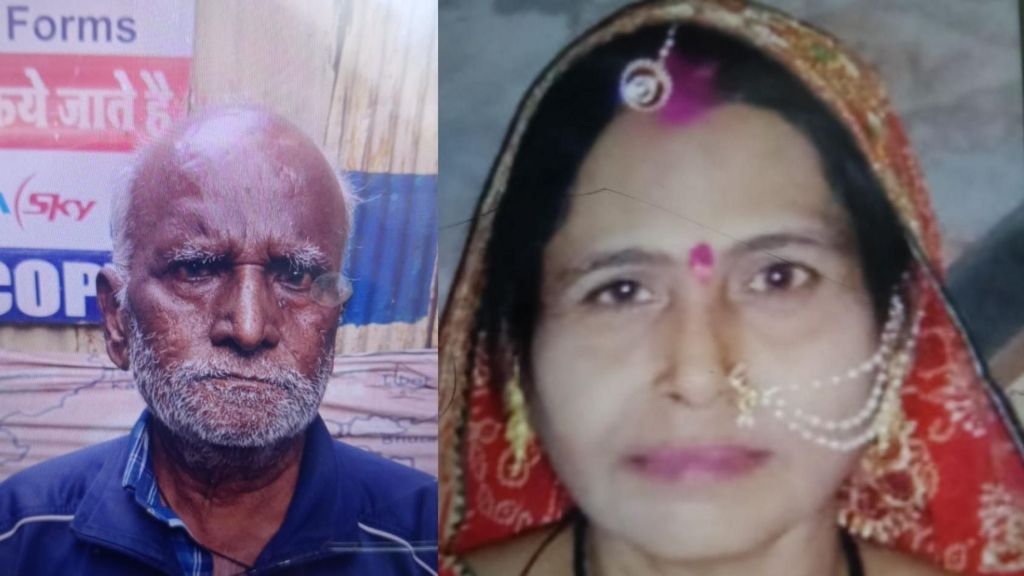
    The outbreak has claimed several lives, including five-month-old Avyan Sahu, who died just three days after consuming diluted cow’s milk prepared with contaminated tap water. His father, Sunil Sahu, recounted how the family had boiled the water-milk mixture believing it would be safe, only to witness their infant succumb to severe diarrhea.

    Official reports present conflicting casualty figures, with Madhya Pradesh Chief Minister Mohan Yadav confirming four deaths through postmortem examinations while local journalists estimate the toll接近 14. The scale of the outbreak is substantial, with health authorities identifying approximately 2,450 cases of vomiting and diarrhea among 40,000 screened residents.

    Healthcare facilities in Indore are overwhelmed, with more than 200 patients currently hospitalized. The municipal corporation has responded by deploying water tankers to affected areas and advising residents to avoid tap water entirely until further notice.

    The political ramifications are significant, with opposition Congress leader Jitu Patwari accusing the governing Bharatiya Janata Party (BJP) of misgovernance and deliberately obscuring the true death count. In damage control efforts, local authorities have dismissed one municipal officer and suspended two others while establishing an investigative committee to prevent future occurrences.

    Residents report having complained about foul-smelling water for over two months prior to the outbreak, raising questions about the responsiveness of local governance in what is consistently ranked as India’s cleanest urban center.