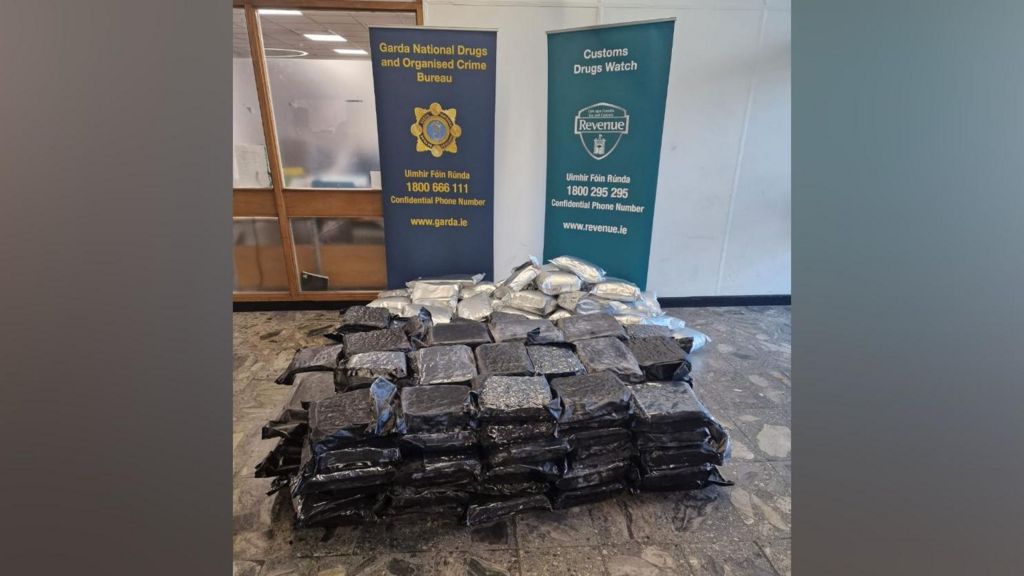
In a major crackdown on illicit drug trafficking in western Ireland, law enforcement agencies have seized a large shipment of cannabis with an estimated street value of €4.2 million (equivalent to £3.6 million) in County Clare. The operation, carried out jointly on Tuesday by An Garda Síochána, Ireland’s national police service, and the Revenue Customs Service, resulted in the seizure of 210 kilograms of suspected cannabis herb. A 40-something male suspect was taken into custody immediately following the raid and continues to be held for questioning as of the latest updates. The seized controlled substances are scheduled to undergo formal forensic analysis to confirm their composition and purity, while active investigations into the broader drug trafficking network linked to this shipment remain ongoing. This seizure marks one of the larger narcotics busts in the region in recent months, underscoring Irish authorities’ continued efforts to disrupt cross-border and domestic illegal drug supply chains.
分类: society
-
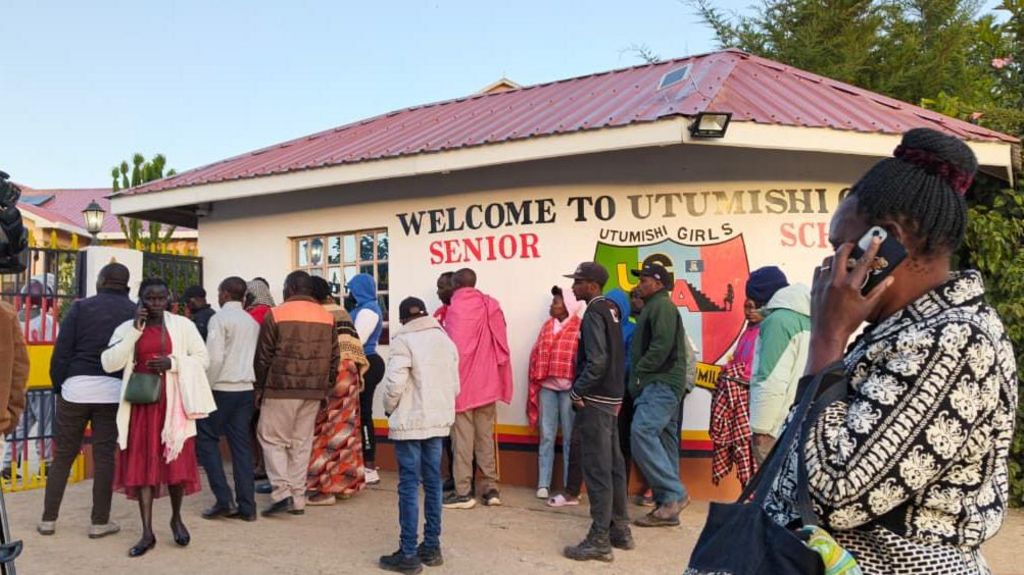
Sixteen pupils killed in Kenya school fire, local police say
A devastating early-morning fire has claimed the lives of 16 students at a public boarding school for girls in Gilgil, a town located roughly 120 kilometers west of Kenya’s capital Nairobi. Local law enforcement confirmed the fatal toll on scene, adding that 74 additional students were being treated for burn and injury-related trauma at area hospitals.
The blaze broke out at approximately 1:00 a.m. local time Thursday, when all residents of the Utumishi Girls School dormitory were asleep, according to joint updates from Kenya’s national police service and the Kenya Red Cross. The fire quickly spread through an entire three-story dormitory block that housed close to 220 students, leaving chaos and destruction in its wake. Many students trapped on the upper floors of the building were forced to jump from windows to escape the flames, resulting in multiple fractures and severe impact injuries among survivors.
Emergency response teams, including Kenya Red Cross disaster response units and local police search-and-rescue teams, were deployed to the school immediately after the fire was reported. As of Thursday afternoon, search operations to clear the dormitory wreckage were still ongoing, and officials have not yet determined what sparked the blaze. Local police commander Masoud Mwinyi told reporters gathered at the school that a full formal investigation into the incident is already underway. The entire school campus has been cordoned off to the public, with only family members of students granted access to the compound to identify surviving children or recover the remains of those killed.
Hundreds of anxious family members gathered outside the school gates in the hours after the fire broke out, gripped by confusion and fear as they waited for updates on their children’s status. Wambui Nderitu, whose niece is a student at the institution, described the chaotic scene for reporters. “When we arrived at the school we were told to queue. Most of us were so worried because we had heard some students had died and others were injured and in hospital,” she said. Nderitu confirmed her niece survived the fire but suffered a broken leg after jumping from the dormitory’s second floor to escape.
This tragedy is not an isolated incident for Kenya’s boarding school system. Deadly dormitory fires have occurred with alarming frequency across the country in recent years, with safety advocates repeatedly pointing to systemic risks including chronic overcrowding in student housing, outdated fire suppression infrastructure, and widespread non-compliance with basic fire safety protocols as key factors that drive high casualty rates when blazes break out.
Mwinyi described the incident as an overwhelmingly devastating tragedy for the local community. “It is a sad and saddening situation,” he told assembled parents and onlookers outside the school.
-
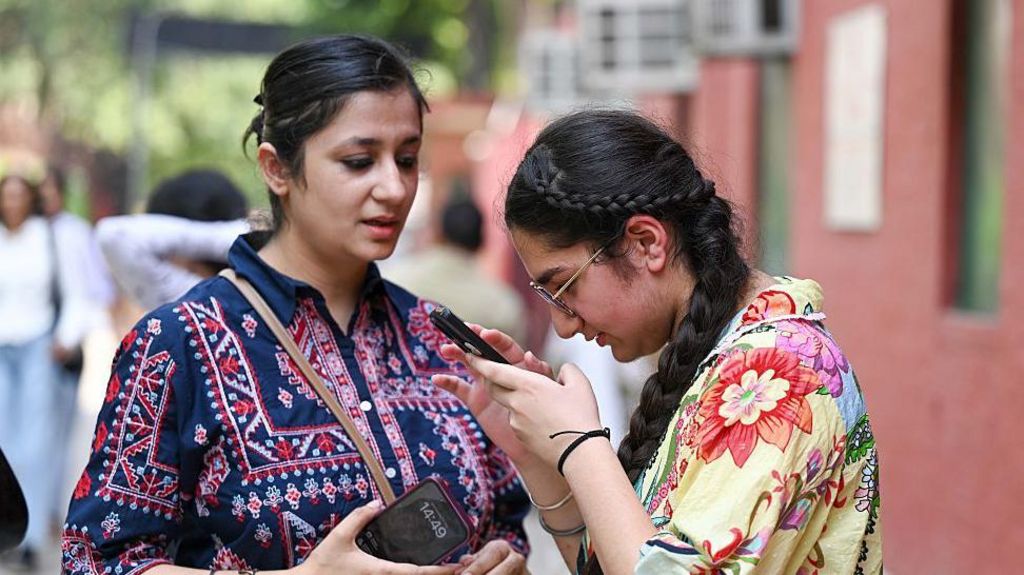
Hacking claims, mismatched answer-sheets: Controversies rock school exam in India
For millions of young people across India, national secondary school leaving exams are far more than a simple academic milestone: they act as the critical gateway to competitive university admissions, future career trajectories and long-term socioeconomic mobility. This year, that high-stakes process has been thrown into chaos by a growing scandal over the newly implemented digital evaluation system for the Central Board of Secondary Education (CBSE) Class 12 exams, which serve approximately 2 million test-takers annually. The controversy erupted after one student’s viral social media complaint about a mismatch between his original physical physics answer sheet and the digital version uploaded for grading, triggering a flood of similar allegations from students across the country.
The system at the center of the dispute, called On-Screen Marking (OSM), was launched by CBSE with the stated goal of reducing human error in manual grading, cutting down on examiner workload, and boosting both transparency and efficiency in the grading process. Under the OSM framework, teachers score physical answer sheets that have been scanned and uploaded to a cloud-based portal, after which a proprietary software automatically calculates the final total marks for each exam. But instead of solving longstanding problems with inconsistent manual grading, students say the new system has introduced a host of new, potentially devastating issues that have tanked their final scores.
Common complaints from test-takers range from blurry, low-resolution scanned copies of answer sheets that made handwritten responses unreadable to entire missing pages of responses, incorrect cross-subject marking, and widespread mismatches between the original physical answer sheets and the digital copies uploaded for grading. The case that sparked national attention involved 12th grade student Vedant Srivastava, who alleged that his physics answer sheet was entirely swapped for another student’s work after he requested a re-evaluation. Srivastava posted on social media that the scanned copy provided by CBSE featured different handwriting and answers to questions he had never attempted, writing, “I studied for an entire year. I sacrificed sleep, peace of mind, outings, everything for these exams. And now I don’t even know whether my actual physics paper was checked. Do students really deserve this?”
Srivastava’s post quickly went viral, drawing hundreds of thousands of interactions and prompting thousands of other students to share their own stories of grading errors and answer sheet mismatches. Several days later, CBSE confirmed it had sent Srivastava the “correct copy” of his answer sheet, but provided no explanation for the initial mismatch. Screenshots released by Srivastava after the correction showed handwritten red ink markings on the sheet, which contrasted with the green digital check marks used in the official OSM process, raising further questions about irregularities in the system.
In response to the growing outcry, CBSE has stated that it remains committed to upholding a “fair and transparent evaluation process” and that all legitimate concerns related to scanned answer books and grading errors will be reviewed by independent subject experts through the board’s official re-evaluation mechanism. As of this week, more than 400,000 students have applied to access scanned copies of their answer sheets, while roughly 1.1 million have requested physical copies for verification. Some students have also reported technical glitches when trying to submit re-evaluation requests, prompting federal Education Minister Dharmendra Pradhan to deploy a team of technical experts from India’s top engineering institutes to support CBSE in resolving technical issues and ensuring a smooth re-evaluation process.
The CBSE controversy has gained even more national traction because it follows closely on the heels of a major scandal surrounding another high-stakes Indian entrance exam: the National Eligibility Entrance Test (Undergraduate), or NEET-UG, the mandatory entrance test for medical school programs across the country. Allegations of a widespread question paper leak in May led to the full cancellation of the exam for 2.28 million test-takers, a disruption that has been linked to multiple reported student suicides.
Opposition Congress leader Rahul Gandhi has seized on the twin controversies to criticize the ruling Bharatiya Janata Party (BJP) and Prime Minister Narendra Modi, accusing the government of neglecting India’s youth and calling for the resignation of the federal education minister. Gandhi has claimed the national examination system is rigged, forcing students to turn to social media to seek redress for systemic failures. The education minister has not yet responded to Gandhi’s allegations.
Compounding concerns about the OSM system are recent security allegations from an ethical hacker who claims he found and exploited critical vulnerabilities in CBSE’s exam grading portal earlier this year. Nisarga Adhikary told the BBC he was able to crack the portal’s master password in February, gaining full access to student answer sheets, personal student records, and examiner accounts. “With that kind of access, one can tamper with the answer-sheets, change marks or even access peoples’ phone numbers and bank details,” Adhikary said. He added that he reported six to seven separate security flaws to India’s Computer Emergency Response Team (CERT-IN), the federal agency responsible for handling cybersecurity incidents, via a series of emails, copies of which have been seen by the BBC.
CBSE has denied Adhikary’s allegations, stating that no security breaches have been detected on the portal used for official live grading work. The board claimed the URL Adhikary flagged as vulnerable was only a test portal that held no actual student evaluation data, marks, or personal information. Adhikary has pushed back on this claim, saying he was able to view real scanned answer sheets and verify a working examiner’s personal details after accessing the portal. “If this was a test portal, why was this information uploaded on it?” he asked. The BBC has sent formal queries to both CBSE and CERT-IN, and responses are still pending.
The overlapping scandals have put increased pressure on Indian education officials to address systemic flaws in the country’s high-stakes examination system, with parents and education experts questioning whether teachers received sufficient training and whether the digital evaluation infrastructure was adequately tested before being rolled out to millions of test-takers.
-

Man meets Dutch volunteer caring for father’s WW2 grave
For nearly 80 years, Leslie Heath of Liverpool carried an unresolvable uncertainty: his father, Sergeant Leslie Heath, had been listed as missing in action from World War II, and his family grew up believing his body was never found. That long-held misunderstanding finally unraveled this year, opening a new chapter of healing and connection that crosses international borders.
Sergeant Heath was just 30 years old when he lost his life in February 1945, fighting alongside Allied forces to liberate the Dutch town of Venray from Nazi occupation. Leslie, his only son, was barely 12 months old when his father shipped out to war, and he never got the chance to build a single living memory of him. For decades, the mystery of his father’s fate hung over the family; Leslie’s mother, who never remarried, died holding fast to the belief that her husband’s remains had never been recovered.
The turning point came when the Venray War Cemetery Foundation launched a public appeal, partnering with BBC North West to trace the families of nearly 100 fallen soldiers from northwest England buried in the cemetery’s grounds. The organization’s initiative was simple but deeply meaningful: volunteers had taken on the work of tending to each grave, and they wanted to add personal photographs to every headstone to humanize the sacrifices of the men who died liberating their country. They weren’t just grave tenders—they were amateur detectives, digging through military records to connect lost soldiers to their long-separated families.
Through the appeal, Leslie was put in touch with Rob Vdhoven, a volunteer with the foundation who had been tending to Sergeant Heath’s grave for months. Rob shared a long-hidden truth with Leslie: his father was not missing at all. He had been buried in a temporary battlefield grave immediately after his death, and his remains were only moved to the permanent Venray War Cemetery in 1947, two years after the war ended, a detail that had never been passed along to his family.
For Leslie, the revelation was life-changing. “I’ve learned more about my father in the last eight weeks than I’ve known most of my entire life,” he shared in an interview.
Last week, the pair finally met face-to-face in Liverpool, after Leslie’s daughter Michelle organized the cross-border trip to give the family a chance to thank Rob personally. Leslie said the connection was instant: “We connected immediately, and I felt like I had known him for ages. It was a strange feeling, but it was a nice feeling, you know? A really nice feeling.” As a token of gratitude, Leslie gave Rob one of his father’s original war medals, a small memento to honor the volunteer’s years of care.
Rob, who visits and tends to Sergeant Heath’s grave once a month, says the work of caring for these fallen soldiers is more than a volunteer activity—it’s a debt of gratitude that can never be repaid. “Because of the man who’s laying at the cemetery we can walk freely in the Netherlands, and that’s a thing that we can never forget,” he said. “Someone has to care about it.”
For Leslie, the knowledge that Rob tends to his father’s final resting place has brought a profound sense of peace after decades of uncertainty. “It gives you a hell of a lot of comfort,” he said. He praised the foundation’s work to add photographs to each grave, noting that the project turns an anonymous headstone into a reminder of a real man who gave his life for a country not his own. “They actually put photographs on the grave of every soldier to make it more human. It’s not a piece of concrete that’s there. It’s a man,” Leslie said. “The care and attention the volunteers give to the graves is absolutely amazing.”
For the Heath family, what began with 80 years of uncertainty has ended in a connection that honors both sacrifice and friendship, binding a British military family to the Dutch community their father died to free.
-
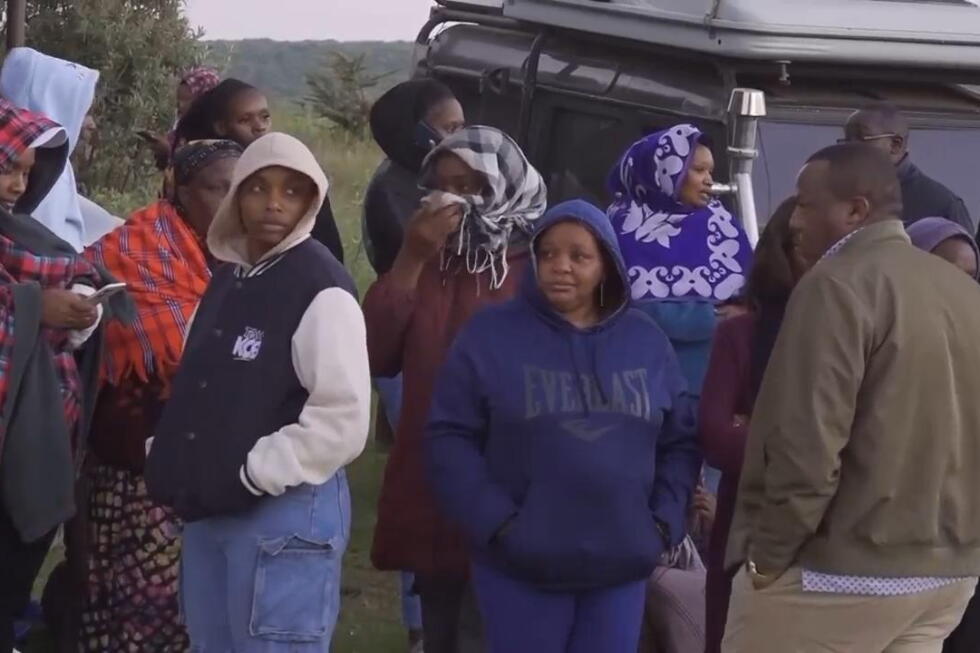
A fire at a girls’ school in central Kenya causes deaths and injuries
GILGIL, Kenya — A devastating overnight blaze broke out at a public girls’ boarding school in central Kenya early Thursday, leaving multiple people dead and others injured, as emergency crews and law enforcement teams continue working to locate every student and staff member unaccounted for. The fire ignited in the student dormitory block at Utumishi Girls School, located roughly 120 kilometers northwest of Kenya’s capital city Nairobi, in the Gilgil region. Local police confirmed they are heading up the multi-agency rescue and emergency response operation that launched immediately after the fire was reported. As of Thursday afternoon, officials have not released an official, confirmed count of casualties. An initial internal government incident assessment has placed the death toll at a minimum of 15, with dozens of injured people already transported to nearby regional hospitals for urgent medical care. The exact origin and cause of the fire remain under active investigation, with no preliminary conclusions shared by authorities as of press time. Tragic school dormitory fires are a persistent, recurring crisis across Kenya’s boarding school system. Past blazes have been linked to a range of causes, from malicious arson attacks to unaddressed faulty electrical wiring that creates fire hazards in aging campus buildings. The deadliest school fire in Kenya’s recent modern history occurred in 2001, when a dormitory blaze in Machakos County claimed the lives of 67 sleeping students. Just this year, in 2024, another deadly fire at a central Kenya boarding school killed 21 students, prompting President William Ruto to declare a national three-day period of mourning for the victims. Prior deadly incidents include a 2017 Nairobi school fire that killed 10 students, which ended in a student being charged with murder in connection with the blaze.
-
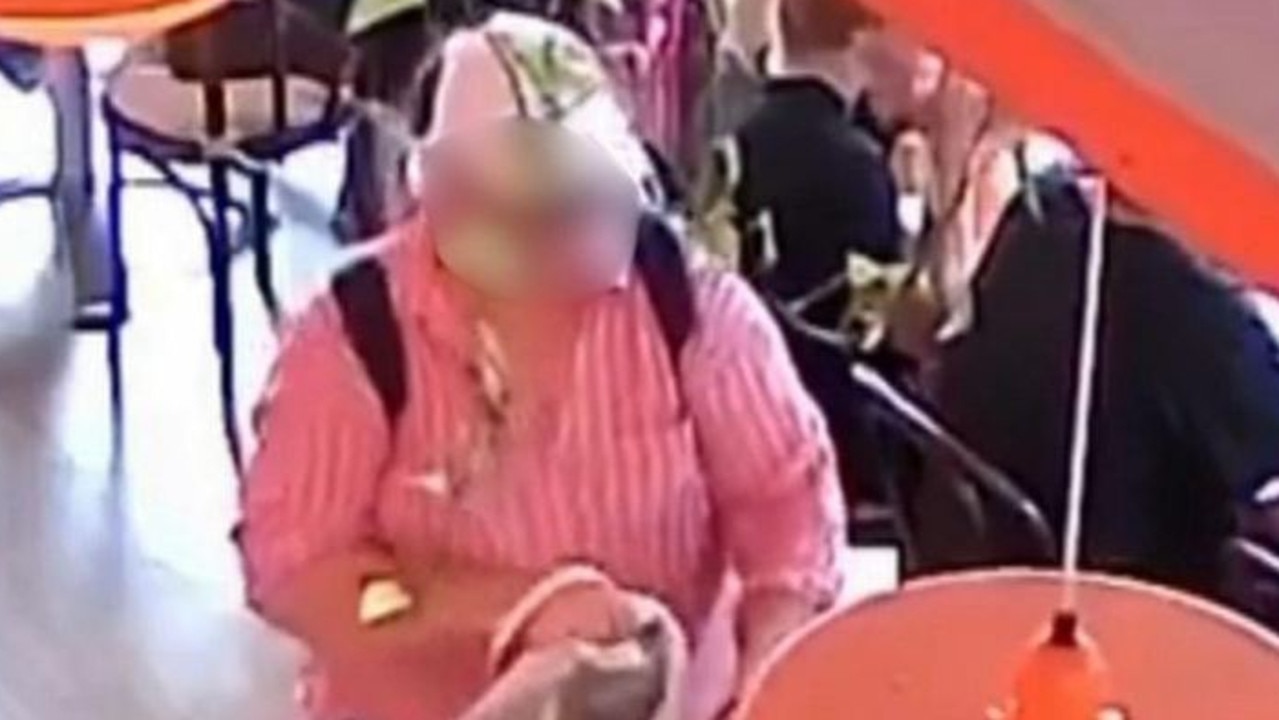
Woman, 50, to appear in court charged with snatching tip jars from Gold Coast cafes
A sweeping investigation into a series of petty thefts targeting small hospitality businesses on Australia’s Gold Coast has concluded with the arrest of a 50-year-old Greenslopes woman, who is set to appear before Southport Magistrates Court Thursday to answer multiple criminal charges.
Queensland Police confirm the woman was taken into custody during a targeted operation at a Surfers Paradise hotel Wednesday evening, though authorities have not yet clarified if she was staying at the accommodation as a guest. The charges laid against her include six counts of stealing, one count of common assault, and one count of unlawful possession of a knife in a public space.
The alleged crimes unfolded between April and May 2024, according to police accounts. Investigators allege the woman targeted five separate cafes spread across five Gold Coast and South East Queensland locations: Surfers Paradise, Biggera Waters, Coolangatta, Brisbane’s central business district, and Inala. In each incident, she is accused of stealing cash-filled tip jars and charity donation boxes from the businesses.
Security camera footage from multiple venues, which was circulated widely across local media and social platforms prior to the arrest, appears to show the suspect waiting for cafe staff to be distracted before slipping the tip jars into her handbag and exiting the premises undiscovered. In the weeks leading up to the arrest, small business owners across additional Gold Coast suburbs including Broadbeach, Miami and Kirra also filed similar reports of stolen tip jars, though it is not yet clear if the accused will be linked to those additional incidents.
The case has drawn local attention because of the disproportionate impact tip jar thefts have on small, independent cafes, where the extra cash often goes directly to frontline hospitality workers who rely on tips to supplement their incomes.
-
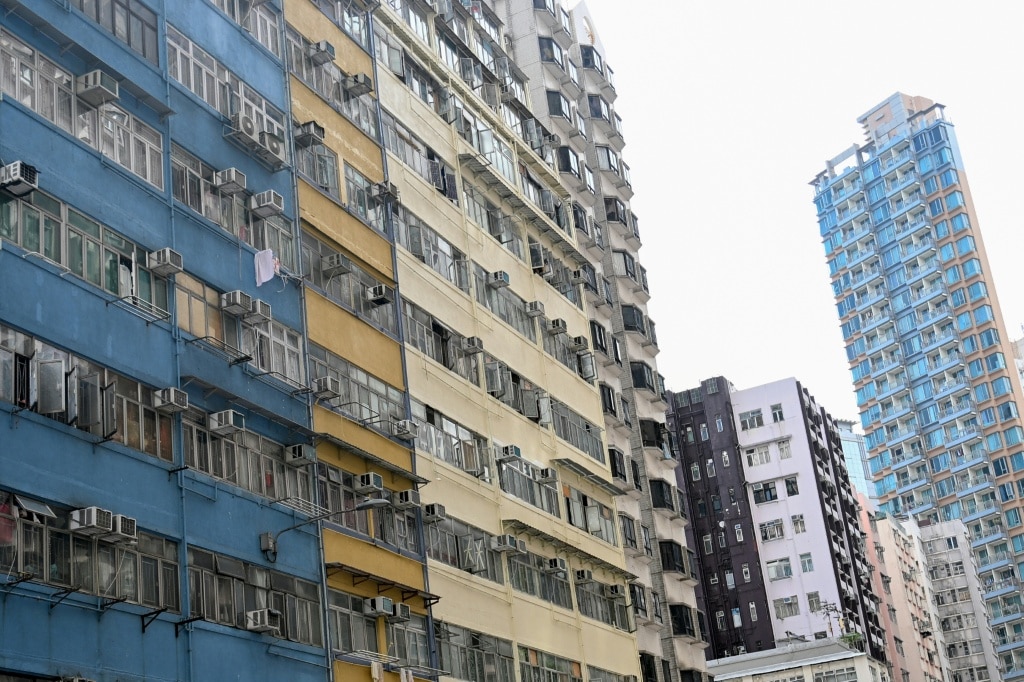
‘Shoebox’ flat reform leaves low-income Hong Kong residents in limbo
For decades, Hong Kong has grappled with a crippling housing crisis: sky-high rents, acute supply shortages, and deep-rooted inequality have pushed hundreds of thousands of low-income residents into cramped, substandard living spaces known as “shoebox flats.” Now, a long-awaited regulatory reform aimed at phasing out these unsafe, tiny units has pushed the city’s most vulnerable households into limbo, as early evictions and a lack of affordable alternatives leave many unsure where they will go next.
The new regulation, which came into force in March, grew out of a directive from Chinese President Xi Jinping for the global financial hub to address its long-running housing woes. Under the new rules, any subdivided unit smaller than 8 square meters (86 square feet) is banned, and mandatory safety and hygiene standards are imposed – requirements including at least one openable window, an enclosed toilet space, and permanent access to a sink. Property owners who register their subdivided units are given until 2030 to complete required renovations or restructure their properties, but many landlords have already moved ahead with eviction notices to clear out tenants ahead of the deadline.
Forty-eight-year-old Lisa Lau, a welfare recipient who receives roughly $930 per month, $330 of which goes to rent, has been living in a 3-square-meter (32-square-foot) subdivided unit in Sham Shui Po, one of Hong Kong’s poorest neighborhoods. Her unit is one of nine separate cubicles split from a single apartment in a 60-year-old walk-up, separated only by thin wooden dividers. With no space for a kitchen, Lau cooks soup and noodles on a rice cooker placed directly on her bed, and shares a single toilet and shower with all other residents of the unit. To keep out rodents and cockroaches, she has taped a foam board across the bottom of her doorway. Months ago, she received an eviction notice, and like many other low-income tenants, she has no clear plan for what comes next.
“I’ll stay here day by day,” Lau told Agence France-Presse. “I don’t know where to go. I’m scratching my head.” Despite the cramped, unsanitary conditions, Lau is reluctant to leave the neighborhood where she has built a small social network, and is waiting to hear if her application for nearby transitional housing will be approved. “As long as the landlord doesn’t come to evict residents, we are so at peace, we are so comfortable,” she said.
Local authorities estimate that more than 220,000 people across Hong Kong’s 7.5 million population live in these shoebox subdivisions, with roughly one-third of all units requiring major structural upgrades to meet the new standards. The Hong Kong Housing Bureau says that more than 100 households have already moved out of Lau’s building, and officials are working to support the remaining 40 households to secure alternative accommodation. In response to inquiries, a government spokesperson noted that authorities have significantly expanded public housing supply, with a target of delivering roughly 196,000 new public units over the next five years, and have sped up application processing for residents waiting for public housing. These measures, the spokesperson said, will reduce overall demand for subdivided units and help keep private market rents stable.
But advocacy groups working with low-income communities say the reform does not go far enough to address the underlying shortage of affordable housing in central, well-connected areas of the city. The Society for Community Organization, a non-profit that supports underprivileged groups, acknowledges that the new rules will help eliminate some of the most dangerous living conditions in the city. But deputy director Sze Lai-shan argues that without more accessible government-supported housing, many poor residents will be left without viable options.
“Don’t expect these people who live in very small flats to move into the new basic housing units. They won’t be able to afford it,” Sze said. “A lot of the poorest people will be very dependent on the government to resettle them.” The organization has documented roughly 300 households already facing forcible eviction – a far higher number than the 35 eviction notices the government says it has received – and Sze expects hundreds more cases to emerge in coming months. While some evicted residents have moved into public or transitional housing, many others have simply relocated to other unregulated, substandard subdivided flats as a temporary stopgap.
The crisis hits even closer to home for low-income workers like 63-year-old Liu Xiaoli, who faces eviction from her current subdivided unit. Divorced, Liu works two part-time jobs as a cook and cleaner to support her daughter and granddaughter on mainland China, and already stretches her income to cover current rent. “If the rent here or in other places goes up, I really can’t afford it,” Liu said. She has been unable to find any alternative accommodation in the area that meets the government’s new size and safety requirements, so she is only delaying the inevitable. “Right now, I’m just delaying as much as I can.”
Notably, the new regulations do not extend to Hong Kong’s even more cramped “coffin homes” – stacked cubicles that resemble oversized bunk beds in dilapidated shared dormitories. Sixty-four-year-old Wan Hon-cheung has lived in a plywood coffin home roughly the size of a single bed for 10 years. He suffers from mobility issues that require a cane, making climbing into his elevated cubicle difficult, and is regularly bitten by bedbugs. He says he hopes the government will eventually extend reforms to improve conditions for people like him, but he has accepted his circumstances. “For us lower classes… this is reality, there’s nothing to complain about.”
-

‘Trump’ buffalo spared sacrifice, sent to Bangladesh zoo
In a last-minute twist that has captured public attention across Bangladesh, a rare albino bull buffalo, widely nicknamed ‘Donald Trump’ for its striking golden blond coat that resembles the former U.S. president’s signature hairstyle, has been saved from ritual slaughter ahead of Eid al-Adha and will now live out its life under professional care at the South Asian nation’s national zoo.
Bangladesh, a Muslim-majority country home to 170 million people, prepares to mark Eid al-Adha — the global Islamic Festival of Sacrifice — on Thursday. For generations, the holiday has centered on the ritual slaughter of livestock, with meat distributed to family, friends, and low-income communities. This year, an estimated 12 million animals including goats, sheep, cattle and buffalo are expected to be sacrificed across the country, giving many disadvantaged households a rare opportunity to enjoy meat during the festive celebrations.
The 700-kilogram (1,500-pound) rare albino bull was originally purchased by a local trader ahead of the holiday, slated for slaughter like thousands of other livestock across the nation. But weeks before the event, the animal went viral on local social media platforms, drawing widespread attention for its unique pale complexion and distinct light-colored mane. Crowds of curious onlookers, social media content creators, and local families flocked to the small farm in Keraniganj, on the outskirts of Dhaka, just to catch a glimpse of the rare animal and snap photos with the unexpected viral star.
The buffalo’s original owner, 38-year-old Zia Uddin Mridha, told reporters that his brother first came up with the nickname ‘Trump’ because of the bull’s unusual flowing light hair. Mridha added that in the weeks leading up to Eid, his property saw a nonstop stream of visitors eager to see the rare buffalo.
Even with the growing attention, Mridha completed the sale of the bull ahead of the holiday, as is common for livestock owners ahead of Eid al-Adha. But just hours before the animal was set to be slaughtered, Bangladeshi authorities intervened to spare its life. Local police were dispatched to seize the buffalo from the new owner, following an official order from the national government to protect the rare animal.
‘Livestock department officials requested that we take possession of the buffalo because it is a rare genetic specimen,’ Mohammad Ruhul Quddus, officer-in-charge of Keraniganj Police Station, confirmed to Agence France-Presse. ‘They noted the albino buffalo is still young, and can be cared for and bred for research and conservation over the next several years.’
After being taken into government custody, the buffalo was transferred to Bangladesh’s National Zoo in Dhaka, where zoo officials have already prepared dedicated accommodations for the new resident. Atiqur Rahman, curator of the National Zoo, told reporters on Wednesday that the facility has set aside a private shed for the albino buffalo, assigned a full-time dedicated caregiver, and implemented a mandatory two-week quarantine to ensure the animal is healthy before it is displayed to the public.
‘We will make sure he gets the best possible care here,’ Rahman said. Since the news of the buffalo’s rescue broke, local media reports indicate that zoo attendance has already seen a small boost, with many locals saying they plan to visit to see the viral animal once it goes on public display.
-
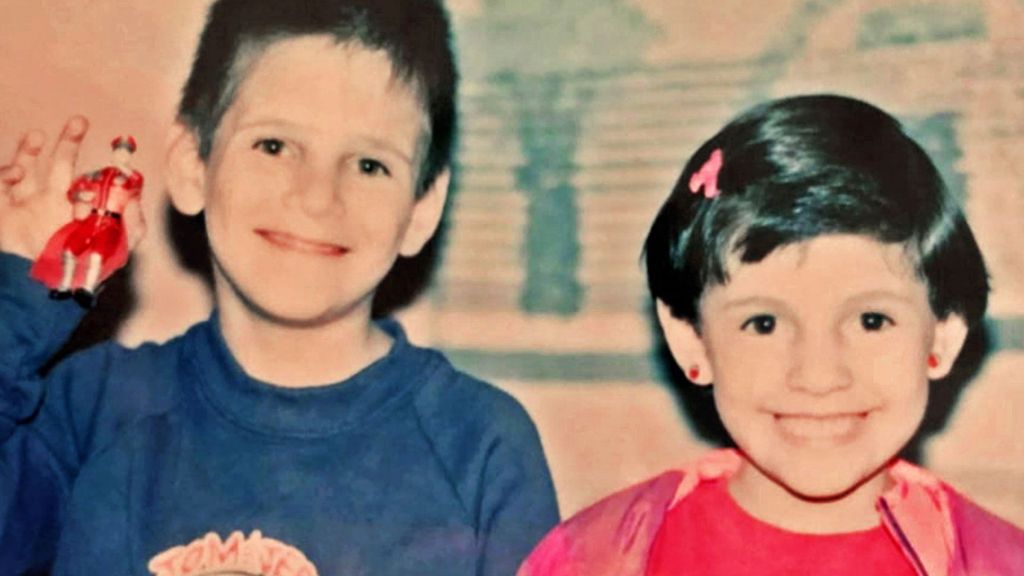
How my brother went from liberal Hollywood actor to manosphere ‘messiah’
A year-long investigation by BBC World Service has uncovered a sharp, underdocumented surge in the popularity of misogynistic manosphere content across the Global South, tracing how algorithmic amplification, financial incentives, and shifting gender dynamics have turned once-marginalized anti-feminist rhetoric into a mainstream, lucrative industry. At the center of the trend is Luis Castilleja, a former aspiring Hollywood actor who now goes by the alias El Temach—Latin America’s largest manosphere creator, boasting more than 11 million followers across social platforms and an annual income from content alone that tops $1.5 million.
A decade ago, Castilleja was a free-spirited creative living a liberal lifestyle in Los Angeles, pursuing work as a performer after studying theater in Mexico City. But after struggling to land consistent roles and experiencing a painful breakup, he returned to Mexico and launched a social media channel in 2020 focused on male self-development. According to his sister Alex Castilleja, a Mexico-based design engineer, his early mission was rooted in good intentions: he wanted to help other young men process feelings of inadequacy and disappointment after life setbacks. That initial purpose quickly warped, however, as Castilleja realized the viral and financial potential of content that blamed women for men’s struggles.
Alex, who has not spoken to her brother in two years, says Castilleja openly admitted he was copying the playbook of Western manosphere figurehead Andrew Tate, whose controversial content had already gone viral globally. As algorithmic engagement rewarded increasingly extreme rhetoric, Castilleja doubled down on misogynistic talking points: he attacks single mothers as poor life choices, labels women who reject traditional gender roles as promiscuous unfit partners, and frames feminism as a movement that erases men’s legitimate struggles. Alex says her brother now suffers from a “Messiah complex,” convinced he is the sole figure who can fix modern men’s issues, and that much of his extreme rhetoric is tailored purely to game social media algorithms. “He believes some things – and others, he’s just experimenting what works best with the algorithm,” she told the BBC, describing his transformation as shocking and tragic, turning a once-close sibling relationship toxic.
El Temach is far from an isolated case. The BBC investigation analyzed 15 leading manosphere influencers based across Latin America, South and East Asia, and Africa, finding that their combined follower counts have tripled on average over the past three years. In Kenya, for example, influencer Andrew Kibe has become a household name, attracting more than 500 million views across hashtags linked to his content, with a fanbase of young men hungry for messaging about male empowerment. Like El Temach, Kibe repeatedly labels women gold diggers, attacks single mothers, and frames gender equality progress as discrimination against men.
Both influencers deny their content is misogynistic. El Temach initially agreed to participate in the BBC documentary before pulling out last minute, launching a profanity-laced rant against the outlet on a live YouTube stream. When confronted by reporters after his sold-out Las Vegas show, his security blocked access. His team has called the BBC’s estimates of his income “highly irresponsible” and categorically denied allegations that he promotes misogyny, calling the claims unfounded and out of context. Kibe went further, disputing the very existence of misogyny as a concept, telling the BBC: “No man hates a woman. We love you – we are like gods to you, worship us.”
Experts say the rapid growth of manosphere content in the Global South is directly tied to recent, rapid gains in gender equality across these regions. As more women enter higher education, the workforce, and positions of leadership, a subset of young men feel disenfranchised and invisible, a gap manosphere influencers have been quick to exploit. A 2025 global survey from King’s College London of more than 23,000 adults found that 57% of Gen Z men agree with the statement: “We have gone so far in promoting women’s equality that we are discriminating against men.” That belief is the foundational tenet of nearly all leading manosphere creators’ messaging.
“He focuses a lot on men as having been dismissed by society, and [the narrative that] women have, you know, been the stars of the show,” explained Dr. Ali Siles, a gender and masculinities researcher at the National Autonomous University of Mexico. “He has this message of: ‘You do matter, believe in yourself.’” For many young men who feel abandoned by traditional support systems, that message resonates. The BBC gained full access to the multi-year social media histories of two Gen Z followers—19-year-old Mexican Julian, and Kenyan university student Ryan—to trace how users drift into manosphere content. Julian, who first started engaging with fitness and car content at 16, encountered El Temach via Instagram’s recommendation algorithm within months; today, he has liked more than 3,000 videos from manosphere creators, and says he believes “feminism has made men’s problems invisible.” Ryan, raised by a single mother, turned to Kibe’s content while searching for guidance on masculinity and success from a father figure, calling the influencer a surrogate for the parental guidance he lacked.
But that validation of men’s struggles comes at a steep cost, researchers warn: it is built on the dehumanization and subjugation of women, rolling back decades of progress toward gender equality by pushing women back into restrictive, stereotypical roles. The investigation found real-world harm linked to this content, including intimate partner abuse. Fernanda, a doctor based in Mexico City, told the BBC her ex-partner—also a doctor—used El Temach’s messaging to justify years of controlling behavior. On the day they separated, she says he locked her in a room and forced her to watch four hours of El Temach’s videos, telling her she was the one at fault for their relationship problems, before threatening to kill her. “I think [my former partner] was already a sexist who was hiding it. But El Temach influenced him to no longer feel bad about it,” she said.
For Alex Castilleja, her brother’s rise is a personal and public warning: it shows how the allure of fame and fortune can push even the most unlikely people into promoting harmful rhetoric that damages lives. “I think he knows what he’s doing on some level. I think that he sees and realises that if he ever owns up to what he did, it’ll destroy him,” she said. “He drifted… into this weird dystopic hell and he’s just this… violence robot. It’s very sad.”
-

What it was like inside court as Matthew Perry’s assistant was sentenced
When the gavel fell in a Los Angeles federal court this week, a chapter tied to the tragic 2023 death of beloved *Friends* actor Matthew Perry came to a pivotal close. BBC correspondent Shaimaa Khalil, one of the journalists present inside the courtroom, witnessed the sentencing of Kenneth Iwamasa, Perry’s personal assistant, who received a 41-month prison term for his role in supplying and administering the ketamine that caused the actor’s fatal overdose.
The proceeding unfolded with quiet tension as family members of Perry and court observers filled the benches, waiting for the judge’s ruling. Prosecutors had argued that Iwamasa’s repeated actions—procuring the illicit ketamine and administering the injection to Perry just days before his death—directly contributed to the actor’s accidental overdose. Iwamasa, who previously plead guilty to one count of conspiracy to distribute ketamine, stood silent as the sentence was read, showing little visible reaction to the ruling.
Khalil reported that the courtroom maintained a somber tone throughout the 90-minute hearing, with prosecutors emphasizing the dangerous ripple effects of illicit drug distribution that ends in the death of a user. Defense attorneys had argued for a lighter sentence, citing Iwamasa’s cooperation with federal investigators and his own history of substance use struggles, but the judge ultimately determined that the severity of the crime warranted a substantial prison term.
This sentencing marks one of the final major legal steps in the case stemming from Perry’s death, which shocked fans across the globe and renewed public conversation about addiction treatment and the risks of illicit recreational ketamine use.