分类: society

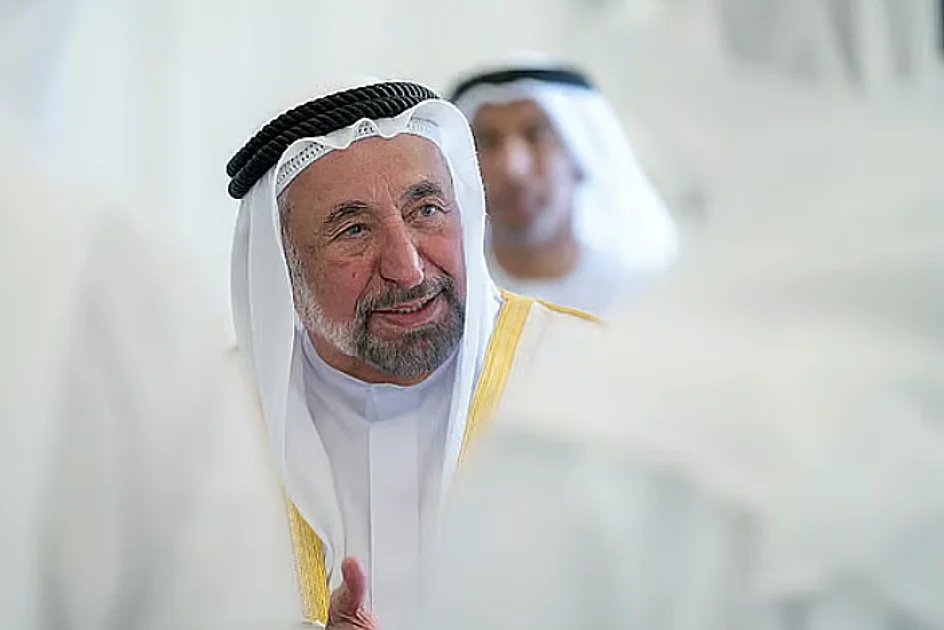
  • Sharjah Ruler raises monthly social support to Dh17,500 for 4,237 cases

    Sharjah Ruler raises monthly social support to Dh17,500 for 4,237 cases

    In a significant move to strengthen social welfare protections, Sharjah’s Ruler Sheikh Dr. Sultan bin Mohammed Al Qasimi has authorized a substantial increase in monthly financial assistance for vulnerable residents. The enhanced program will provide 17,500 AED (approximately $4,765) per month to 4,237 eligible cases across the emirate, representing an annual investment exceeding 404 million AED.

    The comprehensive social support initiative specifically targets several demographic groups facing economic challenges. Elderly residents constitute the largest beneficiary group with 3,126 cases, followed by 877 divorced women and 134 widows. Additionally, 100 low-income households comprising two or more persons aged 45-59 will receive the enhanced assistance.

    Implementation will follow a phased approach beginning in Sharjah City, where 2,415 cases will receive support costing over 231 million AED annually. Subsequent expansion will cover Khor Fakkan (513 cases, 50 million AED), Kalba (588 cases, 57 million AED), Dibba Al-Hisn (248 cases, 23 million AED), and Al Dhaid (173 cases, 16.4 million AED).

    The welfare enhancement forms part of Sharjah’s broader strategy to establish an integrated social safety net. In parallel developments, the Ruler has approved processing 560 employment requests and addressing 672 housing rent cases, while accelerating housing construction applications across the emirate.

    This initiative follows closely after Sheikh Dr. Sultan’s January 5 directive increasing support for Department of Islamic Affairs employees. In another significant policy shift, mosque imams previously working under stipend arrangements will be transitioned to official government payroll positions effective January 1, with retroactive compensation for their prior service period.

  • Australia: Boycott calls after art festival pulls Palestinian author in wake of Bondi attack

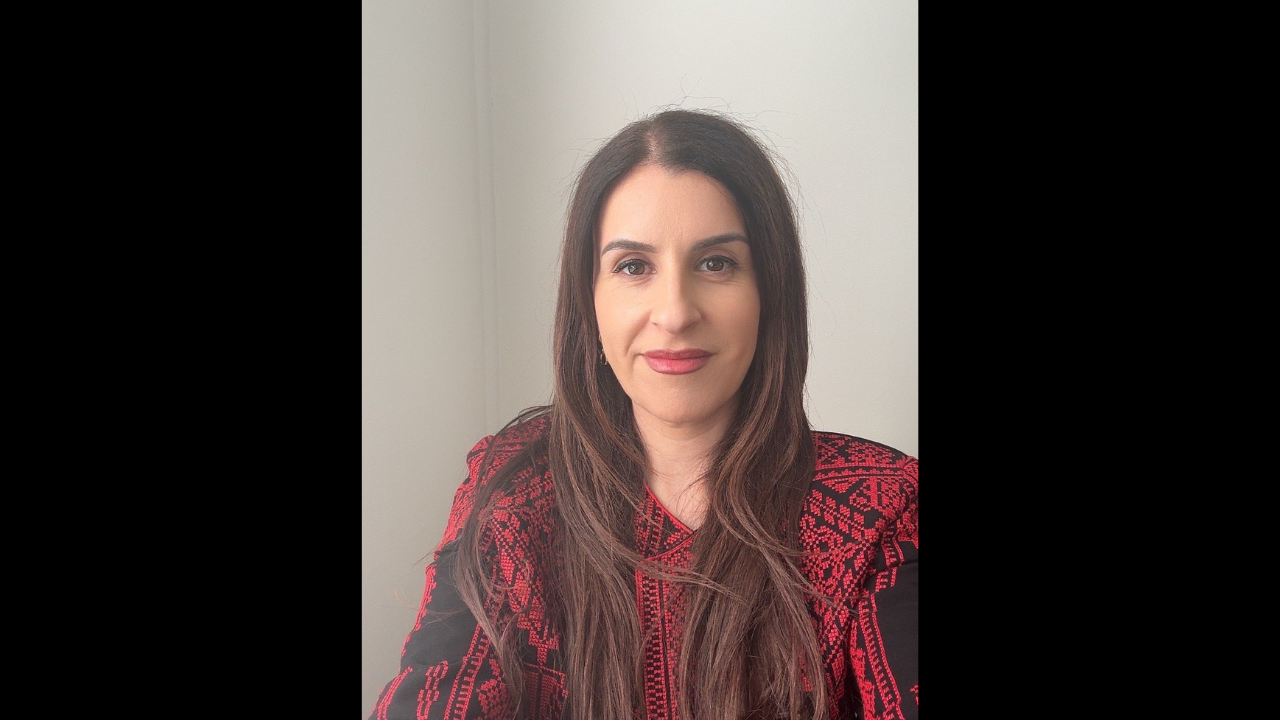
    Australia: Boycott calls after art festival pulls Palestinian author in wake of Bondi attack

    Australia’s prestigious Adelaide Festival is confronting significant backlash and mounting boycott calls following its controversial decision to cancel Palestinian-Australian author Dr. Randa Abdel-Fattah’s scheduled appearance. The festival board justified its action by citing concerns about “cultural sensitivity” in the aftermath of the Bondi Beach attack that occurred during a Hanukkah celebration in December.

    In an official statement released Thursday, the festival board clarified they “do not suggest in any way that Dr. Randa Abdel-Fattah or her writings have any connection with the tragedy at Bondi,” but referenced “her past statements” as the determining factor. This rationale has sparked widespread condemnation across Australia’s literary and academic communities.

    Dr. Abdel-Fattah, a prominent scholar and award-winning novelist, denounced the decision as “a blatant and shameless act of anti-Palestinian racism” in her response on social media platform X. She rejected any association with the Bondi massacre, stating the board’s reasoning suggests “my mere presence is ‘culturally insensitive’; that I, a Palestinian who had nothing to do with the Bondi atrocity, am somehow a trigger for those in mourning.”

    The cancellation has triggered a domino effect of withdrawals from the festival’s Writers’ Week program. At least eleven authors have officially withdrawn their participation, with prominent writer Jane Caro declaring “authoritarianism is rising” and refusing to participate in what she characterized as the festival’s “censoring [of] ideas it does not like.”

    Poet Evelyn Araluen announced her boycott, asserting that “removing Palestinians from writers’ festivals won’t prevent antisemitism,” while expressing disappointment at “yet another absurd and irrational capitulation to the demands of a genocidal foreign state from the Australian arts sector.”

    The Australia Institute, an independent think tank that was sponsoring festival events, has withdrawn its support, stating that “censoring and cancelling authors is not in the spirit of an open and free exchange of ideas.”

    Social media platforms have erupted with calls for a comprehensive festival boycott, with users praising the withdrawing authors and condemning what many characterize as racist censorship. One user emphasized that “Palestinians had absolutely nothing to do with the Bondi shooting,” while another noted it’s “very disturbing that so many institutions can reproduce vicious assertions without evidence about the link between Palestinian rights campaigns and the Bondi killings.”

    This incident marks the second time Dr. Abdel-Fattah has been at the center of censorship controversies in Australian literary festivals, following a similar incident at the Bendigo Writers’ Festival in 2025 where she was among 50 authors who boycotted over censorship concerns.

    The Adelaide Festival has not responded to media requests for comment regarding the growing backlash and boycott movement.

  • Jilin winter fishing festival fetches record auction, visitors

    Jilin winter fishing festival fetches record auction, visitors

    The 24th Chagan Lake Ice and Snow Fishing and Hunting Cultural Tourism Festival commenced in Songyuan, Jilin province, drawing massive crowds to witness the spectacular winter fishing traditions. The event’s opening ceremony witnessed an extraordinary auction where the season’s inaugural catch—a massive 19-kilogram fish—commanded a record-breaking price of 1,699,999 yuan (approximately $243,453). All proceeds from this historic auction were dedicated to the Chagan Lake Ecological Environment Protection Charity Fund, supporting vital conservation efforts for the lake’s water quality and aquatic ecosystems.

    The festival showcased rich cultural performances, including traditional Buddhist dances by local lamas and ceremonial chants by head fishermen paying homage to heaven, earth, and the lake. These rituals, deeply rooted in regional heritage, symbolize prayers for bountiful harvests and safe fishing operations throughout the season.

    Local resident Hao Yingjia expressed profound appreciation for the ceremonies, noting: ‘This ancient tradition powerfully demonstrates humanity’s reverence for nature. It’s both a visual spectacle and cultural treasure that deserves global recognition.’

    The festival will continue through early March, featuring 57 national and provincial events including snow football leagues and ice hockey tournaments. To enhance accessibility, Songyuan city has implemented complimentary direct bus services connecting urban centers to Chagan Lake for both tourists and residents.

  • Emergency crews battle wildfire in Shenzhen

    Emergency crews battle wildfire in Shenzhen

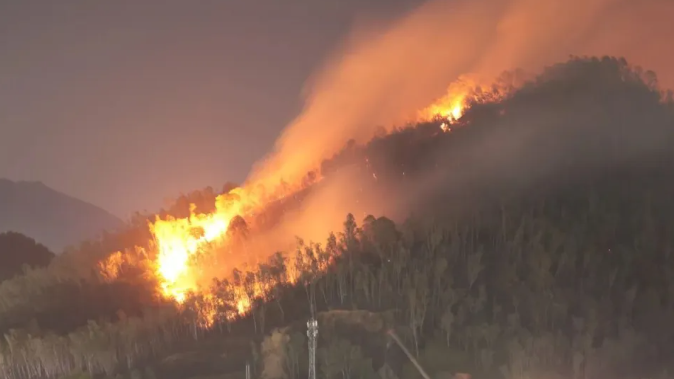
    Emergency response teams in Shenzhen are engaged in intensive firefighting operations against a significant wildfire that ignited in the Shijing area of Pingshan District on Thursday afternoon. According to an initial report from China Central Television, the blaze remained uncontained as of 7:30 pm local time on the day it started.

    The municipal emergency management system has been fully activated, with multiple departments coordinating efforts to combat the spreading flames. The specific cause of the wildfire outbreak and the exact scale of the affected area have not been immediately disclosed by authorities. The response highlights the city’s rapid mobilization capabilities in addressing public safety emergencies.

    This incident occurs amid global concerns regarding climate patterns and wildfire frequency. The emergency operation continues as firefighters work to establish containment lines and prevent the fire from threatening residential zones or critical infrastructure within the district.

  • ‘Close to death’: What 60 days on hunger strike is doing to Palestine Action prisoners

    ‘Close to death’: What 60 days on hunger strike is doing to Palestine Action prisoners

    Medical specialists are issuing grave warnings regarding Palestine Action activists whose prolonged hunger strikes have surpassed 60 days, entering a critical phase where physiological damage may become permanent and mortality risks escalate dramatically.

    Heba Muraisi, now on day 66 without solid nutrition, and Kamran Ahmed, at day 60, demonstrate severe physical deterioration according to family accounts. Muraisi recently described herself as ‘dying in her cell,’ while Ahmed’s relatives report his body is experiencing catastrophic decline with muscle atrophy and organ failure.

    Emergency medicine physician Dr. James Smith of University College London, who advises the families, explains the terrifying biological processes underway: ‘After exhausting fat reserves, the body begins consuming its own muscle tissue – including cardiac and respiratory muscles. This systemic breakdown affects every vital function.’

    The physiological consequences extend beyond visible wasting. Dr. Smith emphasizes the critical depletion of electrolytes and micronutrients: ‘Deficiencies in potassium, magnesium and essential vitamins create substantial risks of irreversible neurological damage and potentially fatal heart arrhythmias.’

    Legal representatives have made repeated appeals to UK Justice Secretary David Lammy, highlighting concerning symptoms including intermittent hearing loss, dangerously low pulse rates, and breathing difficulties that prevent proper attorney consultation.

    Historical data from hunger strikes indicates mortality typically occurs between 45-75 days, with survival variables including hydration levels, medical monitoring, and baseline health. Dr. Smith notes that even if nutrition resumes, long-term complications may include chronic organ disease, permanent weakness, and cognitive impairment.

    The protest, initiated against detention conditions and remand imprisonment, has reached its most precarious stage. Medical experts conclude that these activists now exist in a fragile state where catastrophic organ failure could develop with minimal warning, potentially resulting in permanent disability or death.

  • US immigration officer fatally shoots woman in Minneapolis, sparking protests

    US immigration officer fatally shoots woman in Minneapolis, sparking protests

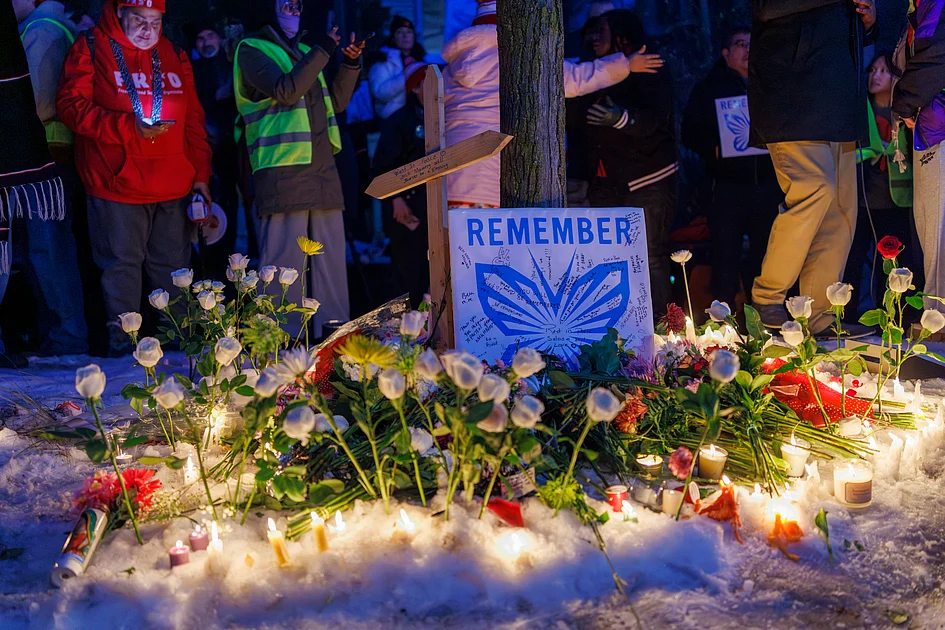
    Minneapolis witnessed significant civil unrest and protests following the fatal shooting of a 37-year-old American woman by a federal immigration officer on Wednesday. The incident occurred during heightened immigration enforcement operations in the city’s southern district, sparking immediate condemnation from local officials and community members.

    Eyewitness footage captured the moment a masked Immigration and Customs Enforcement (ICE) agent discharged three rounds at point-blank range into a Honda SUV driven by Renee Nicole Good. The vehicle subsequently careened out of control before colliding with stationary cars as horrified bystanders shouted obscenities at federal agents. Good’s bloodied body remained visible in the wreckage following the impact.

    The shooting ignited immediate political controversy with sharply divergent narratives emerging. The Trump administration characterized the incident as ‘domestic terrorism,’ asserting Good had attempted to use her vehicle as a weapon against federal officers. Homeland Security Chief Kristi Noem stated the victim had been ‘stalking and impeding ICE operations throughout the day’ before allegedly attempting to run over the officer.

    Minneapolis Mayor Jacob Frey vehemently rejected this characterization, dismissing the administration’s claims as ‘bullshit’ and demanding ICE’s removal from the city. Minnesota Governor Tim Walz similarly condemned the federal response as ‘propaganda’ while promising a comprehensive state investigation into the shooting.

    The incident occurred amid broader tensions surrounding ICE’s expanded enforcement activities under the Trump administration’s immigration crackdown. The Department of Homeland Security had recently launched an aggressive recruitment drive to add 10,000 officers to ICE’s existing 6,000-strong force, raising concerns about training adequacy and operational protocols.

    Thousands of protesters braved frigid temperatures to demonstrate against the shooting, carrying signs reading ‘ICE out of MPLS’ and expressing outrage over the perceived militarization of immigration enforcement. The victim’s mother, Donna Ganger, told local media her daughter ‘was probably terrified’ during the encounter and was not involved in organized resistance against ICE operations.

    This marks at least the second fatal shooting by immigration enforcement officers in recent months, following a similar incident in Chicago last September where an undocumented immigrant was killed under comparable circumstances.

  • Delivery driver rescues lost child on side of road in Guizhou

    Delivery driver rescues lost child on side of road in Guizhou

    During a frigid evening in Guiyang, capital of China’s Guizhou province, a food delivery operative demonstrated extraordinary civic responsibility by abandoning his scheduled route to assist a disoriented young girl found in perilous circumstances. The individual, identified only by his surname Chen, encountered the distressed child weeping alone beside a thoroughfare, immediately recognizing the severity of the situation.

    Chen observed that the girl was positioned within the slow traffic lane with vehicles continuing to pass at considerable speed, creating an imminent threat to her safety. Disregarding his delivery commitments and potential income loss, the courier prioritized the child’s welfare by immediately contacting local law enforcement and providing comforting presence until official assistance arrived.

    Within approximately ten minutes of the emergency call, the juvenile’s parents arrived at the location following notification by authorities. Police personnel conducted standard identity verification procedures before safely releasing the girl to her familial guardians. The incident highlights how ordinary citizens can profoundly impact community safety through vigilance and compassionate intervention during critical situations.

    This occurrence represents one of numerous instances across China where gig economy workers have transitioned from their commercial roles to become unexpected community guardians, often serving as additional eyes and ears within urban environments beyond their formal employment responsibilities.

  • Tsakhor village marks earthquake recovery while preparing for Losar New Year

    Tsakhor village marks earthquake recovery while preparing for Losar New Year

    Just one year after a devastating magnitude-6.8 earthquake struck Dingri county in China’s Xizang Autonomous Region, the resilient community of Tsakhor village has completed its remarkable recovery. As the Shigatse Losar New Year approaches, villagers are joyfully preparing traditional celebrations in their newly constructed Tibetan-style homes.

    The January 7, 2025 seismic event had left all 53 households in the village facing severe challenges with collapsed structures and damaged infrastructure. Through determined reconstruction efforts, the community has been completely transformed with architecturally authentic residences, paved cement roads, and modern solar-powered street lighting now defining the revitalized village landscape.

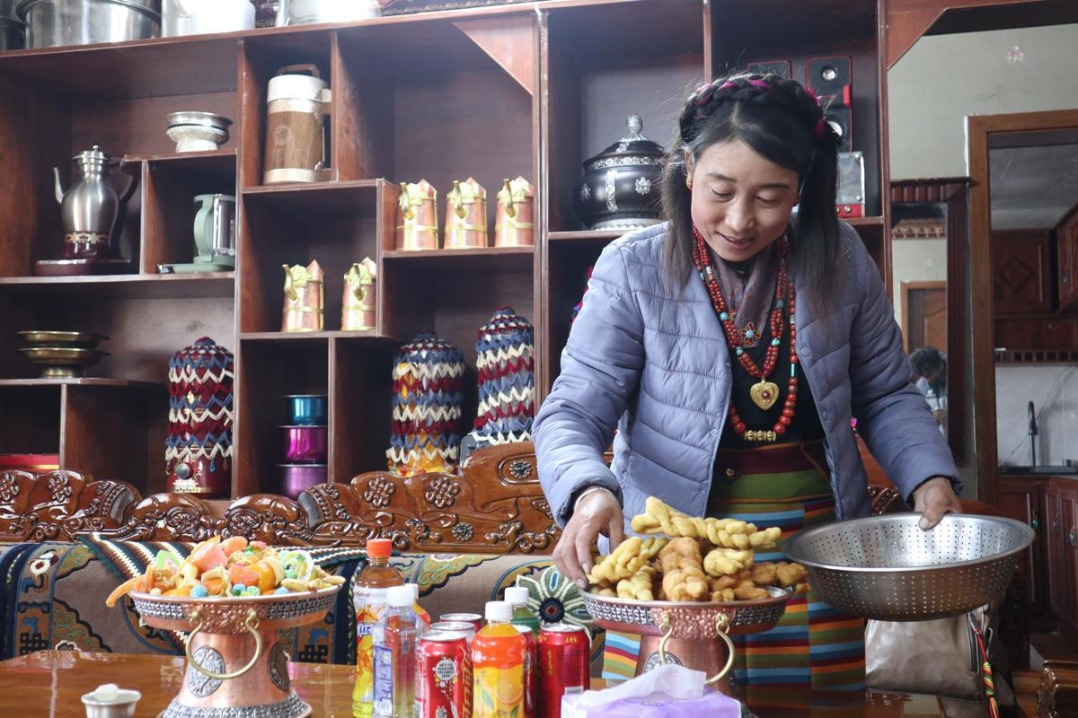
    Amidst the festive preparations, resident Pema Chungdak embodies the community’s renewed spirit while making golden fried dough sticks—a traditional holiday food symbolizing abundance and prosperity. “The golden color represents our harvest and embodies our aspirations for happiness in the coming year,” she explained, contrasting the current celebratory atmosphere with last year’s tragedy.

    Reflecting on the transformation, Chungdak noted: “Twelve months ago, the earthquake devastation left us without any desire to celebrate. This year, we’re fortunate to occupy these bright, spacious, and warm new dwellings. Our families have made extensive preparations for proper New Year festivities.”

    The comprehensive rebuilding initiative has not only restored physical infrastructure but has also rejuvenated cultural traditions and community morale, demonstrating impressive resilience and recovery capabilities in the Himalayan region.

  • Watch: Eyewitnesses recount deadly ICE shooting

    Watch: Eyewitnesses recount deadly ICE shooting

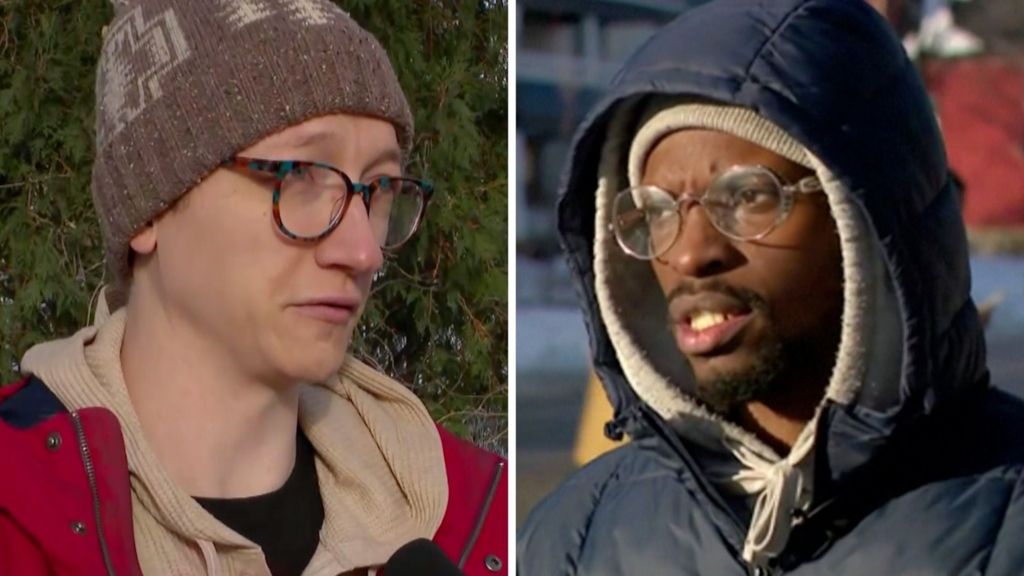
    The Central neighborhood of Minneapolis is reeling from a fatal shooting incident involving a federal immigration agent that resulted in the death of local resident Renee Good. Eyewitness accounts obtained at the scene describe a confrontation that escalated dramatically, culminating in the use of deadly force by the Immigration and Customs Enforcement (ICE) officer.

    While official details remain limited, community members report the incident began as some form of altercation before weapons were discharged. The shooting has raised immediate questions about the circumstances that led to lethal force being deployed in a residential area. Local authorities have confirmed they are coordinating with federal officials to investigate the event, though specific details regarding the initial confrontation remain undisclosed.

    The incident has sparked significant community outrage and renewed debates about law enforcement protocols and accountability. Neighborhood advocates have called for transparent investigation into whether proper escalation procedures were followed by the federal agent involved. This shooting occurs amid ongoing national conversations about policing practices and the use of force by various law enforcement agencies, particularly when operating outside their typical jurisdictional capacities.

    ICE officials have acknowledged the incident and stated they are conducting an internal review alongside law enforcement partners. The identity of the agent involved has not been released, nor have specific details about what prompted the initial encounter with the deceased individual.

  • Spain’s Catholic Church signs deal on sexual abuse compensation

    Spain’s Catholic Church signs deal on sexual abuse compensation

    In a historic move addressing decades of institutional failure, Spain’s government and Roman Catholic Church leadership have established a groundbreaking cooperative framework to provide compensation for victims of clergy sexual abuse. This unprecedented agreement creates a state-managed pathway for victims to seek reparations even when legal avenues are unavailable due to expired statutes of limitations or deceased perpetrators.

    The accord, signed by Justice Minister Félix Bolaños and Church representatives including Episcopal Conference President Luis Argüello, represents a significant shift from the Church’s previous independent handling of abuse cases. Under the new system, victims will submit claims to a specialized agency within the justice ministry, which will then forward cases to the ombudsman’s office for evaluation and reparation proposals. The Church must accept these proposals or return them for reconsideration.

    This development follows mounting pressure from victims’ organizations and international scrutiny from the Vatican. A comprehensive 2023 study by Spain’s ombudsman estimated that approximately 440,000 Spaniards—1.1% of the population—had suffered sexual abuse by clergy or Church-affiliated individuals, though the Church has contested these figures.

    The agreement acknowledges multiple forms of reparation, including symbolic gestures, psychological support, and financial compensation. While specific monetary amounts remain undefined, the ombudsman has suggested benchmarking against European standards, where payments have ranged from €6,000 in Belgium to approximately €63,000 in Ireland.

    The initiative comes after years of criticism regarding the Church’s handling of abuse cases. Its internal reparations scheme, established in 2023, had resolved only 58 cases by November and faced accusations of opacity and exclusion of victim input. Last June, several victims’ groups severed ties with the Spanish Church, alleging systematic exclusion from reparations processes.

    This Spanish agreement aligns with global patterns of addressing clerical abuse, following major scandals that emerged initially in North America during the 1980s and subsequently across numerous Catholic-majority nations. While Spain experienced relatively fewer public scandals initially, recent investigations and high-profile cases—including the November resignation of Cádiz bishop Rafael Zornoza over abuse allegations—have brought the issue to national prominence.

    Victims’ advocates have welcomed the agreement as a crucial step toward accountability. Juan Cuatrecasas of the Association for Stolen Childhood described the arrangement as addressing ‘an endemic, structural evil’ within the Church that required institutional acknowledgment rather than continued concealment.