
Beijing has solidified its position as the global frontrunner in the preservation of crop germplasm resources, as announced by the municipal government on Wednesday. The city boasts a germplasm bank housing an impressive 2.144 million accessions, encompassing the most diverse array of crop species worldwide. This achievement is bolstered by the presence of 29 seed enterprises designated as key national players, the highest number in China, and the annual registration of numerous new crop varieties. The Beijing Seed Ordinance, aimed at establishing the city as a ‘seed capital,’ underpins these accomplishments. Technological advancements have played a crucial role, with innovations such as AI-based plant protection models making their debut at the UN Food and Agriculture Organization. The agricultural technology contribution rate in Beijing has reached 75 percent, driven by breakthroughs in molecular breeding and other core technologies. Looking ahead, Beijing plans to intensify its efforts to enhance the seed industry over the next five years, focusing on technology-driven and reform-oriented development, according to a government official.
分类: science
-
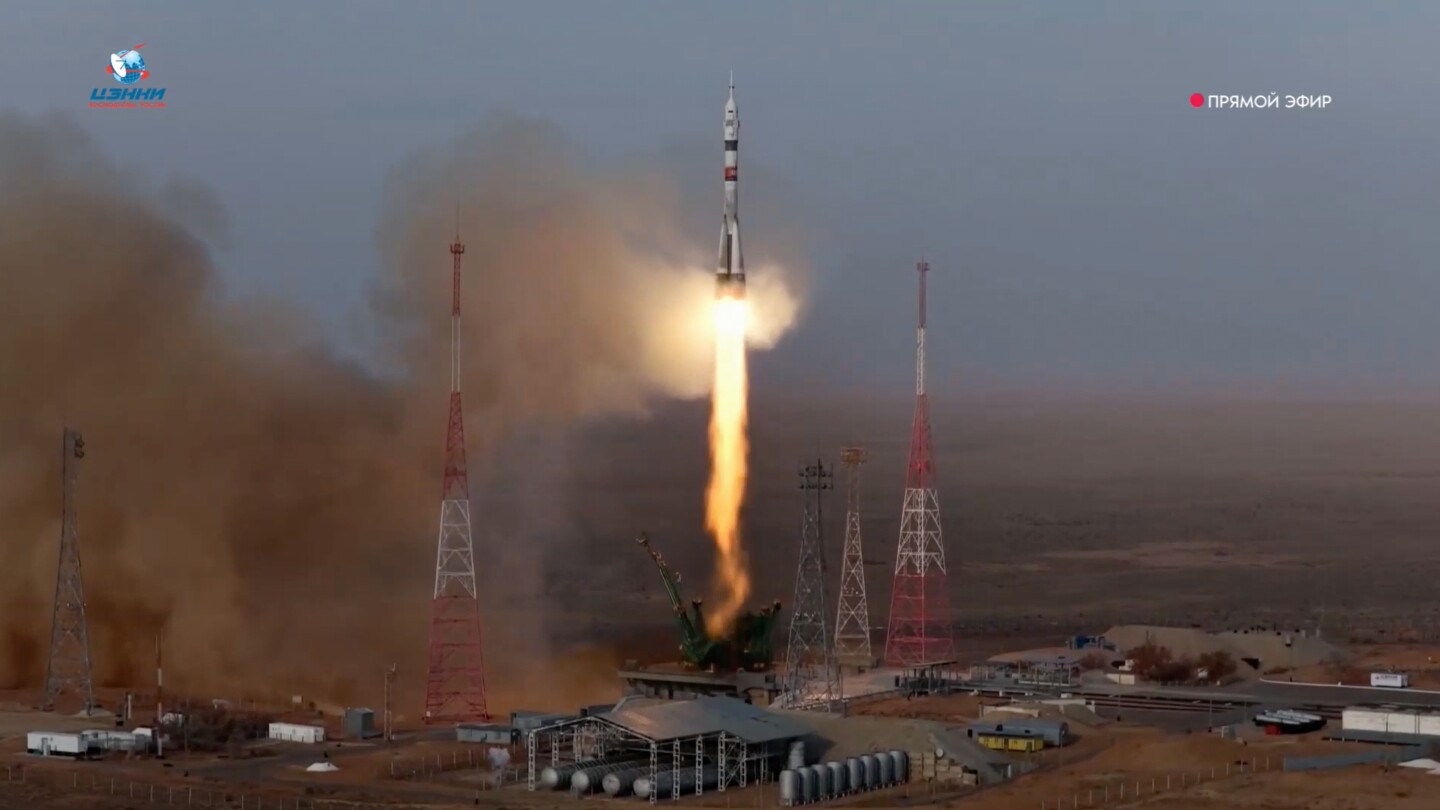
US-Russian crew of 3 blasts off to the International Space Station in a Russian Soyuz spacecraft
In a significant milestone for international space collaboration, a U.S.-Russian crew of three successfully launched to the International Space Station (ISS) on Thursday. The Soyuz MS-28 spacecraft, propelled by a Soyuz booster rocket, took off precisely as planned from the Baikonur Cosmodrome in Kazakhstan, a facility leased by Russia. Onboard were NASA astronaut Chris Williams, alongside Russian cosmonauts Sergei Mikaev and Sergei Kud-Sverchkov. The crew is expected to dock at the ISS approximately three hours after liftoff, marking the beginning of an eight-month mission aboard the orbiting laboratory. This mission holds particular significance as it marks the inaugural spaceflight for Williams, a physicist, and Mikaev, a military pilot, while Kud-Sverchkov embarks on his second journey into space. Upon arrival, the trio will join an international team already stationed at the ISS, including NASA astronauts Mike Fincke, Zena Cardman, and Jonny Kim, Japan Aerospace Exploration Agency’s Kimiya Yui, and Russian cosmonauts Sergei Ryzhikov, Alexei Zubritsky, and Oleg Platonov. During their stay, Williams will spearhead scientific research and technology demonstrations aimed at advancing human space exploration and improving life on Earth, according to NASA. This mission underscores the enduring partnership between the U.S. and Russia in space exploration, despite geopolitical tensions on the ground.
-
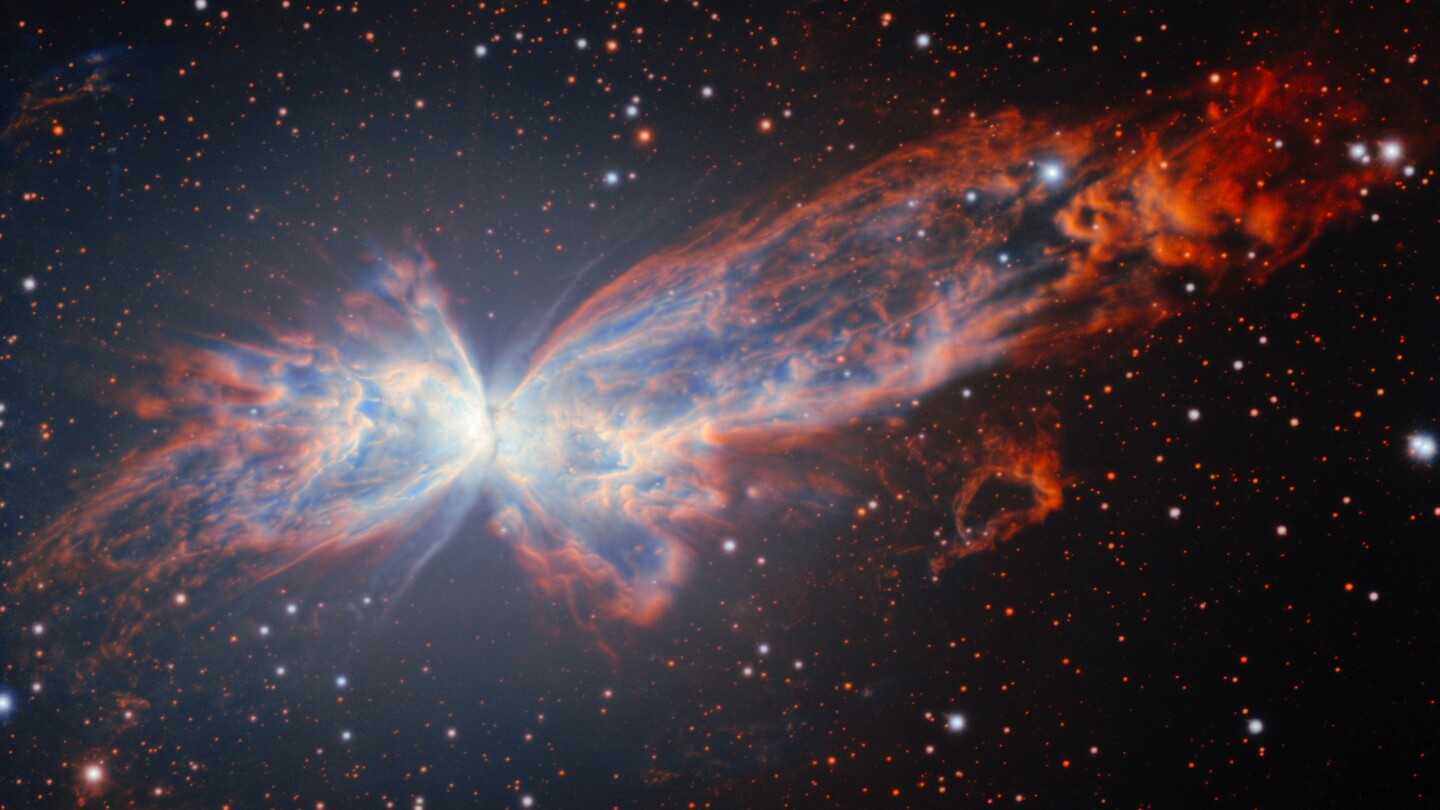
Telescope in Chile captures stunning new picture of a cosmic butterfly
In a remarkable display of cosmic beauty, the Gemini South telescope in Chile has unveiled a mesmerizing image of the Butterfly Nebula, a celestial phenomenon located 2,500 to 3,800 light-years away in the constellation Scorpius. The National Science Foundation’s NoirLab released the image on Wednesday, showcasing the nebula’s grand and graceful structure, which resembles the wings of a butterfly. This stunning visual was captured last month as part of a celebration marking the 25th anniversary of the International Gemini Observatory. The Butterfly Nebula, formally known as a bipolar nebula, is illuminated by a white dwarf star at its core. This aging star shed its outer layers of gas long ago, and the expelled material now forms the nebula’s expansive, glowing wings. The heat from the star causes the gas to radiate, creating the ethereal glow visible in the image. The astronomical target was chosen by schoolchildren in Chile, adding a touch of local engagement to this scientific milestone. The Gemini Observatory continues to contribute to our understanding of the universe, offering breathtaking glimpses into the cosmos.
-

Chinese scientists develop artificial tongue to measure spiciness
In a groundbreaking development, Chinese researchers have engineered an artificial tongue capable of accurately measuring the spiciness of chili peppers. This innovative device, crafted by scientists at East China University of Science and Technology (ECUST), utilizes a gel-based mechanism inspired by milk’s ability to neutralize the burning sensation caused by capsaicin, the compound responsible for the heat in chili peppers. The gel, composed of milk powder, acrylic acid, and choline chloride, swells upon contact with capsaicin, disrupting ion traffic and producing a measurable electric current that indicates spiciness levels. The team tested eight varieties of chili peppers, creating a scale from 0 (bland) to 70 (extremely spicy), with results closely aligning with human sensory assessments. This invention promises to revolutionize quality control in the food industry and pave the way for advanced applications in humanoid robotics and portable spicy taste monitoring devices.
-

Scientists estimate plateau’s water reserves
The Qinghai-Tibet Plateau, often referred to as Asia’s ‘water tower,’ is estimated to hold approximately 10 trillion cubic meters of surface water, a critical resource for over two billion people across the continent. This revelation, unveiled on November 19 in Lhasa, the capital of the Xizang Autonomous Region, underscores the plateau’s growing hydrological significance and the environmental risks it confronts. Researchers from China’s second Qinghai-Tibet scientific expedition revealed that the plateau’s vast water reserves sustain major river systems, including the Yangtze, Yellow, and Lancang-Mekong, which support communities across China and neighboring nations. The total water volume is comparable to the Yellow River’s runoff over 200 years. The latest assessments indicate that the plateau has experienced three significant environmental shifts, enhancing its water supply capacity. ‘The Qinghai-Tibet Plateau is becoming warmer, wetter, and greener, all of which boost its water supply,’ stated Yao Tandong, an academician with the Chinese Academy of Sciences and a lead scientist on the expedition. However, he also noted that the plateau is ‘becoming darker,’ leading to significant changes in Earth system processes, including alterations to the Asian monsoon and an increase in extreme climate events. These changes, driven by complex ice-water-air interactions, are heightening disaster risks. Despite the plateau’s contribution of over 1 trillion cubic meters of water vapor annually, scientists warn that rising downstream demand, fueled by population growth and resource consumption, is placing unprecedented strain on the system. ‘The increased water availability upstream does not entirely meet the rapidly growing needs downstream,’ Yao emphasized, advocating for stronger regional cooperation to ensure sustainable water management. Long-term data from the expedition shows a steady increase in runoff from major rivers like the Yangtze and Lancang over the past four decades, with projections suggesting a potential 49 percent increase by the end of the century. However, the team has identified 85 glacial lakes at extreme risk of outburst flooding, highlighting the urgent need for targeted disaster-prevention measures. The findings provide a crucial foundation for policy planning, encompassing water resource management, climate adaptation, and infrastructure protection, including projects such as the Sichuan-Xizang transport corridor. The expedition aims to enhance monitoring systems, improve early-warning mechanisms, and refine strategies to safeguard the plateau, a region now central to Asia’s long-term water security.
-
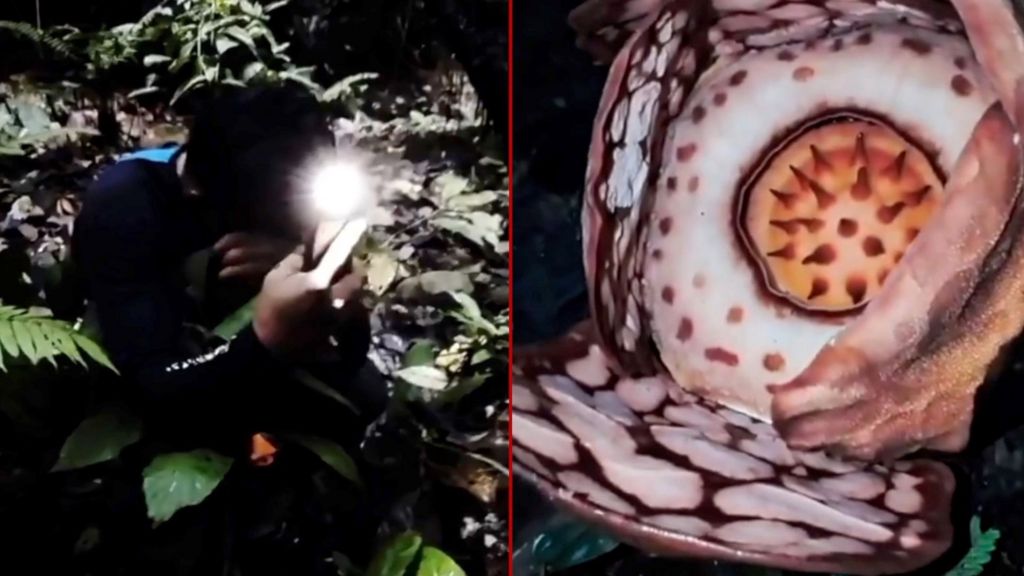
Watch: Moment researcher finds rare flower after 13-year search
In a moment of profound triumph, researcher Septian Andriki broke down in tears after finally locating the elusive Rafflesia hasseltii flower in Indonesia, marking the culmination of a 13-year search. This rare botanical specimen, known for its striking appearance and ecological significance, had evaded discovery for over a decade. Andriki’s relentless pursuit of the flower underscores the dedication and perseverance required in scientific exploration. The discovery not only highlights the biodiversity of Indonesia but also emphasizes the importance of conservation efforts to protect such rare species. This breakthrough is expected to contribute significantly to botanical research and inspire future generations of scientists to explore the natural world with unwavering determination.
-
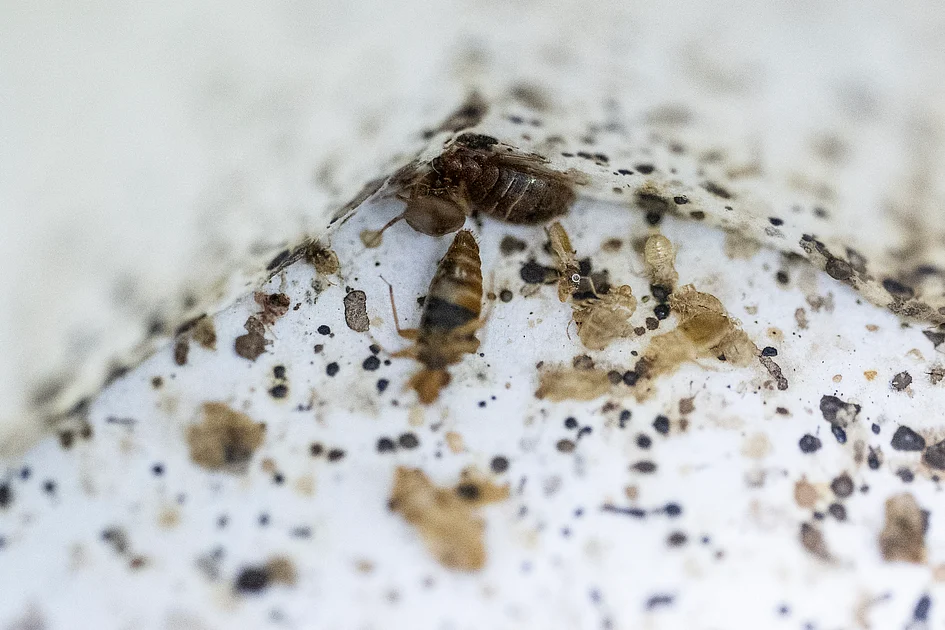
Malaysian scientists recruit bed bugs as crime scene sleuths
In a groundbreaking development, Malaysian scientists have transformed bed bugs, typically regarded as household nuisances, into invaluable forensic tools. Researchers from the Science University of Malaysia (USM) in Penang have discovered that tropical bed bugs (Cimex hemipterus) can retain human DNA for up to 45 days after feeding. This revelation positions the insects as potential crime-solving allies, capable of providing crucial evidence in criminal investigations.
-
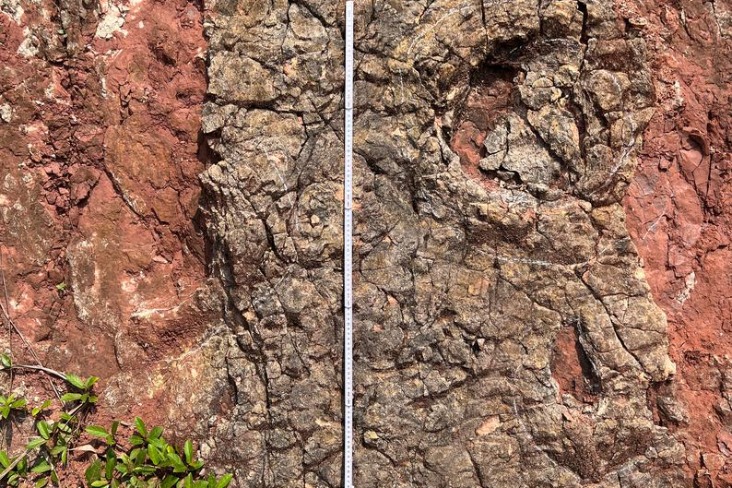
Scientists discover important Early Jurassic dinosaur tracks
An international team of scientists from China, Germany, and the United States has made a groundbreaking discovery in Wucha village, Renhuai city, located in Southwest China’s Guizhou province. They have identified a significant collection of dinosaur footprints dating back to the Early Jurassic period. The findings, published in the Journal of Asian Earth Sciences, reveal that the area was once a lakeshore sandbar environment, ideal for various dinosaur groups. This discovery is particularly notable as the Renhuai area is already recognized as a crucial region for Early Jurassic dinosaur fossils in southern China. While previous findings in the area have included numerous sauropod and theropod tracks, this new discovery provides a rare systematic record of multiple dinosaur groups coexisting. Between 2020 and 2024, researchers from Guizhou University and China University of Geosciences (Beijing), among other institutions, discovered several vertebrate track sites in and around Wucha Village. According to Xing Lida, an associate professor at China University of Geosciences (Beijing), the Wucha track assemblage offers a comprehensive record of the coexistence of basal sauropodomorphs, sauropods, theropods, and basal ornithischians. Among the findings, the largest sauropod track measures 60 centimeters, consistent with Early Jurassic sauropod tracks commonly found in the Sichuan Basin. Some of the small basal ornithischian footprints show stride lengths of only 6 to 7 centimeters but relatively large step lengths, suggesting the dinosaurs were running. One set of two-digit footprints has particularly intrigued the research team. They believe these tracks were likely made by tridactyl dinosaurs while running or kicking, leaving only two-digit impressions, rather than being made by true two-digit dinosaurs. This finding suggests that under certain conditions, tridactyl dinosaurs can leave ‘two-digits-like’ impressions, which have important implications for identifying early deinonychosaur tracks and provide a new reference for interpreting similar ‘suspected two-digits prints’ worldwide, said Xing. This new discovery enriches the study of Early Jurassic dinosaur fauna in Guizhou. As more track sites are explored, the Renhuai area is expected to become a key window for researching dinosaur activity in China during the Early Jurassic period. The discovered footprints have been preserved at their original sites.
-
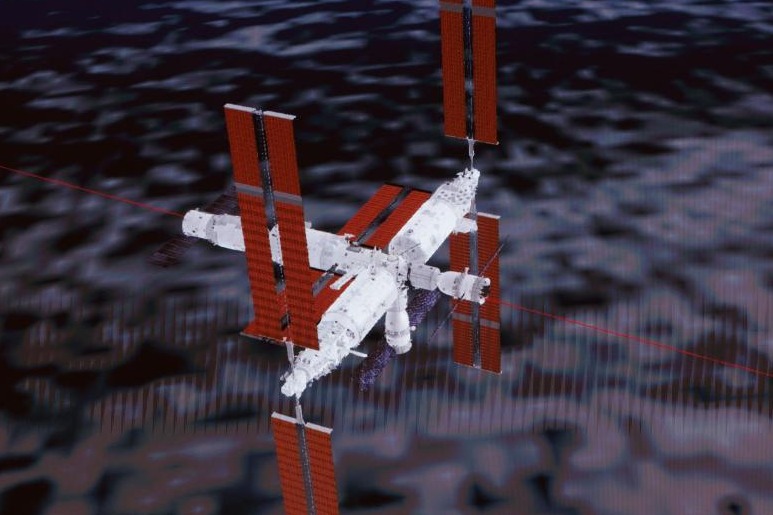
China’s Shenzhou XXII spaceship docks with space station combination
In a significant milestone for China’s space exploration program, the Shenzhou XXII spacecraft successfully docked with the country’s space station combination on Tuesday, November 25, 2025. The China Manned Space Agency confirmed the achievement, marking another step forward in China’s ambitious space endeavors. The docking operation, executed with precision, underscores China’s growing capabilities in space technology and its commitment to advancing human spaceflight. This mission is part of China’s broader strategy to establish a permanent presence in space, contributing to scientific research and international collaboration in space exploration. The successful docking of Shenzhou XXII highlights the nation’s progress in developing advanced space infrastructure and its determination to play a leading role in the global space race.
-
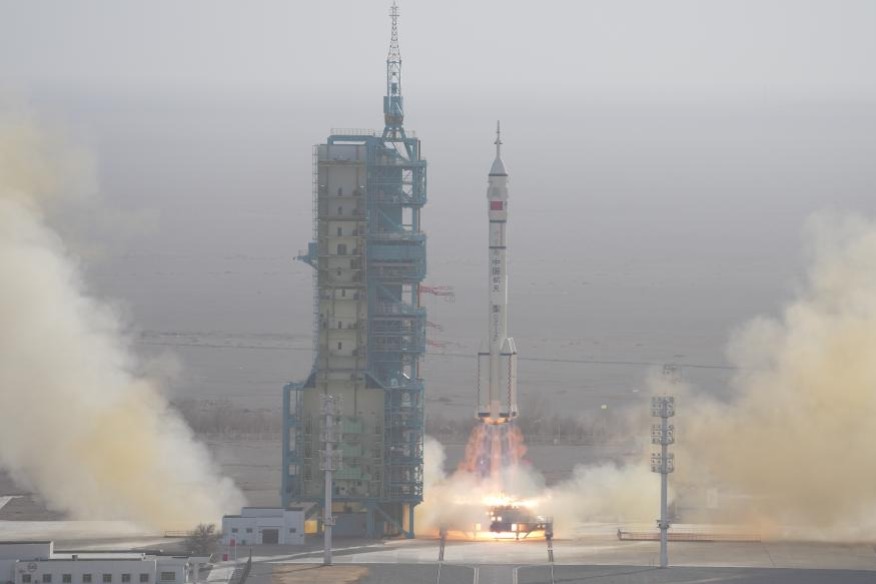
China launches Shenzhou XXII spacecraft
China has marked another milestone in its space exploration endeavors with the successful launch of the Shenzhou XXII spacecraft. The unmanned spacecraft was carried into orbit by a rocket that lifted off from the Jiuquan Satellite Launch Center on November 25, 2025, at 12:11 pm. This event underscores China’s growing capabilities in space technology and its commitment to advancing its space program. The Shenzhou XXII mission is part of China’s broader strategy to enhance its presence in space, which includes plans for lunar exploration, Mars missions, and the development of a space station. The launch was closely monitored by space agencies and enthusiasts worldwide, highlighting China’s increasing influence in the global space community. The successful deployment of Shenzhou XXII is expected to pave the way for future manned missions and further scientific research in space.