分类: science

  • China narrows US’ scientific research lead

    China narrows US’ scientific research lead

    A comprehensive analysis of global scientific research reveals a dramatically narrowing gap between China and the United States in fundamental research leadership. According to the latest annual report jointly produced by the Chinese Academy of Sciences’ Institutes of Science and Development, the National Science Library of CAS, and global analytics firm Clarivate, the two nations now compete head-to-head across 11 major scientific disciplines.

    The study, drawing on data from highly cited research papers published between 2019 and 2024, demonstrates China’s commanding position in six major fields: agricultural, plant and animal sciences; ecology and environmental sciences; chemistry and materials science; physics; information science; and economics, psychology and other social sciences.

    While the United States maintains leadership in five domains—geosciences, clinical medicine, biological sciences, astronomy and astrophysics, and mathematics—its overall advantage has diminished significantly. Notably, China has shown remarkable progress in traditionally weaker areas, climbing to fourth position in clinical medicine and fifth in astronomy and astrophysics.

    “The trend of parallel advancement between the U.S. and China is becoming increasingly pronounced,” the report observes, noting that the United Kingdom and Germany constitute a secondary tier in global research leadership.

    Emmanuel Thiveaud, Clarivate’s vice-president, acknowledged China’s remarkable scientific trajectory: “Over past decades, we have witnessed tremendous progress China has made and continues to make in research and development. China’s position at the forefront of numerous research fronts comes as no surprise.”

    The analysis identified 128 significant research fronts (110 active and 18 emerging), with artificial intelligence emerging as a critical cross-disciplinary force. More than half of emerging research fronts demonstrate AI integration, particularly within clinical medicine and life sciences.

    Professor Li Shao of Tsinghua University highlighted that four of seven emerging clinical medicine research fronts involve large language model applications in healthcare. “Targeted algorithms are revolutionizing disease mechanism research, early screening, and precision treatment,” Li noted, emphasizing AI’s growing role in traditional Chinese medicine and major disease prevention.

    Pan Jiaofeng, president of the Institutes of Science and Development, pointed to the evolving research landscape: “A new scientific revolution is underway with frontiers constantly expanding. High-throughput single-cell technologies, dark matter detection, and AI integration into scientific research are drawing widespread attention.”

    The report serves as both a measurement tool and strategic guide, helping policymakers and researchers navigate the rapidly changing global scientific ecosystem where East-West collaboration and competition are reshaping knowledge production.


  • Mapping the sense of what’s going on inside our body

    Mapping the sense of what’s going on inside our body

    A groundbreaking scientific endeavor is underway to decode interoception—the body’s internal sensory system that provides the brain with continuous feedback about physiological states. This research, spearheaded by Nobel laureate Dr. Ardem Patapoutian and teams at Scripps Research, is revealing how neural pathways monitor everything from heart rate and lung expansion to nutrient absorption and microbial activity in the gut.

    The vagus nerve, a complex network of 100,000 neurons, serves as a primary communication channel, using proteins like Piezo (discovered by Dr. Patapoutian) to detect pressure changes in organs. Advanced tools now allow scientists to trace how these signals travel to the brainstem and disperse to regions like the mid-insula, where they are interpreted—mostly subconsciously—to regulate functions like appetite, immune response, and emotional states.

    Emerging evidence suggests that malfunctions in interoceptive processing may underlie psychiatric conditions including depression, anxiety, and eating disorders. Researchers like Dr. Camilla Nord at the University of Cambridge are exploring innovative treatments, such as using ultrasonic waves to recalibrate brain regions responsible for misinterpreting bodily signals. Meanwhile, weight-loss drugs like Ozempic exemplify how mimicking gut signals can effectively alter brain responses.

    Despite progress, fundamental questions remain. Dr. Patapoutian’s team is developing an interoception atlas to document nerve functions throughout the body, acknowledging that much of this internal landscape is still uncharted. This research not only redefines our understanding of self-awareness but also opens new therapeutic avenues for mental and physical health.

  • Shanghai university unveils sustainable, efficient water treatment system

    Shanghai university unveils sustainable, efficient water treatment system

    Researchers at Shanghai Ocean University have engineered a groundbreaking ecological water treatment system that merges environmental sustainability with significant cost reduction. Spearheaded by Professor Wang Liqing, the innovative approach adopts a holistic methodology inspired by traditional Chinese medicine’s diagnostic principles.

    The system employs a sophisticated four-stage assessment protocol that begins with comprehensive water quality analysis through visual and instrumental monitoring. This initial phase is followed by detailed examination of water circulation dynamics and historical pollution溯源. The collected data then informs the development of tailored treatment strategies that address each water body’s unique characteristics.

    “Water ecosystems represent intricate networks of life,” Professor Wang explained. “Instead of targeting isolated symptoms, our methodology focuses on establishing self-sustaining ecological systems that maintain long-term viability.”

    The treatment process involves strategically interrupting pollution sources, engineering underwater topography, and creating specialized habitats for selected submerged plants. The research team has developed a proprietary strain of Vallisneria that demonstrates exceptional nutrient absorption capabilities and rapid reproduction rates, making it particularly effective for ecosystem restoration.

    The economic advantages are substantial: while conventional engineering methods typically cost 0.2-0.5 yuan per ton of water treated, the ecological approach reduces this expense to just 0.04 yuan per ton—representing up to an 80% reduction in operational costs.

    The university maintains a 22-hectare research facility in Qingpu district that serves as both laboratory and production center, enabling continuous refinement of their sustainable water management technologies. This innovation demonstrates how ecological principles can provide both environmentally sound and economically viable solutions to water treatment challenges.

  • Abu Dhabi: New affordable 3D tumour model eliminates need to test cancer drugs on humans

    Abu Dhabi: New affordable 3D tumour model eliminates need to test cancer drugs on humans

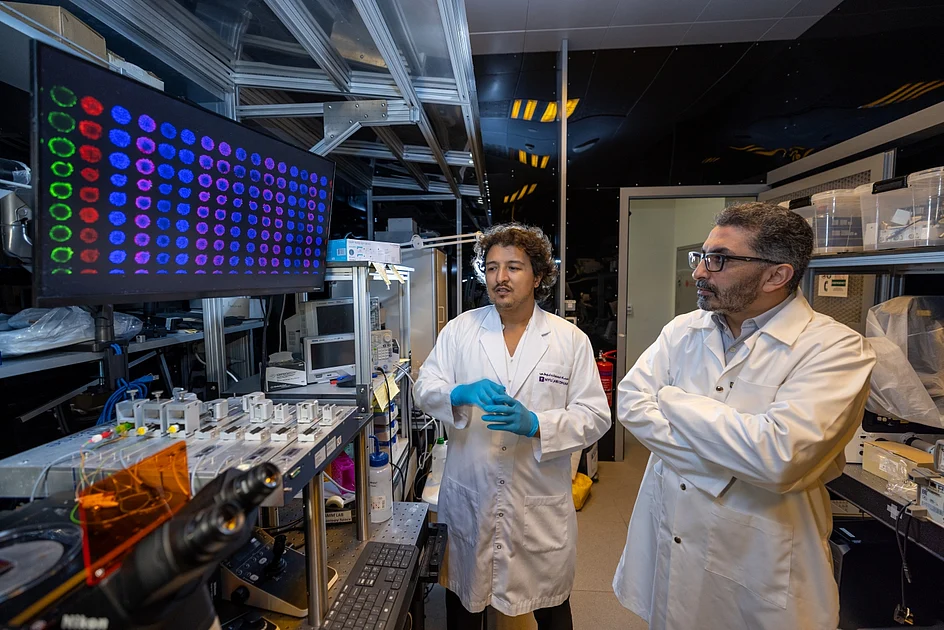
    Researchers at New York University Abu Dhabi have unveiled a groundbreaking paper-based technology that promises to transform cancer research methodologies. The innovation, named Spheromatrix, utilizes a specialized filter paper system to cultivate three-dimensional tumor models that closely mimic human cancer behavior.

    Led by Associate Professor Mohammad Qasaimeh of Mechanical Engineering and Bioengineering, with postdoctoral researcher Ayoub Glia as first author, the team at NYUAD’s Advanced Microfluidics and Microdevices Laboratory has developed a cost-effective alternative to traditional drug testing approaches. The platform enables scientists to grow miniature tumors, preserve them through freezing for extended periods, and conduct repeated drug sensitivity experiments on demand.

    The fiber-based architecture of Spheromatrix provides an optimal biocompatible environment that allows tumor models to develop characteristics remarkably similar to actual human cancers. This technological advancement addresses significant challenges in pharmaceutical development by creating reproducible, scalable systems for preclinical drug screening while substantially reducing dependence on animal testing and human trial subjects.

    In validation studies, the research team applied commercial chemotherapy drugs to preserved brain tumor models, observing response patterns that closely mirrored those seen in actual patient cancers. Crucially, the system demonstrated consistent drug response fidelity both before and after the freezing process, confirming its reliability for long-term research applications.

    The innovation represents part of NYUAD’s expanding portfolio of significant scientific contributions, which recently includes rapid infectious disease detection devices and astrobiological research concerning cosmic rays’ potential role in supporting extraterrestrial life. The Abu Dhabi institution continues to establish itself as a hub for cutting-edge biomedical research with global implications.

  • UAE lunar exploration: Rashid Rover 2 to pioneer historic far side moon mission in 2026

    UAE lunar exploration: Rashid Rover 2 to pioneer historic far side moon mission in 2026

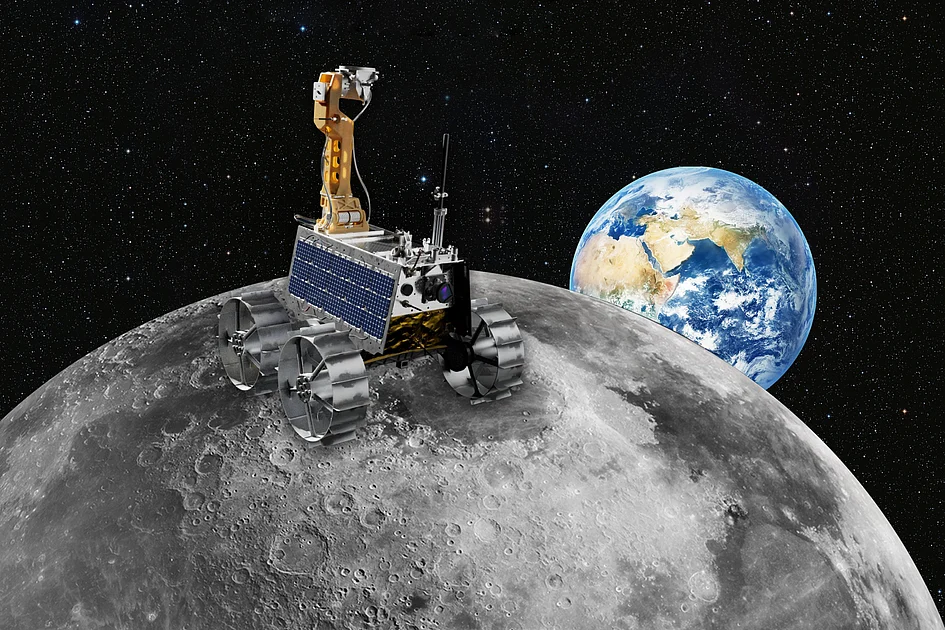
    The United Arab Emirates is preparing to make space exploration history with its Rashid Rover 2 mission, scheduled for launch in 2026. This ambitious endeavor will position the UAE as only the second nation to attempt a landing on the Moon’s mysterious far side, following China’s successful Yutu-2 deployment in 2019.

    Developed entirely within the UAE by the Mohammed Bin Rashid Space Centre (MBRSC), the rover represents a significant leap in the country’s space capabilities. The mission forms a crucial component of the Emirates Lunar Mission program, which aims to deploy multiple rovers to various lunar locations, each with distinct scientific objectives. The program honors the legacy of the late Sheikh Rashid Bin Saeed Al Maktoum, the visionary builder of modern Dubai.

    Rashid Rover 2 will face extraordinary challenges operating on the Moon’s far side, where rugged terrain, complex communication barriers, and extreme environmental conditions present formidable obstacles. The rover has undergone rigorous testing, including thermal vacuum simulations conducted in France, to ensure its systems can withstand the lunar environment’s harsh realities.

    International collaboration plays a pivotal role in this mission. The UAE has partnered with Texas-based Firefly Aerospace, whose Blue Ghost Mission 2 will transport the rover to the Moon using the Elytra Dark orbital vehicle. Additionally, a memorandum of understanding with the French space agency CNES will provide advanced imaging technology, including two high-resolution cameras and a CASPEX imaging module proven effective in previous planetary missions.

    The scientific objectives are both ambitious and practical. Researchers will study geological and thermal aspects of the lunar surface, analyze dust properties, map electrical charge processes, and conduct experiments on materials and mobility systems. Particularly valuable will be testing various materials fitted to the rover’s wheels, with results informing future designs for spacesuits, habitats, and vehicles destined for lunar or Martian operations.

    This mission follows the loss of Rashid Rover 1 in 2023 when its lander failed during descent. Rather than deterring the space program, this experience strengthened the UAE’s resolve, leading to enhanced technological refinement and mission precision.

    Sheikh Hamdan bin Mohammed bin Rashid Al Maktoum, Crown Prince of Dubai and President of MBRSC, emphasized that the mission represents the UAE’s commitment to “generate meaningful knowledge that contributes to humanity’s understanding of the universe.” The project aligns with the nation’s broader vision for economic diversification, scientific advancement, and inspiring future generations to pursue STEM fields.

    As the rover proceeds to the United States for prelaunch preparations, the UAE stands at the threshold of a new era in space exploration—one driven not by prestige but by purpose, collaboration, and a genuine contribution to global scientific knowledge.

  • Shenzhou XXI crew set for first extravehicular activities

    Shenzhou XXI crew set for first extravehicular activities

    China’s ambitious space program reaches another milestone as the Shenzhou XXI astronauts aboard the nation’s orbiting space station prepare to conduct their inaugural extravehicular activities (EVAs) in the coming days. The China Manned Space Agency officially confirmed the planned operations during Thursday’s announcement, marking a significant advancement in China’s celestial capabilities.

    The upcoming spacewalks represent a critical phase in China’s ongoing space station operations, demonstrating the country’s growing proficiency in complex orbital maneuvers. These activities will involve crew members exiting the station’s pressurized modules to perform external maintenance, scientific experiments, and equipment testing in the vacuum of space.

    This mission continues China’s steady progression in space exploration, building upon previous successful missions that established the country as a major spacefaring nation. The carefully orchestrated EVAs require meticulous planning and coordination between the astronauts and ground control teams to ensure absolute safety during the high-risk procedures.

    Technical teams at mission control have been conducting comprehensive simulations and system checks to prepare for the operations. The astronauts have undergone extensive training in both underwater simulations and virtual reality environments to master the complex movements required for working in microgravity conditions while encumbered by pressurized spacesuits.

    The successful execution of these spacewalks will provide invaluable data for China’s future space station operations and potential lunar missions, contributing to humanity’s broader understanding of long-duration space habitation and extravehicular operations.

  • ‘Every drop matters’: Nobel laureate Omar Yaghi to turn UAE desert air into water by 2026

    ‘Every drop matters’: Nobel laureate Omar Yaghi to turn UAE desert air into water by 2026

    Nobel Prize-winning chemist Omar Yaghi is spearheading revolutionary technology capable of extracting clean drinking water directly from atmospheric air, even in Earth’s most arid regions including the Gulf desert. The Jordanian-born scientist, whose childhood experiences in a refugee camp shaped his understanding of water scarcity, has developed reticular materials that function like molecular sponges to capture atmospheric moisture.

    Yaghi’s California-based startup Atoco has announced plans to deploy commercial-scale atmospheric water harvesting units in the second half of 2026, with production capacities reaching thousands of liters daily. The technology utilizes porous crystalline materials featuring internal surface areas equivalent to a football field per gram—engineered to selectively attract and retain water molecules from ambient air.

    The breakthrough system operates through minimal temperature variations, releasing captured water with exceptional efficiency even in low-humidity environments. This innovation holds particular significance for the Gulf region, where water stress significantly impacts both communities and industries.

    Atoco is currently engaged in advanced discussions with regional companies, anticipating early adoption across GCC nations. The technology promises to support desert agriculture, remote community water needs, and irrigation systems without depleting natural water reserves. Additionally, the system integrates seamlessly with green hydrogen production—requiring approximately nine liters of ultra-pure water per kilogram of hydrogen—by utilizing waste heat from electrolyzers.

    The atmospheric harvesting technology also offers sustainable cooling solutions for data centers, using server heat to generate pure make-up water. While not intended to replace desalination, the system provides crucial diversification of water sources and enhanced supply resilience, potentially operating without electrical input in specific configurations.

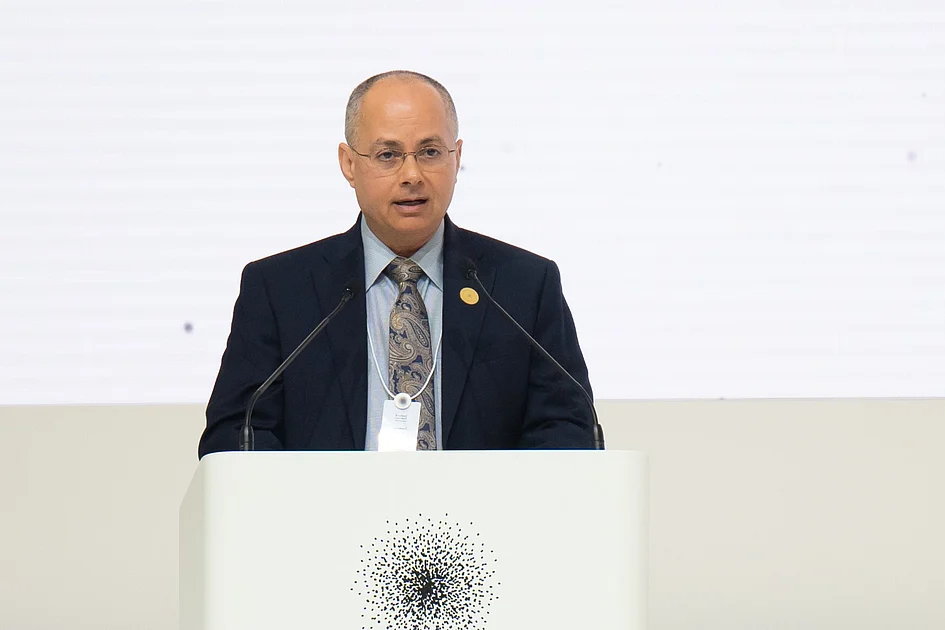
    Yaghi, recipient of the 2025 Nobel Prize in Chemistry for “discoveries that have conferred the greatest benefit to humankind,” emphasizes that the recognition has intensified his commitment to translating scientific breakthroughs into societal benefits. Reflecting on his journey from discovering molecular diagrams in a library to Nobel recognition, he advocates maintaining curiosity through uncertainty as the pathway to transformative innovation.

  • Genes key to increasing heat tolerance of grains

    Genes key to increasing heat tolerance of grains

    In a groundbreaking development addressing global food security challenges, Chinese researchers have decoded the molecular mechanisms behind heat tolerance in rice crops. The study, published in the prestigious journal Cell on December 4, 2025, reveals two critical genetic regulators that enable plants to withstand extreme temperature conditions.

    The research team from Chinese Academy of Sciences Center for Excellence in Molecular Plant Sciences, Shanghai Jiao Tong University, and Guangzhou Laboratory conducted extensive field simulations replicating future climate scenarios. Their investigation identified DGK7 (a kinase) and MdPDE1 (a lipase) as essential components in rice’s thermal response system. These function as a sophisticated biological alarm mechanism, converting external heat signals into cellular instructions that trigger protective responses.

    Experimental results demonstrated remarkable yield improvements: single-gene modifications increased production by 50-60%, while dual-gene modifications nearly doubled output compared to control groups. The research maintained crop quality under simulated heat waves reaching 46°C (115°F) during peak daylight hours, without compromising yield under normal growing conditions.

    Dr. Lin Hongxuan, corresponding author of the study, emphasized the precision engineering capabilities now possible: ‘Scientists can not only enhance heat tolerance but design gradient heat-resistant varieties tailored to specific climate conditions.’

    The findings offer transformative potential for securing global food supplies as climate change intensifies. The identified genetic markers provide a blueprint for developing resilient strains of major cereal crops including wheat and corn, potentially mitigating projected yield declines from rising global temperatures.

    This research represents a significant advancement in climate-adaptive agriculture, combining fundamental biological discovery with immediate practical applications for sustainable food production.

  • Indian scientists find galaxy like Milky Way from 12 billion years ago

    Indian scientists find galaxy like Milky Way from 12 billion years ago

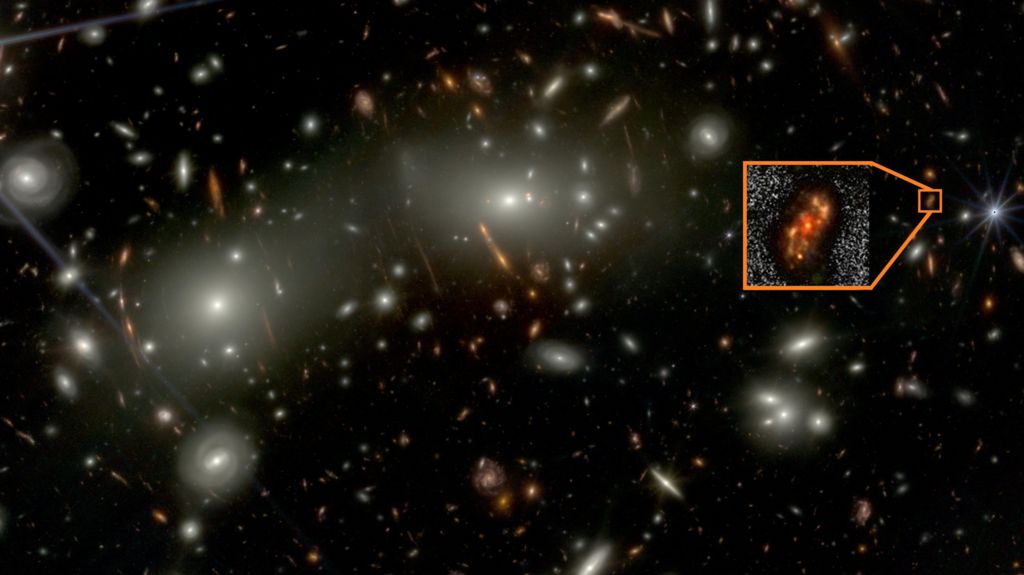
    A groundbreaking discovery by Indian astronomers using the James Webb Space Telescope (JWST) has revealed a fully-formed spiral galaxy dating back to when the universe was merely 1.5 billion years old, fundamentally challenging existing models of early galactic evolution. This cosmic structure, named Alaknanda after a Himalayan river, exhibits symmetrical arms and a distinct central bulge remarkably similar to modern spiral galaxies like our Milky Way, despite existing during the universe’s infancy.

    The research team led by PhD candidate Rashi Jain and Professor Yogesh Wadadekar from Pune’s National Centre for Radio Astrophysics identified the galaxy while analyzing approximately 70,000 celestial objects in JWST data. Alaknanda spans approximately 30,000 light-years in diameter and contains an estimated 10 billion solar masses of stars, representing approximately one-third the size of our Milky Way but with a star formation rate 20-30 times greater.

    Published in the prestigious journal Astronomy and Astrophysics, these findings contradict prevailing astronomical theories suggesting the early universe was predominantly populated by irregular, chaotic galactic structures. The presence of such a sophisticated spiral formation merely 1.5 billion years after the Big Bang indicates the universe achieved structural maturity much earlier than previously believed.

    ‘This galaxy had to assemble tremendous stellar mass and develop complex spiral architecture within just a few hundred million years—an incredibly rapid timeline by cosmic standards,’ Professor Wadadekar explained. The discovery suggests current models may significantly underestimate the speed and complexity of galactic evolution in the universe’s formative epochs.

    The researchers plan to conduct follow-up observations using both JWST and the ALMA observatory in Chile to investigate the mechanisms enabling such rapid spiral arm formation. As light from Alaknanda has traveled 12 billion years to reach Earth, astronomers are essentially observing the galaxy’s ancient state, with its current condition remaining unknown until future light arrives.

    This discovery adds to growing evidence from JWST observations that the early universe contained more sophisticated structures than previously theorized, prompting potential revisions to our understanding of cosmic dawn and galactic development processes.

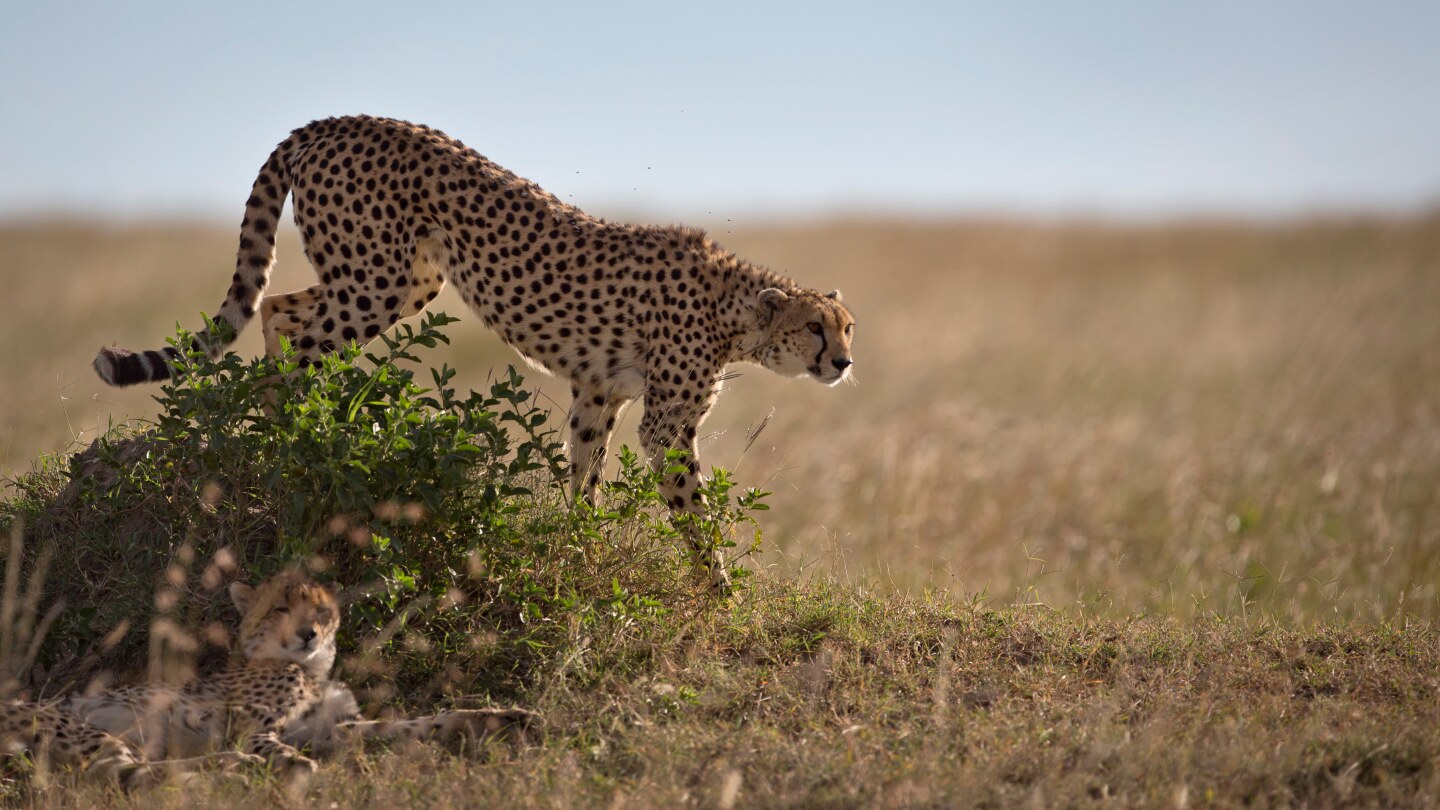
  • How a sperm bank for cheetahs might one day save the fastest land animal

    How a sperm bank for cheetahs might one day save the fastest land animal

    CAPE TOWN, South Africa — For over three decades, pioneering American zoologist Dr. Laurie Marker has been meticulously building a biological insurance policy against the potential extinction of the world’s fastest land mammal. At her Cheetah Conservation Fund laboratory in Namibia, she has assembled one of the world’s most comprehensive cheetah sperm banks—a collection she hopes conservationists will never need to use.

    This genetic repository, established in 1990 and containing specimens from approximately 400 individual cheetahs, represents a critical safeguard against what Marker describes as a ‘worst-case scenario’ for the species. The initiative comes as cheetah populations face unprecedented threats, with fewer than 7,000 individuals remaining across just 33 fragmented wild populations, primarily throughout Africa.

    The urgency of such conservation measures was highlighted on World Cheetah Day, with current cheetah numbers mirroring those of critically endangered black rhinos. Modern threats including habitat fragmentation, human-wildlife conflict, and illegal wildlife trafficking have reduced global cheetah populations by 80% over the past half-century, eliminating them from 90% of their historical range.

    Compounding these challenges is the species’ concerning genetic profile. Scientific research indicates cheetahs narrowly avoided extinction during the last ice age approximately 10,000-12,000 years ago, resulting in significantly reduced genetic diversity. This historical bottleneck, combined with contemporary population isolation and documented reproductive challenges—including 70-80% abnormal sperm rates—creates a perfect storm of vulnerability.

    Marker’s approach represents a established conservation strategy increasingly employed for endangered species worldwide. Similar reproductive technologies are being deployed in the desperate attempt to save the northern white rhino, of which only two females remain. While that effort has yet to produce successful pregnancies, other species like the black-footed ferret have been successfully bred through artificial reproduction techniques after reaching critically low population levels.

    The Cheetah Conservation Fund collects samples opportunistically rather than through active pursuit—gathering genetic material during veterinary interventions with injured or captured animals, as well as from deceased specimens. All samples are preserved at ultralow temperatures using liquid nitrogen technology.

    While approximately 1,800 cheetahs currently exist in captive environments worldwide, Marker notes that the species breeds poorly in captivity, making the frozen genetic repository potentially essential for future conservation efforts. ‘Without this resource,’ Marker emphasizes, ‘we simply wouldn’t have much of a chance should the species face imminent extinction.’