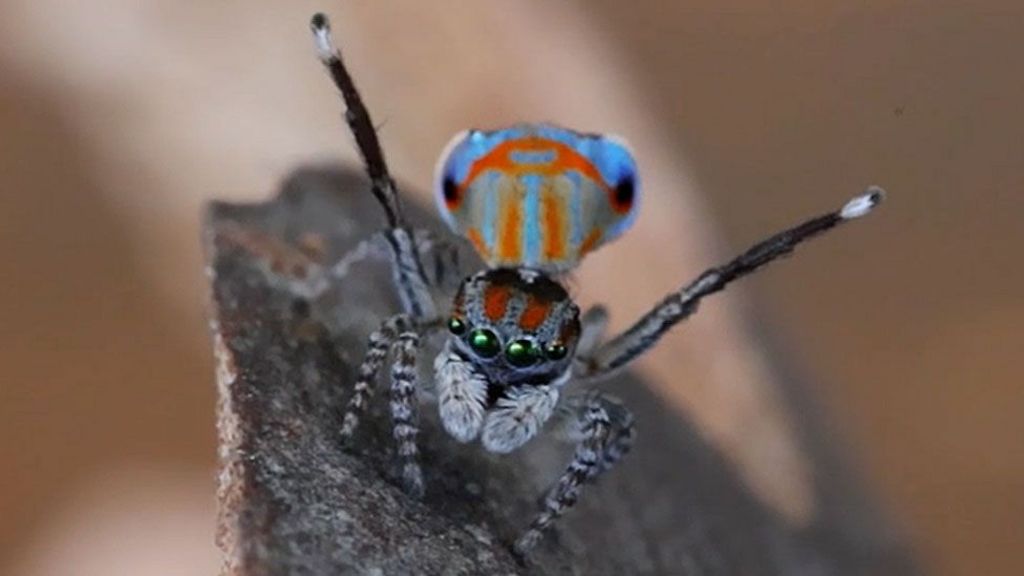
Australia’s peacock spiders, known for their dazzling colors and intricate mating dances, are more than just a visual spectacle. With over 100 distinct species, these tiny arachnids, each no larger than a pinhead, exhibit an extraordinary level of diversity that has captivated scientists. Researchers are now delving into the genetic mysteries behind this phenomenon, focusing on a little-understood component of their DNA known as ‘dark DNA.’ This enigmatic part of the genetic code, which makes up a significant portion of the spiders’ genome, may hold the key to their rapid adaptation and speciation. Jonah Walker, a researcher at the Sanger Institute, explains that studying these spiders could shed light on the broader processes that drive variation in the natural world. ‘Peacock spiders are at the extreme end of diversity,’ he says. ‘By studying them, we can understand the mechanisms that produce such variation in general.’ The spiders’ unique mating rituals, which include rhythmic drumming sounds and vibrant abdominal displays, vary widely across species. Walker, who overcame his own arachnophobia to study these creatures, collaborated with Dr. Joana Meier and an international team to catalog each species’ behavior, movement, and songs. By cross-referencing this data with their DNA, the team aims to identify the genetic factors responsible for their traits. Early findings suggest that ‘dark DNA,’ which is three times more abundant in peacock spiders than in humans, may play a crucial role in their evolution. This research is part of the broader Earth BioGenome Project, which aims to decode the genetic sequences of all 1.8 million known species within the next decade. Dr. Meier emphasizes that understanding the DNA of diverse organisms, including spiders, butterflies, and moths, will provide unprecedented insights into the principles of genetics and evolution. ‘By studying the DNA of all living things, we not only learn about them but also about ourselves,’ she says. The project has already decoded 3,000 species, with plans to complete 10,000 more next year. The ultimate goal is to unravel the intricate web of life, offering a deeper understanding of how all organisms are interconnected.
分类: science
-
Global historic story in an ancient Chinese map
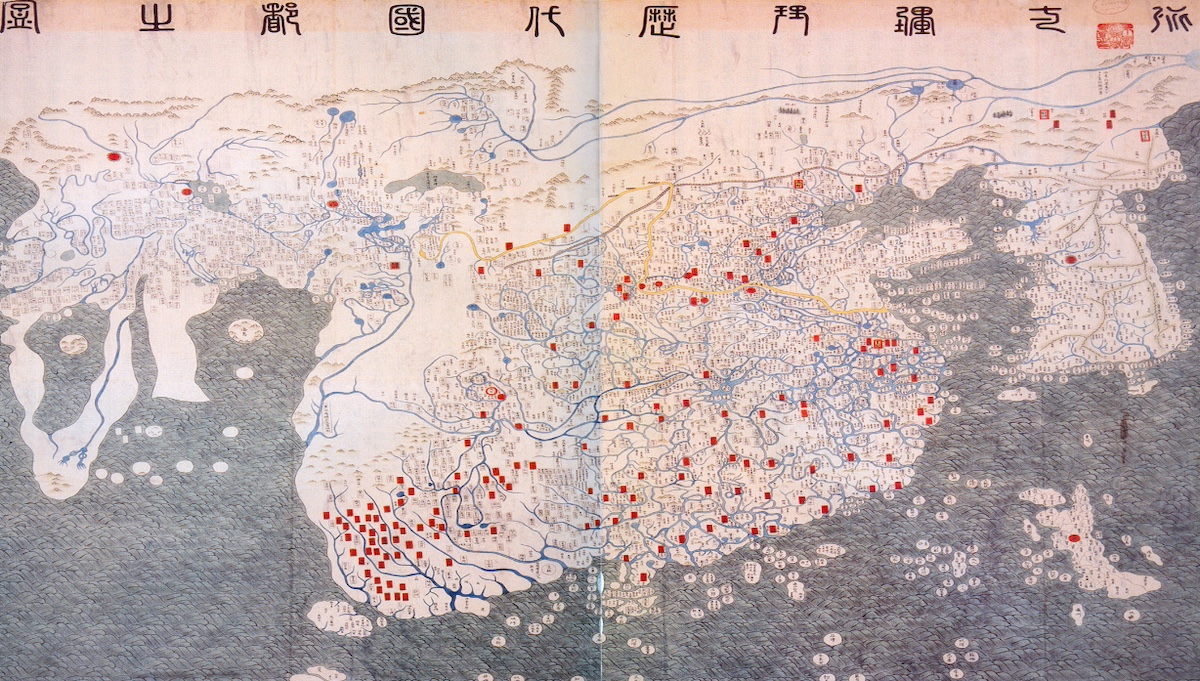
The late 16th century marked a pivotal era in global exploration, but long before Europeans reached China by sea, ancient Chinese scholars had already developed a sophisticated understanding of the world. This knowledge, encapsulated in a 15th-century map, offers a fascinating glimpse into the intellectual and cultural exchanges of the time. The *Honil Gangni Yeokdae Gukdo Ji Do* (Map of Integrated Lands and Regions of Historical Countries and Capitals), created by Koreans in 1402, is a testament to this early global awareness. This map, now housed at Ryukoku University in Kyoto, Japan, was based on earlier Chinese maps from the Mongol Yuan era, reflecting a blend of scientific geography, national sentiment, and cultural imagination. The map’s depiction of regions from Japan to Africa and Europe raises intriguing questions about how Asians acquired such detailed geographical knowledge before Europeans. Scholars suggest that Persian-Arab astronomical and geographical knowledge, transmitted during the Mongol Empire, played a crucial role. This map not only highlights the interconnectedness of ancient civilizations but also challenges the notion of a closed-off ancient China, revealing a rich tradition of intellectual and cultural exchange.
-
Space race next: US, China rushing to nuclearize the moon
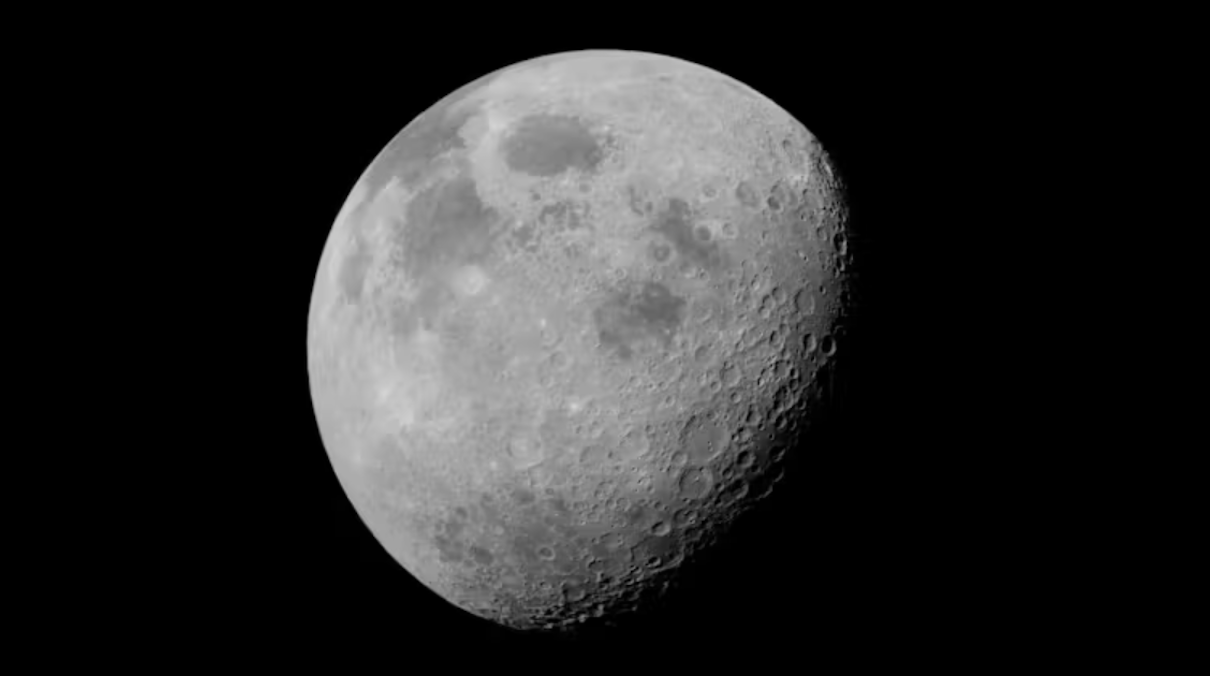
The first space race was defined by symbolic achievements like planting flags and leaving footprints on the moon. Today, the focus has shifted dramatically. The new frontier is about building sustainable infrastructure on the lunar surface, and the key to this endeavor lies in power generation. In April 2025, China announced ambitious plans to construct a nuclear power plant on the moon by 2035, aimed at supporting its proposed international lunar research station. Not to be outdone, the United States, through NASA’s acting administrator Sean Duffy, revealed intentions to deploy a lunar reactor by 2030. While these developments may seem sudden, they are the culmination of years of research and development by NASA and the Department of Energy into small nuclear power systems designed for lunar bases, mining operations, and long-term habitats. From the perspective of space law, this is not an arms race but a strategic infrastructure race, where influence is wielded through the establishment of critical facilities. A lunar nuclear reactor, while dramatic, is neither illegal nor unprecedented. If implemented responsibly, it could enable peaceful exploration, economic growth, and technological advancements for deeper space missions. However, it also raises significant questions about access, safety, and geopolitical influence. The legal framework for such endeavors already exists, with the 1992 UN Principles Relevant to the Use of Nuclear Power Sources in Outer Space providing guidelines for safety and international consultation. The 1967 Outer Space Treaty further governs space activity, emphasizing cooperation and due regard for other nations. Being the first to establish a lunar reactor could set norms for future lunar presence and operations, particularly in resource-rich areas like the moon’s south pole, where water ice could sustain life and fuel rockets. Critics have raised concerns about radiation risks, but adherence to UN safety protocols could mitigate these issues. Solar power, while viable in some regions, is unreliable in the moon’s permanently shadowed craters, making nuclear energy a practical necessity. The deployment of nuclear power on the moon is not just about lunar exploration; it is a stepping stone for missions to Mars and beyond. The United States has an opportunity to lead not only in technology but also in governance by adhering to international guidelines and promoting transparency. The future of lunar exploration will be shaped by who builds what and how, with infrastructure serving as the cornerstone of influence in the next era of space exploration.
-
Ancient DNA reveals a new group of people who lived near land bridge between the Americas
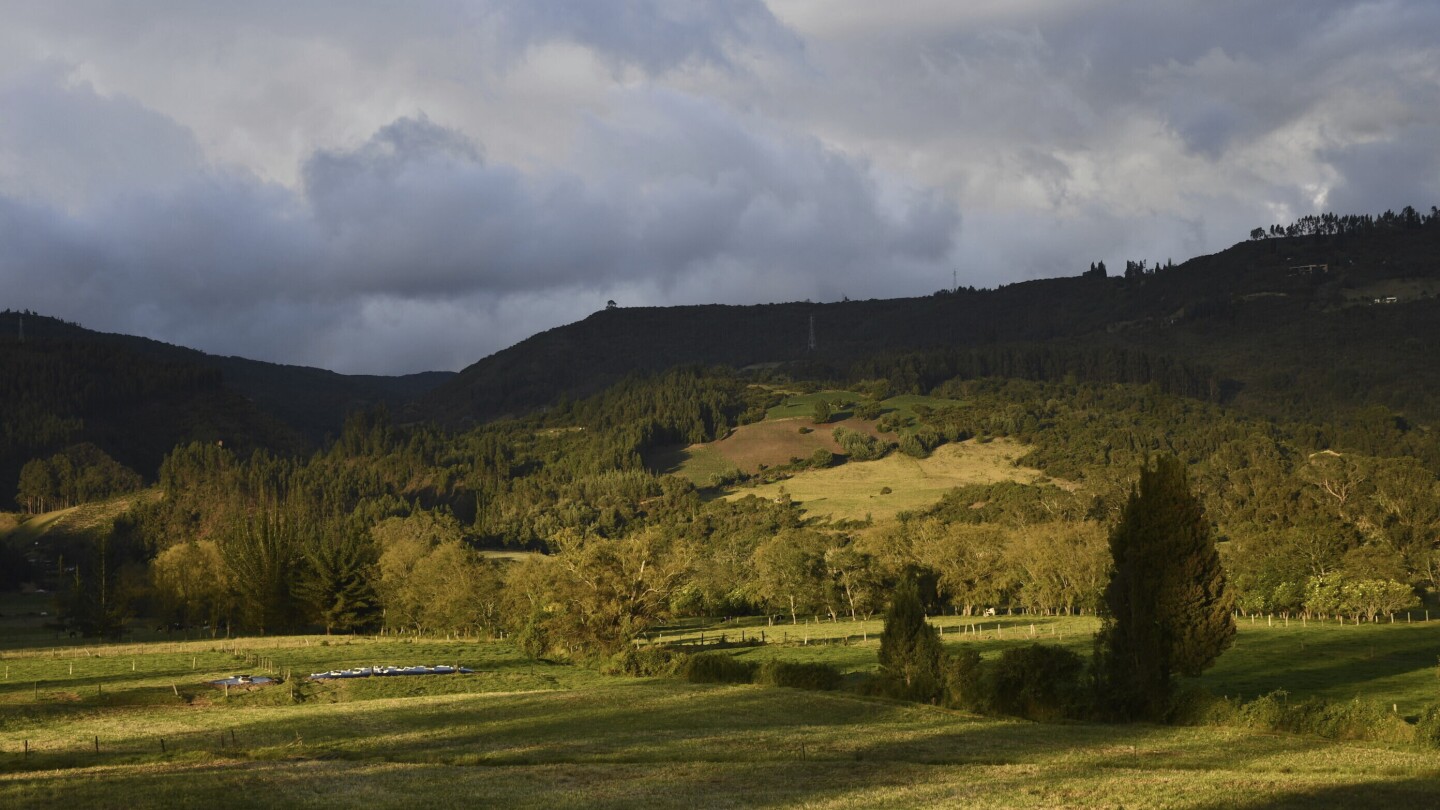
In a groundbreaking discovery, scientists have uncovered evidence of a previously unknown pod of ancient hunter-gatherers who thrived approximately 6,000 years ago near the land bridge connecting North and South America. This revelation, published in the journal *Science Advances*, sheds new light on the complex migration patterns of early humans across the Americas. The group, identified through ancient DNA analysis, inhabited the high plateaus of present-day Bogotá, Colombia—a strategic location where the two continents converge. Intriguingly, this ancient population does not share close genetic ties with either ancient Native Americans in North America or ancient or modern South Americans, leaving their exact place in the human family tree a mystery. Archaeologist Andre Luiz Campelo dos Santos of Florida Atlantic University, who was not involved in the study, remarked, ‘Up to this point, we didn’t believe there was any other lineage that would appear in South America. This is unexpected.’ By 4,000 years ago, this group had vanished, replaced by a genetically distinct population. The reasons for their disappearance remain unclear, with possibilities ranging from assimilation into a larger group to complete displacement. Further genetic analysis in South America could help determine whether traces of this ancient lineage persist in modern populations. Study author Andrea Casas-Vargas of the National University of Colombia emphasized the significance of the region, calling it ‘the gateway to the South American continent.’ This discovery underscores the importance of the land bridge in the migration and settlement of ancient peoples across the Americas.