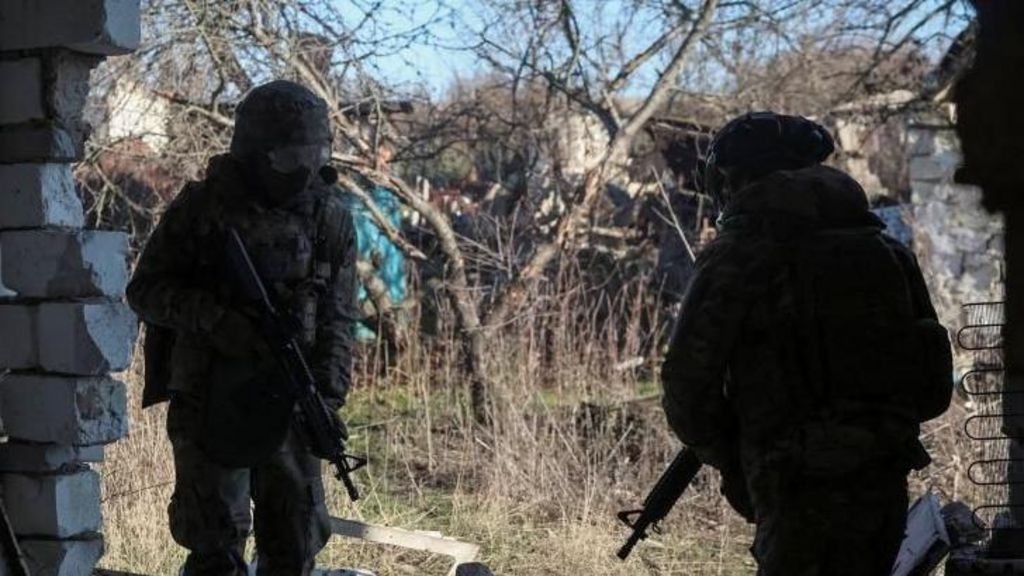
Recent developments in the ongoing Ukraine conflict suggest a potential breakthrough in peace negotiations, with key players expressing cautious optimism. U.S. President Donald Trump announced on Tuesday that a deal is ‘very close,’ while Ukrainian President Volodymyr Zelensky highlighted ‘significant results’ from recent discussions in Geneva. Despite these positive signals, Russian officials remain reserved, with Kremlin aide Yuri Ushakov noting that many elements of the latest draft require further expert discussions. The diplomatic push follows the leak of a 28-point U.S. plan, which proposed territorial concessions and military limitations for Ukraine, sparking outrage in Kyiv. European leaders swiftly countered with their own 28-point proposal, emphasizing ‘negotiations on territorial swaps’ and stronger security guarantees. The revised plan, now reduced to 19 points, has been met with relief by Ukrainian officials, though contentious issues like territory and NATO relations remain unresolved. With Trump’s envoy Steve Witkoff set to visit Moscow and Zelensky potentially returning to the White House, the pace of diplomacy shows no signs of slowing. However, critical questions linger, particularly regarding security guarantees for Ukraine and the future of its sovereignty. As the process unfolds, experts warn that significant challenges remain, and the path to a sustainable peace is far from certain.
分类: politics
-
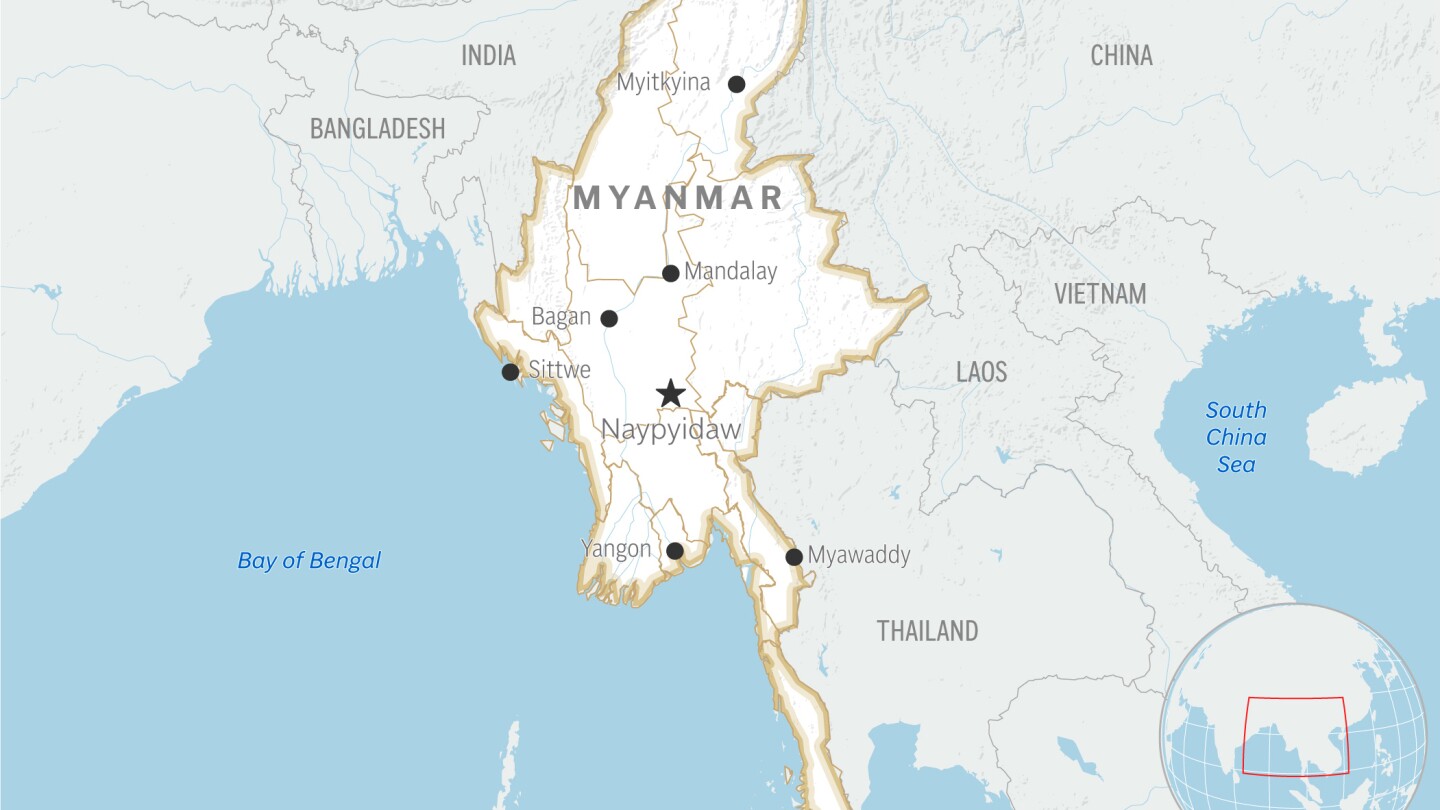
Myanmar’s military rulers grant a mass amnesty ahead of election
In a significant move ahead of next month’s election, Myanmar’s military junta has announced the release of over 3,000 political prisoners and the dismissal of charges against more than 5,500 individuals. State media reported on Wednesday that the amnesty aims to ensure eligible voters can participate freely and fairly in the December 28 multi-party democratic general election. An official from Yangon’s Insein Prison, speaking anonymously, confirmed that releases began on Thursday, though specific details about the inmates were not disclosed. Outside Insein Prison, which has long been a detention center for political dissidents, crowds gathered to welcome freed relatives and friends. It remains unclear whether former leader Aung San Suu Kyi, who has been held incommunicado since the 2021 military coup, is among those released. The amnesty, granted by Myanmar’s State Security and Peace Commission, covers prisoners convicted under Section 505(A) of the penal code, which criminalizes incitement to public unrest or fear. Critics argue the election will lack fairness due to the absence of free media and the imprisonment of key opposition leaders. According to the Assistance Association for Political Prisoners, over 22,700 political detainees, including Suu Kyi, remain in custody. Suu Kyi, 80, is serving a 27-year sentence following what supporters describe as politically motivated prosecutions. The 2021 military takeover sparked widespread nonviolent resistance, which has since escalated into an armed struggle.
-
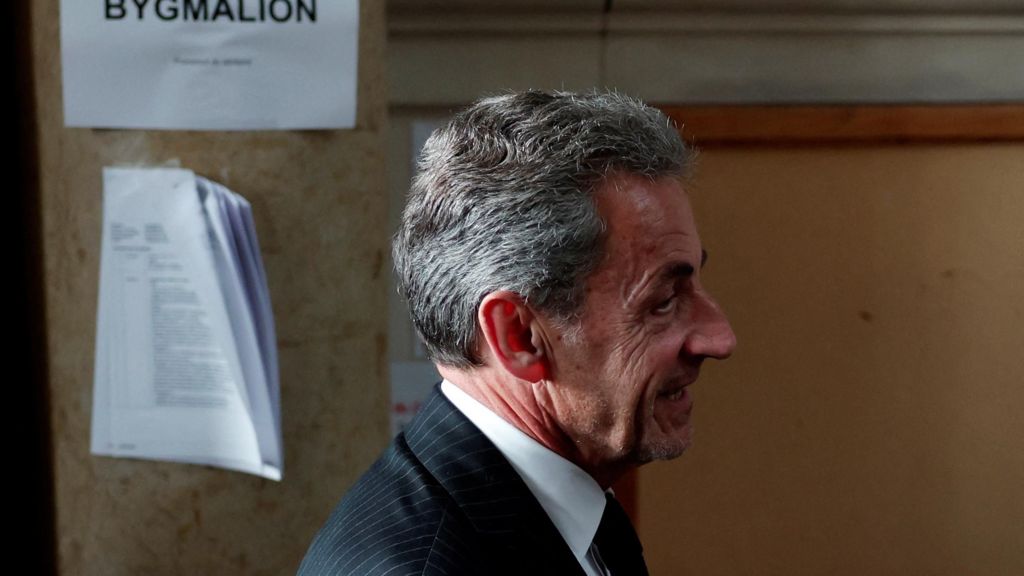
Nicolas Sarkozy illegal campaign financing conviction upheld
France’s highest court has confirmed the conviction of former President Nicolas Sarkozy for the illegal financing of his 2012 re-election campaign. Sarkozy, who served as France’s leader from 2007 to 2012, was found guilty of exceeding the €22.5 million campaign spending limit and subsequently hiring the PR firm Bygmalion to conceal the overspending. The court upheld a one-year sentence, with six months suspended, allowing Sarkozy to serve the term under electronic monitoring instead of incarceration. Sarkozy has consistently denied all allegations. Prosecutors revealed that his UMP party spent nearly double the legal cap, splurging on extravagant campaign events. To mask the expenses, Bygmalion was instructed to invoice the party directly rather than the campaign. This marks Sarkozy’s second definitive conviction. Last December, he was found guilty of corruption and served six months under electronic surveillance. In September, he received a five-year prison sentence for criminal conspiracy, though he was released after 20 days. An appeal trial is scheduled for next year, during which Sarkozy will remain under strict judicial supervision and prohibited from leaving France. Shortly after his release, Sarkozy’s team announced he is writing a book titled ‘A Prisoner’s Diary,’ detailing his three-week incarceration. An excerpt shared on social media reflects on his prison experience, describing the constant noise and the strengthening of inner life during confinement.
-
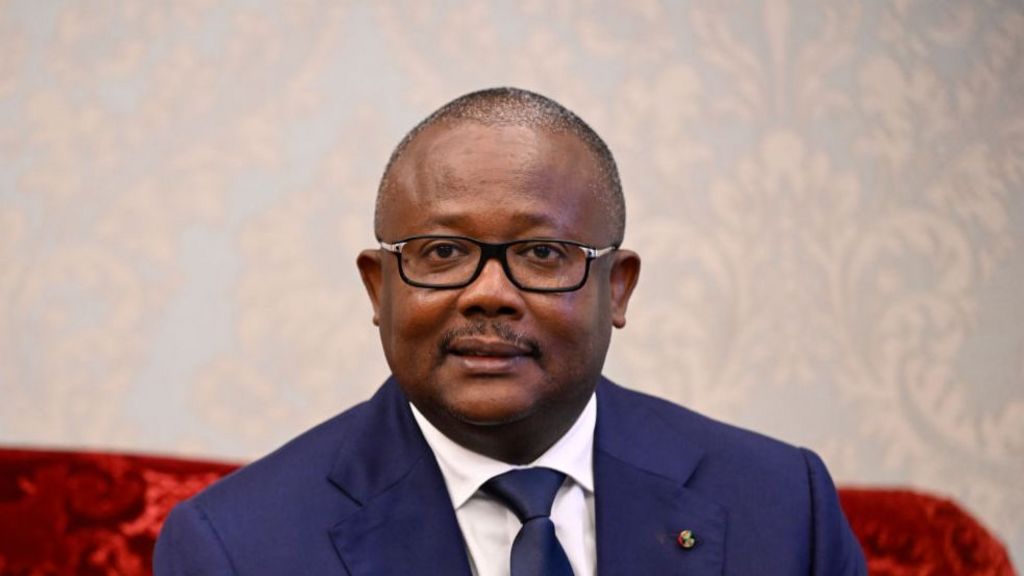
Guinea-Bissau president arrested as gunfire heard, sources tell BBC
In a dramatic turn of events, Guinea-Bissau’s President Umaro Sissoco Embaló has reportedly been arrested by armed men, according to government sources cited by the BBC. The incident unfolded after gunfire erupted near the presidential palace in the capital, Bissau, around 13:00 GMT. Witnesses reported hearing sustained gunshots, though the identities of those involved remain unclear. This alarming development follows a contentious presidential election held three days prior, during which the main opposition candidate was disqualified. Both Embaló and his closest rival, Fernando Dias, have claimed victory, with official results expected on Thursday. As the situation escalated, hundreds of residents fled on foot and in vehicles, seeking safety from the chaos. Guinea-Bissau, a former Portuguese colony with a population of just under two million, is one of the world’s poorest nations and has a history of political instability, with nine coups or attempted coups since 1980. Embaló himself has faced two previous attempts to overthrow him, the most recent in December 2023. This is a breaking news story, and further updates are anticipated.
-
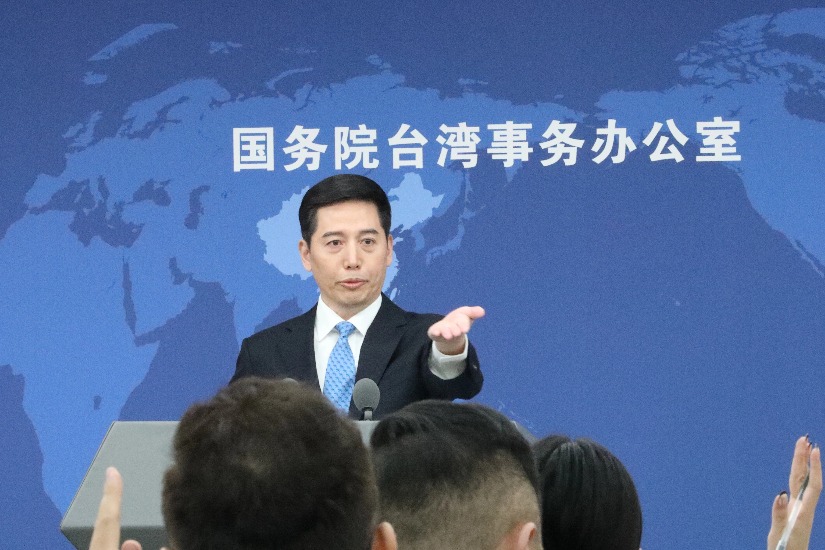
Mainland slams Lai Ching-te for ‘disgusting’ support of Japanese PM’s Taiwan remarks
The Chinese mainland has strongly criticized Taiwan’s leader Lai Ching-te for his public endorsement of Japanese Prime Minister Sanae Takaichi’s recent remarks on Taiwan, labeling his actions as ‘disgusting.’ During a press conference, Peng Qing’en, spokesperson for the State Council’s Taiwan Affairs Office, accused Lai of ‘courting Japan’s favor and betraying Taiwan.’ Peng emphasized that Lai’s behavior revealed his ‘shameful betrayal of the motherland and disregard for heritage.’ He further warned the Democratic Progressive Party (DPP) authorities that any reliance on external forces would lead to disgrace and that traitors would face justice. Peng’s comments came in response to Takaichi’s statements, which have sparked widespread protests in Taiwan. Lai defended Takaichi and shared a photo of himself enjoying Japanese cuisine on social media, claiming it symbolized the ‘strong friendship’ between Taiwan and Japan. Peng asserted that Takaichi’s remarks constituted gross interference in China’s internal affairs, violated international law, and undermined the post-war international order. He urged Japan to reflect on and correct its mistakes, demanding the withdrawal of all ‘erroneous statements’ regarding Taiwan.
-
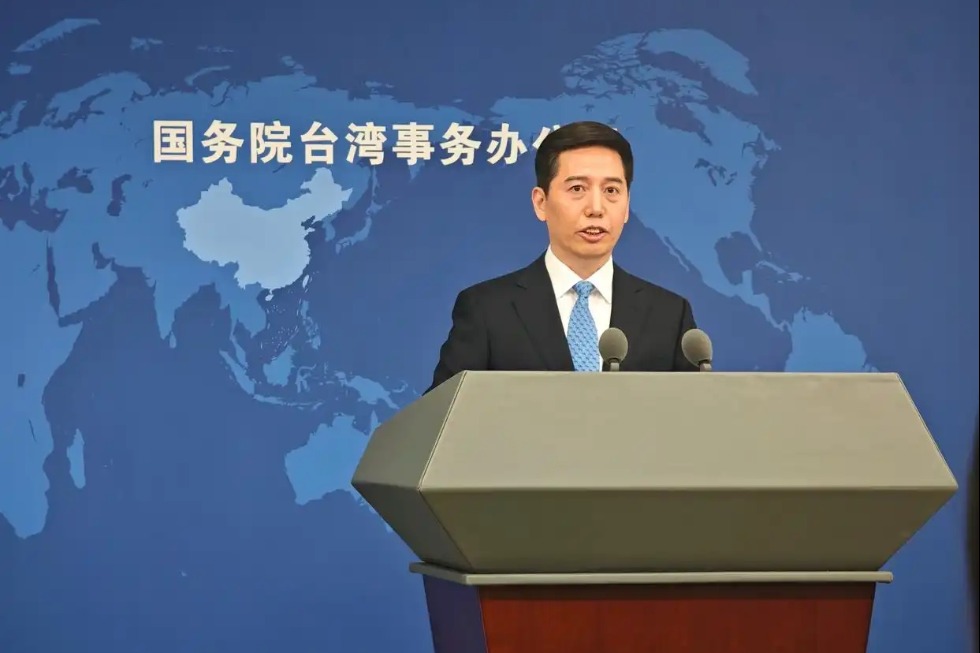
DPP warned against self-destructive military pursuit of ‘independence’
A spokesperson from mainland China issued a stern warning on Wednesday, cautioning that the Democratic Progressive Party (DPP) authorities in Taiwan are heading toward self-destruction by pursuing ‘independence’ through military means. Peng Qing’en, spokesman for the State Council Taiwan Affairs Office, made these remarks in response to an opinion piece by Lai Ching-te, published in The Washington Post. In the article, Lai outlined plans to increase Taiwan’s ‘defense’ budget to 3.3% of its GDP next year and to 5% by 2030, alongside a proposed $40 billion supplementary ‘defense’ package. Peng criticized the DPP for diverting resources that could otherwise improve livelihoods and economic development, instead allocating funds to arms purchases aimed at ‘currying favor with external forces.’ Lai’s article also emphasized investments in cutting-edge technologies, expansion of Taiwan’s ‘defense’ industrial base, and strengthened collaboration with international partners. Peng reiterated that such actions would only push Taiwan toward disaster, emphasizing that the trend toward reunification is unstoppable. He warned that relying on the United States for ‘independence’ is doomed to fail, and pursuing it through military means would result in self-destruction.
-
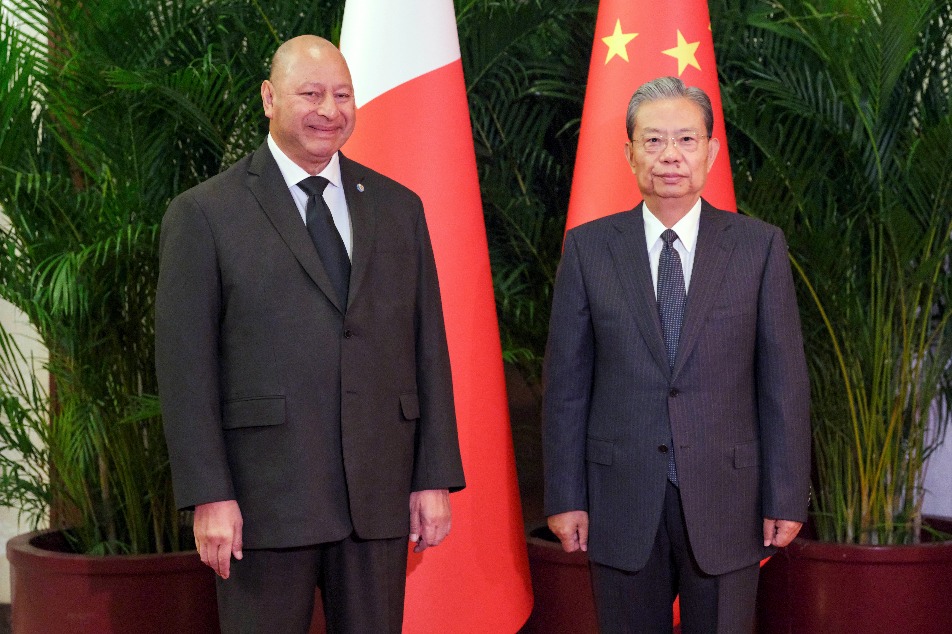
China’s top legislator meets Tonga’s king
In a significant diplomatic engagement, Zhao Leji, Chairman of the National People’s Congress (NPC) Standing Committee, met with King Tupou VI of Tonga in Beijing on Wednesday. The meeting underscored the commitment of both nations to deepen their bilateral relations and enhance cooperation across various sectors. Zhao emphasized China’s readiness to work closely with Tonga to implement the key agreements reached by their respective leaders. He highlighted the importance of mutual support on core issues, advancing high-quality and mutually beneficial cooperation, and fostering cultural and people-to-people exchanges to ensure the steady growth of China-Tonga relations. Zhao also expressed the NPC’s willingness to strengthen multi-level exchanges with Tonga’s parliament, providing legal frameworks to support practical collaboration between the two countries. King Tupou VI reaffirmed Tonga’s steadfast adherence to the one-China policy and expressed eagerness to expand pragmatic cooperation with China. He emphasized the need to deepen legislative exchanges and further develop the comprehensive strategic partnership between Tonga and China. The meeting reflects the enduring and robust friendship between the two nations, setting a positive trajectory for future collaboration.
-
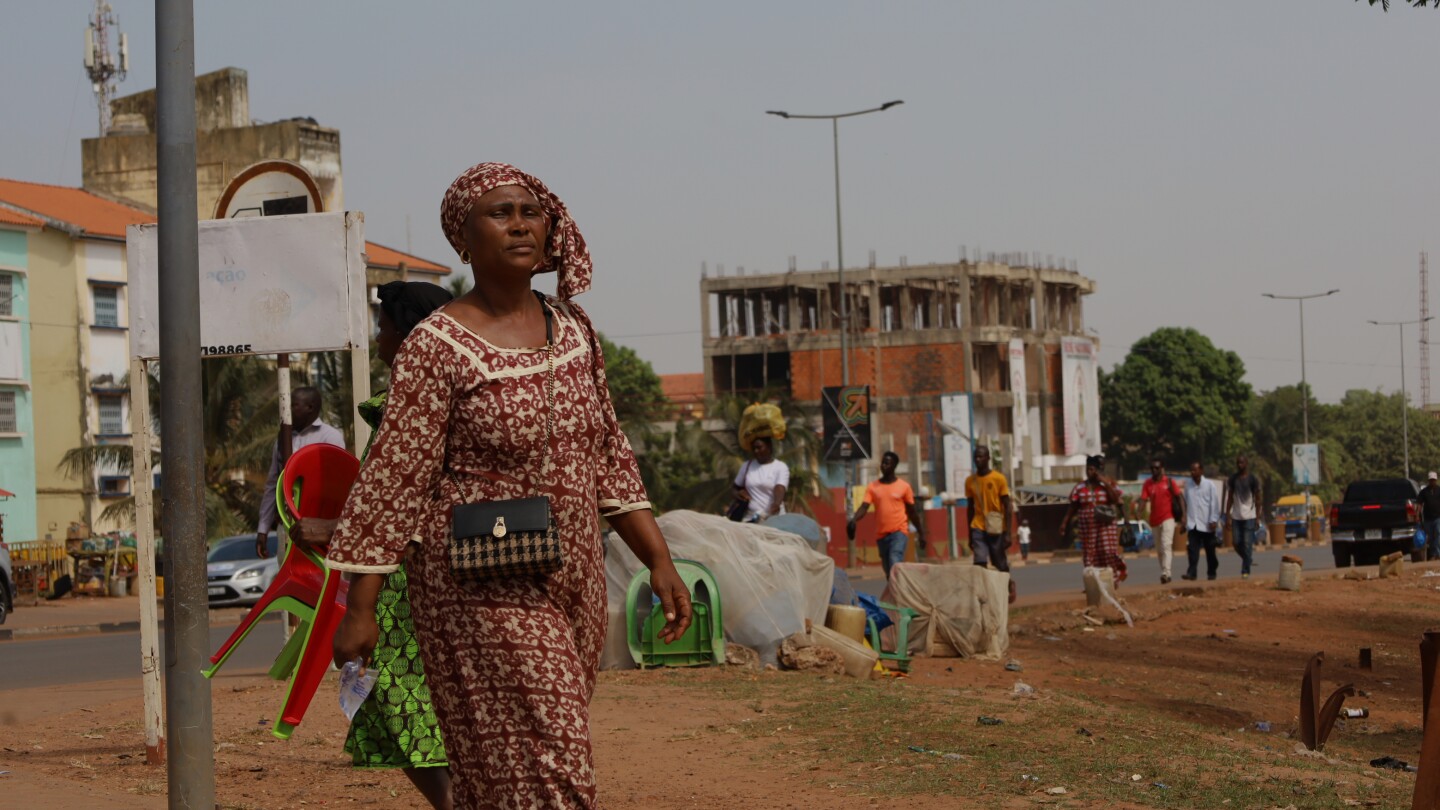
Soldiers in Guinea-Bissau appear on state television saying they have seized power in the country
In a dramatic turn of events, soldiers in Guinea-Bissau have announced the seizure of power, as reported on state television. This development follows reports of gunfire near the presidential palace on Wednesday, just three days after national elections were held. Dinis N’Tchama, spokesperson for the country’s military high command, declared in a statement that the High Military Command has decided to depose the President of the Republic and suspend all institutions of the Republic of Guinea-Bissau. The military cited the discovery of an ongoing plan aimed at destabilizing the country, alleging that both domestic and foreign nationals attempted to manipulate electoral results to implement this plan. As part of their measures, the soldiers have immediately suspended the current electoral process, halted media activities, and closed all borders. The presidential and legislative elections, held on Sunday, saw incumbent President Umaro Sissoco Embaló and opposition candidate Fernando Dias da Costa each claiming victory on Tuesday, despite official provisional results not being expected until Thursday. Guinea-Bissau, a West African nation with a history of political instability, has experienced four coups and numerous attempted ones since gaining independence, including a reported attempt last month. The situation remains tense as gunfire was heard near the presidential palace in the capital, and roads leading to the palace were closed off, with checkpoints manned by heavily armed and masked soldiers.
-
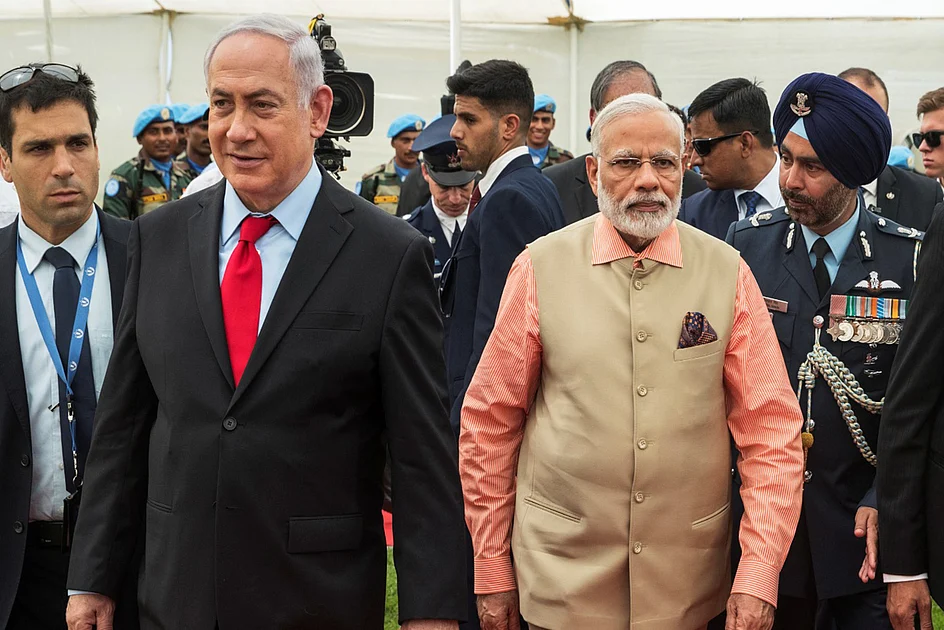
India-Israel relations ‘very strong’, Netanyahu’s office says as new visit date planned
The diplomatic relationship between India and Israel remains robust, with both nations actively working to reschedule Israeli Prime Minister Benjamin Netanyahu’s visit to India. Originally planned for December, the trip was postponed following a tragic blast in Delhi two weeks ago. Netanyahu’s office confirmed the strong bilateral ties and expressed full confidence in India’s security measures under Prime Minister Narendra Modi. In a statement on X, the Israeli PM’s office emphasized the deep bond between the two leaders and their nations, highlighting ongoing coordination for a new visit date. Netanyahu had previously visited India in 2018, marking the second visit by an Israeli Prime Minister, following Modi’s historic trip to Israel in 2017. The relationship has since expanded, with recent discussions focusing on enhancing cooperation in trade, technology, and strategic sectors. Union Commerce and Industry Minister Piyush Goyal recently met with Netanyahu, conveying Modi’s warm wishes and updating him on progress in bilateral trade and innovation initiatives. The two nations are also advancing negotiations for a Free Trade Agreement (FTA), which is expected to further boost economic and technological collaboration. The partnership between India and Israel continues to grow, with both countries committed to deepening their engagement across multiple domains, including agriculture, water, defense, and science.
-
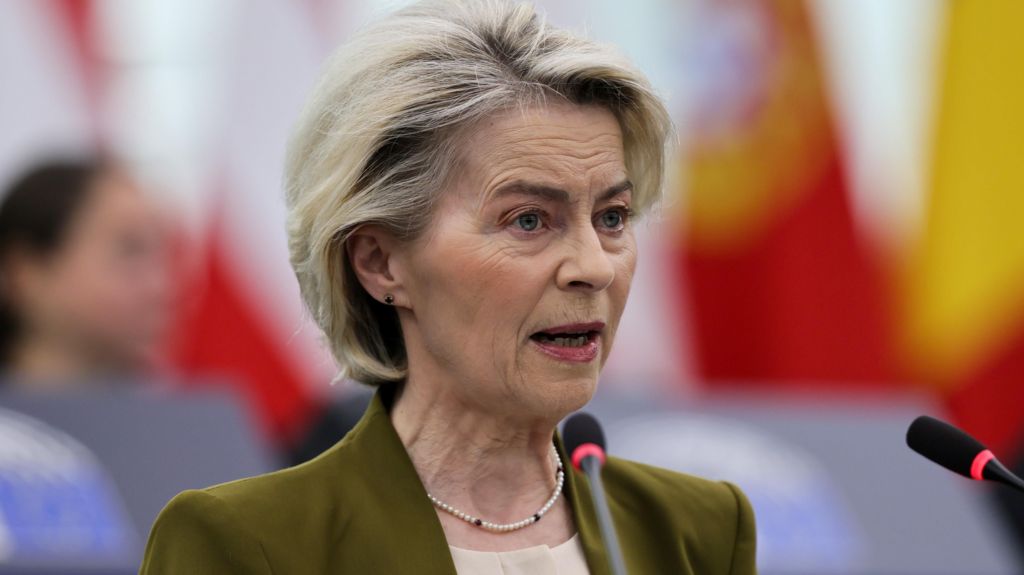
No real intent in Moscow to engage in peace talks, says von der Leyen
European Commission President Ursula von der Leyen has reaffirmed Europe’s steadfast commitment to Ukraine amidst the ongoing conflict, describing the situation as ‘volatile’ and ‘dangerous.’ Addressing the European Parliament in Strasbourg, von der Leyen accused Russia of lacking ‘real intent’ in pursuing peace negotiations, emphasizing that Ukraine would require robust security guarantees to deter future aggression. She highlighted Russia’s post-World War Two mindset, viewing Europe as a ‘sphere of influence,’ and stressed the necessity of European involvement in any peace agreement.