分类: politics

  • Soldiers stage coup in Benin, Presidency says situation under control

    Soldiers stage coup in Benin, Presidency says situation under control

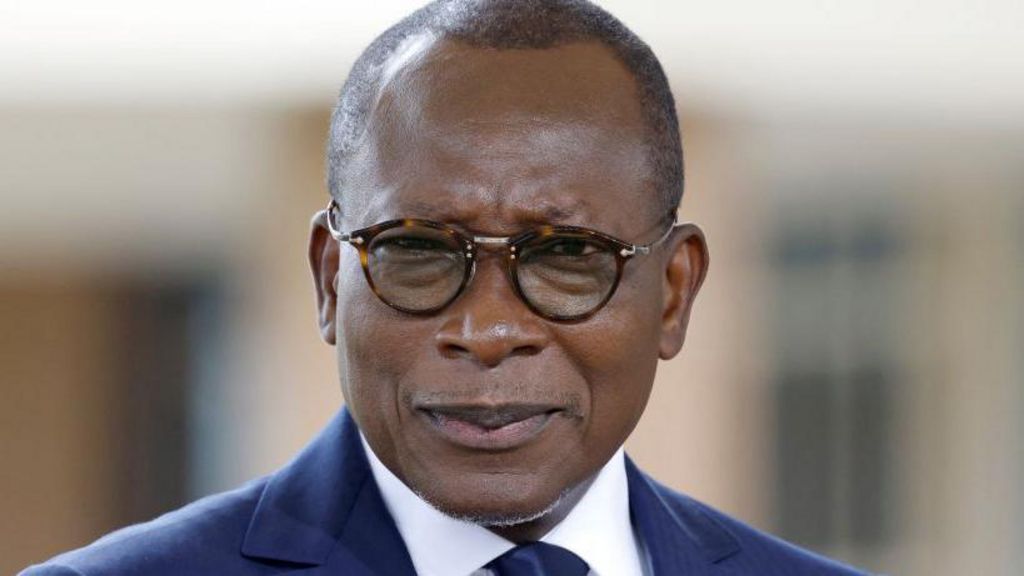
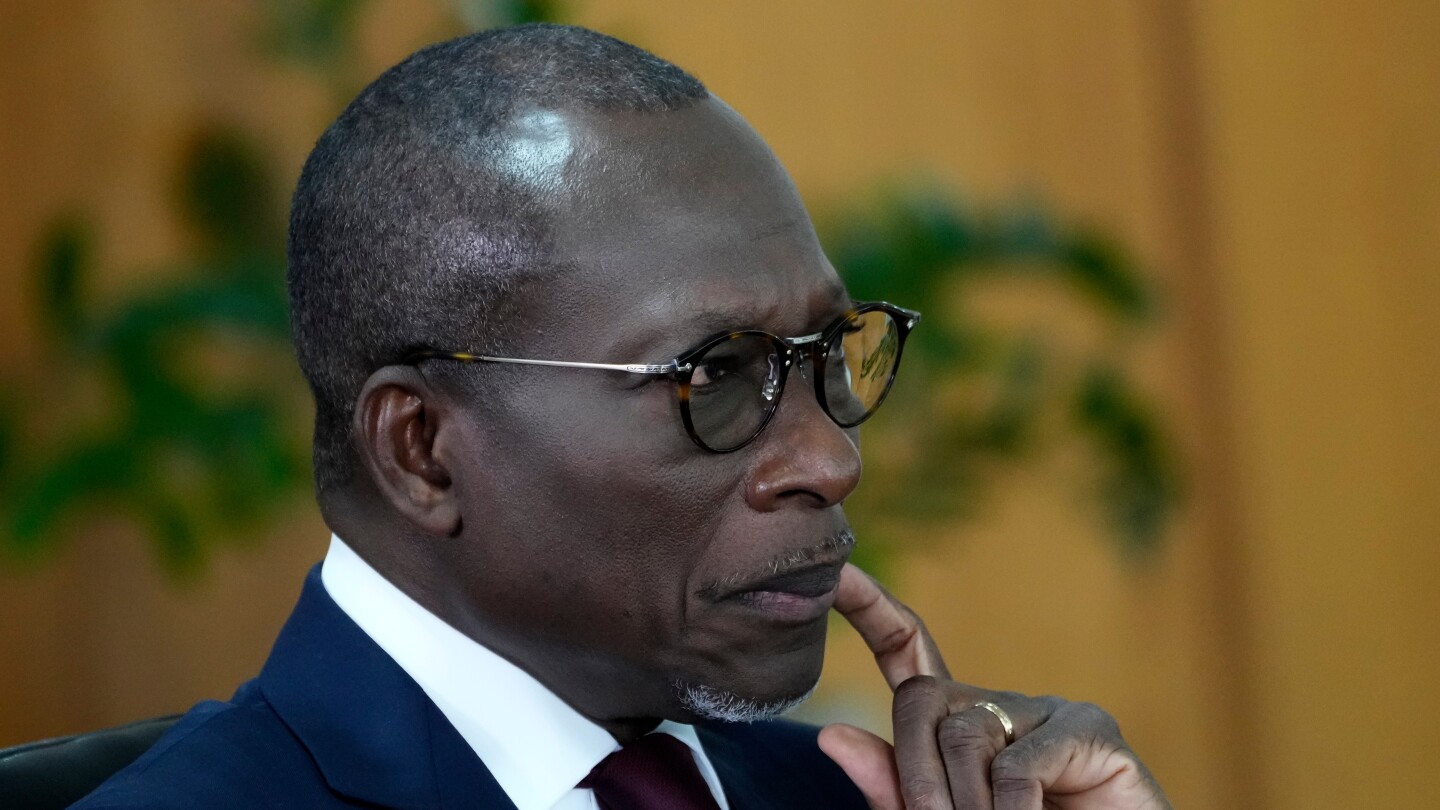
    A faction of Benin’s military launched an attempted coup in the early hours of Sunday, declaring President Patrice Talon removed from office months before scheduled presidential elections. The group, identifying as the “Military Committee for the Refoundation” (CMR), made their announcement on state broadcaster Benin TV following reported gunshots near Camp Guezo military base adjacent to the presidential residence in Cotonou.

    According to military sources, soldiers seized control of the national broadcasting facilities while gunfire erupted in areas surrounding the presidential compound. The insurgent faction declared they had convened and reached a decision to dismiss President Talon from his official functions.

    Contrary to the military group’s claims, the Presidency issued an official statement confirming that government forces had successfully regained control of the situation. Authorities assured the public that President Talon remains secure and that constitutional order is being restored.

    This political turmoil unfolds against the backdrop of significant constitutional changes approved by Benin’s legislature in November, which extended presidential terms from five to seven years while maintaining the two-term limit. The attempted power grab also occurs amid a broader pattern of military interventions across West Africa, including the recent ousting of Guinea-Bissau’s president following contested elections.

    Benin, with a population of approximately 14 million people, has historically been regarded as one of West Africa’s more stable democracies since transitioning from Marxist-Leninist rule in 1991. President Talon, initially elected in 2016 and reelected in 2021, was scheduled to complete his final term following elections originally planned for April 2026.
  • New US security strategy aligns with Russia’s vision, Moscow says

    New US security strategy aligns with Russia’s vision, Moscow says

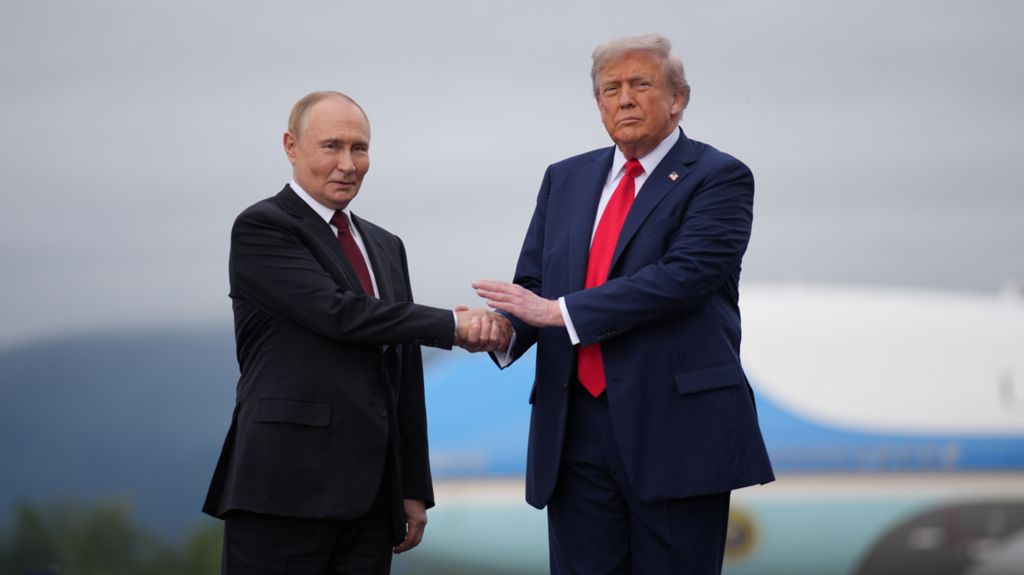
    The Kremlin has expressed approval of the Trump administration’s newly unveiled National Security Strategy, describing its core principles as substantially aligned with Moscow’s geopolitical perspective. Released last week, the 33-page document presents a radical departure from traditional U.S. foreign policy by reframing Europe’s challenges as existential threats while notably avoiding characterization of Russia as a direct adversary to American interests.

    Kremlin spokesperson Dmitry Peskov conveyed Moscow’s position through state-owned TASS news agency on Sunday, stating, “The adjustments we’re seeing are largely consistent with our vision. We consider this a positive step.” The Russian government indicated it would continue analyzing the document before forming definitive conclusions.

    The strategic blueprint identifies combatting foreign influence, halting mass migration, and resisting the European Union’s perceived practices of “censorship” as primary objectives. It advances controversial language suggesting Europe faces “civilisational erasure” and questions whether certain European nations will maintain sufficiently robust economies and militaries to remain reliable U.S. allies.

    European leaders and policy experts have responded with measured concern. German Foreign Minister Wadephul acknowledged the enduring importance of NATO alliances while questioning the document’s focus on freedom of expression issues. “The US will remain our most important ally in the alliance. This alliance, however, is focused on addressing security policy issues,” he stated on Friday.

    Polish Prime Minister Donald Tusk delivered a more direct message via social media, asserting to his “American friends” that “Europe is your closest ally, not your problem” and emphasizing their “common enemies.” Meanwhile, former Swedish Prime Minister Carl Bildt characterized the document as positioning itself “to the right of the extreme right.”

    The strategy advocates for re-establishing strategic stability with Russia, which European officials fear could undermine collective efforts to resolve the Ukraine conflict. It specifically criticizes the EU for allegedly obstructing American peace initiatives and endorses influencing policy through alignment with “patriotic European parties.”

    Additional components include potential military operations against alleged drug-trafficking vessels in Caribbean and eastern Pacific waters, possible intervention in Venezuela, and calls for increased defense spending from Pacific allies including Japan, South Korea, Australia, and Taiwan.

    Congressional Democrats have issued stern warnings about the document’s potential consequences. Representative Jason Crow of Colorado, who serves on House intelligence and armed services committees, labeled the strategy “catastrophic to America’s standing in the world,” while New York Representative Gregory Meeks argued it “discards decades of value-based, U.S. leadership.”

  • Foreign media urged to report truthfully on HK matters

    Foreign media urged to report truthfully on HK matters

    The Office for Safeguarding National Security of China’s Central Government in Hong Kong has issued a formal admonition to international media organizations operating within the special administrative region. During high-level discussions held on Saturday, December 7th, 2025, the office expressed serious concerns regarding what it characterized as deliberately misleading reporting on Hong Kong affairs.

    According to the official statement, the security office specifically cited two instances of problematic coverage: distorted portrayals of the Hong Kong government’s emergency response to the catastrophic Wang Fuk Court residential complex fire, and biased reporting on the recent Legislative Council General Election. The office asserted that such coverage has exacerbated social tensions, caused emotional distress to Hong Kong residents, and presented a distorted picture to the international community.

    The security authority emphasized that foreign media outlets must comply with local regulations while maintaining journalistic integrity through adherence to truth, accuracy, objectivity, and fairness in their reporting. The office simultaneously reaffirmed its commitment to protecting the lawful rights of foreign journalists operating in Hong Kong and pledged continued support for the HKSAR government in providing necessary assistance to legitimate media activities.

    This development highlights the ongoing tensions between China’s national security framework and international media operations in Hong Kong, particularly regarding coverage sensitive to China’s governance model and political processes.

  • Lee: Vote to drive reform and help HK fire victims

    Lee: Vote to drive reform and help HK fire victims

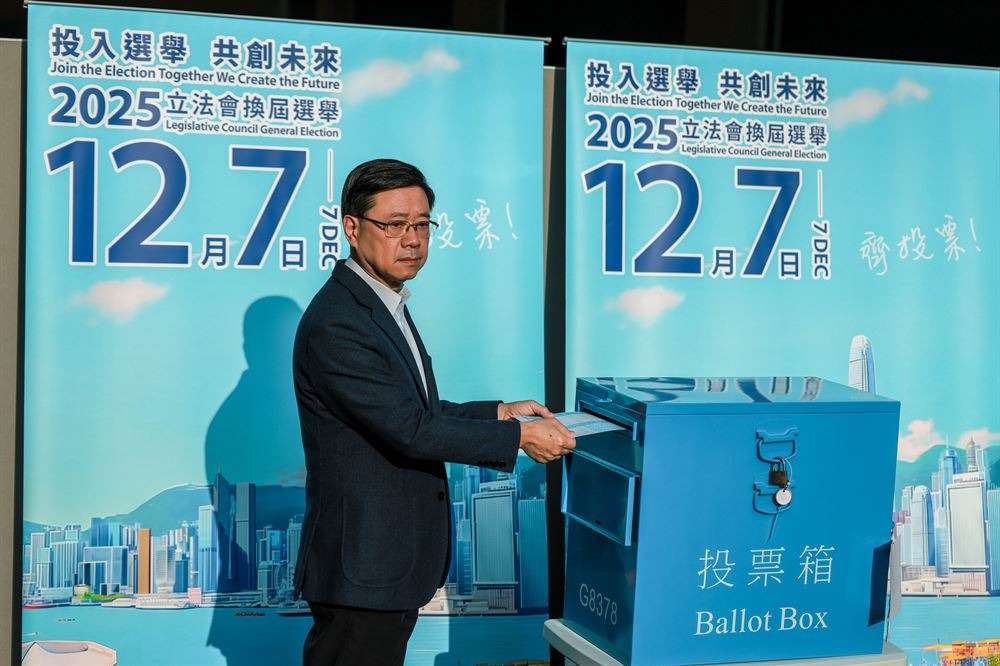
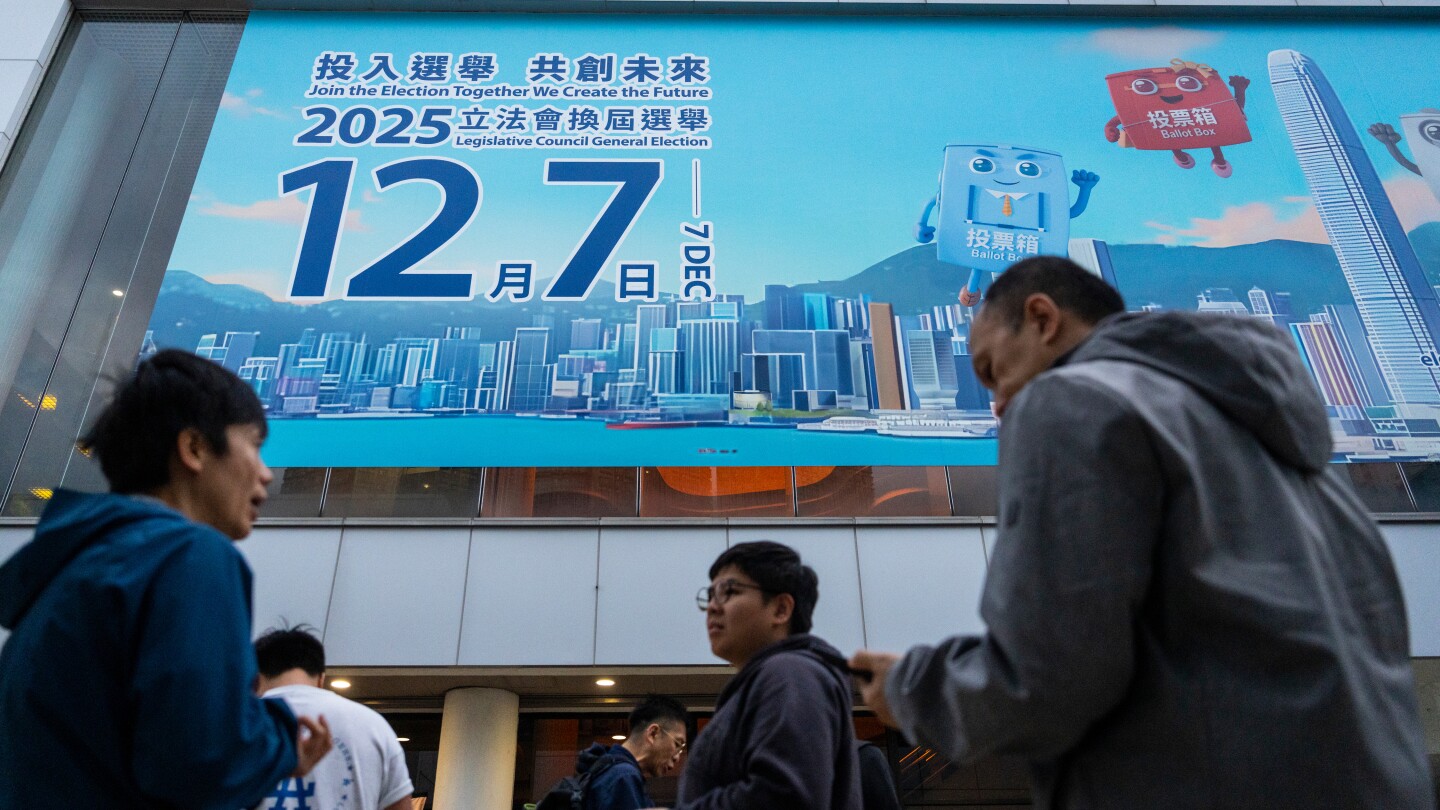
    Hong Kong Chief Executive John Lee Ka-chiu exercised his democratic right on Sunday, December 7, 2025, casting his ballot in the eighth Legislative Council General Election. Following his vote at Raimondi College polling station in Mid-Levels, Lee issued a compelling appeal to all eligible voters across the special administrative region to participate in the electoral process.

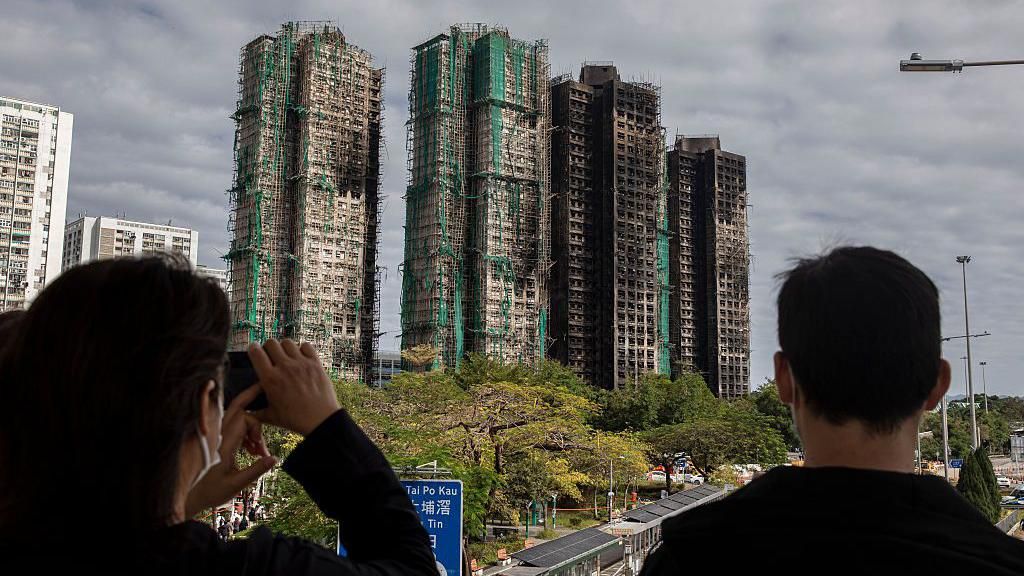
    The Chief Executive emphasized the critical importance of selecting representatives committed to driving substantive reform while simultaneously addressing the urgent needs of victims affected by last month’s devastating Wang Fuk Court fire in Tai Po. The tragic incident, which claimed at least 159 lives, has highlighted the necessity for robust legislative support and systemic improvements.

    Lee praised the electoral arrangements implemented for this election, noting his voting experience was both ‘convenient and smooth.’ Special provisions included dedicated polling stations and an extended two-hour voting period designed to maximize public participation in the democratic process.

    In a significant commitment, the Chief Executive announced his intention to propose a comprehensive disaster relief motion during the inaugural session of the newly elected Legislative Council. This initiative aims to establish collaborative mechanisms between the executive and legislative branches to support affected residents through accelerated recovery and reconstruction efforts.

    ‘The first meeting of the Legislative Council will prioritize discussions on supporting disaster victims,’ Lee stated. ‘We will engage in consultations with lawmakers promptly to ascertain truth expeditiously and facilitate efficient recovery operations.’

    The election represents a pivotal moment for Hong Kong’s governance framework, balancing long-term reform objectives with immediate humanitarian response requirements following one of the territory’s most devastating residential fires in recent history.

  • Soldiers in Benin say they have seized power from President Talon

    Soldiers in Benin say they have seized power from President Talon

    In a dramatic turn of events, military forces in the West African nation of Benin have executed a coup d’état, forcibly removing President Patrice Talon from power. The stunning development was announced through a nationally televised broadcast where soldiers declared their takeover of government institutions.

    The political upheaval unfolded with reports of gunfire near the presidential residence, according to an alert issued by the French embassy in Benin. The military junta has implemented sweeping measures including the immediate suspension of the nation’s constitution, closure of all land borders, and shutdown of the country’s airspace to consolidate their control.

    Leadership of the new military regime has been assigned to Lieutenant-Colonel Tigri Pascal, who will head a transitional council overseeing governmental operations. This development occurs despite President Talon’s previously stated intention to complete his constitutional mandate. The 67-year-old leader had publicly acknowledged his plans to step down next year following the conclusion of his second term in office.

    The coup represents a significant setback for democratic stability in West Africa, a region that has experienced several military takeovers in recent years. Benin had been regarded as one of the region’s more stable democracies, making this development particularly concerning for regional security and governance norms.

    International observers are closely monitoring the situation as the military consolidates power and establishes its transitional framework. The suspension of constitutional governance raises serious questions about the future of democratic institutions in the nation.

  • Soldiers appear on television to announce apparent military coup in Benin

    Soldiers appear on television to announce apparent military coup in Benin

    COTONOU, Benin — Benin’s political stability faced a severe challenge Sunday when uniformed soldiers appeared on national television to declare the dissolution of the government in what appears to be the latest military coup in West Africa. Identifying themselves as the Military Committee for Refoundation, the group announced the removal of President Patrice Talon and all state institutions, appointing Lieutenant Colonel Pascal Tigri as president of the military committee.

    The broadcast was abruptly cut off following the announcement, with state television and public radio signals going silent. Gunshots were reported near the presidential residence earlier in the day, and there has been no official communication regarding President Talon’s whereabouts or condition.

    Government spokesperson Wilfried Houngbedji provided a brief statement to The Associated Press stating ‘Everything is fine’ without offering further elaboration. The attempted takeover occurs against a backdrop of recent political tensions, including the sentencing of two Talon associates to 20 years in prison in January for an alleged 2024 coup plot.

    President Talon, who assumed power in 2016, was scheduled to leave office next April following presidential elections. His party’s preferred candidate, former Finance Minister Romuald Wadagni, was considered the frontrunner, while opposition candidate Renaud Agbodjo was disqualified by the electoral commission for insufficient sponsors.

    Last month, the Benin legislature approved a constitutional amendment extending the presidential term from five to seven years while maintaining the two-term limit. This development marks another episode in the region’s pattern of military interventions, following last month’s coup in Guinea-Bissau that ousted former President Umaro Embalo after contested election results.

  • Voting for HKSAR’s 8th-term LegCo election kicks off

    Voting for HKSAR’s 8th-term LegCo election kicks off

    Hong Kong commenced voting for its eighth Legislative Council election on Sunday morning, marking a significant democratic exercise in the Special Administrative Region. The election will determine 90 legislative members who will shape Hong Kong’s governance framework for the coming term.

    The voting process initiated at 7:30 AM across numerous polling stations established throughout Hong Kong. Electoral authorities reported comprehensive preparations to ensure smooth electoral operations, with stringent health protocols implemented amid ongoing public health considerations.

    This electoral event represents the first LegCo election conducted under Hong Kong’s revamped electoral system, which underwent substantial structural reforms following the 2021 electoral overhaul. The reformed system introduces new constituency divisions and voting mechanisms designed to enhance governance stability while maintaining representative democracy.

    International observers and local monitoring groups are closely watching the electoral proceedings, which conclude with vote counting immediately following polling station closures. The newly elected legislature is expected to address pressing legislative matters including economic recovery initiatives, housing policies, and social welfare reforms.

    Electoral officials confirmed robust security arrangements and contingency measures to address any potential disruptions, emphasizing the importance of this electoral process in upholding Hong Kong’s constitutional order under the ‘one country, two systems’ framework.

  • Japan protests after a Chinese military aircraft locks its radar on Japanese jets

    Japan protests after a Chinese military aircraft locks its radar on Japanese jets

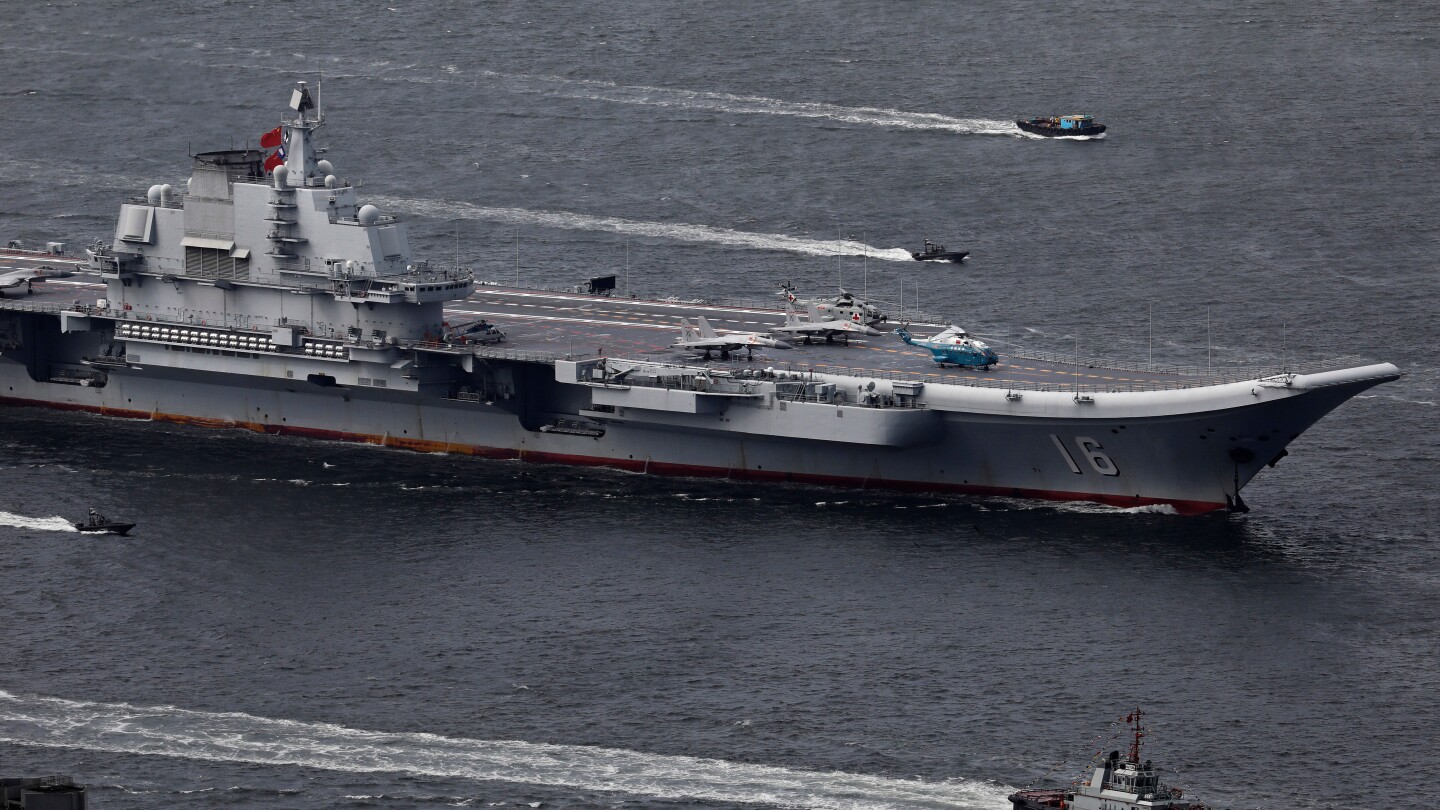
    TOKYO — Japan has issued a formal diplomatic protest to China following a significant military incident involving advanced fighter aircraft near the southern Okinawa islands. The confrontation occurred Saturday when a J-15 fighter operating from China’s Liaoning aircraft carrier activated targeting radar against Japanese F-15 jets on two separate occasions.

    According to Japan’s Defense Ministry, the initial radar lock persisted for approximately three minutes during late afternoon hours, followed by a more prolonged thirty-minute engagement in the evening. Japanese officials confirmed that multiple F-15s dispatched to monitor potential airspace violations detected the radar targeting from the Chinese aircraft.

    Defense Minister Shinjiro Koizumi characterized the incident during early Sunday briefings as “a dangerous act that exceeded the scope necessary for safe aircraft operations.” He emphasized that Japan had conveyed strong objections to Chinese authorities while demanding immediate preventive measures to avoid future occurrences.

    The incident represents the latest escalation in deteriorating Sino-Japanese relations, exacerbated recently by Prime Minister Sanae Takaichi’s November statements regarding potential Japanese military involvement should China take action against Taiwan. The Liaoning carrier group was conducting flight operations in the Pacific, transiting between Okinawa’s main island and nearby Miyako island during the exercises.

    Japanese authorities confirmed no actual breach of airspace occurred and reported no injuries or damage resulting from the encounter. This marks the first documented instance of radar locking between Chinese and Japanese military aircraft, though a similar naval incident occurred in 2013 when a Chinese vessel targeted a Japanese destroyer with fire control radar.

  • Hong Kong to vote in election as city mourns deadly fire

    Hong Kong to vote in election as city mourns deadly fire

    Hong Kong is conducting its Legislative Council (LegCo) elections under the shadow of the city’s most devastating fire in over seven decades, which claimed 159 lives in Tai Po last month. The electoral process represents the second poll since China’s comprehensive 2021 electoral reforms, which mandated that all candidates demonstrate loyalty to Beijing.

    The government has deployed an extensive campaign to boost voter participation, distributing incentives including shopping vouchers, complimentary museum entries, and public pool access. These measures aim to create a festive atmosphere around the voting process, with Chief Secretary Eric Chan emphasizing the importance of citizen engagement.

    Meanwhile, authorities are addressing the aftermath of the November 26 tragedy that engulfed Wang Fuk Court’s residential towers. Investigators have identified substandard flame-retardant scaffolding mesh as a key factor in the fire’s rapid spread. The government has established an independent investigative committee, arrested 13 individuals on suspicion of manslaughter, and ordered citywide removal of similar renovation materials.

    The disaster has raised significant concerns about building safety standards in a city where many reside in aging high-rises. Authorities have simultaneously moved to suppress dissent, detaining several individuals including a former district councillor for suspected sedition related to petitions demanding an independent inquiry.

    Political campaigning was briefly suspended following the fire, though government-organized forums resumed after several days. Chief Executive John Lee maintains that proceeding with elections is essential to ‘transform grief into strength,’ suggesting new legislators could expedite reconstruction efforts.

    With 161 candidates competing for 90 seats, approximately one-quarter of incumbent lawmakers are stepping down amid reports of Beijing’s unofficial age limitations. The election occurs against a backdrop of historically low voter turnout, with the 2021 election recording merely 30% participation following the electoral overhaul that effectively barred opposition candidates.

  • Hong Kong votes in legislative election after deadly fire

    Hong Kong votes in legislative election after deadly fire

    Hong Kong conducted its second legislative election under a revamped political framework on Sunday, with voter participation rates emerging as a critical indicator of public sentiment. The electoral process unfolded against the somber backdrop of a catastrophic apartment fire that claimed 159 lives less than two weeks prior, raising substantial questions about governmental accountability and oversight mechanisms.

    The electoral system, fundamentally restructured in 2021, has effectively marginalized pro-democracy opposition voices through stringent candidate vetting processes requiring demonstrated loyalty to Beijing. Of the Legislative Council’s 90 seats, only 20 are now directly elected by the general populace, while 40 are selected by a pro-Beijing election committee and 30 represent functional constituencies from major industries.

    Chief Executive John Lee actively encouraged voter participation, framing the election as instrumental for advancing policy reforms and addressing the recent tragedy. Despite government efforts to boost turnout through extended voting hours, additional polling stations, and transportation subsidies, analysts projected continued voter apathy. The previous 2021 election saw participation plummet to approximately 30%, and many anticipated further suppression due to public discontent over the government’s handling of the fire incident.

    Campaign activities remained suspended throughout the final days preceding the election as a mark of respect for fire victims. Authorities simultaneously pursued legal action against individuals accused of encouraging election boycotts or invalid voting. The devastating fire has exposed systemic deficiencies in building maintenance regulations and alleged bid-rigging practices, placing additional scrutiny on the government’s governance capabilities.

    Political observers noted that depressed turnout could indicate dissatisfaction even among traditional government supporters, potentially reflecting broader concerns about accountability and institutional effectiveness within the territory’s political framework.