分类: politics

  • Nobel officials unsure when Peace Prize winner will arrive for ceremony

    Nobel officials unsure when Peace Prize winner will arrive for ceremony

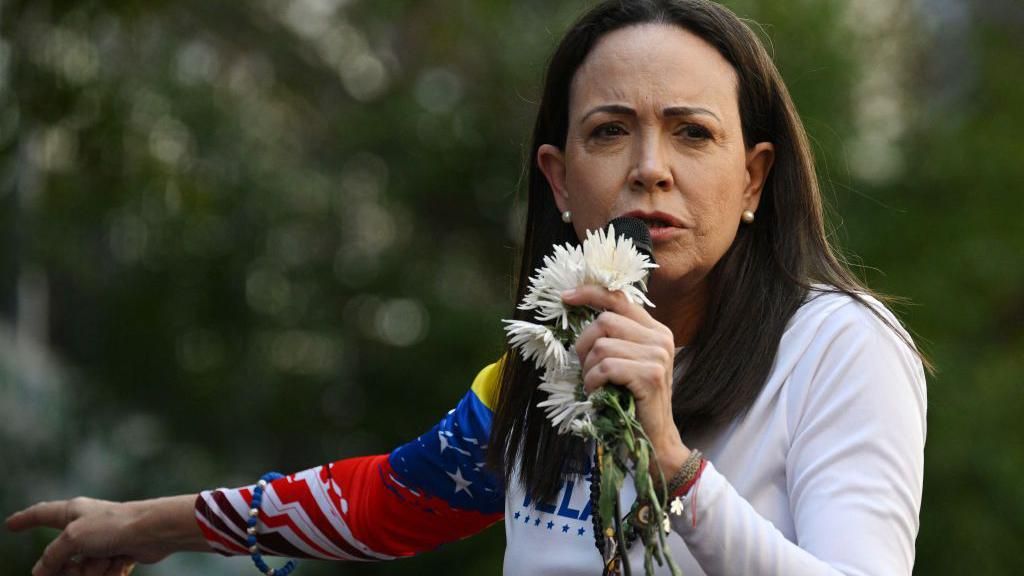
    The scheduled press conference for Venezuelan opposition leader María Corina Machado, this year’s Nobel Peace Prize recipient, was abruptly canceled on Tuesday amid growing uncertainty about her location. The Nobel Institute confirmed it remains “in the dark” regarding the whereabouts of the laureate, who has been living in hiding since Venezuela’s contentious 2024 presidential election.

    Machado, recognized for her persistent efforts to advance democratic principles in Venezuela, was expected to personally accept the prestigious award during Wednesday’s ceremony in Oslo. Despite regularly publishing video messages against a neutral white background on social media platforms, her current physical location remains undisclosed and unknown to prize organizers.

    In an official statement, the Nobel Institute acknowledged the extraordinary circumstances: “María Corina Machado has herself stated in interviews how challenging the journey to Oslo, Norway will be. We therefore cannot at this point provide any further information about when and how she will arrive for the Nobel peace prize ceremony.” This declaration marks a significant shift from previous assurances that she would attend the event in person.

    The situation is further complicated by Venezuela’s government declaring Machado would be considered a “fugitive” should she depart the country. Attorney General Tarek William Saab previously informed AFP that numerous criminal investigations pending against the opposition leader—including allegations of “conspiracy, incitement of hatred, terrorism”—would automatically classify her as a fugitive upon leaving Venezuelan territory.

    Notably, Machado’s family members have already arrived in Oslo, heightening anticipation about her potential appearance. The opposition leader had previously assured supporters of her intention to return to Venezuela following the award acceptance, despite the obvious risks involved.

    Her appearance at the ceremony would mark her first public sighting since January 2025, when she participated in protests in Caracas against President Nicolás Maduro’s controversial inauguration. The 2024 election remains internationally disputed, with opposition tallies suggesting victory for their candidate Edmundo Gonzalez—a outcome recognized by several nations including the United States. Machado herself was prohibited from standing as a candidate in the election.
  • Pakistan offers to ‘take grooming gang leaders’ if UK hands over dissidents

    Pakistan offers to ‘take grooming gang leaders’ if UK hands over dissidents

    A significant diplomatic development has emerged between the United Kingdom and Pakistan, with reports indicating Islamabad has proposed a controversial prisoner exchange arrangement. According to Pakistani media sources, Interior Minister Mohsin Naqvi presented this proposition during a private meeting with British High Commissioner Jane Marriott in Islamabad last Thursday.

    The proposed arrangement would see Pakistan accept the return of two convicted grooming gang leaders—Adil Khan and Qari Abdul Rauf—in exchange for Britain’s extradition of Pakistani political dissidents Shahzad Akbar and Adil Raja. Both Akbar, a former minister in Imran Khan’s administration, and Raja, an ex-army major, currently reside in the UK where they have been vocal critics of the Pakistani government’s human rights record and alleged suppression of political dissent.

    This proposal comes amid complex legal circumstances surrounding the grooming case convicts. Khan and Rauf, both Pakistani immigrants who were convicted in 2012 for sexually exploiting 47 girls in Rochdale, had their British citizenship revoked following their convictions. However, just days before their scheduled deportation to Pakistan, they renounced their Pakistani citizenship, creating a legal limbo that Pakistan has until now refused to resolve.

    The potential exchange emerges as Britain’s Labour government faces increasing pressure to address child sexual exploitation more effectively. Previous attempts to establish a comprehensive nationwide inquiry into grooming gangs have encountered repeated delays and debates regarding the scope of investigation, including whether to examine ethnic, religious, and cultural factors involved in these cases.

    Political analysts suggest the UK is highly unlikely to agree to such an arrangement, with both the Home Office and Foreign Office declining to comment on the reports. Adil Raja, now working as a freelance journalist, described the proposal as ‘unprecedented and deeply disturbing,’ expressing confidence that British authorities would not ‘allow political critics to be traded away under pressure from a foreign government.’

    This development occurs against the backdrop of ongoing political tensions in Pakistan, where former Prime Minister Imran Khan remains imprisoned under circumstances that a UN report recently deemed arbitrary and in violation of international law.

  • Watch: Here’s what Trump has said on affordability

    Watch: Here’s what Trump has said on affordability

    Former President Donald Trump has significantly amplified his rhetoric regarding economic affordability, positioning it as a central theme in his political discourse. In recent public addresses and campaign appearances, he has systematically attributed ongoing economic difficulties to Democratic policies, creating a clear partisan narrative around financial pressures facing American households.

    The escalation of this economic messaging strategy represents a calculated shift in Trump’s communication approach, moving beyond general criticism to specific focus on daily living expenses. His commentary frequently highlights inflation, housing costs, and consumer goods pricing as evidence of Democratic mishandling of the economy.

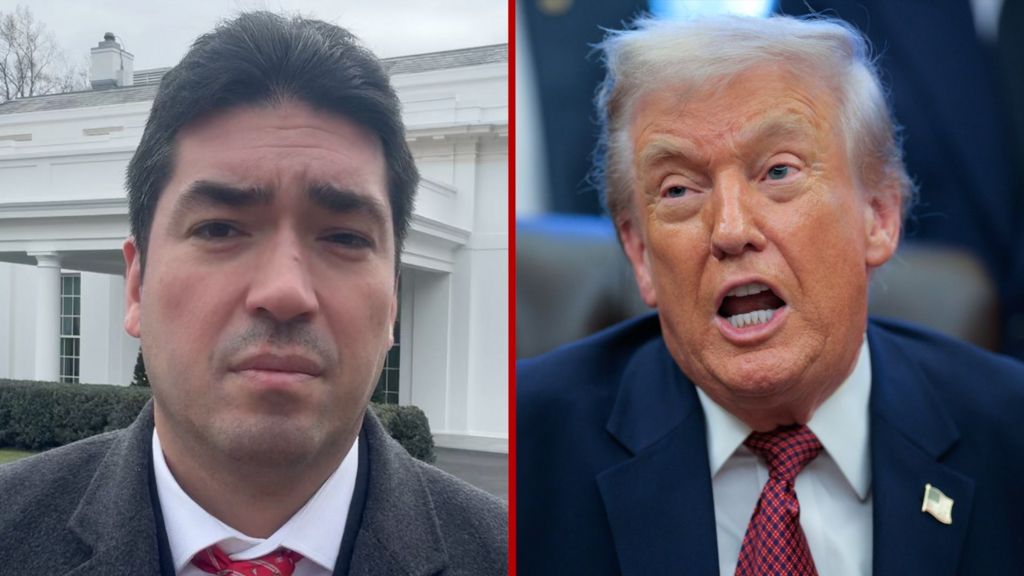
    BBC White House correspondent Bernd Debusmann, who has been monitoring this development, notes the strategic timing of this intensified focus. The renewed emphasis on economic issues coincides with increasing voter concerns about purchasing power and financial stability, suggesting an effort to capitalize on these anxieties for political advantage.

    The former president’s narrative framework presents a cause-and-effect relationship between Democratic governance and economic challenges, despite the complex, multifactorial nature of global economic conditions. This simplified economic messaging allows for direct, emotionally resonant appeals to voters experiencing financial strain, potentially influencing electoral dynamics as economic concerns remain at the forefront of public discourse.

  • Former Hainan Party chief sentenced to 15 years for bribery

    Former Hainan Party chief sentenced to 15 years for bribery

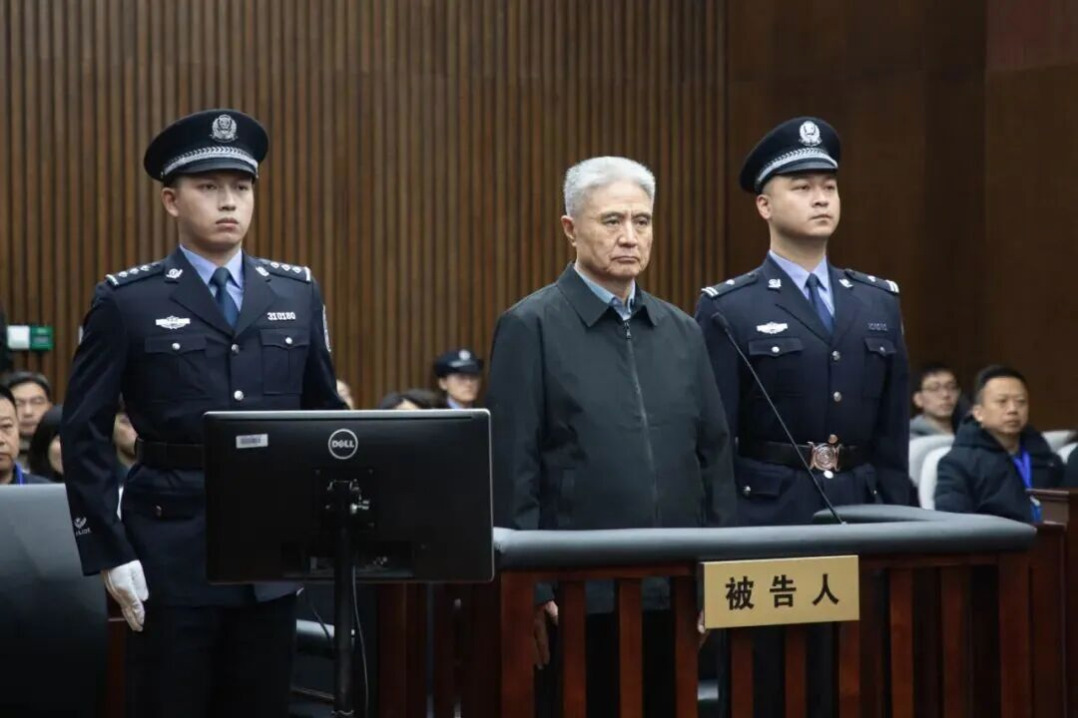
    In a landmark ruling demonstrating China’s continued anti-corruption campaign, former Hainan Communist Party secretary Luo Baoming has been sentenced to 15 years imprisonment for accepting bribes exceeding 113 million yuan (approximately $16 million). The Shanghai First Intermediate People’s Court delivered the verdict on Tuesday, additionally imposing a 5 million yuan fine and ordering confiscation of all illicit gains to be transferred to the state treasury.

    The court established that Luo systematically abused his influential positions over a nearly thirty-year period from 1995 to 2024. During his tenure as Hainan’s top official, provincial governor, and deputy head of the National People’s Congress Overseas Chinese Affairs Committee, Luo provided unlawful advantages to various entities and individuals regarding project contracts, banking facilities, and commercial collaborations in exchange for substantial monetary benefits.

    Judicial authorities characterized Luo’s conduct as constituting the severe crime of bribery, noting the “extremely large” sums involved and “extremely huge” losses inflicted upon national and public interests. The court acknowledged mitigating factors including Luo’s voluntary surrender, full confession, cooperation in major investigations by providing critical evidence, and complete restitution of illegal proceeds, which warranted judicial leniency in sentencing.

    Luo, 73, whose political career began in 1969 with Communist Party membership obtained in 1971, rose through Tianjin municipal positions before assuming Hainan leadership roles in 2001. His political downfall commenced in July 2024 when he self-reported to disciplinary authorities, culminating in expulsion from the Communist Party earlier this year and formal indictment in June preceding September’s public trial.

  • Czech billionaire becomes PM with promise to cut ties to business empire

    Czech billionaire becomes PM with promise to cut ties to business empire

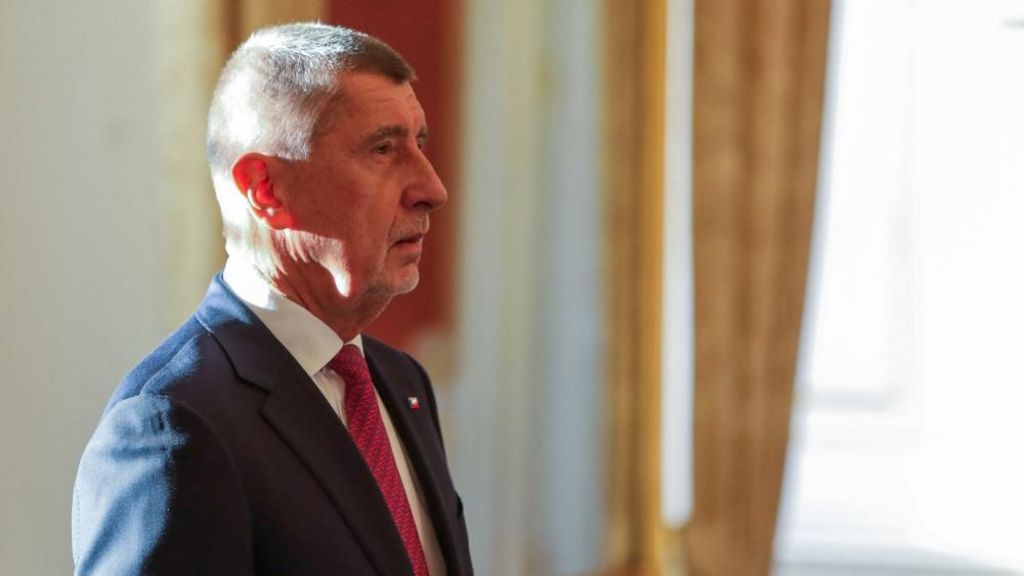
    Czech billionaire Andrej Babis has officially assumed the role of prime minister for the second time, marking a significant political shift in Central Europe. The 71-year-old business magnate received presidential appointment after committing to sever ties with his sprawling commercial empire, Agrofert, valued at approximately $4.3 billion.

    President Petr Pavel mandated Babis’s public pledge to relinquish control over his vast conglomerate—spanning food processing, agriculture, and chemical industries—as a precondition for forming the new government. The complete cabinet, featuring members from the far-right SPD party and Eurosceptic ‘Motorists for Themselves’ movement, is anticipated to be sworn in within days.

    During the ceremonial proceedings at Prague Castle, Babis proclaimed his dedication to representing all Czech citizens both domestically and internationally. ‘I will endeavor to transform the Czech Republic into the planet’s premier place to reside,’ he declared, outlining his ambitious governance vision.

    The business tycoon’s commercial influence permeates Czech daily life through Agrofert’s 200+ subsidiaries, producing everything from Viennese-style sausages (Kostelecké uzeniny) to sliced bread (Penam). So pervasive is this commercial presence that activists have developed smartphone applications enabling consumers to identify and boycott Agrofert products.

    Babis asserts that his business holdings will be transferred to a trust managed by an independent administrator until his death, after which ownership will pass to his heirs. This arrangement, he emphasized in a Facebook video presentation, substantially exceeds Czech legal requirements. However, the specific trust mechanism remains undefined, particularly since Czech legislation lacks provisions for ‘blind trusts,’ necessitating complex legal structuring.

    Transparency International’s Czech chapter remains skeptical regarding the effectiveness of these measures. David Kotora, director of the organization’s local branch, cautioned that mere ownership transfer cannot eliminate potential conflicts of interest. ‘There exists no genuine separation. Babis maintains personal relationships with managers and possesses intimate knowledge of Agrofert’s portfolio. From his executive governmental position, he could theoretically influence sector-specific matters affecting his former enterprise,’ Kotora explained to Seznam Zpravy.

    The business network extends beyond Agrofert to include Hartenberg Holding, which controls numerous enterprises including FutureLife a.s (operating premium health clinics), reproductive clinics, Flamengo florist chain, and Astratex underwear retailer. This expansive commercial footprint throughout Czech society, combined with Babis’s renewed political authority, signals profound changes in the nation’s governance direction.

  • What to know about the massive defense bill that seeks release of boat strike videos and more

    What to know about the massive defense bill that seeks release of boat strike videos and more

    WASHINGTON — The U.S. House of Representatives is poised to vote this week on the annual National Defense Authorization Act (NDAA), a comprehensive $900 billion legislative package that establishes military spending priorities and defense policies for the coming year. While traditionally bipartisan, this year’s bill emerges amid heightened scrutiny of Pentagon operations and reflects complex negotiations between congressional priorities and administration directives.

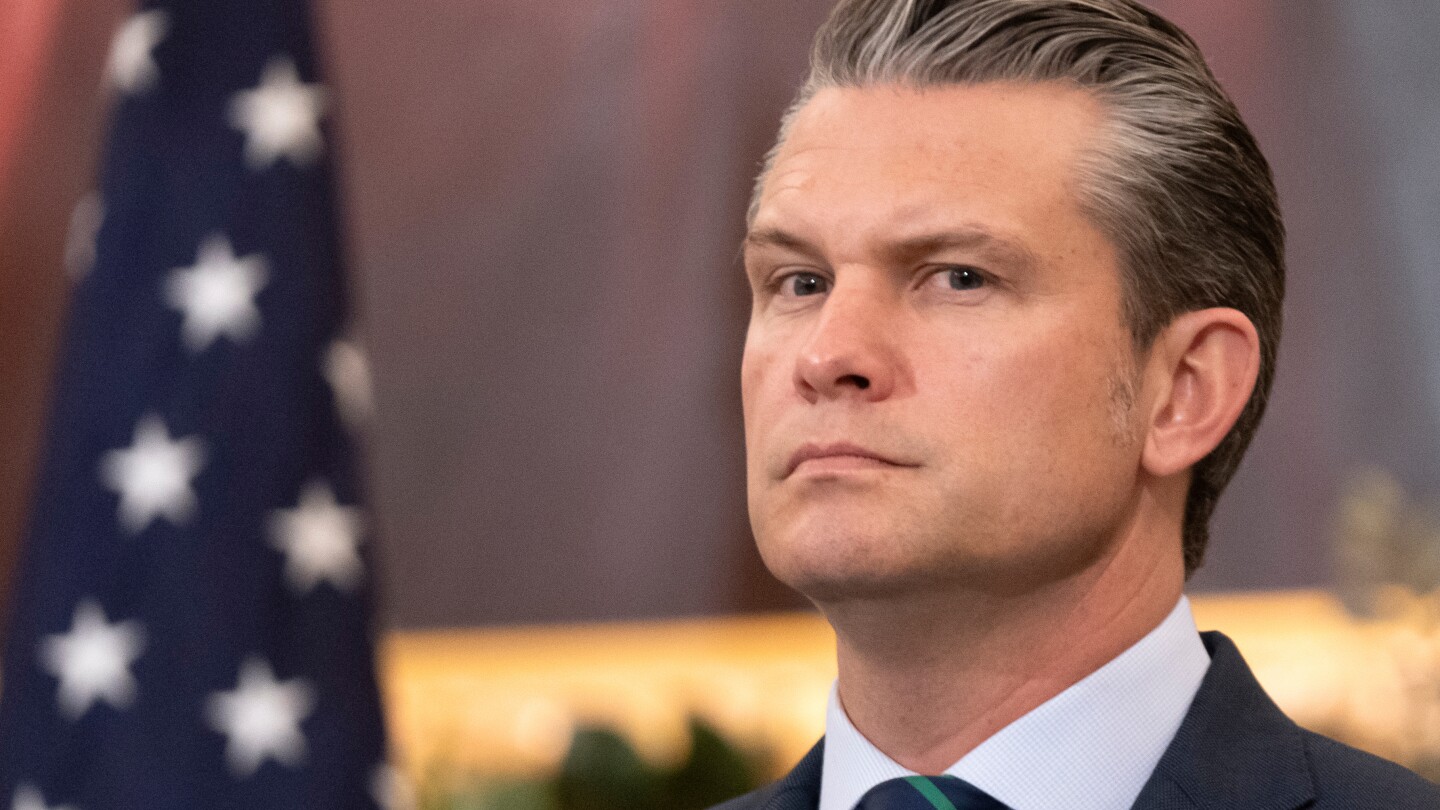
    The legislation mandates a 4% pay increase for service members while implementing significant cuts to Pentagon diversity initiatives and climate change programs. In a notable oversight measure, lawmakers are demanding unedited footage of military strikes against suspected drug trafficking vessels, threatening to withhold a quarter of Defense Secretary Pete Hegseth’s travel budget if compliance isn’t met. This follows controversial September incidents where U.S. forces reportedly fired upon survivors clinging to wreckage after initial attacks.

    International commitments feature prominently in the bill, which authorizes $400 million annually for weapons manufacturing to support Ukraine’s defense against Russia. Despite the Trump administration’s previously wavering stance on Ukraine support, the legislation requires continued intelligence sharing with Kyiv. Additionally, it establishes minimum troop presence requirements of 76,000 in Europe and 28,500 in South Korea, addressing NATO allies’ concerns about potential security vacuums.

    The NDAA also includes historic provisions to formally repeal the 2002 Authorization for Use of Military Force in Iraq, effectively ending legal justification for the Iraq War. Simultaneously, it would permanently lift remaining harsh sanctions on Syria, facilitating potential economic reconstruction.

    Controversially omitted from the final version was coverage for in vitro fertilization (IVF) treatments for military personnel, a provision removed by House Speaker Mike Johnson despite criticism from Democrats who characterized the move as callous toward service members’ family-building needs.

    The bill cuts $1.6 billion from climate-related military programs and eliminates $40 million in diversity, equity, and inclusion initiatives, including the position of chief diversity officer, aligning with the administration’s broader government-wide reduction of these programs.

  • Tony Blair ‘dropped’ from Trump’s Gaza ‘board of peace’

    Tony Blair ‘dropped’ from Trump’s Gaza ‘board of peace’

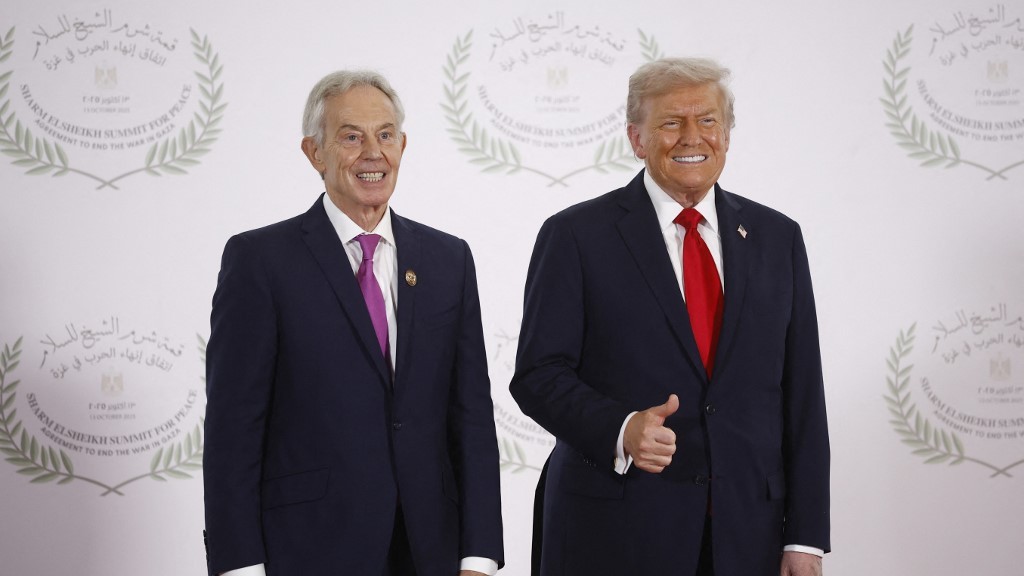
    Former UK Prime Minister Tony Blair has been removed from consideration for a position on a U.S.-led Gaza peace board chaired by President Donald Trump, following significant pressure from Arab and Muslim states. The Financial Times reports that Blair’s controversial legacy in the Middle East—particularly his role in the 2003 Iraq invasion and his criticized tenure as Middle East Peace Envoy—proved too contentious for regional acceptance.

    While the precise structure of this proposed ‘board of peace’ remains undefined, sources indicate it will consist exclusively of serving world leaders, with a subordinate executive board potentially including Blair alongside Trump advisers Jared Kushner and Steve Witkoff. Despite this setback, informed sources suggest Blair may still secure a role in future Gaza governance structures, noting that ‘The Americans like him and the Israelis like him.’

    The development occurs amid ongoing diplomatic efforts to stabilize Gaza. President Trump is scheduled to meet Israeli Prime Minister Benjamin Netanyahu on December 29th to discuss ceasefire implementation and postwar planning. However, substantial disagreements persist regarding Hamas disarmament, Gaza’s future governance, and the composition of an international stabilization force—a key element of Trump’s peace plan that appears to have stalled.

    Meanwhile, the Gaza Government Media Office reports that Israel has committed 738 violations since the October ceasefire announcement, fulfilling less than 40% of its humanitarian obligations and exacerbating the crisis for Palestinians living under blockade and military pressure.

  • Trump hits the road to sell economic message and counter cost of living concerns

    Trump hits the road to sell economic message and counter cost of living concerns

    President Donald Trump is escalating his economic messaging campaign with a Tuesday rally in Mount Pocono, Pennsylvania, as polling indicates declining public trust in his administration’s economic stewardship. The event comes amid Republican anxieties about the 2026 midterm elections following Democratic gains in November contests where affordability concerns proved decisive.

    The President’s Pennsylvania appearance represents a strategic effort to reframe the economic narrative after acknowledging that rising prices contributed to disappointing Republican performances in recent elections. Trump has consistently attributed ongoing economic challenges to his predecessor Joe Biden, asserting at a White House briefing Monday that ‘Democrats caused the affordability problem and we’re the ones that are fixing it.’

    Recent economic indicators present a complex picture. September data revealed U.S. inflation reached 3% for the first time since January, while consumer confidence plummeted to its lowest level since April. Polling from Politico and CBS News/YouGov suggests significant voter unease, with half of all respondents describing the current cost of living as the worst in their lifetimes, and Trump’s economic approval rating dropping 15 points since March.

    The administration is responding with policy measures and rhetorical offensive. A source familiar with Tuesday’s event indicated Trump will highlight efforts to reduce costs for gasoline and groceries, while a White House official previewed messaging that will frame the president’s tariffs and regulatory reductions as part of a comprehensive economic ‘rewiring.’

    This Pennsylvania visit carries particular significance as it occurs in the state’s 8th Congressional District, a Republican-held seat won narrowly in 2024 that has emerged as a key battleground for the upcoming midterms. White House Chief of Staff Susie Wiles, who managed Trump’s presidential campaign, indicated this rally will inaugurate an aggressive campaign schedule reminiscent of the 2024 election cycle.

    The administration points to several policy achievements as evidence of their economic approach, including prescription drug pricing agreements, eased fuel efficiency standards, tax cut extensions, and the recently signed ‘One Big Beautiful Bill.’ Monday also saw the announcement of a $12 billion farm aid package targeting agricultural sectors affected by low crop prices and tariff impacts.

    Democratic leaders are mounting coordinated counter-messaging. Pennsylvania Governor Josh Shapiro told media ahead of Trump’s visit that ‘folks can’t unsee what they see when they go to the grocery store,’ citing specific price increases for beef, orange juice, and bread under Trump’s administration.

    Economic experts note the complexity of presidential influence on food pricing. Food economics professor David Ortega recently noted that ‘the president of the United States has very little control over the price of food, especially in the short term,’ while acknowledging that Trump’s policies—including tariffs on Brazilian coffee and immigration crackdowns affecting farm labor—may be contributing to specific price increases.

  • Canadian senator presses Ottawa on only land disputed between the US and Canada

    Canadian senator presses Ottawa on only land disputed between the US and Canada

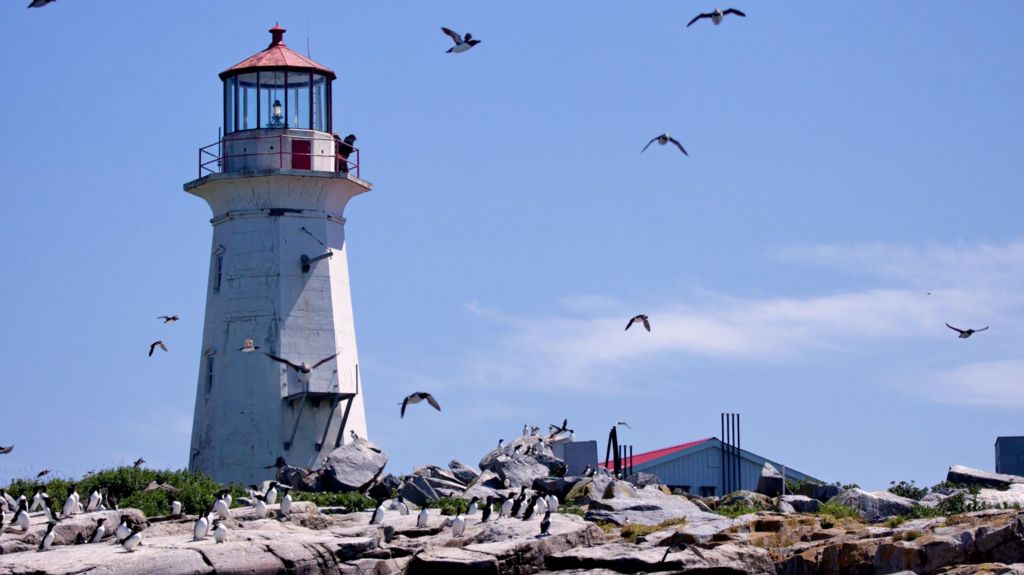
    A longstanding territorial dispute between Canada and the United States has been reignited as Canadian Senator Jim Quinn challenges American tourism activities around Machias Seal Island. The uninhabited outcrop, located in the contested ‘Grey Zone’ between Maine and New Brunswick, has been subject to competing sovereignty claims for over a century.

    Senator Quinn from New Brunswick has raised formal objections to Bold Coast Charter Company, a US-based tour operator that promotes visits to what it describes as ‘Machias Seal Island – Largest Puffin Colony on the Maine Coast’ on its website. The senator has urgently called upon Ottawa to review the permitting status granted to this American company and its listing on Canadian government platforms.

    The 20-acre island represents the sole remaining land dispute between the two North American neighbors. Despite the unresolved status, Canada maintains continuous presence through rotating Canadian Coast Guard personnel who staff the historic lighthouse constructed in 1832. The island serves as a vital migratory bird sanctuary, hosting one of the most significant Atlantic puffin nesting colonies in the region.

    Through Senate order papers scheduled for discussion, Quinn has questioned Canada’s Department of Fisheries and Oceans—the designated administrator of the territory—about why permits are issued to a company that ‘actively describes Machias Seal Island as part of the state of Maine.’ He further challenges why the American operator appears on Canadian government websites despite sovereignty claims.

    The dispute extends beyond territorial claims to encompass fishing rights in surrounding waters. An international court ruling in 1984 granted both nations fishing access in the waterways, though subsequent tensions have emerged regarding lobster fishery practices. The current sovereignty debate occurs against a backdrop of broader Canada-US friction, including past trade tariffs and diplomatic comments that Senator Quinn believes necessitate stronger Canadian territorial assertion.

    ‘We’re being pushed in so many ways, and yet here’s a porous point in our border that nobody’s paying attention to,’ Quinn stated to news outlet Global, emphasizing the need for heightened sovereignty awareness in contemporary bilateral relations.

  • Trump said ‘no problem’ to releasing US strike video. Then denied saying it

    Trump said ‘no problem’ to releasing US strike video. Then denied saying it

    A significant contradiction has emerged from the White House regarding the potential declassification of military footage. President Donald Trump has publicly denied ever expressing that he had “no problem” with releasing video evidence of a U.S. naval strike on a Venezuelan vessel, which American authorities claim was trafficking narcotics. This denial stands in direct opposition to his own verified statements made just days prior. The incident in question involved the boarding and subsequent sinking of a boat allegedly carrying drugs, an operation that has escalated diplomatic tensions with Venezuela. This discrepancy raises questions about the administration’s transparency and communication consistency on matters of national security and international engagement. The original remarks, captured on camera, showed the President appearing to endorse greater public disclosure of the controversial operation. Analysts suggest this reversal could impact the credibility of official narratives concerning military actions in foreign jurisdictions, particularly in the politically volatile context of U.S.-Venezuela relations and the ongoing war on drugs.