分类: politics

  • Spike in Israeli assaults against key Palestinian detainees, prisoners’ office says

    Spike in Israeli assaults against key Palestinian detainees, prisoners’ office says

    Israeli authorities are facing allegations of implementing a systematic campaign of physical and psychological abuse against prominent Palestinian detainees, according to reports from prisoner advocacy organizations. The Palestinian Prisoners’ Media Office has characterized these measures as a ‘dangerous escalation’ in treatment of incarcerated Palestinian leaders.

    Multiple sources confirm that several high-profile detainees, including Hamas officials Abdullah Barghouti and Bilal Barghouti along with Popular Front for the Liberation of Palestine (PFLP) leader Ahed Abu Ghalma, were subjected to severe physical assaults. Witness accounts describe detainees being forcibly removed to prison yards where they were beaten with batons until bleeding.

    This coordinated crackdown appears designed to break the will of Palestinian leadership figures and use them as examples to intimidate other prisoners. The strategy coincides with intensified psychological warfare operations against detainee populations.

    Among those targeted is prominent political figure Marwan Barghouti, who has endured at least seven separate brutal beatings in recent months resulting in multiple broken ribs. His family members have reportedly received anonymous threats and security pressures apparently intended to undermine morale.

    Prison conditions have deteriorated to ‘catastrophic and unprecedented’ levels according to documentation from multiple human rights organizations. Detainees face daily beatings, systematic torture practices, deliberate starvation protocols, exposure to extreme cold without adequate clothing or blankets, widespread disease outbreaks, and deliberate medical neglect.

    The Palestinian Commission of Detainees’ Affairs characterizes the situation as a ‘deadly level of systematic repression and abuse.’ Overcrowding has reached critical levels while medical treatments are intentionally obstructed, creating particular danger for elderly and sick detainees whose health conditions are rapidly deteriorating.

    Since October 2023, documented cases of systemic abuse and torture in Israeli detention facilities have reached record levels. At least 100 prisoner deaths have been recorded under these conditions during this period.

    Current estimates indicate over 9,300 Palestinian detainees are held in Israeli prisons, including 51 women and 350 children, though actual numbers are likely higher due to Israel’s withholding of information regarding hundreds seized from Gaza. Nearly half of all Palestinian detainees are held indefinitely without charge or trial under renewable administrative detention orders.
  • Pakistan: Military chief Asim Munir in spotlight over Trump’s Gaza plan

    Pakistan: Military chief Asim Munir in spotlight over Trump’s Gaza plan

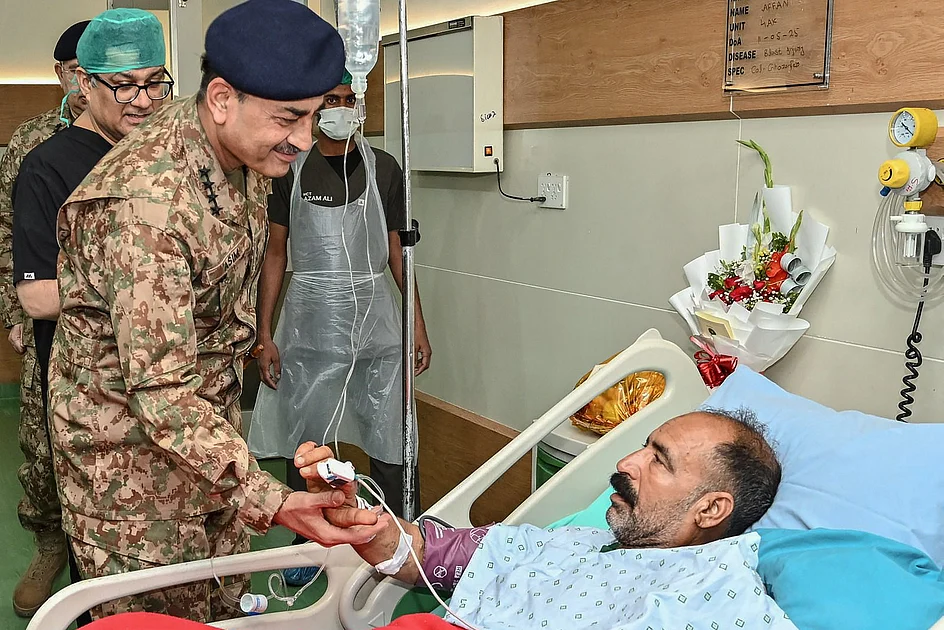
    Pakistan’s powerful military leader Field Marshal Asim Munir confronts a critical foreign policy challenge as the United States pressures Islamabad to contribute troops to a proposed Gaza stabilization force. According to sources familiar with the matter, Munir is anticipated to visit Washington for his third meeting with President Donald Trump within six months, with the Gaza deployment expected to dominate discussions.

    The controversial proposal forms part of Trump’s 20-point plan for Gaza, calling for Muslim-military nations to oversee reconstruction and economic recovery in the Palestinian territory devastated by over two years of Israeli military operations. The mission would involve demilitarizing Hamas, a requirement that has made numerous Muslim countries hesitant due to concerns about being drawn into the conflict and provoking domestic backlash from pro-Palestinian populations.

    Munir has cultivated an unusually close relationship with the mercurial Trump administration, marked by a historic White House lunch in June where he became the first Pakistani army chief to meet alone with a U.S. president without civilian officials present. This diplomatic courtship has reportedly been driven by Pakistan’s desire to secure American investment and security assistance.

    Analysts highlight the precarious balancing act Munir faces. Michael Kugelman of the Atlantic Council noted that refusing Trump could strain relations, while deploying troops risks igniting widespread domestic unrest. Pakistan’s Islamist parties, deeply opposed to both the U.S. and Israel, retain significant street power despite recent government crackdowns on extremist groups.

    Complicating matters further, Munir recently consolidated unprecedented authority through constitutional amendments that granted him lifetime immunity from prosecution, extended his tenure until 2030, and appointed him as the first chief of defence forces overseeing all military branches. This consolidation of power means the ultimate decision rests squarely with Munir, whose rules will determine Pakistan’s course of action.

    With Pakistan’s battle-hardened military being the only nuclear-armed Muslim nation, the pressure on Munir to navigate this geopolitical dilemma has never been greater. The country has extensive combat experience from three wars with India and ongoing counterinsurgency operations, making its potential contribution significant yet politically volatile.

  • Moderate Republicans’ surprise stance forces House vote on expiring healthcare subsidies

    Moderate Republicans’ surprise stance forces House vote on expiring healthcare subsidies

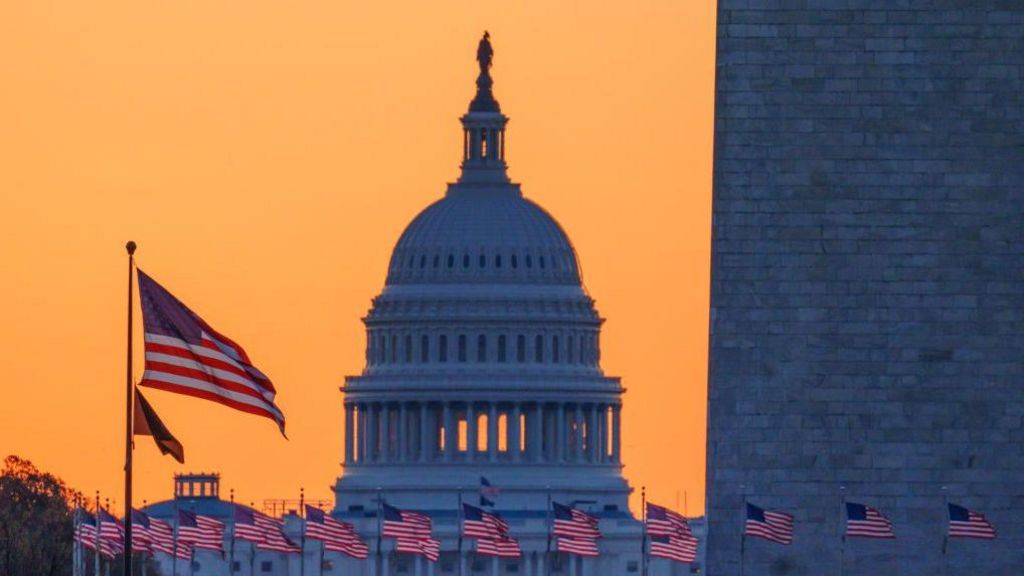
    In an unexpected legislative maneuver, a coalition of moderate Republicans has compelled a critical House vote to preserve healthcare subsidies utilized by millions of Americans under the Affordable Care Act. With these vital financial supports scheduled to terminate at year’s end, the move represents a final attempt to prevent massive premium hikes for ACA enrollees.

    The House is scheduled to conduct the vote Wednesday evening on a proposal that would extend COVID-era enhanced subsidies for an additional three-year period. The effort gained momentum through a discharge petition—a procedural mechanism that enables lawmakers to bypass leadership and bring measures directly to the floor when sufficient signatures are obtained. The petition received unified Democratic support alongside endorsements from four Republican representatives: Ryan Mackenzie, Rob Bresnahan, and Brian Fitzpatrick of Pennsylvania, plus Mike Lawler of New York.

    Despite their role in forcing the vote, several moderate Republicans expressed reservations about a straightforward extension without accompanying reforms. Representative Fitzpatrick articulated this nuanced position, stating that while an unreformed extension was problematic, allowing complete expiration without transitional measures would constitute worse policy.

    The action directly challenges House Speaker Mike Johnson, who had previously declared there would be no vote due to intra-party disagreements about extension mechanisms. Johnson had insisted that any subsidy continuation must be balanced by corresponding spending reductions. However, moderates—many facing challenging reelection campaigns in November—successfully circumvented leadership objections.

    Should the measure clear the House, it progresses to an uncertain Senate fate where it currently lacks sufficient Republican backing for passage. Senate Majority Leader John Thune remained noncommittal about scheduling a vote, telling reporters the chamber would address the matter when necessary.

    The Congressional Budget Office projects devastating consequences if subsidies expire: insurance premiums would more than double for millions while adding approximately 3.8 million Americans annually to the uninsured population. This development highlights ongoing tensions within the Republican Party between fiscal conservatism and practical governance affecting constituent healthcare accessibility.

  • Italy may not support EU-Mercosur free trade deal without changes

    Italy may not support EU-Mercosur free trade deal without changes

    BRUSSELS — A landmark trade agreement between the European Union and South America’s Mercosur bloc faces significant uncertainty as Italy joined France in demanding last-minute concessions, casting doubt on a deal twenty-five years in the making. The development comes as EU leaders convene in Brussels for a summit dominated by Ukraine funding, while angry farmers prepare to descend upon the capital in protest.

    Italian Premier Giorgia Meloni delivered a decisive statement to parliament on Wednesday, declaring that signing the pact in its current form would be “premature.” While stopping short of outright opposition, Meloni insisted that Italy would only support the agreement once it includes “adequate reciprocal guarantees” to protect Italian agricultural interests from unfair competition.

    The Mercosur-EU agreement, which would create one of the world’s largest free trade zones covering 780 million people and a quarter of global GDP, requires approval from at least two-thirds of EU member states. Italy’s hesitation strengthens France’s position, which has already demanded stringent safeguards including enhanced import inspections, stricter pesticide regulations in Mercosur nations, and mechanisms to prevent market disruption.

    The political resistance reflects growing far-right influence across Europe that has capitalized on agricultural concerns. Farmers from Greece to Poland have organized protests in Brussels, with some arriving on tractors, fearing the pact will undermine their livelihoods through cheaper imports.

    Despite the mounting opposition, European Commission President Ursula von der Leyen and European Council President António Costa remain committed to signing the agreement during their scheduled visit to Brazil on Saturday. German Chancellor Friedrich Merz criticized the resistance in Berlin, arguing that those “moaning about details” fail to understand Europe’s strategic priorities in global trade.

    The Brussels summit will primarily address Ukraine financing, but the trade deal represents a critical test of EU unity and its ability to conclude complex international agreements amid rising protectionist sentiments.

  • Jack Smith to testify to Congress about Trump prosecutions

    Jack Smith to testify to Congress about Trump prosecutions

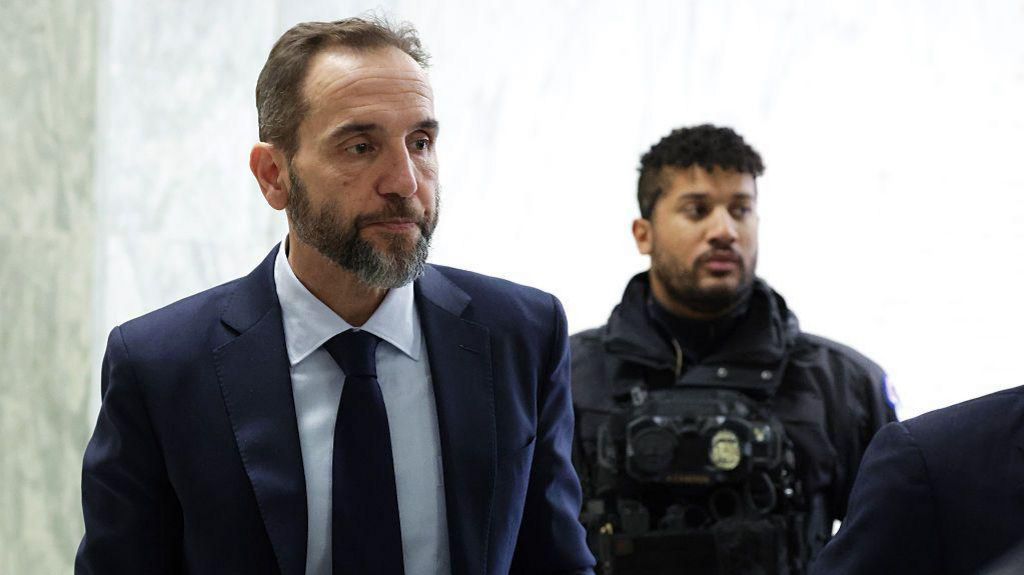
    In a politically charged appearance on Capitol Hill, former Special Counsel Jack Smith testified before a congressional committee regarding his now-terminated criminal investigations into former President Donald Trump. The closed-door hearing, convened by the House Judiciary Committee, centered on allegations that Trump engaged in efforts to overturn the 2020 election results and mishandled classified documents.

    According to prepared statements, Smith intended to inform lawmakers that his investigation team had assembled proof beyond reasonable doubt demonstrating Trump’s involvement in what he characterized as a ‘criminal scheme’ to subvert democratic processes. The special counsel further planned to detail evidence suggesting Trump willfully retained classified materials and obstructed governmental efforts to recover them.

    The hearing occurs amidst heightened political tensions following Trump’s return to office. The former president has publicly demanded investigations against justice officials who previously charged him, including Smith, whom Trump has labeled a ‘criminal’ deserving imprisonment.

    House Judiciary Chairman Jim Jordan, a prominent Trump ally, previously criticized Smith’s investigations as ‘partisan and politically motivated.’ In an October correspondence, Jordan accused the veteran prosecutor of employing ‘disturbing tactics,’ including the subpoenaing of Republican lawmakers’ phone records during the election investigation.

    Despite Smith’s offer to testify publicly through his attorney Peter Koski, the committee opted for a closed session, preventing real-time public access to his testimony. Democrats on the committee, including Representative Jamie Raskin, expressed interest in understanding the full scope of Smith’s findings and investigative methods.

    The proceedings reflect ongoing tensions within the Justice Department, which recently saw the indictment and subsequent dismissal of charges against former FBI Director James Comey based on technical appointment issues.

  • Senate voting on $901 billion defense bill that pushes Hegseth for boat strike video

    Senate voting on $901 billion defense bill that pushes Hegseth for boat strike video

    The U.S. Senate is poised to approve a sweeping $901 billion defense authorization bill that simultaneously advances President Trump’s military priorities while imposing significant congressional oversight mechanisms on the Pentagon. The National Defense Authorization Act (NDAA), spanning over 3,000 pages, received bipartisan support despite revealing substantive policy divisions between legislators and defense officials.

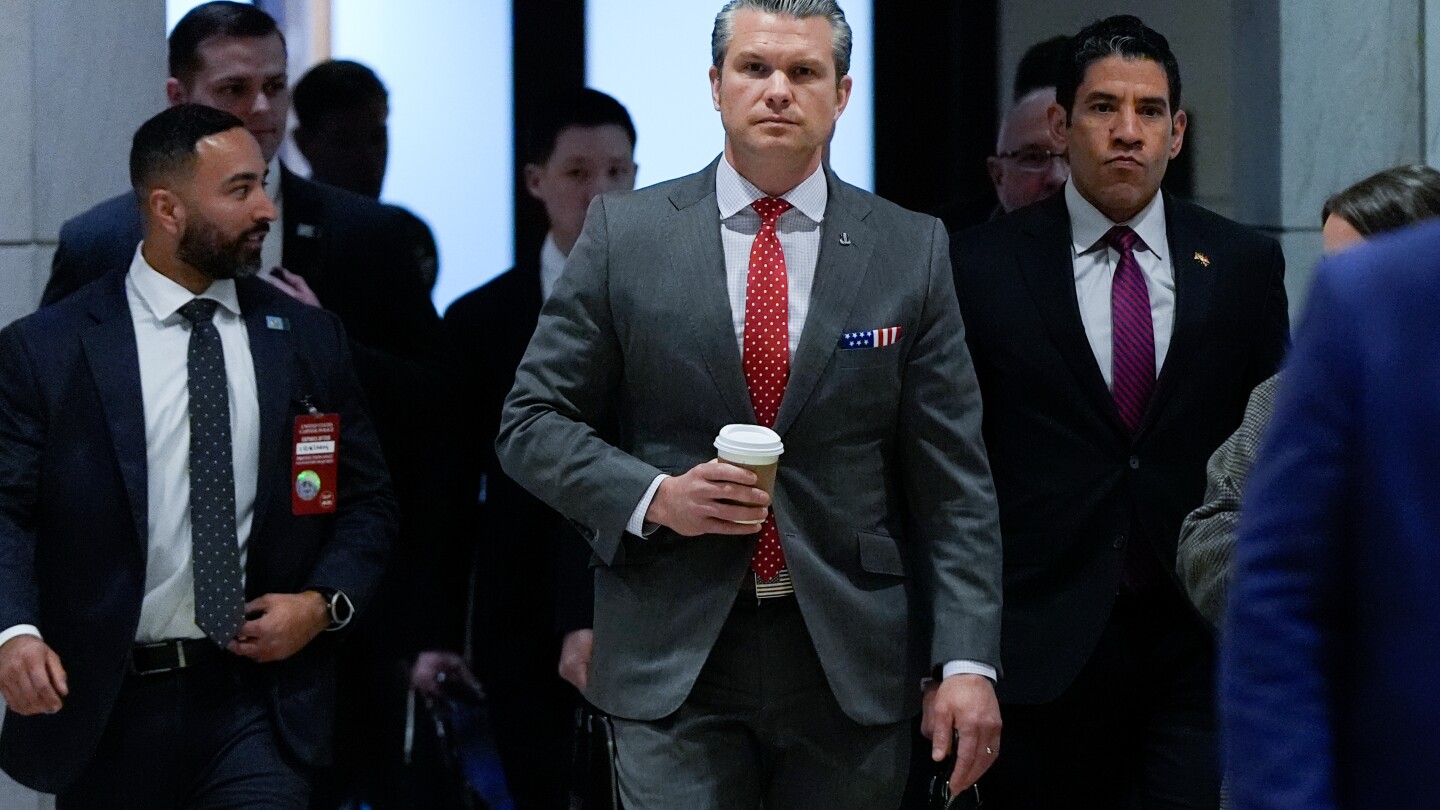
    The comprehensive legislation mandates a 3.8% pay increase for military personnel while compelling Defense Secretary Pete Hegseth to release classified footage of maritime strikes targeting drug trafficking vessels near Venezuela. The bill specifically threatens to withhold a quarter of the Secretary’s travel budget until unedited videos and operational orders are provided to armed services committees.

    Notably, the legislation counteracts several Pentagon initiatives by requiring maintenance of current troop levels in Europe (minimum 76,000 personnel) and preserving the 28,500-strong presence in South Korea. It additionally allocates $400 million annually for weapons manufacturing to support Ukraine, reflecting congressional pushback against administration decisions regarding Eastern European security.

    The NDAA incorporates several of President Trump’s executive orders, including the elimination of diversity, equity, and inclusion programs within military structures—a move projected to save approximately $40 million. Simultaneously, it slashes $1.6 billion from climate-change related defense initiatives, despite military assessments identifying climate threats to national security infrastructure.

    Historically significant provisions include the repeal of the 2003 Iraq invasion authorization and the 1991 Gulf War authorization, effectively closing legal chapters from previous conflicts. The legislation also permanently lifts U.S. sanctions on Syria, aligning with administration efforts to support economic reconstruction under the new government.

    Aviation safety concerns emerged as a contentious aspect, with the bill permitting military aircraft waivers for precise location broadcasting—a provision criticized following January’s fatal midair collision that claimed 67 lives. Senator Ted Cruz announced plans for separate legislation mandating enhanced location-sharing protocols for military aircraft.

    The compromise legislation enhances congressional notification requirements for troop reductions, intelligence sharing modifications, and high-level military personnel changes, reflecting increased legislative scrutiny of defense decision-making.

  • Nato spending pledge is Trump’s biggest foreign policy success, Rutte tells BBC

    Nato spending pledge is Trump’s biggest foreign policy success, Rutte tells BBC

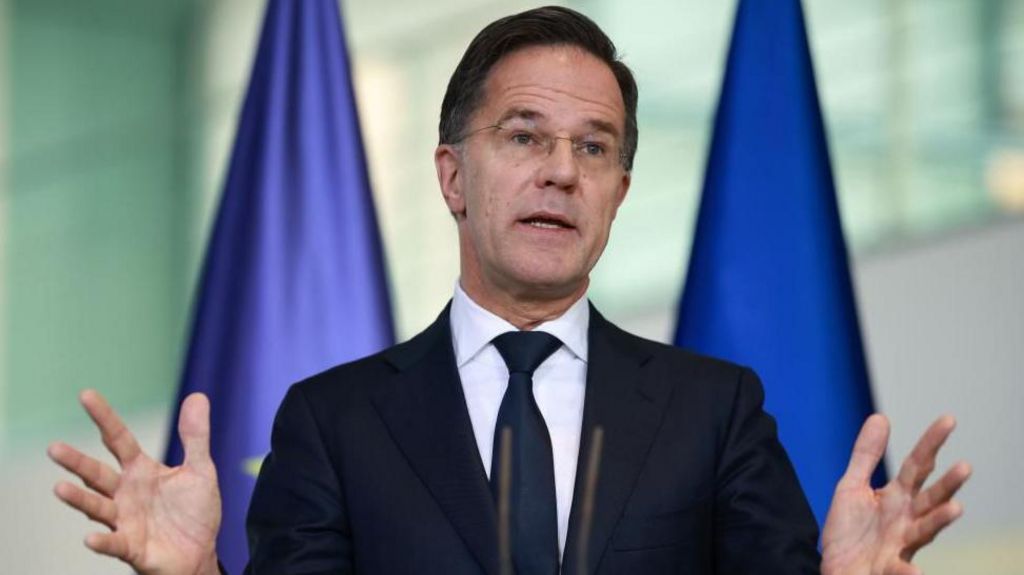
    NATO Secretary General Mark Rutte has characterized the alliance’s commitment to allocate 5% of economic output to defense as former President Donald Trump’s most significant foreign policy achievement. In an exclusive BBC Radio 4 interview, Rutte asserted that Trump’s persistent criticism of European allies’ inadequate military spending has ultimately strengthened the alliance, describing it as “stronger than it ever was.”

    The declaration follows intense pressure from Trump, who threatened to withdraw U.S. protection unless member nations increased defense contributions. This pressure culminated in the June summit in The Hague, where NATO members committed to reaching the 5% spending target by 2035, citing Russia’s enduring threat and global terrorism concerns.

    Meanwhile, Russian President Vladimir Putin dismissed NATO’s warnings about potential Russian aggression against member states within five years as “hysteria” and “pure nonsense.” Speaking to defense officials in Moscow, Putin reiterated his objectives in Ukraine, stating his preference for diplomatic solutions but vowing to achieve “the liberation of its historical lands by military means” if negotiations fail.

    Rutte condemned Putin’s pursuit of historical territorial claims, describing the human cost as “insane” with approximately 1.1 million Russian casualties. The NATO chief simultaneously praised Trump’s diplomatic efforts to end the conflict, despite concerns that initial drafts of Trump’s peace plan appeared favorable to Moscow.

    The proposed settlement includes ceding eastern Ukrainian territories to Russia and providing security guarantees for Kyiv to prevent future aggression. U.S. officials indicate readiness to offer Ukraine protections modeled on NATO’s Article 5 mutual defense clause, while European allies discuss forming a “multinational force Ukraine” to assist with military regeneration and security.

    As Russia maintains its war economy, producing 150 tanks monthly alongside substantial drone and artillery output, Western nations struggle to match this production capacity. France and Germany have recently moved to revive voluntary military service for young adults amid growing recognition of the conventional warfare capabilities gap.

  • Myanmar’s military government charge hundreds with breaking election law as voting date nears

    Myanmar’s military government charge hundreds with breaking election law as voting date nears

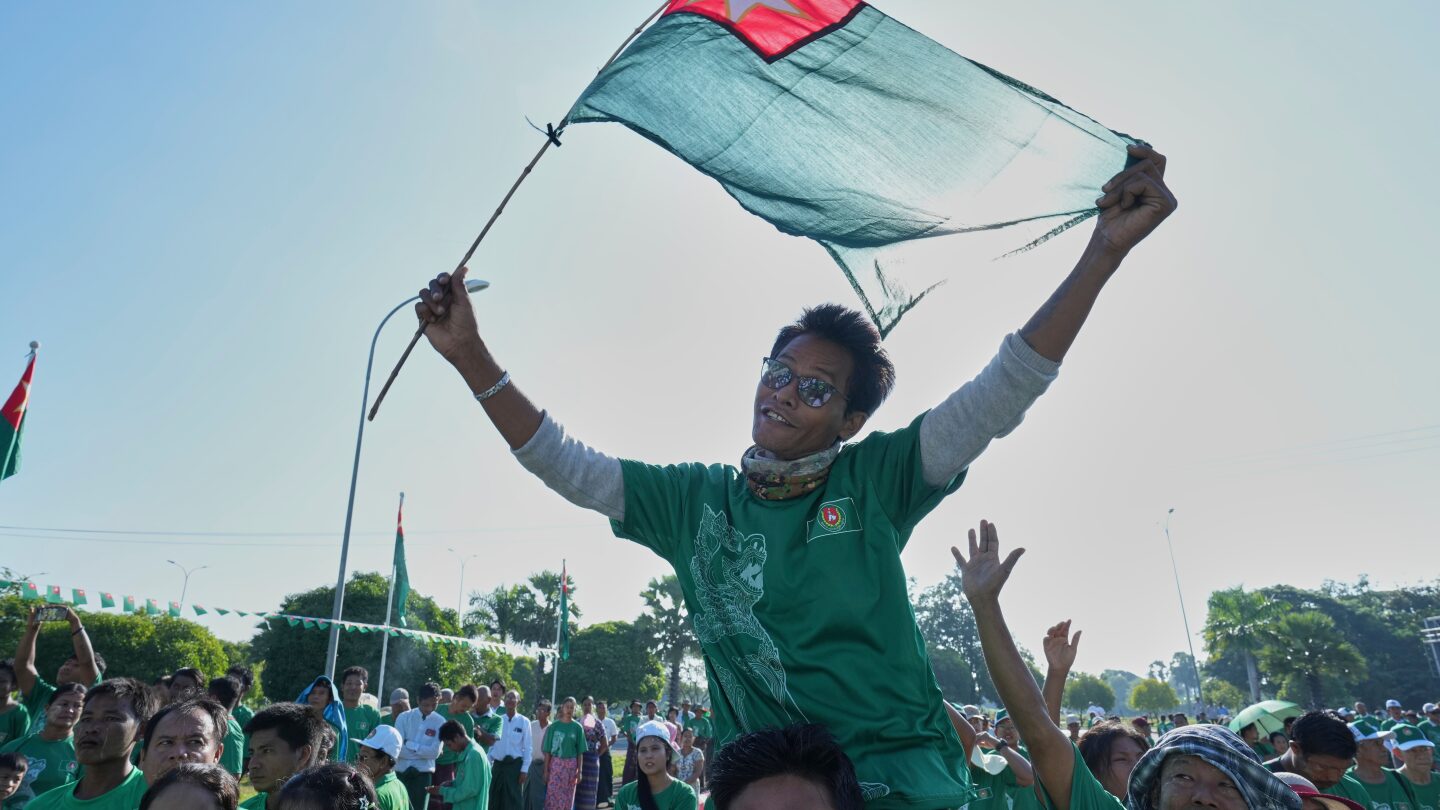
    BANGKOK (AP) — Myanmar’s military regime has intensified its pre-election crackdown by charging over 200 individuals with violating the country’s stringent voting legislation ahead of this month’s controversial general election. The charges represent the latest escalation in the junta’s systematic suppression of political dissent surrounding the polls.

    According to state-run Myanma Alinn newspaper, Home Affairs Minister Lt.-Gen. Tun Tun Naung disclosed during a Tuesday meeting that authorities had identified and taken action against 229 people—201 men and 28 women—across 140 separate cases involving alleged attempts to sabotage the electoral process. The report provided minimal details regarding the identities of those charged or their current detention status.

    The controversial election law, enacted in July under military rule, imposes severe penalties including imprisonment terms ranging from three to ten years for activities deemed disruptive to the electoral process. More serious offenses carry potential death sentences, creating an atmosphere of intense political repression.

    Among those publicly identified in state media are prominent activists Tayzar San, Nan Lin, and Htet Myat Aung, who organized a December 3 protest in Mandalay, Myanmar’s second-largest city. The demonstration called for public rejection of the elections, abolition of military conscription laws, and release of political prisoners.

    The General Strike Coordination Body, a leading non-violent opposition organization, reported Wednesday that security forces arrested Htet Myat Aung in Mandalay and allegedly subjected him to abuse during detention. The organization expressed grave concerns about his imminent safety, though The Associated Press could not independently verify his condition.

    Those charged span diverse segments of society, including filmmakers, actors, comedians, children, members of pro-democracy militias (People’s Defense Forces), and representatives from ethnic armed groups engaged in conflict with the military. Most face accusations of destroying campaign materials, threatening election personnel, or posting critical comments on social media platforms. Local media outlets, including Myanmar Now, report that some defendants have received prison sentences extending up to 49 years.

    The military government spokesperson, Maj. Gen. Zaw Min Tun, stated during a Sunday briefing that international approval of the election process remains irrelevant to the junta’s objectives. “Those who want to criticize can do so,” Zaw Min Tun declared. “We will continue to pursue our original objective of returning to a multi-party democratic system.”

    The election faces widespread criticism for excluding Aung San Suu Kyi’s National League for Democracy (NLD), which was forcibly disbanded in 2023 despite achieving landslide victories in both the 2015 and 2020 elections. The military justified its 2021 takeover by alleging electoral irregularities in the 2020 polls, though independent observers found no substantive evidence supporting these claims.

    Suu Kyi, now 80, remains imprisoned under a 27-year sentence following convictions in multiple politically motivated cases. Recent reports expressing concerns about her health were dismissed by military authorities on Tuesday, who maintain she remains in good condition.

  • UK gives Abramovich last chance to give Chelsea sale proceeds to victims of Russia’s war in Ukraine

    UK gives Abramovich last chance to give Chelsea sale proceeds to victims of Russia’s war in Ukraine

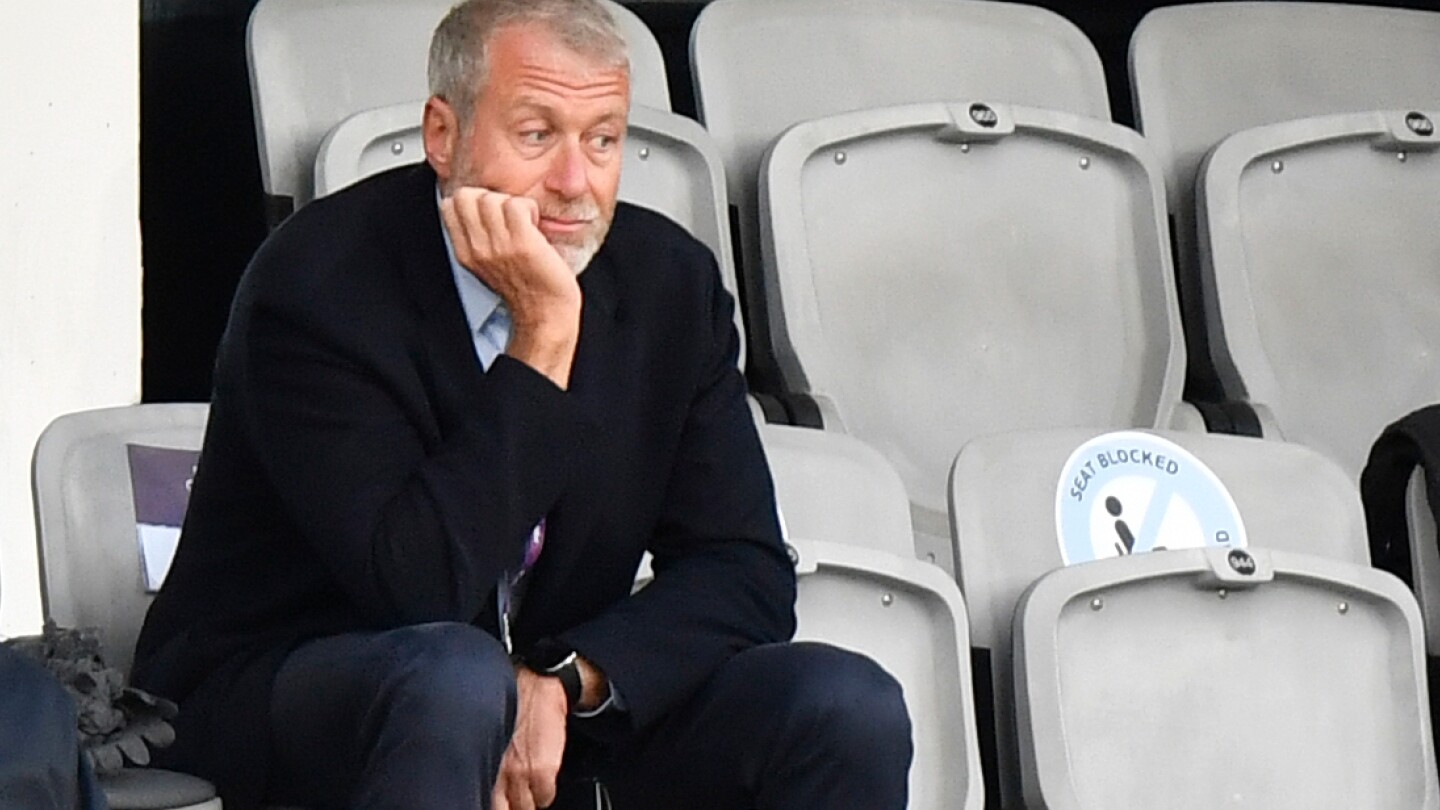
    The British government has delivered a definitive ultimatum to sanctioned Russian billionaire Roman Abramovich, demanding he finally transfer the £2.5 billion ($3.25 billion) pledged from the sale of Chelsea Football Club to aid victims of Russia’s war in Ukraine. Prime Minister Keir Starmer’s administration declared on Wednesday that it is prepared to initiate legal proceedings to enforce the commitment, which has remained unfulfilled for over two years.

    The saga stems from the 2022 forced sale of the Premier League club after the UK government imposed sanctions on Abramovich due to his established connections with Russian President Vladimir Putin following the full-scale invasion of Ukraine. As a condition of the sale approval, Abramovich publicly vowed to establish a charitable foundation dedicated to supporting those affected by the conflict. Despite the transaction’s completion—which saw ownership transfer to a consortium led by American Todd Boehly and Clearlake Capital—the promised funds remain frozen in a UK bank account, legally still belonging to the oligarch but inaccessible without government approval.

    Prime Minister Starmer emphasized the urgency of the situation, stating, “The clock is ticking on Roman Abramovich to honor the commitment he made when Chelsea FC was sold. This government is prepared to enforce it through the courts, so that every penny reaches those whose lives have been torn apart by Putin’s illegal war.” The government’s statement noted that extensive negotiations to secure a voluntary release of the funds have ultimately failed, leaving litigation as the only remaining option. Abramovich, who acquired Chelsea in 2003 and presided over an era that included two Champions League and five Premier League titles, could not be reached for immediate comment.

  • India’s Modi visits Ethiopia and calls for renewed bilateral relations

    India’s Modi visits Ethiopia and calls for renewed bilateral relations

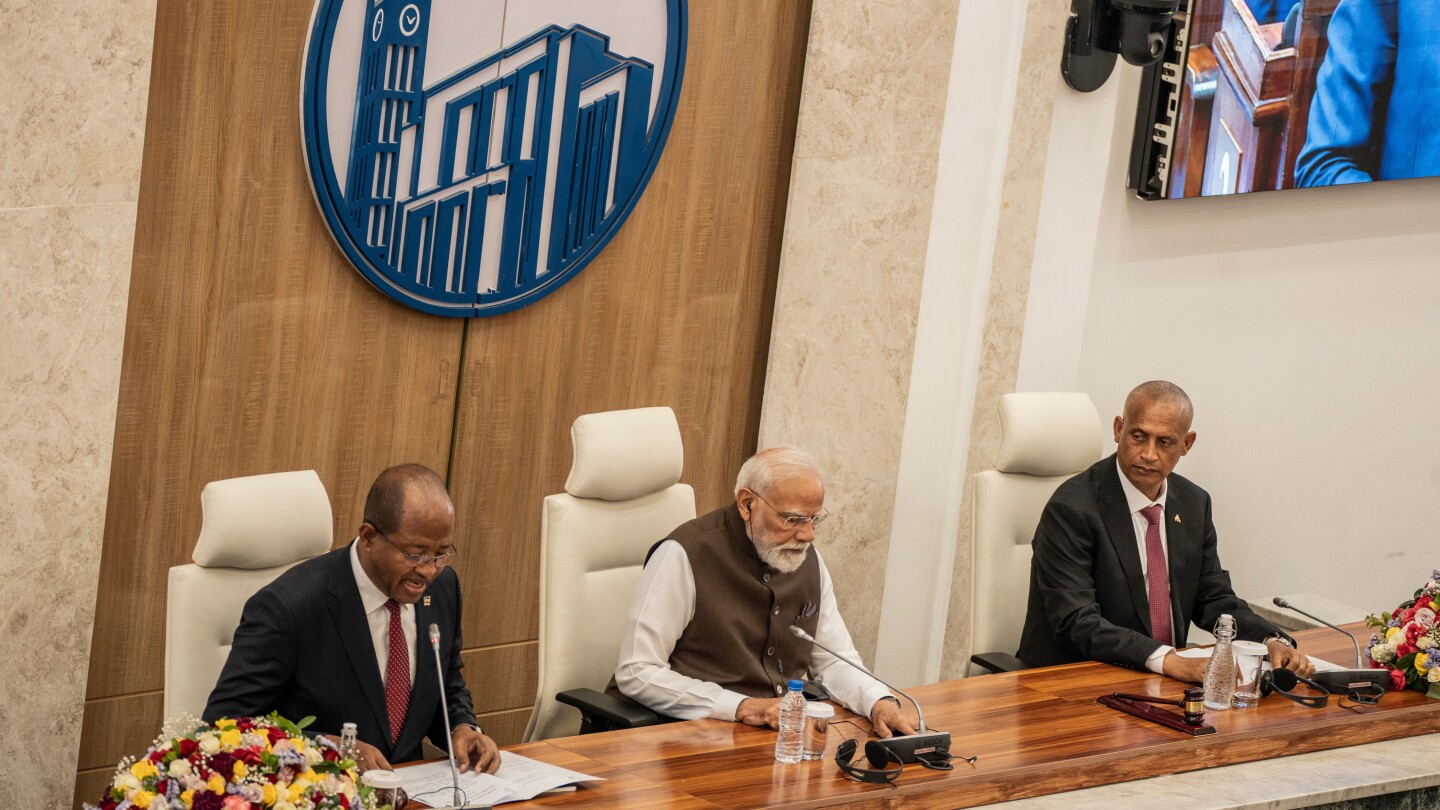
    ADDIS ABABA, Ethiopia — Indian Prime Minister Narendra Modi articulated a compelling vision for South-South cooperation during his landmark visit to Ethiopia on Wednesday, marking the first-ever trip by an Indian head of government to the African nation. Addressing Ethiopian parliamentarians in a special session, Modi emphasized the shared destiny of developing nations in reshaping global dynamics.

    “The Global South is actively scripting its own future, with India and Ethiopia united in this transformative vision,” declared the Prime Minister. “We envision a world where emerging nations advance not in opposition to others, but for the benefit of all—a world characterized by equitable development, accessible technology, and respected sovereignty.”

    The bilateral engagement yielded substantial agreements as both nations signed multiple memorandums of understanding covering diverse sectors. The partnership will encompass specialized training for United Nations peacekeeping forces, educational collaboration, and the establishment of a sophisticated data center within Ethiopia’s Ministry of Foreign Affairs infrastructure.

    Significantly, India committed to supporting Ethiopia’s navigation of its substantial international debt burden through the G20 Common Framework mechanism while pledging enhanced cooperation in counterterrorism efforts. The visit was further distinguished by Prime Minister Modi receiving Ethiopia’s highest civilian honor, the “Great Honor Nishan Ethiopia,” presented by Ethiopian Prime Minister Abiy Ahmed—marking the first time a foreign head of state has been accorded this recognition.

    This diplomatic advancement occurs against the backdrop of Ethiopia’s strategic reorientation following its 2022 admission as a full member of the BRICS coalition, which includes nations such as Iran and Egypt. This membership represents part of Ethiopia’s broader strategy to cultivate new international partnerships after emerging from a devastating two-year civil conflict in the Tigray region.

    The timing of strengthened India-Ethiopia relations coincides with deteriorating ties between Ethiopia and the United States. Washington suspended Ethiopia’s preferential trade access to American markets in 2022—a move that significantly impacted the country’s economic trajectory—and recently terminated humanitarian assistance programs following the cancellation of USAID-funded initiatives.

    Beyond governmental cooperation, India maintains substantial people-to-connections with Ethiopia, serving as a preferred destination for medical tourism and higher education among Ethiopians seeking quality services at accessible costs that remain challenging to obtain domestically.