分类: politics

  • US denies visas to ex-EU commissioner and others over social media rules

    US denies visas to ex-EU commissioner and others over social media rules

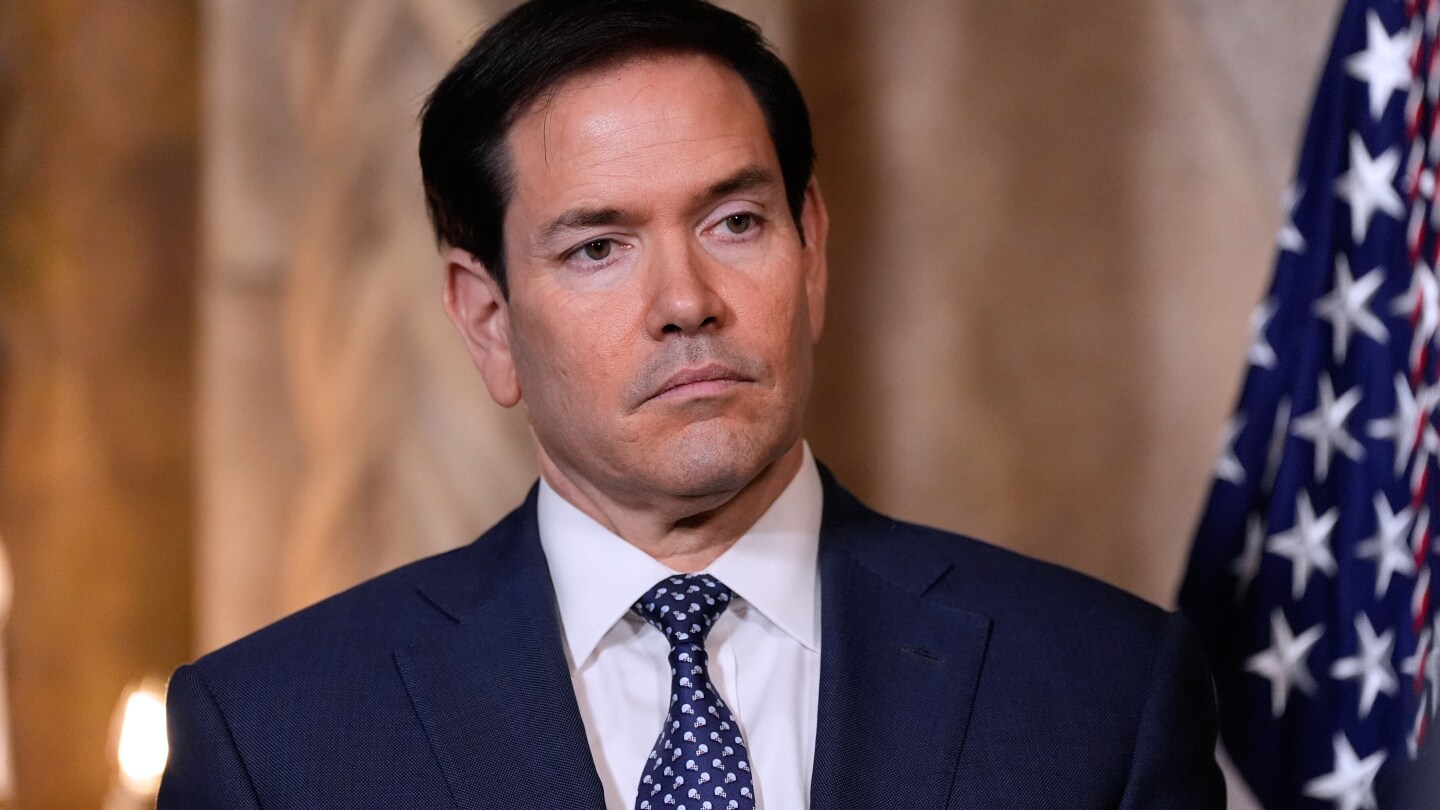
    The United States State Department has announced visa restrictions against five individuals, including former European Union commissioner Thierry Breton, accusing them of attempting to coerce American social media platforms into suppressing viewpoints they oppose. Secretary of State Marco Rubio characterized the targets as “radical activists and weaponized NGOs” advancing foreign censorship campaigns against American companies and speakers.

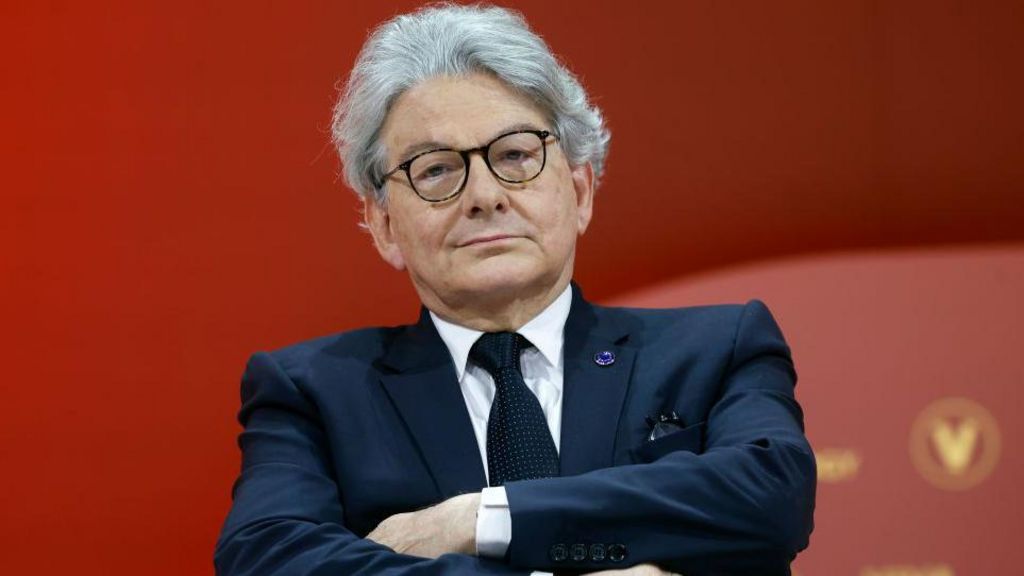
    Thierry Breton, previously the EU’s top technology regulator and architect of the Digital Services Act (DSA), denounced the move as a “witch hunt.” The DSA legislation, which mandates content moderation requirements for social media firms, has drawn criticism from U.S. conservatives who view it as targeting right-wing opinions—a claim Brussels denies.

    The announcement escalates ongoing tensions between U.S. tech platforms and European regulators. Breton has previously clashed with Elon Musk, owner of X (formerly Twitter), regarding compliance with EU regulations. Recently, the European Commission fined X €120 million for deceptive practices related to its verification system, prompting the platform to block Commission advertising.

    Other individuals targeted include Clare Melford of the Global Disinformation Index, accused of using U.S. taxpayer funds to suppress American speech, and Imran Ahmed of the Center for Countering Digital Hate, described as a “key collaborator” in government weaponization efforts. German organization HateAid representatives Anna-Lena von Hodenberg and Josephine Ballon were also sanctioned.

    Reactions from those targeted were uniformly critical, with statements characterizing the visa bans as “authoritarian attacks on free speech” and acts of government repression. The State Department maintained that the measures protect American sovereignty from extraterritorial overreach by foreign censors, aligning with the Trump administration’s America First foreign policy.
  • Have the American Pope and the American administration fallen out?

    Have the American Pope and the American administration fallen out?

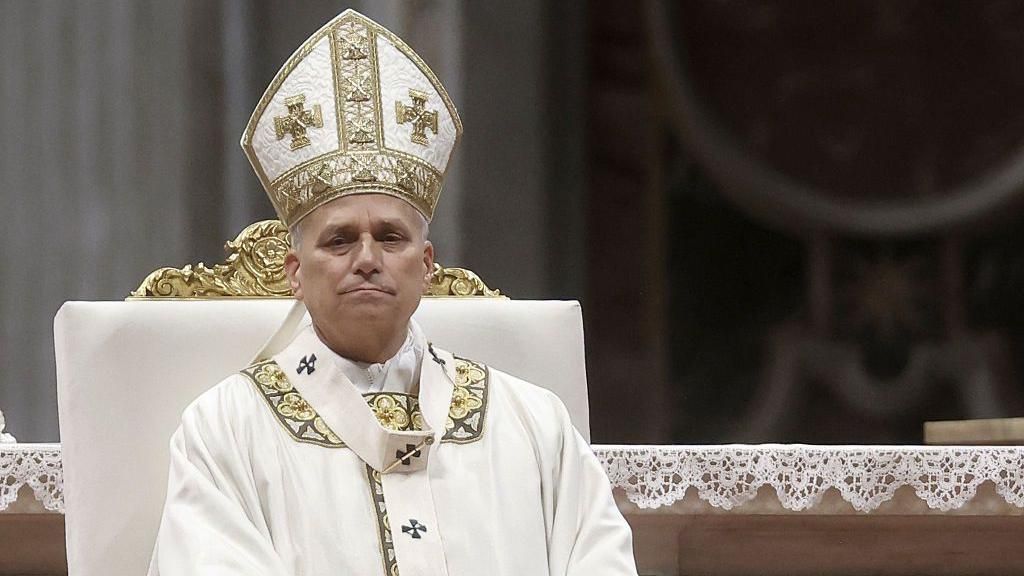
    A significant ideological schism has emerged between the Vatican and the Trump administration over immigration policy, creating unprecedented tension within America’s Catholic community. Pope Leo XIV, the American-born pontiff, has repeatedly criticized the administration’s mass deportation approach, calling for “deep reflection” on migrant treatment and invoking the Gospel of Matthew to emphasize Christian duty toward foreigners.

    The confrontation escalated in November when the United States Conference of Catholic Bishops (USCCB) issued a rare “Special Message”—their first such communiqué in twelve years—expressing profound disturbance at what they termed “a climate of fear and anxiety.” The bishops explicitly opposed “indiscriminate mass deportation” and condemned dehumanizing rhetoric, with the Pope endorsing their statement as “very important” and urging all Catholics to heed its message.

    This ecclesiastical stance has provoked strong reactions from conservative Catholics. Jesse Romero, a prominent Catholic podcaster and Trump supporter, argued that church leadership should focus on spiritual matters rather than governance, stating: “The Pope should tell us how to get to heaven. He has no authority over the government.”

    The political dimension is particularly complex given Catholicism’s substantial influence in American politics. With one in five Americans identifying as Catholic, and prominent figures like Vice President JD Vance and Secretary of State Marco Rubio representing the faith, the Church’s internal divisions mirror broader national debates. While nearly 60% of white Catholics approve of Trump’s immigration handling according to the Public Religion Research Institute, Hispanic Catholics—comprising 37% of the U.S. Catholic population—show significantly lower support at around 30%.

    David Gibson, director of Fordham University’s Center on Religion and Culture, observes that the administration calculates “there are enough American Catholics who support Donald Trump that it’s politically beneficial to pick a fight with the Pope.” This calculation manifests in direct rebuttals from administration officials, including White House Press Secretary Karoline Leavitt rejecting the Pope’s characterization of U.S. immigration policies as “inhuman.”

    At the grassroots level, the conflict takes tangible form. In Chicago, parishioner Jeanne Rattenbury participated in a 2,000-strong “People’s Mass” outside an ICE detention center, part of efforts by the Coalition for Spiritual and Public Leadership to provide religious ministry to detainees—a service they claim is being systematically blocked, leading to federal litigation.

    Bishop Joseph Tyson of Yakima, Washington, one of 216 bishops supporting the USCCB statement, emphasizes that current deportation practices are “not surgical” and disproportionately affect parish communities. With many priests themselves immigrants on temporary visas, the Church faces practical vulnerabilities alongside theological concerns. “Anybody can have their paperwork revoked,” Bishop Tyson notes, revealing that seminarians now carry immigration documents at all times due to enforcement anxieties.

    The ideological fault lines extend to symbolic protests, including a Boston-area church’s Christmas nativity scene replacing baby Jesus with a sign reading “ICE was here”—a display the Archdiocese ordered removed for being divisive, though the parish has thus far refused.

    This confrontation represents a fundamental clash of values between institutional Catholic teaching emphasizing immigrant dignity and political implementation of border enforcement, creating a profound identity crisis for American Catholics navigating competing loyalties to faith and political affiliation.

  • An alleged drug cartel and a murdered witness: South Africa’s police corruption probe

    An alleged drug cartel and a murdered witness: South Africa’s police corruption probe

    South Africa faces a profound institutional crisis as parallel investigations reveal alarming evidence of criminal cartels infiltrating the highest levels of law enforcement and government. The suspension of Police Minister Senzo Mchunu—a senior African National Congress (ANC) figure and presidential ally—marks a critical juncture in President Cyril Ramaphosa’s response to systemic corruption allegations within the police force.

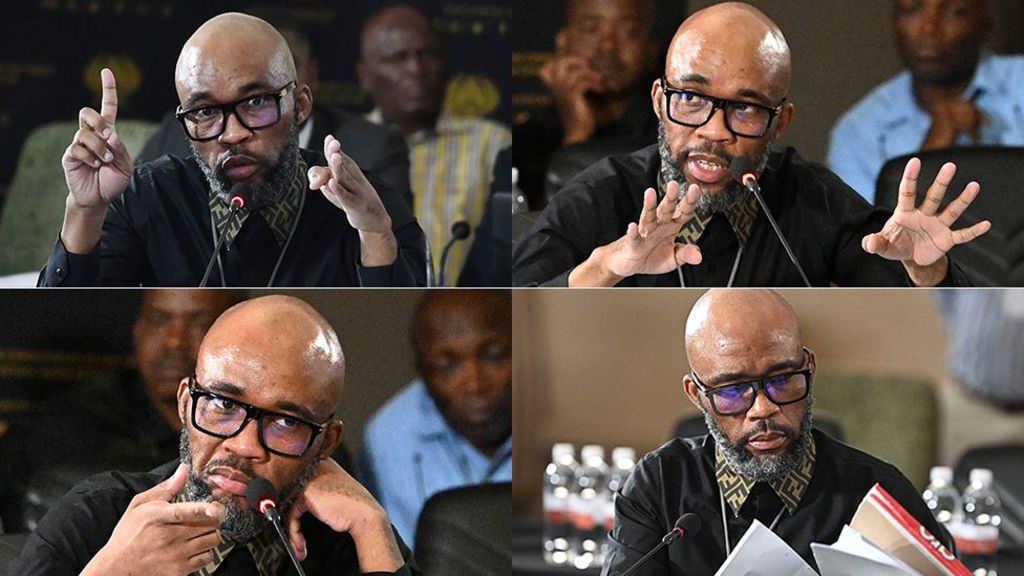
    The crisis emerged dramatically in July when KwaZulu-Natal police chief Lt-Gen Nhlanhla Mkhwanazi publicly alleged that organized crime groups had penetrated government structures. His testimony directly implicated Minister Mchunu, claiming he maintained ties to crime kingpins and had deliberately dismantled an elite unit investigating political murders. These assertions triggered two separate inquiries: the Madlanga Commission, headed by retired Constitutional Court judge Mbuyiseli Madlanga, and a parliamentary investigation in Cape Town.

    Testimony before these commissions has unveiled a sophisticated criminal network dubbed ‘the Big Five,’ allegedly operating a multinational narcotics empire while engaging in contract killings, cross-border hijackings, and kidnappings. Police crime intelligence commander Lt-Gen Dumisani Khumalo testified that this cartel had ‘penetrated the political sphere’ and could manipulate investigations, suppress evidence, and obstruct legal proceedings through connections within the criminal justice system.

    Central to the allegations is controversial businessman Vusimusi ‘Cat’ Matlala, currently facing 25 criminal charges including attempted murder. Witnesses allege Matlala provided financial support for Mchunu’s political ambitions, though both men deny any wrongdoing. Matlala’s testimony before parliament revealed astonishing details about relationships with current and former ministers, including claims that ex-Police Minister Bheki Cele demanded a 1 million rand ‘facilitation fee’ to prevent police harassment—allegations Cele denies while admitting to accepting ‘freebie’ stays at Matlala’s penthouse.

    The investigations turned deadly in early December when Marius van der Merwe, a witness who had implicated police officials in torture and extrajudicial killings, was murdered in full view of his family weeks after testifying. His killing highlights the extreme dangers facing whistleblowers in South Africa, where Human Rights Watch documents frequent retaliation against those exposing corruption.

    President Ramaphosa now holds an interim report from the Madlanga Commission, though his spokesperson Vincent Magwenya states it won’t be made public until finalized next year. The commission operates in three phases: allegation presentation, response from implicated officials, and witness recall for clarification. With both inquiries continuing into 2026, South Africans await answers about whether their government can effectively address what Gen Mkhwanazi described as ‘terrorism’—criminal elements seeking to control government not through ballots but through illicit means.

  • US Supreme Court  rejects Trump’s bid to deploy National Guard to Chicago

    US Supreme Court rejects Trump’s bid to deploy National Guard to Chicago

    In a significant legal setback for the Trump administration, the U.S. Supreme Court has denied the president’s authority to deploy National Guard troops to the Chicago metropolitan area without consent from state and local officials. The court’s unsigned order establishes that presidential power to federalize state-based National Guard units likely applies only under “exceptional” circumstances, marking a notable departure from the conservative-majority court’s typical alignment with administration positions.

    The ruling originated from the administration’s efforts to suppress protests against federal immigration raids in several Democrat-led cities, including Chicago, New Orleans, Portland, and Washington DC. President Trump had asserted that military presence was necessary to quell violence, combat crime, and support deportation initiatives in these urban centers.

    Previous lower court decisions had already rejected the administration’s legal argument that Chicago-area protests constituted a “rebellion or danger of rebellion” against the United States. The administration appealed these rulings to the Supreme Court, maintaining that deployment decisions were not subject to judicial review.

    The justices ultimately upheld the lower court decisions through a 6-3 ruling, with conservative justices Clarence Thomas, Samuel Alito, and Neil Gorsuch dissenting. The majority opinion stated that “the Government has failed to identify a source of authority that would allow the military to execute the laws in Illinois” at this preliminary stage.

    This landmark decision maintains the status quo in one of America’s largest cities and represents the first Supreme Court ruling on the administration’s controversial practice of deploying troops to urban areas despite ongoing legal challenges. Illinois Governor JB Pritzker hailed the outcome as “a big win for Illinois and American democracy.”

    The ruling clarifies the constitutional boundaries between federal and state authority regarding military deployment within U.S. borders, potentially affecting future administration efforts to utilize National Guard troops for domestic law enforcement purposes.

  • New Epstein files dump contains multiple Trump references

    New Epstein files dump contains multiple Trump references

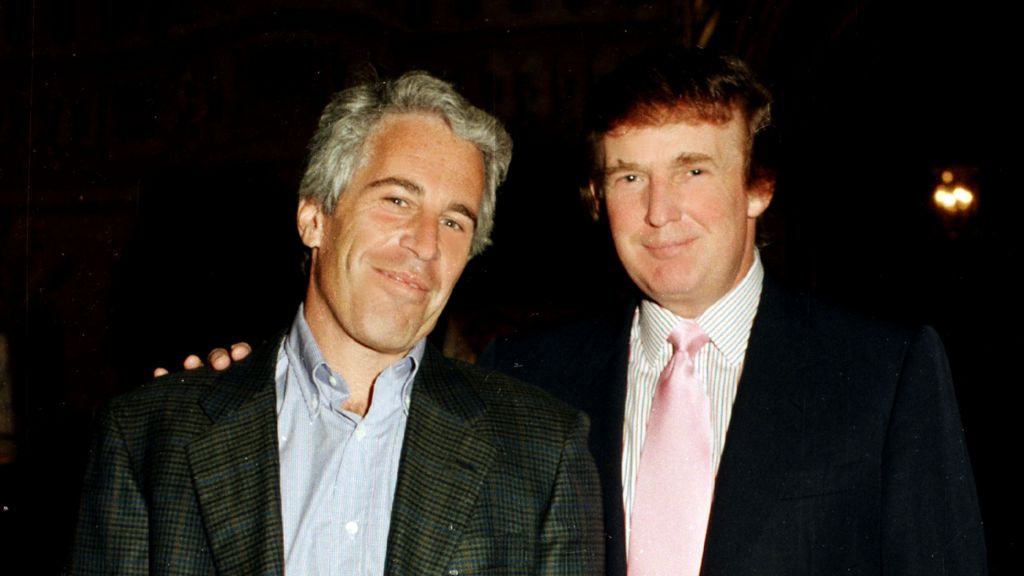
    The U.S. Justice Department has unveiled a substantial new collection of documents related to the Jeffrey Epstein case, containing numerous references to former President Donald Trump’s associations with the convicted sex offender. The latest release of approximately 8,000 files includes surveillance footage from August 2019—the month Epstein died in custody—and details Trump’s repeated use of Epstein’s private jet, contradicting the former president’s previous statements about their relationship.

    The documents reveal a January 2020 memorandum from New York federal prosecutors investigating Epstein associate Ghislaine Maxwell, which states that Trump traveled on Epstein’s aircraft “many more times than previously has been reported.” This evidence challenges Trump’s repeated claims that he distanced himself from Epstein after allegedly expelling him from his Florida golf club for inappropriate behavior.

    Among the more sensational materials is a handwritten letter attributed to Epstein from prison, addressed to convicted former USA Gymnastics doctor Larry Nassar, containing unverified claims about Trump’s behavior. The Justice Department has preemptively dismissed many allegations in the documents as “untrue and sensationalist claims” that would have been “weaponized against President Trump already” if credible.

    The document release follows intense political pressure and a rare bipartisan legislative effort co-sponsored by Democrat Ro Khanna and Republican Thomas Massie, who threatened contempt charges against Attorney General Pam Bondi for delayed compliance. Deputy Attorney General Todd Blanche attributed the slow disclosure pace to the extensive redaction required to protect the identities of Epstein’s numerous victims.

    Previous document batches included photographs of prominent figures such as former President Bill Clinton, who has openly encouraged full transparency, and celebrities including Mick Jagger and Michael Jackson. Maxwell remains the only individual convicted in connection with Epstein’s crimes, while Trump faces no allegations of wrongdoing in the matter.

  • US bars five Europeans it says pressured tech firms to censor American viewpoints online

    US bars five Europeans it says pressured tech firms to censor American viewpoints online

    The U.S. State Department has implemented visa restrictions against five European citizens accused of orchestrating systematic efforts to pressure American technology companies into censoring protected speech. Secretary of State Marco Rubio announced the measures Tuesday under a recently established policy designed to combat foreign interference in U.S. digital discourse.

    While Rubio initially withheld specific names, describing the targets only as ‘radical’ activists and ‘weaponized’ NGOs, Under Secretary for Public Diplomacy Sarah Rogers subsequently identified them through social media channels. The list includes prominent figures: Imran Ahmed, CEO of the Centre for Countering Digital Hate; HateAid leaders Josephine Ballon and Anna-Lena von Hodenberg; former European Union Digital Commissioner Thierry Breton; and Clare Melford of the Global Disinformation Index.

    According to official statements, these individuals allegedly advanced foreign government-backed censorship initiatives targeting American citizens and corporations, creating ‘potentially serious adverse foreign policy consequences’ for the United States. The action represents the Trump administration’s unconventional approach to combating perceived extraterritorial censorship, utilizing immigration law rather than traditional platform regulations or economic sanctions.

    The restrictions operate under the Immigration and Nationality Act, generally prohibiting entry into the United States and potentially initiating removal proceedings for those already present. Administration officials indicated possible expansion of the list should similar foreign activities persist.

    Notably, most European citizens benefit from the Visa Waiver Program, which typically eliminates visa requirements for short-term visits. However, all must complete electronic authorization through the Department of Homeland Security’s system prior to travel. A U.S. official speaking anonymously suggested targeted individuals may have been flagged within this screening process.

    This development occurs alongside other recently announced visa restriction policies affecting visitors from certain African and Middle Eastern nations, as well as the Palestinian Authority, including potential financial bond requirements for visa applicants from specified countries.

  • Venezuela seeks to criminalize oil tanker seizures as Trump puts pressure on Maduro

    Venezuela seeks to criminalize oil tanker seizures as Trump puts pressure on Maduro

    Venezuela’s National Assembly has swiftly passed comprehensive legislation establishing severe penalties for maritime interference activities, marking a significant escalation in the nation’s response to recent U.S. naval operations. The new law, approved within an extraordinary two-day legislative process, directly addresses what Venezuelan authorities describe as acts of “piracy” against their commercial shipping operations.

    The legislation mandates prison sentences of up to 20 years and substantial financial penalties for individuals or entities involved in promoting, financing, or participating in activities classified as piracy, blockades, or other unlawful international acts against Venezuelan commercial interests. The assembly, dominated by President Nicolás Maduro’s ruling party, advanced the measure without prior public disclosure of draft versions.

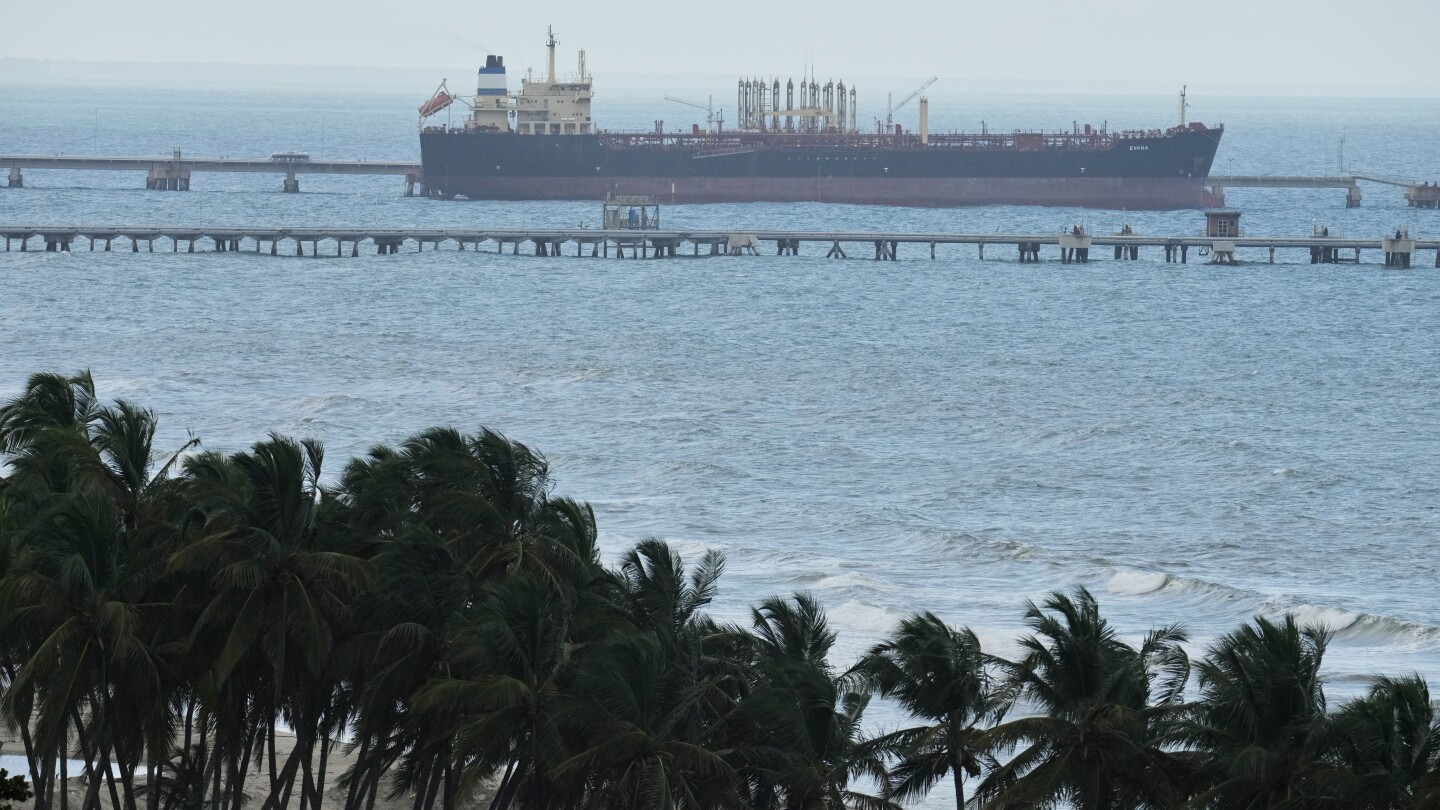
    This legislative action comes precisely two weeks after U.S. forces conducted coordinated seizures of two oil tankers carrying Venezuelan petroleum in international waters. The captured vessels—the Panama-flagged ‘Centuries’ and the rogue tanker ‘Skipper’—were identified by Trump administration officials as part of a shadow fleet attempting to circumvent U.S. economic sanctions imposed on Maduro’s government.

    Beyond punitive measures, the new law directs Venezuela’s executive branch to develop comprehensive economic protection mechanisms and incentives for both domestic and international entities conducting business with the South American nation, particularly during periods of maritime conflict or unlawful interference.

    The development occurs against the backdrop of increasingly confrontational rhetoric from Washington, where President Trump has explicitly threatened naval blockades and repeatedly predicted the imminent downfall of Maduro’s administration. Notably, Venezuela’s political opposition, including Nobel Peace Prize nominee María Corina Machado, has expressed support for the U.S. pressure campaign despite the new legislation’s severe penalties for such cooperation.

  • Kurdish-led SDF and the Syrian government agree to stop deadly fighting in Aleppo

    Kurdish-led SDF and the Syrian government agree to stop deadly fighting in Aleppo

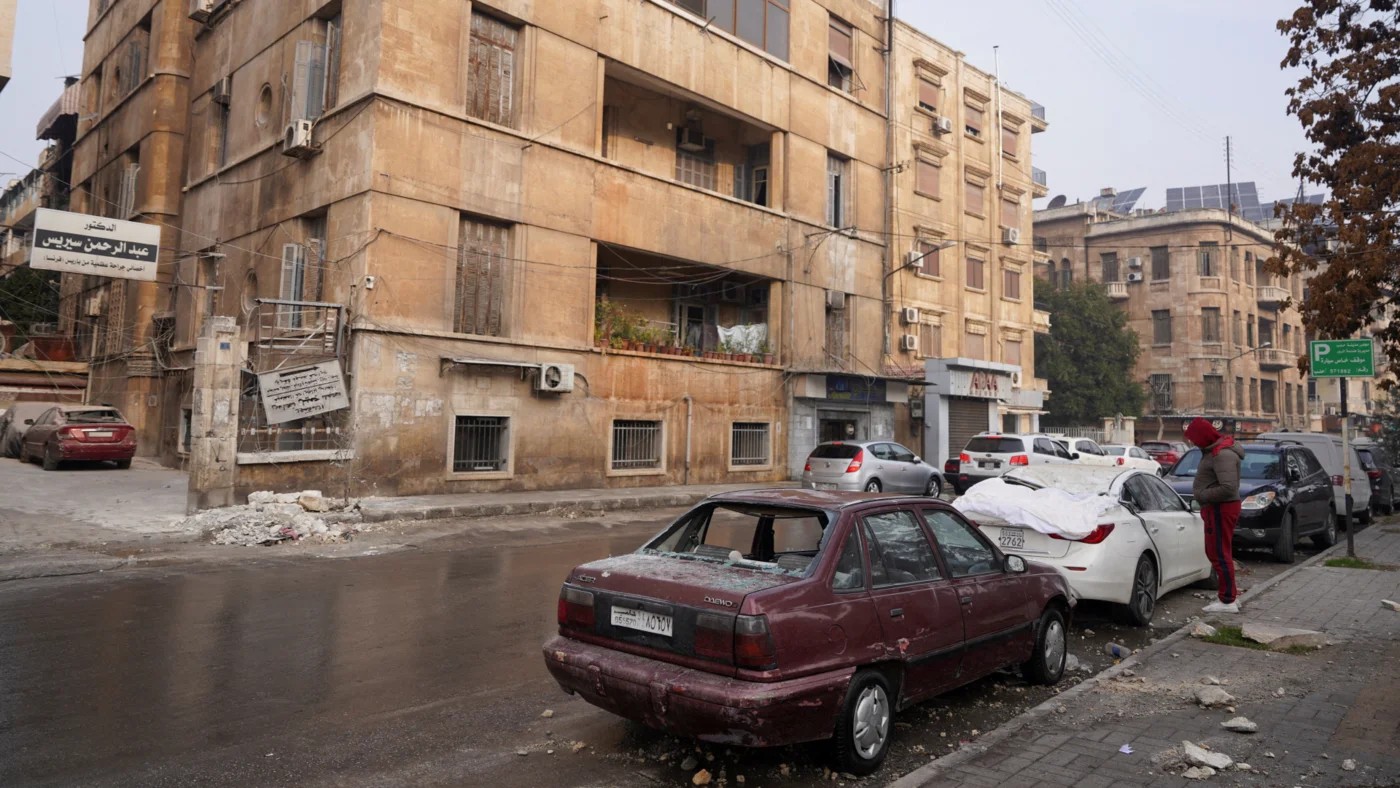
    In a significant de-escalation move, the Syrian government and US-supported Syrian Democratic Forces (SDF) have mutually agreed to halt hostilities after deadly clashes in Aleppo resulted in multiple casualties on Monday. The confrontation occurred during Turkish Foreign Minister Hakan Fidan’s diplomatic visit to the region.

    Syria’s official news agency SANA announced that the nation’s military command issued formal orders to cease targeting SDF positions. In reciprocal action, the Kurdish-led forces confirmed they have instructed their fighters to stop responding to Syrian government attacks. Both parties had initially exchanged accusations regarding responsibility for the violence.

    This temporary truce follows a landmark March agreement between SDF leader Mazloum Abdi and Syrian interim president Ahmed al-Sharaa to integrate the Kurdish forces with Damascus’ military structure. However, implementation has stalled due to resistance from the SDF and associated Kurdish factions.

    The geopolitical landscape is further complicated by Turkey’s designation of the SDF as a terrorist organization due to its affiliations with the Kurdistan Workers’ Party (PKK), which both the United States and European Union recognize as a terrorist group. Ankara has issued ultimatums demanding Kurdish forces abandon cooperation with Israel and honor their integration commitments.

    Analysts warn that failure to successfully incorporate the SDF into Syrian state forces could reignite military conflict, potentially derailing the nation’s recovery from fourteen years of devastating civil war that claimed hundreds of thousands of lives and displaced millions.

    The recent diplomatic engagement between Turkey and Syria signals warming relations since the fall of Bashar al-Assad’s government over a year ago. Fidan emphasized the interconnected stability of both nations, stating that ‘Syria’s stability means Turkey’s stability.’

  • Trump travelled on Epstein’s plane more than previously thought, prosecutor says

    Trump travelled on Epstein’s plane more than previously thought, prosecutor says

    Newly released Department of Justice documents have revealed that former President Donald Trump was documented as a passenger on Jeffrey Epstein’s private aircraft on eight separate occasions between 1993 and 1996. The disclosure comes from a January 2020 email written by an assistant U.S. attorney from the Southern District of New York, which was made public as part of the ongoing Epstein files release.

    The email correspondence, partially redacted to protect identities, indicates Trump traveled with Epstein’s associate Ghislaine Maxwell on at least four of these flights. Flight manifests also document Trump traveling with former wife Marla Maples, daughter Tiffany Trump, and son Eric Trump during various journeys. Notably, one 1993 flight reportedly listed only Epstein and Trump as passengers, while another flight included a then-20-year-old individual whose identity remains redacted.

    The Justice Department emphasized that these documents ‘contain untrue and sensationalist claims’ against Trump, specifically noting that allegations submitted to the FBI shortly before the 2020 election were ‘unfounded and false.’ Federal prosecutors stated that had these claims possessed any credibility, they would have been utilized against Trump previously.

    This document release, comprising over 30,000 pages, represents the largest batch of Epstein-related materials made public to date. The DOJ missed its congressional deadline to publish all Epstein files by last Friday, drawing criticism from both survivors and lawmakers across the political spectrum. Deputy Attorney General Todd Blanche acknowledged that not all materials would be released immediately, citing the need to protect victims as additional documents undergo review for future publication.

    Epstein died in a New York prison cell in 2019 while awaiting trial on sex trafficking charges. Ghislaine Maxwell was sentenced in 2022 to 20 years imprisonment for her role in Epstein’s sex trafficking operation. Trump has consistently denied any wrongdoing regarding his association with Epstein, claiming they had a falling out around 2004—years before Epstein’s initial arrest.

  • Mali, Burkina Faso and Niger call for joint ‘large-scale operations’ against extremists

    Mali, Burkina Faso and Niger call for joint ‘large-scale operations’ against extremists

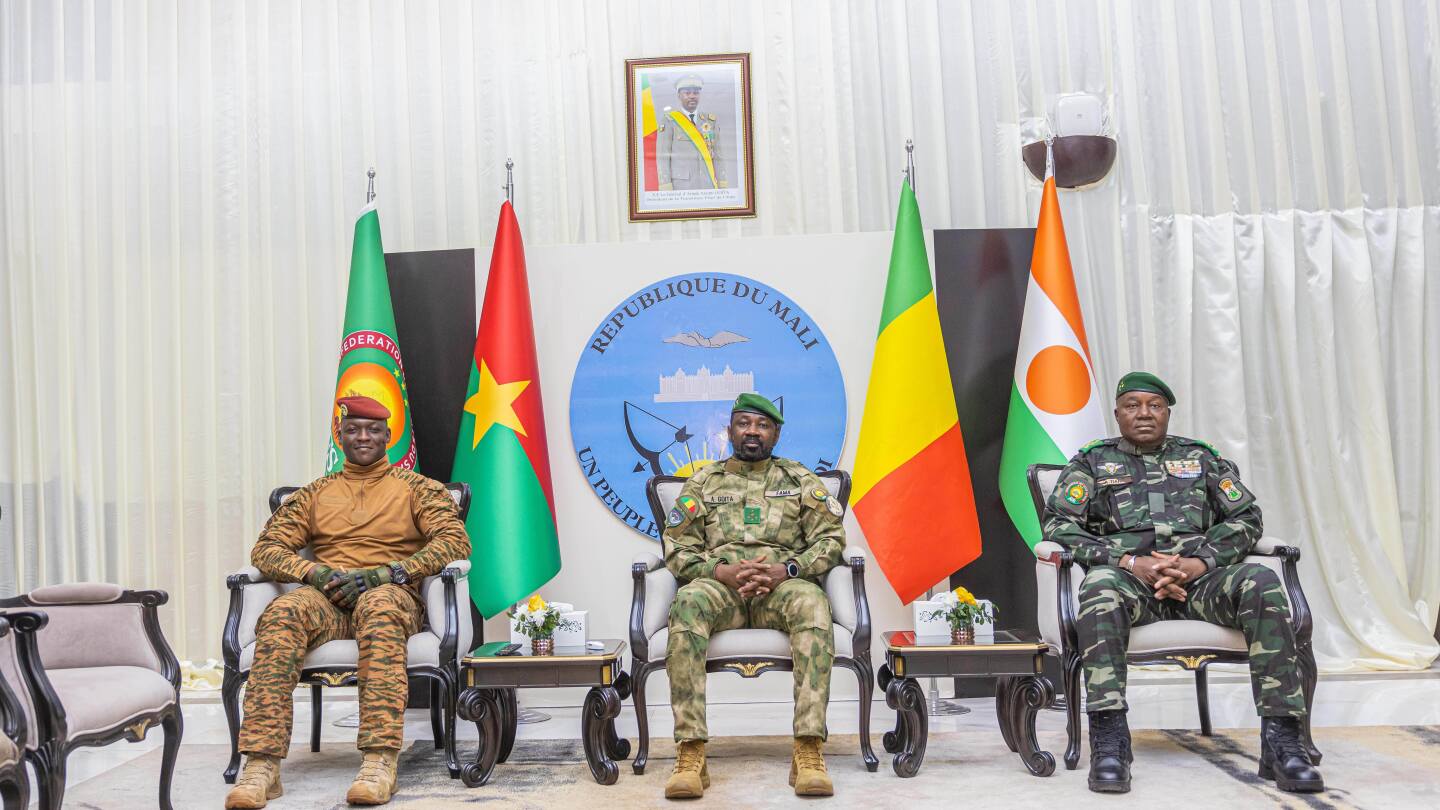
    BAMAKO, Mali — The newly formed Alliance of Sahel States has initiated a significant military escalation against extremist groups operating throughout the region. Captain Ibrahim Traoré, Burkina Faso’s leader and newly appointed head of the tri-nation alliance, announced that the recently deployed joint battalion will soon expand into large-scale security operations across Mali, Burkina Faso, and Niger.

    The three military-led governments, which collectively withdrew from West Africa’s regional bloc earlier this year, convened a summit on Tuesday to strengthen security and economic cooperation. This gathering followed the operational launch of a 5,000-personnel joint military battalion designed specifically to combat armed extremist organizations.

    These Sahel nations represent the epicenter of global extremist violence, with armed factions affiliated with both al-Qaida and the Islamic State creating the deadliest concentration of terrorism activity worldwide. All three countries have experienced military coups in recent years and contend with severely strained security forces.

    Niger’s junta leader, Abdourahamane Tchiani, emphasized the alliance’s commitment to sovereignty, stating that member states have terminated all foreign military occupations—a clear reference to the expulsion of French and American forces. “No country or interest group will decide for our countries anymore,” Tchiani declared during the summit.

    Despite this assertion of independence, the alliance has simultaneously cultivated strengthened security partnerships with Russia, signaling a strategic pivot in international allegiances.

    Regional security analysts note the considerable challenges facing the alliance. Rida Lyammouri of Morocco’s Policy Center for the New South observed that the Sahel’s multifaceted security crisis remains “very difficult to defeat” regardless of which external partners engage with the alliance.

    Ulf Laessing, head of the Sahel program at the Konrad Adenauer Foundation, highlighted the alliance’s growing internal cohesion despite international sanctions and fractured diplomatic relations. The bloc “enjoys popularity among citizens of the three countries” and appears committed to expanding cooperation beyond immediate military objectives.