分类: politics

  • Japan protests China’s travel advisory over Taiwan remarks

    Japan protests China’s travel advisory over Taiwan remarks

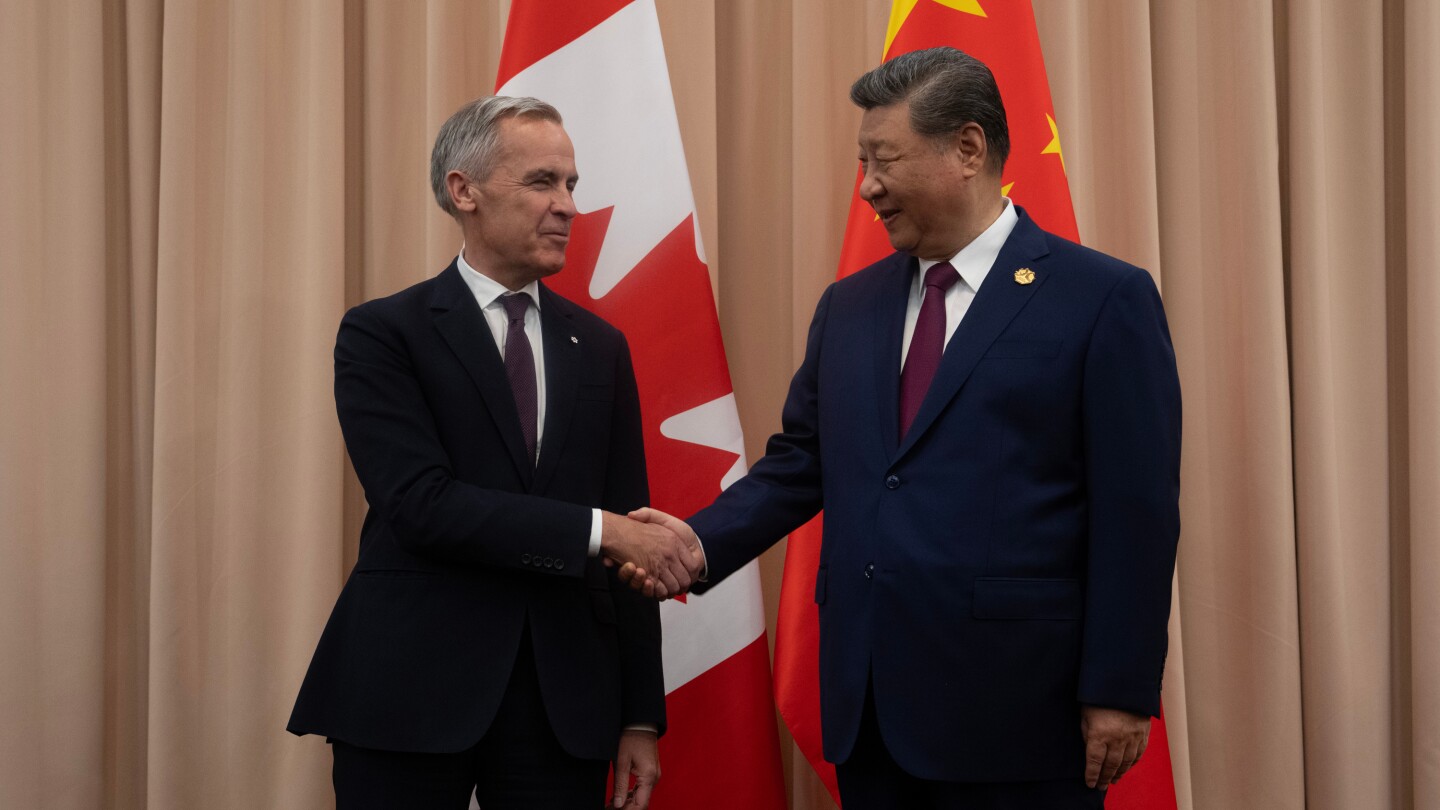
    Tensions between China and Japan have intensified following a travel advisory issued by Beijing urging its citizens to avoid visiting Japan. The advisory, announced on Friday, cited concerns over recent attacks against Chinese nationals in Japan and what it described as “erroneous remarks” by Japanese Prime Minister Sanae Takaichi regarding Taiwan. China argued that these comments have undermined the atmosphere for bilateral exchanges between the two nations. In response, Japan lodged a formal protest, with Chief Cabinet Secretary Minoru Kihara urging China to take “appropriate measures” to address the situation. Kihara emphasized the importance of multilayered communication to navigate the differences between the two governments. This latest development comes amid a broader context of strained relations, as Takaichi, who assumed office last month, has advocated for strengthening Japan’s military to counter potential threats from China, particularly in contested waters of the western Pacific. The dispute has further complicated an already fragile relationship, with China asserting its territorial claims over Taiwan and conducting military drills in the region. While neither Japan nor the United States maintains official diplomatic ties with Taiwan, the U.S. remains a key supplier of defense equipment to the island and opposes any forceful resolution to the China-Taiwan issue. The travel advisory, which appears more stringent than previous warnings, has raised questions about its potential impact on Chinese tourism to Japan, a popular destination that significantly contributes to Japan’s economy. Several Chinese airlines have already offered no-penalty refunds for tickets to Japan following the announcement.

  • UAE, 8 countries support US draft UN resolution to endorse Trump’s Gaza plan

    UAE, 8 countries support US draft UN resolution to endorse Trump’s Gaza plan

    In a significant diplomatic move, nine countries, including the United Arab Emirates (UAE), have jointly endorsed a US-drafted United Nations Security Council resolution supporting President Donald Trump’s Comprehensive Plan to End the Gaza Conflict. The resolution, formally circulated last week, proposes a two-year mandate for a transitional governance body and an international stabilization force. The plan, announced on September 29, aims to pave the way for Palestinian self-determination and statehood, according to a joint statement issued by the UAE, US, Qatar, Egypt, Saudi Arabia, Indonesia, Pakistan, Jordan, and Turkey. These nations emphasized the plan as a sincere effort toward achieving peace and stability in the region. The US mission to the UN has urged the Security Council to expedite the resolution’s adoption. Notably, Israel and Hamas agreed to the first phase of Trump’s 20-point plan in October, which includes a hostage release deal and is annexed to the draft resolution. While Trump has ruled out deploying US troops to Gaza, discussions are underway with countries like Indonesia, the UAE, Egypt, Qatar, Turkey, and Azerbaijan to contribute approximately 20,000 troops to the stabilization force.

  • Beijing protests new US arms sale to Taiwan

    Beijing protests new US arms sale to Taiwan

    China has issued a stern protest against the United States following the announcement of a new arms sale to Taiwan, labeling the move as a severe violation of its sovereignty and security interests. Chen Binhua, spokesperson for the State Council Taiwan Affairs Office, emphasized that the sale, which includes aircraft parts worth approximately $330 million, sends a dangerous signal to ‘Taiwan independence’ separatists. He reiterated China’s unwavering opposition to such transactions, urging the US to adhere to the one-China principle and the three US-China joint communiques, particularly the August 17 Communique. Chen warned that the actions of Taiwan’s Democratic Progressive Party (DPP) authorities, under the leadership of Lai Ching-te, have exacerbated tensions by pursuing military expansion and relying on external forces. He described Taiwan as being pushed toward becoming a ‘powder keg,’ jeopardizing the safety and well-being of its residents. Chen asserted that China would take all necessary measures to safeguard its national sovereignty, security, and territorial integrity, declaring that any path toward ‘Taiwan independence’ is doomed to fail.

  • Offices boost participation of public in shaping laws

    Offices boost participation of public in shaping laws

    In a significant move to democratize the legislative process, China has established 54 legislative outreach offices across the country, gathering over 66,000 public suggestions, with more than 3,500 incorporated into laws. These offices, initiated by the National People’s Congress (NPC) Standing Committee’s Legislative Affairs Commission, aim to bridge the gap between national legislation and the public, ensuring that laws reflect the people’s needs and concerns.

  • Leaked DIA warning of Chinese spying imperils Saudi F-35 purchase

    Leaked DIA warning of Chinese spying imperils Saudi F-35 purchase

    Saudi Crown Prince Mohammed Bin Sultan is set to visit Washington for pivotal discussions with US President Donald Trump, with a key focus on Saudi Arabia’s request for 48 advanced F-35 stealth fighter jets. This high-stakes deal, potentially worth billions, has ignited debates over regional power dynamics, technological security, and US-Israel relations. The Saudis, inspired by Israel’s effective use of F-35s in conflicts across Syria, Yemen, and Iran, seek to bolster their military arsenal. However, the Defense Intelligence Agency (DIA) has raised alarms, warning that the sale could lead to the leakage of critical F-35 technology to China, a concern exacerbated by Saudi Arabia’s existing defense ties with Beijing. The DIA’s classified report, leaked to the press, has stirred controversy within the Pentagon, particularly as it challenges Secretary of Defense Pete Hegseth’s stance on the deal. Meanwhile, Israel, the sole F-35 operator in the Middle East, views the potential sale as a threat to its Qualitative Military Edge (QME), a legal mandate ensuring its military superiority in the region. To address Israel’s concerns, the US may offer priority access to its Next Generation Air Dominance (NGAD) program, featuring the F-47 fighter jet. Additionally, Trump may push Saudi Arabia to join the Abraham Accords, a framework for Middle East peace. The deal’s fate remains uncertain, with Congress demanding detailed briefings from the DIA and growing opposition on Capitol Hill. Should the sale collapse, Saudi Arabia could turn to China or Russia for stealth jets, further complicating the geopolitical landscape.

  • Once a shadowy dealmaker, one-time Zelenskyy associate is accused in Ukrainian corruption scandal

    Once a shadowy dealmaker, one-time Zelenskyy associate is accused in Ukrainian corruption scandal

    A sweeping corruption scandal involving Ukraine’s state nuclear energy company has thrust Tymur Mindich, a once-shadowy figure with deep ties to President Volodymyr Zelenskyy, into the spotlight. Mindich, a former business partner of Zelenskyy, is accused of orchestrating a $100 million embezzlement scheme, according to a 15-month investigation by Ukraine’s anti-corruption agencies. The probe alleges that Mindich wielded significant influence over top officials, including former Energy Minister Herman Haluschenko, who resigned following the revelations. Mindich has since fled the country, leaving criminal proceedings to likely unfold in absentia. His rise to power, activists argue, was facilitated by his privileged relationship with Zelenskyy and his inner circle, enabling him to dominate lucrative sectors like energy and agriculture. The scandal has also implicated Mindich in alleged dealings with Ukraine’s top drone manufacturer, Fire Point, though no findings have been disclosed. This case underscores the pervasive corruption challenges Ukraine faces, particularly during wartime, as it seeks to stabilize its energy infrastructure and combat external threats.

  • Trump targets longtime MAGA ally Marjorie Taylor Greene

    Trump targets longtime MAGA ally Marjorie Taylor Greene

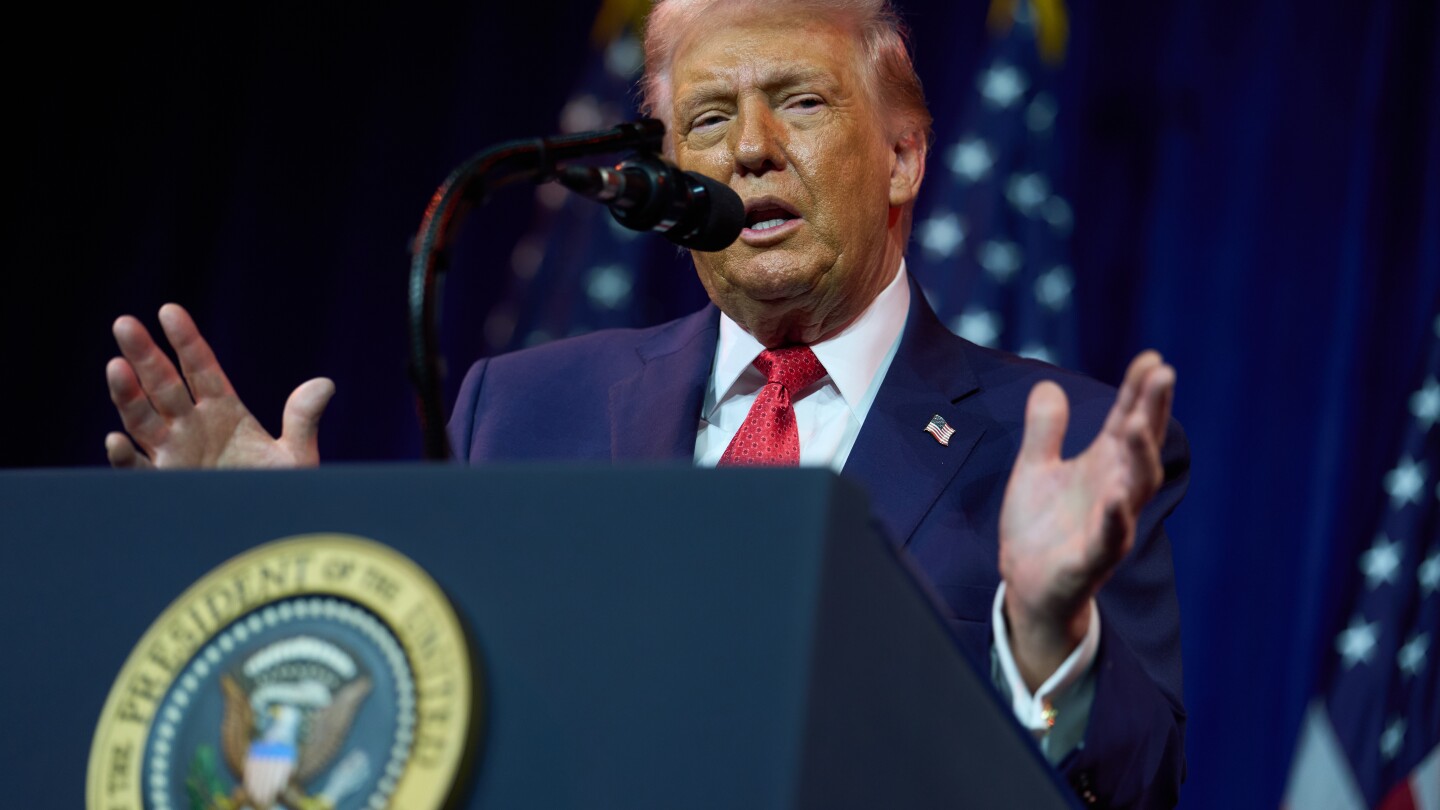
    Former President Donald Trump has publicly severed ties with Republican Congresswoman Marjorie Taylor Greene, a staunch conservative who once championed his agenda but has recently voiced criticism of his policies. In a lengthy social media post, Trump accused Greene of leaning “far left” and urged her constituents to replace her in the upcoming midterm elections. The rift emerged after Greene questioned Trump’s commitment to his “America First” agenda, particularly his foreign policy focus and handling of the Jeffrey Epstein case files. Greene suggested that Trump’s attacks were aimed at deterring other Republicans from supporting the release of the Epstein documents. Trump, in his post, dismissed Greene as a “ranting lunatic” and claimed her district was weary of her antics. The Epstein case has long been a contentious issue for Trump, who has denied any wrongdoing despite his past association with the disgraced financier. Greene, along with three other House Republicans, joined Democrats in pushing for the release of the Epstein files, a move Trump appears determined to block. Greene has also criticized Trump’s economic policies and involvement in foreign conflicts, while emphasizing her support for the women affected by the Epstein scandal. The escalating feud highlights deepening divisions within the Republican Party as it approaches the 2026 midterms.

  • Prashant Kishor: Why India’s political start-ups rarely succeed

    Prashant Kishor: Why India’s political start-ups rarely succeed

    Prashant Kishor, once India’s most sought-after political strategist, faced a stark reality when his newly formed party, Jan Suraaj (People’s Good Governance), failed to secure a single seat in the Bihar state elections. Despite his extensive two-year grassroots campaign and a well-organized effort to field candidates across all 243 seats, Jan Suraaj garnered only a fraction of the votes, while the BJP-led alliance swept to power. Kishor’s transition from a behind-the-scenes strategist to a frontline political leader proved challenging, as his party struggled to convert media attention into electoral success. Political analysts attribute this failure to the lack of a deep-rooted social base and the absence of a mass movement or crisis that typically propels new parties to relevance. Unlike successful new parties such as the Aam Aadmi Party (AAP), which emerged from a strong anti-corruption movement, Jan Suraaj was perceived as a strategic project rather than an organic political force. Kishor’s decision not to contest a seat himself further raised doubts about his commitment. The Bihar elections underscored a critical lesson in Indian politics: media hype and visibility alone cannot substitute for ground strength and a loyal constituency. However, some experts believe that if Jan Suraaj can sustain its grassroots presence and cultivate local leadership, it may gradually build influence in Bihar’s evolving political landscape.

  • From nukes to AI-powered drones: Saudi Arabia’s sophisticated wishlist for Washington

    From nukes to AI-powered drones: Saudi Arabia’s sophisticated wishlist for Washington

    Saudi Arabia’s Crown Prince Mohammed bin Salman (MBS) is set to embark on a high-stakes visit to Washington, aiming to secure a landmark defense agreement that surpasses Qatar’s recent deals. His ambitious agenda includes acquiring advanced AI chips, AI-powered drones, and potentially positioning American nuclear weapons on Saudi soil. This visit underscores MBS’s growing confidence as a regional leader, having navigated intense geopolitical pressures, including calls to normalize ties with Israel amid the ongoing conflict in Gaza and maintaining neutrality during the Israel-Iran tensions earlier this year.

    On the other side of the negotiating table is President Donald Trump, who appears willing to leverage America’s cutting-edge nuclear and AI technologies to forge a robust partnership with Saudi Arabia. Analysts suggest that Trump’s focus on boosting foreign sales aligns with Saudi Arabia’s financial capacity to invest heavily in defense and technology, despite global economic uncertainties.

    MBS’s visit marks a departure from traditional Middle Eastern leaders’ approaches to Washington. Unlike past deals that primarily benefited American defense contractors like Boeing and Lockheed Martin, MBS’s sophisticated wishlist reflects Saudi Arabia’s vision of a modern, forward-thinking kingdom. Ayham Kamel, Middle East president at Edelman Public and Government Affairs, notes that MBS seeks to strengthen long-term US-Saudi cooperation, emphasizing a two-way flow of technology and trade.

    A key area of focus is Saudi Arabia’s push for inclusion under the US nuclear umbrella, a move that would elevate its strategic position in the region. This follows a recent defense pact with Pakistan, the only nuclear-armed Muslim state, which has raised eyebrows in Washington. Experts suggest that extending US nuclear protection to Saudi Arabia could serve as a counterbalance to Pakistan’s influence and enhance Riyadh’s regional standing.

    However, the negotiations are not without challenges. The Trump administration’s approval of an Israeli attack on Qatar in 2023 has undermined the US’s role as a regional security guarantor, prompting Saudi Arabia to seek more credible and binding defense arrangements. Riyadh is wary of symbolic gestures and is pushing for concrete commitments, including the potential deployment of US nuclear weapons systems on its soil.

    In addition to defense, Saudi Arabia is eyeing significant advancements in AI and nuclear energy. The kingdom aims to enrich uranium domestically, a move that aligns with its economic ambitions and national pride. While the US has historically opposed uranium enrichment in the region, experts speculate that Trump may offer concessions in exchange for lucrative business deals with American companies like Westinghouse and Bechtel.

    MBS’s visit also highlights Saudi Arabia’s efforts to decouple its bilateral agreements with the US from the contentious issue of normalizing ties with Israel. Despite Trump’s claims that Riyadh will establish diplomatic relations with Israel by year-end, Saudi officials remain reluctant, insisting on progress toward an independent Palestinian state.

    As MBS arrives in Washington with a delegation of 1,000 officials, the visit is poised to consolidate a raft of deals announced during Trump’s trip to the Gulf in May, including $142 billion in defense sales. Potential agreements on F-35 fighter jets, MQ-9 Reaper drones, and AI technologies are on the table, though concerns about maintaining Israel’s military edge and preventing Chinese access to US technology persist.

    This visit underscores Saudi Arabia’s strategic pivot to leverage its relationship with the US to bolster its defense capabilities, technological advancements, and regional influence, while navigating the complexities of Middle Eastern geopolitics.

  • Trump says he will take legal action against BBC over Panorama edit

    Trump says he will take legal action against BBC over Panorama edit

    Former US President Donald Trump has announced his intention to sue the BBC for up to $5 billion over the alleged misrepresentation of his January 6, 2021, speech in a Panorama documentary. Speaking to reporters aboard Air Force One, Trump accused the BBC of distorting his words, claiming, ‘They cheated. They changed the words coming out of my mouth.’ The BBC has acknowledged that the editing unintentionally created the impression that Trump directly incited violence, leading to an apology but no financial compensation. The controversy has already resulted in the resignations of BBC Director General Tim Davie and Head of News Deborah Turness. Trump’s legal team had previously demanded a retraction, apology, and compensation, threatening a $1 billion lawsuit. The BBC, however, has defended its actions, stating that the clip was not meant to mislead and was part of a broader program that included supportive voices. The corporation also argued that the documentary was not distributed in the US and did not cause Trump harm, as he was re-elected shortly after. Despite the BBC’s apology and clarification, Trump remains adamant about pursuing legal action, emphasizing, ‘I think I have to do it. If you don’t do it, you don’t stop it from happening again with other people.’ The case, if filed, would likely be processed in Florida courts, which are currently closed for the weekend.