分类: politics

  • Argentine historian and journalist condemns US imperialist aggression

    Argentine historian and journalist condemns US imperialist aggression

    In a stark condemnation of recent military actions, prominent Argentine historian and journalist Néstor Restivo has characterized United States operations in South America as unprecedented imperialist aggression. Restivo emphasized that this marks the first historical instance of direct US military engagement against a capital city within the South American continent.

    The academic warned that such unilateral actions represent a severe breach of international norms that is systematically dismantling Latin American unity and regional integration efforts. According to Restivo, these operations have created exceptionally challenging circumstances for the entire continent, undermining decades of diplomatic progress and regional cooperation frameworks.

    Amidst these developments, Restivo identified emerging counterbalancing forces in the Global South, particularly through the BRICS alliance (Brazil, Russia, India, China, and South Africa). He portrayed these nations as advocating for an alternative international framework based on mutual cooperation, peaceful resolution of conflicts, and renewed respect for established global governance protocols. This perspective suggests a significant geopolitical realignment, with Global South nations increasingly asserting their influence against traditional Western hegemony.

    The analysis comes amid growing international scrutiny of US foreign policy in Latin America, with many regional observers expressing concern about the long-term implications for sovereignty and self-determination in the hemisphere.
  • Visiting EU leaders pledge to support Syria’s recovery after years of civil war

    Visiting EU leaders pledge to support Syria’s recovery after years of civil war

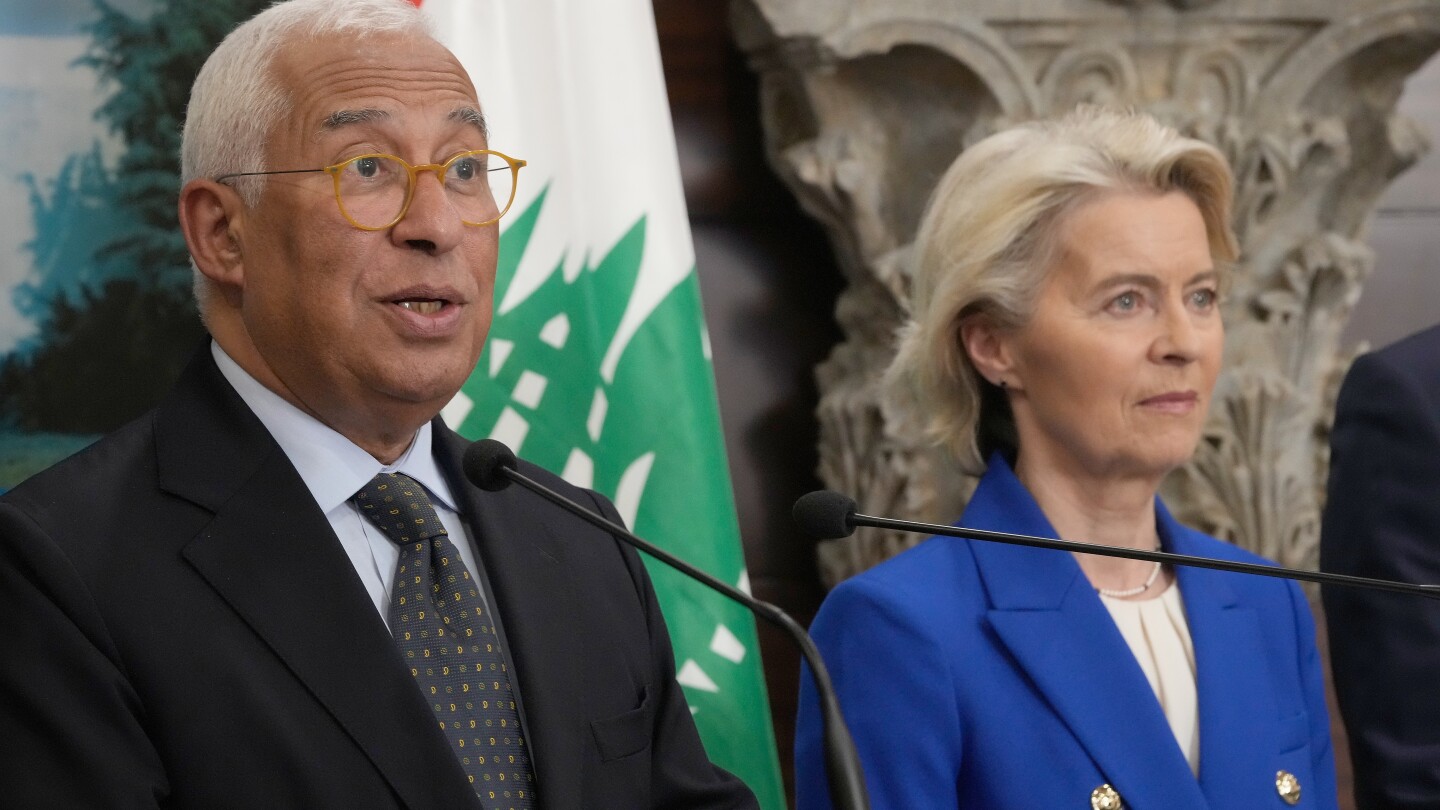
    In a landmark diplomatic engagement, high-ranking European Union officials conducted an unprecedented visit to Damascus on Friday, signaling a profound shift in Syria’s international relations. European Commission President Ursula von der Leyen and European Council President António Costa held substantive talks with Syrian Interim President Ahmad al-Sharaa, discussing post-conflict recovery strategies nearly two years after the conclusion of Syria’s devastating civil war.

    The fourteen-year conflict reached its conclusion in December 2024 when rebel forces led by al-Sharaa successfully ousted former President Bashar Assad, whose regime had faced extensive international condemnation for systematic human rights violations. The new administration has since embarked on a remarkably successful diplomatic campaign, restoring ties with numerous Western and Arab nations that had previously isolated Assad’s government.

    During the historic meeting, President Costa announced the European Union’s commitment to provide €620 million (approximately $723 million) in comprehensive financial support scheduled for 2026-2027. This assistance package combines immediate humanitarian relief with substantial reconstruction funding—previously obstructed by international sanctions during Assad’s tenure that have now been lifted.

    President von der Leyen characterized the development as Syria’s ‘journey toward hope and renewal’ in a social media statement, affirming Europe’s commitment to supporting national recovery efforts. Despite these diplomatic advances, significant challenges persist within Syria, including economic instability, sporadic sectarian violence, and ongoing consolidation efforts by al-Sharaa’s government.

    Recent days have witnessed renewed hostilities between government forces and Kurdish fighters in Aleppo, complicating negotiations regarding the integration of Kurdish-led Syrian Democratic Forces into the national military structure. Although Syria’s Defense Ministry announced a ceasefire arrangement on Friday, Kurdish forces had not publicly acknowledged the agreement at the time of reporting.

    President Costa acknowledged these security concerns during the visit, describing recent violent escalations as ‘worrisome’ while emphasizing the necessity of continued dialogue. He recognized that the path to comprehensive reconciliation and recovery remains ‘difficult and long,’ requiring sustained international engagement.

    The EU delegation subsequently traveled to Lebanon, where officials welcomed the Lebanese army’s progress in implementing weapon disarmament plans for non-state groups, including the powerful Hezbollah militia. Von der Leyen specifically endorsed disarmament efforts south of the Litani River and called for full compliance with the November 2024 ceasefire agreement that ended recent Israel-Hezbollah hostilities. She emphasized the fundamental importance of Lebanon’s territorial integrity and the complete disarmament of Hezbollah, even as Israel continues airstrikes targeting what it identifies as Hezbollah’s rearmament attempts.

  • $1.5t military budget for 2027 sparks war concerns

    $1.5t military budget for 2027 sparks war concerns

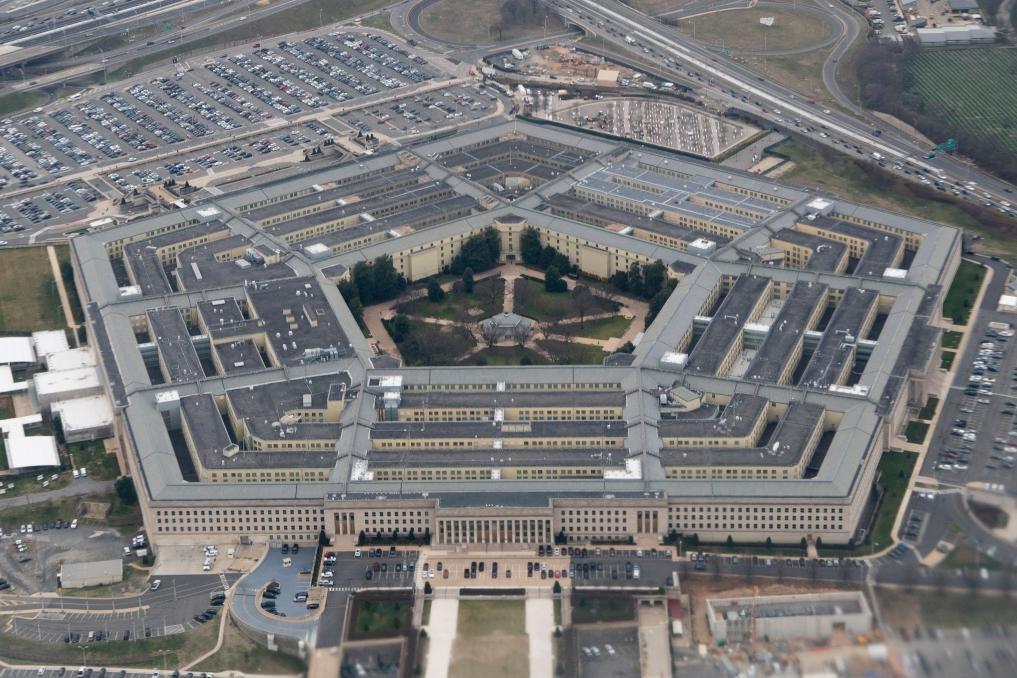
    WASHINGTON — In a move that has ignited international alarm, former President Donald Trump unveiled a staggering $1.5 trillion military budget proposal for fiscal year 2027, marking a dramatic 66% increase from the previously approved $901 billion defense allocation for 2026.

    The unprecedented defense spending plan was announced Wednesday through Trump’s Truth Social platform, where the former president characterized the massive funding increase as essential for national security during what he described as “very troubled and dangerous times.” Trump claimed the budget framework emerged from “long and difficult negotiations” with congressional leaders and administration officials.

    “This will allow us to build the ‘Dream Military’ that we have long been entitled to and, more importantly, that will keep us safe and secure, regardless of foe,” Trump asserted in his social media post. He further suggested that revenue generated from tariffs would help finance the monumental defense expenditure.

    The proposal has drawn immediate criticism from security analysts and political commentators. Prominent journalist Tucker Carlson denounced the budget as fundamentally aggressive rather than defensive in nature, stating on his program: “This is not a peacekeeping budget—this is a big war budget. Obviously, that’s the kind of budget that a country that anticipates a global or regional war has for its military.”

    Carlson expressed grave concerns about escalating global tensions, noting: “It’s fair to expect and all the signs suggest that we’re going to have a big war soon. Hope it doesn’t happen, but obviously we’re moving in that direction toward a world war.”

    The budget revelation follows closely after recent U.S. military actions in Venezuela, where American forces conducted a raid that resulted in the capture of President Nicolás Maduro and his wife. This event has already heightened geopolitical tensions across the Western Hemisphere.

    The proposed $1.5 trillion military budget would require congressional approval, presenting a significant legislative challenge. The United States already maintains the world’s largest military expenditure, consistently outspending all other nations both in absolute terms and as a percentage of global defense allocations.

    Strategic analysts note that such a substantial increase in military funding would dramatically alter global power dynamics and potentially trigger a new international arms race. The proposal comes amid already elevated global tensions and raises questions about the administration’s strategic priorities and anticipated security threats.

  • US tightens grip on oil after Caracas raid

    US tightens grip on oil after Caracas raid

    The United States has declared its intention to maintain indefinite authority over Venezuela’s oil industry following a military operation in Caracas that resulted in the capture of President Nicolas Maduro and his wife. US Energy Secretary Chris Wright announced on Wednesday that Washington would continue marketing Venezuelan crude oil globally, asserting permanent control over the nation’s petroleum resources.

    This development comes after President Donald Trump revealed that Venezuela’s interim government would transfer 30-50 million barrels of high-quality sanctioned oil to the US, valued at approximately $2.8 billion based on current global prices. Trump explicitly stated that the profits from these oil sales would be controlled by his administration and immediately brought into the United States.

    White House Press Secretary Karoline Leavitt confirmed that the US government has already initiated the global marketing of Venezuelan crude, with proceeds to be disbursed “for the benefit of the American people and the Venezuelan people at the discretion of the United States government.”

    The Trump administration has established stringent conditions for the resumption of Venezuela’s oil operations, including severing ties with China, Cuba, Iran, and Russia while agreeing to exclusive partnership with the United States on oil production. Additionally, US officials indicated that discussing a timetable for Venezuelan elections remains “too premature and too early.”

    In a significant escalation, US forces seized two Venezuela-linked oil tankers in the Atlantic Ocean, including one sailing under Russia’s flag, as part of Washington’s broader strategy to control oil flows throughout the Americas. This action risks further confrontation with Russia, which has condemned US operations in Venezuela.

    Critics have characterized the US actions as exceeding mere military intervention. Vijay Prashad, director of the Tri-continental: Institute for Social Research, described Trump’s oil statement as “beyond an act of war; it is an act of colonization” that violates the UN Charter.

    The developments occur against the backdrop of more than two decades of US sanctions against Venezuela, justified by Washington citing concerns including alleged government links to narcotics trafficking, which US officials characterize as “narco-terrorism” threatening national security, alongside accusations of widespread corruption and democratic erosion.

  • Standoff between Iran and West to continue after turbulent year

    Standoff between Iran and West to continue after turbulent year

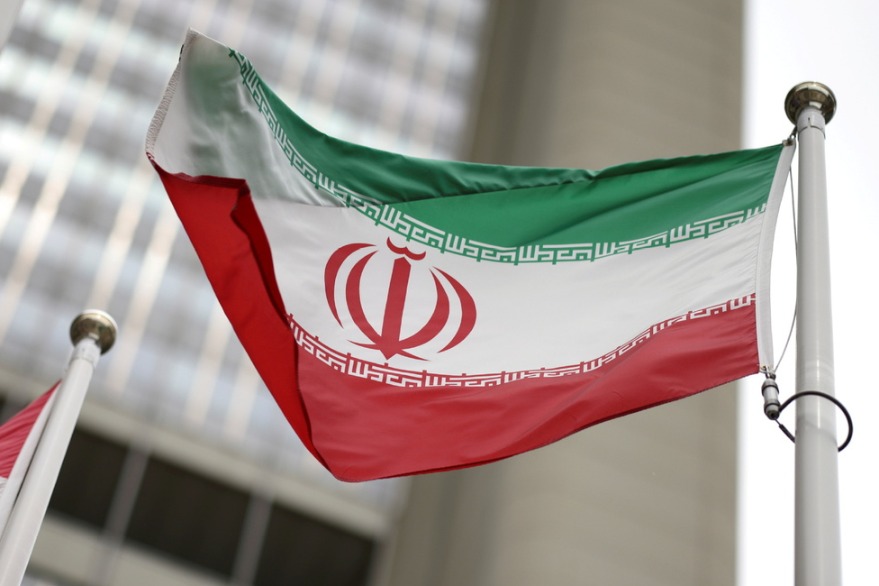
    The geopolitical stalemate between Iran and Western powers is poised to extend through 2026, marked by deteriorating trust, regional conflict spillover, and the complete dissolution of the 2015 nuclear agreement. This dangerous limbo has created conditions for potential military escalation despite brief periods of ceasefire.

    The confrontation entered a new phase in December when Israeli Prime Minister Benjamin Netanyahu reportedly sought U.S. approval for expanded military operations targeting Iran’s ballistic missile programs, signaling a strategic shift beyond previous focus on nuclear facilities. President Donald Trump responded with explicit threats to “eradicate” any Iranian attempts to rebuild its nuclear or missile capabilities.

    Iran’s leadership remained defiant, with Supreme Leader adviser Ali Shamkhani declaring the country’s missile capability “not containable or permission-based” and promising “immediate harsh response” to any aggression.

    The current tensions follow June 2025’s watershed 12-day conflict that shattered long-standing taboos on direct confrontation. Israel initiated surprise airstrikes against Iranian nuclear and military sites, followed by U.S. bombing of key nuclear facilities. Iran retaliated with strikes on the Al-Udeid U.S. base in Qatar, creating what analysts describe as a tense mutual deterrence situation.

    The collapse of the Joint Comprehensive Plan of Action (JCPOA) in October 2025 significantly compounded the crisis. Iran formally declared itself no longer bound by the agreement, while European signatories (UK, Germany, and France) triggered the snapback process to reimpose all UN and EU sanctions.

    Experts warn that the fundamental trust deficit between Tehran and Western powers has created a policy deadlock. Trita Parsi of the Quincy Institute notes that Israel seeks “absolute dominance rather than conventional security,” potentially ensuring “forever war” conditions. Researchers from multiple think tanks predict continued conflict throughout 2026 across economic, political, and possibly military dimensions.

    Despite the grim outlook, diplomatic voices advocate for returning to the negotiating table through “small reciprocal steps” and multilateral engagement. China has consistently opposed unilateral coercive measures, while European analysts warn that without diplomatic reengagement, all parties risk perpetual confrontation with potentially catastrophic regional consequences.

  • US may lose voting rights at UN General Assembly at certain point: UN spokesperson

    US may lose voting rights at UN General Assembly at certain point: UN spokesperson

    The United States faces the tangible prospect of losing its voting privileges within the United Nations General Assembly, a UN spokesperson confirmed on Thursday. This potential suspension stems from the country’s continued failure to fulfill its financial obligations to the world body.

    Stephane Dujarric, spokesperson for the UN Secretary-General, explicitly referenced Article 19 of the UN Charter when addressing inquiries about member states in arrears. “The Charter is clear about what happens when a country doesn’t pay its dues for a certain number of years,” Dujarric stated. “It’s not a decision of the Secretary-General. It’s in the Charter, and it implies that at some point a country may lose its vote in the General Assembly.”

    The spokesperson confirmed that the United States did not make its required financial contributions to the United Nations in 2025, adding to existing arrears. According to Article 19 provisions, a member state loses its General Assembly voting rights if its unpaid dues equal or exceed the contributions required for the preceding two full years. The only exception occurs if the General Assembly determines that the payment failure resulted from circumstances beyond the member’s control.

    This development coincides with increased U.S. disengagement from multilateral institutions. A presidential memorandum signed Wednesday indicated the United States intends to withdraw from 66 international organizations, signaling a broader pattern of retreat from global cooperation frameworks. The combination of financial delinquency and institutional withdrawal represents a significant shift in American foreign policy engagement with international institutions.

  • Hundreds in Somalia’s capital protest Israel’s recognition of breakaway territory of Somaliland

    Hundreds in Somalia’s capital protest Israel’s recognition of breakaway territory of Somaliland

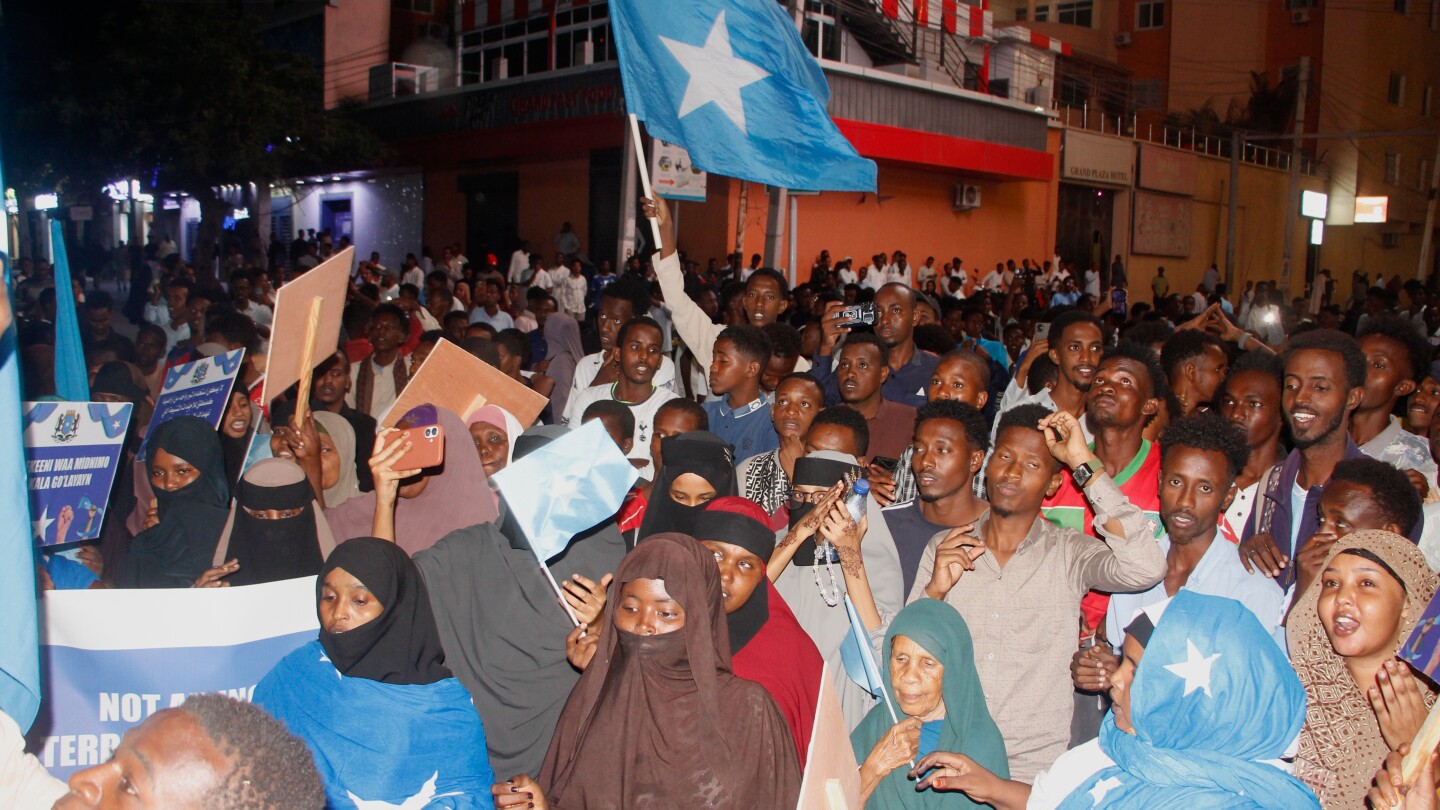
    MOGADISHU, Somalia — Hundreds of demonstrators converged at Taleh Square in downtown Mogadishu on Thursday night, staging a vigorous protest against Israel’s recent recognition of the self-declared Republic of Somaliland. The gathering marked the third such demonstration since Israel’s December 26 announcement, with participants waving Somali flags and chanting patriotic anthems in a powerful display of national solidarity.

    Protesters condemned Israel’s diplomatic move as a direct violation of Somalia’s sovereignty and territorial integrity. They carried placards denouncing foreign interference in the nation’s internal affairs, with demonstrator Said Gedi declaring, ‘We are protesting against the division of our country. This is against the sovereignty, independence and territorial integrity of Somalia.’

    The rally occurred just two days after Israeli Foreign Minister Gideon Saar visited Hargeisa, Somaliland’s capital, where he announced plans to establish an embassy and appoint an ambassador. This development has sparked significant diplomatic tensions across the Horn of Africa region.

    In a televised address coinciding with the protests, Somali President Hassan Sheikh Mohamud vehemently rejected Israel’s decision, emphasizing that ‘the Republic of Somalia is a sovereign and united country. Its territory cannot be divided or ceded by any letter written by Israel or signed by Netanyahu.’

    President Mohamud warned that the dispute could potentially undermine Somalia’s political stability, economic recovery, and development if not handled with caution. He urged Somaliland’s leadership to engage in dialogue with the federal government, citing South Sudan’s 2011 independence through political agreement as a precedent for successful secession processes.

    The controversy has drawn international attention, with more than 20 predominantly Middle Eastern and African nations, along with the Organization of Islamic Cooperation, rejecting Israel’s recognition. Egyptian Foreign Minister Badr Abdelatty characterized the move as a ‘dangerous precedent that threatens regional and international peace and security.’

    Somaliland, a former British protectorate, declared independence from Somalia in 1991 following the collapse of the central government. Despite maintaining its own institutions and relative stability, it had never gained recognition from any UN member state prior to Israel’s announcement.

    The United States has clarified its position, with the State Department affirming continued recognition of ‘the territorial integrity of Somalia, which includes the territory of Somaliland,’ effectively distancing itself from Israel’s diplomatic initiative.

  • ‘He’s crazy’: BBC speaks to Greenlanders about Trump’s threats

    ‘He’s crazy’: BBC speaks to Greenlanders about Trump’s threats

    Residents of Greenland have expressed overwhelming skepticism and disbelief regarding former U.S. President Donald Trump’s repeated interest in purchasing the autonomous Danish territory, with many characterizing his proposals as ‘crazy’ and fundamentally unserious. The BBC’s Europe Editor, Katya Adler, traveled to the Arctic island to gauge local reactions, uncovering a widespread sentiment that such geopolitical maneuvers demonstrate a profound misunderstanding of Greenland’s political status and cultural identity.

    Interviews conducted across the icy landscape revealed that Greenlanders view themselves as a distinct nation with rich Inuit heritage, not as a real estate commodity. Many questioned the very premise of the proposal, emphasizing that the island is not for sale and that its people possess full autonomy over their domestic affairs despite Denmark handling foreign policy and defense. The notion of a land purchase was widely perceived as a colonial-era anachronism that ignores modern sovereignty rights.

    Beyond cultural offense, residents raised practical concerns about the environmental implications of Trump’s interest, which appeared driven by the island’s strategic position and mineral resources rather than its 56,000 inhabitants’ welfare. Locals fear that increased great power competition in the Arctic could threaten their fragile ecosystem and traditional way of life. The consensus among those interviewed suggests Trump’s proposition has backfired, strengthening Greenlandic resolve to determine its own future rather than submit to external ownership fantasies.

  • Iran rocked by night of protests despite internet blackout: videos

    Iran rocked by night of protests despite internet blackout: videos

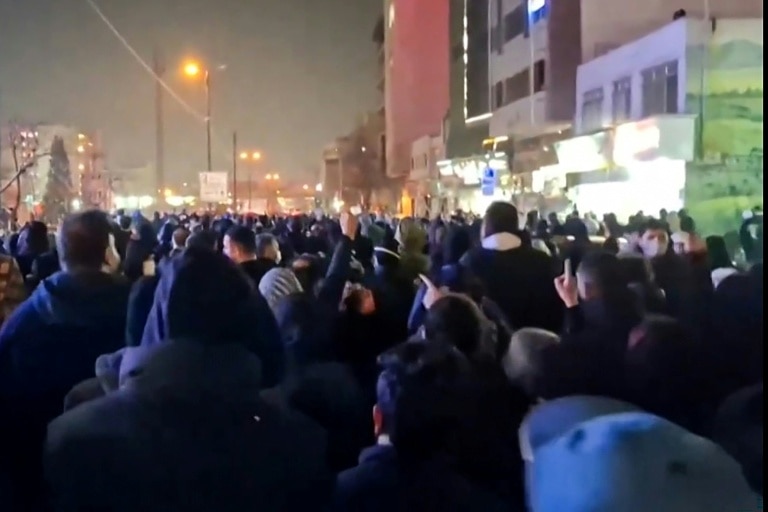
    Iran experienced its most significant civil unrest in years on Thursday night as widespread protests erupted across multiple cities, defying a government-imposed internet blackout designed to suppress demonstrations. Videos verified by international news agencies show thousands of citizens flooding major boulevards in Tehran and regional centers, chanting anti-government slogans including “death to the dictator” in reference to Supreme Leader Ayatollah Ali Khamenei.

    The protests, now entering their second week, originated from public anger over deteriorating economic conditions and rising living costs but have evolved into broader anti-establishment demonstrations. Footage from numerous cities shows protesters setting fire to government buildings, including the regional state television headquarters in Isfahan and the governor’s building in Shazand, Markazi province.

    Internet monitoring organization Netblocks confirmed authorities implemented a near-total connectivity blackout late Thursday, reporting the country had been offline for over 12 hours in what appears to be a deliberate attempt to control information flow and suppress dissent. This digital censorship strategy mirrors previous government responses to civil unrest.

    The scale of protests represents the most substantial challenge to Iranian leadership since the 2022-2023 demonstrations triggered by the death of Mahsa Amini. Notably, security forces appeared restrained in some footage from Tehran, though rights groups have previously accused authorities of using lethal force against protesters in earlier clashes.

    Adding international dimension to the events, US-based Reza Pahlavi, son of Iran’s deposed shah, has openly supported the protests and called for continued demonstrations on Friday to further pressure the regime. The involvement of diaspora figures highlights the expanding nature of the anti-government movement.

  • Venezuela’s acting president says country is not ‘subjugated’ after US attack

    Venezuela’s acting president says country is not ‘subjugated’ after US attack

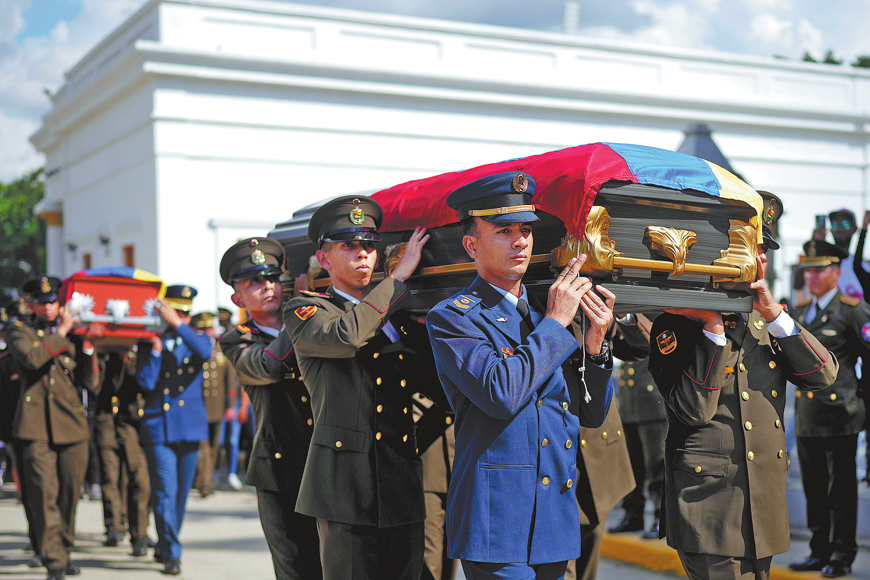
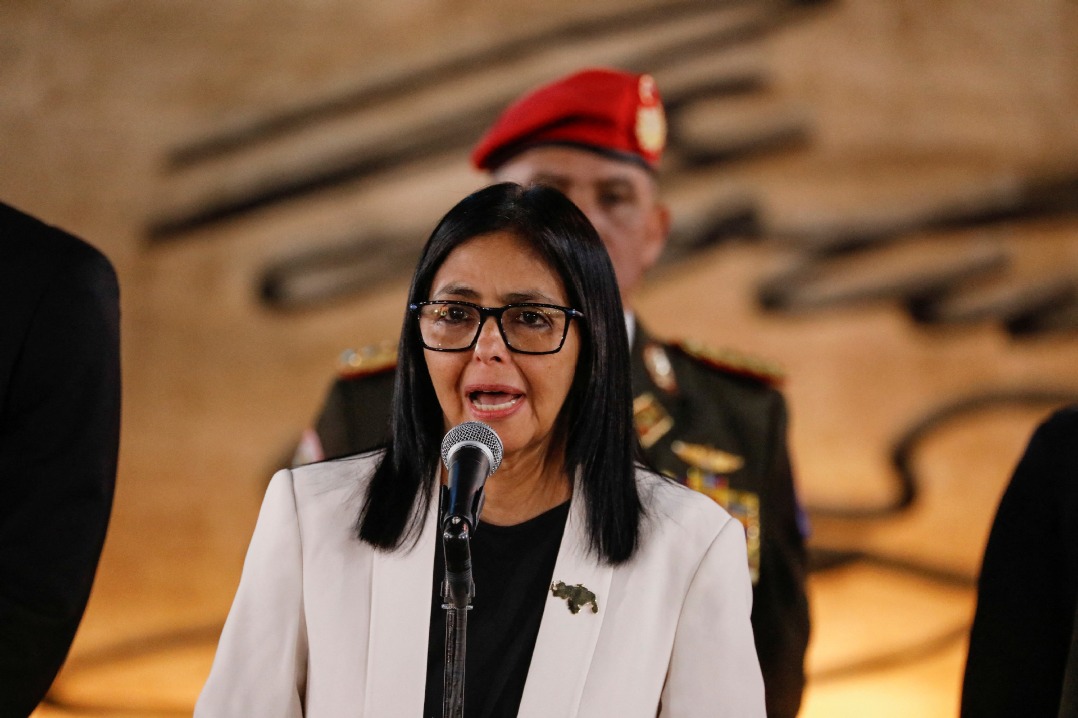
    Venezuela’s acting president Delcy Rodríguez delivered a resolute address on Thursday, emphatically declaring that the South American nation remains unsubjugated despite recent military actions by the United States that resulted in the capture of President Nicolás Maduro.

    Speaking at a solemn ceremony held at the National Guard Military Academy in Caracas, Rodríguez honored both military personnel and civilians who suffered casualties during the January 3rd incursion. Her speech represented Venezuela’s first official response to the weekend operation that dramatically escalated tensions between the two nations.

    “Our homeland maintains its absolute autonomy and independence notwithstanding foreign military aggression,” Rodríguez asserted before assembled troops and dignitaries. “There was no capitulation during these attacks. Our forces engaged in combat—combat for our sovereign nation, combat honoring the legacy of our liberators.”

    The acting president’s address struck a defiant tone, directly countering narratives of Venezuelan submission to American pressure. She emphasized that the country’s institutions remained functional and that the chain of command had been preserved despite the capture of its head of state.

    Rodríguez’s appearance at the military academy served both commemorative and strategic purposes, demonstrating governmental continuity while rallying military support during a period of heightened geopolitical tension. The ceremony recognized those killed and wounded in what Venezuelan authorities have characterized as an unlawful violation of their territorial sovereignty.

    The developments mark a significant escalation in the long-standing tensions between Washington and Caracas, potentially setting the stage for further international diplomatic confrontations and raising questions about the future of bilateral relations between the Western Hemisphere nations.