分类: politics

  • Israeli far right lawmaker demands Palestinians be killed over rubbish fires

    Israeli far right lawmaker demands Palestinians be killed over rubbish fires

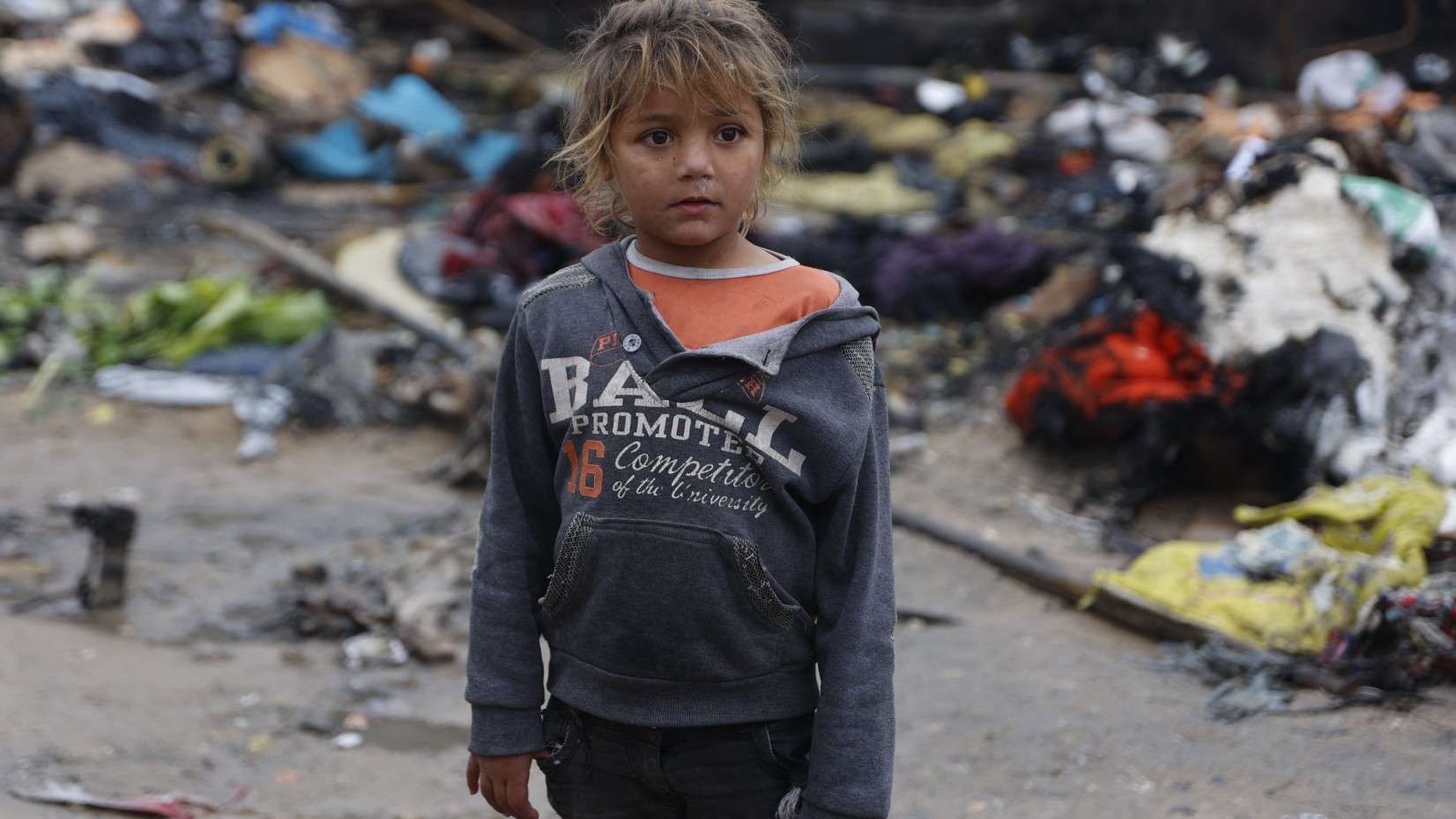
    Far-right Israeli legislators have sparked controversy by advocating lethal military force against Palestinians engaged in waste-burning activities during a parliamentary committee session on Wednesday. Zvi Sukkot of the Otzma Yehudit party explicitly called for aerial attacks, stating “The Air Force needs to act and kill them” through either shooting or airstrikes.

    The proposal received endorsement from committee chairman Yitzhak Kreuzer, who suggested deploying F-16 fighter jets to “put out the fire,” and Environment Minister Idit Silman of the Likud party. All three officials justified extreme measures by categorizing waste burning as acts of terrorism.

    Simultaneously, Minister Silman proposed establishing a “Judea and Samaria district” within her ministry—using biblical terminology for the occupied West Bank—which would effectively extend Israeli civilian administration into Palestinian territories. She characterized this move as “a de facto annexation that brings important environmental sovereignty.

    The discussion occurred amid increasing settler complaints about fires allegedly caused by Palestinian waste disposal practices. Dafna Ravid-Rabinovich, head of a regional settlement council, expressed frustration over the absence of guidance for settlers, questioning what protective measures residents should take.

    This development coincides with Israel’s ongoing policy of expanding civilian ministry involvement in West Bank administration beyond military governance. International law considers the presence of over 700,000 Israeli settlers in occupied territories illegal, while experts warn that increased civilian oversight constitutes de facto annexation—an objective openly supported by numerous Israeli officials.

  • President Trump’s contempt shocks the country’s largest Somali community

    President Trump’s contempt shocks the country’s largest Somali community

    President Donald Trump’s characterization of Somali immigrants as “garbage” who “should be out of here” and have “destroyed our country” has ignited fierce backlash within America’s largest Somali community in Minneapolis. The remarks, made during Tuesday’s Cabinet meeting and reiterated Wednesday, specifically targeted Democratic Rep. Ilhan Omar alongside broader condemnation of Somali immigrants.

    The Minneapolis-St. Paul area hosts approximately 84,000 Somali descendants, representing nearly one-third of all Somalis in the United States. This community has developed substantial political and economic influence since refugees first began settling in Minnesota during the 1990s, attracted by robust social services and established diaspora networks.

    Hamse Warfa, a Somali-born U.S. citizen and successful entrepreneur who now leads national education nonprofit World Savvy, responded unequivocally: “I am not garbage.” Emphasizing the weight of presidential rhetoric, Warfa noted, “Words matter a lot — especially when it’s the president of the United States who is talking.”

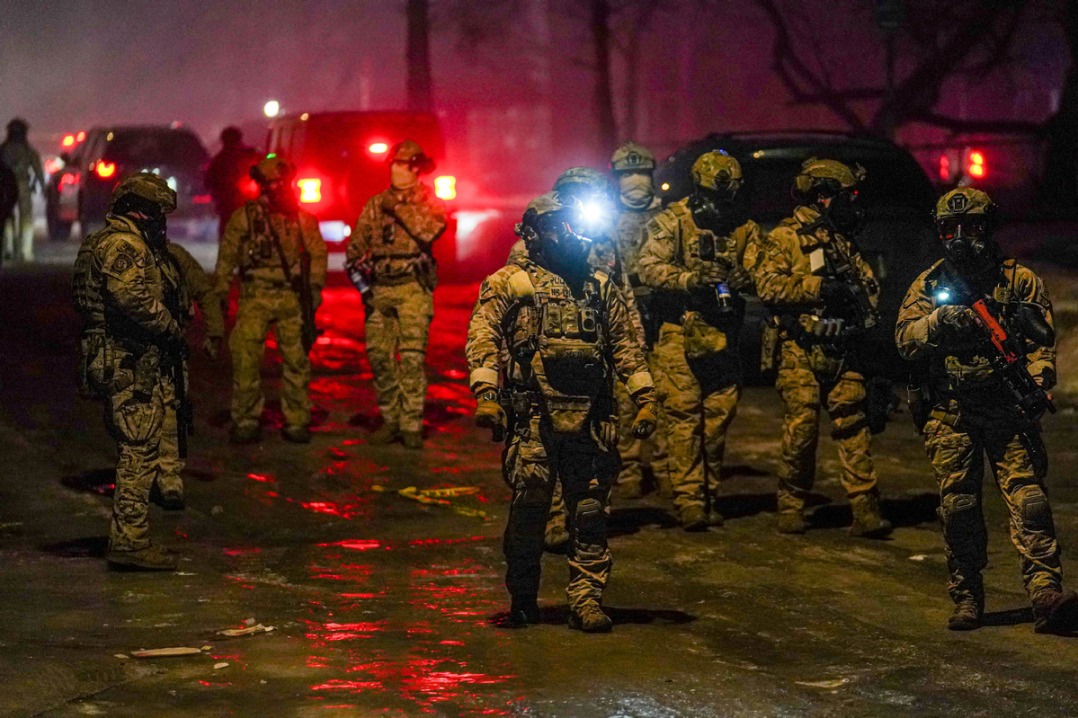
    The administration’s verbal attacks coincide with operational changes, including pausing all immigration applications from 19 banned nations—Somalia among them—following a recent National Guard shooting in Washington. Reports also indicate federal authorities are preparing targeted immigration enforcement operations in Minnesota focusing primarily on Somali immigrants living unlawfully in the U.S., though most Minnesota Somalis are U.S. citizens, many born domestically.

    Local leadership including Governor Tim Walz and Minneapolis Mayor Jacob Frey have pledged to protect Somali residents against broader blame for recent fraud cases in public programs. Frey affirmed Minneapolis “will remain a city that stands up for our residents,” signaling continued support for the community amidst escalating tensions.

  • Hegseth could have endangered troop safety with Signal chat – Pentagon watchdog

    Hegseth could have endangered troop safety with Signal chat – Pentagon watchdog

    A Pentagon inspector general report has revealed that Defense Secretary Pete Hegseth potentially compromised military operational security by utilizing an unsecured commercial messaging application to discuss sensitive details of a planned airstrike in Yemen. The investigation, initiated by the Republican-led Senate Armed Services Committee, determined that Hegseth violated established Department of Defense policy by transmitting classified information via his personal device on the Signal app.

    The security breach gained public attention when an Atlantic magazine editor was inadvertently added to the group chat by then-National Security Adviser Mike Waltz. The exposed communications included specific operational details such as target coordinates, mission timing, and weapon specifications—information derived from a classified email marked ‘SECRET//NOFORN,’ indicating its potential to damage national security if disclosed to foreign entities.

    While the inspector general confirmed that Hegseth shared materials from a classified report, the investigation could not ascertain whether the defense secretary had formally exercised his authority to declassify the information prior to its dissemination. The classified version of the report was delivered to Congress on Tuesday, with an unclassified version anticipated for public release later this week.

    The Pentagon has vigorously defended Hegseth, with a spokesperson characterizing the report as ‘a total exoneration’ that confirms ‘no classified information was shared.’ White House Press Secretary Karoline Leavitt similarly asserted that ‘no classified information was leaked, and operational security was not compromised.’

    However, Senator Mark Warner, the Democratic vice chair of the Senate Intelligence Committee, has called for Hegseth’s resignation, stating the report demonstrates ‘a broader pattern of recklessness and poor judgement.’ Warner emphasized that the findings leave ‘no doubt: Secretary Hegseth endangered the lives of American pilots’ through his actions.

    The controversy compounds existing scrutiny surrounding Hegseth’s leadership, including recent questions about his oversight of a separate military operation against suspected drug traffickers.

  • Banquet, Royal Family and Starmer on first day of German state visit

    Banquet, Royal Family and Starmer on first day of German state visit

    The United Kingdom rolled out the ceremonial red carpet for Germany’s President Frank-Walter Steinmeier, marking the first German state visit to Britain in over a quarter-century. The historic occasion commenced with traditional pomp and circumstance at Windsor Castle, where the Royal Family hosted a series of diplomatic engagements.

    This significant diplomatic event featured an elaborate state banquet attended by key political figures including Prime Minister Keir Starmer, signaling the reinforced ties between the two European powers. The meticulously orchestrated ceremonies blended centuries-old royal traditions with contemporary diplomatic dialogue, creating a powerful visual representation of Anglo-German relations.

    The three-day visit represents a carefully choreographed demonstration of post-Brexit European cooperation and international diplomacy. Beyond the ceremonial aspects, the agenda includes substantive discussions on trade, security cooperation, and collaborative efforts addressing global challenges from climate change to geopolitical stability.

    The choice of Windsor Castle as the primary venue underscored the visit’s importance, with its rich historical significance providing an impressive backdrop for strengthening bilateral relations. This state visit, the first since 1997, occurs at a pivotal moment as both nations navigate new European political dynamics and seek to deepen their strategic partnership.

  • Watch: What Tennessee’s special election means for the Republican party

    Watch: What Tennessee’s special election means for the Republican party

    A recent special election in Tennessee has delivered a revealing snapshot of the Republican Party’s evolving political standing. While Republican candidate Matt Van Epps secured victory in the contest, his margin of triumph has sparked considerable analysis. Van Epps’ winning percentage was substantially reduced compared to the previous electoral performance in the same district. Notably, former President Donald Trump had captured this constituency by more than double Van Epps’ victory margin just over a year earlier. Political analysts are examining several factors that may have contributed to this narrowing advantage, including shifting voter demographics, changing political priorities among constituents, and potential recalibration of the Republican message. This electoral outcome serves as a crucial data point for party strategists assessing their position ahead of upcoming national elections. The results suggest that while Republican candidates continue to maintain electoral viability in traditionally strong districts, their support base may be undergoing significant transformation that could influence future campaign strategies and policy platforms.

  • Trump administration to roll back fuel economy rules set under Biden

    Trump administration to roll back fuel economy rules set under Biden

    The Trump administration has announced a significant rollback of stringent fuel economy regulations established during the Biden presidency, marking a substantial policy reversal that alters the trajectory of America’s automotive industry. President Donald Trump unveiled the proposal at the White House, characterizing the previous standards as economically burdensome and technically unachievable while asserting they compromised vehicle quality.

    The revised regulations substantially moderate the ambitious targets set by the prior administration. Instead of mandating automakers achieve approximately 50 miles per gallon across their fleets by model year 2031, the new framework through the National Highway Traffic Safety Administration proposes a standard of roughly 34.5 miles per gallon. This represents a dramatic reduction from the previously mandated 2% annual efficiency improvements for passenger vehicles.

    Industry leadership expressed strong support for the policy shift. Ford CEO Jim Farley, present at the announcement, praised the change as a ‘victory of common sense’ that aligns with consumer preferences. Conversely, environmental organizations condemned the move as regressive, warning of increased greenhouse gas emissions and public health consequences. Transportation remains the largest source of U.S. greenhouse emissions, accounting for over 28% of the national total.

    The administration is additionally terminating a credit trading program that enabled manufacturers to purchase compliance credits from rivals with superior fuel efficiency, notably benefiting electric vehicle producers like Tesla. Officials criticized this mechanism as artificially supporting the EV market.

    The policy revision has ignited intense debate regarding its economic and environmental implications. While the Trump administration projects approximately $1,000 in vehicle cost savings for consumers, environmental advocates counter that families will face substantially higher fuel expenses over time. The original Biden regulations were projected to prevent over 700 million metric tons of carbon dioxide emissions by 2050 while saving owners roughly $600 in fuel costs throughout their vehicle’s lifespan.

    The proposal now enters a formal rule-making process, representing a pivotal moment for automotive manufacturing strategies and environmental policy.

  • Royals host glittering state banquet for German president

    Royals host glittering state banquet for German president

    Windsor Castle hosted a momentous state banquet on Wednesday evening as King Charles III welcomed German President Frank-Walter Steinmeier, marking the first German state visit to the UK in 27 years. The glittering event, adorned with seasonal decorations including a 20-foot Christmas tree illuminated by thousands of lights, brought together 152 distinguished guests from political, business, and cultural spheres.

    The royal family was prominently represented with Queen Camilla, the Prince and Princess of Wales, the Princess Royal, and the Duke and Duchess of Edinburgh in attendance. Catherine, Princess of Wales, made a notable sartorial statement wearing Queen Victoria’s diamond and ruby tiara, originally designed by her German-born husband Prince Albert.

    Among the celebrity guests were model Claudia Schiffer—seated beside Prime Minister Sir Keir Starmer—renowned film composer Hans Zimmer, and virtuoso violinist Anne-Sophie Mutter. The banquet menu featured a fusion of British and German culinary traditions, including tartlet of hot smoked trout with langoustines, Windsor partridge supreme, and Black Forest gateau-inspired cocktails.

    In his address delivered in both English and German, King Charles emphasized the critical need for Western allies to support Ukraine against Russian aggression, stating: “The United Kingdom and Germany together stand with Ukraine and bolster Europe against the threat of further Russian aggression.” President Steinmeier reciprocated this sentiment, affirming Germany’s unwavering support for Ukraine.

    The King also reflected on the profound historical connections between the two nations, acknowledging both cultural exchanges and the “most terrible consequences of conflict.” He spoke thoughtfully about the social and political transformations following the fall of the Berlin Wall, noting how change can be “unsettling and even frightening” and emphasizing the necessity of defending democratic values.

    Lighter moments included the King’s humorous reference to football rivalries: “One has to admit some element of truth in the famous description of football as a game where 11 people play 11 people and then, in the end, Germany win!” He also quipped about horse-drawn royal coaches being the “ultimate low-emissions vehicle.”

    The banquet culminated a day of ceremonial activities that included a military parade featuring 850 service personnel and 150 horses. Gift exchanges held symbolic significance, with German presents including an umbrella, Bach’s Christmas Oratorio, and traditional nutcrackers, while the King offered a horn-handled walking stick and rare literary editions.

    President Steinmeier later remarked on the improved UK-Germany relations following post-Brexit challenges, praising the recent bilateral treaty signed in July as instrumental in achieving closer cooperation. Meanwhile, First Lady Elke Budenbender visited Judith Kerr Primary School in London, honoring the German-born author of beloved children’s literature.

    The visit will include gestures of reconciliation, with plans for President Steinmeier to visit Coventry Cathedral ruins, bombed during World War II. Minor protests by anti-monarchy groups occurred but were managed peacefully by Thames Valley Police without arrests.

  • Hillary Clinton says TikTok to blame for young Americans’ pro-Palestine views. They disagree

    Hillary Clinton says TikTok to blame for young Americans’ pro-Palestine views. They disagree

    Former U.S. Secretary of State Hillary Clinton has ignited widespread criticism following her remarks at a New York summit hosted by right-wing Israeli publication Israel Hayom. Clinton asserted that growing pro-Palestinian sentiment among American youth—including young Jewish Americans—stems from exposure to “totally made-up” videos on TikTok and reflects a poor understanding of historical context regarding Israel’s military operations in Gaza.

    Speaking on Tuesday, Clinton characterized social media’s influence as a “serious problem for democracy,” claiming that educated young people globally are consuming one-sided propaganda rather than balanced information. She expressed frustration that attempts at “reasonable discussions” frequently fail because young audiences “did not know history, they had very little context.”

    The response across digital platforms was swift and condemnatory. Social media users denounced Clinton’s comments as condescending and disingenuous. Numerous respondents emphasized that their perspectives were shaped by firsthand documentation of violence rather than algorithmic manipulation. One Reddit user countered: “We saw through social media the horrors and war crimes filmed by IDF soldiers themselves… These weren’t misleading TikTok videos; we were watching the atrocities as they unfolded.”

    Journalist Laila al-Arian posed a fundamental challenge to Clinton’s historical context argument: “What ‘context’ can possibly justify the mass slaughter of tens of thousands of civilians, 20,000 kids?” This sentiment was echoed by commentator Tommy Vietor, who noted that dismissing concerns as merely products of media consumption patterns patronizes those genuinely distressed by documented bloodshed.

    Particular offense was taken at Clinton’s characterization of young Jewish Americans. Numerous Jewish respondents emphasized their deep familiarity with historical narratives while rejecting the implication that historical knowledge should lead to supporting military action in Gaza. Dr. Mia Brett responded sharply: “Jews know our own history. We are told it from the time we’re toddlers… Jewish academic experts are more likely to call what’s happening a genocide.”

    The controversy emerges amid increasing political scrutiny of TikTok’s content distribution. Israeli Prime Minister Benjamin Netanyahu recently described social media as Israel’s “most important weapon” for shaping American public opinion, while former Obama administration official Sarah Hurwitz claimed the platform exposes young users to excessive “carnage in Gaza.”

  • Family of Colombian man killed in US strike in the Caribbean files human rights challenge

    Family of Colombian man killed in US strike in the Caribbean files human rights challenge

    In an unprecedented legal challenge, the family of Colombian fisherman Alejandro Carranza has submitted the first formal petition against U.S. military drug interdiction operations to the Inter-American Commission on Human Rights. The filing alleges Carranza’s death during a September 15th maritime strike constitutes an extrajudicial killing that violated international human rights conventions.

    The case emerges amid escalating U.S. military operations in the Caribbean basin, where over 80 individuals have been killed since early September under the Trump administration’s enhanced counter-narcotics campaign. While U.S. officials maintain targeted vessels were operated by terrorist organizations transporting narcotics, the administration has provided minimal details about casualties and no visual evidence supporting claims that Carranza’s boat contained drugs.

    Legal representative Daniel Kovalik stated the family seeks compensation for their primary breadwinner’s death while acknowledging the non-binding nature of any commission recommendations. The attorney revealed the family has received threats from right-wing paramilitaries since publicly challenging the official narrative, creating security concerns that complicate pursuing justice through Colombian domestic channels.

    The petition gains significance amid reports that Defense Secretary Pete Hegseth issued verbal orders to ‘kill everybody’ on targeted vessels, with subsequent strikes eliminating survivors of initial attacks. President Trump’s recent statements suggesting expanded land-based operations in multiple countries, including Colombia, have intensified regional apprehensions about the legal and humanitarian implications of these military actions.

    Colombian President Gustavo Petro has condemned the maritime operations as ‘murders,’ highlighting diplomatic tensions between the traditional allies. The case represents a critical test of accountability mechanisms for U.S. military actions in the region, with potential implications for future counter-narcotics strategies and international human rights enforcement.

  • As NYC prepares for Mamdani, departing Mayor Eric Adams wanders the globe

    As NYC prepares for Mamdani, departing Mayor Eric Adams wanders the globe

    NEW YORK — As his mayoral term approaches its conclusion, Eric Adams has intensified his international diplomatic engagements, embarking on multiple overseas journeys that have sparked both criticism and defense of his travel priorities. The outgoing mayor recently completed official visits to Albania, Israel, and Uzbekistan, with a subsequent trip to New Orleans to receive an award from the Combat Antisemitism Movement—marking his second recognition from the organization within a fortnight.

    City taxpayers predominantly fund these diplomatic missions, covering expenses for mayoral security, staff accommodations, and travel logistics. While the administration’s spokesperson declined to disclose exact costs, Deputy Mayor for Communications Fabien Levy defended the trips as productive engagements that fostered discussions about innovation, job creation, and intergovernmental relations.

    The travel pattern has drawn sharp criticism from political opponents who characterize it as mayoral ‘senioritis’—a perceived neglect of municipal responsibilities during the transition period. New York City Public Advocate Jumaane Williams accused Adams of prioritizing personal interests over civic duties, suggesting the mayor’s actions reinforce public perceptions of self-interest.

    Adams, who has openly contemplated international career opportunities post-mayoralty, maintains his identity as a ‘global leader’ with longstanding diplomatic aspirations. His travel history predates his current position, having established sister city agreements as Brooklyn borough president that facilitated official visits to China, Senegal, and Turkey.

    The federal investigation into Adams’ Turkish connections—specifically allegations of improperly discounted flights from Turkish officials—previously resulted in indictment proceedings that were ultimately discontinued. However, the scandal significantly damaged his political standing, contributing to his abandoned reelection campaign and poor performance in Democratic primaries.

    Recent itineraries have included meetings with Albanian Prime Minister Edi Rama, Israeli President Isaac Herzog, Prime Minister Benjamin Netanyahu, and Uzbek officials discussing economic development opportunities. The timing of certain trips, particularly the Israel visit following the election of critic Zohran Mamdani, has been interpreted by observers as politically pointed messaging.

    As the January 1st transition to Mamdani’s administration approaches, Adams continues to leverage his final weeks in office for international diplomacy, maintaining that these engagements serve New York’s economic and cultural interests despite mounting criticism about their timing and fiscal implications.