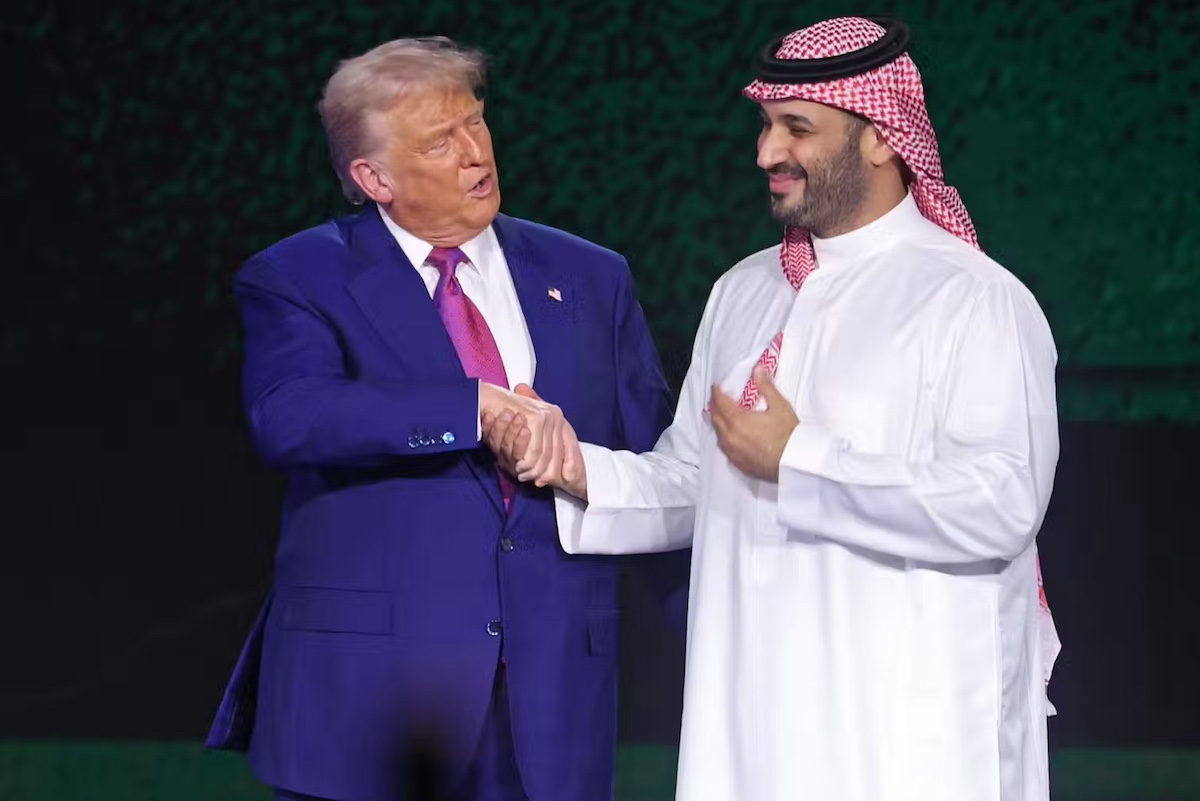
In a recent diplomatic event at the White House, former US President Donald Trump oversaw the signing of a peace agreement between Armenia and Azerbaijan, ending a nearly 40-year conflict. The deal grants the US exclusive rights to develop a transit corridor through southern Armenia, linking Azerbaijan to its exclave of Nakhchivan. This corridor, dubbed the ‘Trump Route for International Peace and Prosperity,’ exemplifies Trump’s transactional foreign policy, which prioritizes commercial opportunities over shared values and institutional frameworks. Trump’s approach marks a significant departure from traditional US foreign policy, as it operates outside institutional constraints and targets democratic allies, often exploiting American power for personal gain. Historically, US presidents have employed transactional strategies, such as Theodore Roosevelt’s interventions in Latin America and Harry Truman’s foreign aid policies during the Cold War. However, Trump’s methods resemble those of authoritarian leaders, with minimal congressional or judicial oversight, and policies shaped by personal whims rather than institutional consistency. This approach has strained relationships with democratic allies while fostering closer ties with authoritarian regimes. Trump’s foreign policy also prioritizes domestic political enemies over traditional adversaries, as seen in his gutting of institutions like USAID and the State Department. Furthermore, Trump has exploited foreign policy for personal gain, receiving gifts from foreign governments and securing lucrative deals for his family businesses. While Trump’s deals may yield short-term benefits, such as the Armenia-Azerbaijan peace agreement, his undemocratic approach undermines long-term global stability and institutional competence. This shift in American leadership raises concerns about the future of US foreign policy and its impact on international relations.
分类: politics
-
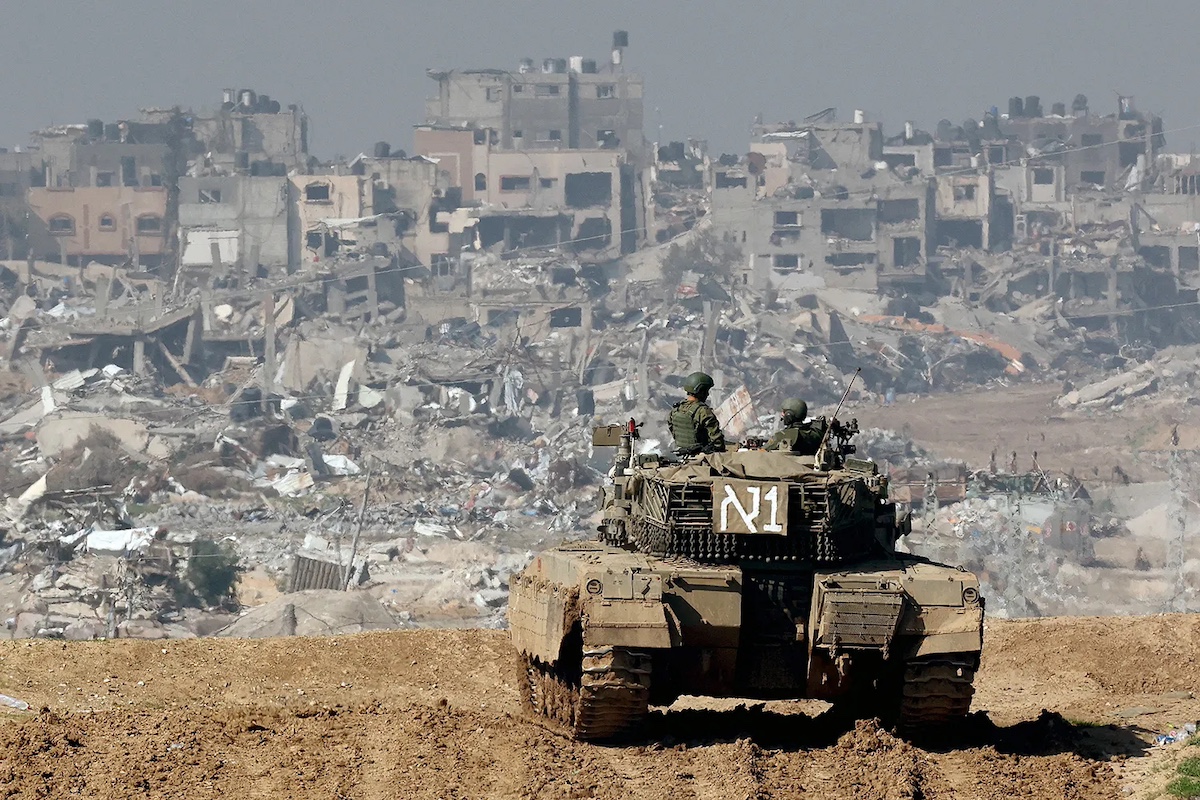
Gaza’s full occupation would pave way for Israeli resettlement
Israeli Prime Minister Benjamin Netanyahu is reportedly contemplating a significant escalation in the ongoing conflict, including a full occupation of the Gaza Strip. This potential move has sparked strong opposition from senior military officials within Israel, as well as mounting international criticism over the worsening humanitarian crisis in Gaza. Despite this, Netanyahu is expected to propose the plan to his cabinet, aiming to seize the remaining areas of the strip not under Israeli control, including regions where hostages are believed to be held. While a majority of Israelis desire an end to the war and the safe return of hostages, some are hopeful for the possibility of resettling Gaza. Netanyahu’s decision, though not necessarily aligned with the settlers’ motives, could lead to similar outcomes on the ground. Historically, Israeli governments have justified settlement expansions under security pretexts, leading to the establishment of military outposts that eventually became civilian settlements. The Gaza Strip was first occupied by Israel during the Six-Day War in 1967, and over time, Israeli settlements grew, creating stark disparities with the Palestinian population. The 2005 disengagement plan, which saw the evacuation of all Israeli settlements from Gaza, marked a significant shift in policy. However, recent calls from settler groups for the resettlement of Gaza, coupled with the inclusion of influential settler leaders in Netanyahu’s cabinet, suggest a potential return to such policies. The international community remains watchful as the situation unfolds.
-
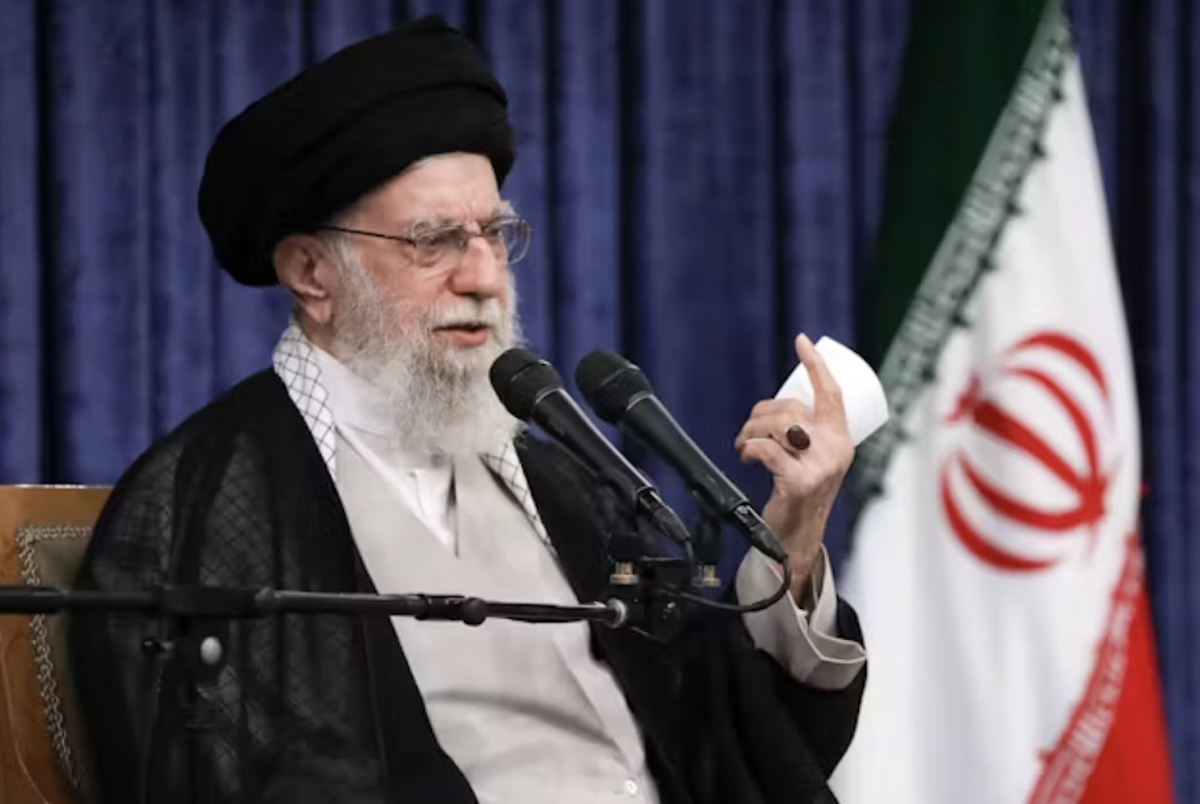
Did the 12-day war forever change Iran’s Khamenei?
In the aftermath of Israel’s 12-day military campaign against Iran, Supreme Leader Ayatollah Ali Khamenei has largely retreated from public view, sparking widespread speculation about his health and the future direction of the Islamic Republic. The conflict, which saw extensive Israeli and U.S. strikes on Iranian targets, resulted in over 1,000 casualties, including top military commanders and nuclear scientists. This unexpected assault has left Iran grappling with its most significant challenges since the Iran-Iraq War of the 1980s.
-
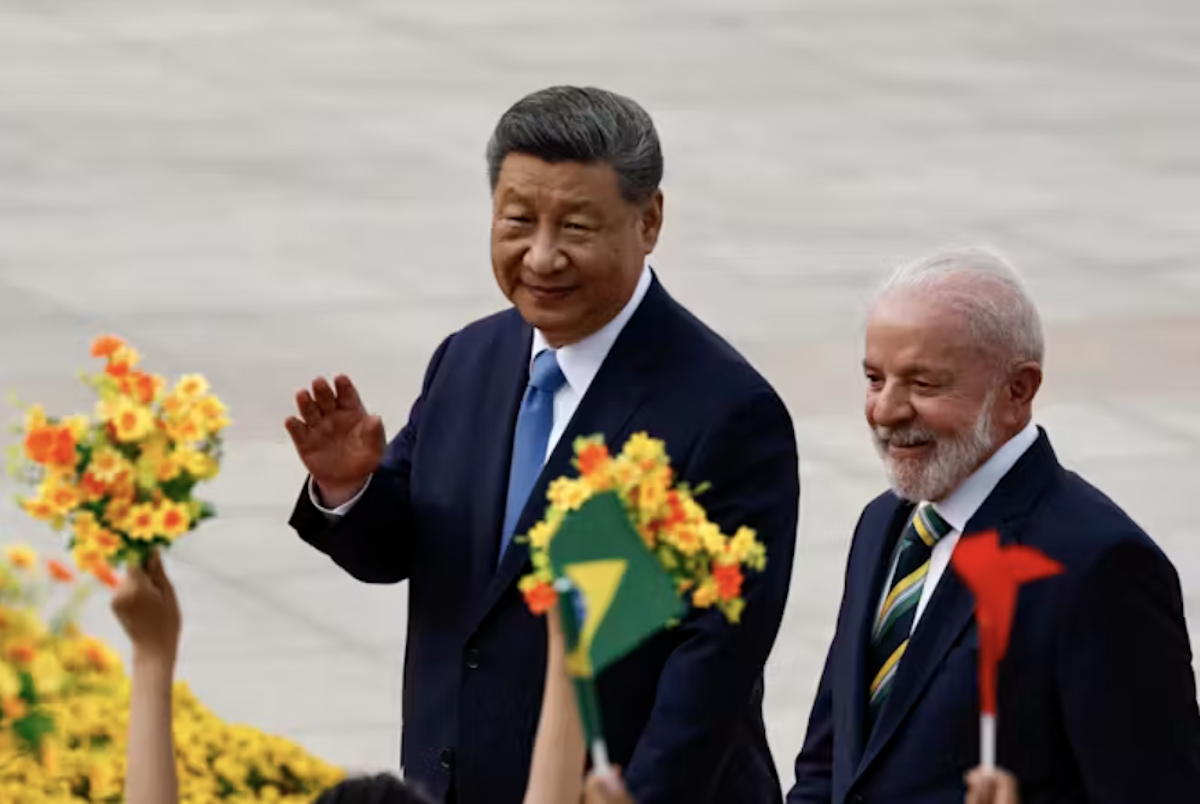
China happily and aggressively filling Trump’s climate vacuum
In early 2025, President Donald Trump’s announcement of the United States’ second withdrawal from the Paris Climate Agreement sent shockwaves through the global community. This decision raised concerns about the potential erosion of international efforts to combat climate change and the diminishing influence of the US on the world stage. The move left a leadership vacuum, prompting questions about who would step up to drive global climate action. While the long-term implications of this political shift remain uncertain, emerging leaders are already making their mark. The US initially joined the Paris Agreement in 2015 under President Barack Obama, committing to reduce greenhouse gas emissions by 26-28% below 2005 levels by 2025 and pledging financial aid to developing nations. However, by 2025, the US had only achieved a 17.2% reduction, falling short of its target. Trump’s first withdrawal in 2017, citing economic concerns and perceived unfairness, was met with widespread criticism. Despite this, the agreement endured, bolstered by commitments from US businesses, states, and cities. Globally, countries like China, the European Union, and the UK have intensified their climate efforts, filling the void left by the US. China, in particular, has emerged as a key player, leveraging its Belt and Road Initiative to expand renewable energy investments worldwide. The Paris Agreement’s flexible, nonbinding framework has proven resilient, surviving both US withdrawals. As the world prepares for COP30 in Brazil, the focus remains on balancing economic growth with ecological sustainability, with the question of global climate leadership still unresolved.
-
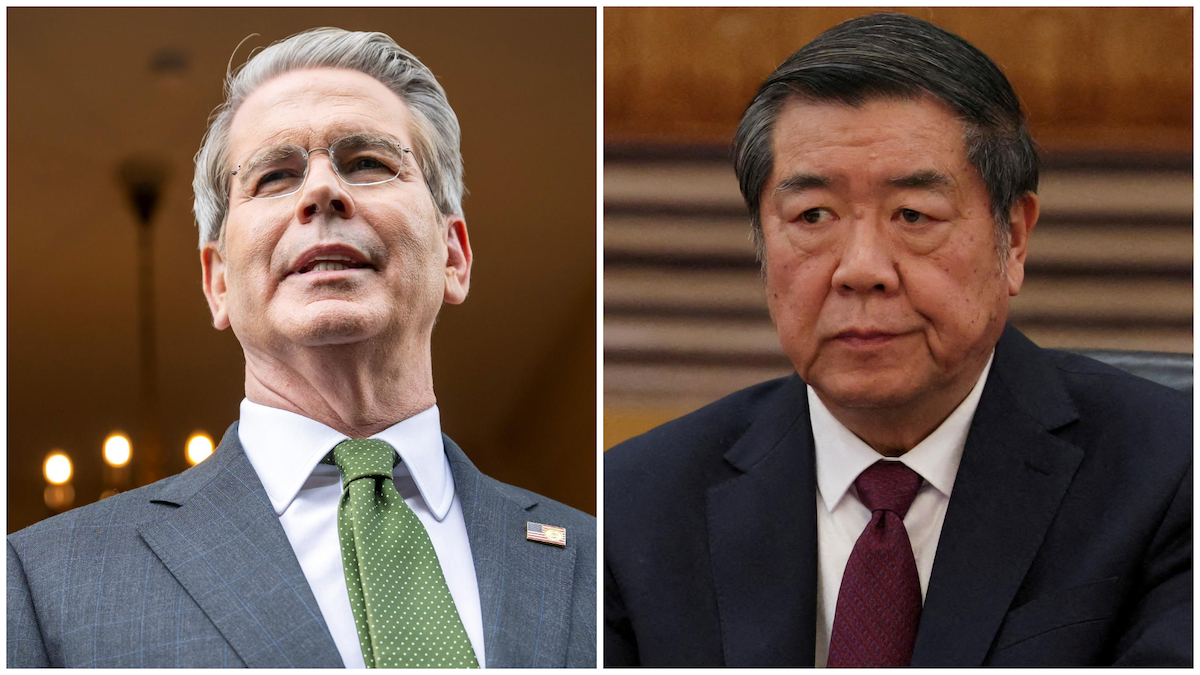
US-China trade talks threaten to explode over Russia oil
The United States has issued a stern warning to China, urging it to cease its purchases of oil and gas from Russia and threatening to impose secondary sanctions, including potential 100% tariffs. This development follows recent trade agreements between the US, the European Union, and Japan, which set tariffs at 15%. US Treasury Secretary Scott Bessent conveyed Washington’s dissatisfaction during meetings in Stockholm with Chinese Vice Premier He Lifeng, emphasizing concerns over China’s continued acquisition of sanctioned Russian and Iranian oil. Bessent also criticized China’s sale of over $15 billion in dual-use technology to Russia, which reportedly supports Moscow’s military efforts in Ukraine. Chinese officials responded by asserting their sovereignty and internal energy policies, stating that oil purchases are based on national interests. The US-China 90-day tariff truce, set to expire on August 12, remains unresolved, with President Donald Trump poised to decide on its extension or the reimposition of tariffs. Meanwhile, Trump has set a 10-12 day deadline for Russia to end the Ukraine conflict, threatening severe consequences, including tariffs on Russian goods and those from countries purchasing Russian oil. Chinese commentators argue that US pressure will not sever China’s ties with Russia and Iran, emphasizing the strategic importance of these relationships. The global spotlight now focuses on whether China will distance itself from Russia to avoid US tariffs.
-
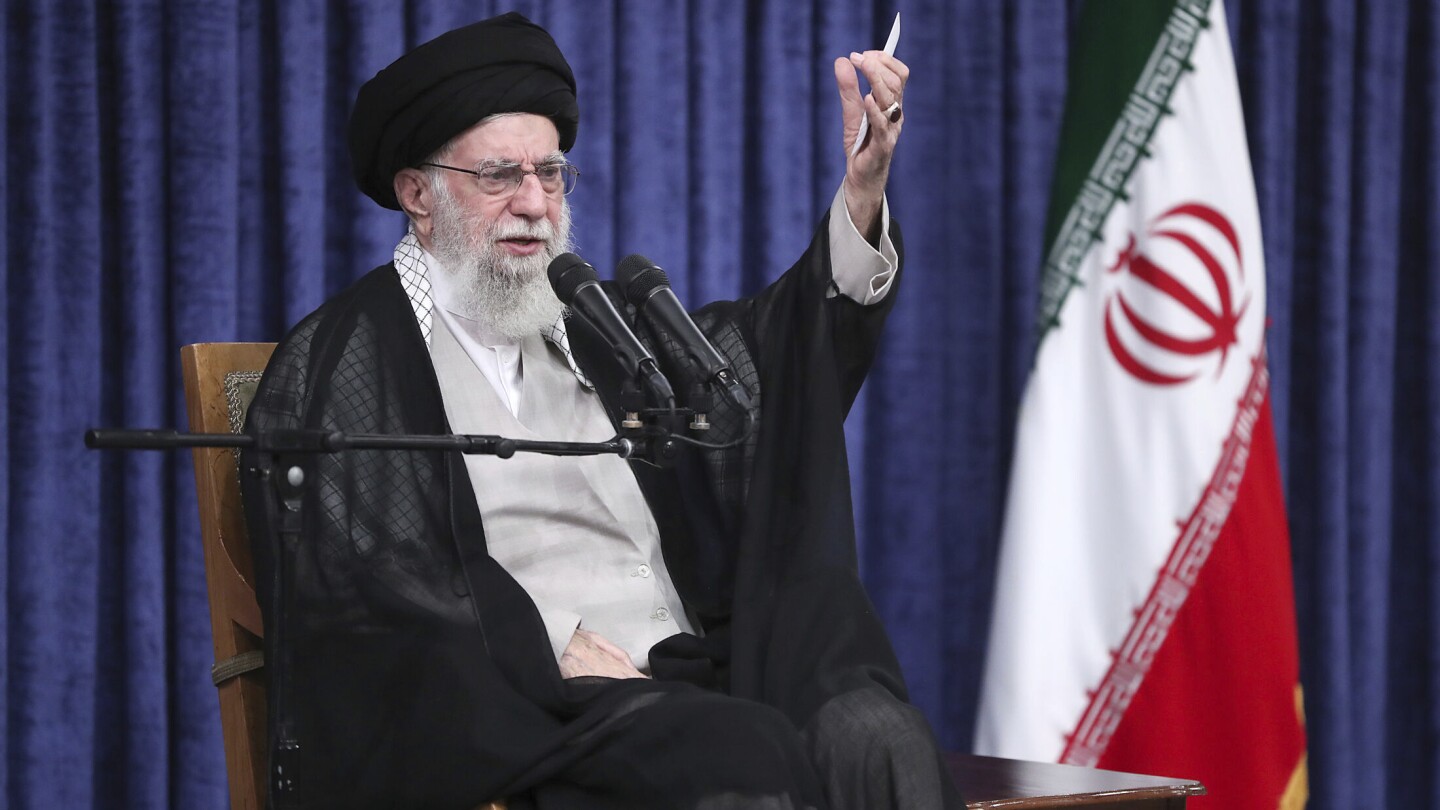
US and NATO allies warn of increasing Iranian threats in Europe, North America
In a unified stance, the United States and several NATO allies have issued a stern condemnation of Iran for its increasing involvement in hostile activities across Europe and North America. A joint statement released on Thursday accused Iranian intelligence services of orchestrating assassination attempts, kidnappings, and harassment campaigns targeting dissidents, journalists, Jewish citizens, and former officials. The statement emphasized that these actions constitute a blatant violation of national sovereignty and are carried out in collaboration with international criminal organizations. Signatories to the statement include NATO members such as Albania, Belgium, Britain, Canada, the Czech Republic, Denmark, Finland, France, Germany, the Netherlands, Spain, Sweden, and the United States, with Austria as the sole non-NATO participant. The governments pledged to collaborate in thwarting such plots and demanded that Iran cease its illegal activities immediately. While the statement did not specify particular incidents, it highlighted longstanding concerns over Iranian-sponsored threats. British intelligence has repeatedly warned of Tehran-backed plots, with three alleged Iranian spies currently facing charges in the U.K. for surveilling and planning violence against journalists. German authorities also reported the arrest of a suspect linked to Iranian intelligence in Denmark. Despite these threats, the Trump administration recently withdrew government-funded protection for several former officials, including John Bolton and Mike Pompeo, who faced Iranian threats during the Biden administration.
-
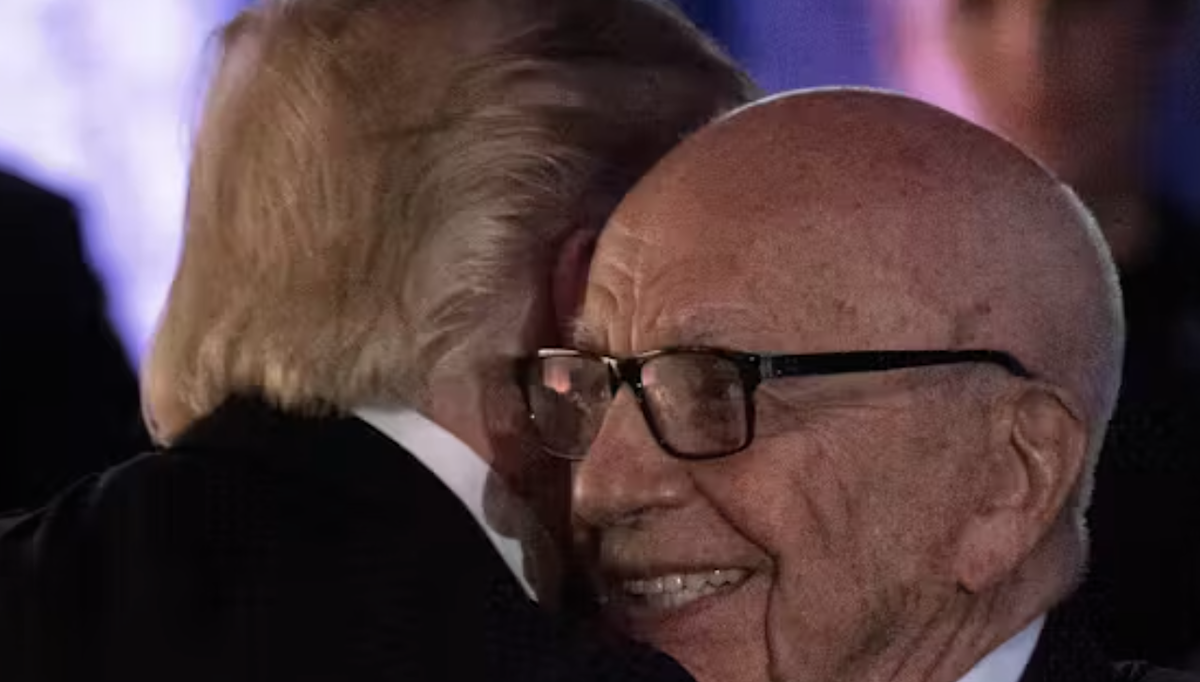
Could Rupert Murdoch bring down Donald Trump?
In a surprising twist, media magnate Rupert Murdoch appears to be positioning himself as a counterforce to former U.S. President Donald Trump, a figure he once heavily supported. This development comes after Trump filed a lawsuit against Murdoch’s Wall Street Journal for publishing an article about a controversial hand-drawn birthday card allegedly sent by Trump to convicted sex offender Jeffrey Epstein in 2003. The card, described as crude and inappropriate, has sparked outrage and legal action, further straining the already complex relationship between the two powerful figures. Murdoch’s media empire, including Fox News, has long been a staunch ally of Trump, promoting his agenda and amplifying his claims, including the debunked narrative of a stolen 2020 election. However, the recent legal battle suggests a potential shift in Murdoch’s strategy, as he navigates the delicate balance between maintaining his audience’s loyalty and distancing himself from Trump’s increasingly divisive persona. The lawsuit underscores the transactional nature of their relationship, with both men leveraging their influence for personal and political gain. As the legal drama unfolds, the broader implications for media, politics, and public perception remain uncertain, with Murdoch’s actions potentially signaling a turning point in the Republican Party’s alignment with Trump.
-
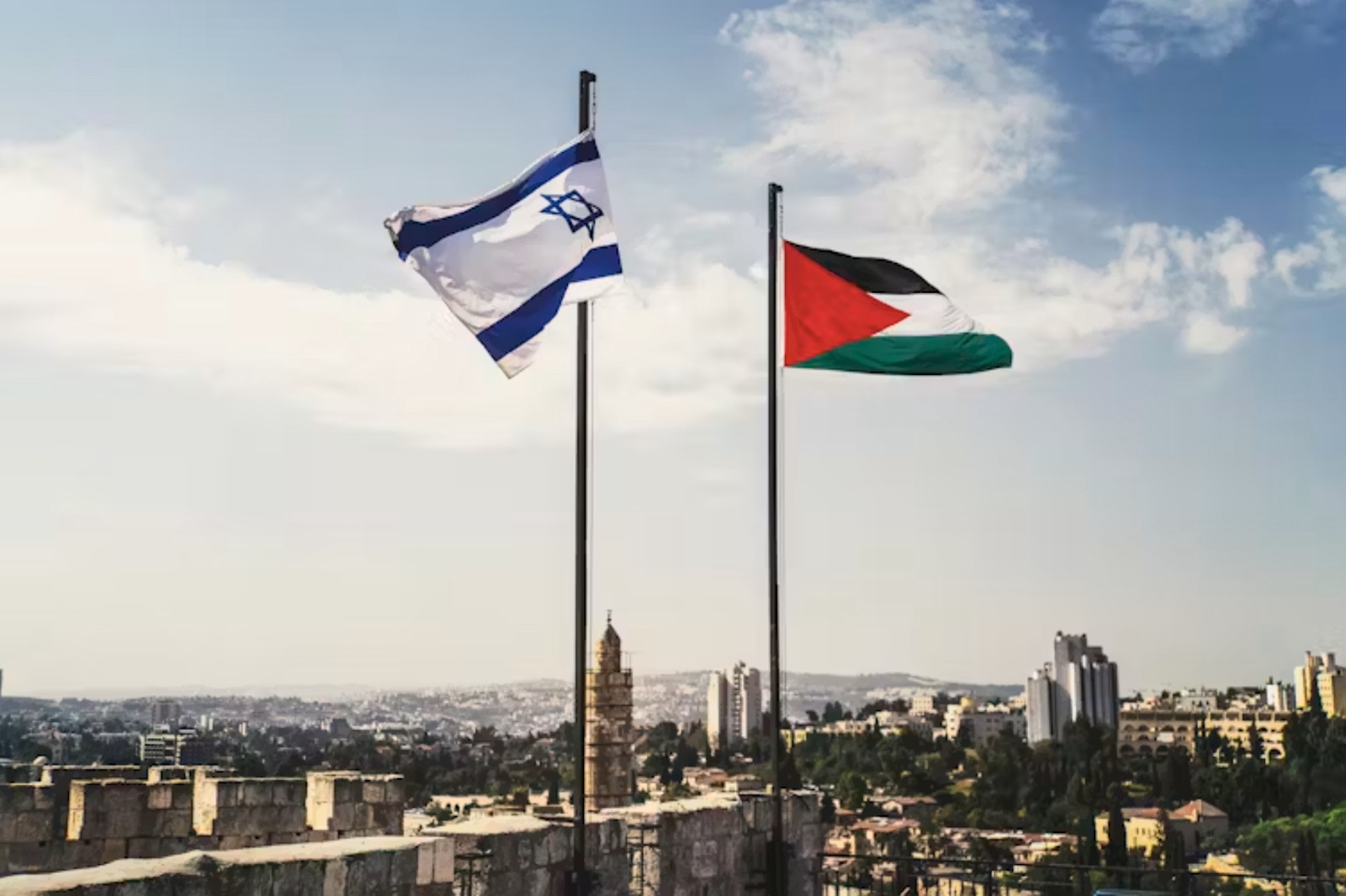
Road to Palestinian state must pass through Saudi Arabia
The ongoing 22-month conflict between Israel and Hamas has left European nations feeling powerless and divided. Despite their vocal support, European efforts have largely been irrelevant in shaping the outcome of the crisis. However, a recent move by French President Emmanuel Macron to join 11 other EU countries in recognizing a Palestinian state has sparked a glimmer of hope. This initiative, though fraught with challenges, aims to leverage partnerships with Arab states, particularly Saudi Arabia, to pressure Israel and the United States into reconsidering their stance on Palestinian statehood. The timing of Macron’s announcement is strategic, coinciding with a UN ministerial conference co-chaired by France and Saudi Arabia in July, followed by a heads-of-state meeting in September. While the odds of success remain slim, the French-led effort seeks to inject diplomatic momentum into a process that has long been stagnant. The key to its potential success lies in convincing Saudi Crown Prince Mohammed bin Salman to take a bold stance in pushing the U.S. to support the two-state solution. However, the deep-rooted divisions over the viability of a Palestinian state, coupled with the lack of serious commitment from major powers, continue to cast a shadow over any prospects for peace. The Arab world’s financial and political intervention will be crucial, but without U.S. backing, diplomatic recognition alone is unlikely to alter the reality on the ground. This high-stakes diplomatic gamble, though uncertain, represents a rare opportunity to reignite the quest for a sustainable resolution to the Israeli-Palestinian conflict.
-

Mutual respect urged for Sino-Japanese ties
In a bid to fortify Sino-Japanese relations, experts have underscored the imperative of mutual respect and robust people-to-people exchanges. This call comes as both nations, pivotal players in the Asia-Pacific region, grapple with escalating global challenges. Xie Fuzhan, President of the China Foundation for Human Rights Development, emphasized the extensive common interests and cooperative potential between China and Japan during the Second Forum on Sino-Japanese Friendship and People-to-People Exchanges in Beijing. He highlighted that the bilateral relationship not only impacts the two nations but also significantly influences regional and global stability. Xie urged both countries to adopt a long-term, strategic perspective, addressing historical issues with prudence and respect to foster a forward-looking relationship. Japanese Ambassador to China Kenji Kanasugi echoed this sentiment, stressing the critical role of candid dialogue in deepening mutual understanding and trust. Yuji Miyamoto, President of the Japan-China Friendship Center, lamented the decline in academic exchanges due to recent political turbulence, advocating for a deeper awareness of each other’s societies and cultures to bridge the understanding gap. Jiang Yuechun, a senior research fellow at the China Institute of International Studies, pointed out the erosion of the rules-based international order by certain countries, leading to global instability. He called for enhanced cooperation through multilateral frameworks like the Regional Comprehensive Economic Partnership and the Comprehensive and Progressive Agreement for Trans-Pacific Partnership to uphold free trade and multilateralism. Despite the shifting public perceptions, both countries share vast potential for cooperation in areas such as climate change, green growth, and digital trade. Ryuji Hattori, a professor at Chuo University in Japan, highlighted the strain on China-Japan relations due to Tokyo’s evolving security policies. He emphasized the necessity of building trust through solid institutional foundations and societal-level mutual understanding. As the 80th anniversary of the Chinese People’s War of Resistance Against Japanese Aggression approaches, Miyamoto urged Japan to reflect on its past militarism and recognize that lasting peace and friendly cooperation are the only viable paths forward.
-
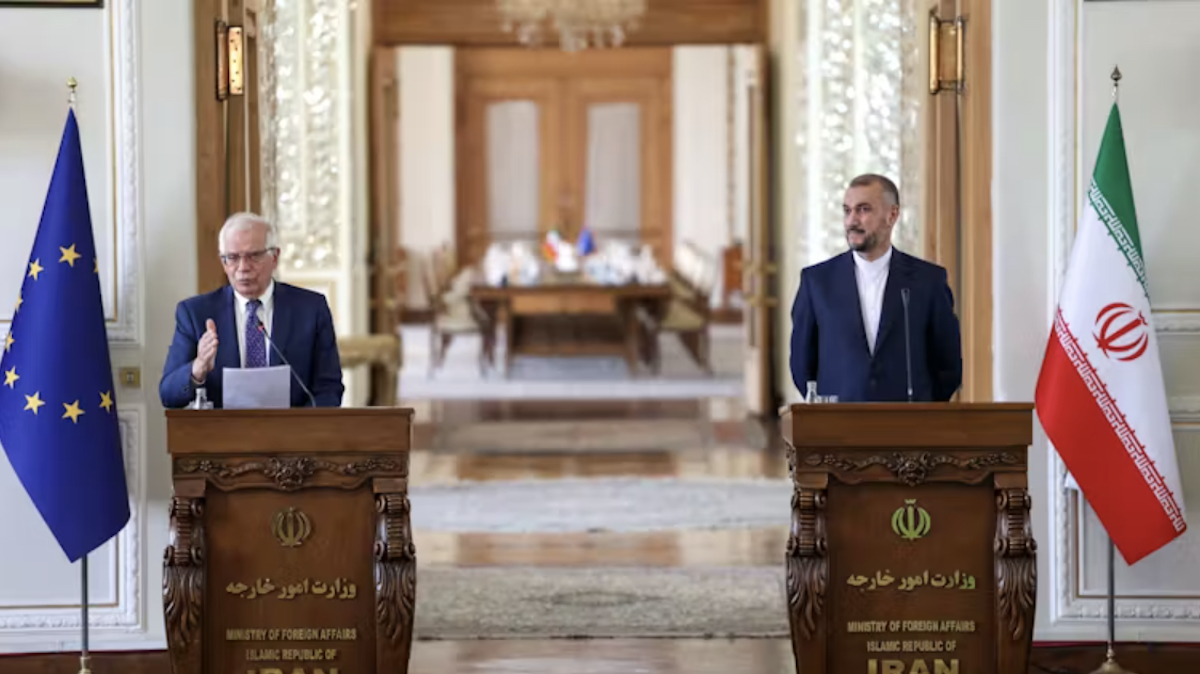
Europe a non-player as US, Israel set the tone on Iran
The United States’ decision to bomb three Iranian nuclear facilities on June 22, 2025, sent shockwaves across the globe, marking a stark departure from the Trump administration’s earlier diplomatic efforts to negotiate with Tehran over its nuclear program. This unprecedented military action, taken amidst the ongoing Israeli-Iranian conflict, has raised significant questions about the future of international diplomacy and nuclear nonproliferation. European governments, which have long advocated for a diplomatic resolution to Iran’s nuclear ambitions, responded with surprising restraint. European Commission President Ursula von der Leyen and German Chancellor Friedrich Merz both expressed support for Israel’s right to self-defense, while a joint statement from the E3 nations—France, the UK, and Germany—tacitly justified the US strikes as necessary to prevent Iran from developing nuclear weapons. However, the muted European reaction highlighted the continent’s diminished role in global diplomacy, particularly in contrast to its past leadership in negotiating the 2015 Iran nuclear deal. The deal, which included the US, Russia, China, and the European Union, aimed to curb Iran’s nuclear program in exchange for sanctions relief. The US withdrawal from the agreement in 2018 under President Trump, followed by the reimposition of heavy sanctions, severely undermined European efforts to maintain the deal and eroded Tehran’s trust in Europe as a reliable partner. Recent tensions, including Iran’s support for Russia’s invasion of Ukraine and Europe’s backing of Israel in the Gaza conflict, have further strained relations. Europe’s internal divisions over Middle East policy and its reliance on US leadership have compounded its challenges in reasserting a meaningful role in nuclear negotiations. As transatlantic relations remain fraught under the Trump administration, Europe faces an uphill battle to restore its influence in addressing Iran’s nuclear ambitions.