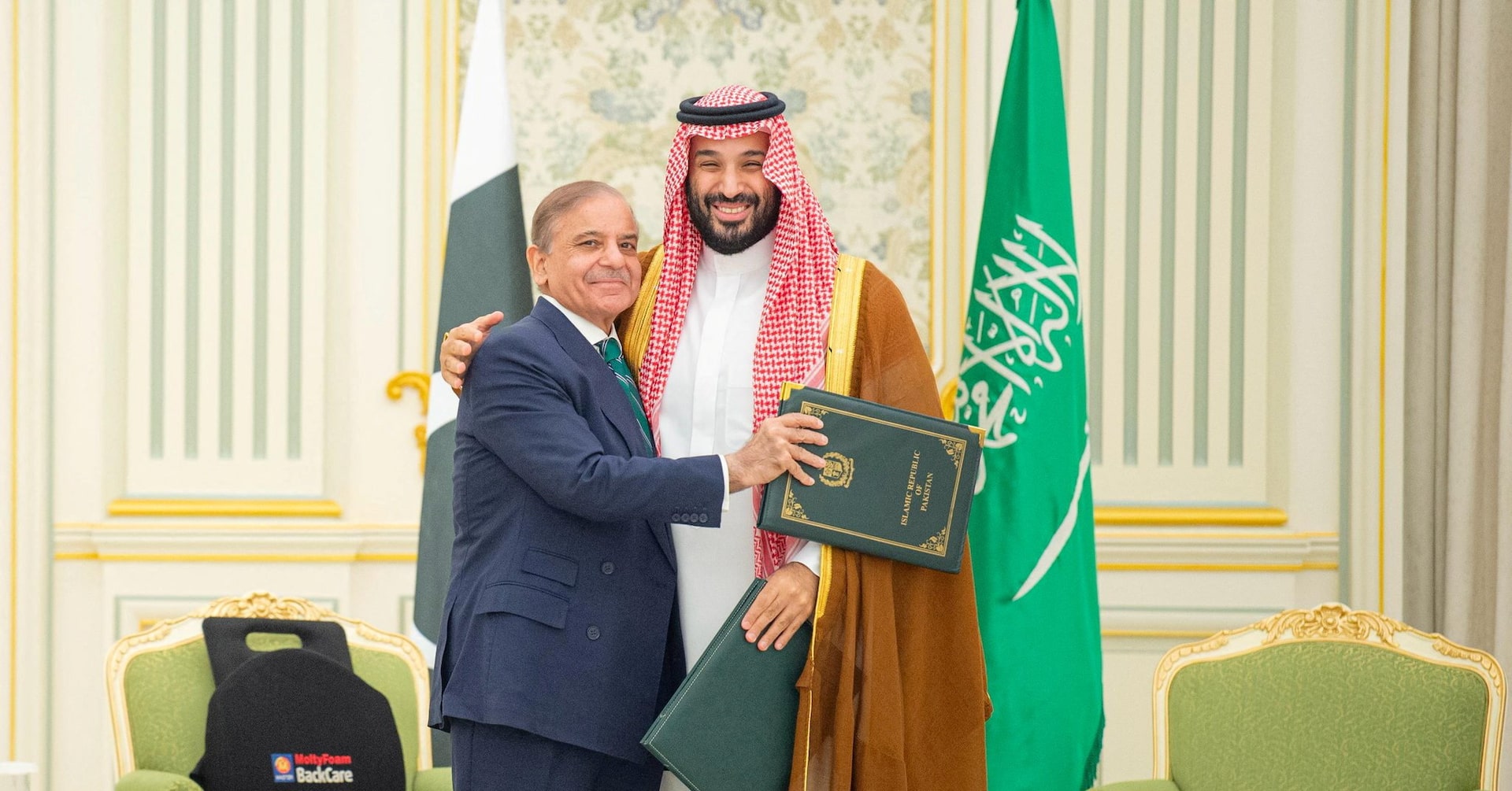
In a landmark move, Saudi Arabia and Pakistan solidified their longstanding alliance by signing a comprehensive mutual defence agreement on September 17, 2025, in Riyadh. The pact, inked by Saudi Crown Prince Mohammed bin Salman and Pakistani Prime Minister Shehbaz Sharif, underscores a deepening of military and strategic cooperation between the two nations. The agreement, which includes provisions for mutual defence against aggression, comes at a critical juncture as regional tensions escalate following Israel’s recent airstrikes on Qatar. The strikes, aimed at Hamas leaders during ceasefire negotiations, have heightened concerns among Gulf states about the reliability of the United States as a security partner. Pakistan, the only nuclear-armed Muslim-majority nation, has historically maintained that its nuclear arsenal is a deterrent against India. The Saudi official emphasized that the agreement is not a reaction to specific events but rather an institutionalization of decades-long collaboration. The pact also highlights the economic interdependence between the two countries, with Saudi Arabia providing Pakistan with a $3 billion loan to bolster its foreign reserves. The agreement’s implications for regional stability, particularly in light of Pakistan’s ongoing tensions with India, remain a focal point of analysis. Both nations have fought three wars since their independence in 1947, and their nuclear capabilities have since shaped a precarious balance of power. The Saudi official acknowledged the need to balance relations with both Pakistan and India, emphasizing the kingdom’s commitment to fostering regional peace.
分类: politics
-
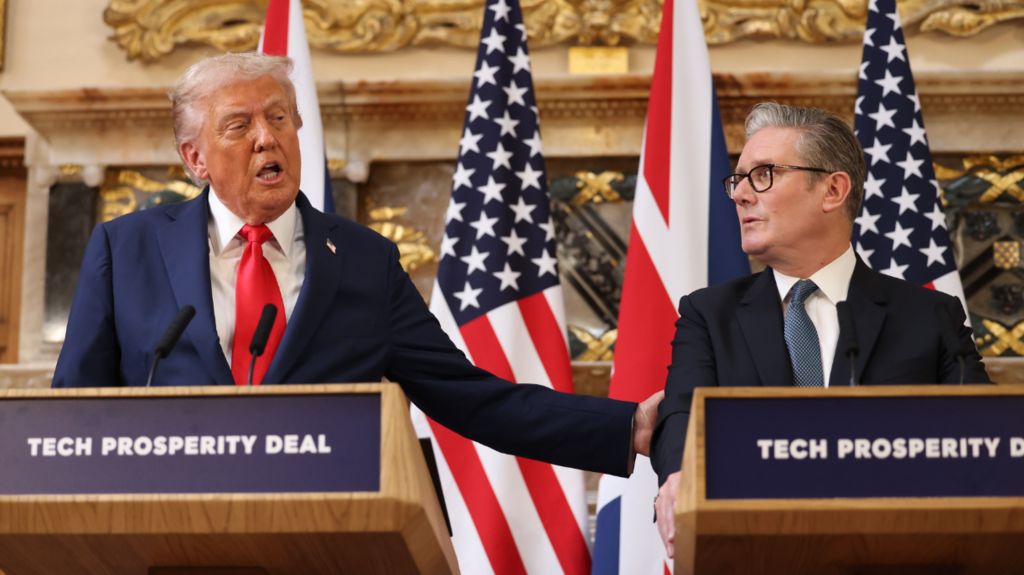
Key takeaways from Trump-Starmer news conference
Sir Keir Starmer and Donald Trump held a joint press conference at Chequers, the UK Prime Minister’s country residence, marking the conclusion of Trump’s second state visit to the UK. The hour-long event covered a range of topics, from international relations to domestic policies, with both leaders addressing contentious issues diplomatically. One of the key points of discussion was the UK’s imminent recognition of Palestinian statehood, a move Trump had previously criticized as potentially rewarding Hamas. However, Trump downplayed the disagreement, stating it was one of only a few differences between him and Starmer. Starmer clarified that the timing of the decision was unrelated to Trump’s visit and emphasized that Hamas would have no role in any future Palestinian state. Trump praised Starmer’s stance, even giving him a pat on the back during the conference. Another hot topic was the UK’s efforts to curb illegal migration, particularly the record number of small boat crossings in the English Channel. Trump suggested that Starmer consider involving the military, drawing parallels to his own border security policies in the US. Starmer highlighted the recent launch of the first flight under the UK-France migrant returns deal as a significant step forward. Both leaders also united in condemning Russia’s invasion of Ukraine, with Starmer criticizing recent Russian missile attacks and Trump expressing disappointment in Vladimir Putin’s actions. Trump admitted he had hoped the Russia-Ukraine conflict would be easier to resolve but reaffirmed his commitment to finding a peaceful solution. The issue of free speech also surfaced, with Starmer vowing to protect it as a fundamental British value while balancing it with necessary safeguards. The press conference concluded without addressing the recent dismissal of Lord Mandelson as the UK’s US ambassador, a decision linked to his past association with Jeffrey Epstein. Trump distanced himself from Mandelson, stating he did not know him well, while Starmer reiterated that the decision was based on new information about Mandelson’s ties to Epstein.
-
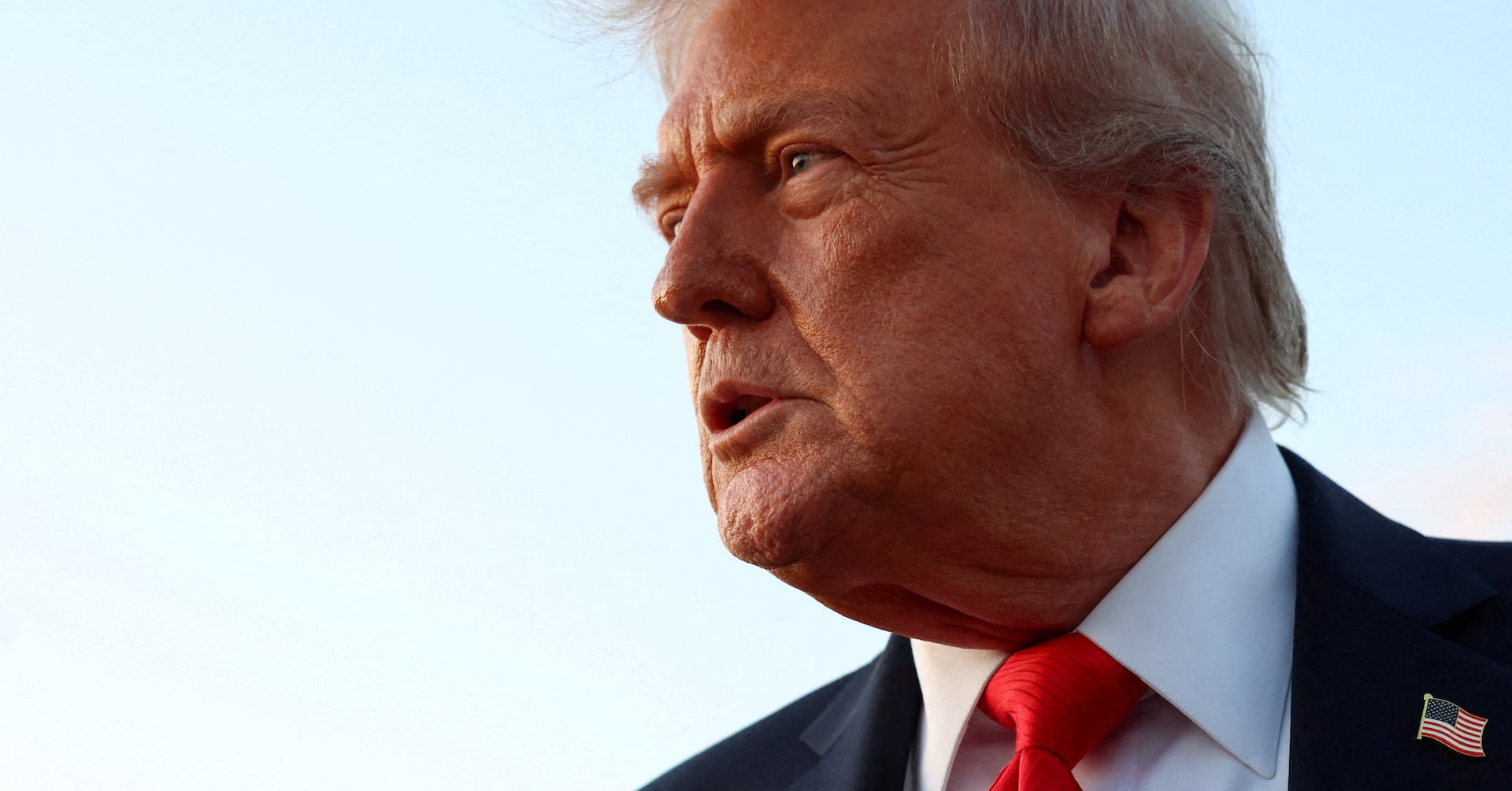
Trump targets antifa movement as ‘terrorist organization’
In a significant move following the assassination of right-wing activist Charlie Kirk, U.S. President Donald Trump announced on Wednesday his intention to designate the anti-fascist movement, Antifa, as a terrorist organization. Trump made the declaration on his social media platform, Truth Social, stating, \”I will also be strongly recommending that those funding ANTIFA be thoroughly investigated in accordance with the highest legal standards and practices.\
-
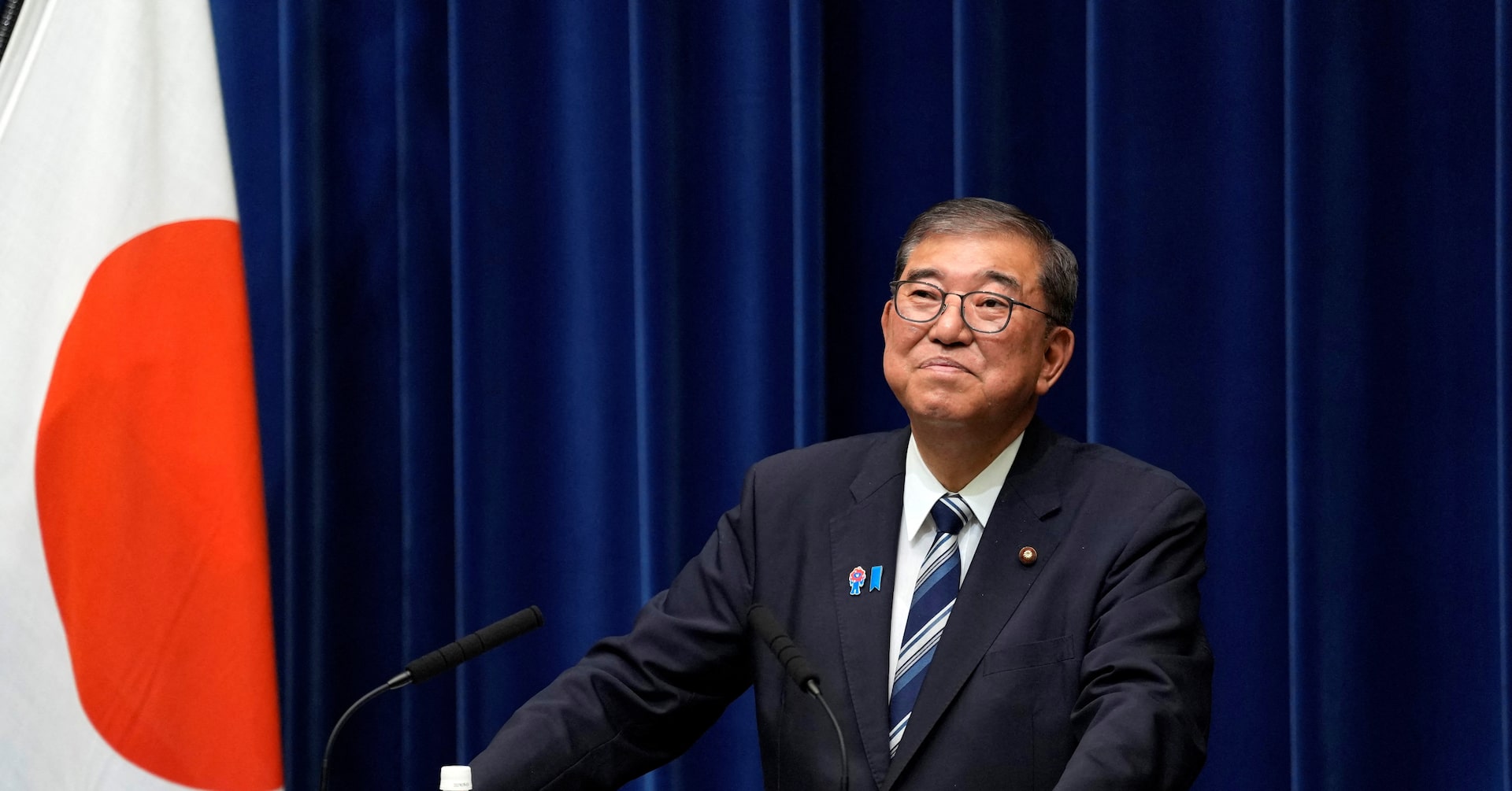
Japan’s Ishiba to visit Busan from Sept 30 to meet S.Korea’s Lee, TV Asahi reports
In a significant diplomatic move, Japanese Prime Minister Shigeru Ishiba is scheduled to meet South Korean President Lee Jae Myung during his two-day visit to Busan, South Korea, starting September 30. This visit, reported by Japanese broadcaster TV Asahi and confirmed by a Korean government official, will mark Ishiba’s first and final trip to South Korea as prime minister. The announcement comes shortly after Ishiba revealed his resignation earlier this month, with his successor to be determined through a ruling party leadership race in early October. This meeting underscores the ongoing efforts to strengthen bilateral ties between the two nations, particularly in the realms of security and economic cooperation. The leaders previously met in Tokyo last month, where they agreed to enhance collaboration with the United States to counter North Korea’s nuclear and missile threats. Ishiba’s impending departure adds a layer of urgency to this diplomatic engagement, as both countries seek to solidify their partnership amidst regional security challenges.
-
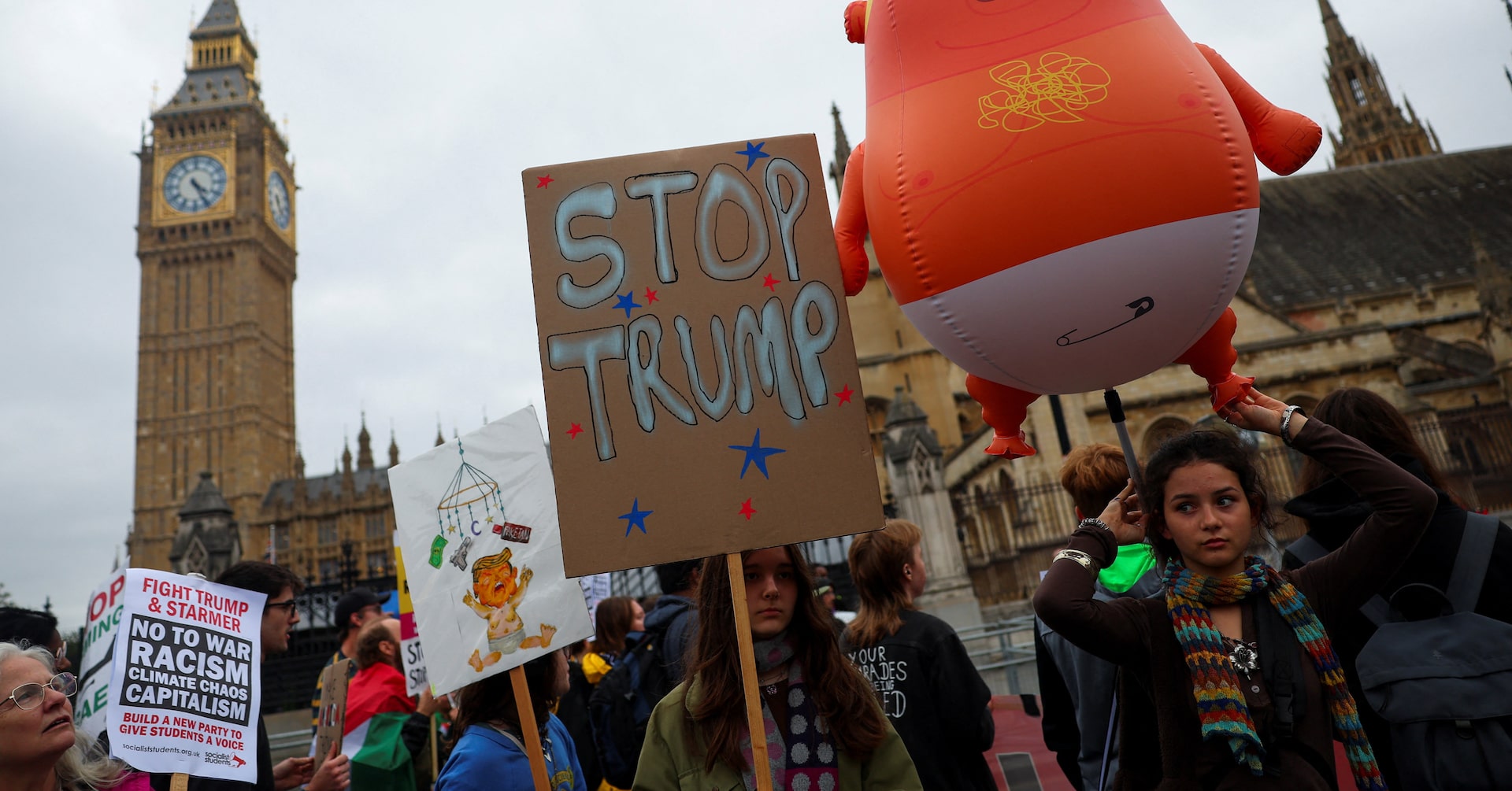
Anti-Trump protesters march through London as president basks in royal welcome
On September 17, 2025, London witnessed a stark contrast in public sentiment as U.S. President Donald Trump embarked on his second state visit to Britain. While thousands of protesters marched through the capital under the banner ‘Trump Not Welcome,’ a smaller yet enthusiastic crowd gathered outside Windsor Castle to welcome the president with open arms. The visit, marked by royal pageantry including a carriage procession and a grand military parade, highlighted the polarizing nature of Trump’s presence on the global stage. Organized by the Stop Trump Coalition and supported by groups like Amnesty International and pro-Palestinian activists, the protest in London featured banners with messages such as ‘Not Wanted Here, Not Wanted Anywhere’ and ‘Trump, a big step back on the evolution of man.’ Despite the protests, British Prime Minister Keir Starmer has cultivated an unlikely friendship with Trump, though public opinion remains deeply divided. A YouGov poll revealed that 45% of Britons opposed the invitation, while 30% supported it. The event also saw the arrest of four individuals who projected images of Trump alongside Jeffrey Epstein onto Windsor Castle, a controversy that continues to shadow the president. Over 1,600 police officers were deployed to manage the peaceful protest, which drew around 5,000 participants. Meanwhile, in Windsor, a handful of Trump supporters, including former New York police officer Steven DeFranco, praised the president as a ‘beaming light’ and celebrated his policies. The turnout for this visit was comparable to Trump’s 2019 state visit but paled in comparison to his first official trip in 2018, which attracted significantly larger crowds.
-
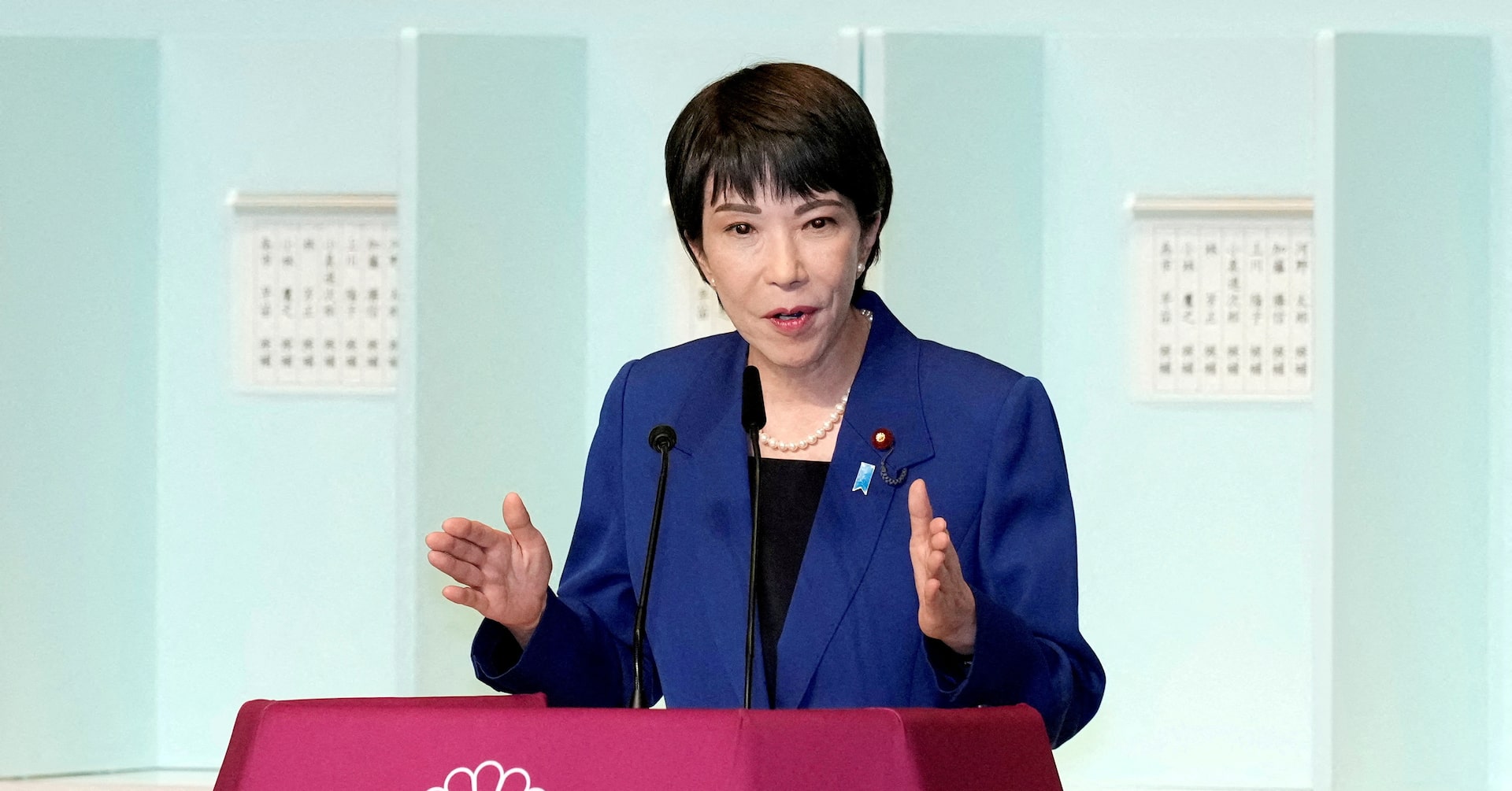
Japan’s fiscal dove Takaichi joins race for leadership of ruling party
In a pivotal moment for Japan’s political landscape, veteran lawmaker Sanae Takaichi announced her candidacy for the ruling Liberal Democratic Party’s (LDP) leadership election on October 4, 2024. Takaichi, a fiscal conservative and vocal opponent of the Bank of Japan’s (BOJ) interest rate hikes, aims to become Japan’s first female prime minister. She is set to outline her policies in a press conference on Friday, emphasizing increased government spending to revitalize the nation’s fragile economy.
Takaichi’s announcement comes as outgoing Prime Minister Shigeru Ishiba steps down following a series of electoral defeats during his brief tenure. The leadership race has drawn a diverse field of candidates, including Agriculture, Forestry, and Fisheries Minister Shinjiro Koizumi, who leads recent polls with 23.8% support. Takaichi follows closely at 21.0%, while Chief Cabinet Secretary Yoshimasa Hayashi and former foreign minister Toshimitsu Motegi trail at 5.9% each.
Hayashi, in his policy announcement, pledged to continue Ishiba’s initiatives, particularly efforts to boost wages in smaller companies to alleviate the burden of rising living costs. However, he distanced himself from the ‘Abenomics’ policies of the late Shinzo Abe, arguing that the economy has moved beyond the need for such aggressive stimulus measures. Meanwhile, Motegi expressed his intention to negotiate further tariff reductions with the United States, contingent on favorable circumstances.
The election outcome will shape Japan’s economic and fiscal policies at a critical juncture, as the nation grapples with an aging population, inflationary pressures, and global economic uncertainties. With Takaichi and Koizumi emerging as frontrunners, the race underscores a potential shift in Japan’s political and economic direction.
-
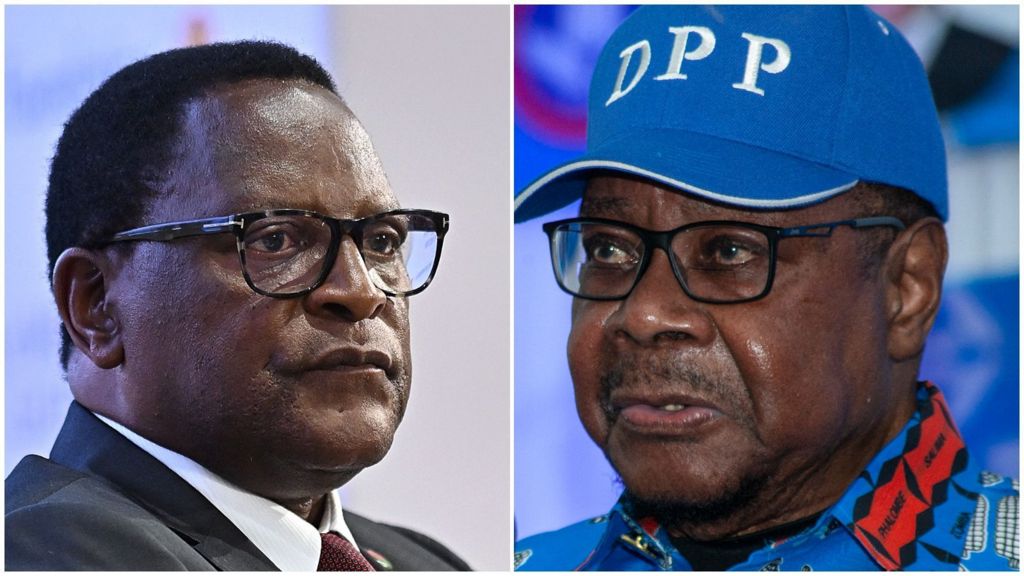
Malawi’s parties warned not to prematurely declare election victory
The Malawi Electoral Commission (MEC) has issued a stern warning to political parties against prematurely declaring victory in the recent presidential election. Chairperson Annabel Mtalimanja emphasized that only the commission is authorized to release official results. This caution follows claims from the camps of incumbent President Lazarus Chakwera and former President Peter Mutharika, both of whom asserted they had won Tuesday’s poll. Speaking at a press conference on Thursday, Mtalimanja stressed the importance of patience as the commission finalizes the tallying and verification process to ensure the integrity of the results. The 2019 election, which was nullified by the Supreme Court due to irregularities, serves as a stark reminder of the need for transparency. Chakwera, who won the subsequent re-run, now faces Mutharika, who seeks a dramatic political comeback. The election, held against the backdrop of a severe economic crisis marked by inflation nearing 30% and chronic fuel shortages, also included parliamentary and local government polls. Malawians, who earn an average of $2 a day, are grappling with soaring living costs, with basic commodities like frozen chicken priced at $20 in the capital, Lilongwe. The MEC’s cautious approach aims to prevent disputes and ensure a credible outcome.
-
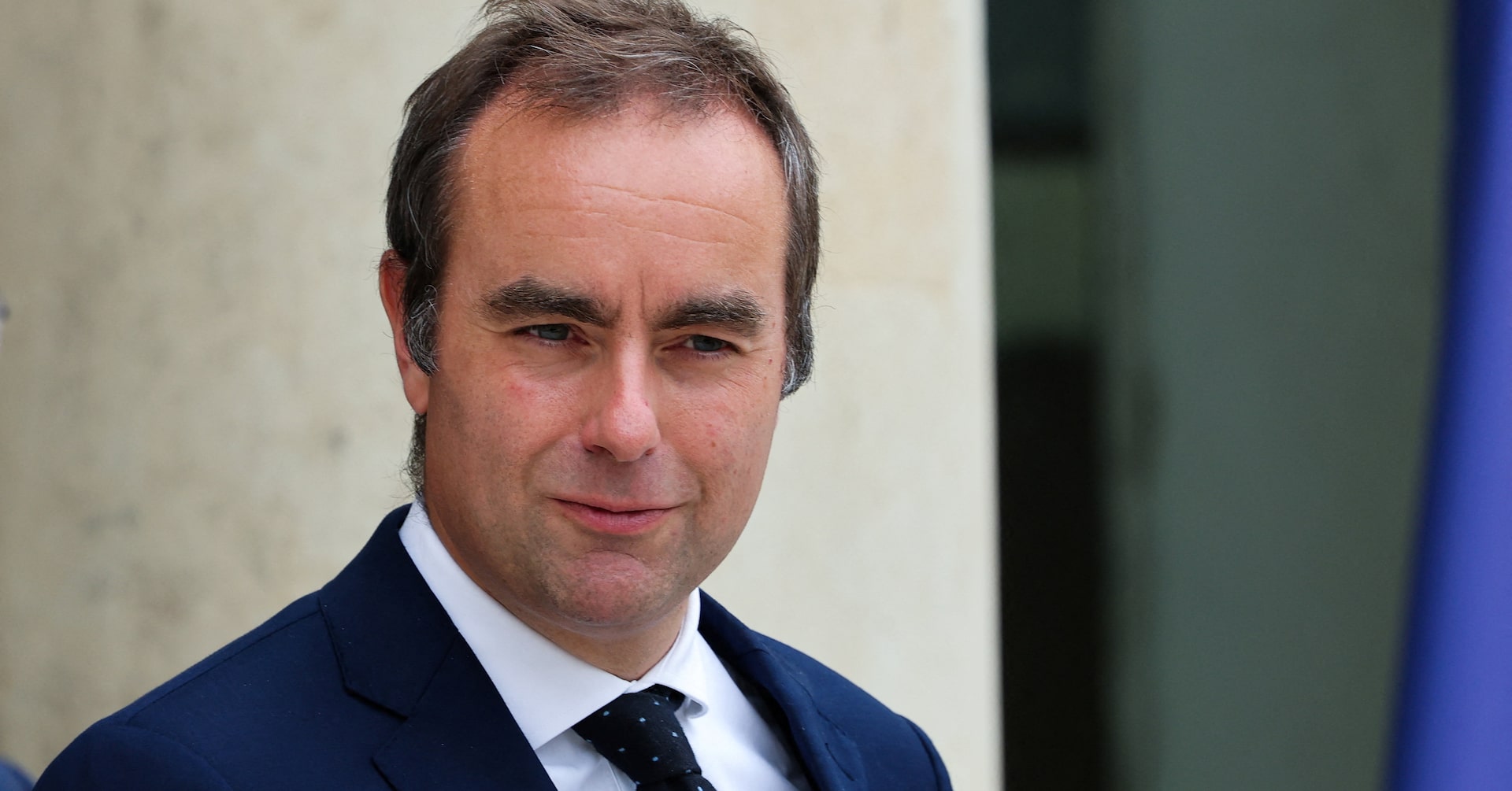
Tax the rich or fall: French PM faces budget ultimatum
French Prime Minister Sébastien Lecornu finds himself at a critical juncture as he navigates the contentious debate over a proposed 2% wealth tax on billionaires, a measure that could determine his political survival. The tax, dubbed the ‘Zucman tax’ after economist Gabriel Zucman, targets individuals with assets exceeding €100 million and has garnered overwhelming public support, with 86% of voters in favor, including 92% of President Emmanuel Macron’s party members. However, the proposal faces fierce opposition from right-wing lawmakers and business leaders, who warn it could stifle investment and trigger capital flight. Lecornu, who assumed office less than two years ago, is racing to finalize the 2026 budget by October 7, with the Socialists demanding the tax as a condition for their support. Failure to secure their backing could lead to a no-confidence motion, potentially toppling his government. The tax, which would affect approximately 1,800 households, is projected to raise up to €20 billion annually, aiding France’s efforts to reduce its budget deficit, the largest in the eurozone. Critics argue that the tax could harm innovative startups like Mistral AI, Europe’s rising star in artificial intelligence, while proponents insist it is a necessary step toward tax justice and reducing wealth inequality. The debate has reignited discussions about France’s tax burden, already the highest among OECD countries, and its implications for economic competitiveness. As Lecornu weighs the political and economic ramifications, the fate of the Zucman tax remains uncertain, with potential constitutional challenges looming.
-
Exclusive: U.S. diplomats on Syria abruptly let go amid pro-Damascus policy push, sources say
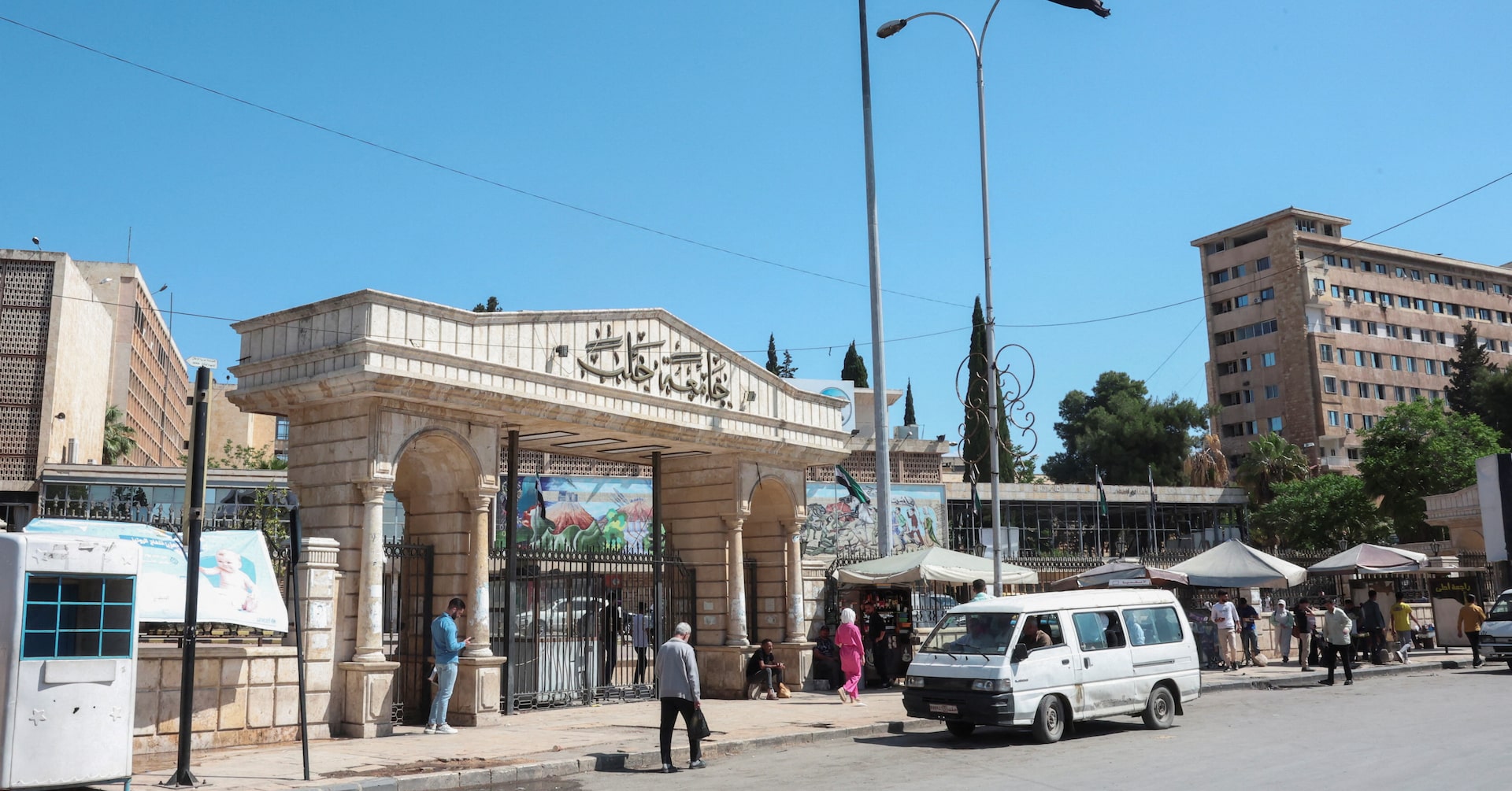
In a surprising turn of events, several senior U.S. diplomats stationed at the Syria Regional Platform (SRP) in Istanbul have been abruptly dismissed, according to sources familiar with the matter. The SRP, which functions as the de facto U.S. mission to Syria, has been a key player in Washington’s efforts to integrate Syrian Kurdish allies with the central administration in Damascus. The dismissals, which occurred suddenly and involuntarily, are part of a broader reorganization of the team, though they are not expected to impact U.S. policy in Syria. The diplomats reported to Tom Barrack, the U.S. special envoy for Syria and a close confidant of former President Donald Trump. Barrack, who was appointed in May, has been advocating for a unified Syrian state under President Ahmed al-Sharaa, who rose to power in a swift advance last year. The move to integrate the Kurdish-led Syrian Democratic Forces (SDF) into national security forces has been met with resistance from some SDF leaders, who have fought alongside the U.S. against Islamic State during former President Bashar al-Assad’s rule. The SDF continues to push for a less centralized government, aiming to retain the autonomy they gained during Syria’s civil war. Barrack, who also serves as the U.S. ambassador to NATO member Turkey, has been actively involved in addressing regional issues, including a recent plan to resolve a standoff with the Druze minority in southern Syria. The State Department has declined to comment on the dismissals, emphasizing that core staff working on Syrian issues remain operational from various locations. The SRP, headquartered at the U.S. consulate in Istanbul, has been the primary U.S. diplomatic presence in Syria since the closure of the embassy in Damascus in 2012.
-
NYT chief executive warns Trump is deploying ‘anti-press playbook’, FT says
On September 17, 2025, Meredith Kopit Levien, CEO of The New York Times, publicly addressed the $15-billion lawsuit filed by U.S. President Donald Trump against the newspaper. Speaking at a Financial Times conference, Levien dismissed the lawsuit as ‘legally baseless’ and lacking any legitimate claims. She asserted that the suit was a strategic move to intimidate and suppress independent journalism, particularly the fact-based reporting that The New York Times is renowned for. ‘The New York Times will not be cowed by this,’ Levien declared, emphasizing the paper’s commitment to upholding journalistic integrity. This lawsuit is part of a broader pattern of legal actions Trump has taken against media outlets during his second term, including a $10-billion defamation case against The Wall Street Journal in July. The White House has yet to comment on the matter. The New York Times, in response to Reuters, reiterated that the lawsuit was an attempt to stifle independent reporting and lacked any substantive legal foundation. The case underscores the ongoing tension between the Trump administration and the press, raising concerns about press freedom and the role of media in holding power to account.