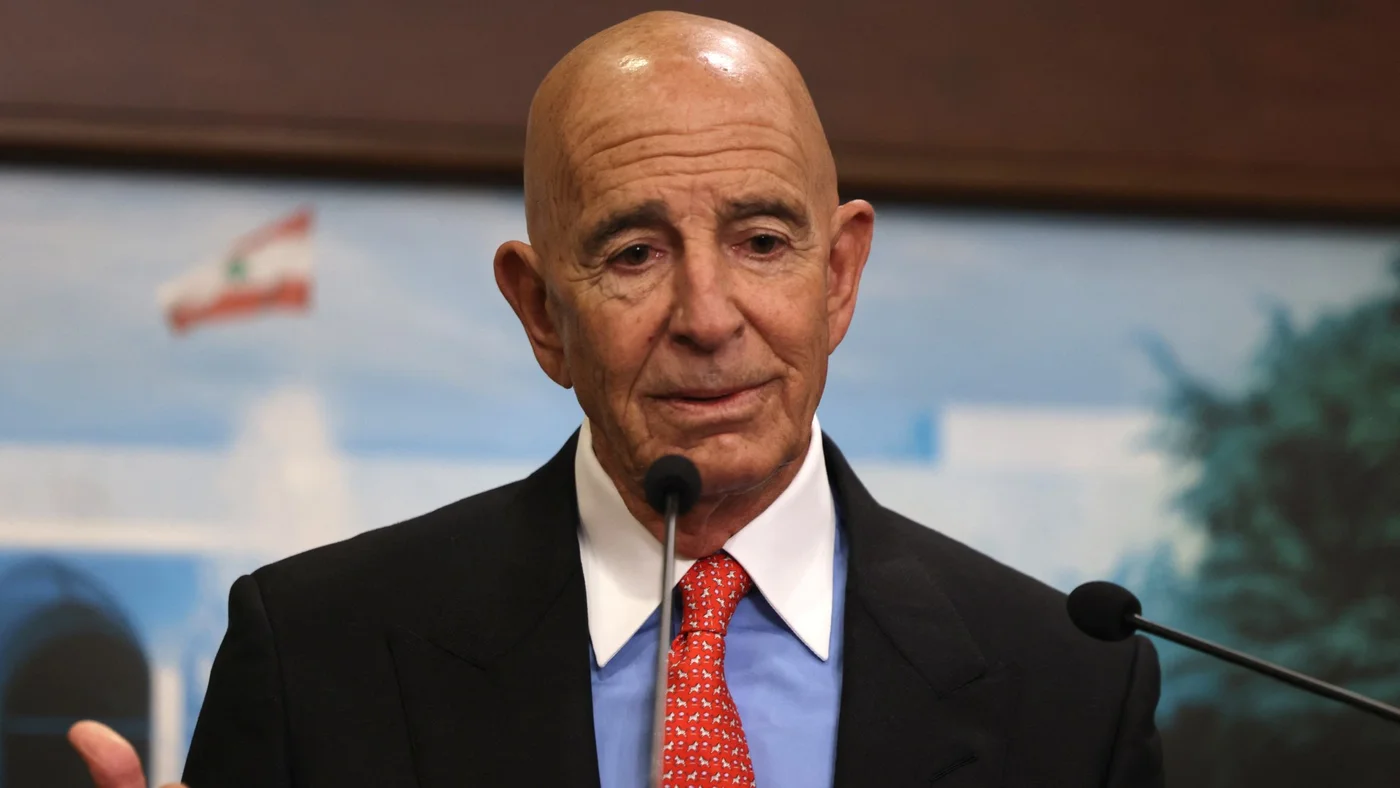
In a revealing interview with The National, Tom Barrack, the US Special Envoy to Syria and Ambassador to Turkey, offered a candid assessment of the Middle East’s geopolitical landscape and US foreign policy. Barrack, who has Lebanese heritage and has served as President Donald Trump’s envoy since May, described regional peace as ‘an illusion’ and criticized Israel’s aggressive actions, including its strikes on Syria, Lebanon, and Tunisia. He also addressed the recent Israeli attack on Qatar, calling it ‘not good’ and revealing that groups like Hamas and the Taliban are in Doha at America’s request. Barrack emphasized that the US administration is stepping back from direct intervention, focusing instead on counterterrorism cooperation while maintaining a special relationship with Israel, which receives $4-5 billion in annual subsidies. He dismissed the idea of a Palestinian state, arguing that the global community lacks the commitment to enforce it. Barrack also highlighted the challenges of disarming Hezbollah in Lebanon, noting the group’s financial and military strength, funded by Iran. He expressed concern over the Gaza conflict, calling it ‘unsettling’ and questioning why neighboring Arab countries won’t take in Palestinians. Barrack concluded by expressing distrust in all regional actors, including Israel, and hinted at the possibility of further US or Israeli action against Iran to stabilize the region.
分类: politics
-
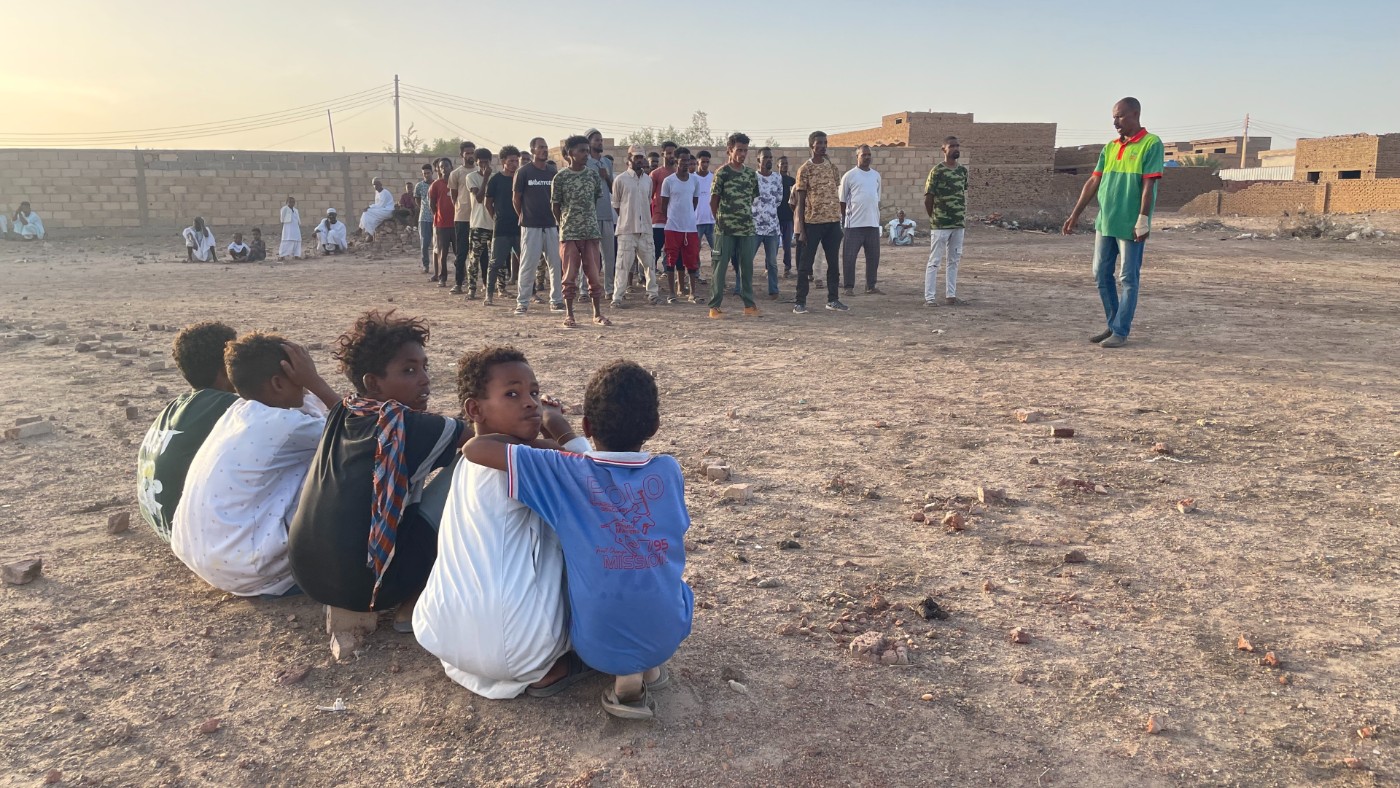
Sudan PM visits village following MEE coverage of fight against RSF
In a historic move, Sudanese Prime Minister Kamil Idris visited the village of al-Tekeina in al-Jazira state on August 30, 2025, marking the first visit by a senior Sudanese official in over six decades. The visit followed extensive coverage by Middle East Eye (MEE) of the village’s struggles against the Rapid Support Forces (RSF), a paramilitary group accused of committing genocide. During his visit, Idris pledged to implement widespread reforms, including infrastructure development, improved public services, and political representation for the villagers. Al-Tekeina, located 70 kilometers south of Khartoum, had been neglected by the central government for years, forcing residents to defend themselves against the RSF using weapons and tactics learned from YouTube tutorials. The village’s resistance committee, led by Magd Omer Ibrahim, played a pivotal role in organizing the defense and advocating for the community’s needs. Idris’s delegation, which included ministers and the governor of al-Jazira, promised to reconstruct roads, maintain water and electricity stations, build a technical college, drill wells, and expand healthcare facilities. Villagers credited media coverage, particularly by MEE, for drawing government attention to their plight. The visit was seen as a moral restitution for the sacrifices made by the villagers, who had been abandoned by the Sudanese Armed Forces (SAF) during the conflict. The war in Sudan, which began in April 2023, has displaced nearly 12 million people and claimed at least 150,000 lives, making it one of the world’s worst humanitarian crises. The people of al-Tekeina hope that the promises made during the visit will bring lasting change to their community.
-
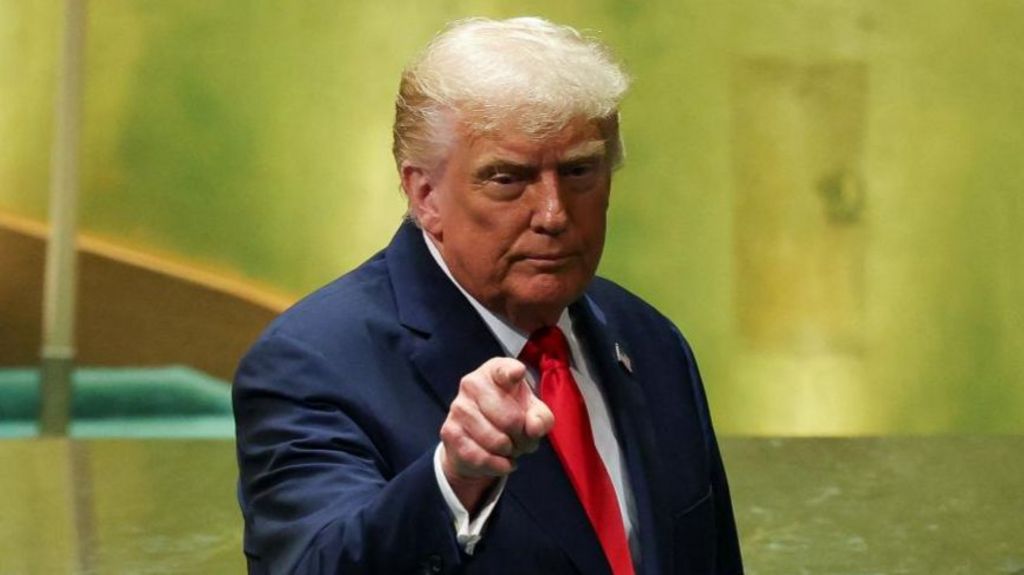
Seven years ago Trump’s UN audience laughed, this year they were silent
In a fiery address to the United Nations General Assembly, former U.S. President Donald Trump delivered a blistering critique of the international body, European policies, and global multilateralism. Trump, known for his unorthodox approach to diplomacy, used the platform to reaffirm his nationalist ideology, which he termed ‘Trumpism unplugged’ by supporters and ‘Trumpism unhinged’ by critics. His nearly hour-long speech began with self-praise, claiming credit for a ‘golden age’ in the U.S. and asserting that he had ended seven wars, a claim he believes warrants a Nobel Peace Prize. However, the bulk of his speech targeted the UN, which he accused of failing to fulfill its potential and resorting to ’empty words’ rather than tangible action. Trump also criticized the organization for its support of asylum seekers, accusing it of facilitating ‘invasions’ rather than preventing them. He even took aim at the UN’s infrastructure, citing a broken escalator and teleprompter as symbols of its inefficiency. Trump’s broader critique extended to Europe, which he accused of being ‘devastated’ by immigration and renewable energy policies. He labeled climate change a ‘con job’ and warned European nations against adopting ‘suicidal’ green energy initiatives. His remarks echoed his earlier comments during a state visit to the U.K., where he emphasized the need to protect the ‘English-speaking world’ and Judeo-Christian heritage. On Ukraine, Trump issued a rare warning to Russia, calling its actions in the conflict detrimental to its global image. He also hinted at potential tariffs but shifted blame to European nations for continuing to buy Russian energy. While his speech was met with silence, Trump’s subsequent social media post suggested optimism about Ukraine’s ability to reclaim its territory, though he notably omitted any mention of U.S. military support. The address underscored Trump’s disdain for multilateralism and his belief in the supremacy of nation-states, leaving little room for compromise or collective solutions.
-
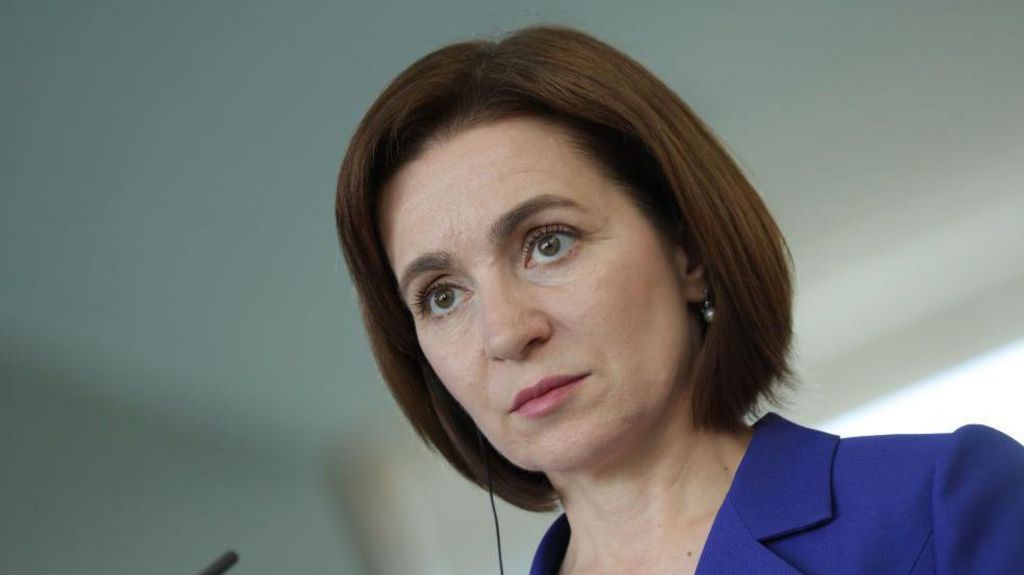
Kremlin threatening Moldova’s independence, president warns ahead of key vote
Moldovan President Maia Sandu has issued a stark warning about the threats to her country’s independence and European aspirations, as authorities arrested dozens of individuals allegedly involved in a Russian-backed plot to incite violence. The arrests, which occurred just days before pivotal parliamentary elections, included the seizure of weapons and explosives in nationwide raids. Authorities claim that some of the 74 detainees received training in Serbia from Russian instructors, including firearms instruction. President Sandu accused the Kremlin of investing heavily in efforts to destabilize Moldova through violence, disinformation, and fear, asserting that Russia views Moldova as a territory rather than a sovereign nation. She emphasized Moldova’s determination to resist such interference, declaring, ‘Moldova is our home. And our home is not for sale.’ Pro-Russian parties, however, have accused Sandu of attempting to intimidate them and influence the election outcome. Sandu has urged her supporters to participate actively in the elections, where pro-Russian forces are poised to challenge the pro-EU status quo. The ruling Party of Action and Solidarity (PAS), led by Sandu, faces significant risks of losing its majority. A high voter turnout, particularly among the diaspora, is seen as crucial for maintaining Moldova’s pro-European trajectory. Moldova, which declared independence from the USSR over 30 years ago, has a significant Russian-speaking population and a breakaway region, Transnistria, supported by Moscow. Despite Russia’s lingering influence, Sandu has pursued EU integration, including a constitutional referendum last year that narrowly endorsed EU accession. However, the referendum was marred by evidence of Russian interference, including vote-buying. Analysts warn that Russia may resort to violence if pro-EU forces prevail in the elections. Recent reports from Bloomberg and the BBC have uncovered extensive Russian plans to sow unrest and spread disinformation, further complicating Moldova’s political landscape. Russia’s SVR intelligence service has even accused European countries of planning to falsify election results, a claim dismissed as baseless by experts. As Moldova braces for a high-stakes election, the nation’s future hangs in the balance between European integration and Russian influence.
-
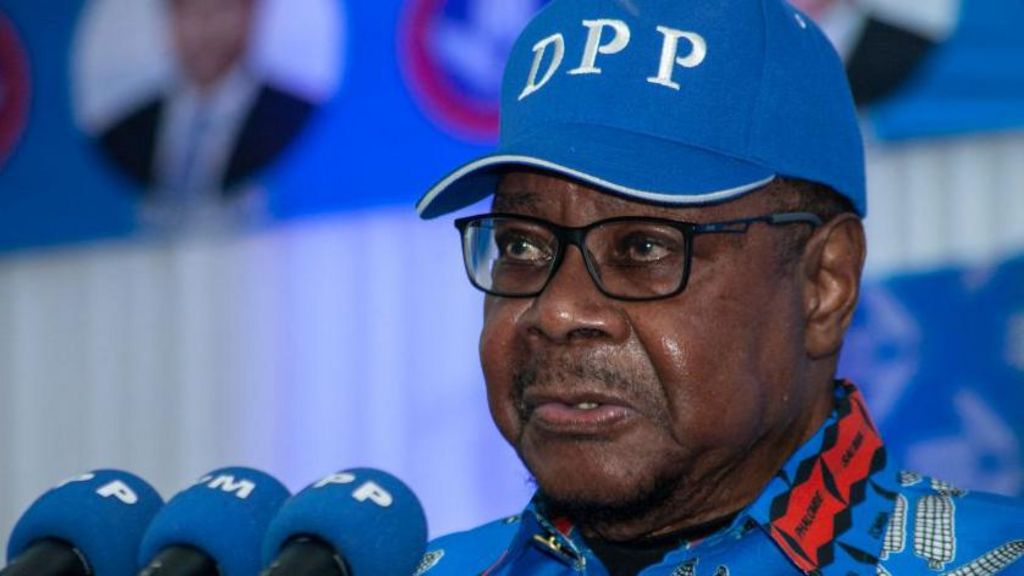
Malawi ex-president takes clear lead in vote-count, results show
In a dramatic turn of events, Malawi’s former President Peter Mutharika, 85, has surged ahead in the country’s presidential race, securing approximately 66% of the valid votes counted so far. His closest rival, incumbent President Lazarus Chakwera, 70, trails with around 24% of the votes. Provisional results from two-thirds of the districts indicate that Mutharika has even managed to win in areas traditionally considered Chakwera strongholds, including the capital, Lilongwe, and Nkhotakota. However, Chakwera’s camp remains optimistic, asserting that once results from remaining districts are announced, his vote share could increase, potentially forcing a run-off. A candidate must secure more than 50% of the vote to win outright, and Malawians are eagerly awaiting the final results from last Tuesday’s election, which the Malawi Electoral Commission has until the end of Wednesday to announce. Two of the 12 districts yet to declare results have a significant number of registered voters, and Chakwera’s team believes he will perform well in these areas, particularly in rural regions around Lilongwe and Dedza. Meanwhile, results from two other districts, where Mutharika is expected to dominate, have been withheld by the electoral commission for accuracy checks. The commission has emphasized its commitment to transparency, accuracy, and credibility, particularly in light of the constitutional court’s annulment of Mutharika’s 2019 victory due to irregularities. Chakwera won the subsequent re-run by a wide margin, but his presidency has been marred by a deepening economic crisis, characterized by high inflation, food and fuel shortages, and frequent power cuts. On Friday, Chakwera’s party alleged ‘irregularities’ and ‘serious anomalies’ in the election process and has called for a ‘physical audit’ of the results, though it has not specified the nature of these irregularities. In a related development, police have arrested eight data entry clerks accused of attempting to manipulate election results. The stakes are high in Malawi’s elections, as the country grapples with a severe cost-of-living crisis.
-
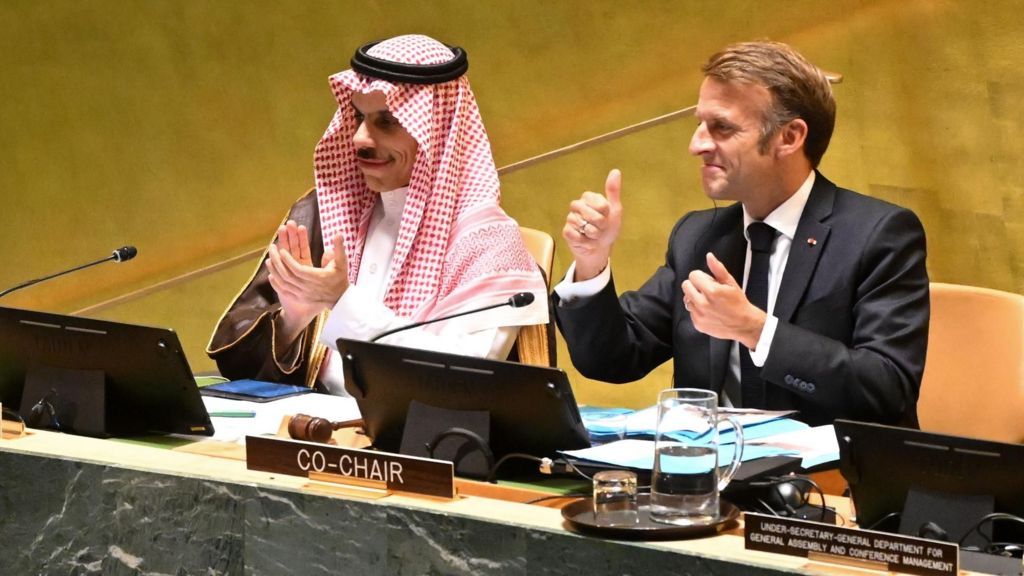
European recognition of Palestinian state shows US still only power that counts
In a landmark move, France and Britain have officially recognized the state of Palestine at the United Nations, marking a pivotal moment in the century-long Israeli-Palestinian conflict. This unprecedented decision, co-chaired by French President Emmanuel Macron and supported by Saudi Arabia, underscores the growing belief among European powers that the conflict has reached a critical juncture requiring bold diplomatic action. Macron, addressing the UN conference in New York, emphasized that “right must prevail over might,” condemning both Israel and Hamas for the ongoing catastrophe in Gaza. The initiative aims to sustain the two-state solution, seen as the only viable path to a fair and shared future for Israelis and Palestinians. UN Secretary-General António Guterres warned that the alternative—a one-state solution—would result in Israeli domination and the subjugation of Palestinians, a scenario he deemed unjustifiable. Israel, however, views the conference and the recognition of Palestine by several nations as a reward for Hamas following its October 2023 attack and hostage-taking. Israeli ministers are considering annexing parts of the occupied West Bank, effectively nullifying the possibility of a Palestinian state. The Trump administration has rejected the European approach, further deepening the rift between Washington and its European allies. Despite the lack of U.S. support, European leaders argue that their strategy offers a diplomatic alternative to the ongoing violence, which has claimed countless lives and left Gaza in ruins. The conference, also led by Saudi Arabia and backed by the Arab League, seeks to exert pressure on Hamas to disarm and relinquish its leadership role, while keeping the door open for normalization of relations between Israel and Saudi Arabia. However, the absence of coordinated efforts among key nations and the Trump administration’s opposition highlight the challenges ahead. Macron and UK Prime Minister Keir Starmer invoked their countries’ colonial legacies in the Middle East, acknowledging the historical recognition of Israel and now advocating for the equal right of Palestinians to statehood. While Palestinians welcome the European recognition, they remain aware that true statehood hinges on the support of the United States, the global superpower of today.
-
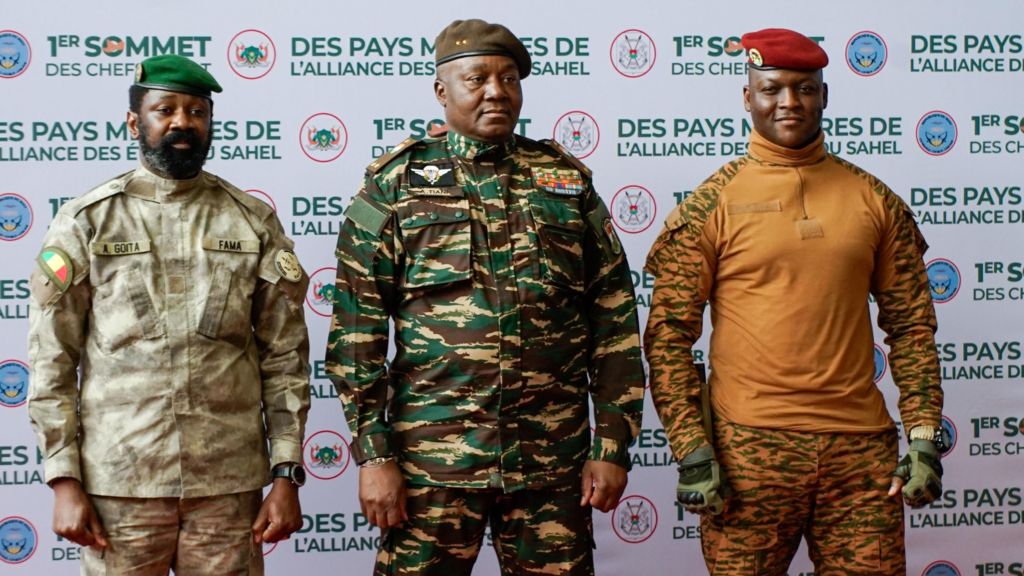
Three West African countries to quit International Criminal Court
In a bold and coordinated move, Burkina Faso, Mali, and Niger have announced their immediate withdrawal from the International Criminal Court (ICC), denouncing it as a ‘tool of neo-colonialist repression.’ The three military-led nations issued a joint statement, declaring their refusal to recognize the authority of the Hague-based court, which operates under the auspices of the United Nations. The leaders of these countries criticized the ICC for its alleged inability to effectively address and prosecute severe crimes, including war crimes, crimes against humanity, genocide, and acts of aggression. They emphasized their intention to establish ‘indigenous mechanisms for the consolidation of peace and justice.’ This decision aligns with longstanding accusations from African leaders, including Rwanda’s President Paul Kagame, who have criticized the ICC for its perceived anti-African bias. Since its establishment in 2002, the ICC has initiated 33 cases, with all but one involving African nations. The withdrawal process will officially take effect one year after the UN is notified. Burkina Faso, Mali, and Niger, all under military rule following coups between 2020 and 2023, form the Confederation of Sahel States. Their armies have faced allegations of committing crimes against civilians amid escalating violence against jihadist groups linked to al-Qaeda and the Islamic State. Earlier this year, the three countries simultaneously exited the Economic Community of West African States (ECOWAS), rejecting its demands to restore democratic governance. Over recent years, Russia has deepened its ties with these nations, which have grown increasingly isolated from the West, particularly former colonial power France. Notably, the ICC issued an arrest warrant for Russian President Vladimir Putin in 2023 over alleged war crimes in Ukraine.
-
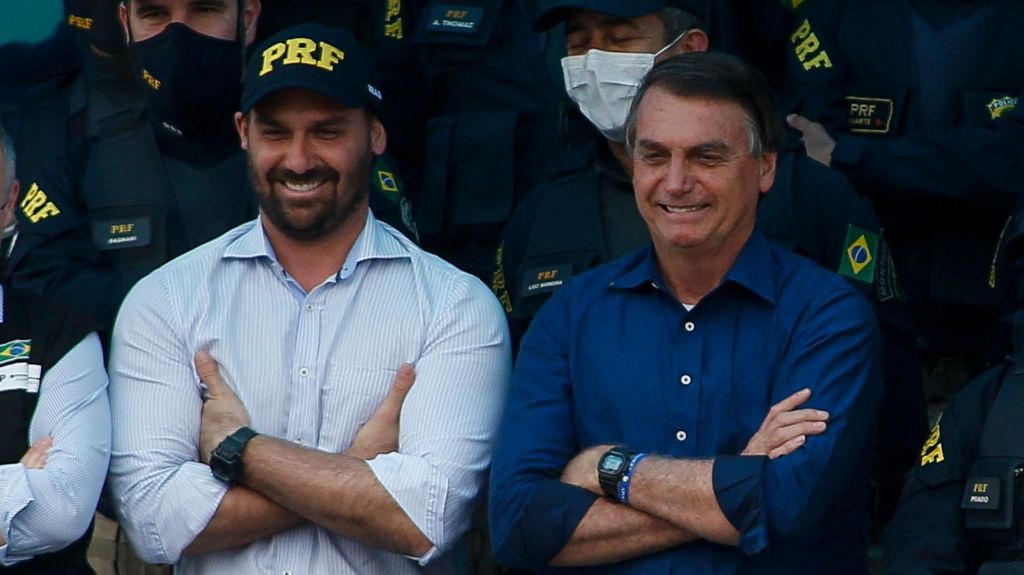
Brazil ex-president Jair Bolsonaro’s son charged with coercion
Brazil’s Attorney General’s Office has formally charged Eduardo Bolsonaro, son of former President Jair Bolsonaro, with coercion, according to an official statement released on Monday. The charges allege that the congressman repeatedly prioritized personal and family interests over those of the nation, exposing Brazil to potential sanctions from foreign governments. Eduardo, who currently resides in the United States, dismissed the accusations as “bogus” in a social media post, labeling them as “absurd” and part of an ongoing political persecution against his family. The charges come just weeks after his father, Jair Bolsonaro, was sentenced to 27 years in prison for orchestrating a coup attempt during his presidency from 2019 to 2022. Prosecutors are also seeking financial compensation for damages resulting from the alleged criminal actions. Notably, businessman Paulo Figueiredo, grandson of former dictator João Batista Figueiredo, has also been implicated in the case. Eduardo Bolsonaro relocated to the U.S. earlier this year, claiming he was living in “exile” due to fears of arrest if he returned to Brazil. He has actively sought support from the Trump administration, which has likened the legal actions against the Bolsonaro family to a “witch hunt.” Meanwhile, U.S. President Donald Trump imposed a 50% tariff on Brazil in July, a move criticized by current Brazilian President Luiz Inácio Lula da Silva as “misguided and illogical.” U.S. Secretary of State Marco Rubio has announced further sanctions, including targeting the wife of Brazil’s Supreme Court Justice Alexandre de Moraes, who presided over Jair Bolsonaro’s trial. The justice condemned the sanctions as “illegal and regrettable.” In Brazil, tens of thousands of citizens protested against a proposed amnesty bill that could potentially shield Jair Bolsonaro from prosecution. Critics have labeled the bill as the “Banditry Bill,” while supporters argue it is necessary to protect lawmakers from judicial overreach. President Lula has vowed to veto the bill if it passes the Senate, stating, “I stand with the Brazilian people. Today’s demonstrations show that the population does not want impunity or amnesty.”
-
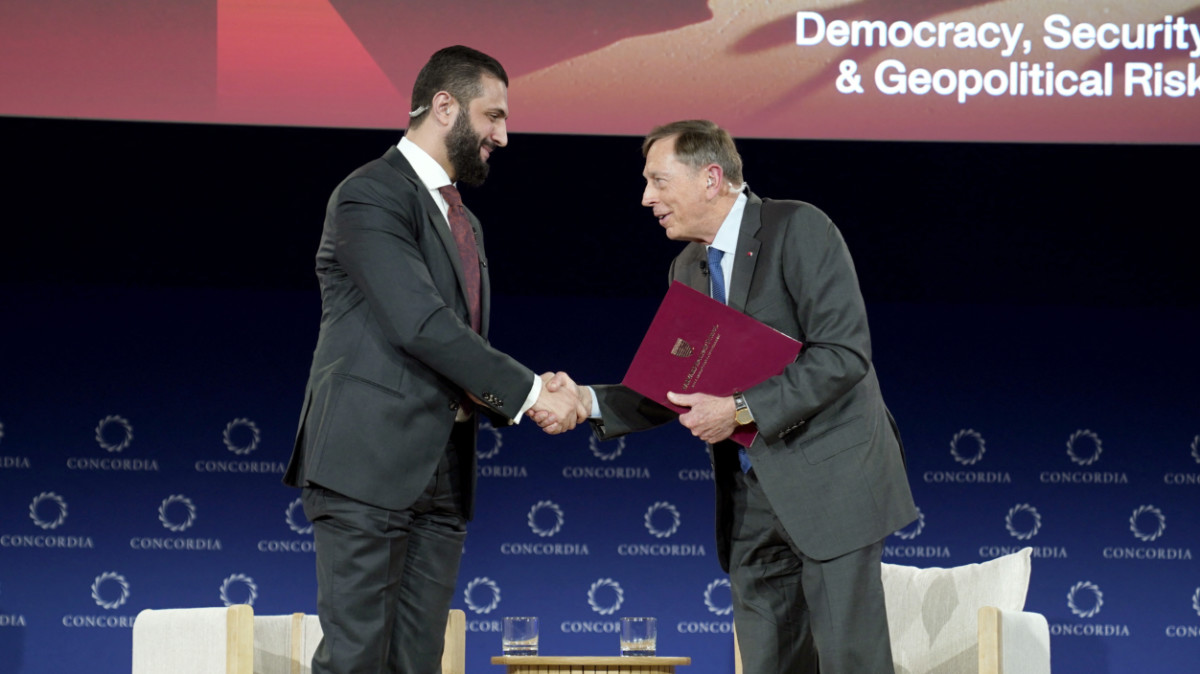
Syria’s Sharaa distances himself from Abraham Accords in surreal interview with former CIA foe
Syrian President Ahmed al-Sharaa has revealed that Syria and Israel are engaged in advanced security discussions, though any potential agreement will not mirror the normalization seen in the Abraham Accords. Speaking at an event alongside former CIA director David Petraeus during the United Nations General Assembly in New York, Sharaa emphasized the complexities of Syria’s relationship with Israel, citing historical grievances and regional anger over the Gaza conflict. Sharaa’s visit marks the first time a Syrian leader has attended the UN General Assembly since 1967, underscoring the significance of his presence. Despite the ongoing talks, Sharaa dismissed the possibility of Syria joining the Abraham Accords, highlighting Syria’s unique position as a neighboring country subjected to over 1,000 Israeli military actions. He also expressed skepticism about Israel’s intentions, referencing its past violations of peace agreements with Egypt and Jordan. The discussions, mediated by US envoy Tom Barrack, aim to address Israel’s security concerns while preserving Syria’s sovereignty. However, Sharaa’s government faces internal challenges, including tensions with Druze militias and efforts to integrate the Kurdish-led Syrian Democratic Forces (SDF) into the national military. Sharaa’s broader objectives include lobbying for the complete lifting of US sanctions on Syria, a move initiated by former President Donald Trump but still partially in place due to congressional mandates. As Sharaa prepares to address the UN Assembly, his administration’s ability to protect minority groups and navigate regional alliances remains under scrutiny.
-
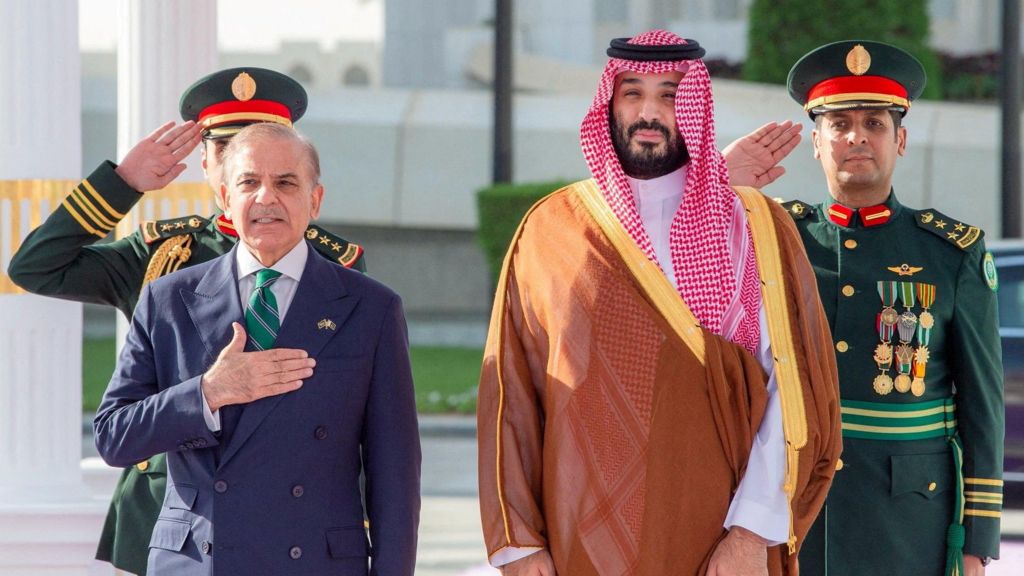
Why the Pakistan-Saudi Arabia defence pact is unsettling India
In a significant geopolitical development, Saudi Crown Prince Mohammed bin Salman and Pakistani Prime Minister Shehbaz Sharif inked a landmark strategic mutual defense agreement last week in Riyadh. The pact, described as an “institutionalization of long-standing and deep cooperation” by a senior Saudi official, has stirred considerable debate, particularly in India, which views the agreement as a potential threat to its national security. The agreement stipulates that “any aggression against either country shall be considered an aggression against both,” a clause that has unsettled Indian analysts. Brahma Chellaney, an Indian strategist, argued that the pact reflects Saudi Arabia’s ambitions rather than Pakistan’s strength, binding a “chronically dependent” partner to gain manpower and nuclear “insurance.” Former Indian foreign secretary Kanwal Sibal labeled the agreement a “grave misstep,” warning of its implications for India’s security. While India’s government has adopted a cautious stance, stating it will study the pact’s implications, the move has reignited tensions between India and Pakistan, who have a history of conflicts, particularly over Kashmir. Some analysts, however, downplay the immediate risks, noting Saudi Arabia’s extensive economic ties with India, its second-largest trading partner. Michael Kugelman, a foreign policy analyst, suggested that the pact does not directly hinder India but embeds Pakistan in the Middle East’s security architecture, leaving India facing a coalition of Pakistan, China, Turkey, and now Saudi Arabia. Husain Haqqani, a former Pakistani ambassador, warned that the pact could position Saudi Arabia as a Cold War-style patron for Pakistan, bolstering its military capabilities against India. The agreement also signals Saudi Arabia’s broader strategic shift, diversifying its security partnerships amid declining faith in the US security umbrella. Ahmed Aboudouh of Chatham House noted that the pact is more about signaling intent than battlefield commitments, reflecting Saudi Arabia’s perception of threats from both Iran and Israel. For India, the pact’s broader geopolitical implications could complicate its ‘Look West’ strategy, potentially hardening into an “Islamic Nato” that challenges its trade and investment interests in the Gulf. While the immediate security threat to India remains unclear, the pact has undoubtedly reshaped regional alignments, leaving Delhi to recalibrate its diplomatic and strategic approach.