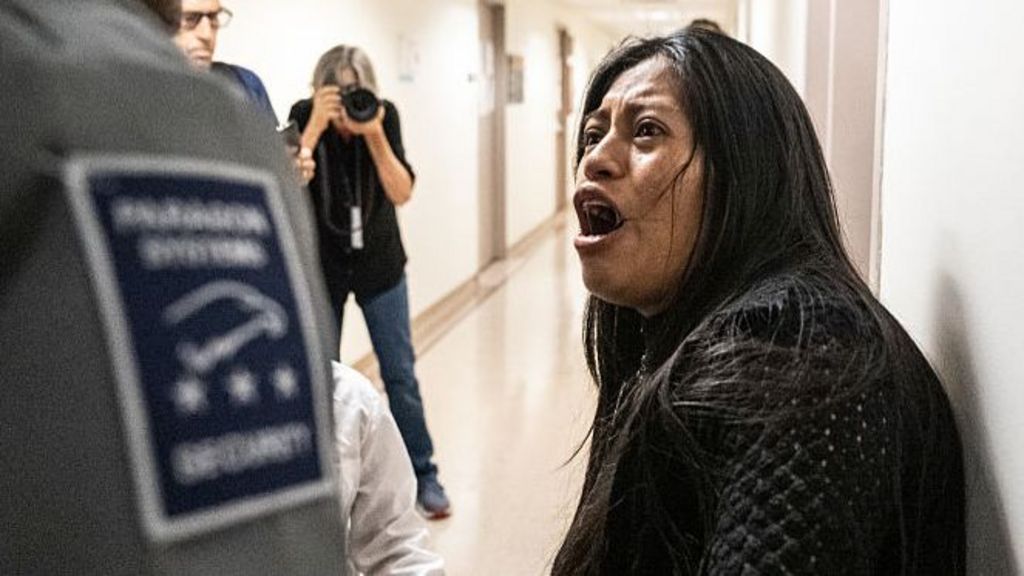
An Immigration and Customs Enforcement (ICE) officer has been placed on administrative leave following a disturbing incident at a New York immigration court, where he was captured on video forcefully shoving a woman to the ground. The Department of Homeland Security (DHS) announced the officer’s suspension on Friday, pending a full investigation into the matter. DHS Assistant Secretary Tricia McLaughlin condemned the officer’s actions, stating that such conduct is ‘unacceptable and beneath the men and women of ICE,’ who are expected to uphold the highest professional standards. The video, which went viral on social media, shows the woman, reportedly from Ecuador, crying as she approaches the officer in a courthouse hallway. The officer repeatedly says ‘adios’ before grabbing her, pushing her backward, and knocking her to the ground. Another angle of the incident reveals the woman shouting ‘take me, take me!’ in Spanish, as the officer forcibly moves her down the hallway and into a wall before shoving her to the ground. The officer then demands she ‘leave!’ in Spanish and instructs nearby officers to remove her from the building. The incident occurred as federal agents attempted to detain the woman’s husband, with her and her daughter clinging to him. This event is part of a broader crackdown on immigration under former President Donald Trump, which has seen ICE officers detaining immigrants at federal courthouses, including hundreds in New York City alone. Democratic Congressman Dan Goldman, whose district includes the courthouse, has called for disciplinary action and measures to prevent such incidents in the future.
分类: politics
-
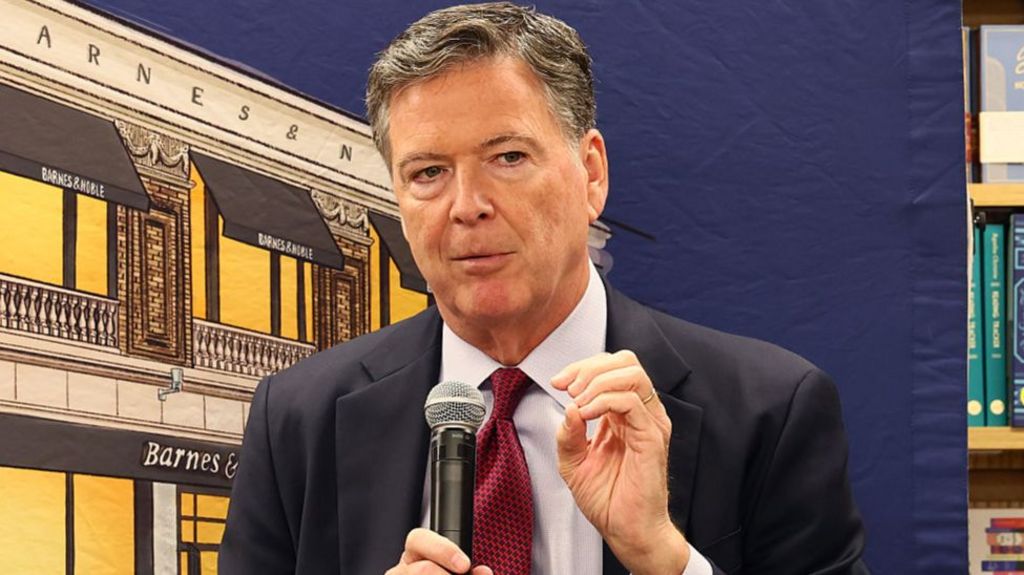
What to know about James Comey’s indictment and what happens next
James Comey, the former FBI director, has been indicted by the US Department of Justice on charges of perjury and obstruction of justice. The charges stem from his 2020 testimony before the Senate Judiciary Committee, where he was questioned about his handling of investigations into Hillary Clinton’s private email server and Russian interference in the 2016 election. Comey, who has maintained his innocence, is set to appear in court on October 9 for arraignment. The indictment, though sparse in detail, alleges that Comey made false statements during his testimony, particularly regarding his authorization of leaks to the media. This development reignites a long-standing political feud, with critics accusing President Trump of weaponizing the Justice Department for partisan purposes. Trump, who fired Comey in 2017, has publicly celebrated the indictment, calling Comey ‘one of the worst human beings this Country has ever been exposed to.’ The case has further polarized the political landscape, with Democrats condemning the charges as an attack on the rule of law, while some Republicans argue that Comey’s past actions warrant scrutiny. The indictment comes just days after Trump urged his attorney general to aggressively pursue his political opponents, raising concerns about the independence of the Justice Department. As the legal battle unfolds, the case is likely to deepen the divisions in an already fractured political climate.
-

Former peace process adviser Martin Mansergh dies aged 78
Martin Mansergh, a pivotal figure in the Northern Ireland peace process and former advisor to the Irish government, has died at the age of 78. His passing occurred during a trip to the Sahara with fellow retired parliamentarians. Mansergh, who served as an advisor to Fianna Fáil, was widely recognized for his instrumental role in securing peace in Northern Ireland, particularly through his early secret negotiations in Belfast and his decade-long efforts to overcome obstacles in the peace process. Irish Taoiseach Micheál Martin hailed him as a ‘true Irish republican’ who leaves behind a ‘proud legacy,’ emphasizing his critical contributions to the Good Friday Agreement. Mansergh also held various political roles, including Minister of State for the Office of Public Works, Senator from 2002 to 2007, and TD for Tipperary South from 2007 to 2011. Former Sinn Féin leader Gerry Adams praised him as a ‘key figure’ in building the peace process, while former Taoiseach Bertie Ahern described him as an ‘extraordinary person with a towering intellect.’ Tánaiste Simon Harris underscored Mansergh’s unparalleled influence in shaping Irish government policy on Northern Ireland, highlighting his dual role as an intermediary and a visionary in crafting a new political framework for peace.
-
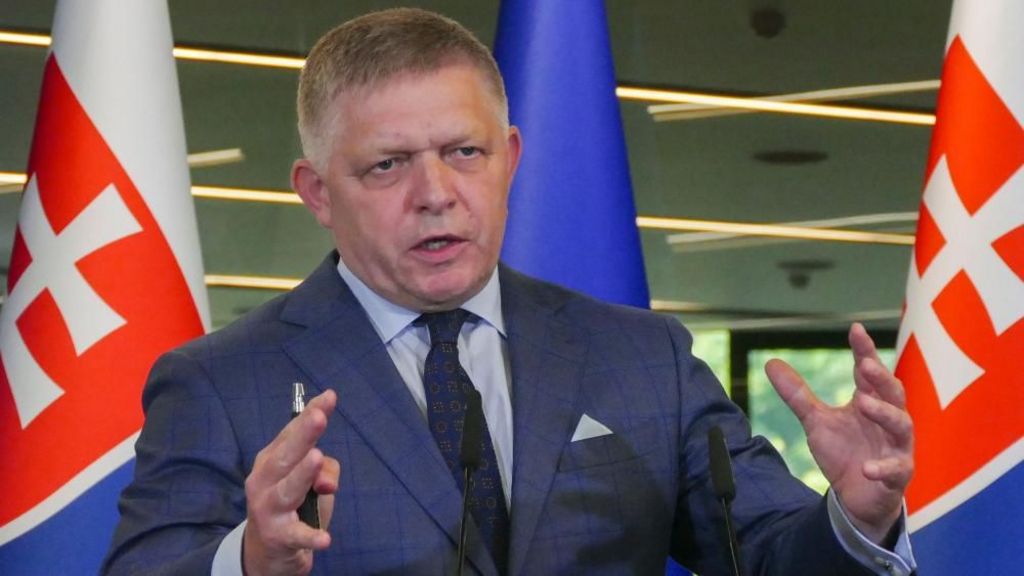
Slovakia passes law to recognise only two sexes and restrict adoption
Slovakia has enacted a significant constitutional amendment, legally recognizing only two sexes—male and female—and imposing restrictions on adoption and surrogate pregnancies. The amendment, which passed by a narrow margin in parliament, also asserts sovereignty in cultural and ethical matters. Prime Minister Robert Fico hailed the decision as a ‘great dam against progressivism,’ emphasizing his government’s commitment to traditional values. Critics, including Amnesty International, have condemned the move, warning it could marginalize the LGBT community and align Slovakia with illiberal regimes like Hungary and Russia. The amendment’s passage was unexpected, as Fico’s coalition initially lacked the necessary votes. However, last-minute support from opposition MPs secured the majority. Opposition leader Igor Matovic labeled the defectors as ‘traitors.’ Legal experts predict the amendment will provoke legal disputes with the European Union, potentially leading to sanctions. Critics argue the move is a political maneuver by Fico to divert attention from declining poll ratings and unpopular policies. President Peter Pellegrini has pledged to sign the amendment, calling it a unifying measure in a divided society. Meanwhile, Fico’s Smer-Social Democracy party faces expulsion from the Party of European Socialists (PES) for deviating from progressive values. The party’s alignment with far-right factions and Fico’s frequent meetings with Russian President Vladimir Putin have further strained relations with European allies.
-

Rolling back a rising tide of antisemitism
The global landscape is witnessing a concerning rise in antisemitism, which is significantly impacting Israel’s traditional alliances and support base. Countries such as Australia, Britain, Canada, and France are increasingly inclined to recognize a Palestinian state, while the United States, Israel’s long-standing ally, shows a notable decline in public support. According to The Economist, American favorability toward Israel has hit a 25-year low, with 53% of adults holding an unfavorable view. This shift is particularly pronounced among younger evangelicals and Democrats, signaling a broader change in public sentiment. Pro-Palestinian narratives, amplified by harrowing images of Gaza’s devastation, accuse Israel of committing genocide, further polarizing opinions. The absence of a clear Israeli vision for the future of Palestinians exacerbates the situation, allowing groups like Hamas to position themselves as the sole representatives of Palestinian interests. This dynamic is reshaping political discourse in the West, where antisemitism, once taboo, is increasingly normalized. The Vatican’s diplomatic efforts, led by Secretary of State Cardinal Pietro Parolin, aim to foster dialogue, but skepticism remains. As antisemitism resurfaces and Arab states gain influence, Israel faces a critical juncture. To counter this, Israel must address broader geopolitical challenges, articulate a vision for Palestinian self-determination, and strengthen its international alliances. The ongoing conflict in Gaza risks transforming military victories into political losses, echoing historical parallels with the Vietnam War. Ultimately, Israel’s ability to navigate these complexities will determine its future in the region and its relationship with the global Jewish diaspora.
-
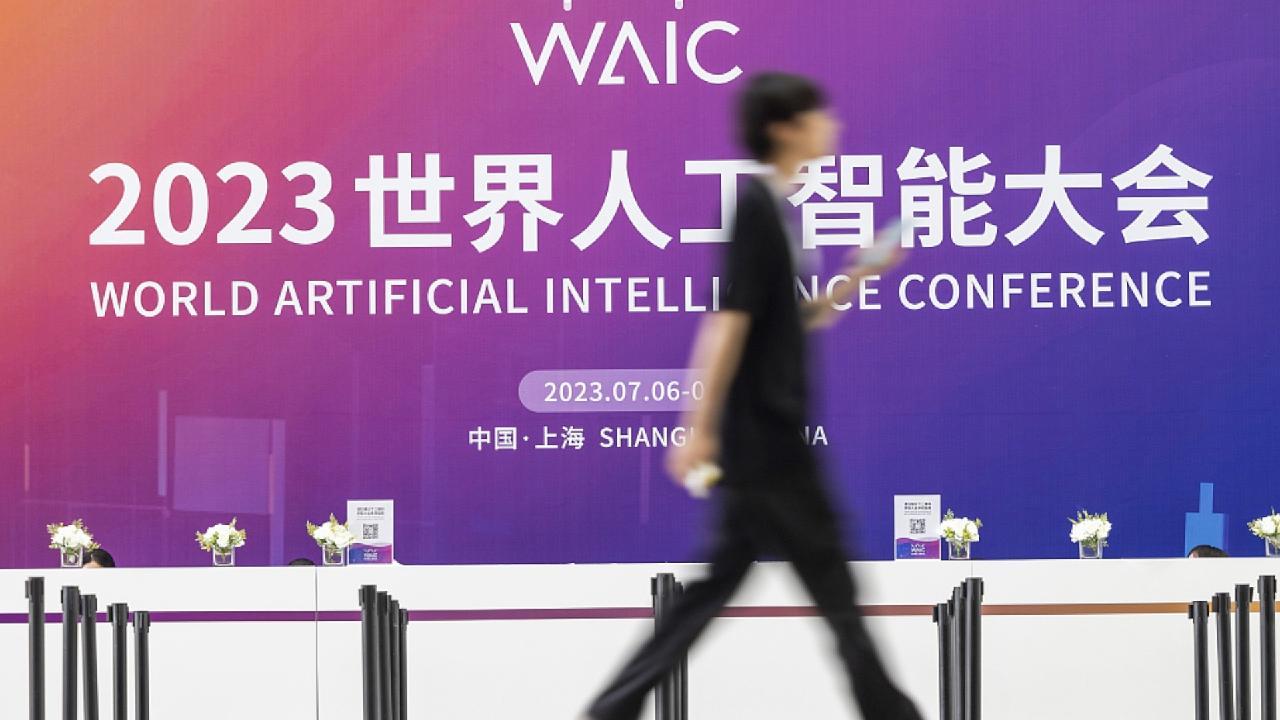
China’s K-visa woos STEM talent put off by H-1B fee hikes
China is set to launch its new K-visa scheme on October 1, targeting young foreign professionals in science, technology, engineering, and mathematics (STEM) fields. This initiative comes at a time when global competition for skilled workers is intensifying, particularly as the United States imposes a hefty $100,000 fee on new H-1B visa applications, the primary route for skilled foreign workers to enter the U.S. job market. The K-visa, introduced as part of China’s revised visa rules on August 14, brings the total number of visa categories to 13. It is specifically designed for individuals aged 18 to 25 with a bachelor’s degree or higher from reputable universities or research institutions, particularly in STEM or related fields. The visa is expected to attract specialists in artificial intelligence, quantum communication, and life sciences. Unlike traditional visa schemes, the K-visa does not require applicants to secure a job offer or sponsorship from a Chinese employer. Additionally, it allows holders to bring their spouses and minor children to China and offers flexible terms regarding the number of entries, validity period, and length of stay. Once in China, K-visa holders can engage in various activities, including education, scientific research, entrepreneurship, and business. Liu Shaoshan, director of the Center for Embodied AI at the Shenzhen Institute of Artificial Intelligence and Robotics for Society, highlighted that the K-visa significantly lowers barriers for foreign talent to work and innovate in China. The move contrasts sharply with the U.S. H-1B visa program, which has faced criticism for its high costs and restrictive policies. China’s approach aims to foster global collaboration and innovation, positioning itself as a hub for technological advancement. However, concerns about national security and espionage may pose challenges for some foreign professionals considering the K-visa.
-
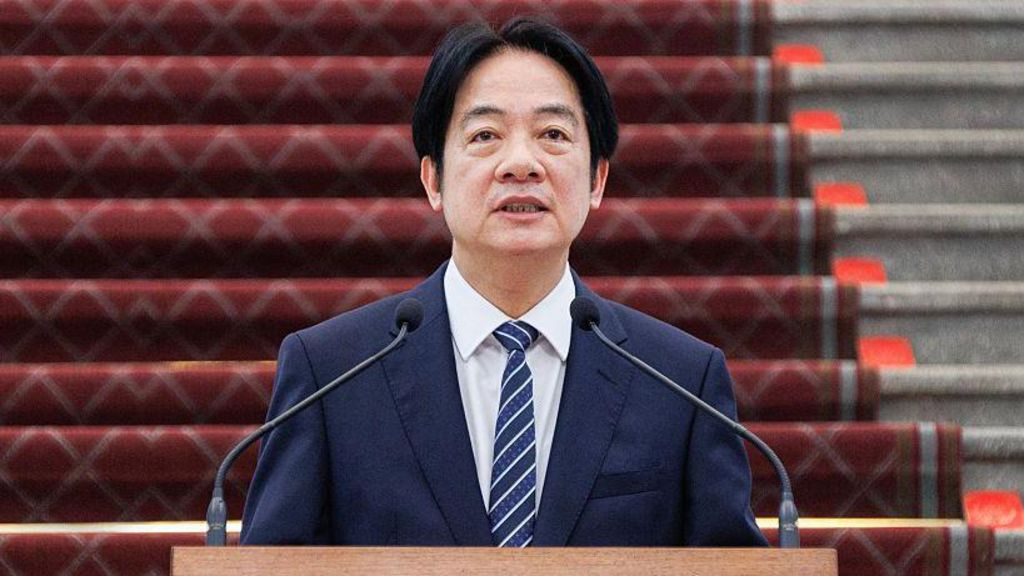
Taiwan convicts ex-presidential aide of spying for China
A Taiwan court has convicted four individuals, including a former presidential aide, for espionage activities on behalf of China. Among the convicted is Huang Chu-jung, a former assistant to a Taipei councillor, who received the harshest sentence of 10 years. The other three, including Ho Jen-chieh, a former staffer in the office of then Foreign Minister Joseph Wu, were sentenced to jail terms ranging from four to 10 years. The court revealed that the espionage activities spanned a significant period and involved the leakage of critical diplomatic intelligence. Huang was accused of instructing Ho to gather information from Wu, which was then transmitted to Chinese Communist Party intelligence using encrypted software. Additionally, Huang collaborated with Chiu Shih-yuan, another ex-DPP staffer, to collect further intelligence, including details about President Lai Ching-te’s travel itineraries. The court disclosed that Huang received nearly NT$5 million from the Chinese government, while Chiu was paid over NT$2 million. The convictions are part of Taiwan’s intensified efforts to combat alleged Chinese espionage, with 64 individuals prosecuted in 2024 alone, a notable increase from previous years. The espionage cases have further strained Taiwan-China relations, with President Lai’s Democratic Progressive Party (DPP) taking a firm stance against China, while the opposition Kuomintang (KMT) advocates for more dialogue. Critics of the DPP accuse the ruling party of using espionage allegations to suppress opposition voices. Meanwhile, China continues to assert its claims over Taiwan, regularly testing the island’s naval and air defenses.
-
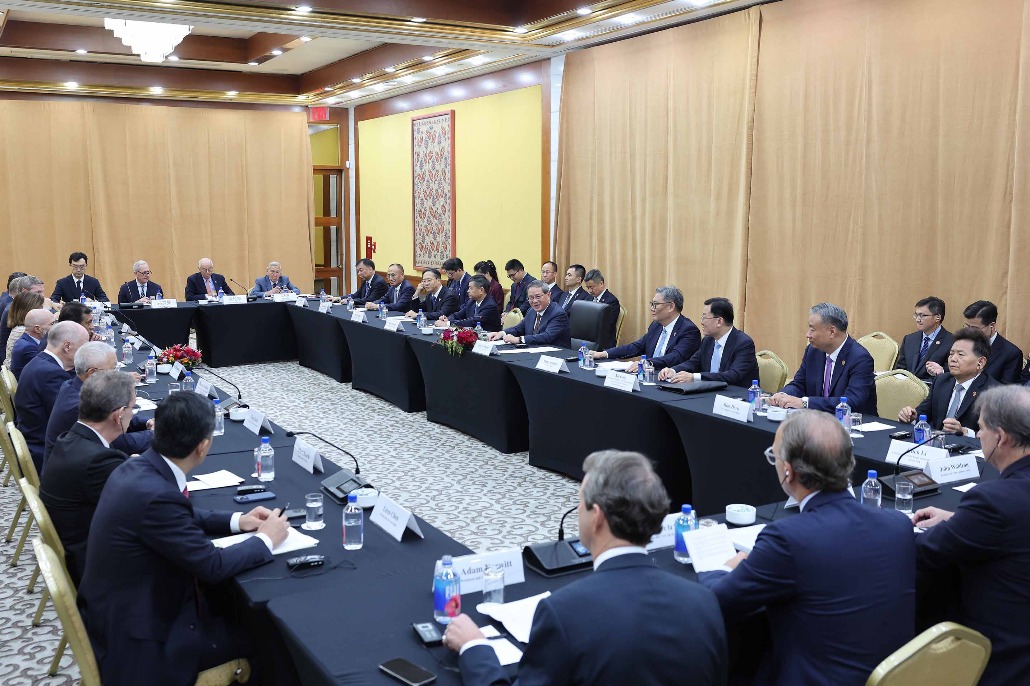
China, US need to find right way to get along in new era — Chinese premier
Chinese Premier Li Qiang emphasized the importance of fostering constructive and mutually beneficial relations between China and the United States during a meeting with representatives from US-friendly organizations in New York on September 25, 2025. The meeting, held on the sidelines of the 80th session of the United Nations General Assembly, included participants from the US-China Business Council, the National Committee on US-China Relations, the US Chamber of Commerce, and the Council on Foreign Relations, alongside scholars and business leaders. Premier Li underscored that China-US relations are the most significant bilateral ties globally, with both nations capable of being partners and friends. Reflecting on history, he noted that friendly exchanges have consistently been the mainstream trend between the two countries. Echoing President Xi Jinping’s vision, Li highlighted that the vast Pacific Ocean is ample space for both nations to coexist peacefully, respect each other, and pursue win-win cooperation. Economic and trade relations were identified as a cornerstone of bilateral ties, with Li emphasizing the complementary nature of their market structures and industrial systems. He expressed confidence in China’s ability to maintain stable economic growth and create opportunities for global businesses, including those from the US. Li reiterated China’s commitment to expanding openness, relaxing market access, and addressing foreign businesses’ concerns to ensure a favorable operating environment. He also stressed the importance of grassroots connections in strengthening the China-US relationship and called for enhanced mutual understanding and practical cooperation. US participants acknowledged China’s remarkable achievements in economic growth and innovation, expressing optimism about the future of bilateral relations and their potential to bring stability to the international community.
-
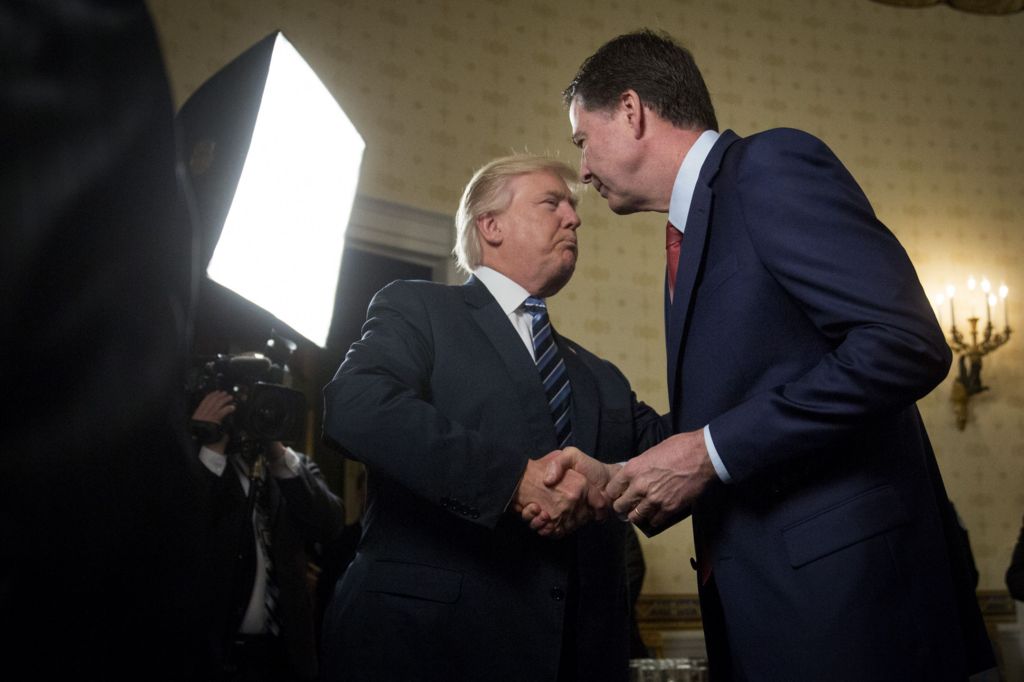
Comey indictment escalates Trump’s promise of political retribution
In a dramatic turn of events, former FBI Director James Comey has been indicted on charges of making false statements and obstruction of justice, following a Senate panel testimony in 2020. The indictment, announced by the Department of Justice late Thursday, comes less than a week after former President Donald Trump publicly called for the prosecution of his political critics on his Truth Social platform. This development has sparked widespread concern over the potential politicization of the Justice Department under US Attorney General Pam Bondi. Legal experts, including former federal prosecutor Laurie Levinson, have described the situation as unprecedented, noting the apparent collapse of the traditional firewall between the Justice Department and the White House. Trump’s recent appointment of Lindsey Halligan, a former personal lawyer with no federal prosecution experience, to oversee the case has further fueled accusations of vindictive prosecution. Comey, who has denied the charges, is expected to face a trial that could reignite controversies from the Russian election-meddling investigation during Trump’s first term. While the indictment has been celebrated by Trump and his supporters as a step toward accountability, critics argue it may be part of a broader strategy to target political adversaries and undermine the credibility of past investigations.
-
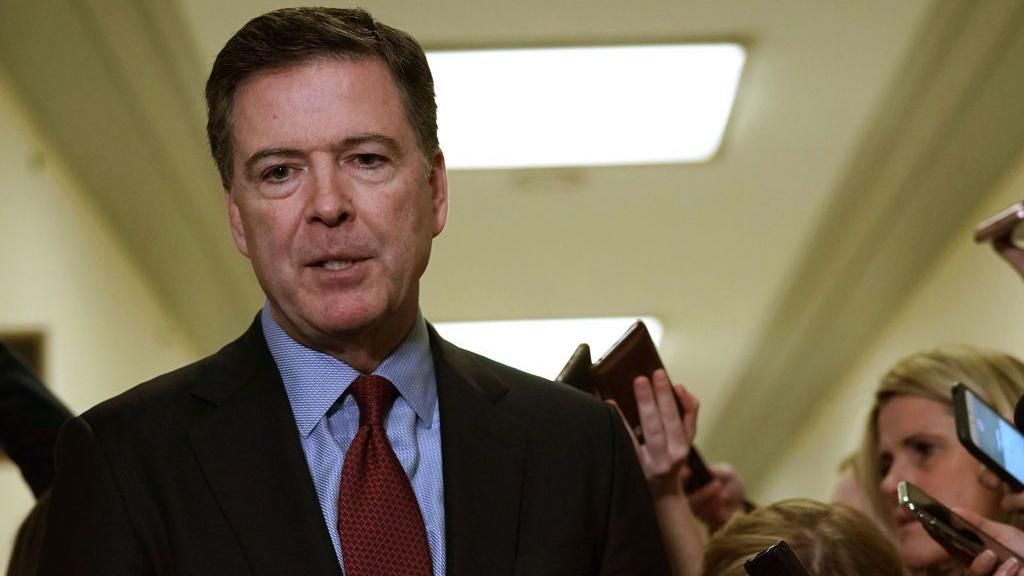
Former FBI director James Comey indicted on two charges
In a significant development, former FBI Director James Comey has been indicted by a federal grand jury in Virginia on two charges related to his testimony before Congress. The charges, which include making false statements and obstruction of justice, stem from his September 2020 testimony regarding the alleged authorization of leaking classified information to the media. The investigation is being led by Lindsey Halligan, the US Attorney for the Eastern District of Virginia, who previously served as President Donald Trump’s personal lawyer. Comey, who has long been a target of Trump’s criticism, has vehemently denied the charges, expressing confidence in the federal judicial system. His arraignment is scheduled for October 9 in Alexandria, Virginia. US Attorney General Pam Bondi emphasized the Department of Justice’s commitment to holding individuals accountable for misleading the public. The case, which is considered one of the highest-profile indictments during Trump’s second term, has sparked debates about the integrity of the justice system and the separation of powers. Legal experts, including former federal prosecutor Laurie Levenson, have noted the challenges in prosecuting the case, particularly in proving intent. The indictment comes amid ongoing tensions between Trump and his critics, with the former president expressing frustration over the pace of prosecutions against his political adversaries. Comey’s tenure as FBI director, marked by controversies including the investigation into Hillary Clinton’s emails and his subsequent firing by Trump, continues to be a focal point in US political discourse.