分类: politics

  • The US navy killed 17 in deadly strikes. Now Venezuela is giving civilians guns

    The US navy killed 17 in deadly strikes. Now Venezuela is giving civilians guns

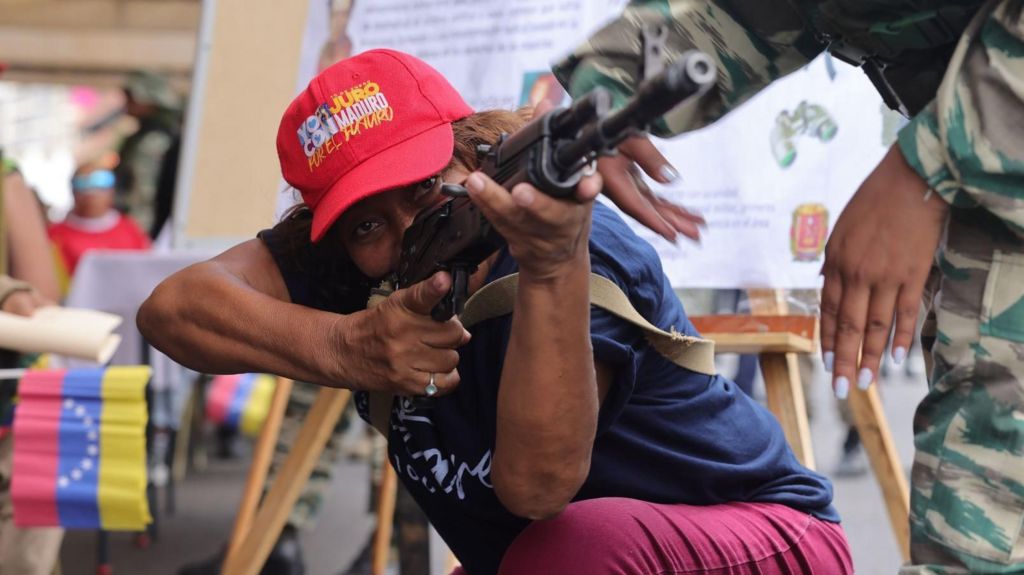
    In the face of escalating tensions with the United States, Venezuela’s National Bolivarian Militia, a civilian force established by the late President Hugo Chávez in 2009, is mobilizing to defend the nation. Edith Perales, a 68-year-old militia member, is among thousands preparing for a potential US attack, following the deployment of US Navy ships in the South Caribbean under the guise of counter-narcotics operations. The militia, largely composed of senior citizens and inexperienced volunteers, has been called to active duty by President Nicolás Maduro, who has framed the US actions as a ‘non-declared war.’

    The US has recently destroyed at least three boats allegedly carrying drugs from Venezuela, resulting in 17 fatalities. This has further strained the already tense relationship between the two nations, exacerbated by Donald Trump’s return to office and his administration’s accusations of Maduro’s ties to drug cartels. The US has also doubled the reward for information leading to Maduro’s capture to $50 million, while labeling the Venezuelan criminal gang Tren de Aragua as a terrorist group.

    Maduro, in response, has ordered the National Bolivarian Armed Forces (FANB) to train local militias, including those in Caracas’ 23 de Enero neighborhood, a traditional stronghold of Chavismo. Despite the militia’s lack of experience, its members, like Francisco Ojeda and Glady Rodríguez, express unwavering enthusiasm to defend their homeland. However, political analyst Benigno Alarcón suggests that Maduro’s strategy is less about combat readiness and more about creating a ‘human shield’ to deter US military action.

    While Maduro claims over 8.2 million civilians are enlisted in the militia, this figure remains disputed. For Perales, who has served for decades, the militia represents a duty to protect his community. Despite his age and health, he remains prepared to defend Venezuela’s sovereignty, embodying the spirit of Chávez’s vision for a self-reliant nation.
  • Russia has no intention of attacking EU or Nato states, foreign minister says

    Russia has no intention of attacking EU or Nato states, foreign minister says

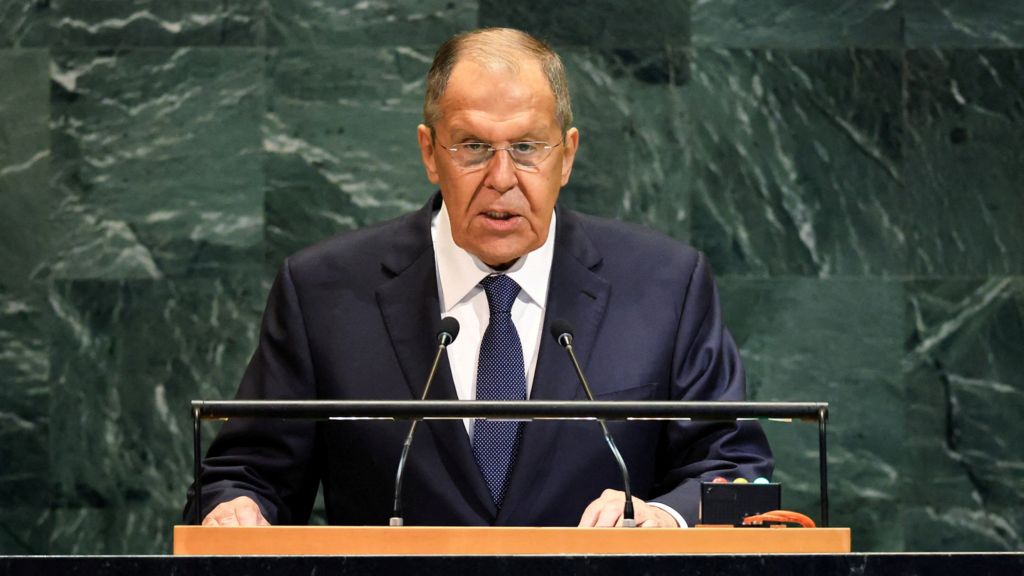
    Russian Foreign Minister Sergei Lavrov has firmly stated that Russia harbors no intentions of attacking NATO or EU member states. However, he warned that any aggression directed towards Moscow would be met with a ‘decisive response.’ Lavrov made these remarks during a comprehensive address at the UN General Assembly on Saturday, where he highlighted the increasing frequency of threats against Russia by Western nations. Lavrov also criticized Israel, condemning the October 7, 2023, attacks by Hamas but asserting that there is ‘no justification’ for the ‘brutal killings’ of Palestinians in Gaza or for plans to annex the West Bank. He accused Israel of using its mission to eliminate Hamas as a pretext for air strikes on other Middle Eastern countries, including Qatar. On Iran, Lavrov accused Western powers of undermining diplomatic efforts after a last-minute bid by Russia and China to delay the reimposition of sanctions failed on Friday. Lavrov labeled the move as ‘illegal,’ with the sanctions set to take effect at 00:00 GMT on Sunday. Addressing tensions in Europe, Lavrov reiterated that Russia has never planned to attack NATO or the EU and warned that any aggression against Russia would be met with a robust response. He also commented on the US-Russian relationship, noting a desire in the current US administration to develop pragmatic cooperation without adopting an ideological stance. Lavrov further criticized the West for the delayed recognition of a Palestinian state by some countries, suggesting that they waited until there was ‘no one and nothing left to recognise.’

  • Trump officials ask Supreme Court to uphold ban on birthright citizenship

    Trump officials ask Supreme Court to uphold ban on birthright citizenship

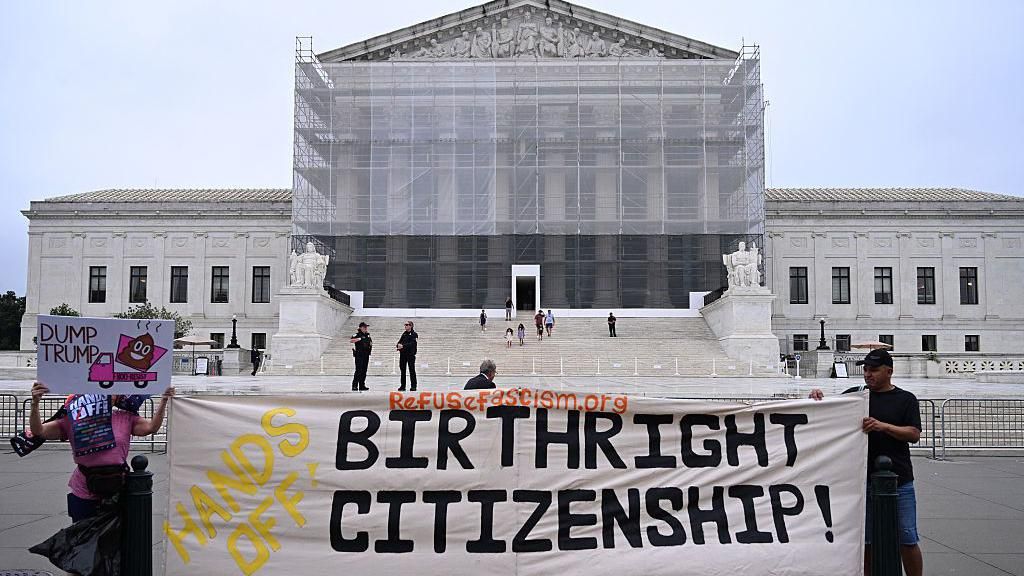
    The Trump administration has escalated its legal battle to end birthright citizenship in the United States, filing an appeal with the Supreme Court to overturn lower court rulings that blocked the controversial executive order. Signed by President Donald Trump on his first day back in office in January, the order aims to deny citizenship to children born to migrants who are either in the U.S. illegally or on temporary visas. Lower courts have consistently deemed the order unconstitutional, halting its implementation. The Justice Department, in its appeal filed on Friday, argued that the lower court decisions ‘invalidated a policy of prime importance’ to the administration and undermined border security. The administration contends that the 14th Amendment’s clause ‘subject to the jurisdiction thereof’ excludes children of non-permanent or unlawful residents. However, opponents argue that the amendment guarantees citizenship to all individuals born on U.S. soil. The Supreme Court, which previously ruled in June that federal judges cannot block presidential orders, is now being asked to resolve the case in its new term starting October 6. The outcome could have far-reaching implications, with estimates suggesting that ending birthright citizenship could increase the number of unauthorized immigrants in the U.S. to 4.7 million by 2050.

  • Trump orders deployment of troops to Portland and authorises ‘full force’

    Trump orders deployment of troops to Portland and authorises ‘full force’

    In a significant escalation of federal intervention, President Donald Trump announced on Saturday that he has authorized the use of ‘full force’ and ordered the deployment of US troops to Portland, Oregon. The decision comes amid ongoing protests and violent clashes targeting the Immigration and Customs Enforcement (ICE) facility in the city. Trump, in a post on Truth Social, directed Secretary of War Pete Hegseth to mobilize all necessary troops to protect what he described as ‘war-ravaged’ Portland and ICE facilities under siege by Antifa and other ‘domestic terrorists.’ This move further expands the Trump administration’s crackdown on illegal immigration and civil unrest across American cities. Portland’s Democrat lawmakers, including Mayor Keith Wilson, have vehemently opposed federal intervention, asserting that local authorities are capable of handling the situation. The ICE facility has been a focal point of protests, with some federal agents reportedly injured in violent confrontations. Trump’s announcement did not specify whether National Guard or regular military forces would be activated. Earlier in the week, Trump formally designated Antifa as a domestic terrorist organization, a decision that has drawn criticism from Democratic Oregon lawmakers. Representative Suzanne Bonamici accused ICE of misleading the public about their targets for arrest and detainment. Trump’s rhetoric has intensified, with him describing Portland as ‘like living in hell’ and vowing to take decisive action against ‘professional agitators and anarchists.’

  • FBI fires agents pictured kneeling at George Floyd protest, US media reports

    FBI fires agents pictured kneeling at George Floyd protest, US media reports

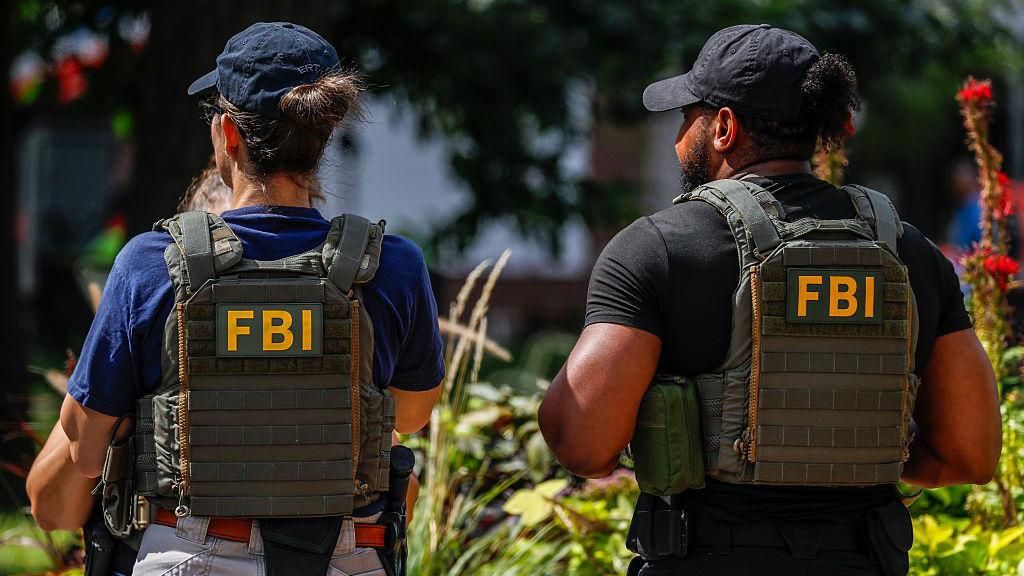
    The FBI has reportedly terminated a group of agents who were photographed kneeling during a racial justice protest in Washington DC in 2020, following the death of George Floyd. According to unnamed sources cited by US media, between 15 to 20 agents were dismissed on Friday, though the exact number remains unconfirmed. The agents had joined demonstrators in taking a knee, a gesture that became a global symbol of dissent against police brutality and racial injustice after Floyd, a Black man, was killed by a white police officer who knelt on his neck for over nine minutes. The FBI Agents Association condemned the dismissals, claiming the agents’ rights were violated. The FBI has declined to comment on the matter. The firings occur amid broader efforts by the Trump administration to eliminate perceived left-wing or ‘woke’ policies and personnel across federal agencies. While critics argue the kneeling was a tactic to de-escalate tensions, others view it as a political statement. This incident follows a series of high-profile dismissals within the FBI, including former acting director Brian Driscoll and other senior officials, some of whom have sued FBI leadership, alleging politically motivated terminations.

  • Seychelles president seeks a second term as people vote in African tourist haven

    Seychelles president seeks a second term as people vote in African tourist haven

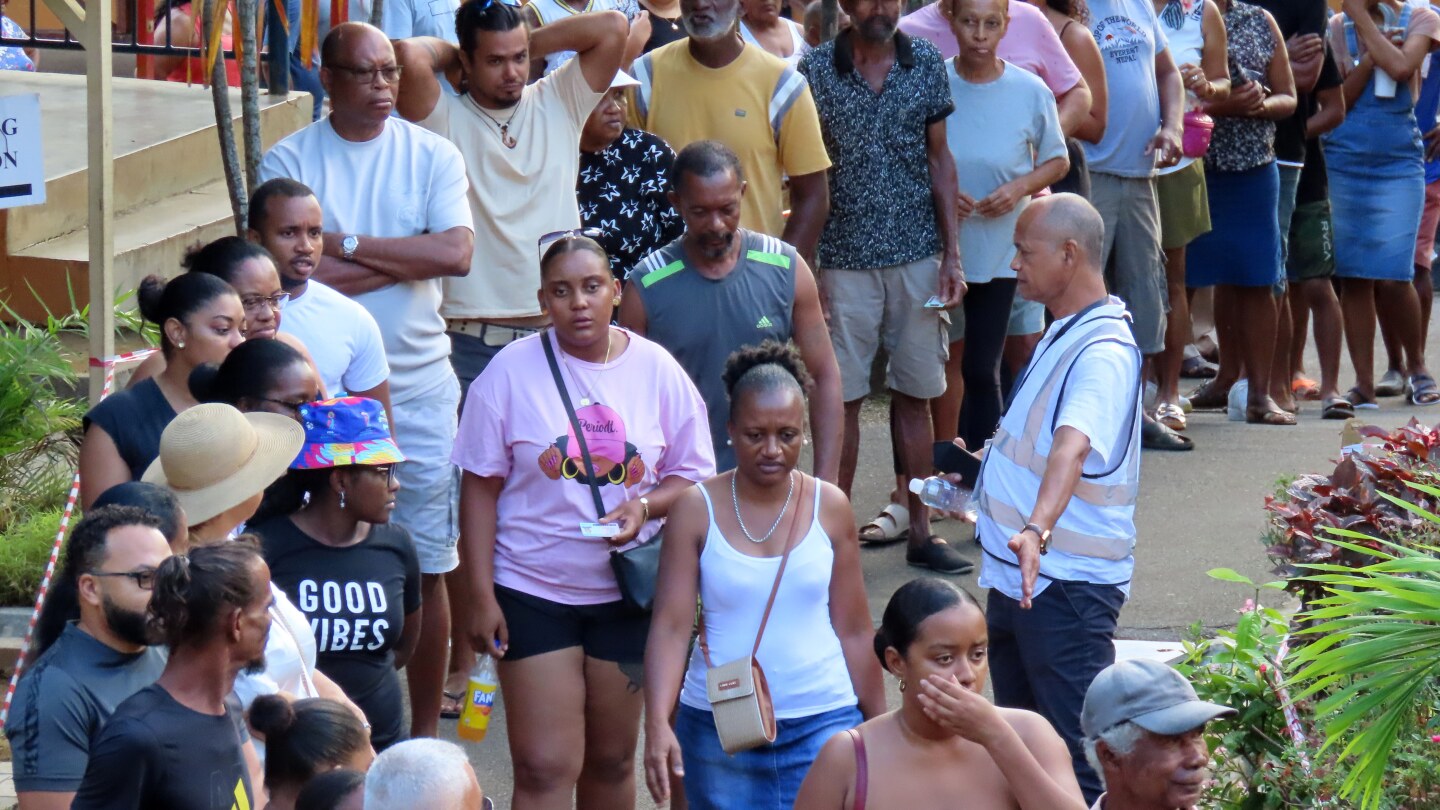
    The Seychelles, Africa’s smallest nation, witnessed a crucial electoral event on Saturday as citizens cast their votes to elect a new president and parliament. Incumbent President Wavel Ramkalawan, an Anglican priest turned politician, sought re-election after his historic victory in 2020, which marked the first time an opposition leader had unseated the ruling party since 1976. His primary challenger, Patrick Herminie of the United Seychelles Party, brought a wealth of political experience, having served as parliamentary speaker from 2007 to 2016. Polls opened at 7 a.m., with long queues forming at voting stations across the 115-island archipelago, signaling robust voter participation. Electoral authorities reported smooth proceedings, and counting began after polls closed at 7 p.m., with results anticipated by Sunday. A runoff will be held if no candidate secures over 50% of the vote. The election unfolded against a backdrop of pressing national issues, including economic recovery, environmental sustainability, and a burgeoning drug crisis. The governing Linyon Demokratik Seselwa party campaigned on promises of economic revitalization, social development, and environmental preservation. However, the government faced criticism over a controversial decision to lease part of Assomption Island to a Qatari company for a luxury hotel project, raising concerns about sovereignty and foreign influence. Seychelles, renowned for its luxury tourism and environmental beauty, is also grappling with the impacts of climate change, including rising sea levels, which threaten its low-lying islands. Additionally, the nation faces a severe drug epidemic, with heroin addiction rates among the highest globally. Critics argue that both Ramkalawan and Herminie have fallen short in addressing this crisis, despite their respective roles in drug prevention efforts. With a population of just over 120,000, the election outcome will shape the nation’s trajectory in addressing these multifaceted challenges.

  • US revokes Colombian president’s visa during UN visit

    US revokes Colombian president’s visa during UN visit

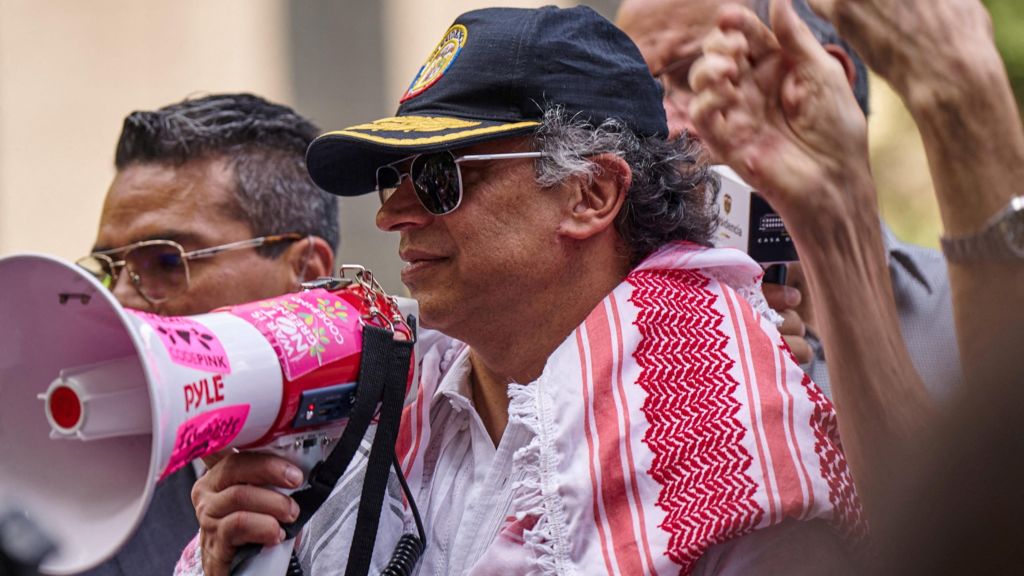
    The United States State Department announced on Friday its decision to revoke the visa of Colombian President Gustavo Petro, citing his ‘incendiary actions’ during a pro-Palestinian demonstration outside the United Nations headquarters in New York. Petro, a leftist leader, had earlier criticized the Trump administration’s airstrikes on alleged drug-trafficking boats in the Caribbean Sea, labeling them as ‘acts of tyranny’ in an interview with the BBC. During the protest, Petro addressed a large crowd through a megaphone, urging ‘nations of the world’ to contribute soldiers for an army ‘larger than that of the United States’ and calling on U.S. soldiers to ‘disobey Trump’s order’ and ‘obey the order of humanity.’ The State Department condemned his remarks as reckless and inflammatory, leading to the visa revocation. Petro, who was already en route back to Bogota, has been a vocal critic of U.S. policies, particularly regarding the drug trade and Venezuela. Colombia’s Interior Minister Armando Benedetti defended Petro, suggesting that Israeli Prime Minister Benjamin Netanyahu’s visa should have been revoked instead. This incident further strains the already tense relations between Colombia and the Trump administration, which has also denied visas to Palestinian President Mahmoud Abbas and 80 officials, preventing their attendance at the UN General Assembly.

  • Moldova holds key election as Russia’s shadow looms large

    Moldova holds key election as Russia’s shadow looms large

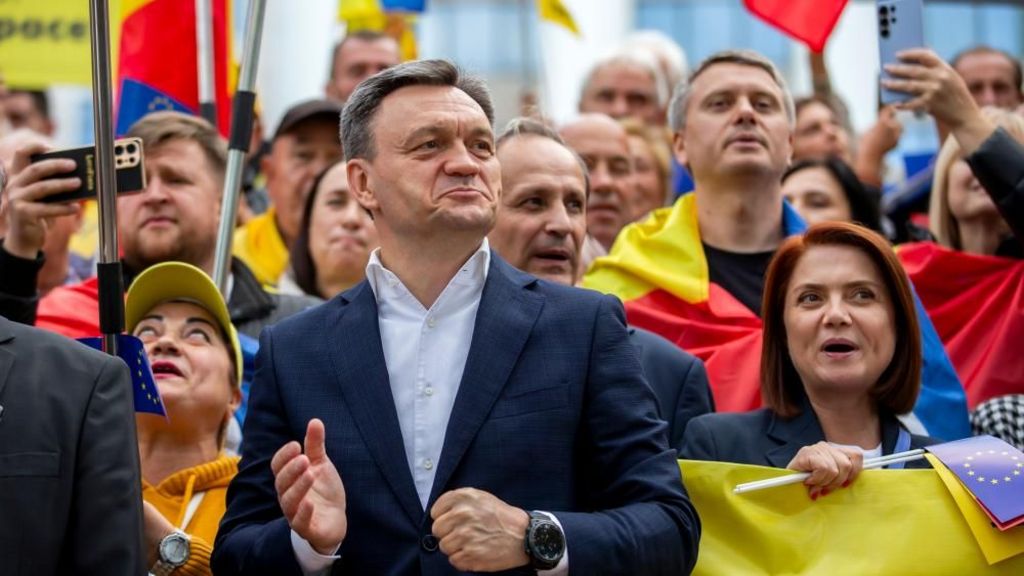
    As Moldova approaches its pivotal parliamentary elections on Sunday, the nation finds itself at a crossroads, torn between its aspirations for European Union membership and the looming shadow of Russian influence. Prime Minister Dorin Recean, leading the pro-European PAS party, has framed the election as a ‘final battle’ for Moldova’s future, warning of unprecedented Russian interference aimed at destabilizing the country and installing pro-Kremlin politicians.

  • Premier calls for efforts to enhance China-US ties

    Premier calls for efforts to enhance China-US ties

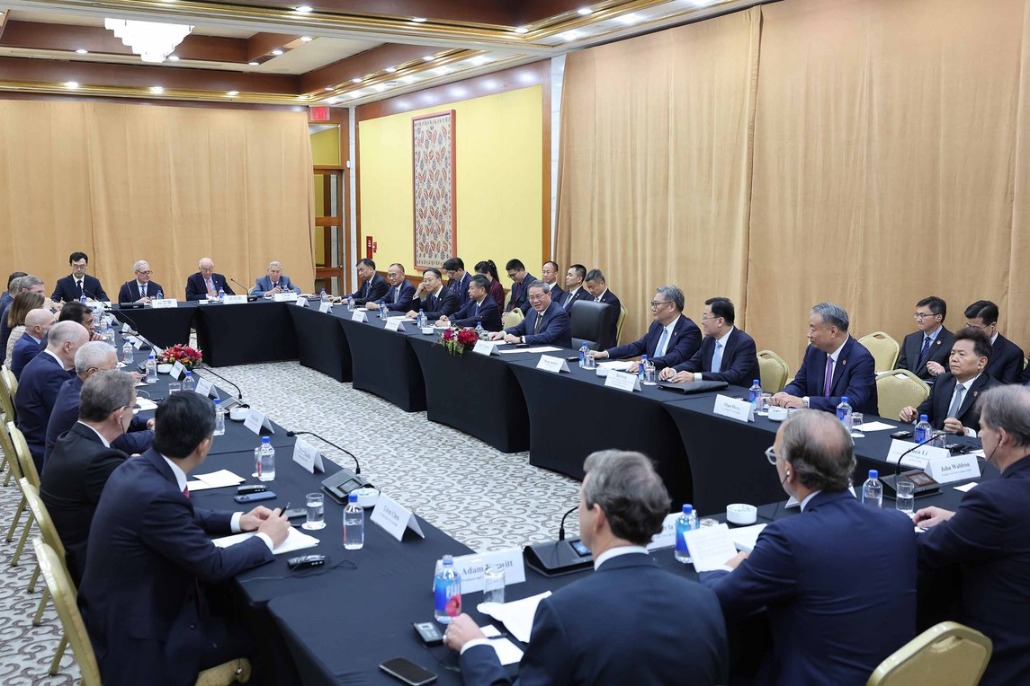
    Premier Li Qiang has emphasized the critical importance of fostering a stable and mutually beneficial relationship between China and the United States. Speaking during a meeting with representatives from key US organizations, including the US-China Business Council, the National Committee on US-China Relations, the US Chamber of Commerce, and the Council on Foreign Relations, Li underscored the necessity for both nations to find a harmonious way to coexist and collaborate. The meeting took place in New York on September 25, 2025, coinciding with the 80th session of the United Nations General Assembly.

    Li highlighted that China-US relations are among the most significant bilateral ties globally, urging both countries to act as partners rather than adversaries. He stressed the importance of mutual respect, peaceful coexistence, and win-win cooperation, particularly in the realm of economic and trade relations. The Premier expressed confidence in China’s ability to sustain stable economic growth, which he believes will create opportunities for businesses worldwide, including those from the US.

    Reiterating China’s commitment to foreign enterprises, Li pledged to provide greater certainty for their development, regardless of external challenges. He also affirmed China’s dedication to working with the US to stabilize and enhance bilateral economic and trade ties, grounded in principles of equality, respect, and mutual benefit.

    The meeting followed a recent phone conversation between Chinese President Xi Jinping and US President Donald Trump, marking their third discussion this year. Both leaders have been actively working to stabilize the relationship between their nations. Sean Stein, president of the US-China Business Council, described the meeting as a crucial platform to address the concerns of the US business community in China and to advance discussions on trade and investment issues.

    In a related development, Vice-Foreign Minister Ma Zhaoxu met with US Deputy Secretary of State Christopher Landau in New York. Their discussions focused on China-US relations and regional issues, with Ma emphasizing the importance of the US adhering to the one-China policy to maintain peace and stability across the Taiwan Strait.

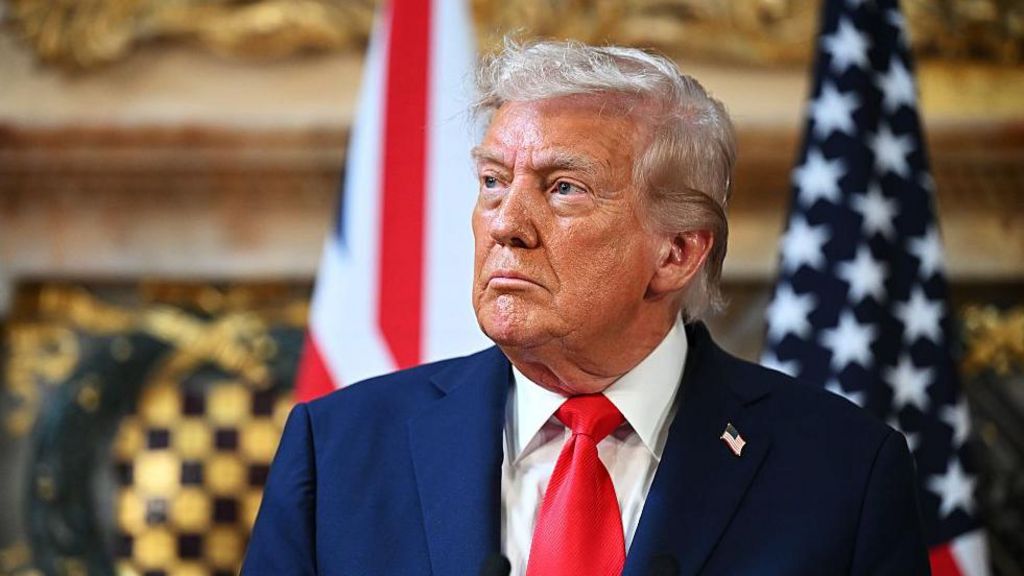
  • Trump pressed to prosecute Comey, but his own actions could undermine the case

    Trump pressed to prosecute Comey, but his own actions could undermine the case

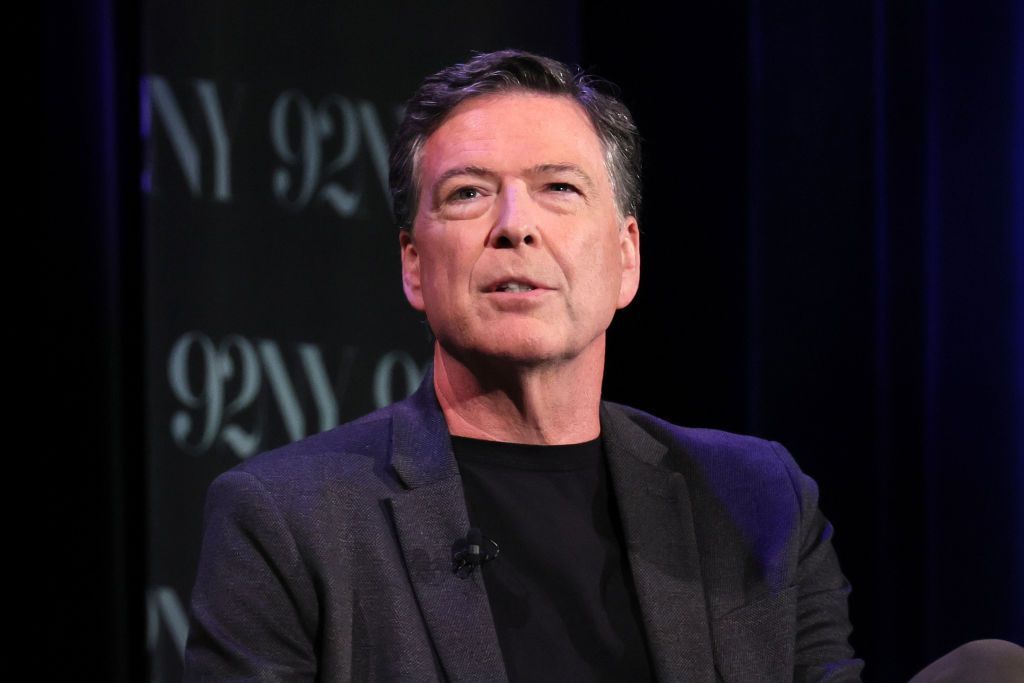
    The indictment of former FBI Director James Comey has sparked a heated debate over the integrity of the legal process, with former federal prosecutors warning that President Donald Trump’s public pressure on the case could undermine its credibility. Comey, a long-standing political adversary of Trump, faces charges of making false statements to Congress and obstructing an investigation. Trump has openly celebrated the indictment, labeling Comey a “dirty cop” and demanding accountability for his alleged misconduct. However, legal experts argue that Trump’s vocal involvement and the unusual circumstances surrounding the indictment could weaken the prosecution’s case. The indictment itself is notably brief, offering minimal details, which has raised questions about the strength of the evidence. Former prosecutors, including Kevin Flynn and Marcos Jiménez, have expressed concerns that the case appears rushed and politically motivated. They emphasize that securing a conviction would require proving beyond a reasonable doubt that Comey knowingly lied to Congress, a high bar given the current circumstances. Additionally, Trump’s public statements and his replacement of a Virginia prosecutor with a loyalist to pursue the indictment have further fueled allegations of selective prosecution. Columbia Law School professor Annemarie McAvoy noted that while indicting high-ranking officials for lying to Congress is not unprecedented, the political context of this case complicates matters. As the legal battle unfolds, the case has become a focal point for discussions about the intersection of politics and justice in the United States.