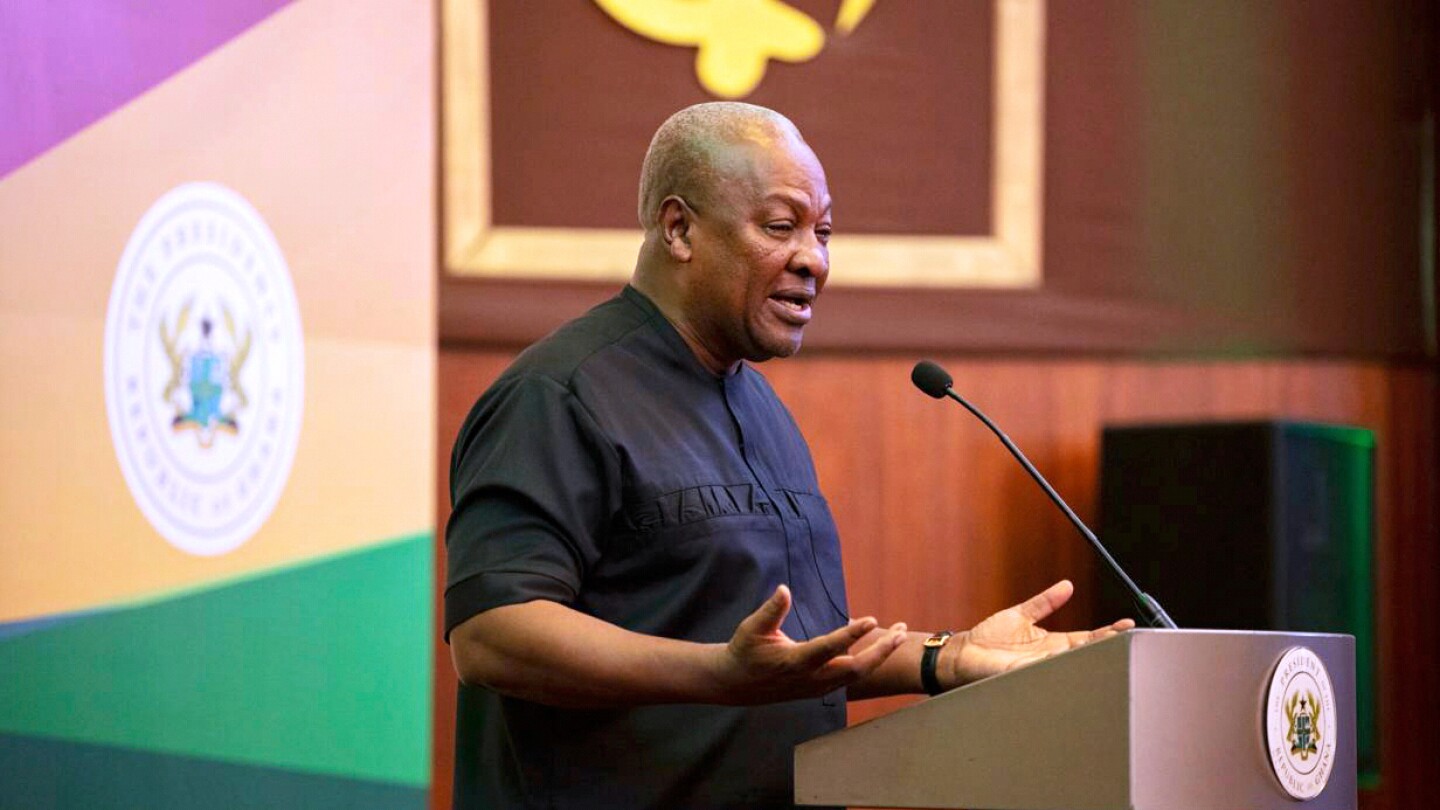
In a recent development, 14 West African nationals were deported from the United States to Ghana, bringing the total number of deportees under a bilateral agreement to 42. The deportation, which occurred on Monday, has sparked significant controversy and legal action. Oliver Barker-Vormawor, a lawyer representing migrants, revealed that his organization, Democracy Hub, filed a lawsuit on Tuesday against the Ghanaian government. The lawsuit alleges that the deportation agreement with the U.S. is unconstitutional, as it was not approved by Ghana’s parliament, and may violate international conventions protecting individuals from being sent to countries where they could face persecution. Government spokesman Felix Kwakye Ofosu stated that the attorney general would defend the arrangement in court but offered no further comments. This deportation program is part of the Trump administration’s broader crackdown on illegal immigration, particularly targeting individuals with criminal records who are difficult to deport to their home countries. Since July, dozens of deportees have been sent to various African nations, including Ghana, South Sudan, Rwanda, and Eswatini, under largely secretive agreements. Critics argue that the program lacks transparency and often sends individuals to countries where they have no ties, potentially denying them due process. Earlier deportations to Ghana saw migrants held in poor conditions at a military camp near Accra, with many later sent to other West African countries. The situation has drawn widespread condemnation from human rights groups, who argue that the program undermines international protections for migrants.
分类: politics
-
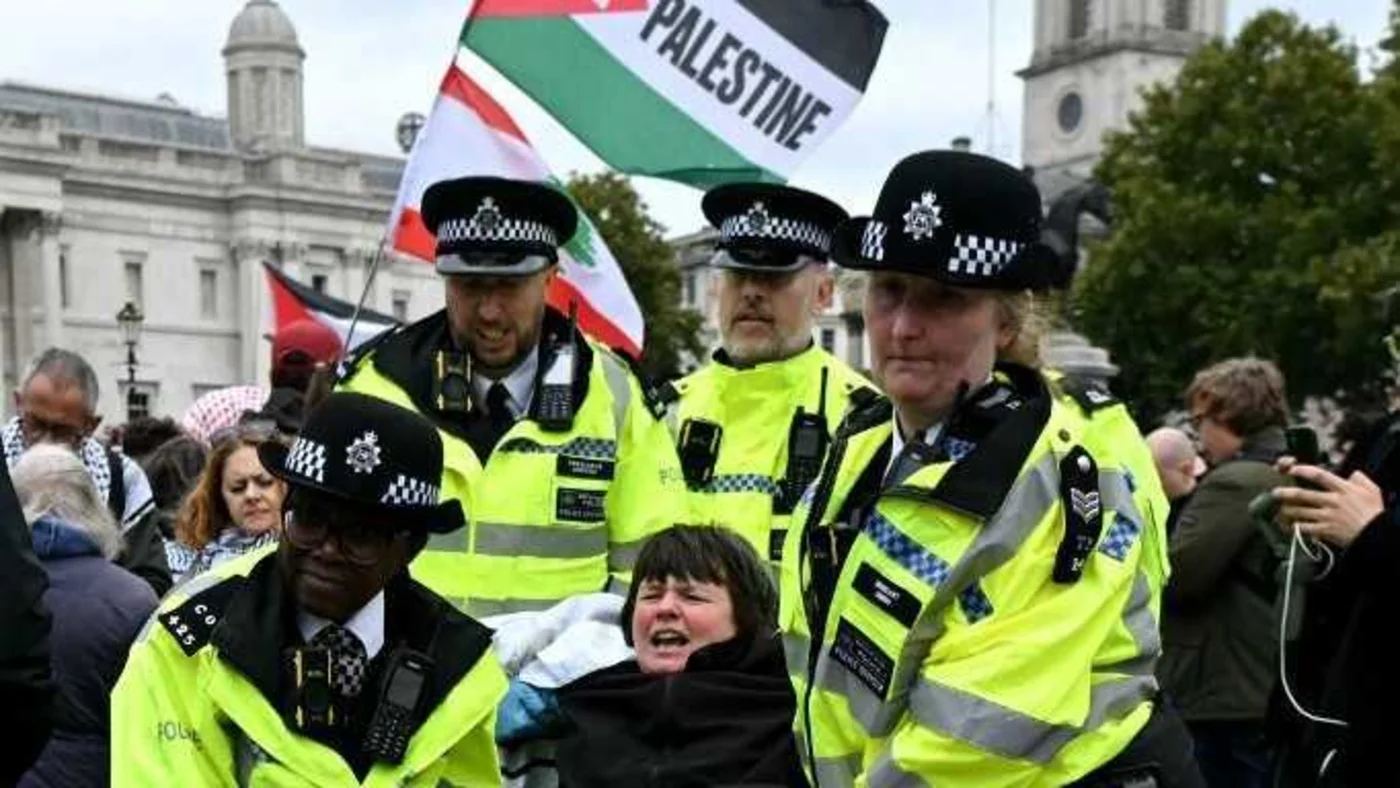
Top European human rights official urges UK to review protest laws over Palestine Action arrests
Europe’s top human rights official has called on the British government to reassess its protest laws following the controversial designation of Palestine Action as a terrorist organization. Michael O’Flaherty, the Council of Europe’s Commissioner for Human Rights, expressed concerns in a letter to UK Home Secretary Shabana Mahmood, stating that the current legal framework risks excessive restrictions on freedom of assembly and expression, potentially leading to overpolicing. This intervention follows a report by Middle East Eye revealing a significant increase in arrests under Section 13 counterterrorism powers since Palestine Action’s proscription in July. Hundreds have been detained for displaying placards opposing the ban, with supporting the group now a criminal offense punishable by up to 14 years in prison. O’Flaherty emphasized that domestic counterterrorism laws must not unduly limit fundamental rights and urged a comprehensive review of the UK’s protest policing legislation. His concerns align with a recent study by the International Federation for Human Rights (FIDH), which accused the UK, France, and Germany of criminalizing the right to protest. The UK government has also introduced new protest restrictions following a deadly attack on a Manchester synagogue, sparking widespread criticism for their authoritarian nature.
-
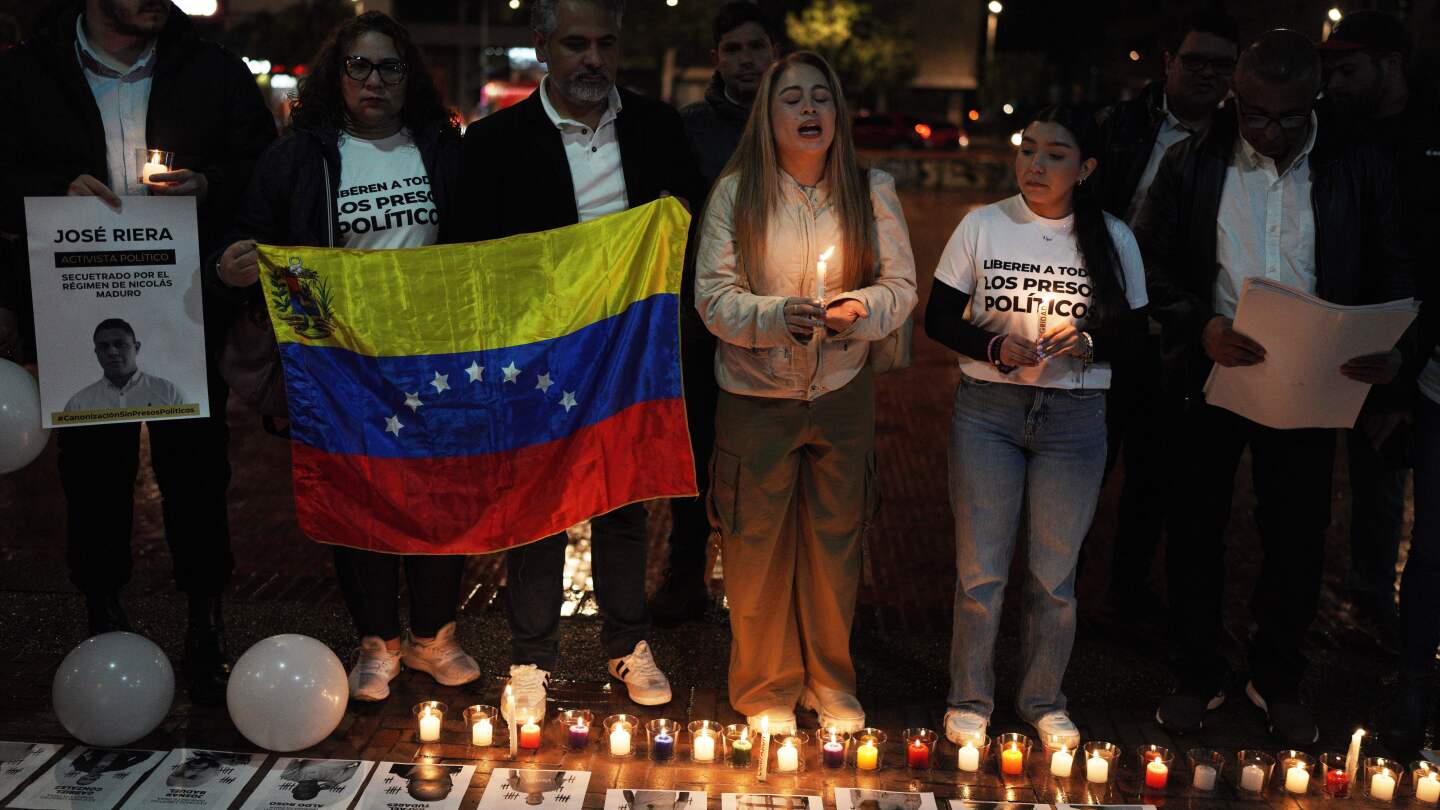
Hit-style shooting of Venezuelan activists in Colombia fuels fear of wider persecution by Maduro
The recent targeted shooting of two Venezuelan activists in Bogotá, Colombia, has ignited widespread concern among Venezuela’s diaspora, raising alarms that President Nicolás Maduro’s crackdown on dissent is extending beyond Venezuela’s borders. On Monday afternoon, human rights activist Yendri Velásquez and political consultant Luis Peche Arteaga were ambushed by unidentified assailants in a car as they exited a building in northern Bogotá. The attackers fired approximately 15 shots, with Peche Arteaga sustaining six gunshot wounds. Both victims underwent surgery and are now in stable condition, according to Laura Dib, Velásquez’s colleague and Venezuela Program Director for the Washington Office on Latin America.
The incident has sent shockwaves through Venezuela’s human rights community, with Dib describing it as a stark reminder of the dangers of transnational repression. While Colombian authorities are investigating the attack, civil society leaders suspect the shooting was politically motivated, given the victims’ profiles as prominent critics of the Maduro regime. Velásquez and Peche Arteaga were among the thousands who fled Venezuela last year following widespread accusations of election fraud and the government’s detention of over 2,000 activists and opposition figures.
Velásquez, who had previously been arbitrarily detained by Venezuelan authorities and had his passport canceled, sought refuge in Colombia, joining nearly 8 million Venezuelans who have fled the country’s economic and political crisis. However, the attack has heightened fears among exiles that they are no longer safe even abroad. Arles Pereda, president of the Colony of Venezuelans in Colombia, warned that such violence was anticipated due to the government’s history of targeting civil society groups. He emphasized the need for enhanced security measures, including hiring bodyguards and identifying third countries for emergency relocation.
The shooting coincides with escalating tensions in the region. Venezuelan opposition leader María Corina Machado, who recently received the Nobel Peace Prize, condemned the attack as a grave aggression and called for protection for Venezuelan exiles. Meanwhile, Maduro’s government has drawn criticism for its abrupt closure of the Venezuelan embassy in Oslo and its ongoing disputes with the U.S. over drug trafficking allegations. The Trump administration’s recent reduction of international aid and protections for Venezuelans has further complicated efforts to support exiles.
As Andean nations grapple with the largest migratory crisis in Latin American history, hostility toward Venezuelan migrants has grown, exacerbating their vulnerability. Despite seeking assistance from Colombia’s Ombudsman’s Office, Velásquez had not been granted international protection at the time of the attack. Dib lamented the missed opportunities to safeguard activists, calling the incident a wake-up call for the international community to address the escalating threats faced by Venezuelan dissidents.
-
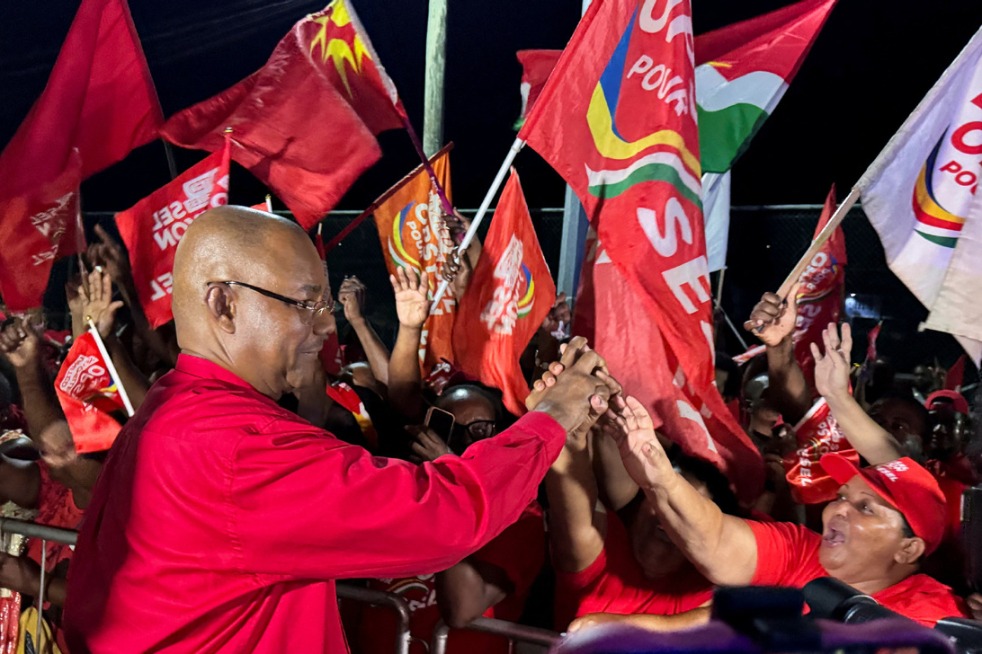
AUC congratulates Seychelles president-elect Patrick Herminie
The African Union (AU) has extended its congratulations to Patrick Herminie, the newly elected president of Seychelles, following his victory in the presidential runoff election on October 12, 2025. The AU has pledged its full support to the incoming administration, emphasizing its commitment to collaborating on the objectives outlined in Agenda 2063, the continent’s strategic framework for socio-economic transformation.
Mahmoud Ali Youssouf, Chairperson of the African Union Commission, praised the citizens of Seychelles for their ‘peaceful and orderly participation’ in what he termed a ‘credible democratic process.’ In a statement released on Sunday, Youssouf highlighted the election as a testament to Seychelles’ dedication to the rule of law and democratic governance. He also lauded the outgoing president, Wavel Ramkalawan, and other candidates for their adherence to the principles of peaceful political competition.
Official results from the Seychelles Electoral Commission revealed that Herminie, leader of the United Seychelles party, secured 52.7 percent of the votes, narrowly defeating incumbent Ramkalawan, who received 47.3 percent. The election proceeded to a second round after neither candidate achieved an outright majority in the initial ballot held two weeks prior.
In his victory speech, Herminie expressed his commitment to unifying the nation, stating, ‘We are turning a new page for all Seychellois. I will be the president of all Seychellois, ending divisions and ensuring fairness and opportunity for everyone.’ His election marks a significant moment in Seychelles’ political landscape, signaling a shift towards inclusive governance and renewed regional collaboration under the AU’s guidance.
-
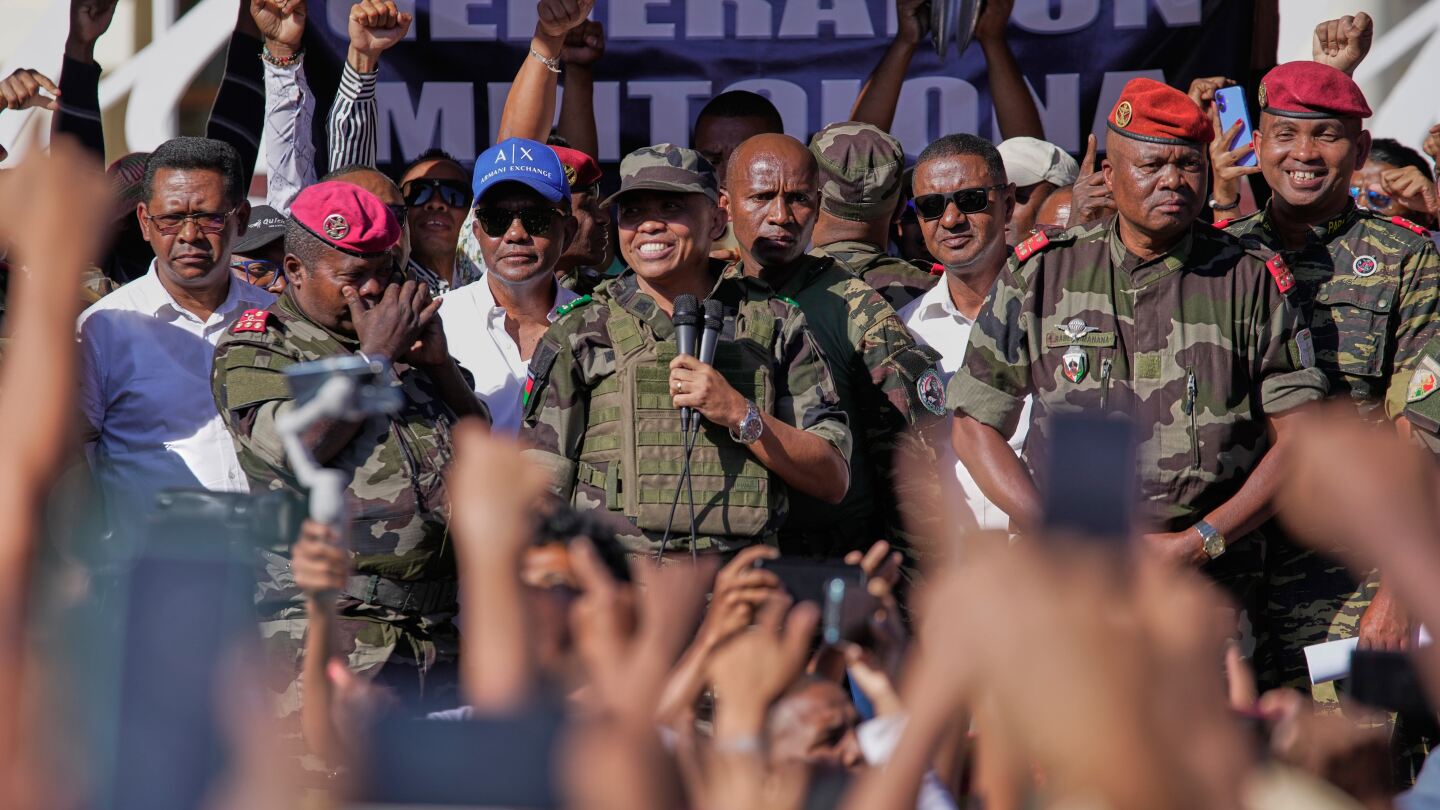
What to know about the events leading up to Madagascar’s military coup
Madagascar has plunged into political chaos as the military seized control from the civilian government on Tuesday, following weeks of escalating protests led by young citizens. President Andry Rajoelina, who fled the country for his safety, was ousted amid widespread dissatisfaction with chronic power and water shortages, persistent poverty, and alleged government corruption. Colonel Michael Randrianirina, commander of the elite CAPSAT military unit, announced the takeover, declaring, ‘We are taking power,’ as demonstrators celebrated alongside soldiers in the capital, Antananarivo. Rajoelina’s office condemned the coup as a ‘serious breach of the rule of law,’ but the military’s decisive action has shifted the balance of power. The protests, spearheaded by a group calling itself ‘Gen Z Madagascar,’ were inspired by recent youth uprisings in Nepal and Sri Lanka. The movement gained momentum when CAPSAT troops joined the demonstrators last weekend, clashing with security forces loyal to Rajoelina. The president’s attempts to reassert authority, including dissolving parliament, were ignored as lawmakers voted overwhelmingly to impeach him. The military has since announced plans to form a council to appoint a prime minister and establish a civilian government. Meanwhile, reports suggest France aided Rajoelina’s escape, raising questions about its involvement in the crisis. The former French colony, known for its biodiversity and vanilla production, continues to grapple with political instability and poverty, a legacy of its colonial past.
-
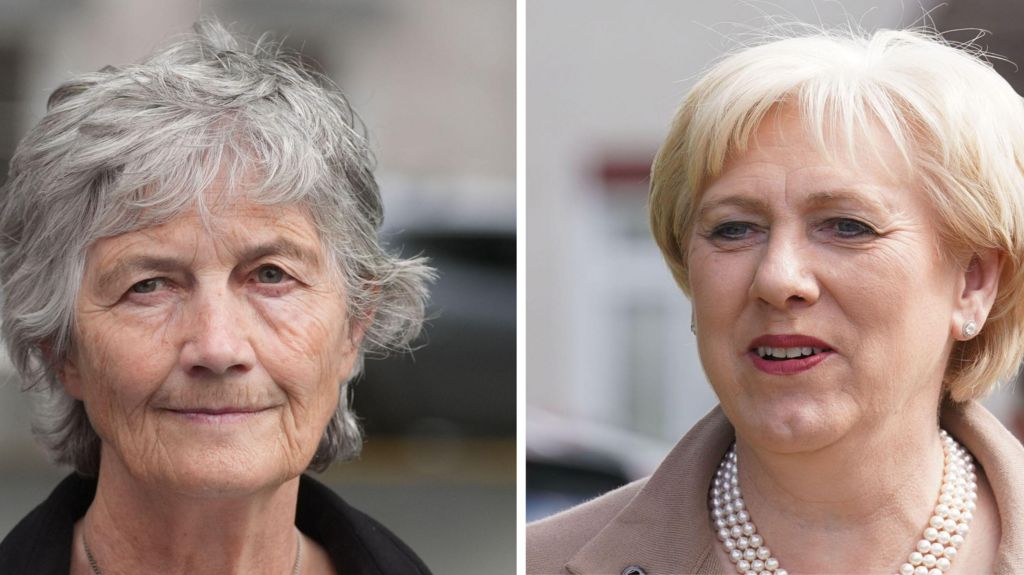
Employment of woman jailed was ‘risk’ to Dáil security – Humphreys
In a heated radio debate, Irish presidential candidates Catherine Connolly and Heather Humphreys clashed over the employment of a woman with a criminal past in the Dáil Éireann, Ireland’s national parliament. Heather Humphreys, representing Fine Gael, criticized Connolly’s decision to hire Ursula Ní Shionnain, who had served nearly four and a half years of a six-year sentence for firearms offences. Humphreys argued that Ní Shionnain’s employment posed a significant risk to the security of the Dáil, citing a lack of proper vetting by gardaí during her six-month tenure in an administrative role. Connolly, an independent TD supported by left-leaning parties, defended her decision, stating that Ní Shionnain had ‘fully rehabilitated her life’ and that no rules were broken in the hiring process. Ní Shionnain, a former member of the socialist republican party Érígí, was convicted in 2014 for her involvement in a dissident republican operation, which included possession of handguns, ammunition, and disguises. Connolly emphasized that Ní Shionnain was a ‘success story of the prison system’ and had been recommended by other parliamentarians involved in prison visiting groups. Despite Connolly’s assurances, Humphreys raised concerns about the potential security implications of employing someone with such a background in the heart of Ireland’s legislative body. The debate has sparked a broader conversation about rehabilitation, security protocols, and the responsibilities of public officials in ensuring the safety of national institutions.
-
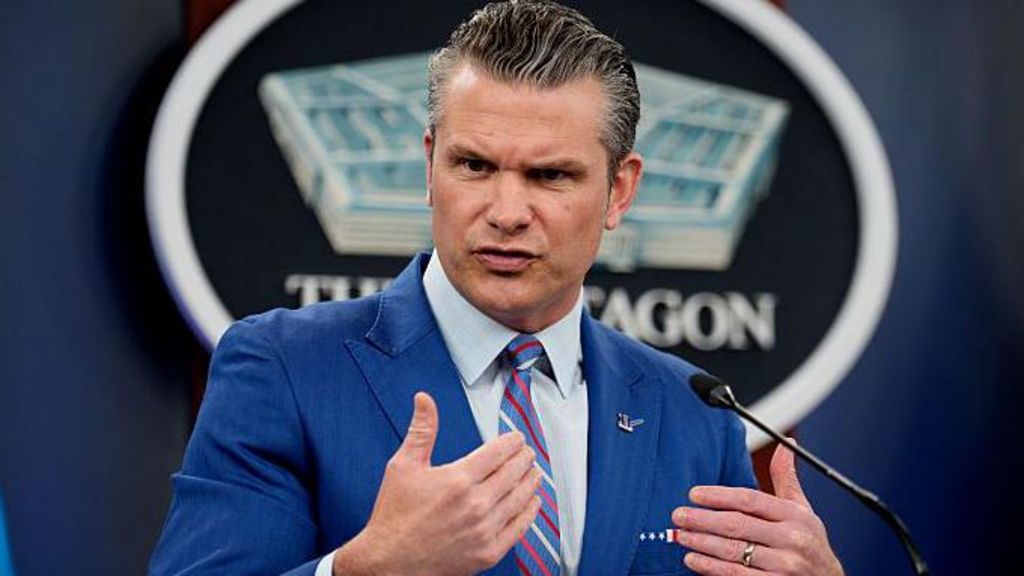
Top US news outlets push back against Pentagon’s reporting restrictions
Several prominent US news organizations have publicly rejected a controversial new Pentagon policy that restricts journalists’ access to the Department of Defense unless they agree to report only officially authorized information. Major outlets such as The New York Times, The Washington Post, and CNN have refused to comply, arguing that the policy undermines press freedom and the public’s right to know. Reporters who fail to sign the agreement by 17:00 EST on Tuesday will be required to surrender their media credentials and vacate Pentagon facilities. Defense Secretary Pete Hegseth responded to the backlash on social media with a dismissive hand-waving emoji, signaling a stark departure from traditional press relations. The Trump administration defends the policy as necessary for national security, with Hegseth stating that ‘Pentagon access is a privilege, not a right.’ A memo outlining the changes, sent to reporters last month, mandates that all information, even unclassified, must be approved for public release by an authorized official. The Pentagon Press Association has criticized the policy as an unprecedented act of intimidation, warning that it stifles free speech and discourages unapproved interactions with the press. Other major media organizations, including The Associated Press, Reuters, and The Guardian, have also refused to sign the agreement. In a joint statement, ABC News, CBS News, CNN, Fox News Media, and NBC News emphasized their commitment to covering national security issues without compromising journalistic independence. The new 21-page policy document imposes strict requirements, including pre-approval for military personnel to share information with the media. While journalists are not explicitly barred from reporting on unclassified information, they risk being labeled a ‘security or safety risk’ if they disclose such information without Pentagon clearance. The policy has sparked widespread criticism, with many viewing it as an escalation of restrictions on press access under Hegseth, who has faced scrutiny for his handling of sensitive information in the past.
-
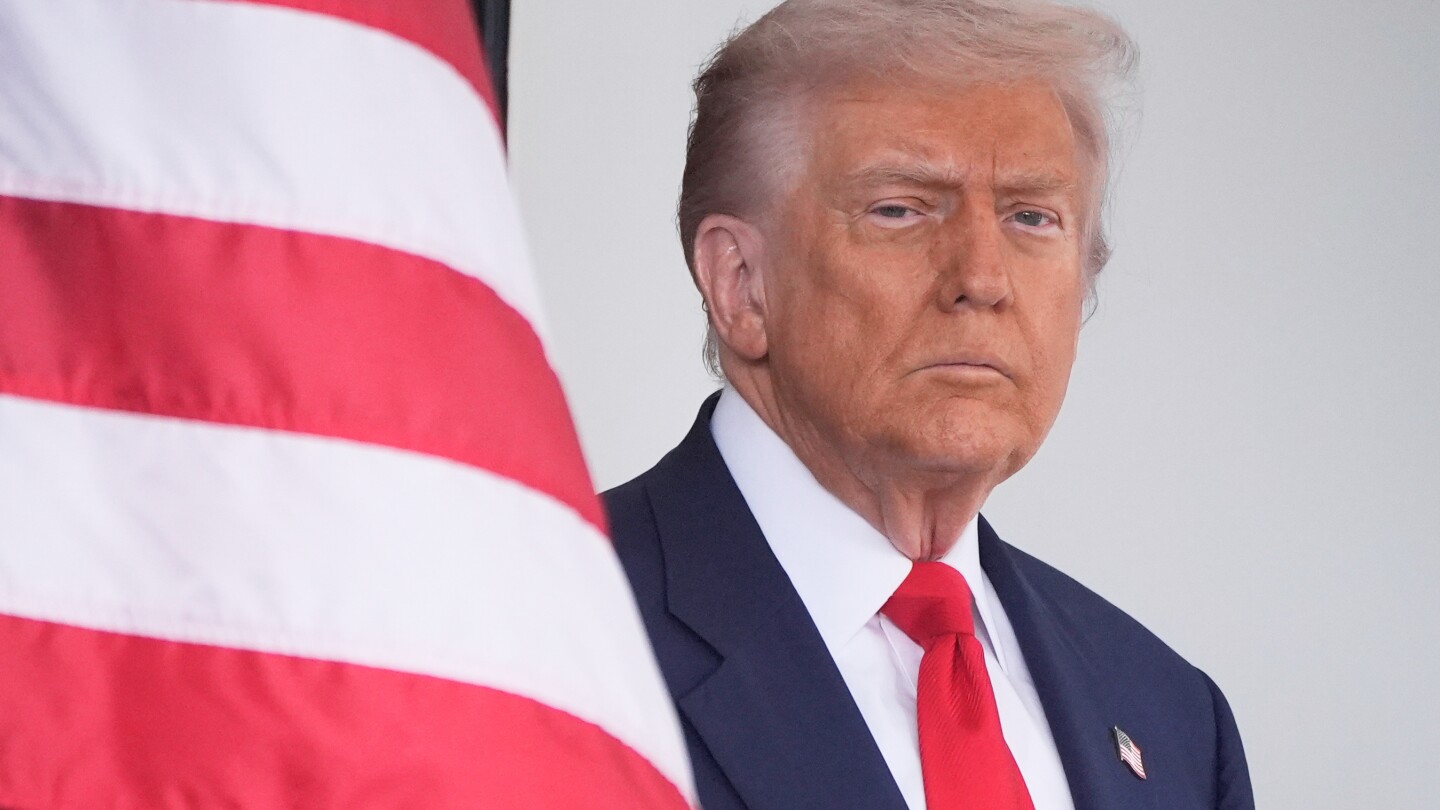
US strikes another boat accused of carrying drugs in waters off Venezuela, killing 6, Trump says
The Trump administration has carried out its fifth deadly strike in the Caribbean, targeting a small boat allegedly involved in drug trafficking off the coast of Venezuela. President Donald Trump announced the operation on social media, stating that six individuals aboard the vessel were killed, and no U.S. forces were harmed. The strike was ordered by Defense Secretary Pete Hegseth and executed in international waters, with intelligence confirming the boat’s association with narcoterrorist networks and its presence on a known drug trafficking route. This marks the latest in a series of aggressive actions by the administration, which has classified alleged drug traffickers as unlawful combatants subject to military force. However, the strikes have sparked growing bipartisan frustration on Capitol Hill. Republicans are demanding more details on the legal justifications, while Democrats argue that the operations violate both U.S. and international law. The Senate recently voted on a war powers resolution to restrict such strikes without congressional authorization, but it failed to pass. Meanwhile, the Trump administration has yet to provide concrete evidence to lawmakers proving the targeted boats were indeed carrying narcotics. Venezuelan Defense Minister Vladimir Padrino has accused the U.S. of using false drug-trafficking claims to justify its actions, warning of a potential escalation and describing the U.S. approach as ‘anti-political, anti-human, warmongering, rude, and vulgar.’
-
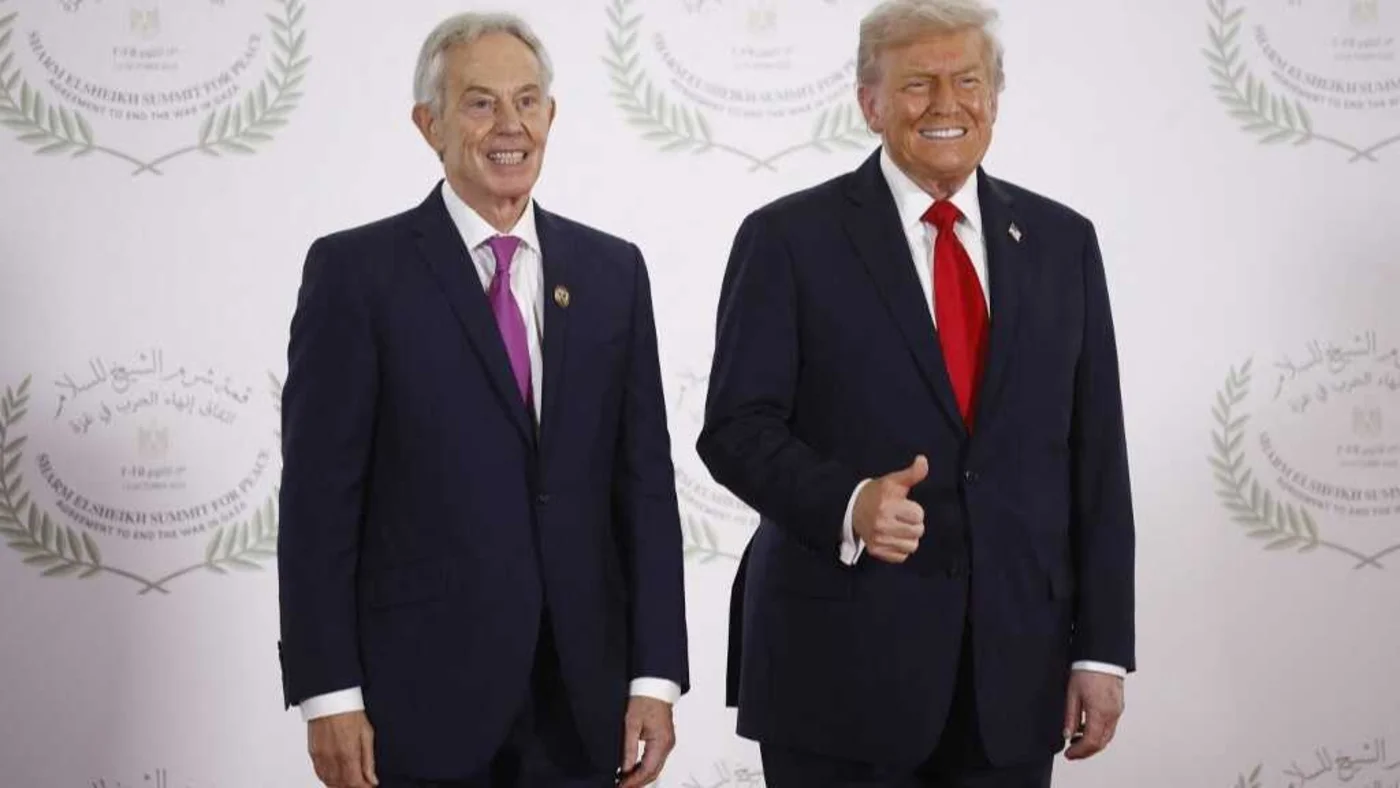
Starmer hails ‘great leader’ Blair but avoids endorsing him for possible Gaza role
British Prime Minister Keir Starmer has described Tony Blair as a ‘great leader’ who could ‘make a huge contribution’ to the peace board proposed by Donald Trump to oversee Gaza’s governance. Blair, who served as Labour Prime Minister from 1997 to 2007, has been a polarizing figure, particularly for his role in the 2003 Iraq invasion, which Starmer once protested and labeled as illegal. Since leaving office, Blair has remained active on the international stage, recently advocating for a transitional authority to govern post-war Gaza and positioning himself to lead it.
-
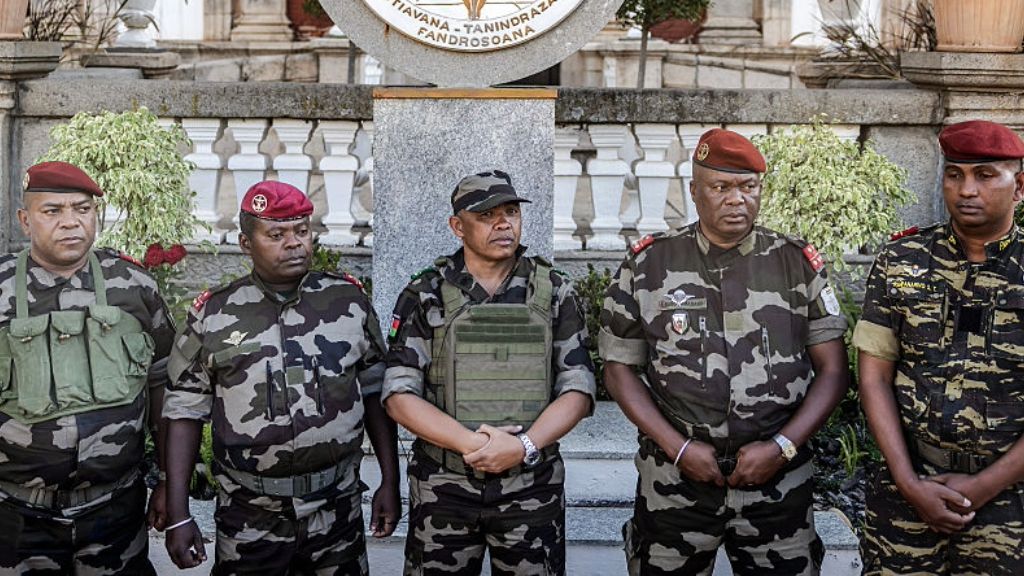
Military says it has seized power in Madagascar after president moves to ‘safe place’
In a dramatic turn of events, Madagascar’s elite military unit, CAPSAT, has declared the seizure of power from President Andry Rajoelina, following weeks of escalating youth-led protests. Colonel Michael Randrianirina, head of CAPSAT, announced the military’s intention to form a transitional government and hold elections within two years. Key democratic institutions, including the electoral commission, have been suspended. Randrianirina emphasized the importance of incorporating the demands of the Gen Z protesters, stating, ‘The movement was created in the streets, so we have to respect their demands.’ The apparent ousting of Rajoelina has been met with widespread celebration in the capital, Antananarivo, where thousands have taken to the streets waving flags and cheering. However, the constitutional court has recognized Randrianirina as the new leader, while the president’s office has denounced the move as an ‘attempted coup d’etat,’ asserting that Rajoelina remains in charge. Rajoelina’s current whereabouts are unknown, though he claims to be in a ‘safe place’ following an alleged assassination attempt by ‘military personnel and politicians,’ which CAPSAT denies. Unconfirmed reports suggest Rajoelina may have fled the country aboard a French military aircraft. The unrest began over two weeks ago, driven by youth-led protests against chronic water and power shortages, which quickly escalated to reflect broader dissatisfaction with Rajoelina’s government over issues such as high unemployment, corruption, and the cost-of-living crisis. Clashes between protesters and security forces have resulted in at least 22 deaths and over 100 injuries, according to the UN, though the Malagasy government disputes these figures. CAPSAT, which initially supported Rajoelina’s rise to power in 2009, joined the protesters on Saturday. Rajoelina, once hailed as a fresh start for Madagascar, has faced mounting criticism over allegations of cronyism and corruption. Despite efforts to dissolve the national assembly, lawmakers overwhelmingly voted to impeach him. The African Union has condemned military interference in Madagascar’s political affairs, while French President Emmanuel Macron expressed deep concern over the situation. Madagascar, one of the world’s poorest nations, continues to grapple with political instability and economic hardship.