
A coalition of 11 Democratic U.S. senators has raised alarm over the “near-total secrecy” surrounding deportation flights and the use of full-body restraints, known as the WRAP, by U.S. Immigration and Customs Enforcement (ICE). In a letter addressed to top immigration officials on Thursday, the senators expressed “serious human rights concerns” and called for greater transparency and accountability.
分类: politics
-
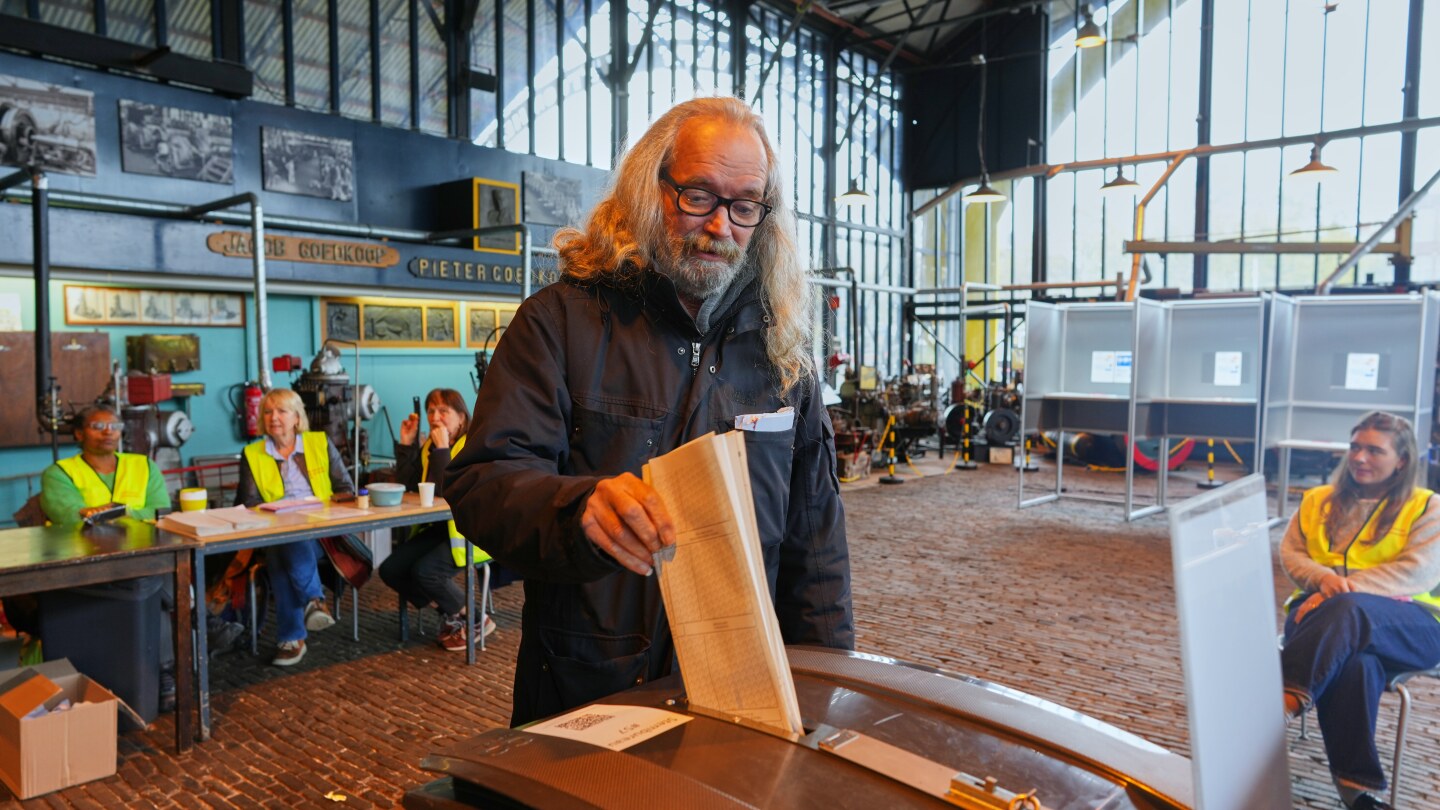
The Dutch election is tied, joining a list of memorable close contests. Here are a few others
In an unprecedented turn of events, the Dutch general election has resulted in a deadlock between the far-right Party for Freedom and the centrist D66 party, with both securing 26 seats in the 150-seat parliament. The final vote count, published by the Dutch national news agency ANP, revealed this historic tie, marking the first time in Dutch electoral history that two parties have finished neck-and-neck. This outcome is expected to significantly delay the formation of a new coalition government, a process that could take weeks or even months given the fragmented political landscape. The election has drawn comparisons to other tight races globally, such as the 2000 U.S. presidential election and recent close contests in Poland, Portugal, and Ireland. The Dutch political system, known for its coalition-based governance, now faces a challenging period of negotiation and compromise to establish a stable government.
-
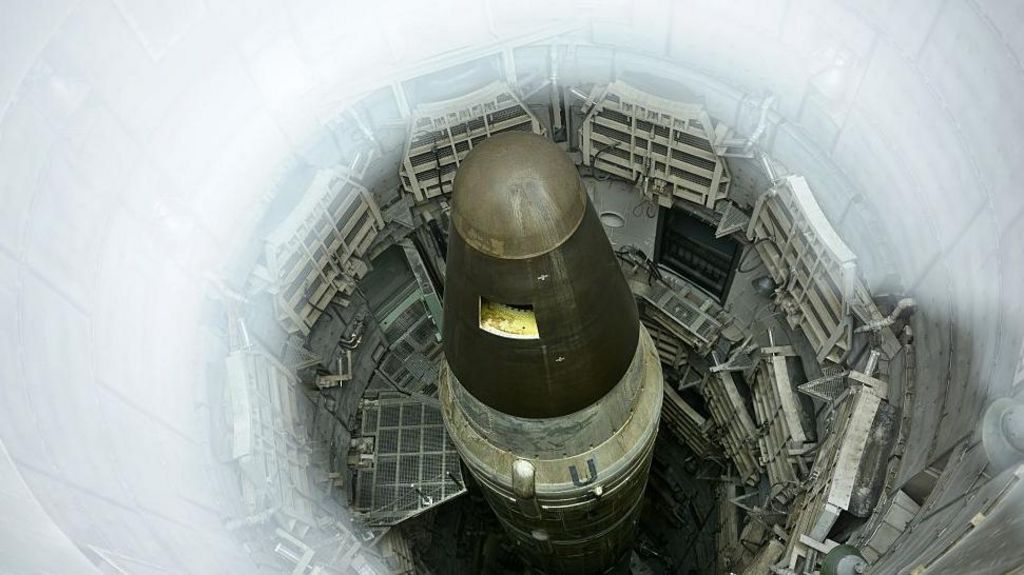
Trump directs nuclear weapons testing to resume for first time in over 30 years
In a significant policy shift, former US President Donald Trump has urged military leaders to resume nuclear weapons testing, citing the need to keep pace with global powers like Russia and China. Trump made the announcement on social media just before meeting Chinese President Xi Jinping in South Korea, emphasizing that the US must maintain its nuclear superiority. The US has not conducted nuclear tests since 1992, but Trump argued that other nations’ testing programs necessitate a response. He did not specify whether the proposed tests would involve nuclear explosions or weapon systems capable of delivering nuclear payloads. This move marks a departure from decades of US policy and comes amid heightened tensions with Russia, which recently tested advanced nuclear-capable weapons. The Kremlin denied conducting nuclear tests, stating its recent trials involved non-nuclear systems. China also responded, urging the US to adhere to the Comprehensive Nuclear-Test-Ban Treaty (CTBT). Experts warn that resuming nuclear testing could destabilize global arms control efforts and trigger a chain reaction among adversaries. Trump’s announcement has sparked criticism from opposition lawmakers and arms control advocates, who argue it lacks justification and risks public backlash.
-
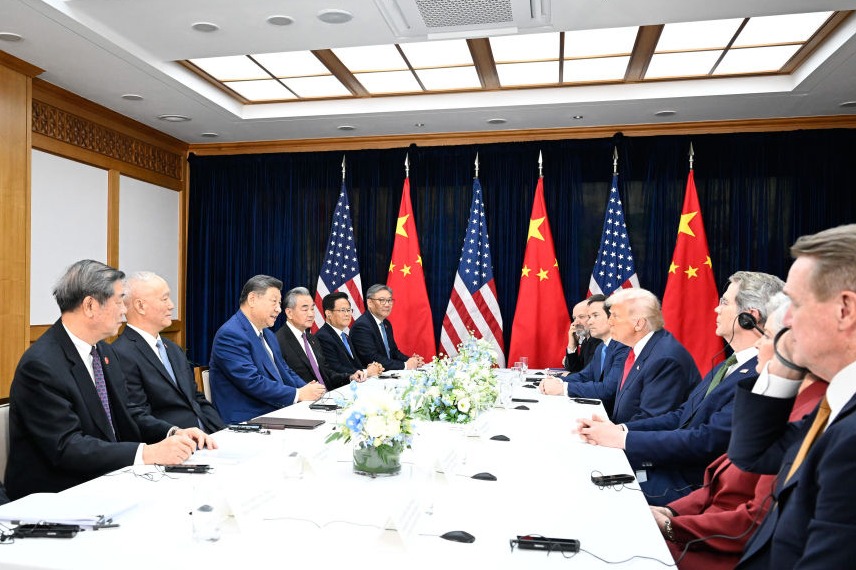
Xi urges China, US to work together to accomplish more great, concrete things
During a pivotal meeting in Busan, South Korea, Chinese President Xi Jinping emphasized the necessity for China and the United States to collaborate on significant and tangible initiatives that benefit both nations and the global community. This meeting occurred on the sidelines of the 32nd APEC Economic Leaders’ Meeting and a state visit to South Korea. President Xi highlighted the enthusiasm of US President Donald Trump in addressing various regional hotspot issues and acknowledged China’s role in promoting peace talks to resolve these issues. President Xi stressed that in the face of numerous global challenges, both countries have a responsibility to act as major powers and work together towards common goals.
-
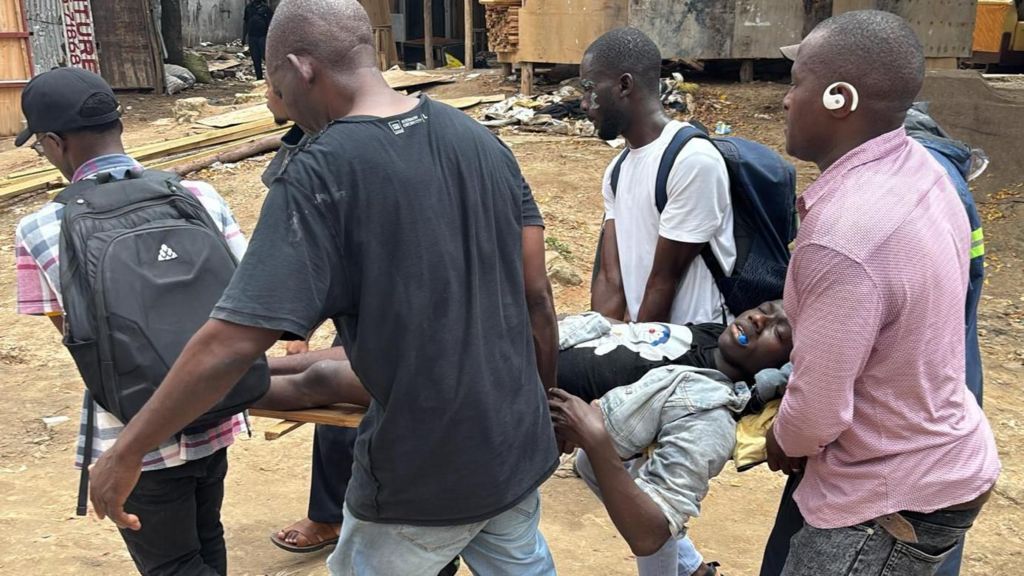
Tanzania tells civil servants to work from home after protests mar election
Tanzania’s recent elections have been marred by widespread violence, internet disruptions, and political unrest, leading to significant casualties and a tense atmosphere across the country. Protesters clashed with police on voting day, setting vehicles ablaze and damaging public infrastructure, as they accused the government of undermining democracy. The main opposition leader, Tundu Lissu, remains incarcerated on treason charges, while another key opposition figure, Luhaga Mpina, was disqualified from the presidential race, leaving President Samia Suluhu Hassan with a clear path to a second term. The government has ordered civil servants to work from home, and a night-time curfew has been imposed in Dar es Salaam, the nation’s largest city, where heavy security measures remain in place. Reports of deaths, including a civilian and a police officer, have drawn condemnation from rights groups like Amnesty International, which has called for an independent investigation into the police response. The US Embassy has confirmed that major routes, including the road to Dar es Salaam’s international airport, remain closed. Internet connectivity has been severely disrupted, raising concerns about the suppression of information and further escalation of tensions. President Samia, who assumed office in 2021 as Tanzania’s first female president, initially garnered praise for easing political repression but has since faced criticism for narrowing the political space and targeting critics through arrests and abductions. With vote counting underway, the electoral body is expected to announce results by Saturday, but the election has been widely seen as a foregone conclusion, given the absence of significant opposition.
-
Protests in Tanzania enter a second day after disputed election
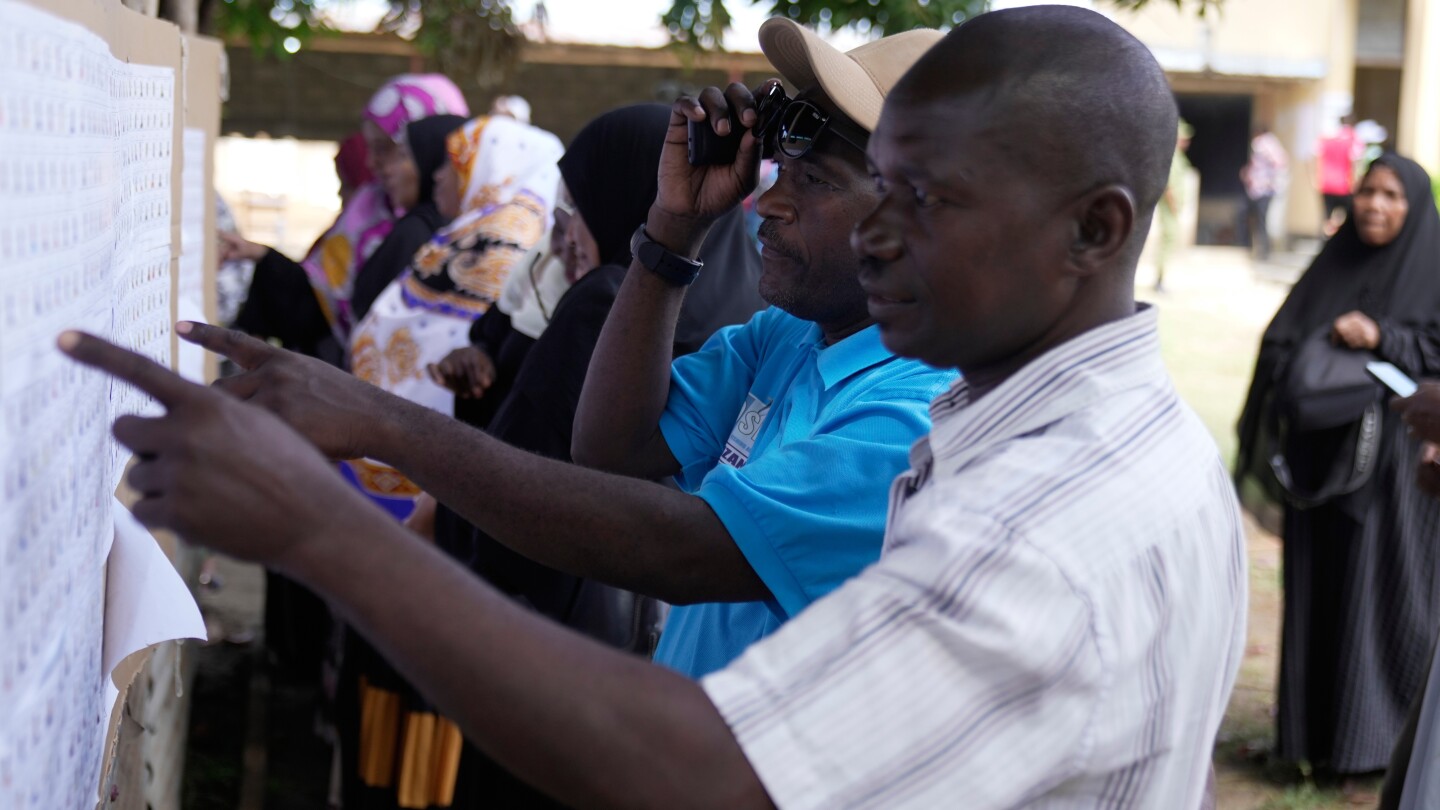
Tanzania has been plunged into turmoil following a contentious election, with hundreds of protesters taking to the streets for a second consecutive day on Thursday. The unrest comes as Amnesty International confirmed the deaths of two individuals during the demonstrations. The government, led by the long-ruling Chama Cha Mapinduzi (CCM) party, has responded with a heavy-handed approach, shutting down the internet, imposing a curfew, and deploying military forces to quell the protests. The CCM, in power since Tanzania’s independence in 1961, sought to extend its dominance in Wednesday’s election, which was marred by allegations of unfairness and the exclusion of major opposition candidates. Incumbent President Samia Suluhu Hassan faced minimal competition from 16 candidates representing smaller parties, none of whom mounted significant campaigns. Early results announced by the electoral body on Thursday showed Hassan with a commanding lead, securing 96.99% of the votes in 8 out of 272 constituencies. The European Parliament condemned the election as neither free nor fair, urging international partners to defend democracy and human rights. Meanwhile, the protests have escalated into violence, with demonstrators burning a bus and a gas station, attacking police stations, and vandalizing polling centers. The government has imposed a curfew in Dar es Salaam, the commercial capital, and restricted public movement, while roadblocks manned by the military have been erected nationwide. Amnesty International has called for investigations into the use of force by police, as tensions remain high and the country grapples with the fallout from the disputed election.
-

Young people carry torch of reunification
At a significant commemorative event held at the Taiwan Guild Hall in Beijing on October 21, 2025, four young representatives from Taiwan shared their reflections on the 80th anniversary of Taiwan’s restoration to China. The event highlighted the historical struggles and the enduring spirit of resistance against colonial forces, particularly during the Japanese occupation of Taiwan. One of the speakers, Lu Ying-chu from Taipei, recounted her family’s history, illustrating the deep-rooted connection between Taiwan and mainland China. Her great-grandfather, a prominent figure during the late Qing Dynasty, resisted Japanese cultural assimilation by maintaining traditional Chinese customs and preserving family heritage. Lu emphasized the importance of understanding this history to appreciate the mission of peace and unity that her generation carries forward. The event served as a poignant reminder of the shared cultural and historical ties that bind Taiwan and China, underscoring the ongoing efforts toward reunification.
-
GGI provides wisdom for multilateralism
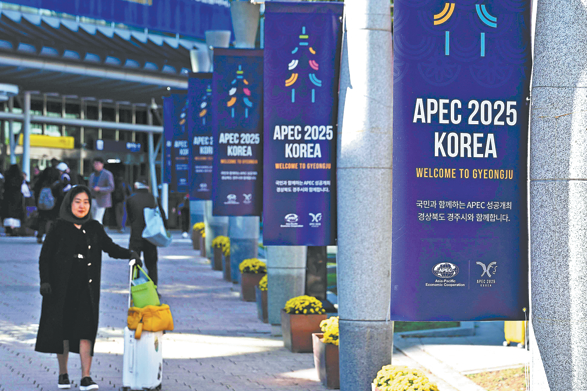
The Global Governance Initiative (GGI), proposed by China, has been hailed as a significant contribution to multilateralism, aligning closely with the core values of the Asia-Pacific Economic Cooperation (APEC). Introduced by President Xi Jinping in September, the GGI emphasizes five key principles: sovereign equality, adherence to international law, multilateralism, a people-centered approach, and actionable solutions. Experts believe this initiative provides a robust framework for APEC economies to address global governance challenges. Kang Ho-gu, director of the Sino-Korea Economy/Society Institute, noted that the GGI is particularly timely as unilateral policies, such as the ‘America First’ approach, have weakened multilateral mechanisms. As the Republic of Korea hosts the 2025 APEC Economic Leaders’ Meeting under the theme ‘Building a Sustainable Tomorrow,’ Kang highlighted that integrating the GGI’s principles could foster economic cooperation and global stability. Daryl Guppy, an international financial expert, acknowledged the GGI’s role in promoting a rules-based trade order but stressed the challenge of balancing sovereign equality with APEC unity. Anna Rosario Malindog-Uy of the Asian Century Philippines Strategic Studies Institute emphasized the GGI’s potential to enhance institutional coherence and regional resilience through collaborative governance. Additionally, leveraging financial instruments like the Asian Infrastructure Investment Bank and the Silk Road Fund could align APEC projects with the GGI’s sustainable development goals. Jose Alves, dean of the Faculty of Business at the City University of Macau, praised the GGI’s focus on inclusive growth, particularly its support for small businesses, women, and youth. As China prepares to host APEC 2026, the alignment of the GGI and APEC frameworks could drive sustainable growth through green technologies, cross-border trade, and inclusive policies.
-

UK’s Starmer stands by his Treasury chief after house rental rule breach
UK Treasury Chief Rachel Reeves has issued a public apology for renting out her London residence without the required license, a legal oversight that has drawn criticism from opposition leaders. The incident came to light after a report by The Daily Mail revealed that Reeves, who moved into a government-owned apartment near Downing Street following the Labour Party’s July 2024 election victory, failed to secure the necessary permit for her property. In a letter to Prime Minister Keir Starmer, Reeves described the lapse as an “inadvertent mistake” and confirmed that her team had since applied for the license. Starmer, after consulting the government’s ethics adviser, stated that no further investigation was necessary, accepting Reeves’ apology and closing the matter. However, Conservative Party leader Kemi Badenoch criticized the handling of the issue, calling for a full investigation and labeling the situation as problematic. The controversy adds to the challenges facing Reeves, who is preparing to deliver her annual budget statement on November 26 amid a struggling economy, high inflation, and subdued growth. The Labour government, which has yet to deliver on its economic promises, is also grappling with internal scandals, including the recent resignation of Deputy Prime Minister Angela Rayner over a tax dispute and the dismissal of UK Ambassador to Washington Peter Mandelson due to his ties to convicted sex offender Jeffrey Epstein.
-
China and Africa strengthen legal ties
In a landmark event held in Guangzhou, senior judicial officials from China and 12 African nations convened at the China-Africa Prosecutorial Cooperation Forum. The forum, themed ‘The Role of Prosecution in the Modernization Process of China and Africa,’ aimed to strengthen legal ties and enhance prosecutorial exchanges to support mutual modernization efforts. Chen Wenqing, a key figure in China’s political and legal affairs, emphasized the importance of aligning laws and policies to create a conducive legal environment for trade and development between the two regions. This initiative is part of the broader framework of the Forum on China-Africa Cooperation (FOCAC), which celebrates its 25th anniversary this year. Ying Yong, China’s top prosecutor, highlighted the role of law-based governance in China’s modernization and expressed readiness to collaborate with African counterparts in combating transnational crimes and enhancing judicial cooperation. African representatives, including Firmin Mvonde of the Democratic Republic of Congo and Dorcas Agik Abuya Oduor of Kenya, lauded China’s legal advancements and expressed eagerness to learn from its experiences in areas such as anti-corruption and digital economy legal frameworks. The forum concluded with the signing of the ‘Minutes of the China-Africa Prosecutorial Cooperation Forum,’ solidifying commitments to mutual legal assistance and the protection of shared interests.