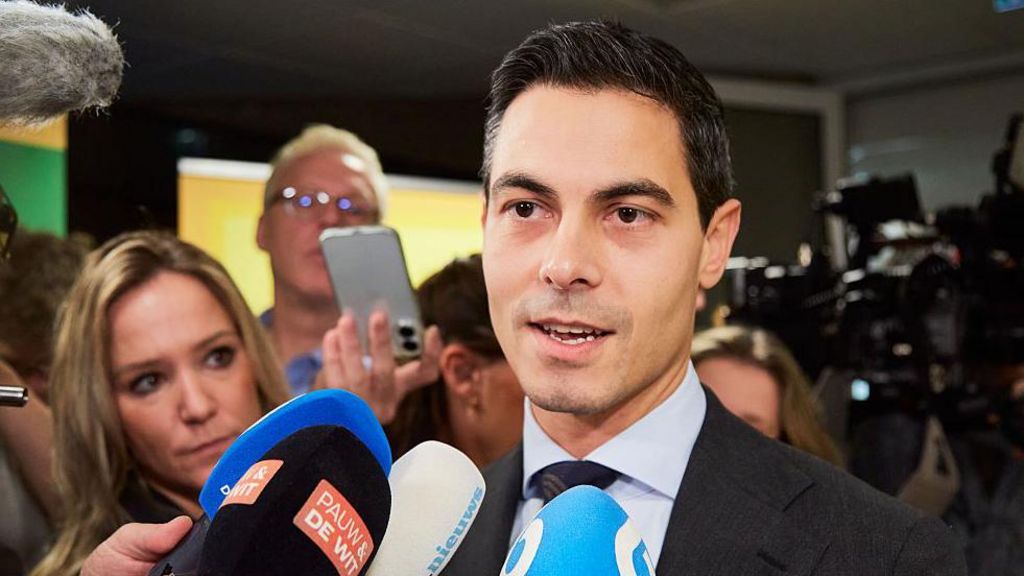
Rob Jetten, leader of the Dutch centrist liberal party D66, is poised to become the youngest prime minister in modern Dutch history following a closely contested election. According to vote analysis by Dutch news agency ANP, Jetten’s party has secured a narrow lead of 15,000 votes over anti-Islam populist Geert Wilders’ Freedom Party, making it impossible for Wilders to overturn the result. Although the final vote count is incomplete, projections indicate both parties will hold 26 seats in the 150-seat parliament, with Jetten’s D66 potentially gaining a 27th seat. Jetten, 38, expressed pride in the historic outcome, acknowledging the significant responsibility of forming a stable government. Despite Wilders leading pre-election polls, Jetten’s positive campaign, centered on the slogan ‘Yes, we can,’ resonated strongly in key cities like Rotterdam, The Hague, and Utrecht. While Jetten has cautiously refrained from declaring victory until all votes are counted, ANP’s analysis of overseas postal votes confirms his win. However, forming a coalition government remains a complex challenge. Jetten will need the support of at least three other parties to secure the 76 seats required, with potential partners including the conservative-liberal VVD, the left-wing Labour-GreenLeft alliance, and the Christian Democrats. Outgoing Prime Minister Dick Schoof, appointed by Wilders after he abandoned his own bid for the role, predicted the coalition-building process could extend beyond Christmas. Wilders, who won the previous election in November 2023, saw his government collapse in July 2024 due to disputes over asylum and migration policies.
分类: politics
-
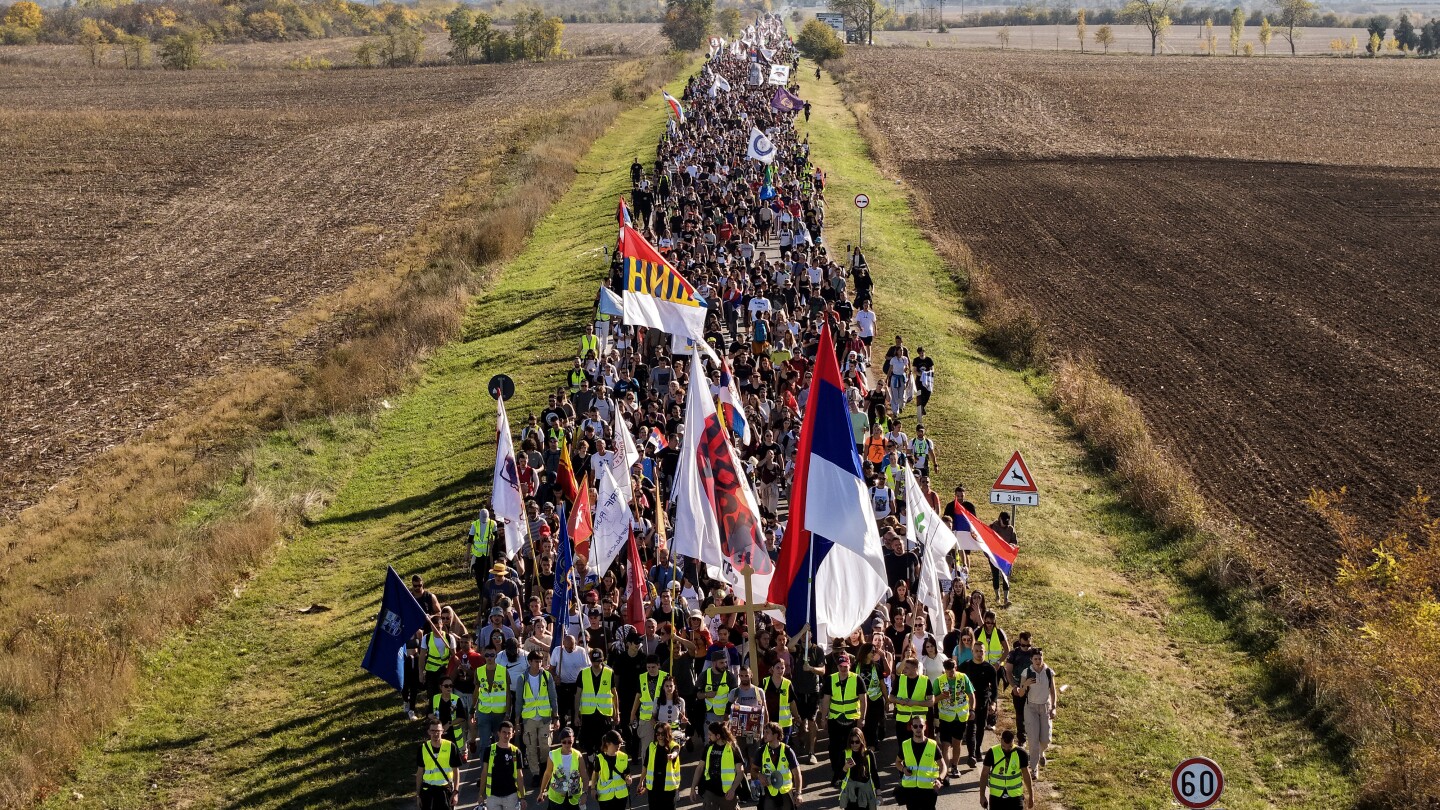
Protests and grief as Serbia marks anniversary of tragedy that killed 16. Here’s what to know
In a significant display of dissent, tens of thousands of students and opposition supporters gathered in Novi Sad, Serbia, to commemorate the first anniversary of a tragic railway station canopy collapse that claimed 16 lives. The incident, which occurred on November 1, 2024, has been widely attributed to government negligence and corruption, sparking a year-long wave of anti-government protests led by students. These protests have significantly challenged the authority of Serbia’s populist President, Aleksandar Vucic, who has maintained a firm grip on power despite mounting opposition. Vucic has responded defiantly, threatening mass arrests if the rally turns violent and dismissing its significance, while his supporters plan a counter-rally later in November. The commemorative event, organized by opposition groups, has drawn participants from across the country, with many enduring harsh conditions, including sleeping outdoors after being denied shelter by local officials aligned with Vucic’s party. The rally is expected to be one of the largest in Serbia’s history, reflecting deep-seated frustrations with the government and demands for democratic reforms and accountability. Despite Vucic’s attempts to downplay the movement, the protests have gained widespread support and continue to pose a serious challenge to his administration.
-
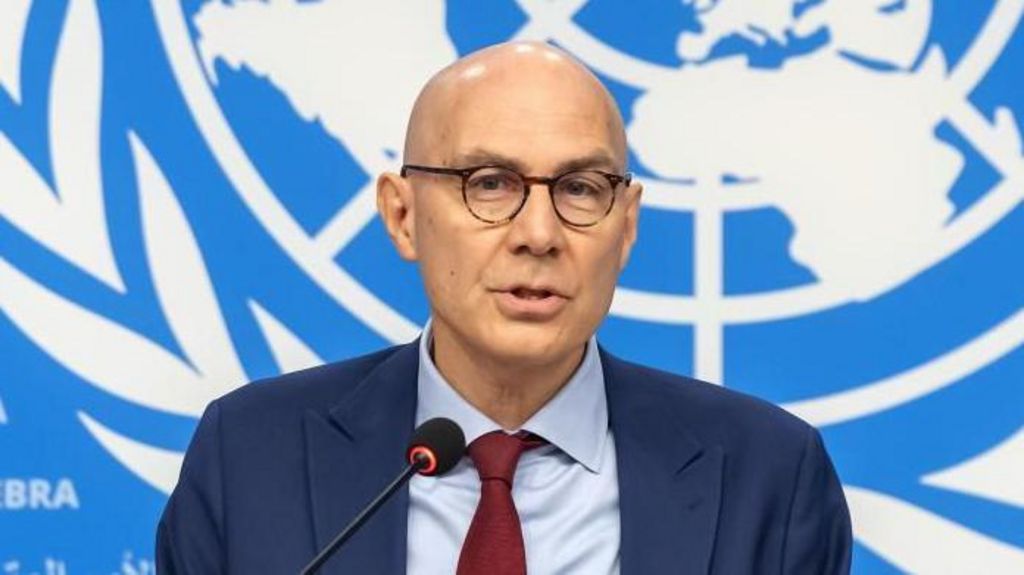
US strikes on alleged drug boats violate law, UN human rights chief says
The United Nations’ human rights chief, Volker Türk, has strongly criticized the United States for its military strikes on vessels allegedly carrying drugs in the Caribbean and Pacific. Türk labeled these lethal attacks as violations of international law, describing them as ‘extrajudicial killings.’ Since early September, more than 60 people have reportedly been killed in these strikes. Türk called the actions ‘unacceptable’ and urged Washington to immediately halt the operations and conduct independent, transparent investigations. The US has defended its actions, with President Donald Trump asserting that the strikes are necessary to curb drug trafficking into the country and that he has the legal authority to continue targeting boats in international waters. Türk acknowledged the challenges of combating drug trafficking but emphasized that the deadly strikes ‘find no justification in international law.’ He stressed that countering illicit drug trafficking is a law-enforcement matter, governed by strict limits on the use of lethal force under international human rights law. Türk noted that based on the limited information provided by US authorities, none of the individuals on the targeted boats appeared to pose an imminent threat to life. He called on the US to employ law enforcement methods such as intercepting boats, detaining suspects, and prosecuting individuals when necessary. The strikes, primarily occurring off the coast of South America in the Caribbean, have also extended to the Pacific, where at least 18 people were killed this week. The US has deployed troops, aircraft, and naval vessels to the region, including the world’s largest warship, the USS Gerald R Ford. The actions have sparked condemnation across the region, with experts questioning their legality. Members of the US Congress, from both parties, have raised concerns and challenged the president’s authority to order such strikes. Mexican President Claudia Sheinbaum expressed disagreement with the attacks and called for meetings with the US ambassador, insisting on the respect of international treaties. The US actions have also heightened tensions with Colombia and Venezuela. The US has imposed sanctions on Colombian President Gustavo Petro, accusing him of failing to curb drug trafficking, while Trump has accused Venezuelan President Nicolas Maduro of leading a drug-trafficking organization. Venezuela’s attorney general accused the US of attempting to overthrow the government and seize its natural resources. The US does not recognize Maduro as Venezuela’s legitimate leader following the widely disputed 2024 election.
-
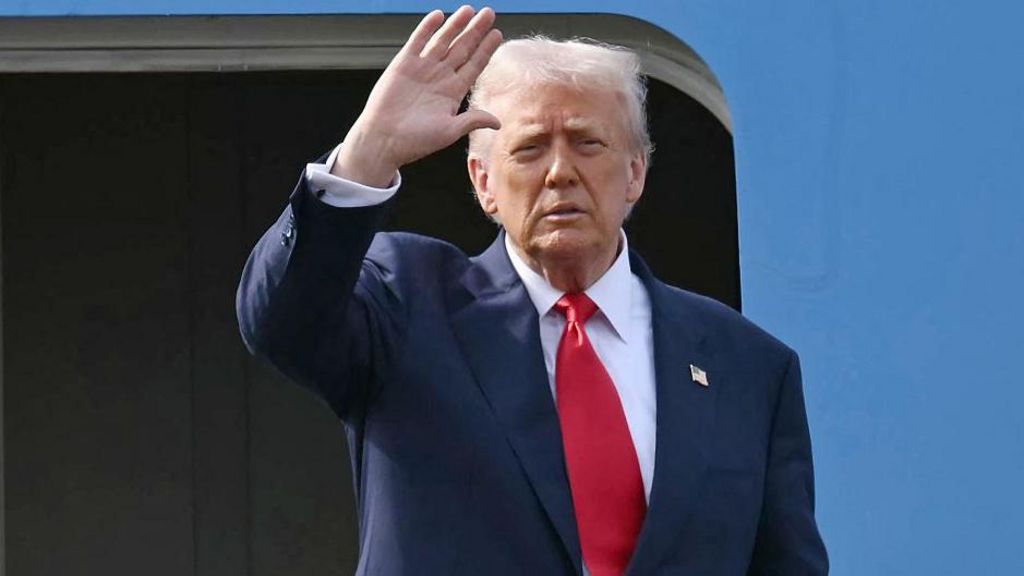
Trump calls on Republicans to scrap filibuster rule in shutdown standoff
President Donald Trump has intensified his call for Senate Republicans to eliminate the filibuster rule, aiming to resolve the prolonged government shutdown, now in its 30th day. The filibuster, a longstanding Senate procedure, mandates a 60-vote supermajority for most legislative actions. With Republicans holding a 53-47 majority, abolishing the rule would enable them to pass a funding bill without Democratic backing. Trump took to social media, urging his party to deploy the ‘Nuclear Option’ and immediately discard the filibuster. The shutdown, initiated on October 1, has disrupted essential services for millions, with over 40 million low-income households at risk of losing access to the Supplemental Nutrition Assistance Program (SNAP). Federal workers have missed paychecks, and concerns are mounting over potential flight delays as air traffic controllers and airport staff continue working without pay. Senate Majority Leader John Thune has previously opposed altering the filibuster, citing its role as a safeguard for minority rights. Despite Trump’s push, most senators have left Washington for the weekend, with no clear progress toward reopening the government. The ‘nuclear option’ remains uncertain, as many Republicans fear its long-term consequences if Democrats regain control. The shutdown ensued after Democrats rejected a stopgap funding measure unless Republicans extended healthcare subsidies for low-income Americans, a demand Republicans dismissed as unrelated policy leverage.
-
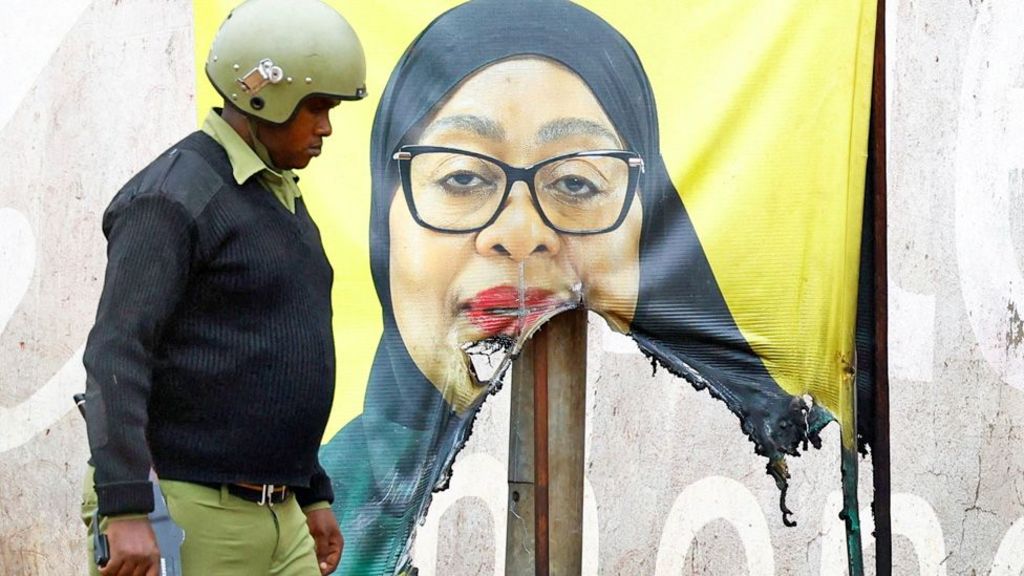
Election protesters defy army chief in third day of Tanzania unrest
Tanzania is witnessing a wave of unrest as protests continue for the third consecutive day, despite stern warnings from the country’s military leadership. Demonstrators, primarily young citizens, have flooded the streets of major cities, decrying the recent presidential election as unfair. The exclusion of key opposition figures from contesting against President Samia Suluhu Hassan has fueled widespread discontent. The government has imposed an internet blackout, making it challenging to verify reports of casualties, while a curfew has been extended to curb the escalating violence. The United Nations has expressed grave concern, urging Tanzanian security forces to avoid excessive force. UN human rights spokesperson Seif Magango cited credible sources indicating at least 10 fatalities. Amnesty International has also raised alarms, though communication disruptions have hindered their ability to confirm these reports. Hospitals are withholding information from journalists and human rights groups, further obscuring the true scale of the crisis. The government has downplayed the violence, emphasizing its control over the situation. Meanwhile, the electoral commission has announced results from over half of the country’s 100 constituencies, with President Samia, representing the long-ruling Chama Cha Mapinduzi (CCM) party, expected to secure victory. The CCM has governed Tanzania since its independence in 1961. On the semi-autonomous archipelago of Zanzibar, incumbent President Hussein Mwinyi of the CCM has reportedly won nearly 80% of the vote, though opposition leaders have alleged massive fraud. The protests have disrupted daily life, with tourists stranded at airports due to flight delays. Critics accuse the government of undermining democracy, citing the imprisonment of main opposition leader Tundu Lissu on treason charges and the disqualification of another prominent contender, Luhaga Mpina, on legal technicalities. Samia, Tanzania’s first female president, assumed office in 2021 following the death of her predecessor, John Magufuli. While initially praised for easing political repression, her administration has faced growing criticism for narrowing the political space and targeting critics through arrests and abductions. The situation remains tense as the nation awaits official election results, expected on Saturday.
-
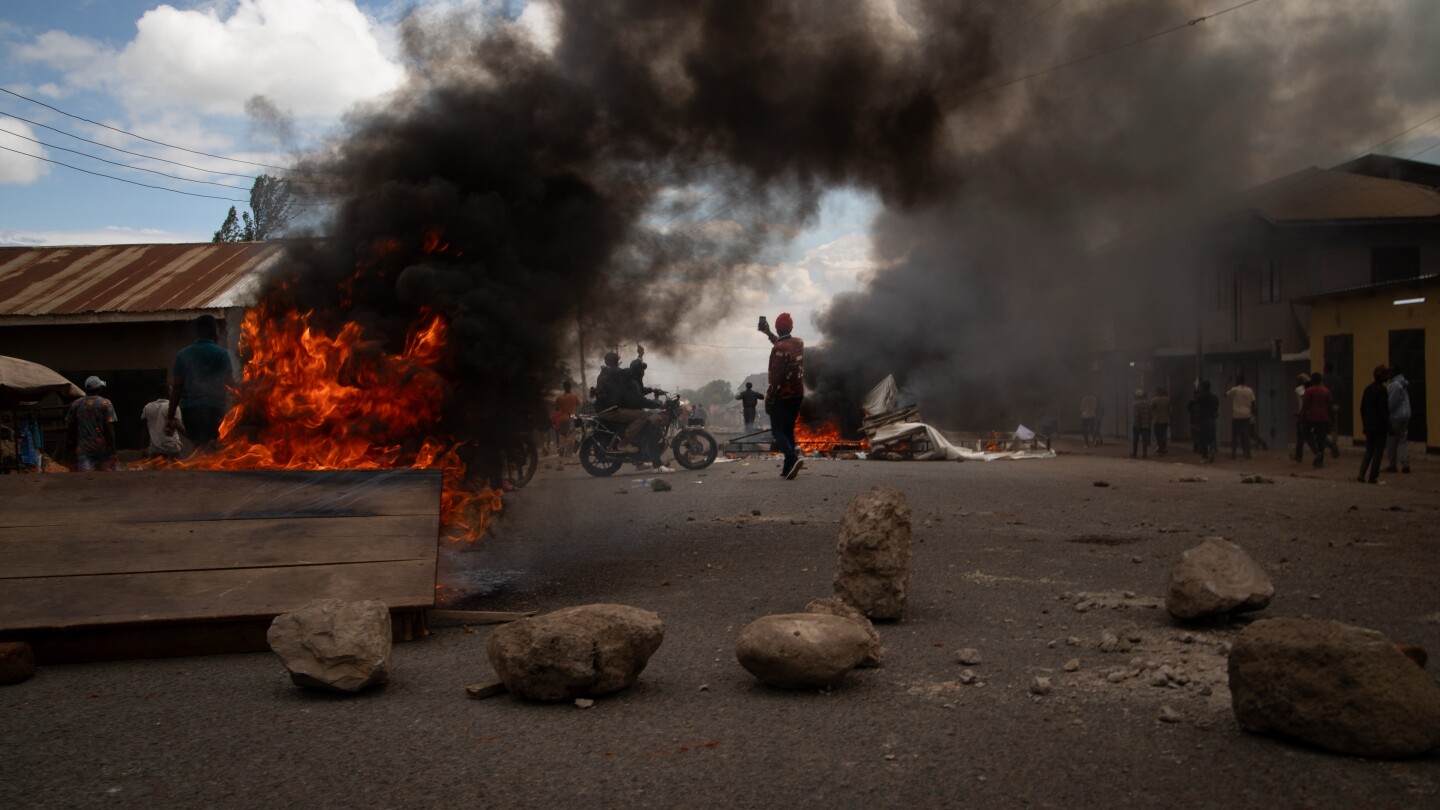
What to know about a disputed election in Tanzania, where single-party rule is being challenged
KAMPALA, Uganda — Tanzania is experiencing widespread protests as electoral authorities tally votes in a highly contested presidential election. Rights groups, opposition leaders, and observers have criticized the election, citing a climate of fear and suppression in the lead-up to the vote. Since Wednesday’s election, the military has been deployed alongside police to quell riots in major cities, a rare sight in a country known for its peaceful reputation and popular tourist destinations like pristine beaches and safari parks. The unrest stems from President Samia Suluhu Hassan’s bid for a second term, which critics describe as a ‘coronation’ rather than a fair contest. Hassan, Tanzania’s first female president, faced minimal opposition after her two main rivals were barred from running. Her administration has been accused of authoritarian tactics, including silencing dissent through arrests, intimidation, and internet restrictions. Opposition leader Tundu Lissu of the Chadema party has been jailed for months on treason charges, while ACT-Wazalendo’s Luhaga Mpina was disqualified from the race. The ruling Chama cha Mapinduzi (CCM) party, which has held power since Tanzania’s independence in 1961, is accused of using administrative, legal, and extra-legal means to maintain its dominance. Reports of enforced disappearances, arbitrary arrests, and extrajudicial killings have further fueled public outrage. Internet access has been intermittently shut down since the election, raising concerns about transparency. Tanzania’s political landscape contrasts sharply with neighboring countries like Uganda, Kenya, Mozambique, and Madagascar, where youth-led movements and opposition figures have challenged long-standing regimes. Despite regional trends, Tanzania remains an outlier, with CCM deeply entrenched in the state apparatus. Hassan’s rise to power followed the sudden death of her predecessor, John Pombe Magufuli, in 2021, maintaining CCM’s reputation for orderly transitions. However, her administration’s crackdown on dissent has drawn international criticism, with organizations like Amnesty International and the International Crisis Group highlighting the erosion of democratic freedoms. As Tanzania awaits official election results, the nation’s political stability hangs in the balance, with opposition leaders vowing to challenge CCM’s grip on power.
-
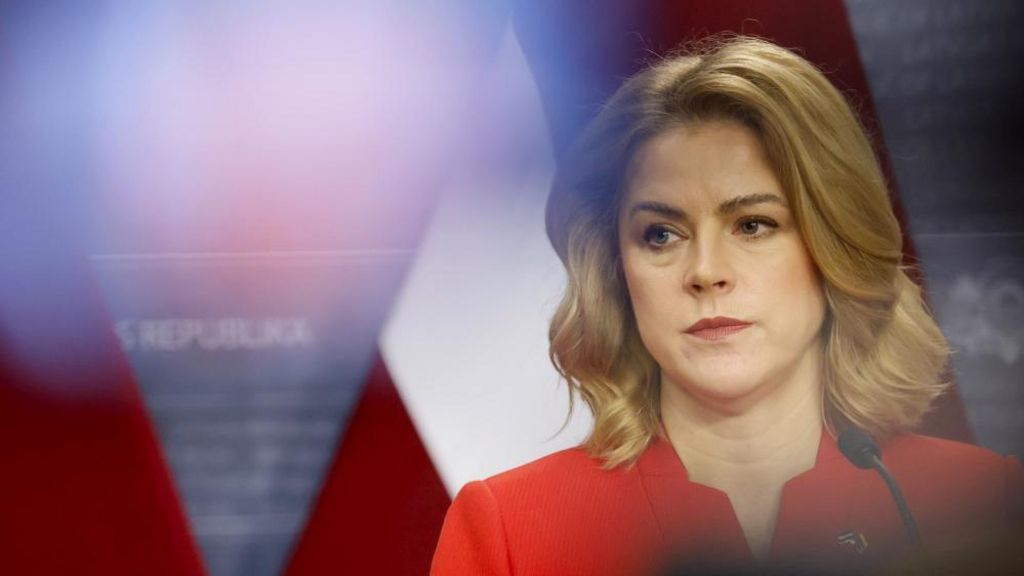
Latvian MPs vote to pull out of treaty on protecting women from violence
In a controversial decision, Latvian lawmakers have voted to withdraw from the Istanbul Convention, an international treaty aimed at combating violence against women, including domestic abuse. The vote, which followed a 13-hour parliamentary debate, saw 56 MPs in favor and 32 against. This move, sponsored by opposition parties and supported by the Union of Greens and Farmers—a coalition partner—has drawn widespread criticism both domestically and internationally. Latvia becomes the first EU country to take steps toward exiting the treaty, which it ratified only last year. The decision has been met with protests in Riga, where thousands gathered to voice their opposition. Prime Minister Evika Silina, who addressed the protesters earlier this week, called the vote a setback, vowing to continue the fight against violence. The treaty, adopted in 2011, requires governments to enact laws and provide support services to eradicate gender-based violence. Critics, particularly ultra-conservative groups, argue that the convention’s focus on gender equality undermines traditional family values and promotes ‘gender ideology.’ Latvia’s ombudswoman, Karina Palkova, and women’s rights organizations have urged against politicizing the treaty, emphasizing its role in safeguarding women’s rights. The vote has prompted a petition signed by 22,000 Latvians, urging the government to reconsider. President Edgars Rinkevics now holds the final decision, stating he will evaluate the matter based on constitutional and legal considerations, rather than ideological or political ones. The withdrawal has been condemned by international bodies, including the Council of Europe, which described it as a ‘deeply worrying step backwards’ for women’s rights.
-
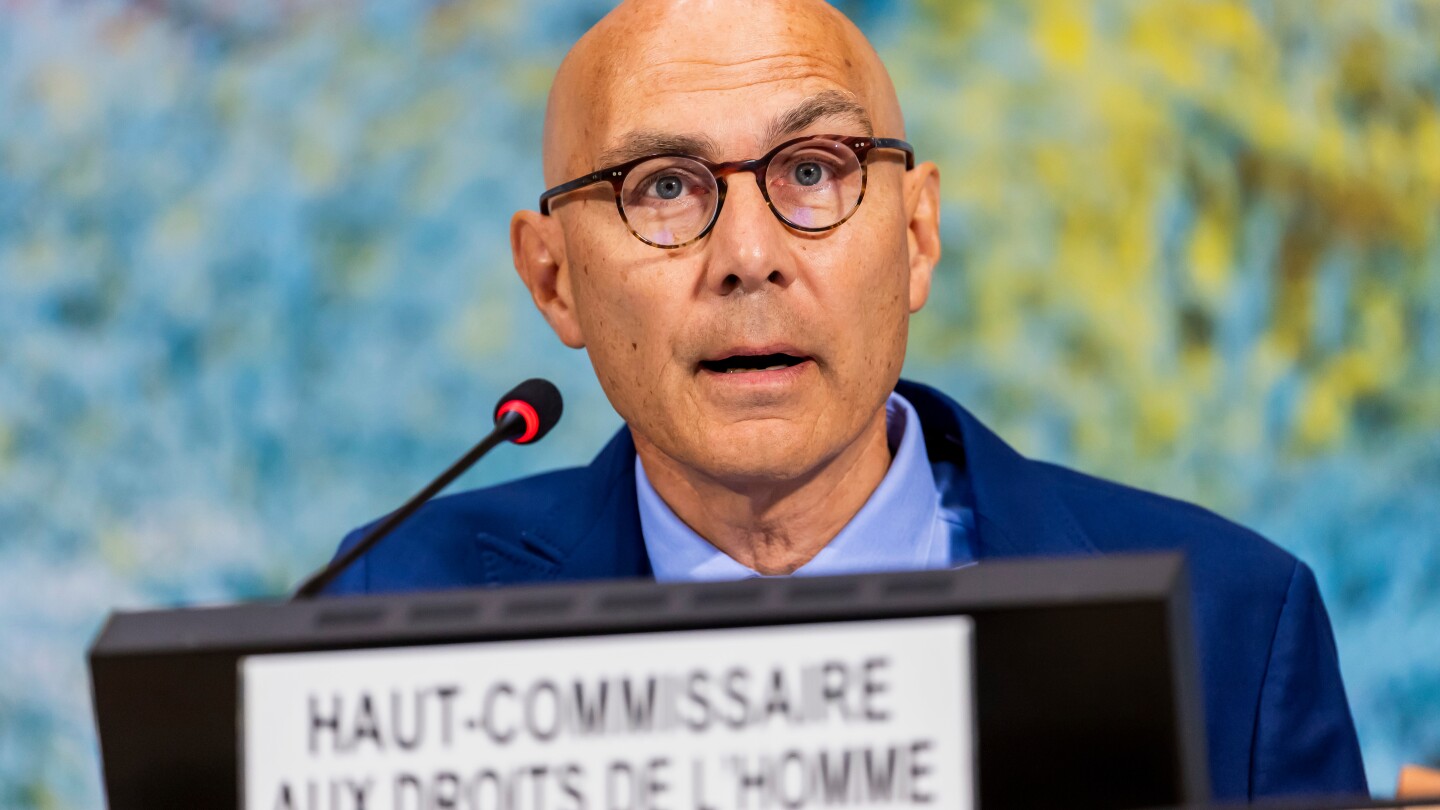
UN human rights chief says US strikes on alleged drug boats are ‘unacceptable’
In a significant development, the United Nations has issued a stern condemnation of U.S. military strikes targeting boats suspected of transporting illegal drugs in the Caribbean Sea and eastern Pacific Ocean. Volker Türk, the U.N. High Commissioner for Human Rights, labeled these actions as “unacceptable” and called for an immediate cessation of the strikes. Speaking through his spokeswoman, Ravina Shamdasani, Türk emphasized the need for a thorough investigation into the operations, marking the first such rebuke from a U.N. body. Shamdasani stated that the attacks, which have resulted in a rising human toll, violate international human rights law and constitute extrajudicial killings. The U.S. has justified the strikes as part of a broader campaign to combat drug trafficking, a stance that has sparked controversy among regional nations. Since the campaign’s inception in early September, 14 strikes have been carried out, resulting in at least 61 fatalities. Shamdasani underscored that the fight against drug trafficking is a law enforcement issue, governed by strict limits on the use of lethal force, which is permissible only as a last resort against an imminent threat to life. She argued that the strikes, conducted outside the context of armed conflict, amount to violations of the right to life.
-

Giuffre family welcomes Andrew’s fall from royal status but says he faces more questions
In a historic move, King Charles III has stripped his brother, Prince Andrew, of his princely title and residence, signaling a decisive step to protect the monarchy from the escalating scandal surrounding Andrew’s ties to convicted sex offender Jeffrey Epstein. The decision, announced on Friday, marks the first time in over a century that a British prince has been stripped of his title, underscoring the gravity of the situation. Andrew, now to be known as Andrew Mountbatten Windsor, will vacate the 30-room Royal Lodge near Windsor Castle and relocate to a more secluded property on the Sandringham Estate, funded by the king. The move comes as pressure mounts on Andrew to address questions from both British politicians and U.S. authorities regarding his finances and his relationship with Epstein. Virginia Roberts Giuffre’s family, who accused Andrew of sexual abuse, praised the king’s decision, calling it a victory for justice. Giuffre, who died by suicide in April, alleged she was exploited by Andrew and other powerful men as part of Epstein’s sex-trafficking ring. Despite Andrew’s repeated denials, the palace emphasized that the censures were necessary to uphold the monarchy’s integrity and expressed sympathy for victims of abuse. The British government welcomed the decision, with trade minister Chris Bryant stating that it reflects the public’s sentiment. Andrew’s removal of his Duke of York title earlier this month and the subsequent stripping of his princely status mark a dramatic fall from grace for the disgraced royal, who continues to face legal and public scrutiny.
-
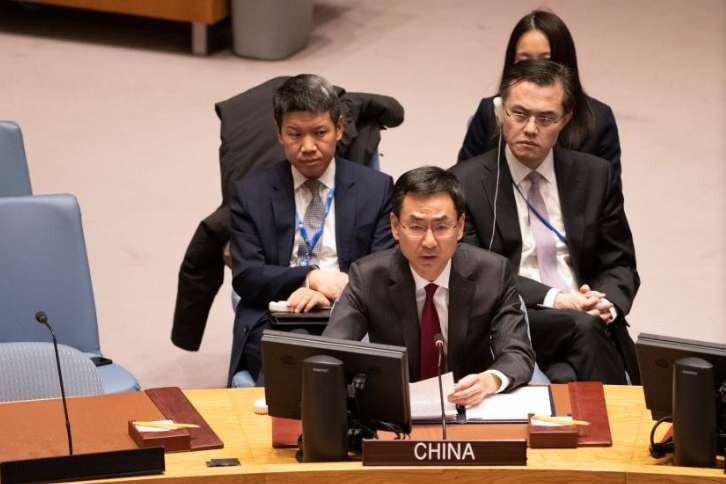
More states welcomed to mediation group
During International Law Week at the United Nations headquarters in New York, a side event was held to introduce the newly established International Organization for Mediation (IOMed). Geng Shuang, China’s deputy permanent representative to the UN, emphasized the importance of raising awareness about the organization and encouraging broader participation among member states. Initiated three years ago by China and like-minded countries, the IOMed aims to promote the peaceful resolution of international disputes and foster global cooperation. The Convention on the Establishment of the IOMed was signed in May, entered into force in August, and began operations in Hong Kong in October. As the initiator and host country, China co-hosted the event to present the IOMed as a new intergovernmental legal organization. Geng highlighted that the IOMed aligns with the UN Charter’s principles and China’s Global Governance Initiative, offering a complementary mechanism to existing dispute resolution methods. The organization focuses on autonomy, flexibility, and efficiency in mediation, aiming to support developing countries through capacity-building initiatives. Sun Jin, deputy secretary-general of the IOMed, described the organization as an ‘open, inclusive, affordable, and efficient’ platform designed to enhance global mediation efforts. Representatives from Pakistan and Nicaragua praised the IOMed for its principled and impartial approach to resolving disputes, emphasizing its potential to strengthen international law and global economic governance.