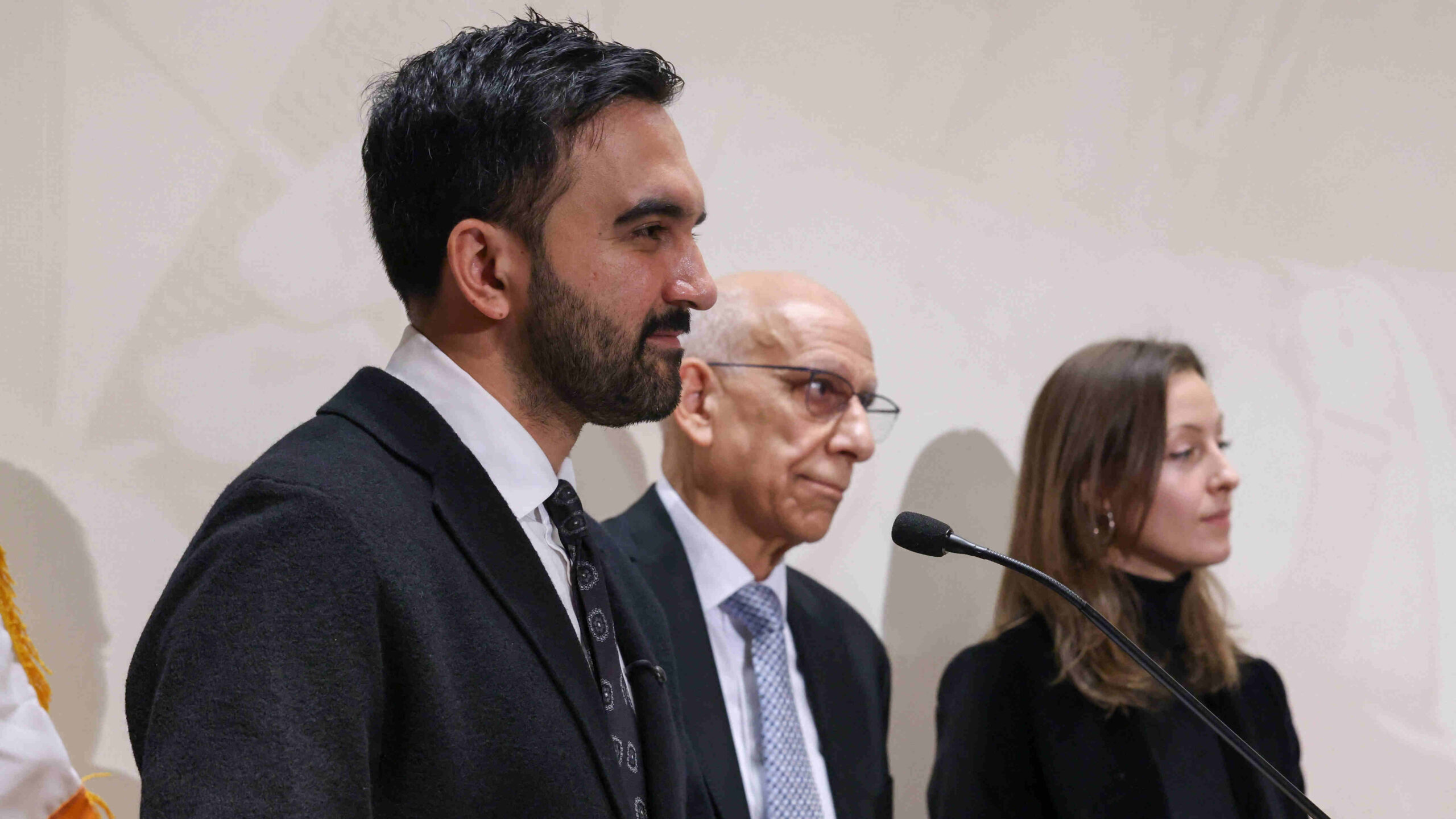
New York City Mayor-elect Zohran Mamdani has revealed his top administrative picks, signaling a strong focus on his affordability agenda. At a press conference held at the Roosevelt House Public Policy Institute in Manhattan, Mamdani announced Dean Fuleihan as his first deputy mayor and Elle Bisgaard-Church as his chief of staff. Fuleihan, a seasoned civil servant with 47 years of experience in New York City government, is expected to bring fiscal expertise and operational stability to Mamdani’s administration. Bisgaard-Church, who has served as Mamdani’s chief of staff in the New York State Assembly and his campaign manager, will transition into her first city government role. Both appointments aim to address concerns about Mamdani’s relative inexperience and bolster his ambitious policy proposals. Fuleihan’s background includes roles in the Mayor’s Office of Management and Budget and as chief fiscal advisor to the New York State Assembly, while Bisgaard-Church is credited with shaping the Democratic Socialists of America’s legislative strategy. Despite early challenges, including pushback from state leaders like Governor Kathy Hochul, Mamdani’s team remains optimistic about advancing his vision for affordable public services and universal childcare.
分类: politics
-
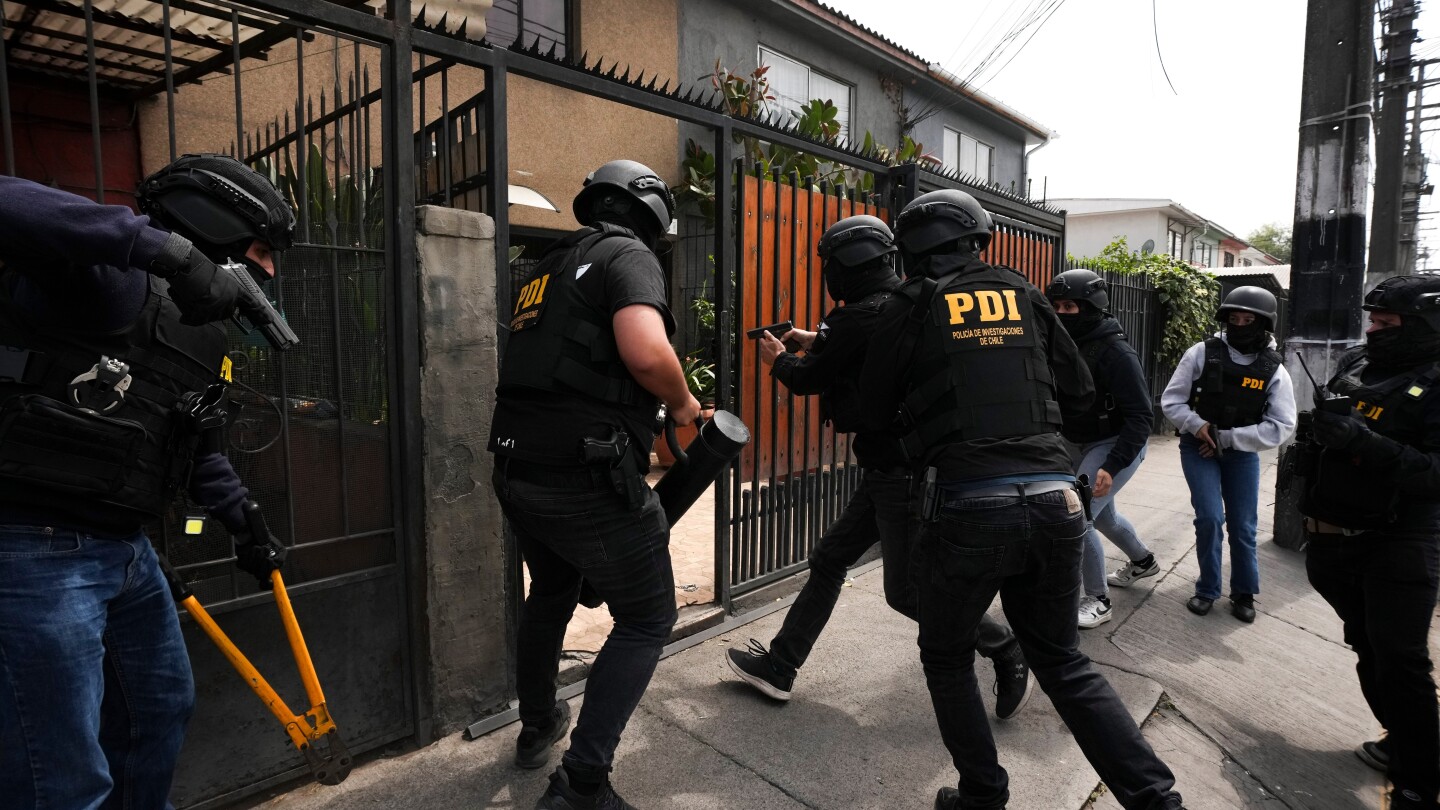
Security becomes top issue for Chileans ahead of presidential elections
Chileans are set to cast their votes in a highly polarized presidential election this Sunday, with security emerging as the dominant issue. The race has narrowed down to two front-runners: Communist candidate Jeannette Jara and far-right contender José Antonio Kast. Both candidates have centered their campaigns on addressing Chile’s escalating security challenges, proposing measures such as bolstering police forces, expanding prison capacity, and modernizing security infrastructure.
-
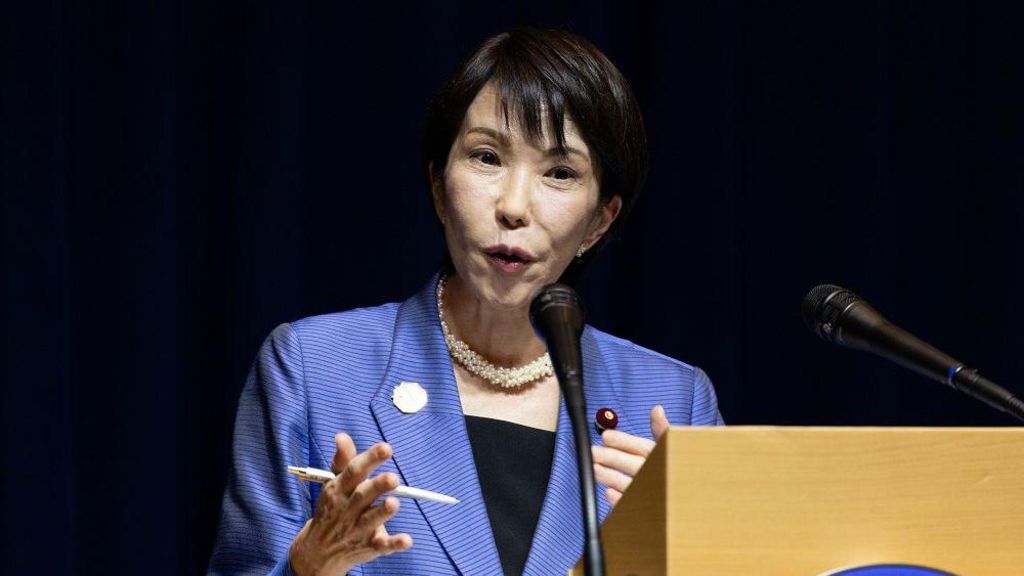
How the Japan PM’s Taiwan remarks provoked the fury of China
Recent developments in East Asia have reignited tensions between Japan and China, centering on the contentious issue of Taiwan. Japanese Prime Minister Sanae Takaichi’s remarks suggesting that Japan could deploy its self-defence forces in response to a potential Chinese attack on Taiwan have sparked a diplomatic row. This statement, made during a parliamentary session, has drawn sharp criticism from Beijing, with China’s foreign ministry labeling it as ‘egregious’ interference in its internal affairs. The situation escalated further when Xue Jian, China’s consul general in Osaka, made a provocative comment on social media, which was later removed but not before causing significant diplomatic friction. Both nations have lodged formal protests against each other, highlighting the deep-seated historical animosities and strategic ambiguities that continue to shape their relations. Takaichi, known for her hawkish stance on China and strong support for Taiwan, has defended her comments as consistent with Japan’s traditional position, though she has pledged to be more cautious in her future statements. This incident underscores the delicate balance of power in the region, with Japan’s alignment with the US and its increased defence spending raising alarms in Beijing. The longstanding policy of ‘strategic ambiguity’ maintained by both the US and Japan regarding Taiwan’s defence has been a cornerstone of regional stability, but Takaichi’s recent remarks suggest a potential shift in this approach. As both nations navigate this latest flare-up, the implications for regional security and diplomatic relations remain uncertain.
-
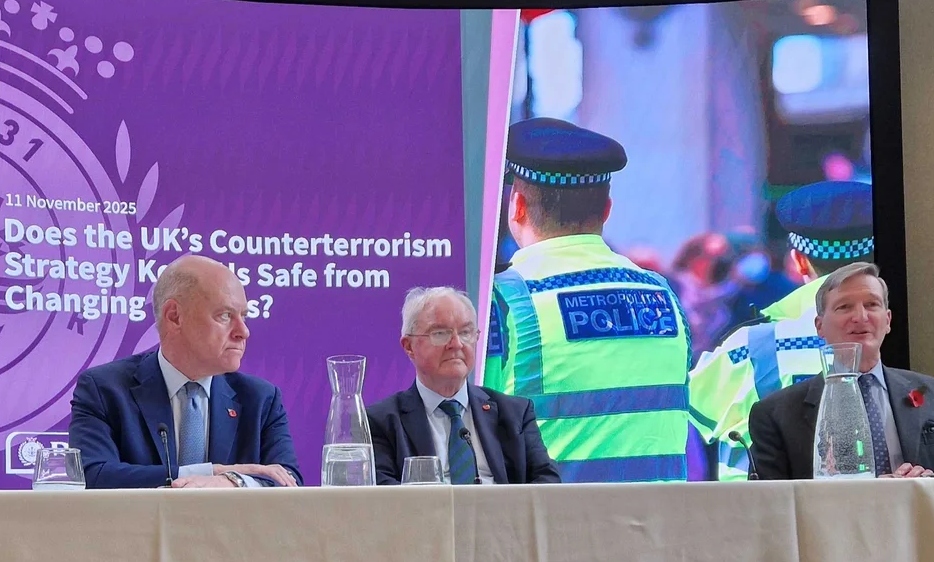
Former Northern Ireland lord chief justice says UK wrong to strip Shamima Begum of citizenship
Sir Declan Morgan, the former Lord Chief Justice of Ireland (2009-2021), has publicly criticized the UK government’s decision to revoke Shamima Begum’s citizenship. Speaking at the launch of a new report by the Independent Commission on UK Counter-Terrorism Law, Policy and Practice, which he chairs, Morgan argued that the practice of citizenship deprivation disproportionately affects British ethnic minorities and is inconsistent with human rights obligations. The report, unveiled at the Royal United Services Institute (Rusi) in Westminster, is the result of a three-year review and highlights significant flaws in British counter-terror legislation. Begum, a London-born woman who traveled to Islamic State-controlled territory at age 15 in 2015, was stripped of her British citizenship in 2019 by the Conservative government. Her legal team argued that the decision was unlawful, but the Supreme Court refused to hear her appeal. Morgan emphasized that under the commission’s proposals, Begum’s citizenship could not have been revoked. He urged the government to adopt the commission’s recommendations, which include repatriating British nationals from conflict zones and tightening the definition of terrorism. The report also criticizes the lowering of the threshold for citizenship deprivation and the weakening of procedural protections, noting that these practices disproportionately impact minority ethnic communities. Former attorney general Dominic Grieve, a commission member, pointed out that the UK stands out among countries like the US, Canada, and Australia for its refusal to repatriate citizens from conflict zones. The report calls for a more humane and consistent approach to counter-terrorism, emphasizing the need to protect human rights and avoid arbitrary decisions.
-
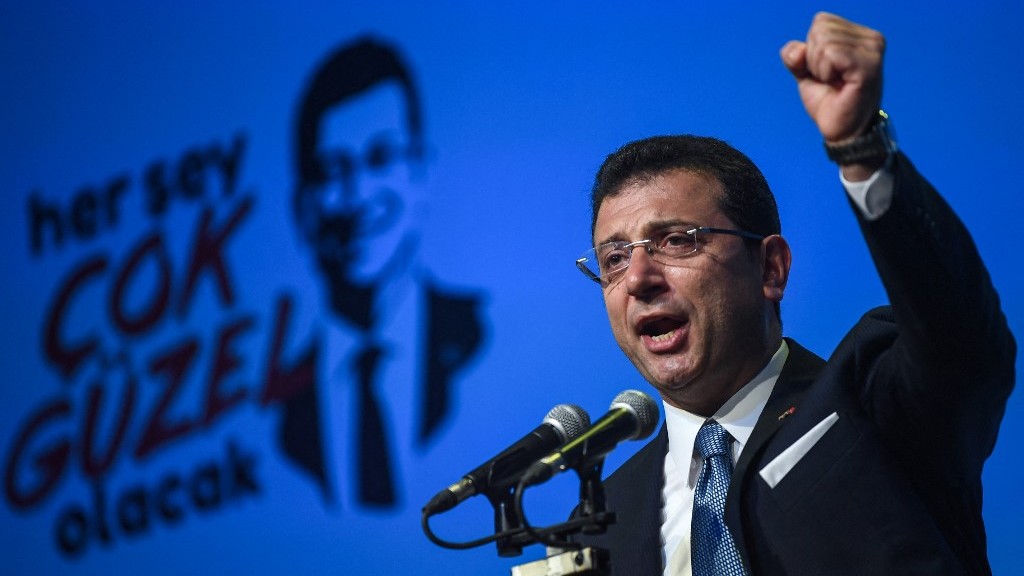
Turkish prosecutors seek 2,000-year sentence for Ekrem Imamoglu
Turkish prosecutors have filed a nearly 4,000-page indictment against Istanbul Mayor Ekrem Imamoglu, seeking a staggering prison sentence of over 2,000 years. The charges, revealed in court documents on Tuesday, include allegations of running a criminal organization, bribery, embezzlement, money laundering, extortion, and tender rigging. Imamoglu, a prominent opposition leader from the Republican People’s Party (CHP), was arrested on March 19 and is described in the indictment as manipulating a widespread criminal network ‘like an octopus.’ The CHP has accused President Recep Tayyip Erdogan and the ruling Justice and Development Party (AKP) of targeting Imamoglu following the opposition’s success in the 2024 local elections. Since his arrest, several other CHP mayors, officials, and politicians have also been detained, sparking widespread protests and accusations of politically motivated actions. Authorities have responded by detaining nearly 2,000 people, most of whom were later released. In a separate case last month, a court in Ankara dismissed a corruption case against CHP leader Ozgur Ozel, calling it ‘moot.’ Ozel reaffirmed that Imamoglu remains the party’s candidate for the next presidential election, denouncing the charges as baseless and politically driven. ‘His only crime is running for the presidency of this country!’ Ozel declared in a passionate address to parliament.
-
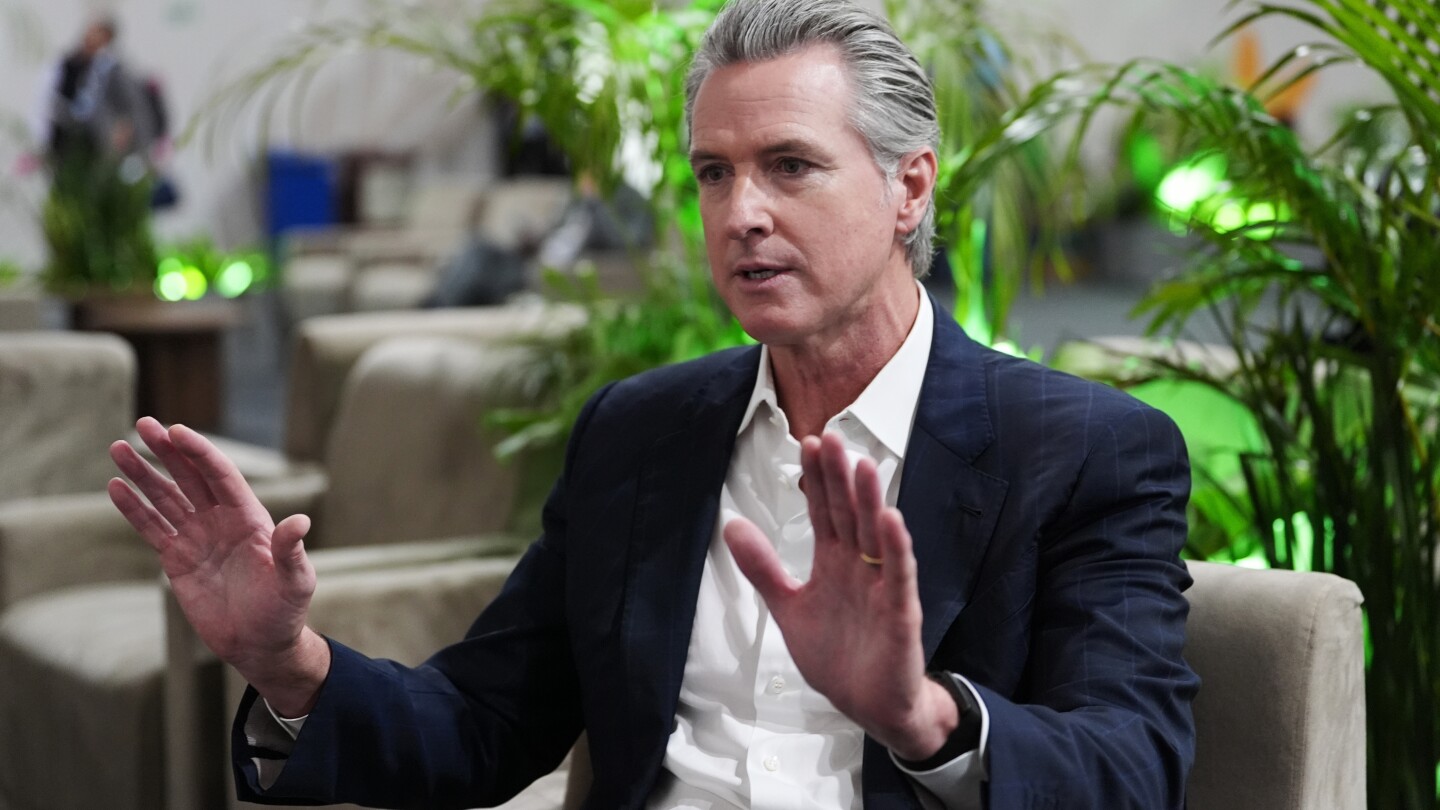
AP Interview: Newsom says Trump climate-fighting absence is ‘doubling down on stupid’
California Governor Gavin Newsom has sharply criticized the United States’ absence from the United Nations climate negotiations in Belem, Brazil, labeling it as a misguided move that could jeopardize the nation’s economic standing. Newsom, a prominent Democrat and potential 2028 presidential candidate, is among several U.S. governors and mayors attending the talks to emphasize that many American states remain committed to combating climate change despite federal policies under the Trump administration that favor fossil fuels and roll back environmental regulations.
Newsom highlighted the stark contrast between California’s progressive climate policies and the Trump administration’s decision to withdraw from the 2015 Paris Agreement, which aims to limit global temperature rise. He accused President Trump of sending a damaging message to the world by skipping the talks, stating, ‘You don’t matter, we don’t care.’ Newsom warned that the U.S. risks falling behind economically as other nations, including China, Russia, and Saudi Arabia, aggressively transition to green energy and low-carbon technologies.
The Trump administration has sought to undermine California’s authority to implement ambitious climate measures, such as banning the sale of new gas-powered cars. Newsom criticized these efforts, calling them ‘doubling down on stupid’ and arguing that they cede economic power to other countries. Meanwhile, the White House defended Trump’s energy policies, accusing Newsom of promoting a ‘Green New Scam’ that has led to high energy prices in California.
Newsom also emphasized the undeniable impacts of climate change, citing California’s record-breaking wildfires, droughts, and floods as evidence. Despite the challenges, California continues to pursue its goal of achieving carbon neutrality by 2045, investing in renewable energy, nuclear power, and advanced technologies like AI and nuclear fusion.
Analysts, including Alden Meyer of the European think tank E3G, praised the presence of U.S. state leaders at the talks but lamented the absence of federal representation. The ongoing climate negotiations underscore the global urgency to address environmental challenges and the economic opportunities tied to sustainable development.
-
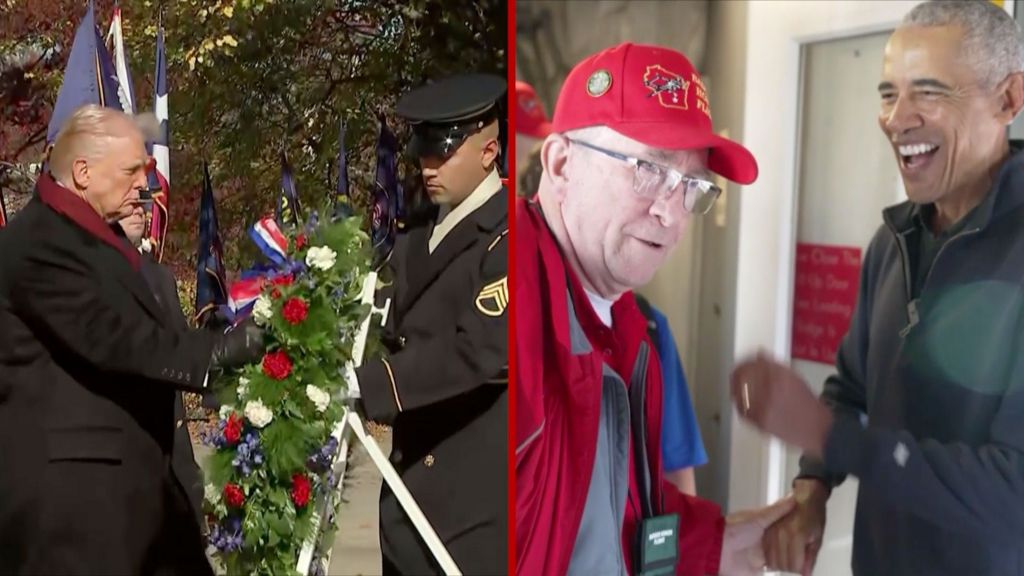
Watch: Trump and Obama honour US troops for Veterans Day
In a rare display of bipartisan unity, former U.S. Presidents Donald Trump and Barack Obama came together to honor American veterans on Veterans Day. The event, held in Washington D.C., saw Trump making a surprise appearance by landing on a special flight carrying nearly 80 veterans from the Korean and Vietnam Wars. The gathering served as a poignant reminder of the sacrifices made by military personnel, transcending political divides to pay tribute to their service. Both leaders expressed their gratitude and commitment to supporting veterans, emphasizing the importance of recognizing their contributions to the nation. The ceremony highlighted the enduring significance of Veterans Day as a time for reflection and national unity.
-
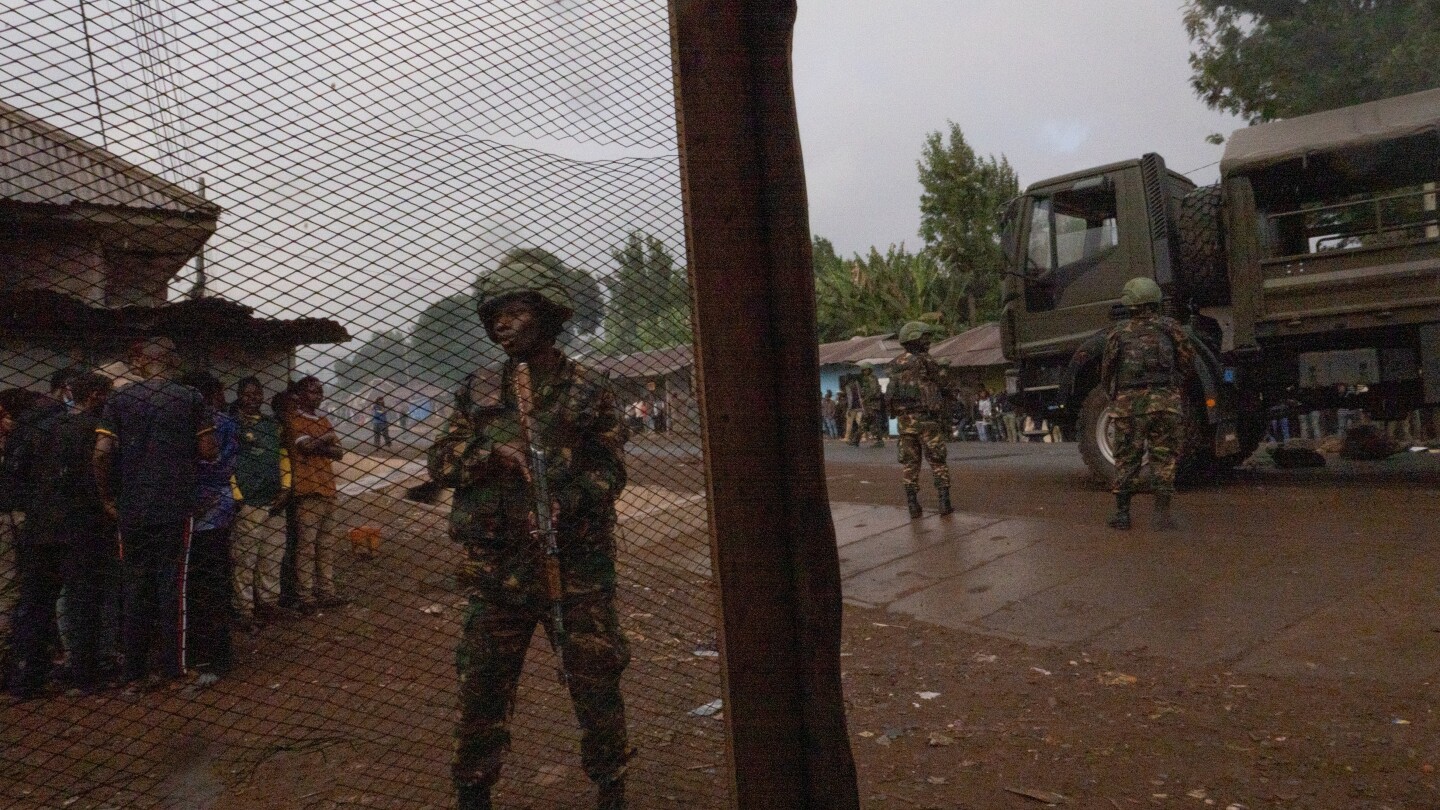
UN rights chief calls for a probe into killings in Tanzania and allegations of concealing evidence
The United Nations has issued a call for a thorough investigation into the reported deaths of hundreds of individuals during protests against the disputed Tanzanian presidential election. The election, held on October 29, saw the exclusion of candidates from the two main opposition parties, sparking widespread unrest. Volker Türk, the UN High Commissioner for Human Rights, expressed concerns over what he described as ‘an apparent attempt to conceal evidence,’ citing reports that police removed bodies from mortuaries to undisclosed locations. Türk urged Tanzanian authorities to release the bodies to families for proper burial. The primary opposition party, Chadema, claims that approximately 2,000 people were killed over three days of protests, though the government has not provided an official death toll. The UN statement referenced ‘hundreds’ of fatalities but noted the difficulty in verifying exact numbers due to Tanzania’s volatile security situation and a six-day internet blackout following the election. Videos purportedly showing security forces shooting protesters circulated online once internet access was restored, prompting the government to warn citizens against sharing such content, threatening arrests and treason charges. Additionally, hundreds of individuals have been charged with treason in connection with the protests. The UN has called for the unconditional release of all detained opposition officials, including Chadema leader Tundu Lissu, whose treason trial was postponed due to security concerns. Meanwhile, newly elected members of parliament were sworn in on Tuesday, with the ruling Chama Cha Mapinduzi party maintaining its dominant majority. Mussa Zungu, a member of the ruling party, was elected as the new speaker of parliament. Tensions remain high in Tanzania as the ruling party continues to suppress opposition voices and consolidate its long-standing grip on power.
-
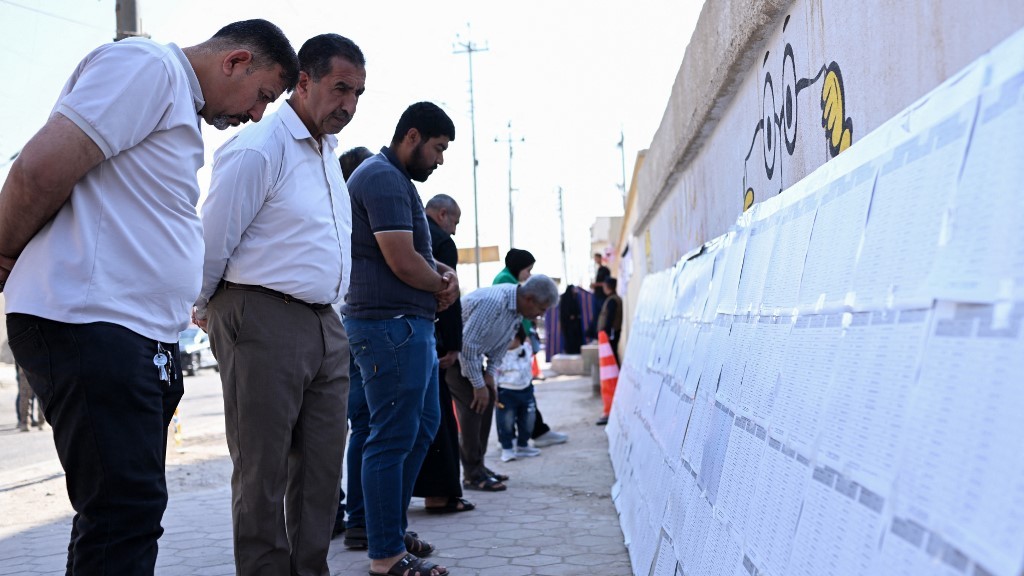
Iraq: Muqtada al-Sadr urges boycott of ‘corrupt’ elections as low turnout expected
Iraq’s parliamentary elections commenced on Tuesday, marked by a subdued voter turnout and widespread calls for a boycott, notably from influential Shia cleric Muqtada al-Sadr. Over 7,740 candidates, including a significant proportion of women, are vying for 329 seats. Preliminary results are anticipated by Wednesday, though final confirmation may extend over several weeks, as seen in previous elections. Reports from AFP correspondents indicate a notably low voter presence at midday, likely influenced by Sadr’s appeal to abstain from voting. In a recent social media statement, Sadr criticized the electoral system for perpetuating the dominance of corrupt politicians, urging Iraqis to reject the status quo. Despite relative stability since the fall of Saddam Hussein in 2003, persistent issues like corruption, inadequate public services, and infrastructure decay have eroded public trust in the electoral process. Sadr’s supporters dominated the 2021 elections, which recorded the lowest turnout since 2003, but withdrew from parliament in June 2022 following a government formation deadlock. Sadr and others advocate for a comprehensive overhaul of the parliamentary system, which is widely perceived as sectarian and clientelist. Prime Minister Mohammed Shia al-Sudani aims to retain his position, with his success hinging on the Coordination Framework, a dominant Shia alliance. Sudani has navigated Iraq through regional tensions, including the fallout from the Gaza conflict and the strained relations between the US and Iran. Armed groups linked to the Coordination Framework have targeted Israeli and US interests, demanding the withdrawal of American forces. A recent Reuters report highlighted a US-Iraq agreement to reduce the American military presence by September 2025. Former Prime Minister Nouri al-Maliki, a key figure in the elections, opposes Sudani’s re-election and emphasizes resisting foreign interference. Maliki criticized Sadr’s boycott calls, underscoring the challenges in conducting the elections amidst various obstacles.
-
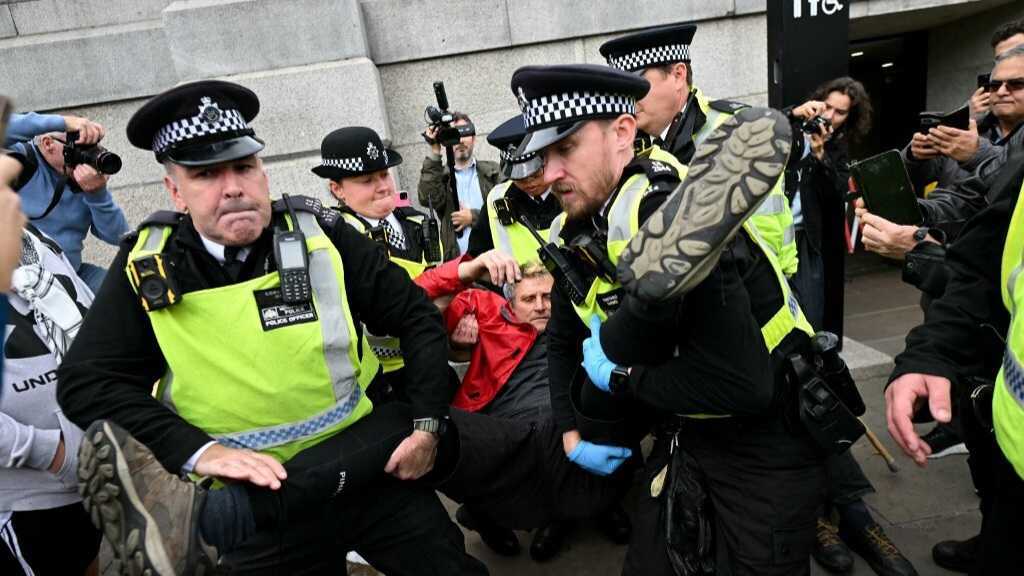
Sweeping UK terror laws risk labelling harmful behaviour as terrorism, says major report
A comprehensive review conducted by the Independent Commission on UK Counter-Terrorism Law, Policy and Practice has raised significant concerns about the broad application of British counterterror laws, particularly in light of the recent ban on Palestine Action. The three-year review, led by former judge Sir Declan Morgan and 14 commissioners, has called for a tightening of the UK’s definition of terrorism and a major overhaul of the Prevent counter-extremism programme. The report, released on Tuesday, emphasizes that without precise calibration, counterterrorism powers risk being applied too broadly, capturing behavior that is harmful but not necessarily terrorist. This follows the controversial proscription of Palestine Action as a terror group, which has led to the arrest of nearly 2,000 protesters under the Terrorism Act. The report argues that proscriptions should only be used to protect the public from terrorism and should expire after five years unless renewed by the government. It also highlights the confusion and strain on community relations caused by existing counterterror laws, particularly when banned groups pursue political objectives. Palestine Action is noted as the first organization to be proscribed primarily for property damage and the first direct action group to face such measures. The report further criticizes the lack of parliamentary oversight in the proscription process, noting that the order banning Palestine Action included two other groups, limiting parliamentarians’ ability to oppose it selectively. The commission has also called for a significant overhaul of the Prevent programme, which it deems unfit for purpose. Data reveals that 90% of the 58,000 individuals referred to Prevent since 2015 were not considered counterterrorism concerns, with 9% of recent referrals being suicide risks. The report criticizes Prevent’s radicalization model, arguing that it relies on assumptions not consistently supported by empirical evidence. It suggests that Prevent should be integrated into a broader, locally led safeguarding framework to address diverse vulnerabilities and violence, rather than focusing narrowly on terrorism. The report also highlights concerns about the potential harm caused by Prevent referrals, particularly among young people with complex needs. The case of Axel Rudakubana, who was referred to Prevent multiple times before committing a triple murder, underscores the programme’s limitations. The report concludes that Prevent is picking up many individuals who need support but are not terrorism-related, straining the system and potentially missing genuine threats.