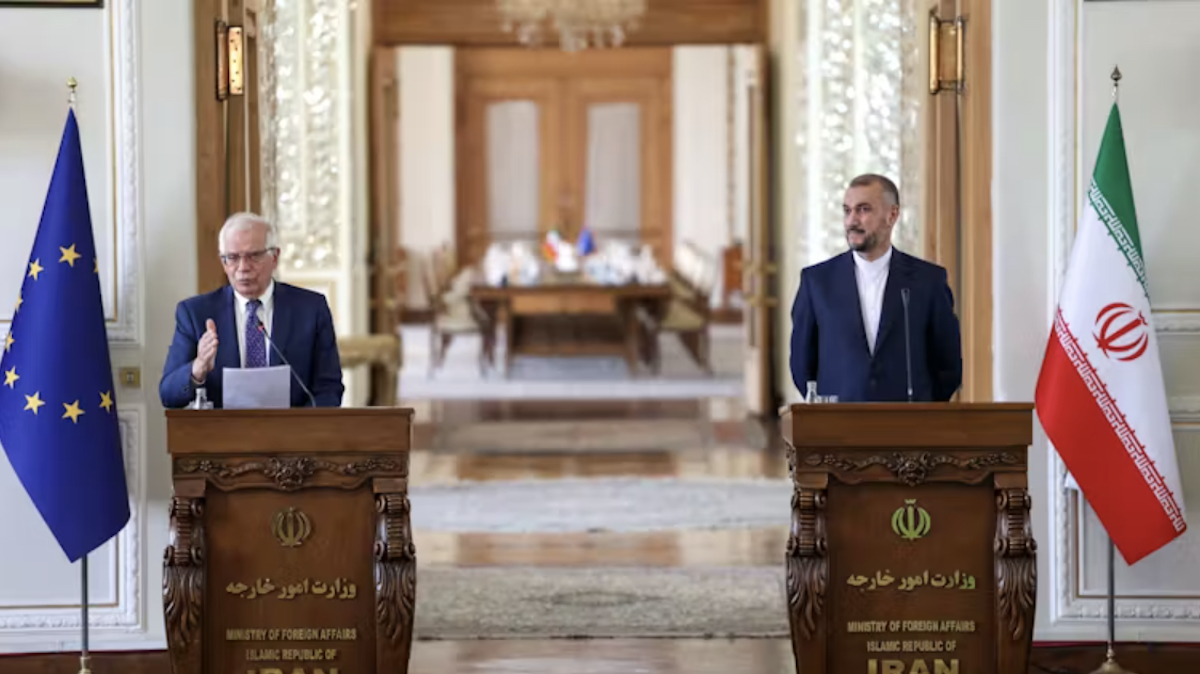
The United States’ decision to bomb three Iranian nuclear facilities on June 22, 2025, sent shockwaves across the globe, marking a stark departure from the Trump administration’s earlier diplomatic efforts to negotiate with Tehran over its nuclear program. This unprecedented military action, taken amidst the ongoing Israeli-Iranian conflict, has raised significant questions about the future of international diplomacy and nuclear nonproliferation. European governments, which have long advocated for a diplomatic resolution to Iran’s nuclear ambitions, responded with surprising restraint. European Commission President Ursula von der Leyen and German Chancellor Friedrich Merz both expressed support for Israel’s right to self-defense, while a joint statement from the E3 nations—France, the UK, and Germany—tacitly justified the US strikes as necessary to prevent Iran from developing nuclear weapons. However, the muted European reaction highlighted the continent’s diminished role in global diplomacy, particularly in contrast to its past leadership in negotiating the 2015 Iran nuclear deal. The deal, which included the US, Russia, China, and the European Union, aimed to curb Iran’s nuclear program in exchange for sanctions relief. The US withdrawal from the agreement in 2018 under President Trump, followed by the reimposition of heavy sanctions, severely undermined European efforts to maintain the deal and eroded Tehran’s trust in Europe as a reliable partner. Recent tensions, including Iran’s support for Russia’s invasion of Ukraine and Europe’s backing of Israel in the Gaza conflict, have further strained relations. Europe’s internal divisions over Middle East policy and its reliance on US leadership have compounded its challenges in reasserting a meaningful role in nuclear negotiations. As transatlantic relations remain fraught under the Trump administration, Europe faces an uphill battle to restore its influence in addressing Iran’s nuclear ambitions.
分类: politics
-
US builds next-generation bunker buster with China in mind
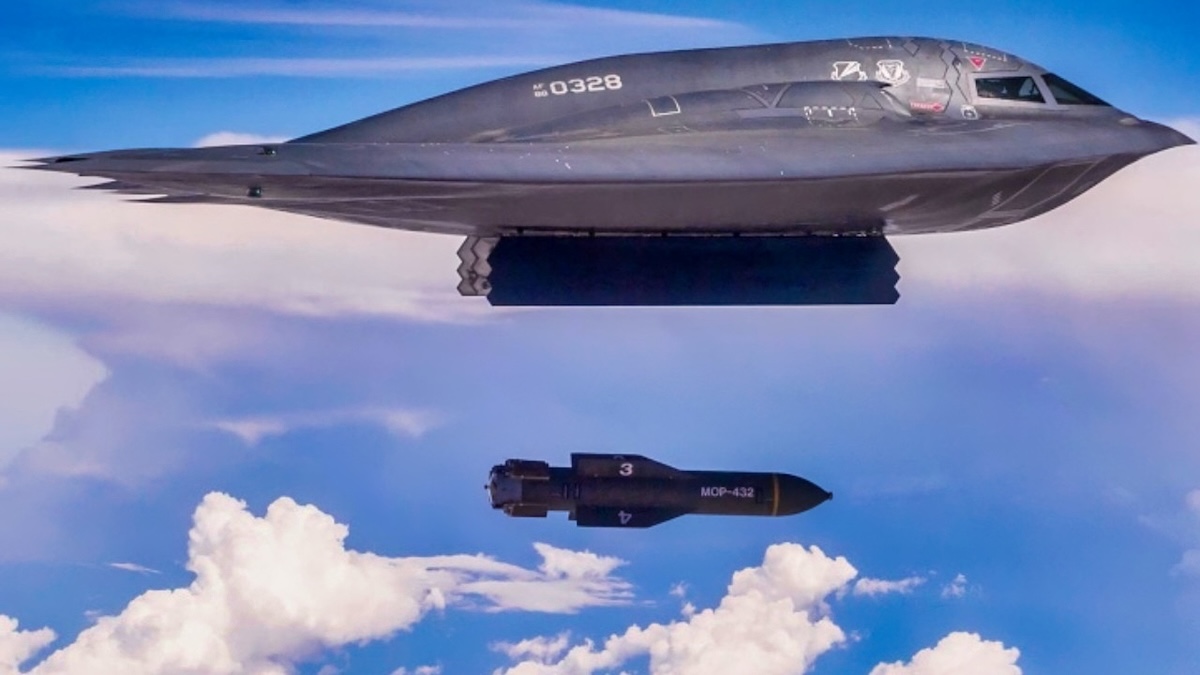
In the wake of its recent strikes on Iran’s nuclear facilities, the United States is fast-tracking the development of a next-generation penetrator (NGP) to address the evolving challenges of modern warfare. The June 2024 operation, codenamed Midnight Hammer, saw the first combat use of the 13,000-kilogram GBU-57/B Massive Ordnance Penetrator (MOP) against Iran’s Fordow and Natanz sites. While the strikes demonstrated precision, they also highlighted operational limitations, particularly with the B-21 Raider’s reduced payload capacity. This has spurred the US Department of Defense to prioritize the creation of a more advanced penetrator capable of overcoming hardened and deeply buried targets. The NGP, expected to weigh under 9,900 kilograms, will feature enhanced precision, propulsion systems for standoff capability, and improved terminal effects. Its development is driven by lessons from the Iran strikes and the growing global proliferation of fortified facilities in nations like China, North Korea, and Russia. The US Air Force aims to deploy initial prototypes within two years, integrating the NGP into the Long Range Strike system alongside platforms like the B-21 bomber and the AGM-181A Long-Range Stand-Off missile. However, the strikes on Iran’s Fordow facility, which lies 80 meters underground, raised questions about the MOP’s effectiveness. Satellite imagery revealed only six craters despite the deployment of 14 bombs, suggesting incomplete destruction of critical infrastructure. US Defense Secretary Pete Hegseth downplayed these concerns, calling leaked reports preliminary and emphasizing the complexity of battle damage assessments. The lessons from Iran could foreshadow greater challenges in potential conflicts with China, where deeply buried command centers and missile silos pose significant threats. Analysts warn that conventional strikes on such targets might be misinterpreted as nuclear decapitation attempts, escalating tensions. As the US refines its penetrator technology, the broader strategy of deterrence by denial remains critical, though it faces practical limitations amid China’s expanding missile capabilities and anti-access systems.
-
US missing the point on China’s industrial cyberespionage
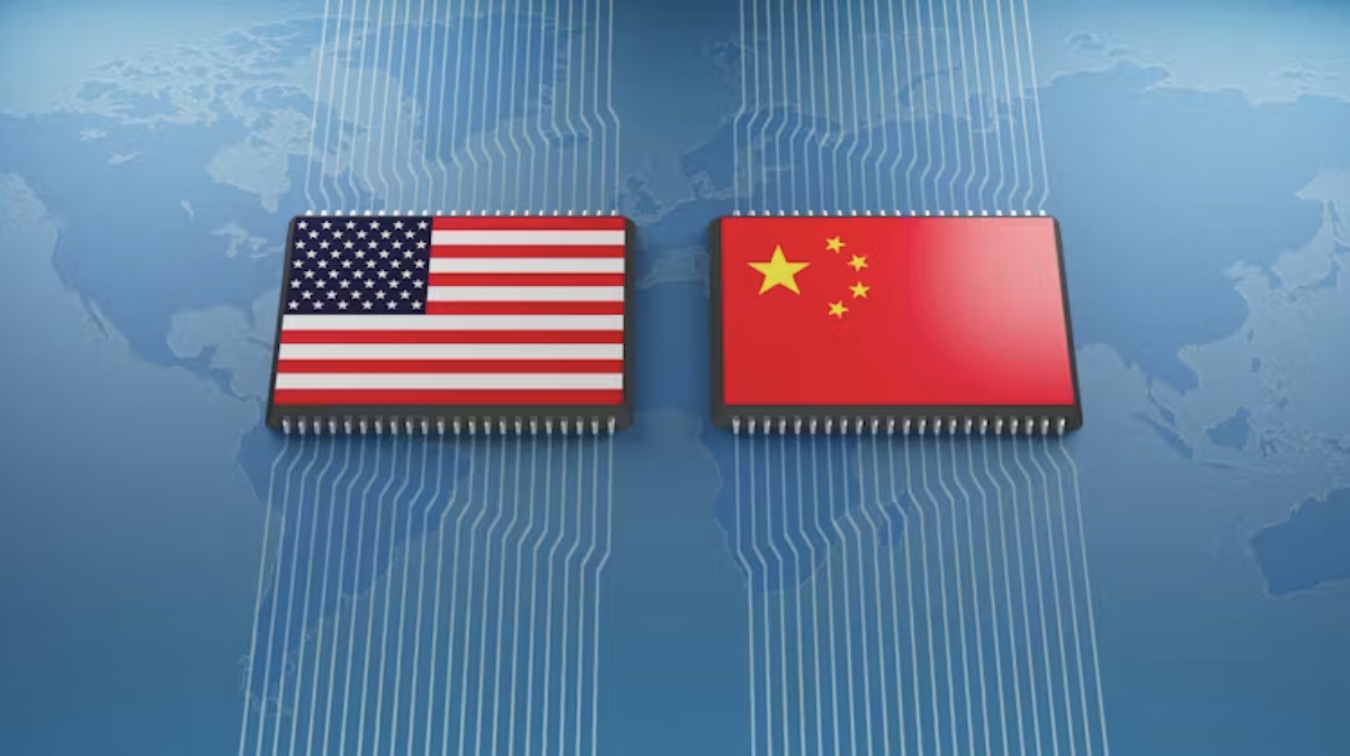
The United States is actively pursuing economic decoupling from China, implementing measures such as increased tariffs on Chinese goods, restrictions on advanced technology exports, and subsidies to bolster domestic manufacturing. This strategy aims to reduce reliance on China for critical products and safeguard US intellectual property from theft, particularly state-sponsored cyber-economic espionage. Former US Trade Representative Katherine Tai emphasized that China-specific tariffs were intended to counter harmful cyber intrusions and theft, echoing earlier Trump administration efforts to address intellectual property theft. However, the effectiveness of decoupling in protecting US innovations remains questionable. Political scientist William Akoto, who specializes in state-sponsored cyberespionage, argues that decoupling may not deter cyber theft and could even exacerbate it. His research highlights that industrial similarity, rather than reliance, drives cyberespionage. Countries with overlapping advanced industries, such as aerospace and electronics, are more likely to target each other with cyberattacks due to intense competition. For instance, the 2012 cyberattack on US solar panel manufacturer SolarWorld, attributed to Chinese entities, exemplifies this dynamic. Cutting trade ties does not eliminate technological rivalry; instead, it may intensify espionage efforts. Historical examples, such as South Africa’s covert acquisition of nuclear technology under sanctions and Israel’s clandestine military tech efforts during embargoes, illustrate how isolation can fuel desperation. To mitigate cyberespionage, Akoto suggests investing in cyber defense, building resilience, and accelerating innovation. Strengthening network security, training employees against phishing, and adopting robust encryption can make hacking attempts less successful. Additionally, businesses can focus on faster product development cycles to stay ahead of competitors. Rather than relying on tariffs and export bans as solutions, US leaders should prioritize resilience and stress-test cybersecurity measures to make espionage less rewarding for adversaries.
-
Trump vs Powell is the war that really matters
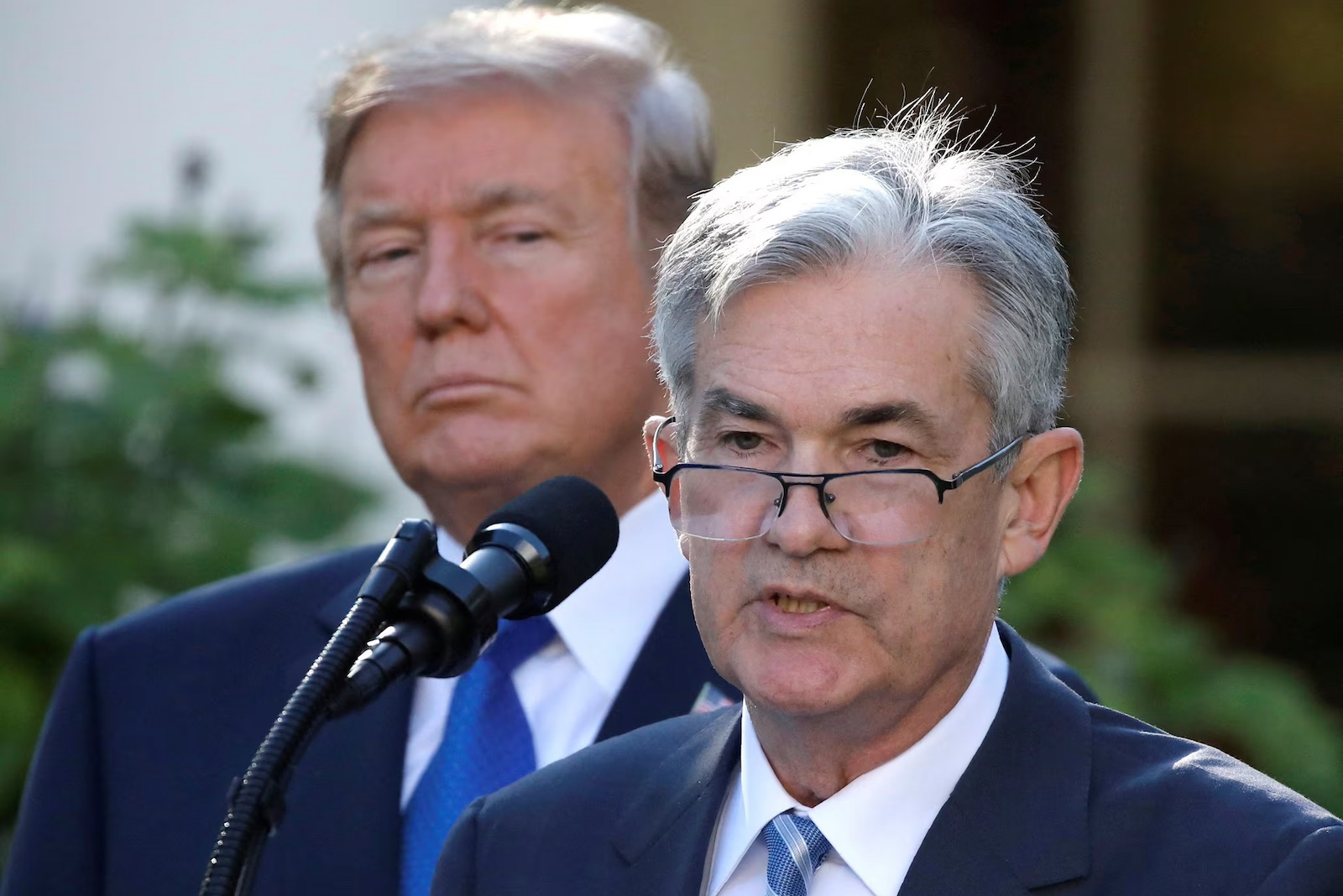
President Donald Trump’s ability to manage multiple high-stakes situations is currently under intense scrutiny as his administration navigates two significant challenges: one on the international stage and another within the United States. On the global front, Trump’s decision to authorize military strikes against Iran has sent shockwaves through global markets, creating uncertainty and volatility. Despite his announcement of a ceasefire between Iran and Israel, tensions remain high as both nations have reportedly violated the agreement, prompting sharp criticism from the President. Domestically, Trump’s ongoing feud with Federal Reserve Chair Jerome Powell is exacerbating economic anxieties, particularly in Asian markets. Trump and his key advisors have publicly criticized Powell for resisting calls to lower interest rates, further complicating the economic landscape. These dual battles highlight the complexities of Trump’s leadership style and the far-reaching consequences of his decisions.
-

Behind Trump’s flip-flop on Chinese student visas
In a surprising turn of events, former President Donald Trump has seemingly retracted plans for the U.S. State Department to scrutinize and revoke visas for Chinese students studying in the United States. On June 11, 2025, Trump took to his social media platform, TruthSocial, to announce that Chinese students remain welcome in the U.S., stating their presence ‘has always been good with me!’ This declaration came weeks after Secretary of State Marco Rubio revealed intentions to review and potentially cancel visas for Chinese nationals with ties to the Chinese Communist Party or those pursuing studies in critical fields. The conflicting messages have left Chinese students and prospective applicants in a state of uncertainty. Historically, Chinese students have faced barriers to studying in the U.S., with efforts to restrict their access dating back decades. Since the late 1970s, millions of Chinese students have been granted visas to study in American universities, contributing significantly to the U.S. economy and academic institutions. However, the proposed visa restrictions have reignited concerns about anti-Chinese discrimination and the broader implications for U.S.-China relations. The Trump administration’s contradictory moves highlight the complexities of balancing national security interests with the benefits of international educational exchange.
-
Trump made clear he does not fit in with G7, nor does he want to
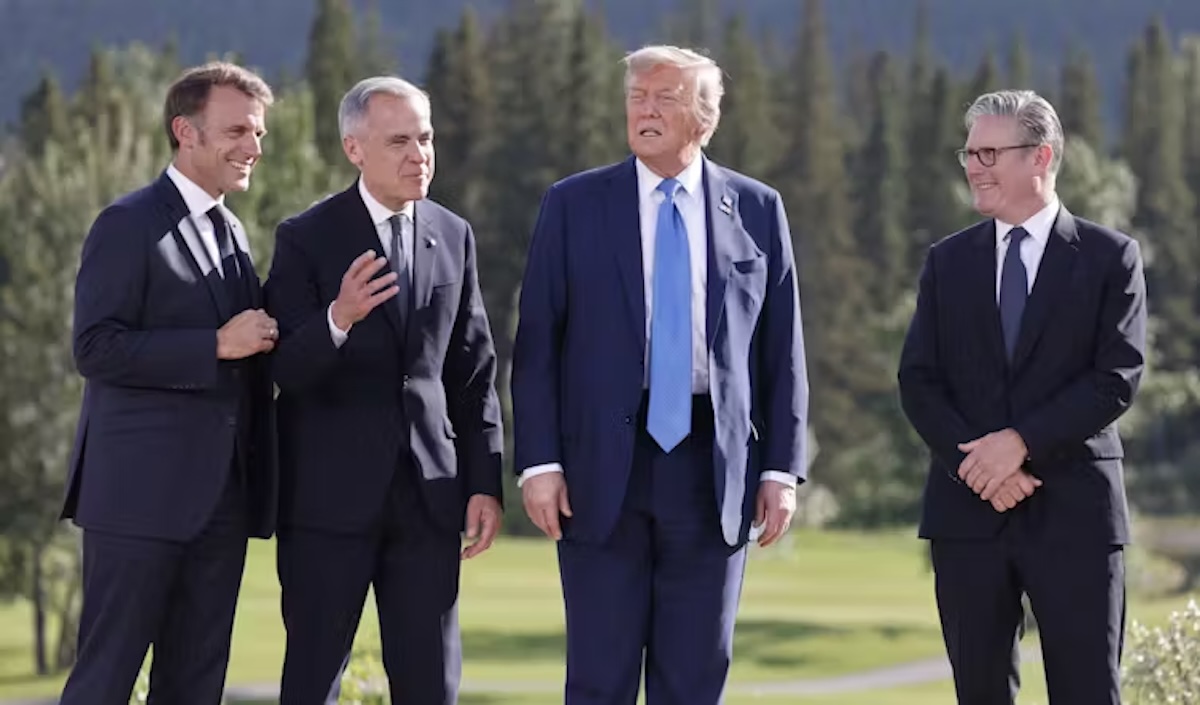
President Donald Trump’s abrupt departure from the recent G7 summit in Canada has reignited concerns about his strained relationships with Western democratic allies. While French President Emmanuel Macron speculated that Trump’s exit was linked to the escalating tensions between Iran and Israel, the U.S. president offered no clear explanation, merely stating he left for “obvious reasons.” Trump later took to social media to criticize Macron, asserting that his departure was unrelated to a ceasefire and involved something “much bigger.” This cryptic behavior has fueled speculation about potential U.S. involvement in Israel’s military actions against Iran. Trump’s recent statements, including claiming “complete and total control of the skies over Iran” and demanding Tehran’s “unconditional surrender,” suggest a hardening stance. Israeli Prime Minister Benjamin Netanyahu appears to be leveraging Trump’s impulsive nature to secure advanced military support, such as the 30,000-pound “bunker buster” bomb and a B-2 bomber, to target Iran’s uranium enrichment sites. Trump’s actions have left U.S. allies scrambling to interpret his intentions, further straining transatlantic relations. His history of early departures from G7 meetings, skepticism toward NATO, and preference for bilateral deals over multilateral cooperation underscore his “America First” agenda. Trump’s call for Russia’s return to the G7 and his admiration for Vladimir Putin have also alarmed allies, raising questions about his commitment to collective security. As tensions in the Middle East escalate, Trump’s approach risks undermining global stability and deepening divisions among Western powers.
-
Chinese diplomat highlights importance of media in bilateral relations
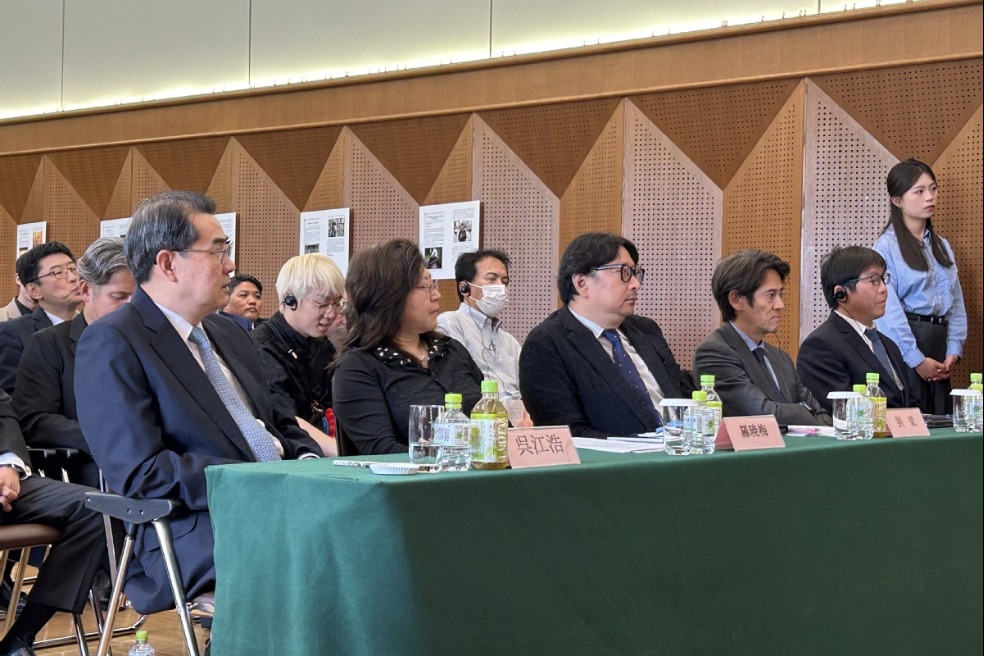
Chinese Ambassador to Japan Wu Jianghao emphasized the critical role of media in enhancing mutual understanding and advancing bilateral relations during a China-Japan media salon hosted by the Chinese embassy in Tokyo on June 12. The event brought together media professionals and diplomats who advocated for objective, balanced, and fair reporting to foster deeper connections between the two nations. Ambassador Wu highlighted the media’s function as a bridge, urging thoughtful voices in both countries to contribute positively to the healthy and stable development of China-Japan relations. He also called for the effective use of social media to amplify these efforts. The high-level consultation mechanism on people-to-people and cultural exchanges between China and Japan, relaunched at the end of last year, aims to strengthen media and think tank cooperation to improve public opinion environments. Takeshi Hisanaga, an editorial writer at The Nishinippon Shimbun, expressed concern over the diminishing sense of closeness among Japanese citizens toward China, underscoring the need for improved media engagement.
-
Japan’s close-range reconnaissance a security threat, China says
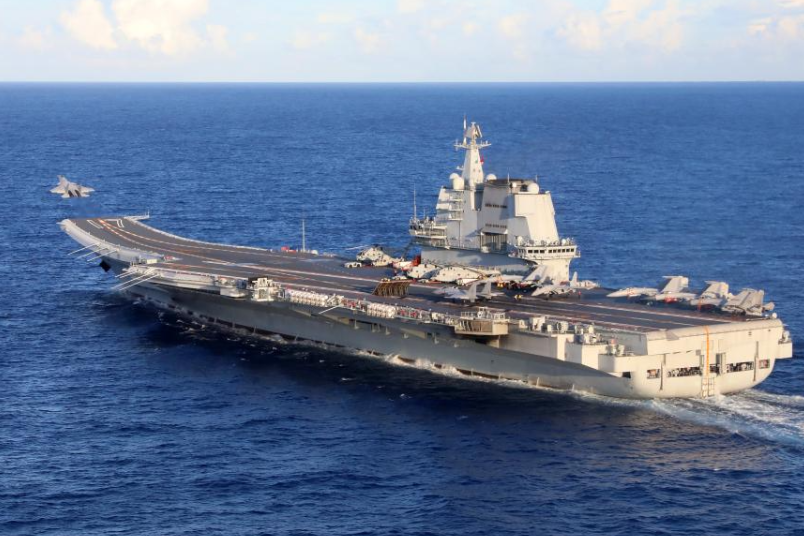
China has raised concerns over Japan’s close-range reconnaissance activities, labeling them as a significant threat to maritime and airspace security. Foreign Ministry spokesman Lin Jian addressed the issue during a regular press briefing on Thursday, responding to reports that Japanese military patrol planes encountered Chinese fighter jets flying unusually close over the weekend. Lin emphasized that China’s military operations in the region are fully compliant with international law and practices. He stated that Japan’s reconnaissance activities against China’s routine military exercises are the primary cause of security risks. Lin urged Japan to cease such provocative actions. Meanwhile, China has confirmed the deployment of carrier strike groups led by the CNS Liaoning and CNS Shandong for training exercises in the Western Pacific, underscoring its commitment to maintaining regional stability. The defense departments of both nations have maintained communication through established channels to address the issue.
-
Could David Cameron be prosecuted for threatening the ICC?
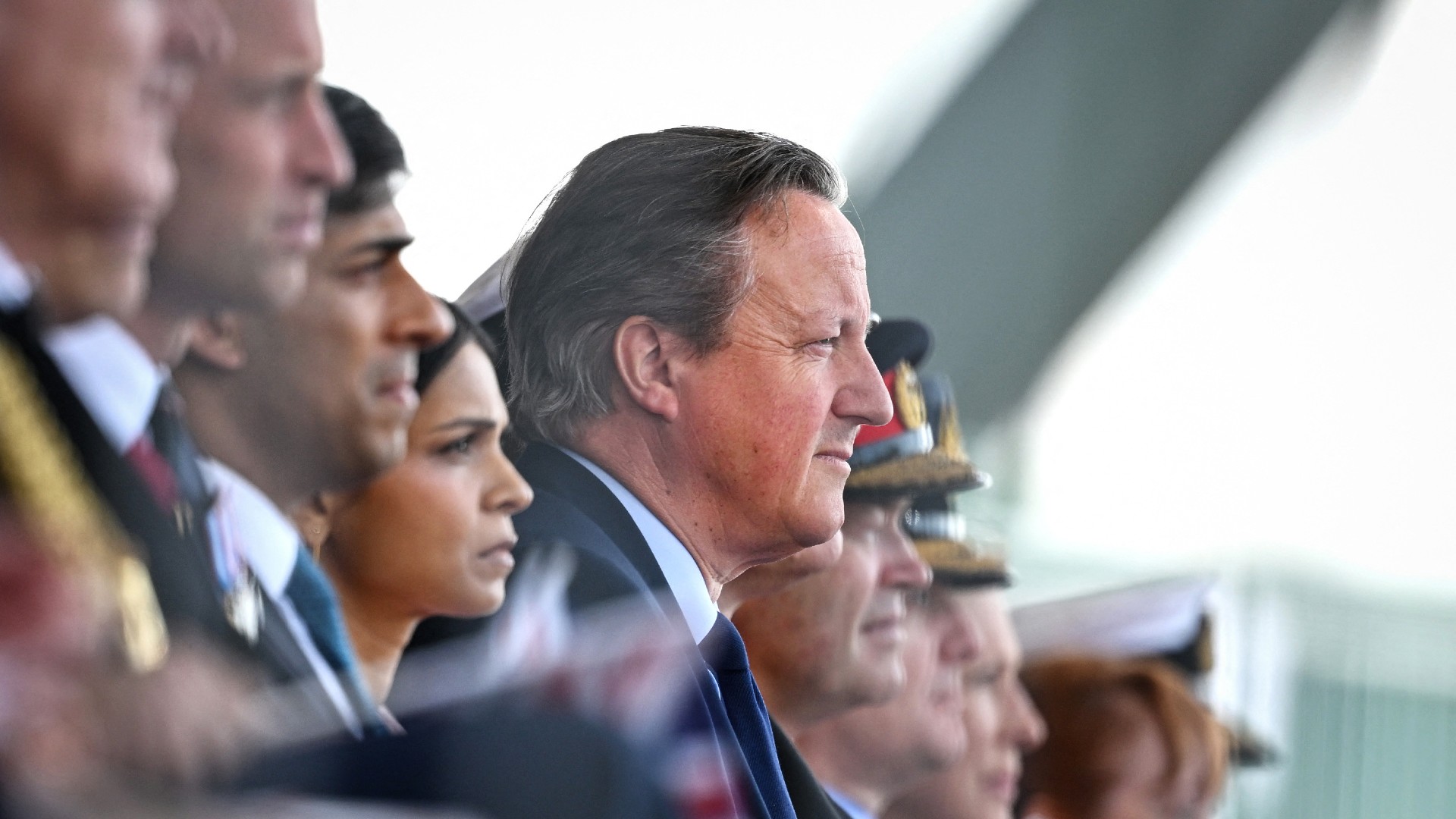
International legal authorities have raised serious concerns about potential criminal liability for David Cameron, the United Kingdom’s former Foreign Secretary, following revelations about his alleged attempts to influence the International Criminal Court’s judicial processes. According to exclusive reporting from Middle East Eye, Cameron reportedly threatened Chief Prosecutor Karim Khan during an April 2024 telephone conversation, warning that Britain would withdraw from the Rome Statute and cease financial support if the court pursued arrest warrants for Israeli leaders.
UN Special Rapporteur on Palestine Francesca Albanese characterized such threats as clear obstruction of justice, stating the situation demonstrates ‘incredible audacity’ from someone in a position of power. Professor Sergey Vasiliev of the Open University of the Netherlands noted that if confirmed, Cameron’s actions would represent a crossing of legal boundaries and demonstrate profound disrespect for the ICC’s judicial independence.
The controversial exchange occurred while Prosecutor Khan’s team was preparing arrest warrants for Israeli Prime Minister Benjamin Netanyahu, Defense Minister Yoav Gallant, and three Hamas leaders. Despite Cameron’s intervention, the court formally approved the warrants six months later on November 21, charging Netanyahu and Gallant with war crimes and crimes against humanity in Gaza.
Legal experts cite Article 70 of the Rome Statute, which prohibits offenses against the administration of justice, including intimidating court officials to influence their duties. Professor Tom Dannenbaum of the Fletcher School of Law and Diplomacy explained that while the UK maintains the right to withdraw from the ICC, conditioning such action on specific prosecutorial decisions constitutes improper political pressure that undermines judicial independence.
The potential consequences for Cameron could include ICC arrest warrants and, if convicted, up to five years imprisonment in The Hague. Domestically, British law permits investigation under the ICC Act 2001 for obstruction of justice or misconduct in public office, offenses carrying maximum life sentences. However, experts note practical challenges including political considerations and possible functional immunity claims for actions taken in official capacity.
The development occurs amidst heightened tensions between the ICC and Western governments, including recent US sanctions against court officials and Prosecutor Khan’s current leave of absence pending unrelated misconduct investigations.
-
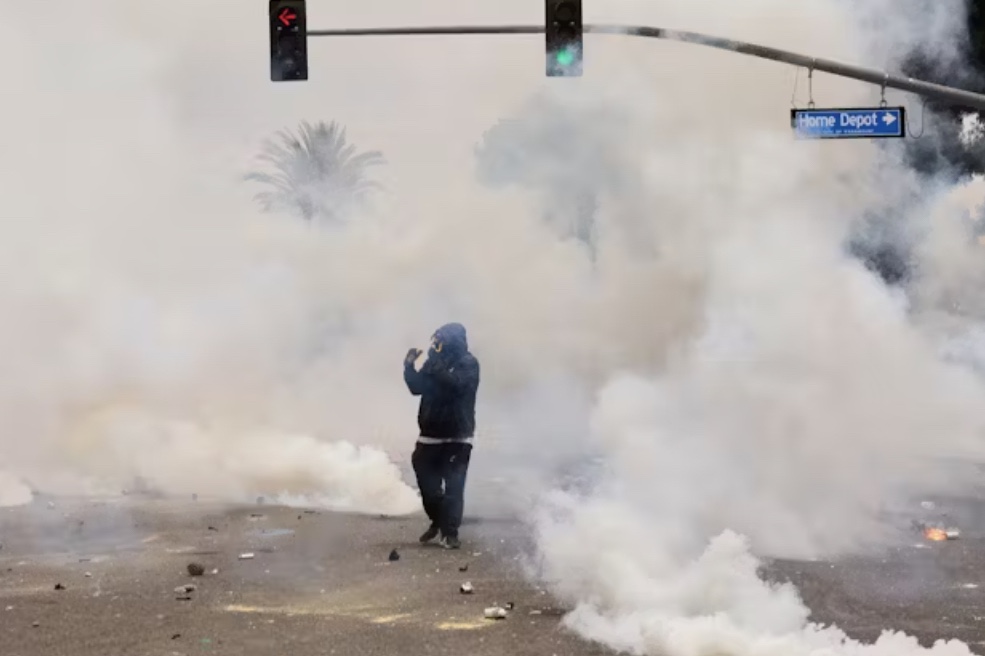
From Kent State to LA, using soldiers on civilians is high-risk
In response to escalating protests in Los Angeles against federal immigration enforcement raids, President Donald Trump ordered the deployment of 2,000 California National Guard troops on June 7, 2025. The move aimed to protect federal agents conducting the raids, with Trump also authorizing the Pentagon to dispatch regular U.S. troops if necessary. The president’s orders did not specify rules of engagement, raising concerns about the potential use of force. California Governor Gavin Newsom, who did not request the National Guard, criticized the decision as “inflammatory” and warned it could exacerbate tensions. The protests began on June 6, 2025, following immigration raids across the city. The deployment of the National Guard, a state militia typically under the command of governors, was federalized by Trump under Section 12406 of Title 10 of the U.S. Code, which allows mobilization in cases of rebellion or threats to federal authority. This decision has drawn comparisons to the Kent State tragedy of May 4, 1970, when National Guard troops opened fire on anti-war protesters at Kent State University, killing four students and wounding nine. Historians and experts warn that deploying military forces in civilian protests can lead to unpredictable and tragic outcomes, as seen in Kent State. The incident underscores the delicate balance between maintaining order and respecting civil liberties, with critics arguing that aggressive displays of force can escalate tensions rather than resolve them.