分类: politics

  • US ends protection for Somalis amid escalating migrant crackdown

    US ends protection for Somalis amid escalating migrant crackdown

    The United States government announced Tuesday it will terminate Temporary Protected Status (TPS) for Somali nationals, setting a March 17 departure deadline amid escalating immigration enforcement measures targeting Somali communities. The Department of Homeland Security declared via social media that it would end protections that have shielded Somalis from deportation to conflict-affected regions.

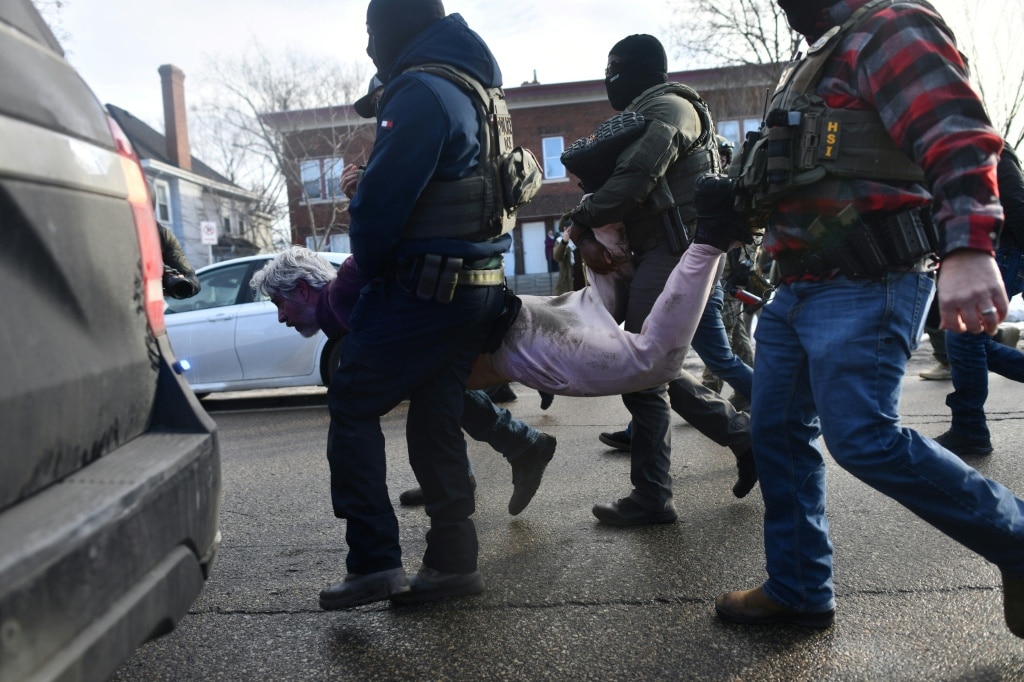
    The policy shift comes amid intensified Immigration and Customs Enforcement (ICE) operations in Minnesota, home to approximately 80,000 Somali residents—the largest Somali community in the nation. Recent weeks have seen masked officers conducting vehicle checkpoints and enforcement sweeps that have reportedly resulted in approximately 2,000 arrests. During one such operation, officers were witnessed forcibly removing individuals from vehicles.

    Tensions escalated dramatically last week when an ICE officer fatally shot 37-year-old Renee Nicole Good during an operation in Minneapolis. The incident has sparked protests and led to the resignation of three federal prosecutors who allegedly faced pressure to focus investigations on the victim’s widow rather than the shooting itself.

    Administration officials have justified the crackdown by citing a massive public benefits fraud case involving $300 million in diverted funds. Federal prosecutors have charged 98 individuals, with 85 identified as being of Somali descent. Fifty-seven defendants have already been convicted in the scheme.

    Republican leadership, including President Trump, has accused Minnesota Democratic authorities of ignoring previous warnings about the fraud due to the community’s ethnic composition. On his Truth Social platform, Trump promised ‘reckoning and retribution’ for Minnesota while alleging Democrats benefit from diverted attention away from the scandal.

    Congresswoman Ilhan Omar, the first Somali-American elected to Congress, condemned the administration’s tactics, stating: ‘Trump is trying to scare them and terrorize them every single day… Somalis are not intimidated.’

    Minnesota state authorities have sought a temporary restraining order to halt ICE operations pending judicial review, while community organizers describe the situation as targeted persecution against Somali residents through weaponized federal agencies.
  • Bangladesh: Muhammad Yunus warns of disinformation ‘flood’ before February vote

    Bangladesh: Muhammad Yunus warns of disinformation ‘flood’ before February vote

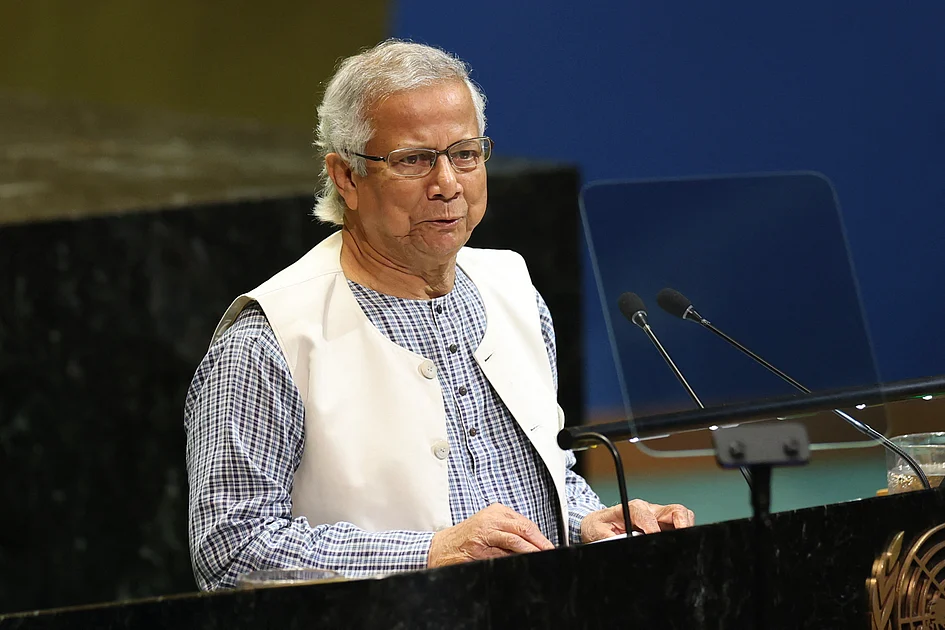
    Nobel Peace Prize recipient Muhammad Yunus has issued a stark warning about the deluge of disinformation threatening to undermine Bangladesh’s pivotal February elections. The 85-year-old interim leader revealed he has urgently appealed to United Nations human rights chief Volker Turk for assistance in combating what he describes as a coordinated misinformation campaign originating from both international and domestic sources.

    In an official statement released Tuesday, Yunus’s office detailed his grave concerns about the potential impact of fabricated news and malicious rumors circulating across social media platforms. This electoral process marks the nation’s first democratic exercise since the August 2024 student-led uprising that ended Prime Minister Sheikh Hasina’s 15-year authoritarian regime, plunging the South Asian nation into prolonged political instability.

    European Union election observation delegations have characterized the upcoming February 12 vote as the most significant democratic undertaking of 2026, highlighting its importance for the Muslim-majority nation of 170 million people. Yunus, who returned from exile to lead a transitional caretaker government following the revolution, is scheduled to relinquish power after the elections.

    The Nobel laureate inherited what he characterizes as a fundamentally fractured political system and has championed comprehensive constitutional reforms designed to prevent a regression to autocratic governance. A national referendum on these proposed structural changes will coincide with the election date, aiming to establish robust checks and balances among the executive, judicial, and legislative branches of government.

    UN rights commissioner Turk has reportedly pledged the organization’s support in addressing the disinformation crisis, acknowledging the critical importance of preserving electoral integrity in one of Asia’s most densely populated democracies.

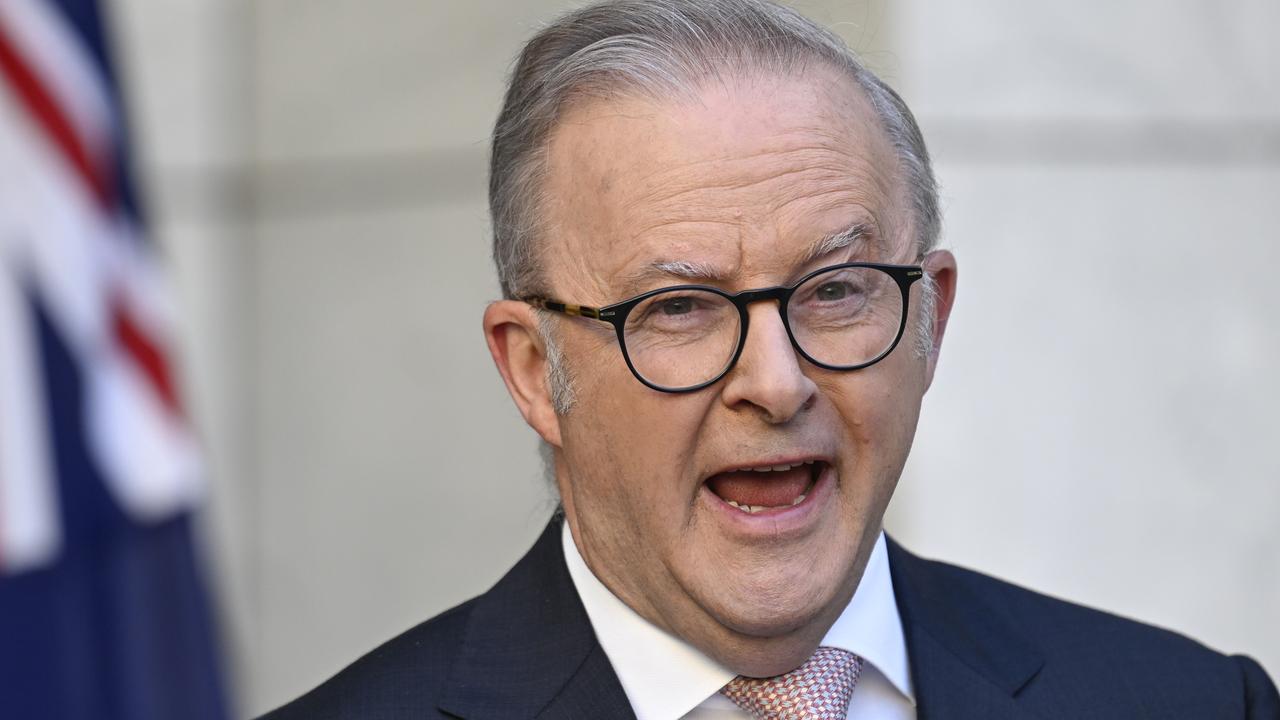
  • Albanese’s hate speech Bill has ‘significant shortcomings’, Jewish leader warns

    Albanese’s hate speech Bill has ‘significant shortcomings’, Jewish leader warns

    A prominent Australian Jewish organization has expressed significant reservations about proposed national security legislation, warning that critical flaws in the government’s approach could undermine the effectiveness of new hate speech laws. The Executive Council of Australian Jewry (ECAJ), while acknowledging positive aspects of the Albanese government’s omnibus bill, identified several concerning shortcomings that might necessitate further legislative revisions within years.

    The comprehensive legislation, developed in response to the Bondi Beach terrorist attack, seeks to overhaul multiple legal domains including hate speech protocols, immigration procedures, and firearms regulations. Key provisions would establish new offenses targeting individuals who radicalize children or incite racial hatred, alongside criminalizing membership in banned hate organizations. The bill additionally facilitates a nationally coordinated firearm buyback program and empowers states to restrict gun licenses exclusively to Australian citizens.

    ECAJ co-chief executive Peter Wertheim presented testimony during emergency hearings, highlighting four primary deficiencies in the proposed serious vilification offense. Notably, the legislation fails to address hatred directed at individuals based on gender identity and sexual orientation, excludes recklessness as a prosecutable mental state, and incorporates problematic exemption clauses for religious teachings referencing sacred texts. Most concerning to Jewish representatives is the requirement that prosecutors demonstrate affected individuals would experience genuine fear for their safety—a significantly high evidentiary threshold.

    Wertheim articulated strong opposition to the religious exemption provision, characterizing it as “misconceived and outdated.” He argued that recognized global religions universally disavow promoting racial hatred intentionally, though acknowledging that textual interpretations might occasionally be misappropriated for such purposes. The ECAJ cited their successful litigation against Sydney preacher Wissam Haddad as precedent demonstrating how such exemptions could potentially shield hate speech under the guise of religious instruction.

    The organization further expressed concern that the religious defense might deter prosecutors from pursuing cases where defendants could simply claim textual quotation context. Regarding the controversial phrase “globalise the Intifada,” which some Jewish groups interpret as advocating violence against Jewish people, Wertheim advocated for its explicit prohibition under the new legislation. He noted the challenge of contextual understanding among Australia’s predominantly non-Jewish population and judicial system.

    Government officials defended the religious exemption as intended to protect genuine religious discourse involving historical text quotation without additional inflammatory context. Attorney-General’s Department representatives emphasized the legislation examines conduct holistically rather than targeting specific phrases. Both Australian Federal Police and ASIO leadership acknowledged the bill’s potential to enhance community safety while recognizing the inherent challenges in predicting prosecutorial outcomes until judicial testing occurs.

  • US opens ‘air defence coordination cell’ in Qatar as Iran tensions rise

    US opens ‘air defence coordination cell’ in Qatar as Iran tensions rise

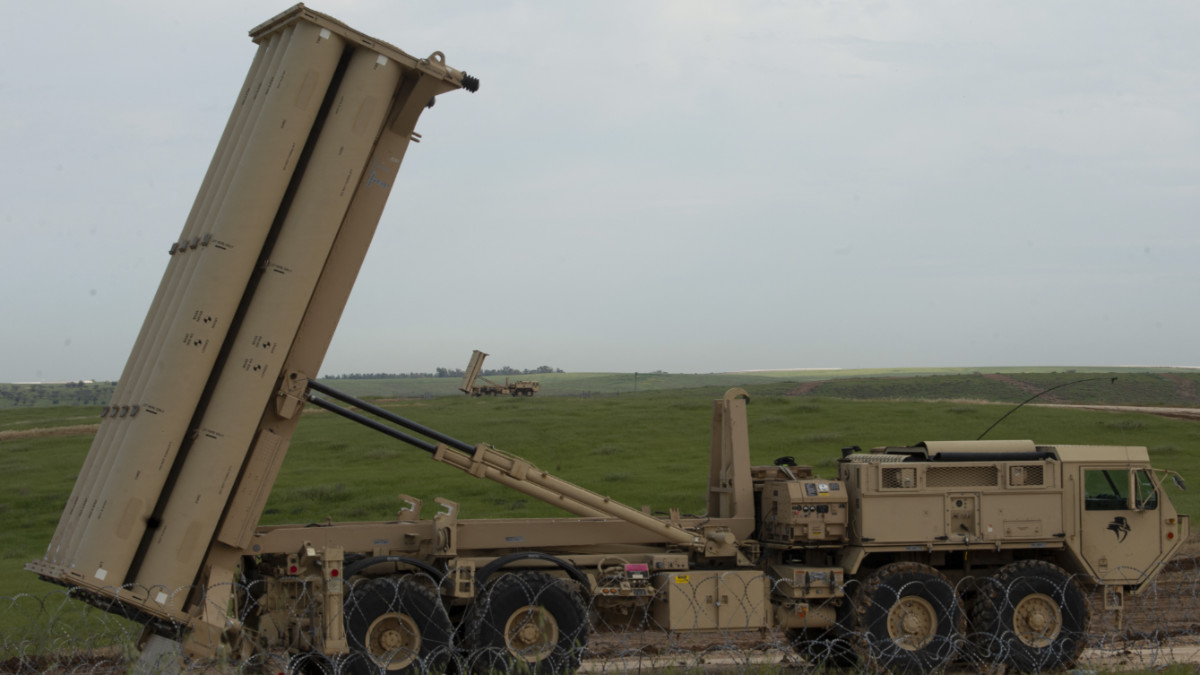
    The United States and Qatar have formally inaugurated a new air and missile defense coordination center at Al-Udeid Air Base, signaling strengthened military cooperation as the Trump administration contemplates potential intervention in Iran. Admiral Brad Cooper, commander of U.S. Central Command (CENTCOM), characterized the facility as a “significant step forward” in regional air defense integration, with 17 nations currently participating in operations at the site.

    This development represents the latest effort by Washington to establish enhanced defense collaboration among regional partners, often described as a “Middle East NATO” initiative primarily focused on countering Iranian influence. However, analysts note that America’s credibility as regional security guarantor suffered following Israel’s September strike on Hamas negotiators in Doha, an operation that Middle East Eye reported President Trump had prior knowledge of despite official denials.

    The strategic importance of Qatar within U.S. defense architecture has been further highlighted by recent events. In response to security concerns, Qatar secured a presidential executive order equating attacks on the gas-rich nation to attacks on American interests. Not to be outdone, Saudi Arabia pursued similar security assurances during Crown Prince Mohammed bin Salman’s November visit to Washington.

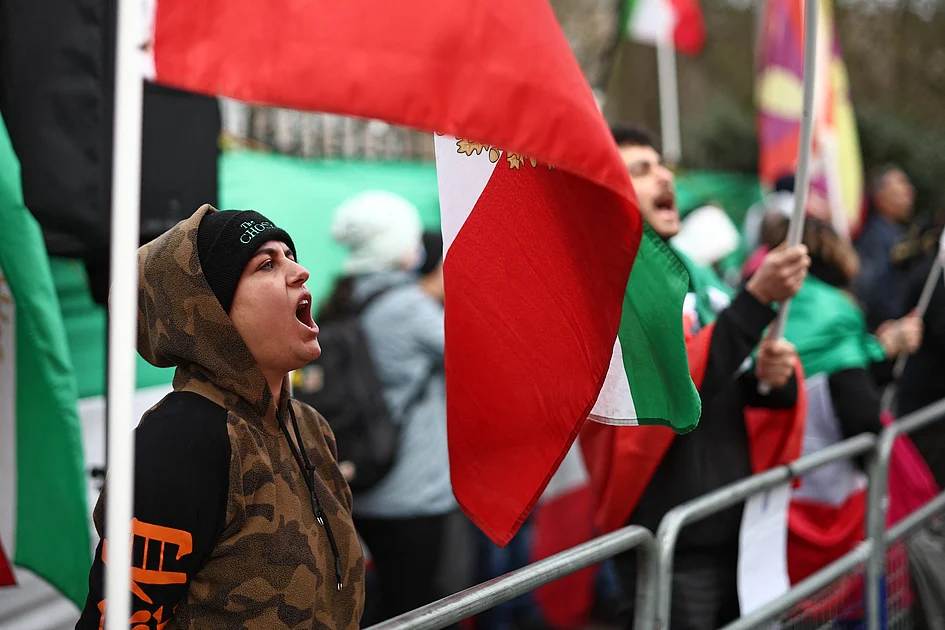
    The timing of the defense coordination announcement coincides with escalating protests in Iran and U.S. considerations of military action. President Trump’s social media posts encouraging protesters to “take over” government institutions while promising assistance have heightened regional tensions.

    Qatar finds itself in a delicate position, being the only regional nation to have experienced attacks from both Israel and Iran. The relationship with Tehran is particularly complex, as both countries share the world’s largest natural gas field and have maintained diplomatic channels. Qatar and Oman have consistently served as mediators between Washington and Tehran.

    The regional security landscape continues to evolve amid Israel’s military actions in Gaza and strained normalization efforts with Gulf states. Middle East Eye reported that Saudi Arabia notably refused U.S. requests to provide missile interceptors during Iranian ballistic missile attacks against Israel, highlighting the complicated alliances and competing interests characterizing Middle Eastern geopolitics.

  • ‘Help is on its way’: Trump urges Iranians to keep protesting, take over institutions

    ‘Help is on its way’: Trump urges Iranians to keep protesting, take over institutions

    In a significant escalation of tensions with Tehran, former U.S. President Donald Trump has issued a forceful call for continued protests in Iran while implementing substantial economic measures against the Islamic Republic. Through his Truth Social platform, Trump directly addressed Iranian citizens with the message: “Iranian Patriots, KEEP PROTESTING – TAKE OVER YOUR INSTITUTIONS!!!… HELP IS ON ITS WAY.” He simultaneously declared the cancellation of all meetings with Iranian officials until what he termed the “senseless killing” of protesters ceases.

    The political turmoil in Iran represents the most substantial internal challenge to the country’s clerical leadership in at least three years. The protests, initially sparked by severe economic conditions, have persisted for two weeks amid a harsh government crackdown. For the first time, Iranian authorities have acknowledged the substantial human cost of the unrest, with an unnamed official telling Reuters that approximately 2,000 people have been killed during the demonstrations.

    Trump’s economic offensive includes imposing 25% import tariffs on products from any nation conducting business with Iran, a significant measure given Iran’s status as a major oil exporter. The former president has also suggested that military action remains among the options he is considering to punish Iran for its handling of the protests, stating earlier this month that “we are locked and loaded.”

    International reactions have been sharply divided. China immediately criticized the tariff announcement, while Russia condemned what it described as “subversive external interference” in Iran’s internal politics. The Russian Foreign Ministry issued a statement warning that “those who plan to use externally inspired unrest as a pretext for repeating the aggression against Iran committed in June 2025 must be aware of the disastrous consequences of such actions.”

    Despite the scale of the protests and Iran’s considerable economic challenges, there are no visible signs of fracture within the country’s security elite that might threaten the clerical system that has held power since the 1979 Islamic Revolution. However, German Chancellor Friedrich Merz offered a starkly different assessment, predicting that “we are now witnessing the final days and weeks of this regime.” Iranian Foreign Minister Abbas Araqchi swiftly dismissed these comments, accusing Berlin of double standards and claiming Merz had “obliterated any shred of credibility.”

  • Canada’s Mark Carney faces delicate balancing act in China visit

    Canada’s Mark Carney faces delicate balancing act in China visit

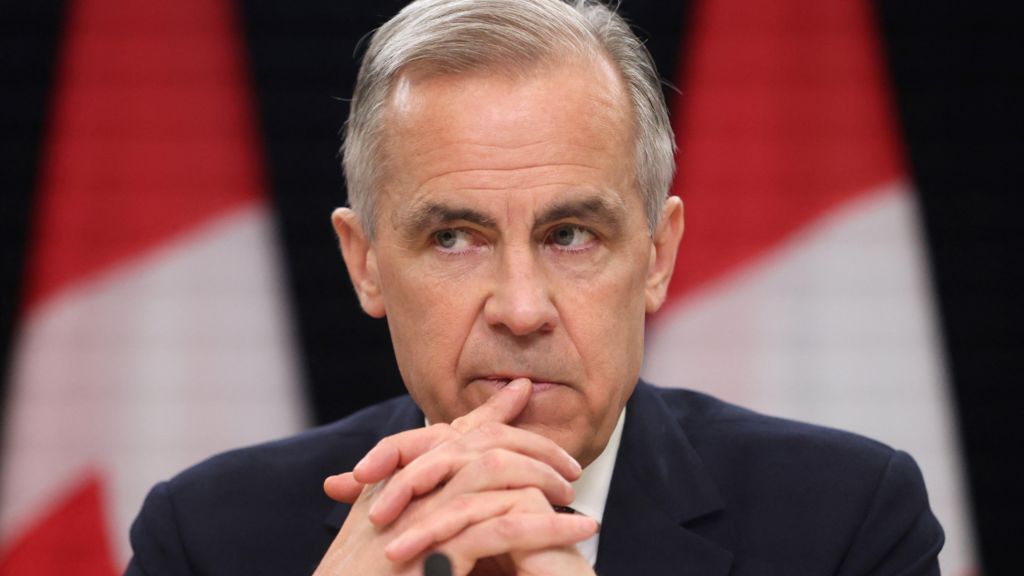
    Canadian Prime Minister Mark Carney has embarked on a diplomatically sensitive mission to Beijing, marking the first official visit by a Canadian leader to China since 2017. The high-stakes trip aims to recalibrate bilateral relations while pursuing Canada’s strategic objective of reducing economic dependence on the United States.

    The carefully choreographed itinerary includes meetings with China’s Premier Li Qiang, National People’s Congress Chairman Zhao Leji, and a pivotal one-on-one discussion with President Xi Jinping. These engagements represent a significant thaw in relations that reached a historic low in 2018 following the detention of Huawei executive Meng Wanzhou in Canada and China’s subsequent arrest of two Canadian citizens on espionage charges.

    Senior Canadian officials have characterized the visit as both “consequential and historic,” aligning with Ottawa’s ambitious plan to double non-US exports within the next decade. The agenda encompasses trade discussions, agricultural cooperation, and international security matters, with particular focus on resolving Chinese tariffs on Canadian canola that have adversely affected farmers in prairie provinces.

    The diplomatic reconciliation occurs against a complex backdrop. Ottawa maintains its assessment of China as “an increasingly disruptive global power” that frequently disregards international norms, yet recognizes the necessity of engagement given China’s economic influence. The Carney administration approaches negotiations with dual objectives: fostering collaboration in mutually beneficial areas like energy and climate policy while establishing clear boundaries in contentious domains such as defense and critical minerals.

    This diplomatic balancing act has already manifested in preliminary adjustments, including the early termination of a Taiwanese visit by Canadian legislators to avoid conflicting signals during Carney’s Beijing engagement. The underlying tension reflects Canada’s challenging position of pursuing enhanced Chinese trade while maintaining its alliance with the United States, which continues to impose tariffs on Canadian steel, aluminum, and automotive sectors.

    Chinese state media has explicitly encouraged Canada to demonstrate “strategic autonomy” from American foreign policy, highlighting how agricultural tariffs imposed by Beijing last year were widely perceived as retaliation for Canadian levies on Chinese electric vehicles. With bilateral trade valued at approximately $118 billion in 2024, both nations recognize the substantial economic stakes involved, though their underlying motivations differ significantly.

    Former Canadian diplomat Colin Robertson observed that both countries are approaching the relationship with unprecedented realism, potentially laying groundwork for a more sustainable bilateral framework based on clearly understood boundaries and mutual interests. The United States is monitoring developments closely as Canada navigates its complex position between economic necessity and geopolitical alignment.

  • Defiant Iran says it’s ‘ready’ as Trump swings tariff stick

    Defiant Iran says it’s ‘ready’ as Trump swings tariff stick

    Iran has issued a stark warning to the United States, asserting its full military preparedness should Washington choose to escalate tensions through armed conflict. The declaration comes as President Donald Trump implemented immediate 25% tariffs on nations conducting business with Iran, significantly heightening economic pressure on the Middle Eastern nation.

    Global oil markets reacted swiftly to the escalating geopolitical tensions, with prices climbing Tuesday as traders responded to potential disruptions from Iran, which contributes approximately 3% of worldwide oil production. The economic measures coincide with heightened security concerns, prompting the virtual US embassy to urgently advise American citizens to immediately depart Iran via land routes to Armenia or Türkiye.

    Chinese officials condemned the US tariff strategy, with Foreign Ministry spokeswoman Mao Ning emphasizing during a Beijing briefing that “tariff wars have no winners” while reaffirming China’s commitment to protecting its legitimate interests and citizens abroad. China further expressed opposition to external interference in Iran’s internal affairs and called for peaceful resolution mechanisms.

    The Trump administration’s economic offensive follows Sunday’s revelation that military options are under active consideration against Iran, including potential airstrikes. The New York Times reported Pentagon officials presenting expanded strike options targeting Iran’s nuclear infrastructure and ballistic missile facilities, though cyber operations remain a more probable initial response.

    Iranian Foreign Minister Seyed Abbas Araghchi confirmed in an Al Jazeera interview that diplomatic channels remain open despite the tensions, noting continued communication with US Special Envoy Steve Witkoff regarding nuclear negotiations. However, Araghchi questioned Washington’s commitment to equitable dialogue given simultaneous military threats.

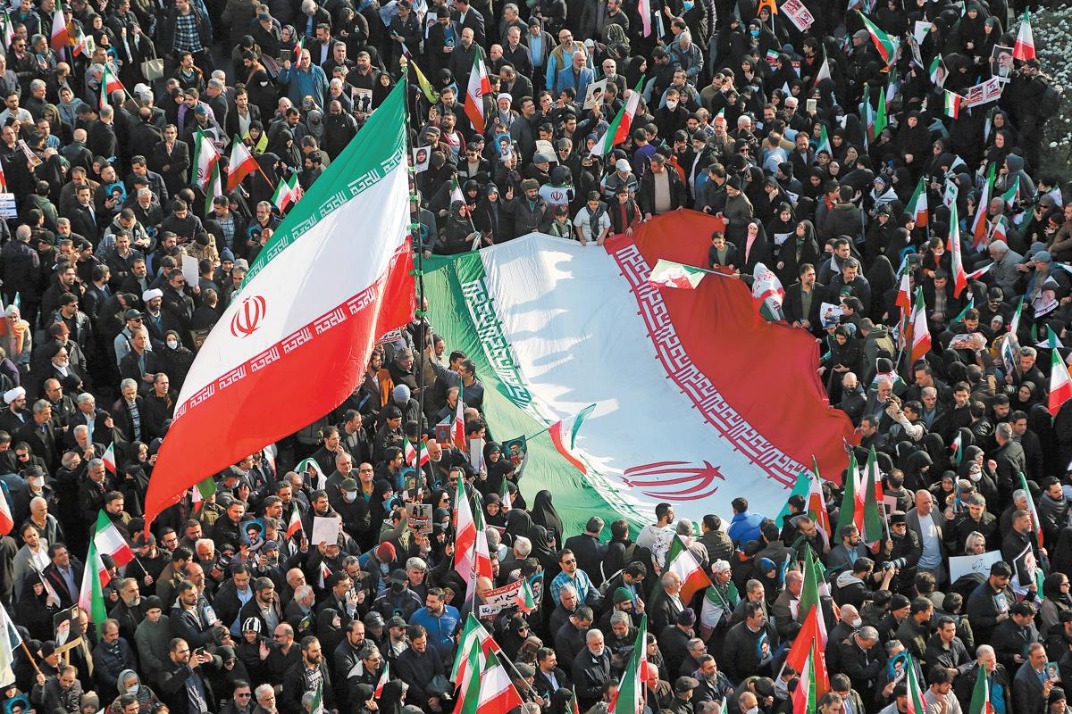
    The geopolitical standoff unfolds against Iran’s domestic turmoil, where December protests over economic conditions resulted in significant casualties. Iranian state media reported massive pro-government demonstrations Monday in Tehran and other cities, with Supreme Leader Ayatollah Ali Khamenei claiming these rallies successfully countered foreign-backed destabilization efforts.

  • US designates Muslim Brotherhood branches in Egypt, Jordan and Lebanon as ‘terror’ groups

    US designates Muslim Brotherhood branches in Egypt, Jordan and Lebanon as ‘terror’ groups

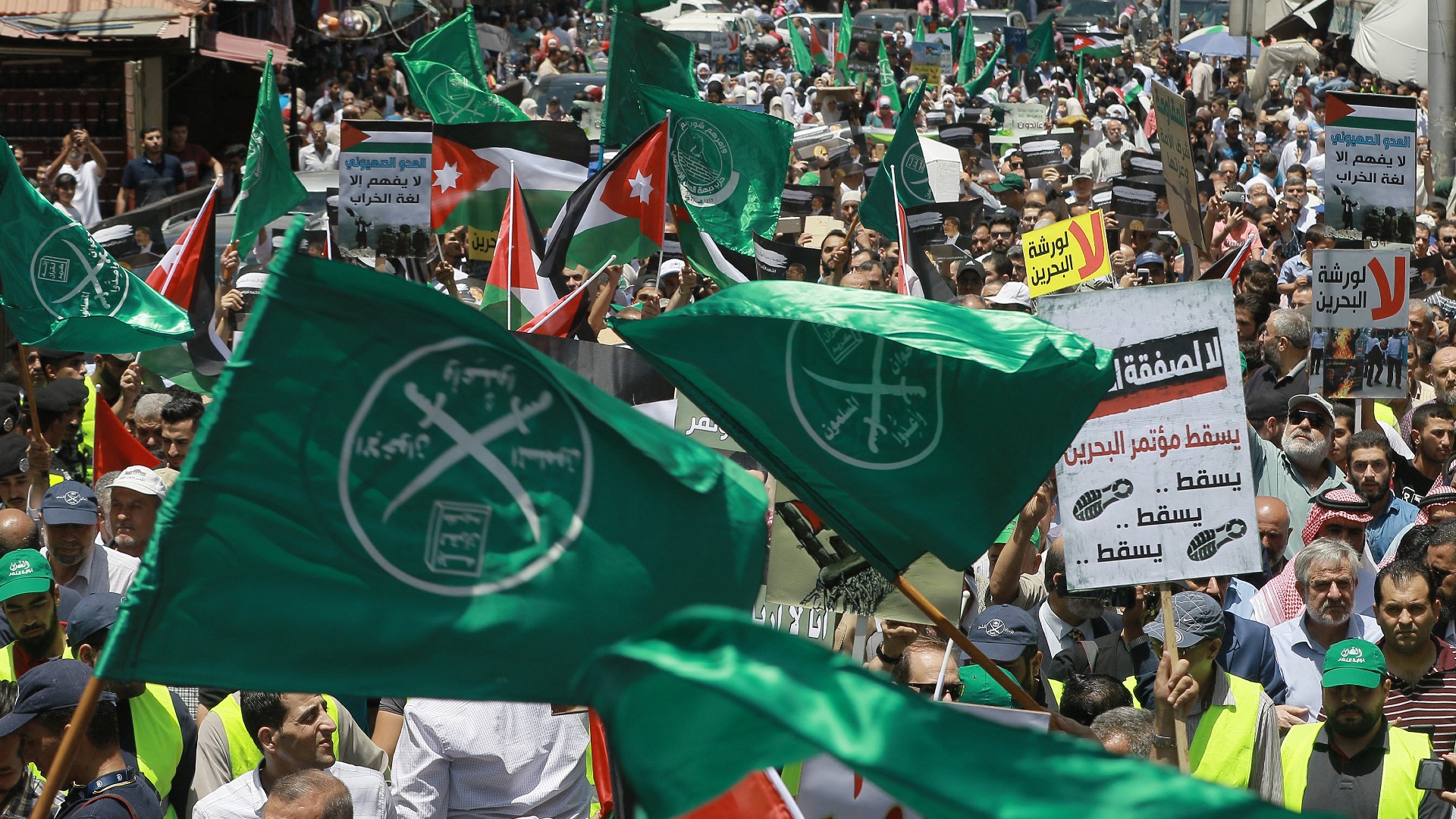
    In a significant foreign policy decision, the United States government has formally designated three Middle Eastern branches of the Muslim Brotherhood as terrorist organizations. The Tuesday announcement from both the Treasury and State Departments imposes severe sanctions on the Egyptian, Jordanian, and Lebanese chapters of the controversial Islamic movement.

    The State Department classified the Lebanese branch as a Foreign Terrorist Organization (FTO), the most stringent designation under U.S. law that criminalizes any material support to the group. Simultaneously, the Treasury Department listed the Jordanian and Egyptian branches as Specially Designated Global Terrorists, alleging their support for Hamas operations.

    Secretary of State Marco Rubio characterized the move as “the opening actions of an ongoing, sustained effort to thwart Muslim Brotherhood chapters’ violence and destabilisation wherever it occurs.” The administration pledged to “use all available tools” to disrupt the groups’ financial networks and resource access.

    This decision culminates years of advocacy from former President Donald Trump, who began pushing for the designation after meeting with Egyptian President Abdel Fattah el-Sisi in spring 2019. The move follows Trump’s executive order last year directing administration officials to develop appropriate sanctions against Brotherhood-affiliated organizations.

    The designations carry substantial legal consequences: providing material support to these groups becomes illegal, current and former members face entry bans to the United States, and comprehensive economic sanctions will target their revenue streams.

    The Muslim Brotherhood, founded in 1928 in opposition to British colonial rule, has consistently denied allegations of violence, maintaining its status as a political and social movement. The organization gained significant political influence following the 2011 Arab Spring uprisings, notably achieving power in Egypt through Mohamed Morsi’s democratic election in 2012 before his overthrow and subsequent death in custody.

    The U.S. decision has already created regional reverberations, reflecting the deep divisions among Middle Eastern governments regarding the Brotherhood. While Saudi Arabia, the UAE, and Bahrain have banned the organization, other regional powers maintain varying relationships with Brotherhood-affiliated groups. The designation exacerbates existing tensions between regional powers including Turkey, Qatar, Saudi Arabia, and the United Arab Emirates, for whom the Brotherhood remains a persistent point of contention.

  • ICE officers pull woman from car in Minneapolis as operation continues

    ICE officers pull woman from car in Minneapolis as operation continues

    A tense confrontation erupted on the streets of Minneapolis as federal immigration enforcement operations faced direct public resistance. U.S. Immigration and Customs Enforcement (ICE) officers were observed physically extracting a woman from a vehicle during what appears to be an ongoing enforcement action in the area.

    The incident quickly drew crowds of local protesters who actively confronted the federal agents, chanting demands for them to leave the community. Witnesses reported scenes of activists pursuing ICE vehicles while voicing strong opposition to the enforcement tactics. This clash represents the latest flashpoint in the ongoing national debate surrounding immigration enforcement methods and their community impact.

    Minneapolis has previously witnessed similar tensions between federal authorities and immigrant communities, creating an environment where such operations frequently trigger organized responses from advocacy groups. The operation appears to be part of broader ICE efforts that have continued despite varying administrative directives.

    Law enforcement analysts note these field operations typically target individuals with existing deportation orders or criminal histories, though specific details regarding this particular case remain undisclosed by authorities. Community organizations have mobilized legal support and rapid response networks in anticipation of continued enforcement actions.

  • Turkey hunts for new security alliances as regional tensions rise

    Turkey hunts for new security alliances as regional tensions rise

    Turkey is actively pursuing a strategic realignment of regional security dynamics through enhanced military cooperation with Saudi Arabia and Pakistan, according to sources and analysts familiar with the matter. This initiative represents Ankara’s broader ambition to establish a multilateral security framework independent of traditional Western alliances.

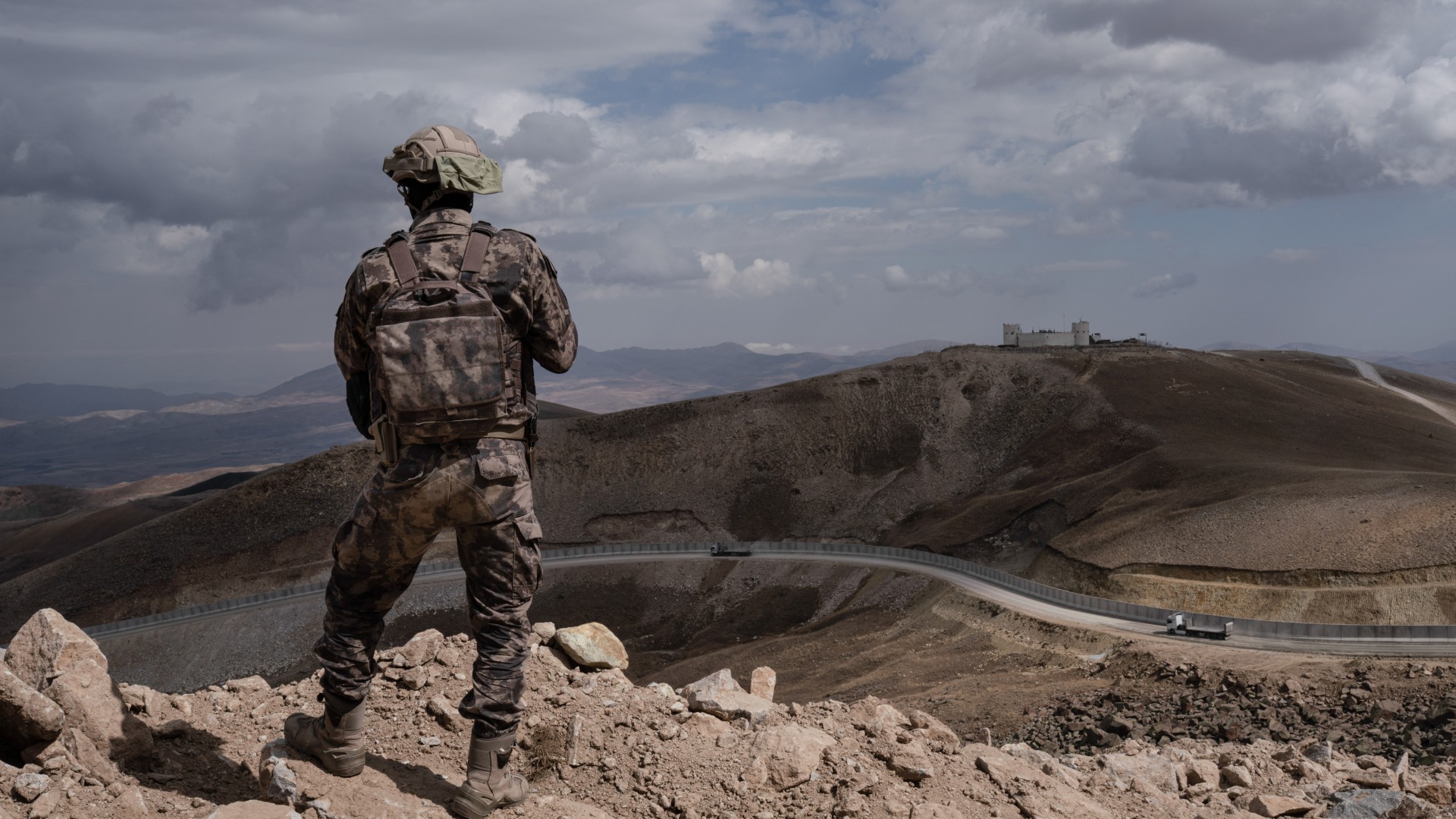
    Recent diplomatic movements indicate Turkey’s interest in joining the bilateral security pact established between Riyadh and Islamabad in September 2025. This agreement, which treats any aggression against one nation as aggression against both, encompasses comprehensive military cooperation—including potential access to Pakistan’s nuclear capabilities.

    Multiple Turkish sources confirm that security relations with Saudi Arabia have significantly deepened in recent years, though they emphasize that a NATO-style alliance remains premature. Instead, Ankara envisions a defensive cooperation mechanism that would initially include Pakistan and Saudi Arabia while potentially expanding to other regional actors.

    President Recep Tayyip Erdoğan is scheduled to visit Gulf nations, including Saudi Arabia and the United Arab Emirates, in March 2026. During these meetings, security cooperation with Crown Prince Mohammed bin Salman is expected to feature prominently on the agenda.

    Analysts suggest this emerging partnership would leverage Saudi Arabia’s financial resources, Pakistan’s military experience, and Turkey’s defense infrastructure. Dr. Cinzia Bianco of the European Council on Foreign Relations notes that Riyadh would likely serve as a conduit facilitating Pakistani-Turkish cooperation across intelligence sharing, defense industry collaboration, and operational interoperability throughout MENA and Red Sea theaters.

    Regional security experts, including Murat Yeşiltaş of the SETA Foundation, indicate that these developments align with Turkey’s broader strategy to create regional stabilization mechanisms following potential political changes in Syria. Such cooperation could simultaneously counter Iranian proxy networks while addressing Israeli security concerns through multilateral frameworks rather than confrontation.

    This initiative follows several failed regional security proposals, including Egypt’s NATO-modeled Arab defense force—blocked by Gulf nations in September—and Turkey’s earlier effort to establish an anti-ISIS coalition with Iraq, Syria, Jordan, and Lebanon.

    Kadir Temiz of the Center for Middle Eastern Studies observes that medium-sized regional powers are increasingly assuming security responsibilities, potentially aligning with Washington’s interest in reducing direct military engagement in the Middle East. This emerging security architecture represents a fundamental shift toward regional solutions for regional challenges, potentially creating a new balance of power independent of both Western and Iranian influence.