分类: politics

  • Holocaust Museum LA deletes post saying ‘never again’ applies to all people

    Holocaust Museum LA deletes post saying ‘never again’ applies to all people

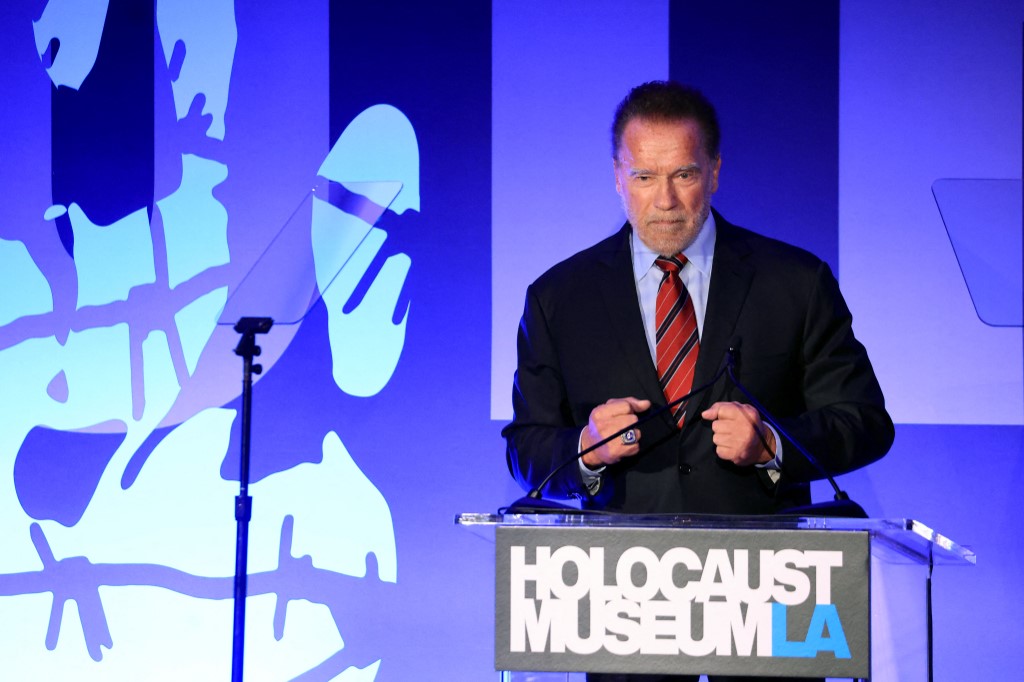
    A controversial social media post from Holocaust Museum LA that expanded the meaning of the iconic phrase “Never Again” beyond the Holocaust has been removed just days after publication, sparking fierce debate over free expression, the legacy of the Holocaust, and global discourse around the ongoing crisis in Gaza.

    The original post, shared Saturday on the museum’s social channels, featured an illustrated graphic of interlocking arms of diverse skin tones with bold text reading: “‘Never again’ can’t only mean never again for Jews.” A follow-up slide added, “Standing with humanity does not betray our people. It honours them.” The messaging was crafted as part of a pre-planned outreach campaign focused on advancing inclusivity and cross-community solidarity, but quickly drew sharp pushback from pro-Israel groups and audiences who interpreted the post as an implicit critique of Israel’s military campaign in Gaza, framing it as an inappropriate political statement.

    Within 24 hours of going live, the museum pulled the post and issued a public apology, promising to improve its content review processes moving forward. “We recently posted an item on social media that was part of a pre-planned campaign intended to promote inclusivity and community that was easily open to misinterpretation by some to be a political statement reflecting the ongoing situation in the Middle East. That was not our intent,” the museum said in a follow-up statement. “It has been removed to avoid any further confusion. We promise to do better.”

    A screenshot of the original deleted post was captured and shared widely on X by Ryan Grim, co-founder of Dropsite News, who condemned the museum’s decision to remove the content. “Speechless. No words for this,” Grim wrote in his caption. “Think about how many people must have complained about this first message to get them to delete it and even issue an apology. If you denounce genocide, some might think you’re being critical of Israel and we can’t have that.”

    The debate touches on a longstanding divide within Jewish and global activist communities over how the phrase “Never Again” – coined to memorialize the six million Jews murdered by the Nazi regime in the Holocaust – should be applied to other mass atrocities. As Jewish American news outlet The Forward notes, many Jewish activists have previously invoked the phrase to advocate against gun violence in the U.S. and human rights abuses against Uyghur communities in China, while others insist it should remain exclusively tied to the World War II genocide.

    The controversy comes amid heightened global tensions over Israel’s 22-month military operation in Gaza, which multiple historians, human rights groups, and international officials have labeled a genocide. According to Gaza’s health authorities, more than 64,000 Palestinians have been killed, 160,000 more injured, and the entire 2.2 million-person population of the enclave faces widespread starvation, displacement, and catastrophic humanitarian conditions. Images of overcrowded unsanitary displacement camps, mass graves, and starving Palestinian civilians have drawn repeated comparisons to the historical imagery of Nazi concentration camps displayed in Holocaust memorial institutions worldwide.

    Martin Griffiths, the former United Nations humanitarian aid chief, has publicly called Israel’s assault on Gaza the “worst crime of the 21st century.” Despite widespread evidence of mass civilian harm, pro-Israel voices – including hardline American Evangelical Christian groups – have fiercely pushed back against any characterization of the campaign as genocide, and reject any extension of anti-genocide messaging to include Palestinian victims.

    Critics of the museum’s decision to remove the post argue that current discourse around the Gaza crisis has created a lopsided climate of censorship, where acknowledging Palestinian suffering is punished even in spaces dedicated to commemorating genocide. Political analyst Mouin Rabbani wrote in an opinion piece for Middle East Eye that “in many of the same states that have criminalised Holocaust denial, it is opposition to, rather than open denial of, the Gaza Genocide that is criminalised and punished. People have been fired from jobs, lost business, forfeited careers and educational opportunities, and literally been imprisoned for speaking out against it.”

    Historian and media critic Assal Rad argued that the incident reflects a broader dehumanization of Palestinians that excludes them from universal anti-genocide principles. Writer Reem al-Harmi condemned the museum’s framing of the crisis as a vague “ongoing situation in the Middle East,” saying: “All this killing over the past 700 days – the photos of starving children, civilians torn to pieces, and the world’s first live-streamed genocide – yet the LA Holocaust Museum described it as an ‘ongoing situation in the Middle East. This is next-level gaslighting.’”

    Holocaust Museum LA, located in Los Angeles, California, is currently closed to the public for major renovations and is scheduled to reopen in June 2026.
  • Refuseniks: More Israelis rejecting Gaza war orders

    Refuseniks: More Israelis rejecting Gaza war orders

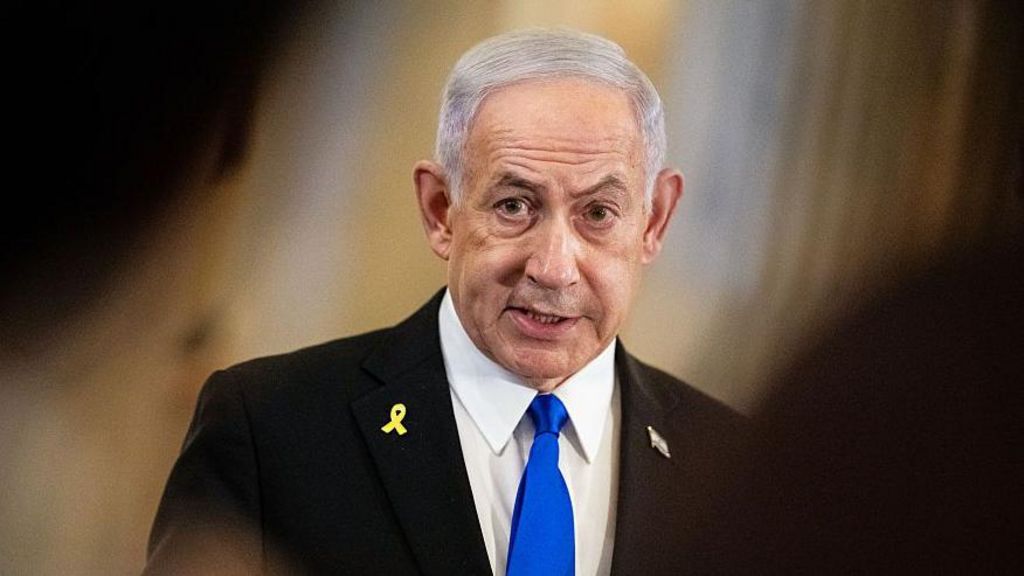
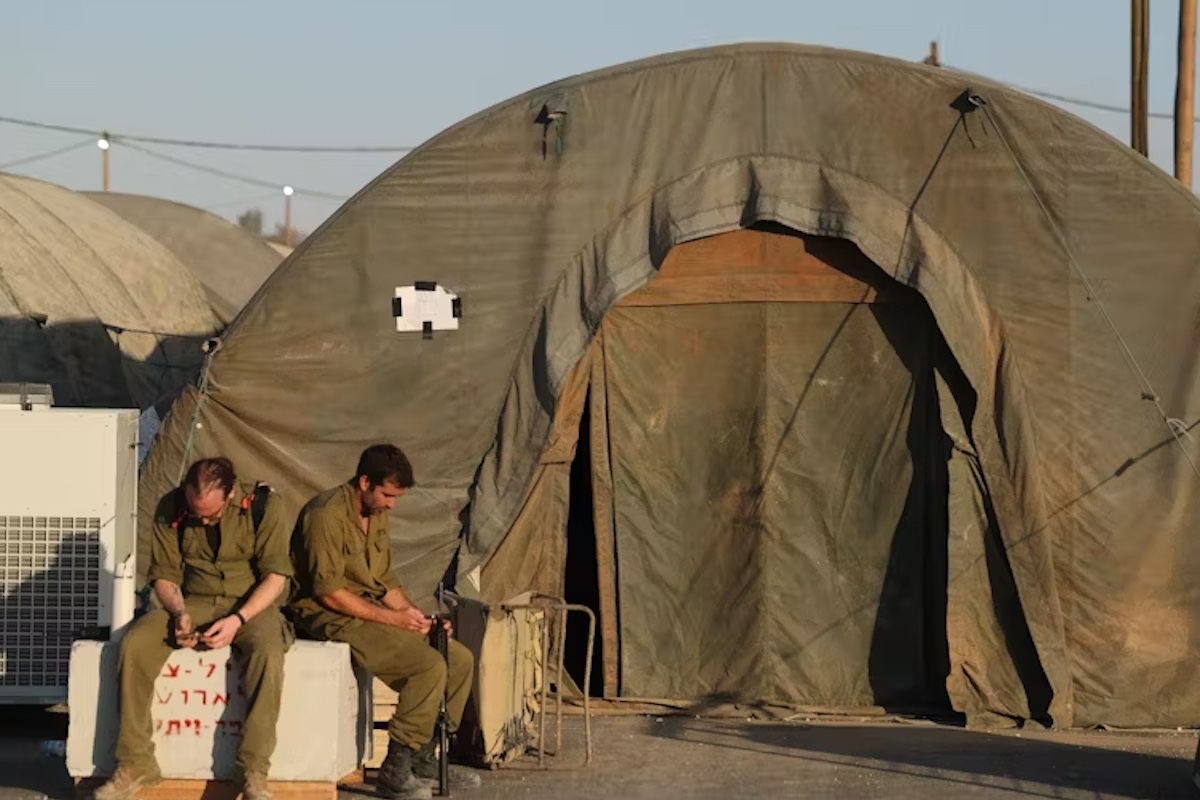
    Israeli Prime Minister Benjamin Netanyahu has escalated military operations in Gaza City, despite mounting domestic and international criticism. This decision comes as the International Association of Genocide Scholars accuses Israel of committing genocide, further fueling global condemnation. On August 2, approximately 40,000 reservists were summoned, with an additional 90,000 expected to be mobilized by early 2026. However, reports indicate a significant decline in the number of reservists willing to serve, with some estimates suggesting a 30% to 50% drop in participation. Israel’s mandatory conscription policy requires high school graduates to serve 18 to 36 months, followed by reserve duty until age 40. Following the October 7, 2023, Hamas attacks, Israel mobilized 360,000 reservists alongside 100,000 active-duty soldiers, marking one of the largest call-ups in the nation’s history. Initially, the response rate exceeded 100%, but after nearly two years of conflict, fatigue and disillusionment have set in. Many reservists cite exhaustion and the failure to achieve key objectives, such as securing the release of Israeli hostages, as reasons for refusing to serve. This growing reluctance poses a strategic challenge for Netanyahu, as the Israel Defense Forces (IDF) rely heavily on reservists for sustained operations. Historically, refusal to serve has been a form of political protest in Israel, with movements like Yesh Gvul emerging during the Lebanon War in 1982 and gaining traction during the Palestinian uprisings. Recent protests against judicial reforms in 2023 also saw elite combat pilots refusing to serve, highlighting the intersection of military service and political dissent. Despite these challenges, Netanyahu shows no signs of altering his course, even as domestic and international pressure mounts.

  • ‘Skull Chart’ math behind Trump’s climbdown on all things China

    ‘Skull Chart’ math behind Trump’s climbdown on all things China

    The latest National Defense Strategy, delivered to Secretary of War Pete Hegseth, marks a significant shift in U.S. military priorities. The document, reportedly crafted by Under Secretary of War for Policy Elbridge Colby, advocates for a refocus on domestic and regional missions, moving away from global adversaries like China and Russia. This pivot overturns decades of interventionist policies and signals a more restrained approach to international engagements.

    Colby, previously known for his advocacy of a robust ‘Strategy of Denial’ to counter China, has surprised many with this pragmatic stance. During his confirmation hearings, he emphasized that Taiwan, while important, is not an existential interest for the U.S. This shift raises questions about whether it stems from a realistic assessment of U.S. military capabilities or the influence of a mercurial administration.

    Meanwhile, China continues to demonstrate its military prowess, showcasing advanced weaponry in a recent parade. The rapid development of China’s defense industry, paralleling its dominance in the electric vehicle sector, underscores its technological and industrial might. With Chinese universities producing 6.7 times more engineers than their U.S. counterparts annually, the pace of innovation in China’s military sector appears unstoppable.

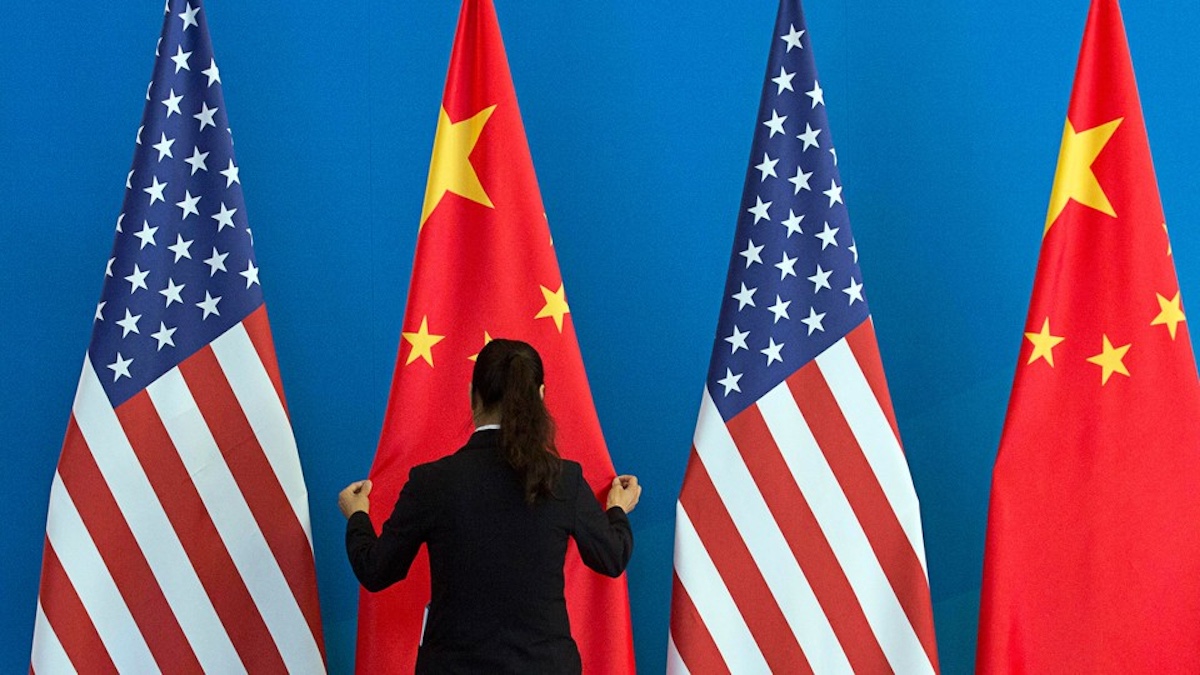
    In parallel, the Trump administration has extended tariff negotiations with China for another 90 days, following previous concessions in trade disputes. This ongoing economic tug-of-war highlights the complexities of U.S.-China relations and the challenges of addressing China’s growing economic and military influence.

    The new National Defense Strategy reflects a broader reckoning with the limits of U.S. power. As America grapples with domestic issues and overstretched military commitments, the strategy suggests a need to prioritize internal stability over global dominance. This shift, while controversial, may be a necessary step in adapting to a rapidly changing geopolitical landscape.

  • ‘King Charles is a secret Muslim!’: The bizarre things I heard at the Reform party conference

    ‘King Charles is a secret Muslim!’: The bizarre things I heard at the Reform party conference

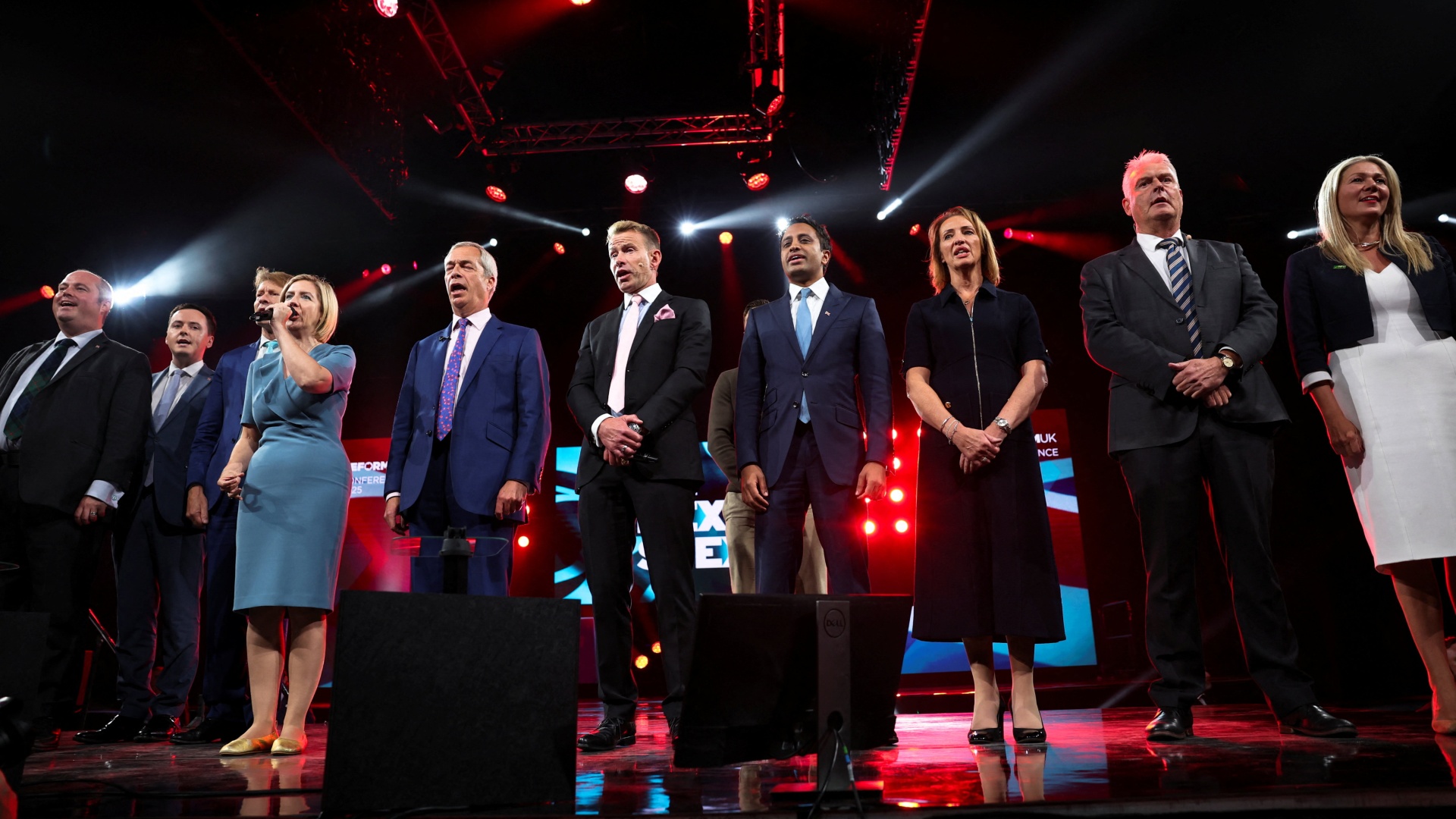
    The Reform Party’s annual conference at the National Exhibition Centre in Birmingham showcased a vibrant and diverse crowd, challenging the stereotype that Nigel Farage’s supporters are predominantly older men. Attendees included young men in flamboyant suits, women in light blue dresses, and even a few ethnic minorities, though the majority were white. The atmosphere was electric, resembling a festival with attendees enjoying beer, hot dogs, and burgers, though vegetarian options were scarce. The party’s light blue color was prominently displayed in attire and decorations, with Union Jack and St George’s flags adding to the patriotic fervor. Reform, a right-wing anti-immigrant party, has been leading opinion polls and is a strong contender for the next general election. Nigel Farage, the party leader, received a hero’s welcome, with his speech outlining controversial policies such as deporting 600,000 illegal immigrants within five years and banning the Muslim Brotherhood. The event also featured Zia Yusuf, the new head of policy, who addressed the party’s stance on Israel and Gaza, avoiding direct condemnation of Israel’s actions. The conference highlighted the party’s broad appeal, with members ranging from veterans to young activists, all united by concerns over immigration and national identity. Despite the festive atmosphere, underlying tensions and controversial views on race and religion were evident, reflecting the party’s polarizing nature.

  • Parades and charades at Tiananmen

    Parades and charades at Tiananmen

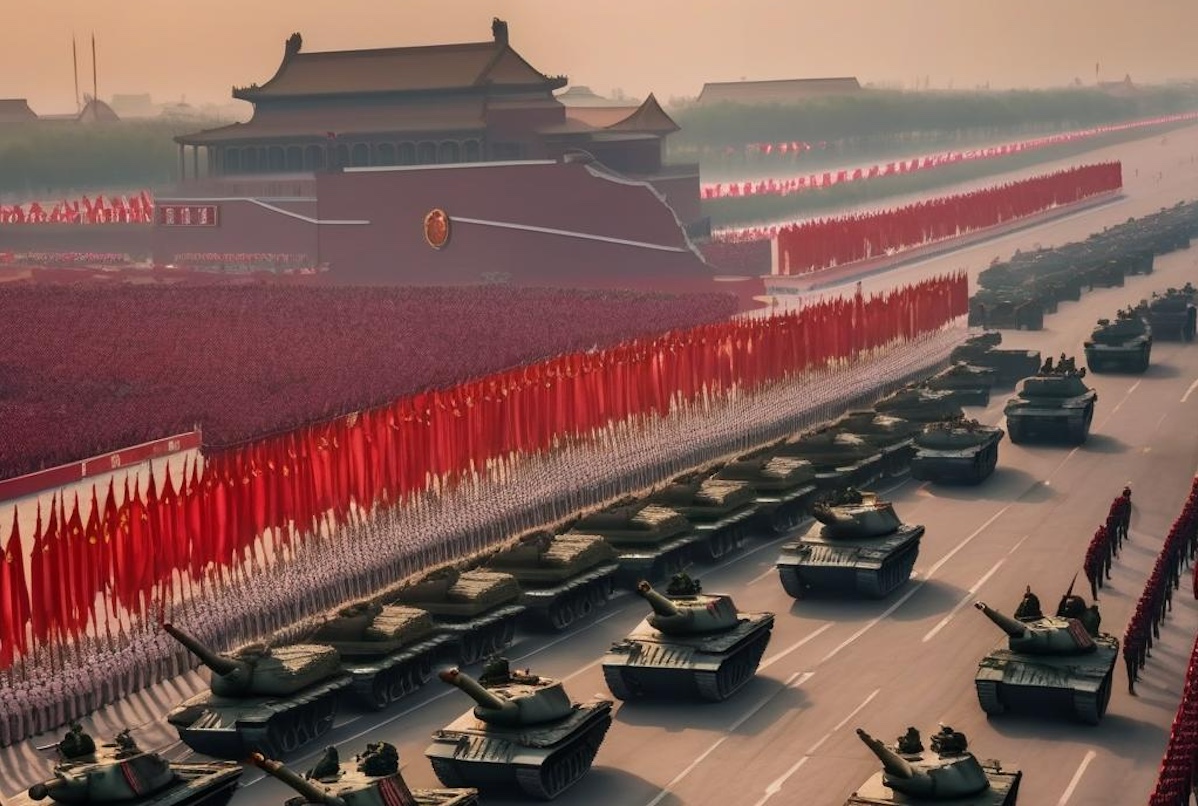
    On September 3, Beijing witnessed a historic military parade where Chinese President Xi Jinping unveiled a defense system capable of countering the United States. This display marked a significant shift in global power dynamics, signaling that China is no longer a junior partner to the U.S. but a formidable global power ready to defend and expand its interests. This event, coupled with China’s growing alliances and its philosophy of non-interference in international politics, underscores its strategic rise on the world stage. The recent Shanghai Cooperation Organization (SCO) summit in Tianjin further highlighted China’s expanding influence, with India’s presence confirming Beijing’s ability to attract new allies while the U.S. struggles to maintain its traditional partnerships. China’s re-examination of history, particularly its role in World War II, and its emphasis on regional growth through initiatives like the $1.3 billion SCO development bank, further illustrate its comprehensive strategy to reshape global narratives and economic frameworks. Meanwhile, the U.S. faces challenges in maintaining its influence in Asia, with countries like Japan and Australia potentially hedging their security strategies and relying less on American support. This evolving landscape suggests a psychological and strategic decoupling between the U.S. and China, leading to a more tense bilateral atmosphere reminiscent of Cold War II. As China continues to capitalize on American missteps, it is crafting a new world order with its own rules, independent of Western standards. This shift has profound implications for global security, trade, and diplomacy, as nations reassess their alliances and strategies in response to China’s growing assertiveness.

  • Lebanon: What will it take to disarm Hezbollah?

    Lebanon: What will it take to disarm Hezbollah?

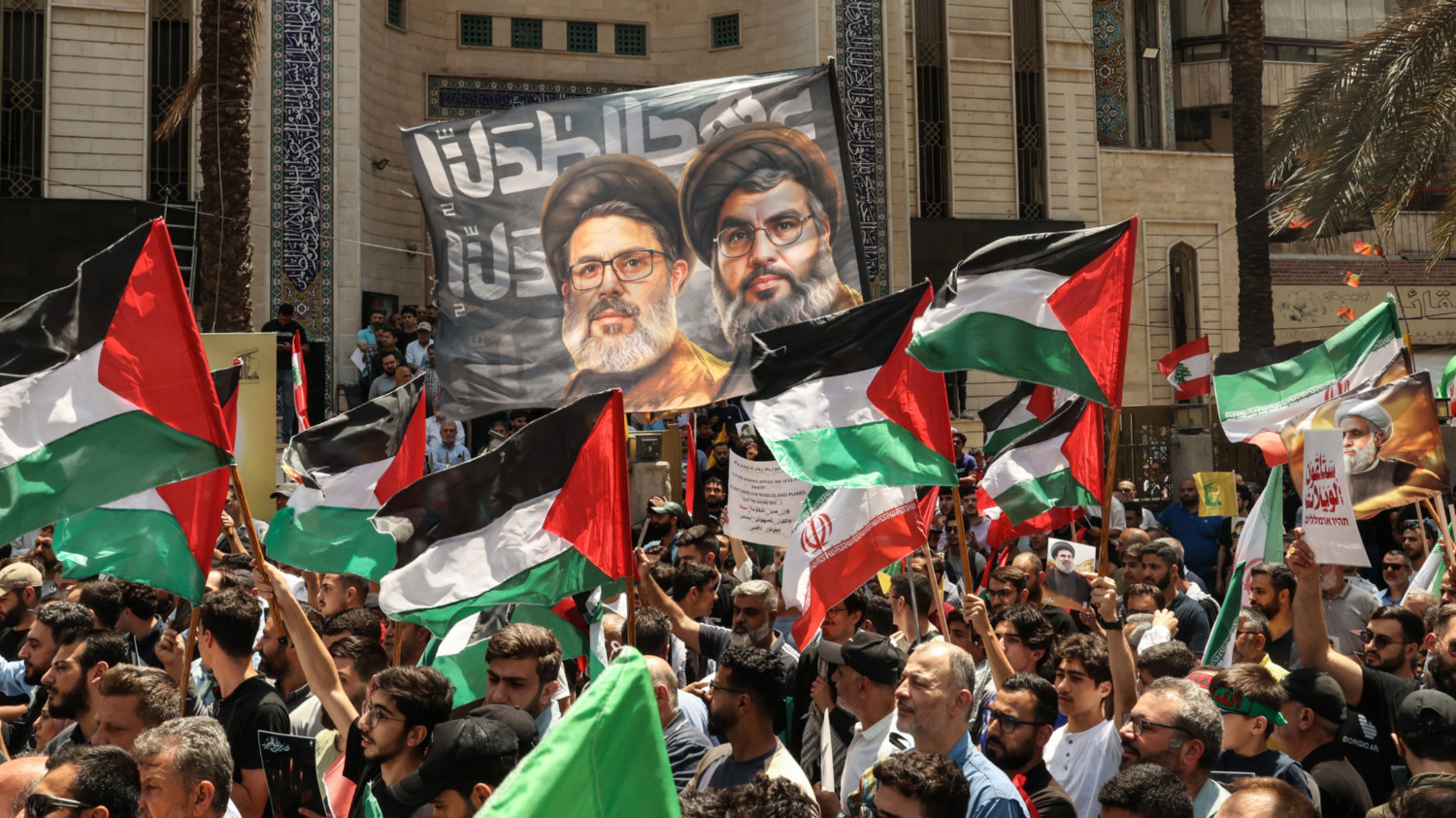
    In a significant geopolitical shift, the Lebanese government, under mounting pressure from the United States, has escalated its efforts to disarm Hezbollah, the Shia political party and militant group often described as a ‘state within a state.’ Hezbollah, which emerged in 1982 as a resistance movement against the Israeli invasion, has maintained an armed presence in Lebanon for decades, often clashing with Israel. Tensions between the two factions reached a boiling point in September 2024, following an extensive Israeli bombing campaign in Lebanon. Despite a ceasefire agreement brokered in November 2024, Israel has continued to violate the terms with ongoing air strikes and the occupation of five Lebanese locations.

  • Australia-Israel relations have hit a low point. Behind the scenes, it’s business as usual

    Australia-Israel relations have hit a low point. Behind the scenes, it’s business as usual

    In recent weeks, the relationship between Australia and Israel has deteriorated to an unprecedented low, marked by escalating diplomatic tensions and public outcry over the humanitarian crisis in Gaza. The situation reached a boiling point following a series of large-scale pro-Palestinian protests across Australia, including a historic march across Sydney Harbour Bridge on August 3, which saw tens of thousands of demonstrators demanding stronger action against Israel’s military operations in Gaza.

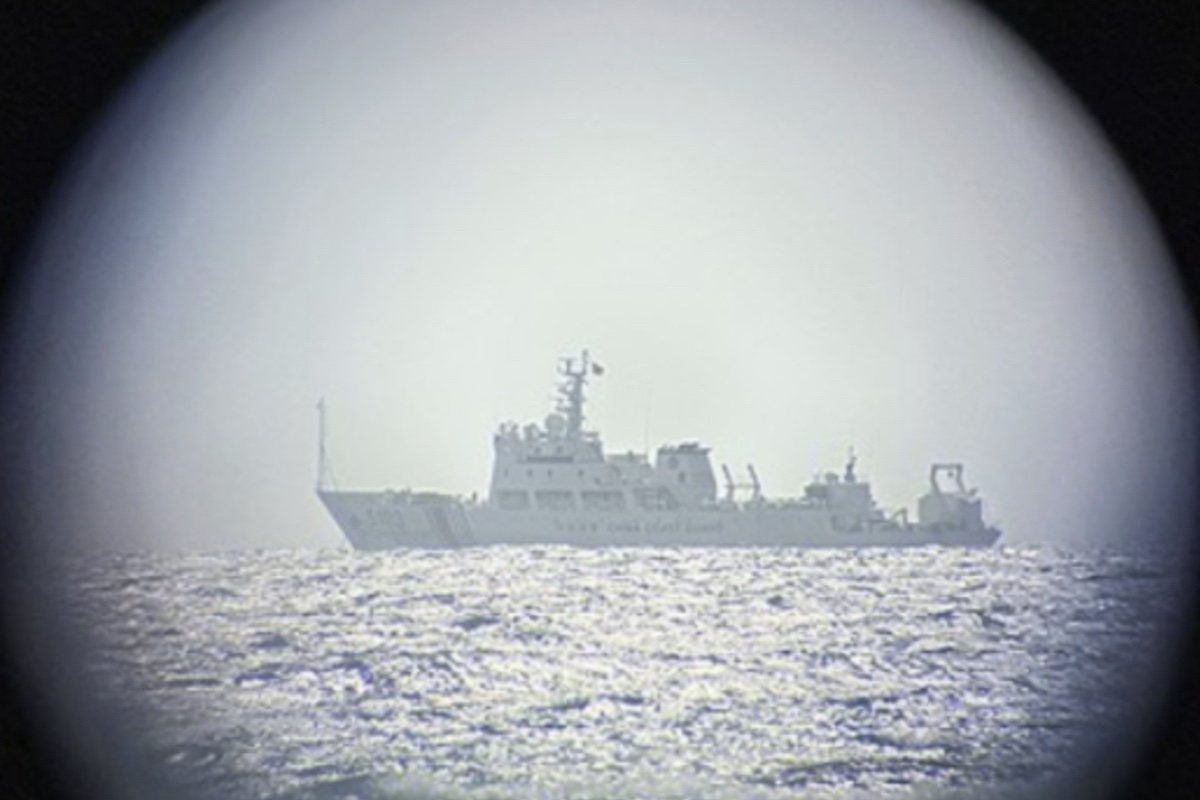
  • A China blockade of Taiwan may or may not work

    A China blockade of Taiwan may or may not work

    US officials have indicated that Chinese President Xi Jinping has set a 2027 deadline for the People’s Liberation Army (PLA) to achieve the capability to invade Taiwan, coinciding with the centennial anniversary of the PLA’s founding. This revelation was highlighted by US Secretary of Defense Pete Hegseth during a security conference in Singapore in May, where he emphasized the “imminent threat” China poses to Taiwan. Over the past decade, the PLA has undergone significant modernization, building the world’s largest navy and coast guard. However, rather than outright invasion, China appears to be leaning towards a strategy of prolonged blockade to pressure Taiwan into submission. This approach, known as ‘lianhe fengkong’ (joint blockade), would involve cutting off Taiwan from external resources, leveraging coordinated air, sea, and land-based systems. A recent report by the Centre for Strategic and International Studies (CSIS) simulated 26 war game scenarios, predicting severe consequences for Taiwan, including depletion of natural gas within ten days, coal and oil shortages within weeks, and a halt in manufacturing if electricity levels drop to 20%. Taiwan’s vulnerability stems from its heavy reliance on port calls and limited emergency reserves. While blockades are not inherently illegal under international law, they must comply with war regulations, including effectiveness, notification, and impartial enforcement. China’s potential strategies range from kinetic blockades targeting merchant ships to non-kinetic measures like encircling the island with its naval forces. Counter-blockade strategies, such as those led by the US, could involve closing critical trade routes like the Malacca Strait, though such actions risk global economic disruption. The optimal response may lie in bolstering Taiwan’s resilience through increased stockpiles and infrastructure development, alongside US naval support to break potential blockades, albeit at significant risk of escalation.

  • China-Israel relations in subtle but certain drift

    China-Israel relations in subtle but certain drift

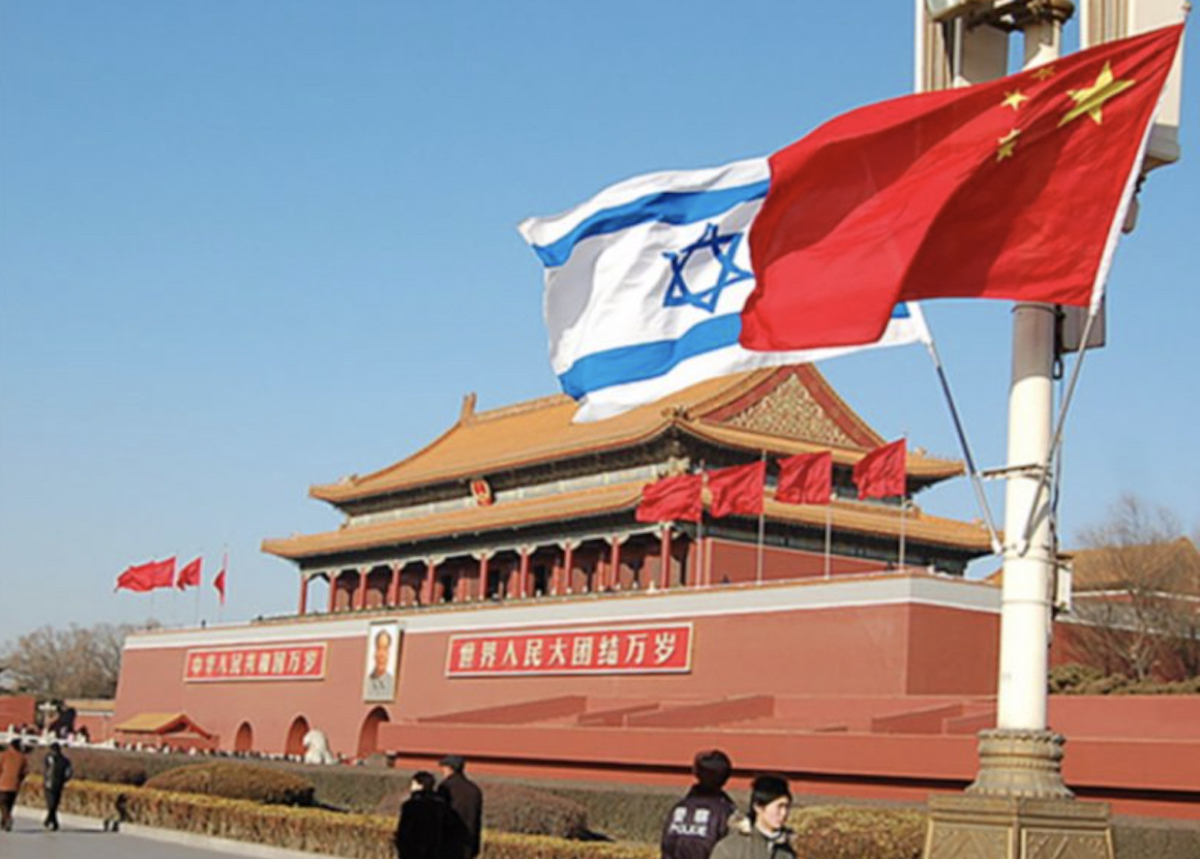
    The once-thriving diplomatic and economic partnership between China and Israel is facing unprecedented strain as escalating tensions between the United States and China force Israel into a delicate balancing act. What began as a pragmatic alliance centered on technological collaboration and trade has evolved into a complex geopolitical puzzle, with Israel caught between its most vital ally and one of its largest economic partners. Over the past three decades, China and Israel cultivated robust ties in technology, trade, and diplomacy, with Chinese investments fueling Israeli tech startups and bilateral trade flourishing in sectors like semiconductors and agricultural innovation. However, recent geopolitical shifts have disrupted this dynamic, creating unforeseen challenges for both nations. The turning point came after Hamas’s October 2023 attacks on Israel and the subsequent military response. China, previously neutral, adopted a pro-Palestinian stance, condemning Israeli actions and supporting UN resolutions critical of Israel’s policies. This marked a significant departure from its earlier balanced approach. The US-China rivalry has further complicated matters, particularly in the technology sector. Washington has pressured Israel to restrict technology transfers to China, especially in sensitive areas like semiconductors, artificial intelligence, and defense technologies. This pressure has yielded tangible results, with Israeli semiconductor exports to China halving from $21 million in 2020 to $11 million in 2022. Israeli companies have been forced to reevaluate their Chinese partnerships, with some deals canceled under American scrutiny. Despite these challenges, economic ties between China and Israel remain resilient, with bilateral trade reaching $16.3 billion in 2024. However, this interdependence also exposes vulnerabilities. China’s reliance on Middle Eastern oil, particularly from Iran, complicates its relationship with Israel, given Iran’s adversarial stance. The October 2023 conflict also reshaped Chinese perceptions of Israel, with Beijing increasingly critical of Israeli military actions. This shift has eroded trust, as evidenced by 2024 polls showing a majority of Israelis now view China as unfriendly. The crisis underscores broader strategic realignments in the Middle East, where the US and China vie for influence. While the US remains Israel’s primary security guarantor, China’s alignment with Iran and Palestine has limited its role as a regional mediator. US concerns over Chinese access to Israeli technology have intensified, leading to enhanced investment screening and restricted cooperation. The future of China-Israel relations hinges on several factors, including the trajectory of US-China competition, regional stability, and global technology governance. Israel must navigate these pressures while balancing its economic interests and security concerns. This evolving relationship serves as a microcosm of how great power competition impacts smaller states, offering insights into the challenges of navigating a multipolar world.

  • Trump move to oust Fed governor shakes US market credibility

    Trump move to oust Fed governor shakes US market credibility

    The ongoing battle over Lisa Cook’s position on the Federal Reserve’s Board of Governors, amid President Donald Trump’s efforts to remove her, has ignited a critical discussion on the independence of central banks. This struggle underscores a broader power conflict between political leaders and public institutions tasked with managing monetary policy. Central banks, which regulate a nation’s currency and monetary flow, wield significant influence over economic growth, inflation, employment, and financial stability. Politicians often seek to control or manipulate these levers, especially during pivotal moments like elections or periods of declining popularity. However, such politically motivated interventions can jeopardize long-term economic health, leading to future economic challenges. Since the 1990s, data-driven and technocratic monetary policymaking has been regarded as the gold standard for national financial governance, effectively maintaining low and stable inflation. Despite this, central banks have faced mounting political pressure over the past decade. Trump’s administration exemplifies this trend, with the president openly criticizing Federal Reserve Chair Jerome Powell and demanding lower interest rates. Unable to remove Powell, Trump has shifted focus to Cook, alleging misconduct in a mortgage application—a claim Cook disputes, asserting the president lacks the authority to dismiss her. This confrontation highlights the fragile balance between political influence and central bank autonomy, a dynamic that has global implications for economic stability. While laws protect central banks from political interference, recent trends suggest a gradual erosion of this independence. As political economists note, the tug-of-war over monetary policy reflects the tension between short-term political gains and long-term economic well-being.