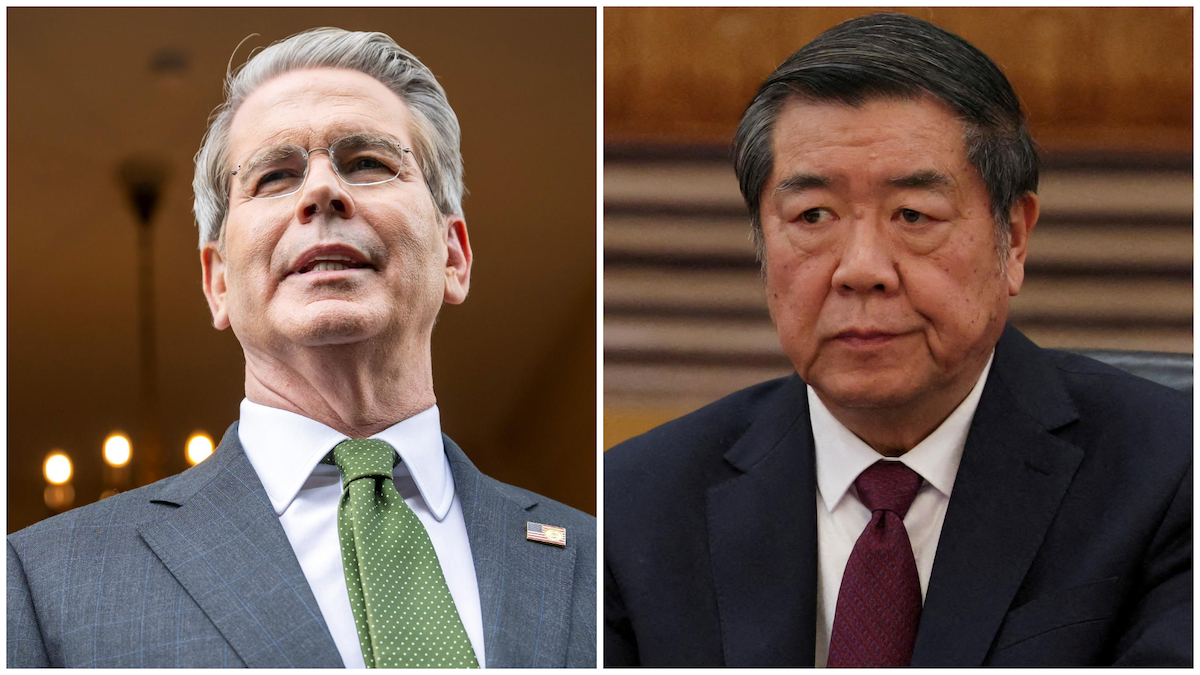
The United States has issued a stern warning to China, urging it to cease its purchases of oil and gas from Russia and threatening to impose secondary sanctions, including potential 100% tariffs. This development follows recent trade agreements between the US, the European Union, and Japan, which set tariffs at 15%. US Treasury Secretary Scott Bessent conveyed Washington’s dissatisfaction during meetings in Stockholm with Chinese Vice Premier He Lifeng, emphasizing concerns over China’s continued acquisition of sanctioned Russian and Iranian oil. Bessent also criticized China’s sale of over $15 billion in dual-use technology to Russia, which reportedly supports Moscow’s military efforts in Ukraine. Chinese officials responded by asserting their sovereignty and internal energy policies, stating that oil purchases are based on national interests. The US-China 90-day tariff truce, set to expire on August 12, remains unresolved, with President Donald Trump poised to decide on its extension or the reimposition of tariffs. Meanwhile, Trump has set a 10-12 day deadline for Russia to end the Ukraine conflict, threatening severe consequences, including tariffs on Russian goods and those from countries purchasing Russian oil. Chinese commentators argue that US pressure will not sever China’s ties with Russia and Iran, emphasizing the strategic importance of these relationships. The global spotlight now focuses on whether China will distance itself from Russia to avoid US tariffs.
分类: politics
-
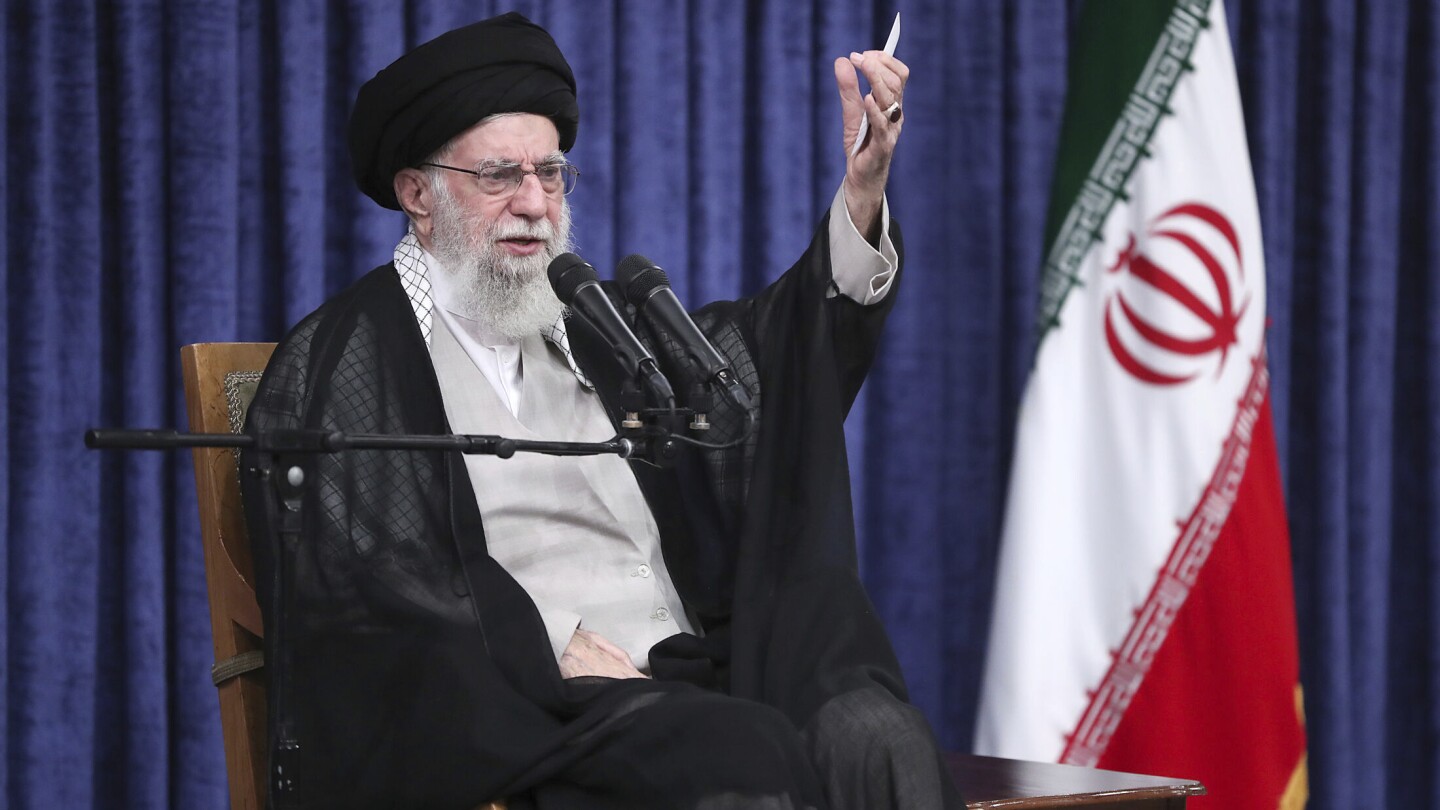
US and NATO allies warn of increasing Iranian threats in Europe, North America
In a unified stance, the United States and several NATO allies have issued a stern condemnation of Iran for its increasing involvement in hostile activities across Europe and North America. A joint statement released on Thursday accused Iranian intelligence services of orchestrating assassination attempts, kidnappings, and harassment campaigns targeting dissidents, journalists, Jewish citizens, and former officials. The statement emphasized that these actions constitute a blatant violation of national sovereignty and are carried out in collaboration with international criminal organizations. Signatories to the statement include NATO members such as Albania, Belgium, Britain, Canada, the Czech Republic, Denmark, Finland, France, Germany, the Netherlands, Spain, Sweden, and the United States, with Austria as the sole non-NATO participant. The governments pledged to collaborate in thwarting such plots and demanded that Iran cease its illegal activities immediately. While the statement did not specify particular incidents, it highlighted longstanding concerns over Iranian-sponsored threats. British intelligence has repeatedly warned of Tehran-backed plots, with three alleged Iranian spies currently facing charges in the U.K. for surveilling and planning violence against journalists. German authorities also reported the arrest of a suspect linked to Iranian intelligence in Denmark. Despite these threats, the Trump administration recently withdrew government-funded protection for several former officials, including John Bolton and Mike Pompeo, who faced Iranian threats during the Biden administration.
-
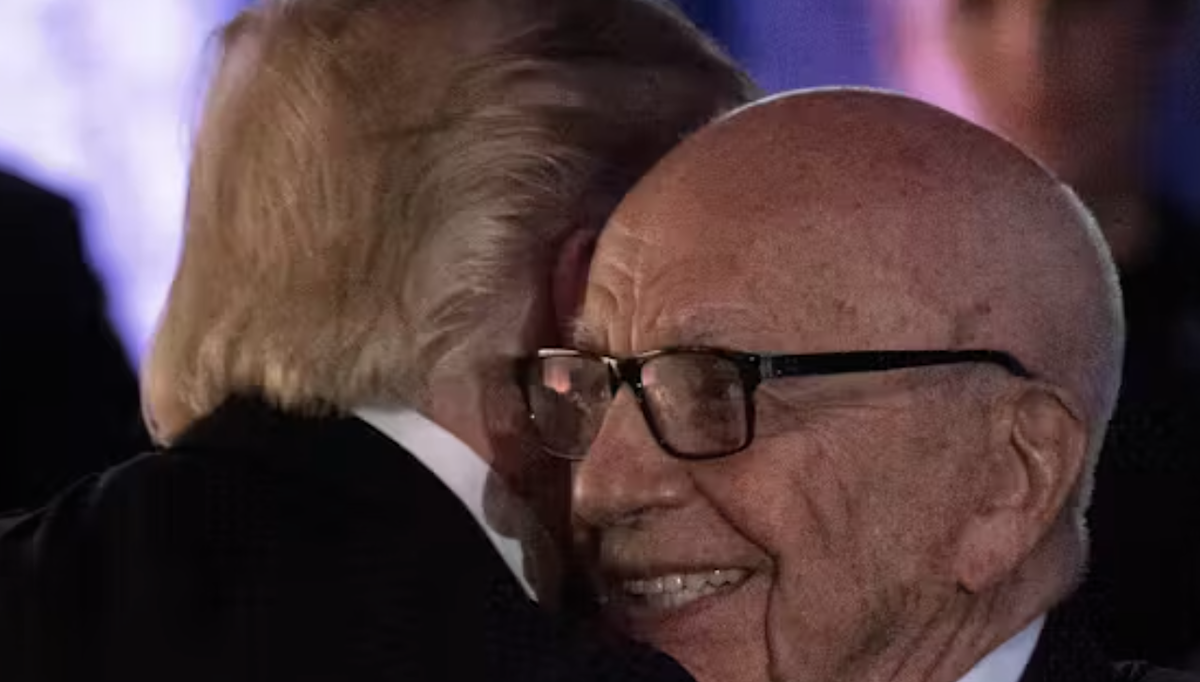
Could Rupert Murdoch bring down Donald Trump?
In a surprising twist, media magnate Rupert Murdoch appears to be positioning himself as a counterforce to former U.S. President Donald Trump, a figure he once heavily supported. This development comes after Trump filed a lawsuit against Murdoch’s Wall Street Journal for publishing an article about a controversial hand-drawn birthday card allegedly sent by Trump to convicted sex offender Jeffrey Epstein in 2003. The card, described as crude and inappropriate, has sparked outrage and legal action, further straining the already complex relationship between the two powerful figures. Murdoch’s media empire, including Fox News, has long been a staunch ally of Trump, promoting his agenda and amplifying his claims, including the debunked narrative of a stolen 2020 election. However, the recent legal battle suggests a potential shift in Murdoch’s strategy, as he navigates the delicate balance between maintaining his audience’s loyalty and distancing himself from Trump’s increasingly divisive persona. The lawsuit underscores the transactional nature of their relationship, with both men leveraging their influence for personal and political gain. As the legal drama unfolds, the broader implications for media, politics, and public perception remain uncertain, with Murdoch’s actions potentially signaling a turning point in the Republican Party’s alignment with Trump.
-
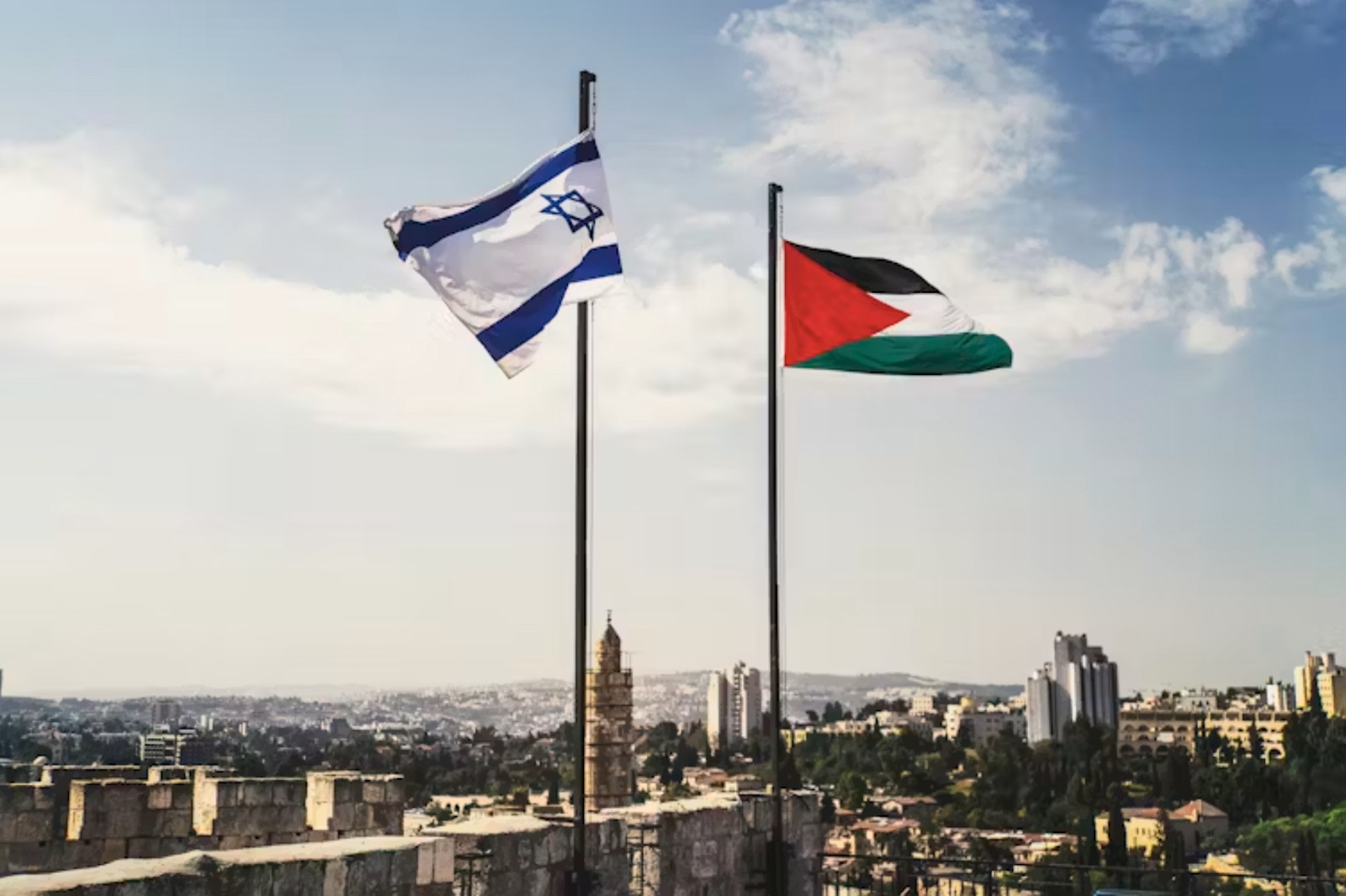
Road to Palestinian state must pass through Saudi Arabia
The ongoing 22-month conflict between Israel and Hamas has left European nations feeling powerless and divided. Despite their vocal support, European efforts have largely been irrelevant in shaping the outcome of the crisis. However, a recent move by French President Emmanuel Macron to join 11 other EU countries in recognizing a Palestinian state has sparked a glimmer of hope. This initiative, though fraught with challenges, aims to leverage partnerships with Arab states, particularly Saudi Arabia, to pressure Israel and the United States into reconsidering their stance on Palestinian statehood. The timing of Macron’s announcement is strategic, coinciding with a UN ministerial conference co-chaired by France and Saudi Arabia in July, followed by a heads-of-state meeting in September. While the odds of success remain slim, the French-led effort seeks to inject diplomatic momentum into a process that has long been stagnant. The key to its potential success lies in convincing Saudi Crown Prince Mohammed bin Salman to take a bold stance in pushing the U.S. to support the two-state solution. However, the deep-rooted divisions over the viability of a Palestinian state, coupled with the lack of serious commitment from major powers, continue to cast a shadow over any prospects for peace. The Arab world’s financial and political intervention will be crucial, but without U.S. backing, diplomatic recognition alone is unlikely to alter the reality on the ground. This high-stakes diplomatic gamble, though uncertain, represents a rare opportunity to reignite the quest for a sustainable resolution to the Israeli-Palestinian conflict.
-
Mutual respect urged for Sino-Japanese ties
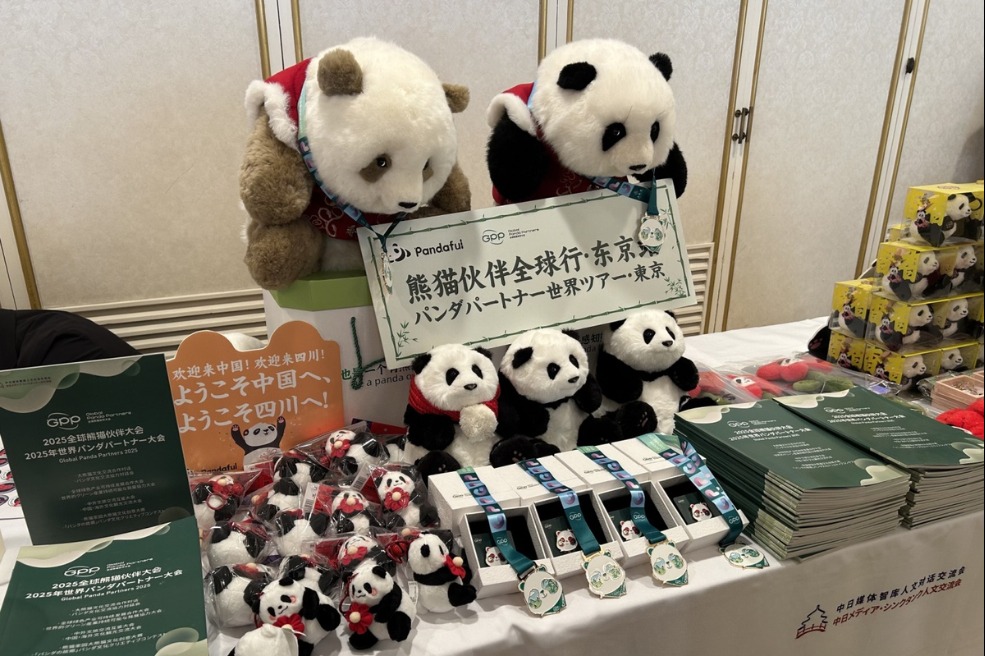
In a bid to fortify Sino-Japanese relations, experts have underscored the imperative of mutual respect and robust people-to-people exchanges. This call comes as both nations, pivotal players in the Asia-Pacific region, grapple with escalating global challenges. Xie Fuzhan, President of the China Foundation for Human Rights Development, emphasized the extensive common interests and cooperative potential between China and Japan during the Second Forum on Sino-Japanese Friendship and People-to-People Exchanges in Beijing. He highlighted that the bilateral relationship not only impacts the two nations but also significantly influences regional and global stability. Xie urged both countries to adopt a long-term, strategic perspective, addressing historical issues with prudence and respect to foster a forward-looking relationship. Japanese Ambassador to China Kenji Kanasugi echoed this sentiment, stressing the critical role of candid dialogue in deepening mutual understanding and trust. Yuji Miyamoto, President of the Japan-China Friendship Center, lamented the decline in academic exchanges due to recent political turbulence, advocating for a deeper awareness of each other’s societies and cultures to bridge the understanding gap. Jiang Yuechun, a senior research fellow at the China Institute of International Studies, pointed out the erosion of the rules-based international order by certain countries, leading to global instability. He called for enhanced cooperation through multilateral frameworks like the Regional Comprehensive Economic Partnership and the Comprehensive and Progressive Agreement for Trans-Pacific Partnership to uphold free trade and multilateralism. Despite the shifting public perceptions, both countries share vast potential for cooperation in areas such as climate change, green growth, and digital trade. Ryuji Hattori, a professor at Chuo University in Japan, highlighted the strain on China-Japan relations due to Tokyo’s evolving security policies. He emphasized the necessity of building trust through solid institutional foundations and societal-level mutual understanding. As the 80th anniversary of the Chinese People’s War of Resistance Against Japanese Aggression approaches, Miyamoto urged Japan to reflect on its past militarism and recognize that lasting peace and friendly cooperation are the only viable paths forward.
-
UK charity warned by regulator over fundraising video for Israeli soldiers
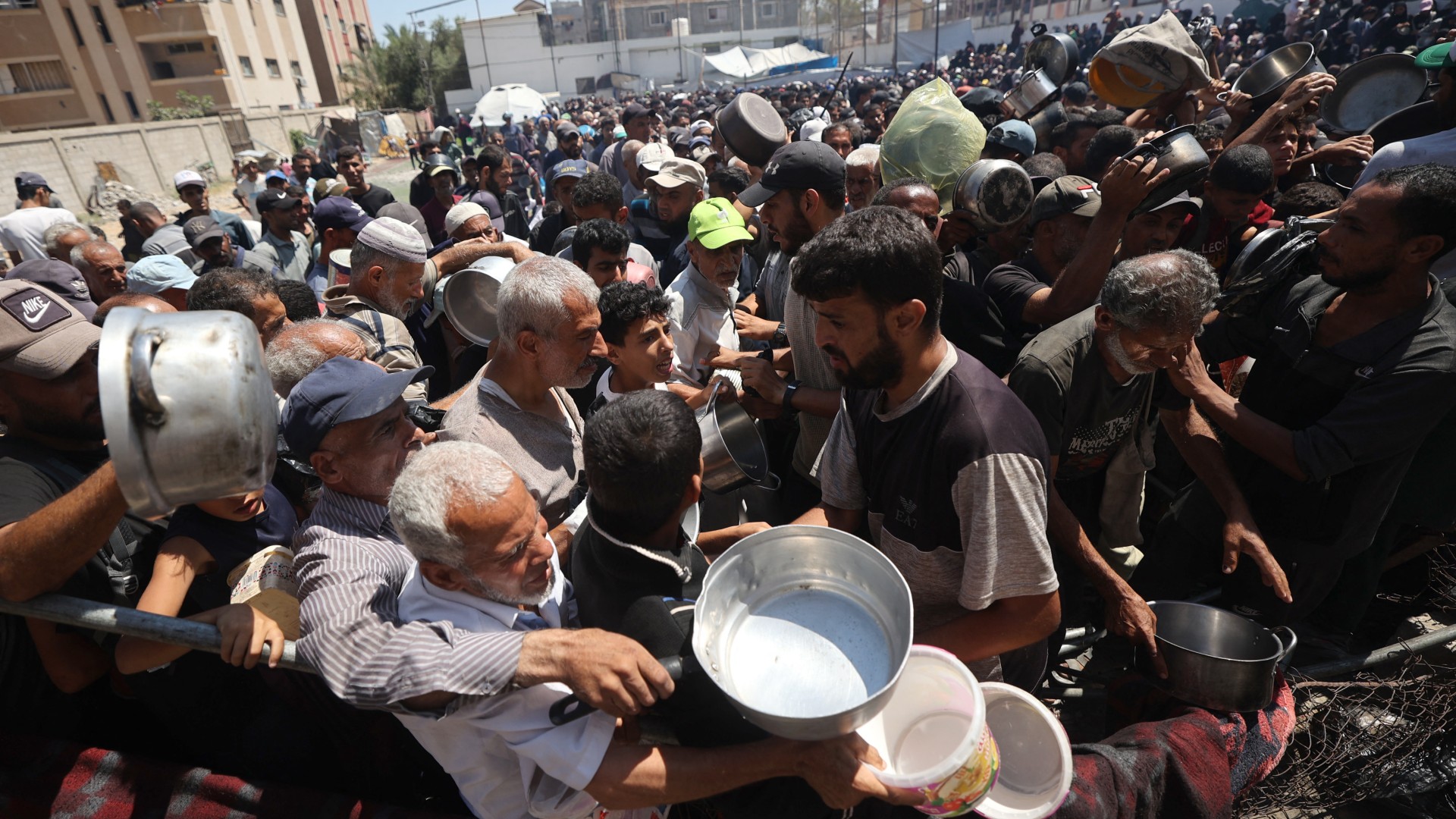
The United Kingdom’s Charity Commission, the nation’s independent charity regulator, has issued an official public warning to a London-based pro-Israel military charity over harmful content posted to its digital platforms amid ongoing regulatory scrutiny of charitable activity linked to the Gaza war.
The regulator’s action targets UK Friends of the Association for the Wellbeing of Israel’s Soldiers (UK-AWIS), the British affiliate of an Israeli national organization that receives core funding from Israel’s Ministry of Defence and maintains close institutional ties to the Israel Defense Forces (IDF). The watchdog found the charity violated its legal governance obligations after publishing a graphic combat montage video to solicit donations for Israeli forces engaged in the ongoing conflict with Hamas.
In its official statement, the Charity Commission confirmed that all of UK-AWIS’s trustees failed to meet their fiduciary duties: by allowing the distressing content to be published, they exposed the charity’s public reputation to avoidable damage, falling short of requirements to responsibly manage organizational resources and act in the charity’s best interests. The commission categorized the lapse as a breach of legal trust, qualifying as misconduct and mismanagement in the charity’s administration.
The video, which was removed from the charity’s website, Facebook, and YouTube channels after complaints, was edited in a style matching official IDF promotional content, featuring footage of air strikes and frontline combat. While a full regulatory review ultimately concluded the footage did not depict an on-camera killing, the commission confirmed the content remained deeply distressing and entirely inappropriate for a UK-registered charitable organization.
Public records show UK-AWIS raised roughly £292,358 (equivalent to $394,937) in 2023, a sharp year-over-year increase. Of that total, the charity reported transferring £43,000 ($58,087) to Israel to fund wellbeing programming for IDF soldiers, with priority given to lone soldiers with no family support in Israel and service members injured in combat. In its annual filing, the charity explicitly attributed the fundraising surge to new programming launched after the October 7, 2023 Hamas attacks, noting many supported projects were designed to address the wellbeing needs of mobilized reserve forces called up for the war against Hamas.
The charity suspended all fund transfers to Israel in December 2023, after the Charity Commission launched its formal investigation, but resumed transfers in July 2024 following submission of a required interim progress report to the regulator. Prior to the investigation opening, UK-AWIS ran public fundraising campaigns including an “Adopt an IDF combat unit” program and promoted “IDF Enlistment Festivals” on its now-edited website. Retired British Army Colonel Richard Kemp, a regular right-wing media commentator on UK military and Middle East issues, serves as a director and trustee of the organization. UK-AWIS’s stated core mission is to fund educational and recreational support for currently serving and veteran Israeli soldiers.
This warning is not an isolated case: earlier in 2024, the Charity Commission issued a similar formal warning to another UK charity, Chabad Lubavitch Centres North East London and Essex Limited, after it received 180 public complaints for fundraising directly for an IDF soldier deployed in northern Israel. The commission clarified at that time that it is unlawful for UK registered charities to raise and transfer funds to active combat soldiers serving in the Israeli army. The Chabad fundraising page, launched in October 2023 and removed in January 2024, raised approximately £2,280 ($2,804), £937 of which was transferred directly to the individual soldier. Trustees were unable to provide full documentation of how the allocated funds were spent, though the charity reported remaining funds were used to purchase non-lethal military equipment for the same soldier.
Since the outbreak of the Gaza war in October 2023, the Charity Commission has opened more than 200 separate regulatory investigations into UK charities connected to the conflict. The regulator has confirmed these probes target charities holding a wide range of ideological positions on the war, not only those supporting Israeli forces.
The ongoing conflict has drawn widespread international condemnation, with leading global human rights organizations including Amnesty International, Human Rights Watch, and the Office of the UN High Commissioner for Human Rights formally accusing Israeli forces of committing war crimes in Gaza.
-
Europe a non-player as US, Israel set the tone on Iran
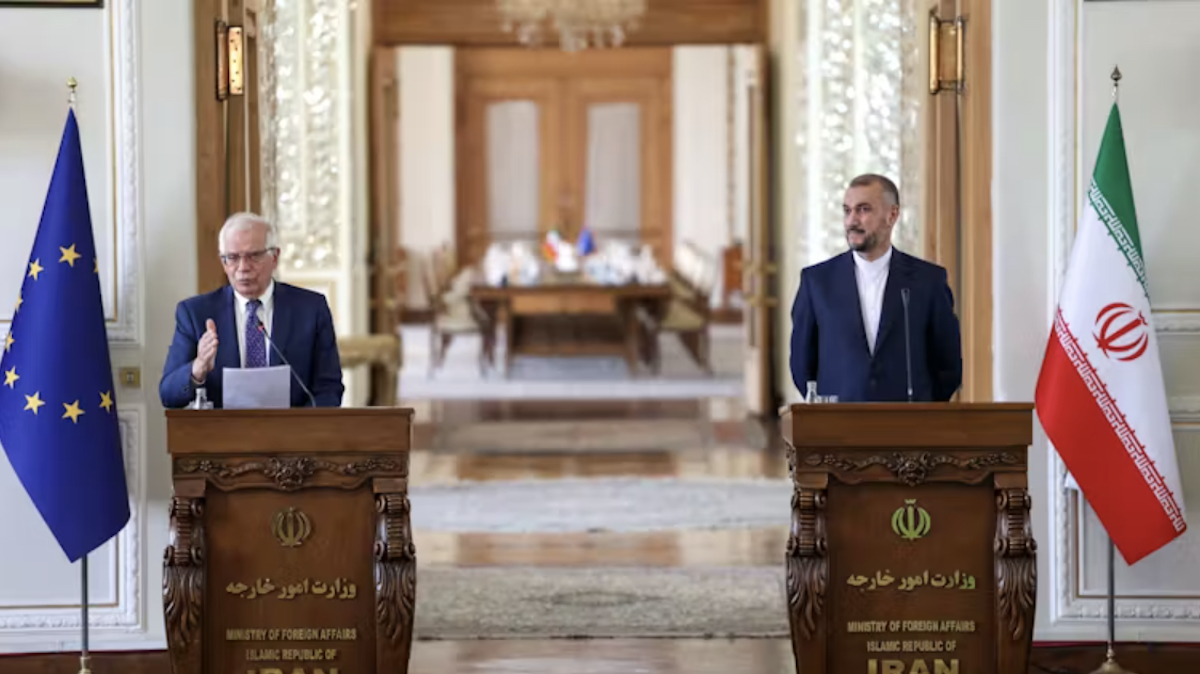
The United States’ decision to bomb three Iranian nuclear facilities on June 22, 2025, sent shockwaves across the globe, marking a stark departure from the Trump administration’s earlier diplomatic efforts to negotiate with Tehran over its nuclear program. This unprecedented military action, taken amidst the ongoing Israeli-Iranian conflict, has raised significant questions about the future of international diplomacy and nuclear nonproliferation. European governments, which have long advocated for a diplomatic resolution to Iran’s nuclear ambitions, responded with surprising restraint. European Commission President Ursula von der Leyen and German Chancellor Friedrich Merz both expressed support for Israel’s right to self-defense, while a joint statement from the E3 nations—France, the UK, and Germany—tacitly justified the US strikes as necessary to prevent Iran from developing nuclear weapons. However, the muted European reaction highlighted the continent’s diminished role in global diplomacy, particularly in contrast to its past leadership in negotiating the 2015 Iran nuclear deal. The deal, which included the US, Russia, China, and the European Union, aimed to curb Iran’s nuclear program in exchange for sanctions relief. The US withdrawal from the agreement in 2018 under President Trump, followed by the reimposition of heavy sanctions, severely undermined European efforts to maintain the deal and eroded Tehran’s trust in Europe as a reliable partner. Recent tensions, including Iran’s support for Russia’s invasion of Ukraine and Europe’s backing of Israel in the Gaza conflict, have further strained relations. Europe’s internal divisions over Middle East policy and its reliance on US leadership have compounded its challenges in reasserting a meaningful role in nuclear negotiations. As transatlantic relations remain fraught under the Trump administration, Europe faces an uphill battle to restore its influence in addressing Iran’s nuclear ambitions.
-
US builds next-generation bunker buster with China in mind
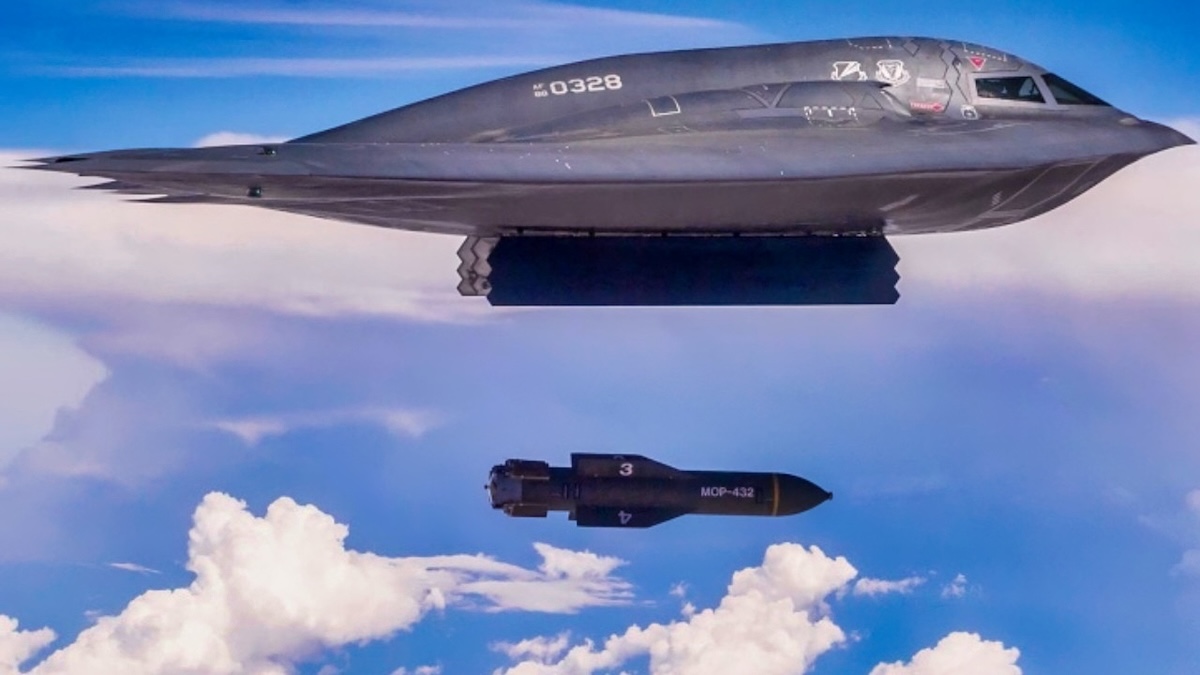
In the wake of its recent strikes on Iran’s nuclear facilities, the United States is fast-tracking the development of a next-generation penetrator (NGP) to address the evolving challenges of modern warfare. The June 2024 operation, codenamed Midnight Hammer, saw the first combat use of the 13,000-kilogram GBU-57/B Massive Ordnance Penetrator (MOP) against Iran’s Fordow and Natanz sites. While the strikes demonstrated precision, they also highlighted operational limitations, particularly with the B-21 Raider’s reduced payload capacity. This has spurred the US Department of Defense to prioritize the creation of a more advanced penetrator capable of overcoming hardened and deeply buried targets. The NGP, expected to weigh under 9,900 kilograms, will feature enhanced precision, propulsion systems for standoff capability, and improved terminal effects. Its development is driven by lessons from the Iran strikes and the growing global proliferation of fortified facilities in nations like China, North Korea, and Russia. The US Air Force aims to deploy initial prototypes within two years, integrating the NGP into the Long Range Strike system alongside platforms like the B-21 bomber and the AGM-181A Long-Range Stand-Off missile. However, the strikes on Iran’s Fordow facility, which lies 80 meters underground, raised questions about the MOP’s effectiveness. Satellite imagery revealed only six craters despite the deployment of 14 bombs, suggesting incomplete destruction of critical infrastructure. US Defense Secretary Pete Hegseth downplayed these concerns, calling leaked reports preliminary and emphasizing the complexity of battle damage assessments. The lessons from Iran could foreshadow greater challenges in potential conflicts with China, where deeply buried command centers and missile silos pose significant threats. Analysts warn that conventional strikes on such targets might be misinterpreted as nuclear decapitation attempts, escalating tensions. As the US refines its penetrator technology, the broader strategy of deterrence by denial remains critical, though it faces practical limitations amid China’s expanding missile capabilities and anti-access systems.
-
US missing the point on China’s industrial cyberespionage
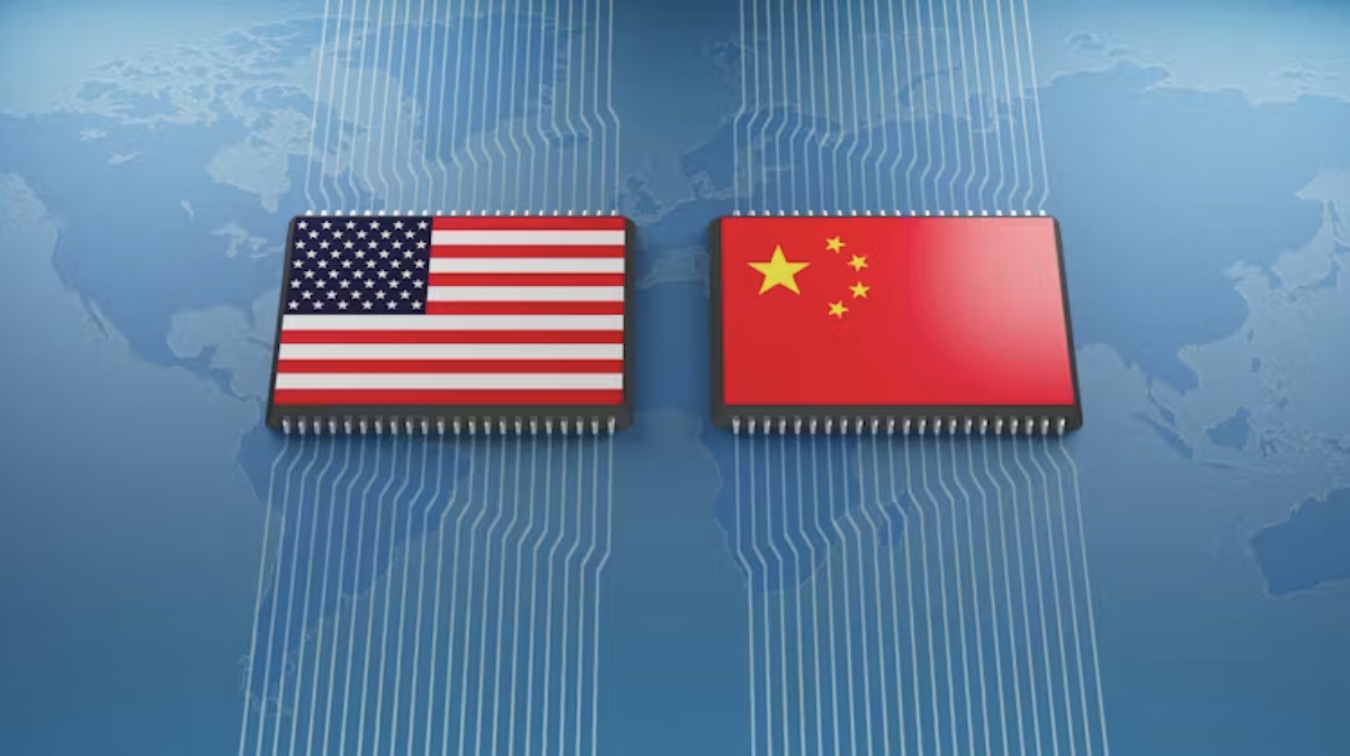
The United States is actively pursuing economic decoupling from China, implementing measures such as increased tariffs on Chinese goods, restrictions on advanced technology exports, and subsidies to bolster domestic manufacturing. This strategy aims to reduce reliance on China for critical products and safeguard US intellectual property from theft, particularly state-sponsored cyber-economic espionage. Former US Trade Representative Katherine Tai emphasized that China-specific tariffs were intended to counter harmful cyber intrusions and theft, echoing earlier Trump administration efforts to address intellectual property theft. However, the effectiveness of decoupling in protecting US innovations remains questionable. Political scientist William Akoto, who specializes in state-sponsored cyberespionage, argues that decoupling may not deter cyber theft and could even exacerbate it. His research highlights that industrial similarity, rather than reliance, drives cyberespionage. Countries with overlapping advanced industries, such as aerospace and electronics, are more likely to target each other with cyberattacks due to intense competition. For instance, the 2012 cyberattack on US solar panel manufacturer SolarWorld, attributed to Chinese entities, exemplifies this dynamic. Cutting trade ties does not eliminate technological rivalry; instead, it may intensify espionage efforts. Historical examples, such as South Africa’s covert acquisition of nuclear technology under sanctions and Israel’s clandestine military tech efforts during embargoes, illustrate how isolation can fuel desperation. To mitigate cyberespionage, Akoto suggests investing in cyber defense, building resilience, and accelerating innovation. Strengthening network security, training employees against phishing, and adopting robust encryption can make hacking attempts less successful. Additionally, businesses can focus on faster product development cycles to stay ahead of competitors. Rather than relying on tariffs and export bans as solutions, US leaders should prioritize resilience and stress-test cybersecurity measures to make espionage less rewarding for adversaries.
-
Trump vs Powell is the war that really matters
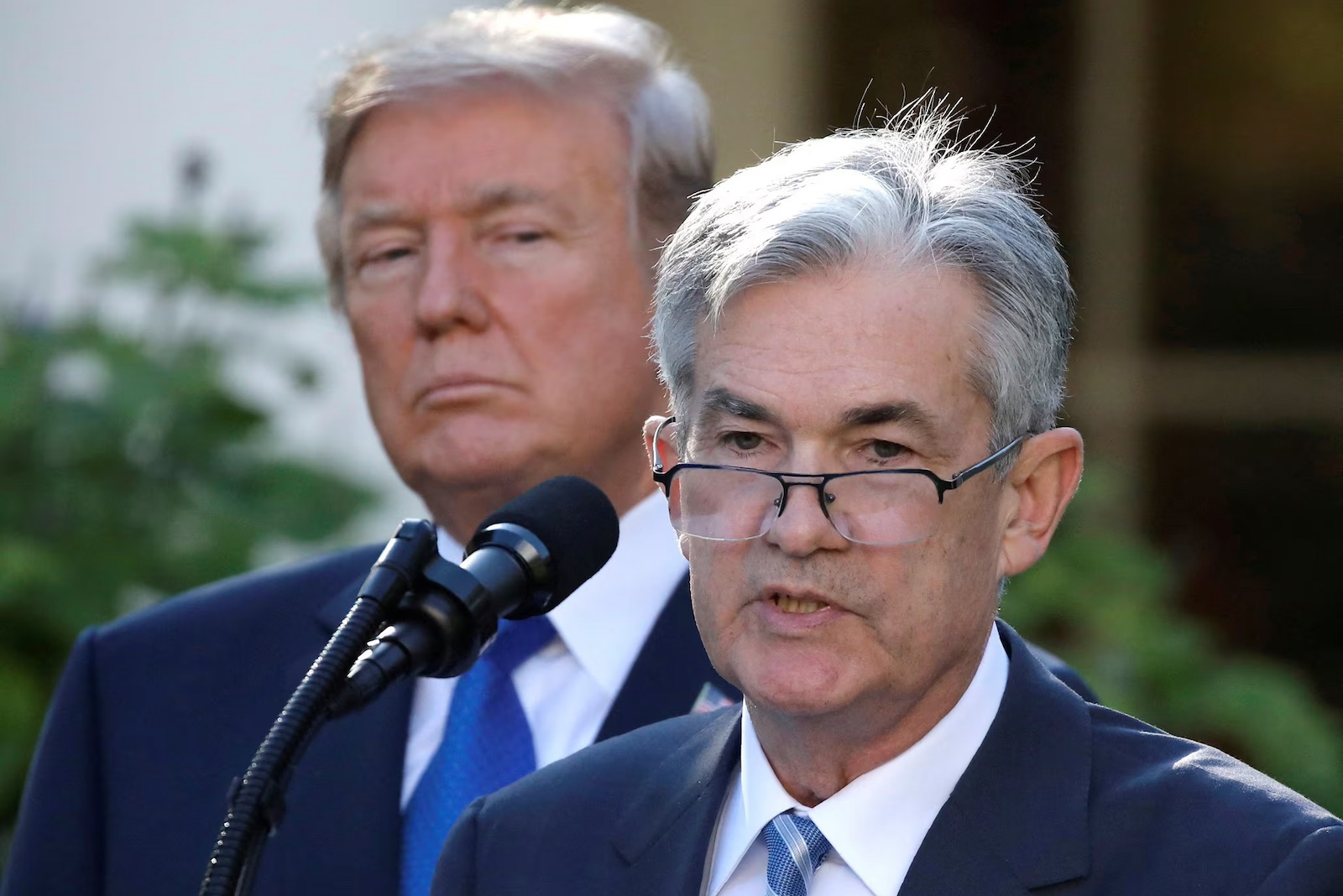
President Donald Trump’s ability to manage multiple high-stakes situations is currently under intense scrutiny as his administration navigates two significant challenges: one on the international stage and another within the United States. On the global front, Trump’s decision to authorize military strikes against Iran has sent shockwaves through global markets, creating uncertainty and volatility. Despite his announcement of a ceasefire between Iran and Israel, tensions remain high as both nations have reportedly violated the agreement, prompting sharp criticism from the President. Domestically, Trump’s ongoing feud with Federal Reserve Chair Jerome Powell is exacerbating economic anxieties, particularly in Asian markets. Trump and his key advisors have publicly criticized Powell for resisting calls to lower interest rates, further complicating the economic landscape. These dual battles highlight the complexities of Trump’s leadership style and the far-reaching consequences of his decisions.