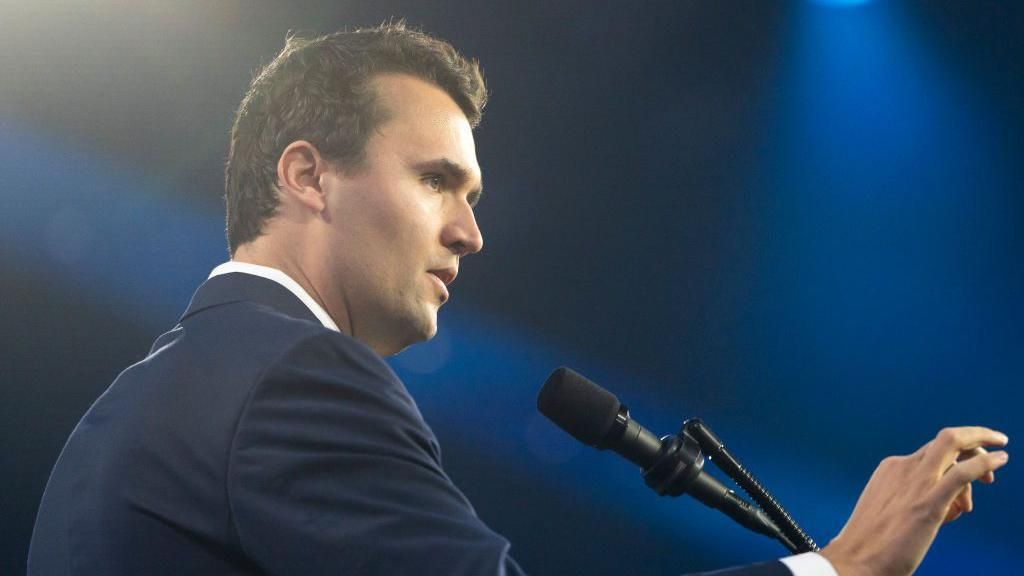
The Trump administration has taken decisive action by revoking the visas of at least six individuals for their public remarks celebrating the death of right-wing influencer Charlie Kirk. The State Department announced the move on X, stating, ‘The United States has no obligation to host foreigners who wish death on Americans.’ The department shared screenshots of social media posts from visa holders who allegedly expressed approval of Kirk’s assassination in September, hinting at further visa cancellations. Kirk, a prominent ally of former President Donald Trump, was fatally shot on September 10 while speaking at a university event in Utah. Known as a champion of free speech and a mobilizer of young Republicans, Kirk’s death has sparked both mourning among conservatives and backlash from liberals who criticized his controversial statements on race and crime. The six individuals whose visas were revoked hail from Argentina, South Africa, Mexico, Brazil, Germany, and Paraguay. While their identities remain undisclosed, South African national Nhlamulo Baloyi confirmed to media outlets that his business visa was revoked last week. Baloyi admitted to writing one of the posts shared by the State Department, in which he described Kirk’s followers as ‘trailer trash’ and dismissed Kirk’s legacy. The visa cancellations coincided with President Trump posthumously awarding Kirk the Presidential Medal of Freedom, calling him a ‘martyr’ and blaming ‘far-left radicals’ for his death. The suspect in Kirk’s killing, 22-year-old Tyler Robinson, was arrested two days after the shooting and charged with aggravated murder. The Trump administration’s actions reflect a broader Republican effort to target Kirk’s critics, with Vice-President JD Vance urging people to report those who celebrated the killing. The administration has also intensified social media vetting during visa applications, revoking thousands of student visas this year, citing violations ranging from assault to ‘support for terrorism,’ though the latter remains undefined.
分类: politics
-
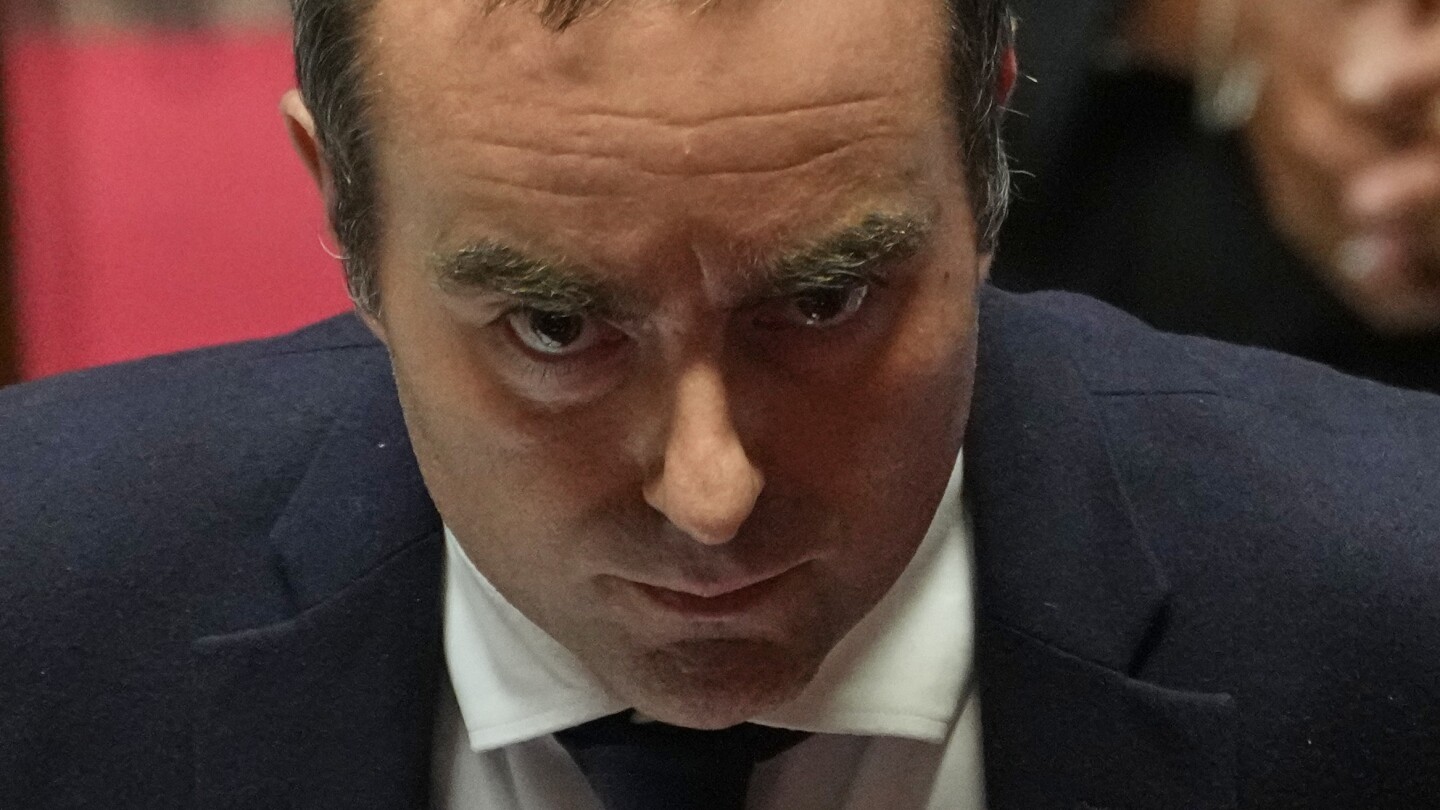
France is on the brink as Macron’s government faces no-confidence votes
France is on the brink of a deepening political crisis as Prime Minister Sébastien Lecornu faces two no-confidence motions in the National Assembly on Thursday. These motions, filed by President Emmanuel Macron’s staunch opponents—the hard-left France Unbowed party and Marine Le Pen’s far-right National Rally—threaten to destabilize the fragile government. Should Lecornu’s administration fall, Macron may be compelled to dissolve the National Assembly and call for snap legislative elections, a move fraught with uncertainty.
-
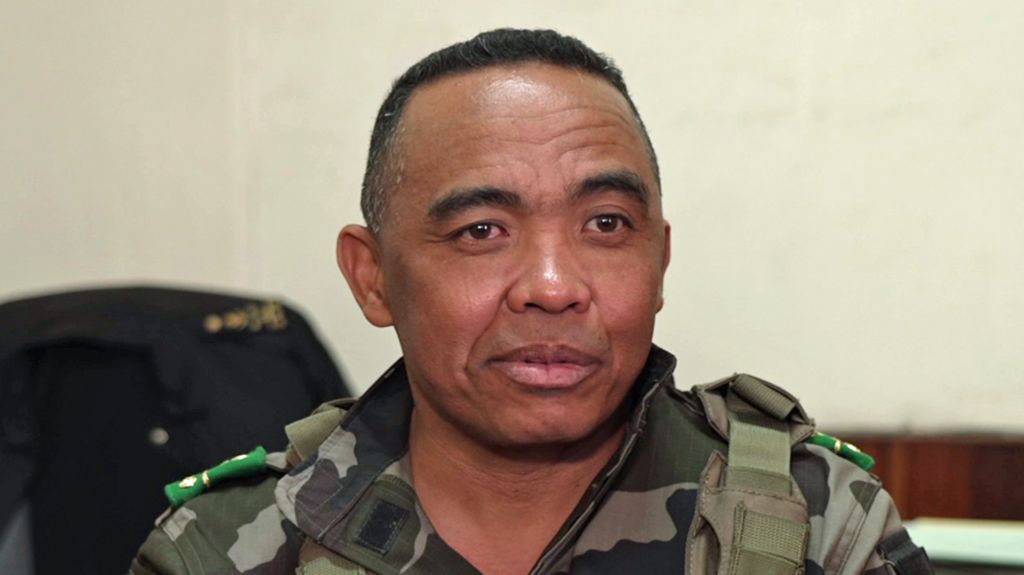
From prison to presidential palace: Who is Madagascar’s new military ruler?
In a dramatic turn of events, Col Michael Randrianirina has emerged as Madagascar’s most influential figure, following a swift and unexpected ascent to power. Just days ago, Randrianirina was relatively unknown, but as the head of the elite CAPSAT military unit, he led his troops into the capital, joining thousands of protesters demanding the resignation of President Andry Rajoelina. After Rajoelina fled and MPs voted to impeach him, Randrianirina announced to the world that CAPSAT was taking control. The constitutional court swiftly declared him the country’s new leader, despite Rajoelina’s claims of continued authority. Randrianirina’s background is shrouded in mystery, with limited public information available. Born in Sevohipoty, he served as governor of Androy and later led an infantry battalion in Toliara. A vocal critic of Rajoelina, he was imprisoned in 2023 without trial, accused of inciting mutiny, but was released in 2024 amid claims of political persecution. Randrianirina, described as ‘simple but tough’ and ‘patriotic,’ has pledged to prioritize social welfare in a nation where 75% live in poverty. He plans a two-year military-civilian government before elections. His swearing-in ceremony is imminent, marking the culmination of a whirlwind rise from obscurity to leadership.
-
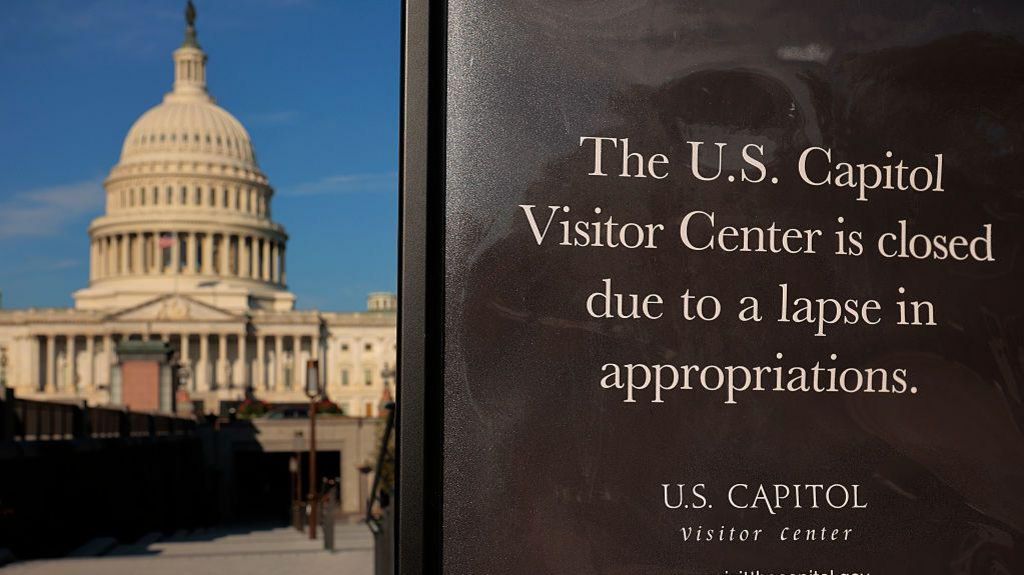
As US shutdown starts to bite, how much could it hit economy?
The ongoing U.S. government shutdown has plunged millions of federal employees into financial uncertainty, with widespread repercussions for the economy and individual households. Michael Galletly, an IT management specialist at Utah’s Department of Agriculture and president of the American Federation of Government Employees Local 4016, is among those affected. Placed on unpaid leave, Galletly and his wife spent hours strategizing how to navigate the crisis, cutting back on expenses and delaying major purchases. ‘I could make it two months, maybe three lean, very lean months,’ he said, expressing uncertainty about the shutdown’s duration. The impasse has disrupted travel, delayed government approvals, and shuttered museums, with broader economic impacts now emerging. Analysts warn that the shutdown is reaching a critical inflection point, with business and consumer confidence declining. The suspension of key economic data releases, such as the monthly jobs report, has added to the uncertainty, forcing firms to delay spending decisions and increasing the risk of policy errors. In Utah, Galletly has applied for unemployment insurance and sought accommodations from banks holding his mortgage and car loans. ‘Having been through this before—this is my third government shutdown as a federal employee—I just can’t afford to hope for the best,’ he said. The Trump administration’s unprecedented threats to deny backpay and initiate permanent firings have heightened the stakes, particularly in a slowing economy already strained by tariffs, immigration rule changes, and earlier spending cuts. Economists project a 0.2 percentage point hit to quarterly growth per week, with potential long-term damage if the shutdown persists. The Washington, DC region, already reeling from earlier government cuts, faces severe repercussions, with consumer spending in the metro area dropping significantly during the 2013 shutdown. Local businesses, such as Duke’s Counter near the National Zoo, have seen sales plummet by over 50%. ‘It’s not just federal workers and contractors who are affected here. It’s the entire ecosystem,’ said Daniel Kramer, the restaurant’s managing partner. As the shutdown drags on, families like Allison’s in Ohio are making difficult choices, canceling trips and deferring mortgage payments. ‘If this continues through December, I don’t know what we’re going to do,’ she said, highlighting the widespread anxiety gripping federal employees and their communities.
-
Australian PM’s phone number leaked on US-based website
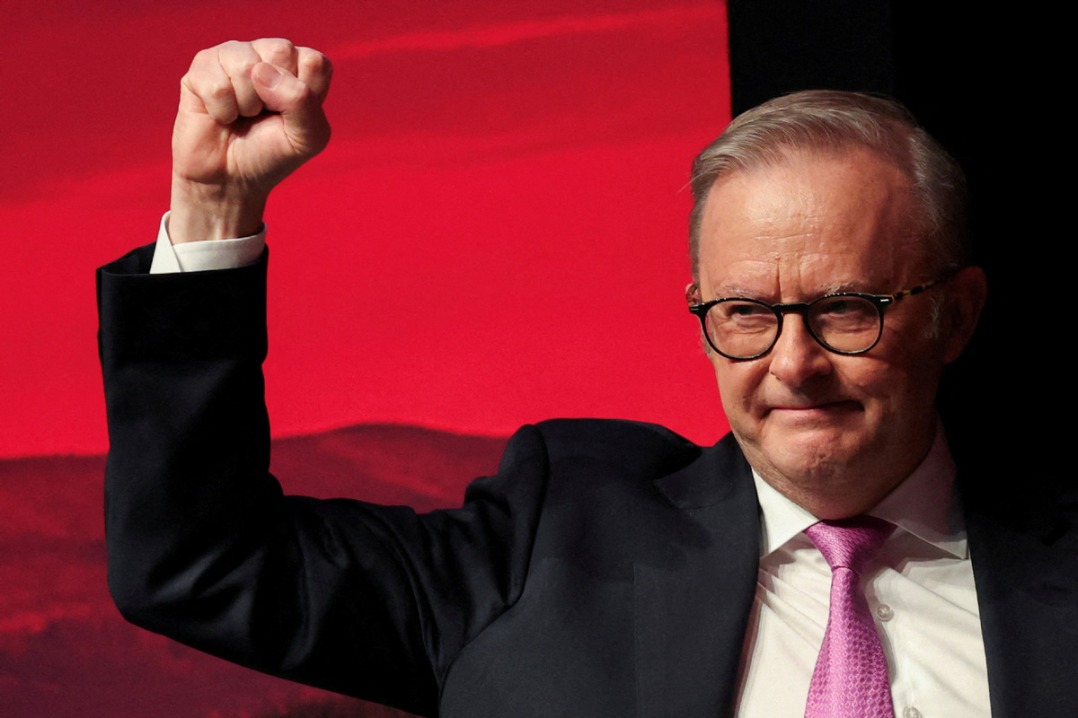
Australian authorities have launched an investigation after the private phone number of Prime Minister Anthony Albanese was leaked on a US-based website. The platform, which claims to provide access to 300 million professionals from 30 million companies, allegedly scrapes data from public sources such as LinkedIn. The Australian Federal Police (AFP) confirmed they are aware of the breach and are working to remove the Prime Minister’s personal details from the site. Acting Prime Minister and Defence Minister Richard Marles emphasized the government’s concern and efforts to address the issue. The leak also exposed the contact information of several other prominent Australians, raising broader questions about online data privacy. Digital Rights Watch chair Lizzie O’Shea called for stricter regulations on the transfer of personal data outside Australia, highlighting the reliance on US tech companies. The AFP warned that using communication services to harass or menace individuals is a criminal offense, and they will take swift action against violators. The incident has ignited public debate over the protection of personal information in the digital age.
-
ICC disqualifies chief prosecutor from Duterte case over perceived conflict of interest
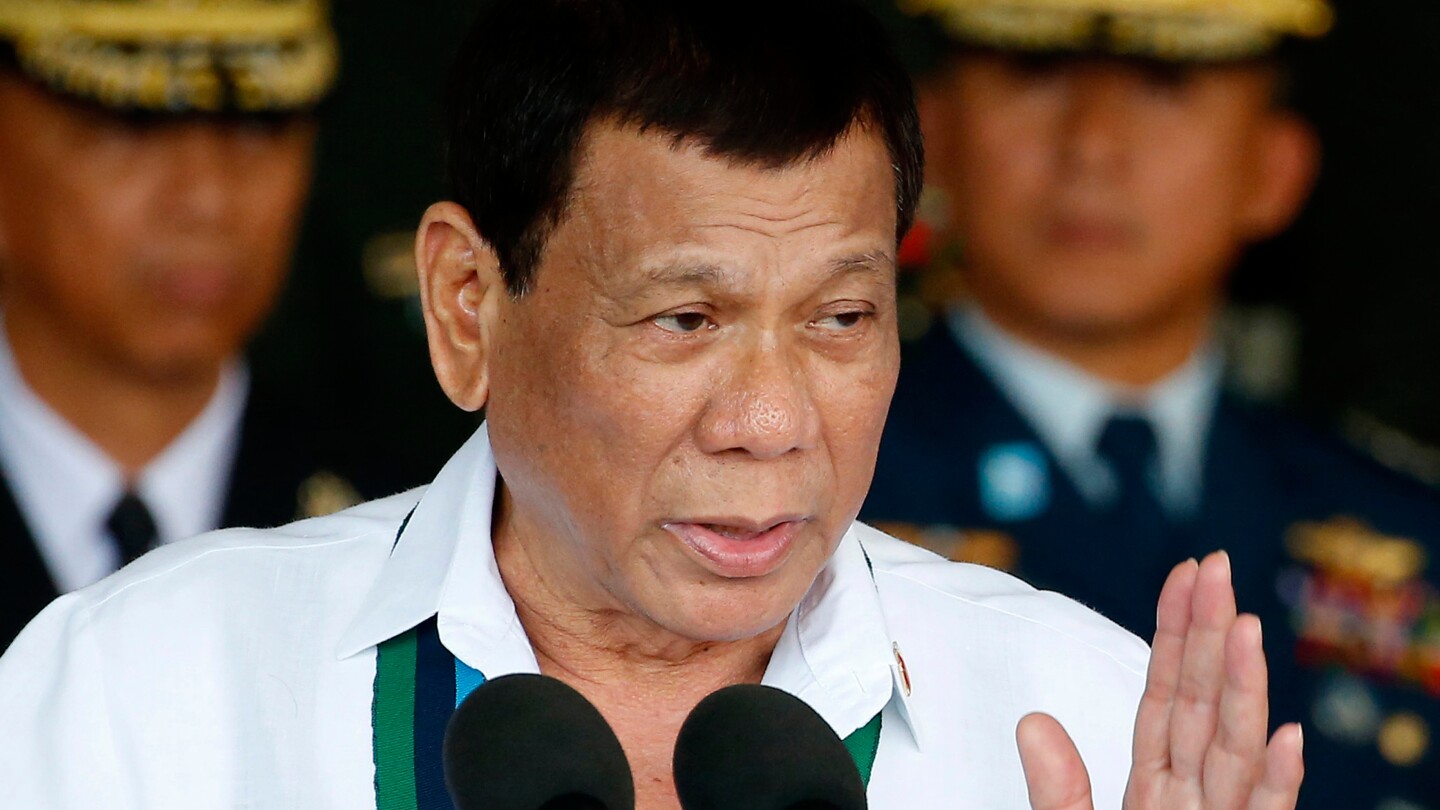
In a significant development at the International Criminal Court (ICC) in The Hague, Netherlands, judges have disqualified Chief Prosecutor Karim Khan from the case against former Philippine President Rodrigo Duterte. The decision, dated October 2 but released on Wednesday, cited a ‘reasonable appearance of bias’ due to Khan’s prior representation of victims allegedly affected by Duterte’s ‘war on drugs’ campaign. This disqualification follows Khan’s temporary withdrawal from his duties in May pending an independent investigation into allegations of sexual misconduct. Court spokesperson Fadi El Abdallah assured that the case against Duterte will proceed under the leadership of a deputy prosecutor, ensuring no disruption in the legal proceedings. Defense lawyers for Duterte had argued in August that Khan’s previous involvement created an ‘irreconcilable conflict of interest,’ a claim the judges found compelling. While the panel did not conclude that actual bias was demonstrated, they acknowledged that a fair-minded observer could perceive a reasonable appearance of bias. Duterte, arrested in March, faces charges of crimes against humanity related to mass killings during his tenure as mayor of Davao and later as president. Estimates of the death toll during his anti-drug campaign range from 6,000 to 30,000. The ICC has postponed pretrial hearings due to health concerns raised by Duterte’s legal team, who argue he is ‘not fit to stand trial.’
-
Row over bringing back military service splits German government
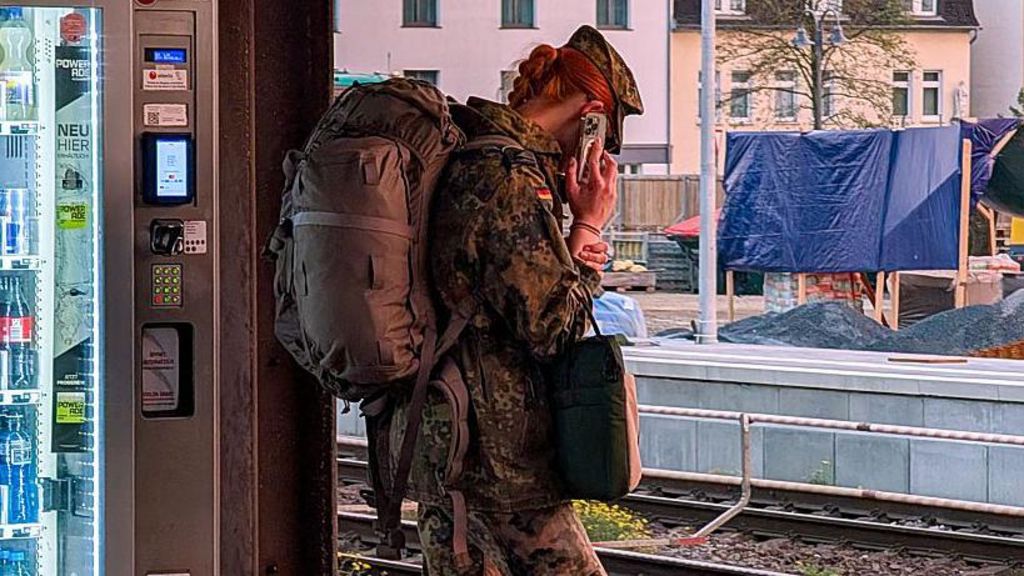
Germany’s ambitious plans to reintroduce military service have been thrown into disarray following a last-minute dispute among the governing coalition parties. The proposed compromise, which included elements of mandatory conscription, was abruptly rejected, leaving the future of the initiative uncertain. Chancellor Friedrich Merz has emphasized his vision for Germany to possess the strongest conventional army in Europe. However, a scheduled press conference to unveil the proposals was canceled unexpectedly, just days before the draft bill was set to be presented to parliament on Thursday. Defence Minister Boris Pistorius has dismissed allegations of undermining the plans. Despite being the EU’s largest economy, Germany’s military has suffered from chronic underfunding since the Cold War’s end. Berlin is now urgently seeking to bolster defense spending and personnel, driven by warnings of a potential Russian attack within the next four years. Yet, the issue of military service remains politically sensitive, with significant public apprehension rooted in Germany’s 20th-century history of militarization. A recent Forsa survey for Stern revealed that 54% of Germans support compulsory service, while 41% oppose it, with opposition rising to 63% among 18 to 29-year-olds. Germany aims to expand its armed forces from 183,000 active personnel to 260,000 by 2035, alongside 200,000 reservists. Under draft plans announced this summer, 18-year-olds would complete an online questionnaire about their background and willingness to serve for at least six months. While mandatory for men, the questionnaire remains optional for women. The coalition government, comprising Merz’s conservative CDU/CSU and the centre-left SPD, initially agreed to reintroduce voluntary military service. However, CDU politicians, including Merz, have expressed concerns that a purely voluntary system may fall short. Negotiations between the coalition parties had reportedly yielded a multi-stage compromise, including a potential lottery system for mandatory service if recruitment targets were unmet. Yet, the SPD remains resistant to any form of compulsory service. Pistorius, while supportive of a strengthened military, has criticized the latest plans as impractical, advocating instead for all eligible young men to undergo medical assessments by July 2027 to assess available manpower. Despite the political impasse, Pistorius remains optimistic that a new law will be enacted by next year. Germany’s defense ministry faces significant logistical challenges in building the infrastructure needed to support its expanded military ambitions. Conscription was suspended in Germany in 2011, allowing young men to choose between military service or social work as conscientious objectors.
-
What more do we know about the collapsed China spy case?
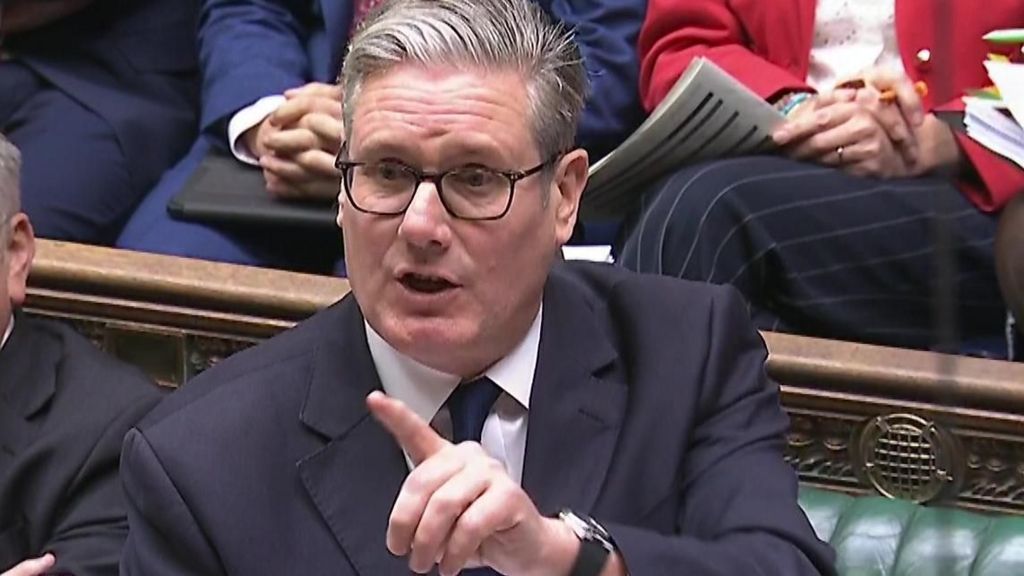
The controversy surrounding the collapse of a high-profile case involving two men accused of spying for China continues to escalate, placing the government under intense scrutiny. The opposition has seized upon the issue, further fueling the debate. The government now finds itself in a precarious position regarding the release of witness statements related to the case. Initially, it was suggested that the Crown Prosecution Service (CPS) was blocking their release, but the CPS has since clarified that it was not responsible, leaving the government with little choice but to publish the documents. During Prime Minister’s Questions, Sir Keir Starmer confirmed that the government would indeed release the statements. Prime Minister Rishi Sunak reviewed the documents for the first time this morning, marking an unusual start to the weekly session. The pledge to publish the statements was made in a statement rather than in response to questions from Conservative leader Kemi Badenoch, catching her off guard. However, questions remain about whether the release of these statements will significantly alter the narrative. Unless the documents reveal drastically new information, the core allegation—that the government may have withheld evidence rather than tampered with it—remains unchanged. The government maintains its innocence, arguing that the publication of the statements may not provide further clarity. The documents could, however, increase pressure on the CPS rather than politicians. The Conservatives have been relentless in their pursuit of answers, but the government has countered by blaming the opposition’s stance on China and existing legislation. The case involves Christopher Cash and Christopher Berry, both accused of spying for China. Following PMQs, lengthy briefings were held with the prime minister’s team and Badenoch’s team, lasting over an hour. The final submission of evidence from the deputy national security adviser was made on August 4, and a meeting on September 1 discussed the handling of the case in relation to China. The government insists that the meeting did not delve into the evidence, but the Conservatives are demanding the publication of the meeting minutes. The prime minister was informed of the case’s collapse two days before it occurred, though the source of this information remains undisclosed. This complex and ongoing saga highlights the intricate details and prolonged scrutiny the government faces.
-
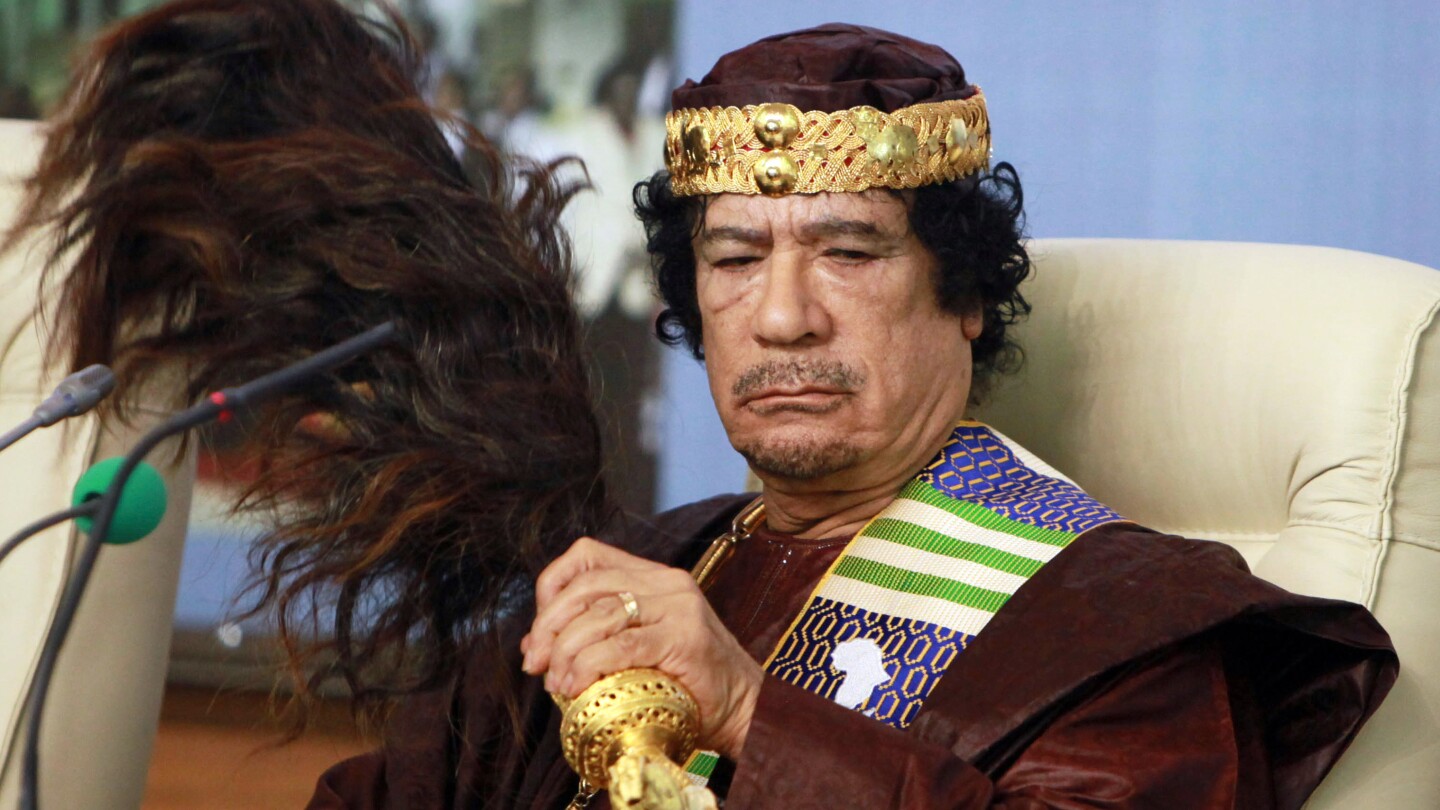
A look at some leaders who have fled uprisings
In the tumultuous world of politics, even the most seemingly invincible leaders can find themselves forced into exile, fleeing their countries to escape incarceration, execution, or political retribution. This phenomenon has been witnessed repeatedly across the globe, often triggered by revolutions, military coups, or widespread public unrest. The most recent addition to this list is Andry Rajoelina, the president of Madagascar, who was ousted in a military coup this week following weeks of Gen Z-led protests over economic hardship, lack of opportunities, and power shortages in the island nation. His downfall is part of a broader pattern of leaders who have met similar fates. Marc Ravalomanana, Madagascar’s sixth president, was overthrown in 2009 by Rajoelina himself, then the mayor of Antananarivo. Ravalomanana fled to South Africa, was convicted in absentia, and later returned to Madagascar only to face arrest before his sentence was lifted. In Syria, Bashar Assad fled to Russia in 2024 as rebel forces advanced toward Damascus, ending his family’s 51-year rule. Viktor Yanukovych, Ukraine’s former president, fled to Russia in 2014 after protests erupted over his decision to abandon an EU agreement in favor of a Russian bailout. Jean-Bertrand Aristide, Haiti’s first democratically elected leader, twice fled his country during military coups, while Libyan leader Moammar Gadhafi’s four-decade rule ended in 2011 when he was captured and killed by rebel forces during the Arab Spring. These cases highlight the precarious nature of political power and the dramatic consequences of its loss.
-
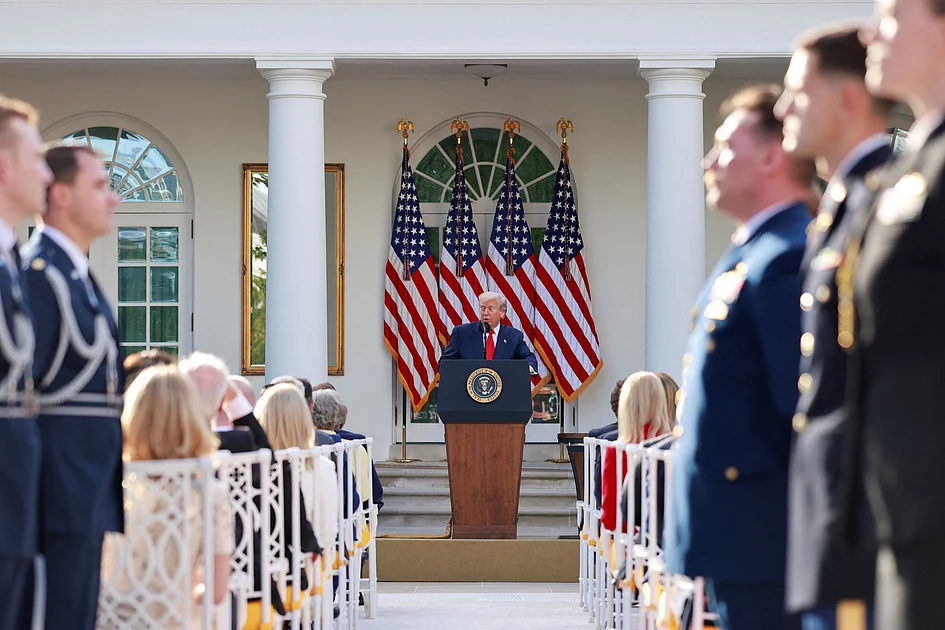
US revokes 6 visas over social media comments on Charlie Kirk
In a significant move reflecting heightened political tensions, the U.S. State Department announced on Tuesday the revocation of visas for six foreigners due to their social media comments regarding the assassination of conservative activist Charlie Kirk. The department emphasized, ‘The United States has no obligation to host foreigners who wish death on Americans,’ in a statement posted on X. This decision coincided with President Donald Trump posthumously awarding Kirk the Presidential Medal of Freedom, the nation’s highest civilian honor, during a ceremony in the Rose Garden. The event marked what would have been Kirk’s 32nd birthday. Trump praised Kirk as a ‘fearless warrior for liberty’ and a leader who galvanized the younger generation. Kirk, the founder of Turning Point USA, was fatally shot on September 10 while speaking at Utah Valley University, an incident that reignited debates over political violence in the U.S. His death has become a rallying point for Trump, who has used it to energize his base and push for measures against what he terms ‘radical left extremism.’ The Trump administration has launched a broad crackdown on left-wing organizations, deploying federal agencies like the FBI, Department of Homeland Security, and IRS to investigate groups accused of funding political violence. However, experts argue that political violence is bipartisan, with historically more attacks inspired by right-wing ideology. Officials have found no evidence linking Kirk’s shooter to any organized group. The ceremony drew prominent Republican figures, including Vice President JD Vance, Secretary of State Marco Rubio, and several U.S. Senators. Kirk, a polarizing figure in conservative politics, played a key role in mobilizing young voters for Trump’s 2024 campaign. While supporters hailed him as a champion of free speech, critics accused him of mainstreaming extremist views. Since his death, Trump has called Kirk a ‘martyr for American freedom’ and vowed to continue his work. In September, both the U.S. House of Representatives and Senate approved resolutions declaring October 14 a ‘National Day of Remembrance for Charlie Kirk.’ Trump also signed a proclamation on Tuesday officially marking the date.