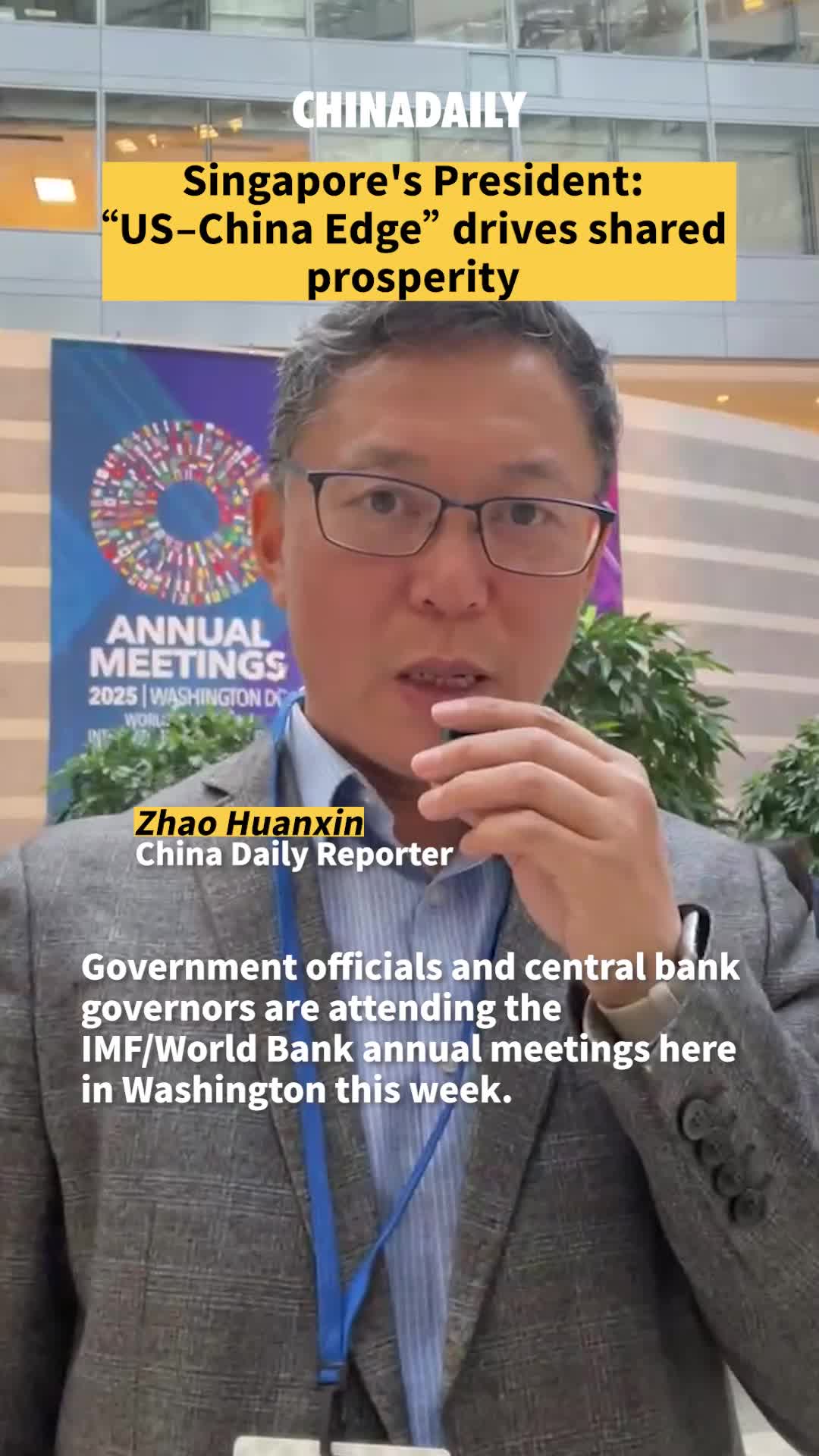
At the IMF-World Bank annual meetings in Washington this week, Singapore’s President Tharman Shanmugaratnam emphasized the importance of fostering collaboration between the United States and China, despite escalating tensions over tariffs, technology, and geopolitics. President Shanmugaratnam introduced the concept of the ‘US-China Edge,’ urging both nations to identify shared interests where competition can coexist with cooperation. He argued that transforming rivalry into innovation could drive mutual prosperity and global stability. The meetings, attended by government officials and central bank governors, provided a platform for addressing pressing economic challenges and exploring pathways for international cooperation. President Shanmugaratnam’s remarks underscored the need for strategic dialogue and trust-building measures to navigate the complexities of US-China relations. His call for innovation-driven collaboration resonated with attendees, highlighting the potential for economic growth and shared benefits in a multipolar world.
分类: politics
-
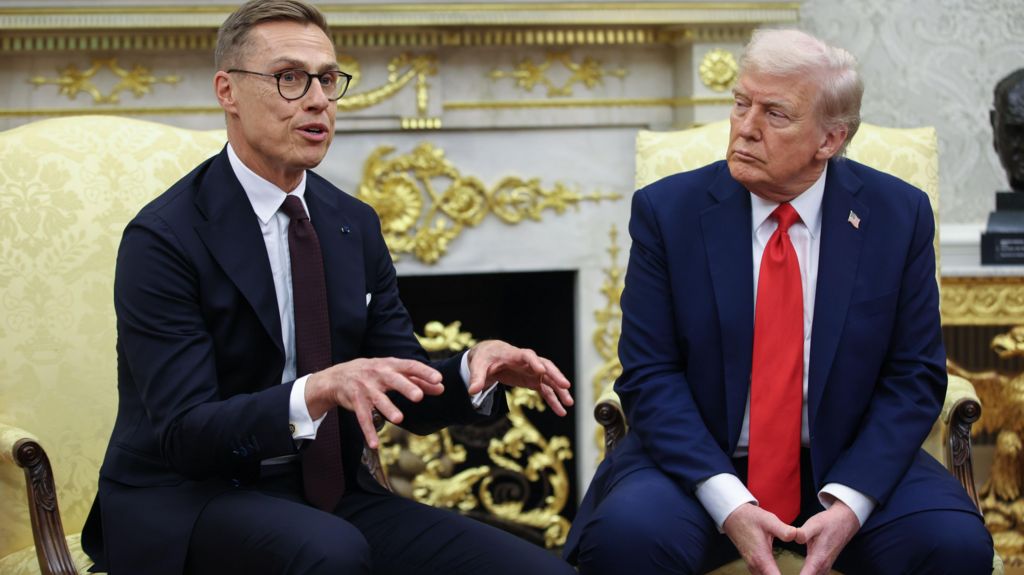
Trump only one who can force Putin to negotiating table, Finnish president tells BBC
Finland’s President Alexander Stubb has asserted that Donald Trump is the sole figure capable of compelling Russian President Vladimir Putin to engage in peace negotiations regarding the ongoing conflict in Ukraine. In an interview with BBC Radio 4’s Today programme, Stubb emphasized that Finland will never recognize Crimea, Donetsk, or Luhansk as part of Russia. He expressed his commitment to ensuring Ukraine’s future as an EU and NATO member post-war. Stubb’s remarks came ahead of Ukrainian President Volodymyr Zelensky’s meeting with Trump at the White House, where Zelensky appealed for U.S. assistance in ending the war. Trump, in turn, revealed that Putin has agreed to a face-to-face meeting in Hungary, signaling a potential diplomatic breakthrough. Stubb underscored the necessity of applying pressure on Russia to bring them to the negotiating table, contrasting Trump’s earlier ‘carrot’ approach with a more forceful ‘stick’ strategy. He expressed optimism about the progress made in peace negotiations during Trump’s second term, citing economic sanctions and the depletion of Russia’s reserves as critical factors. Stubb also highlighted the importance of U.S. support in providing air defense, intelligence, and operational assistance to Ukraine. He outlined a two-phase peace process, beginning with a ceasefire and followed by extended negotiations, expressing hope for tangible results in the near future.
-
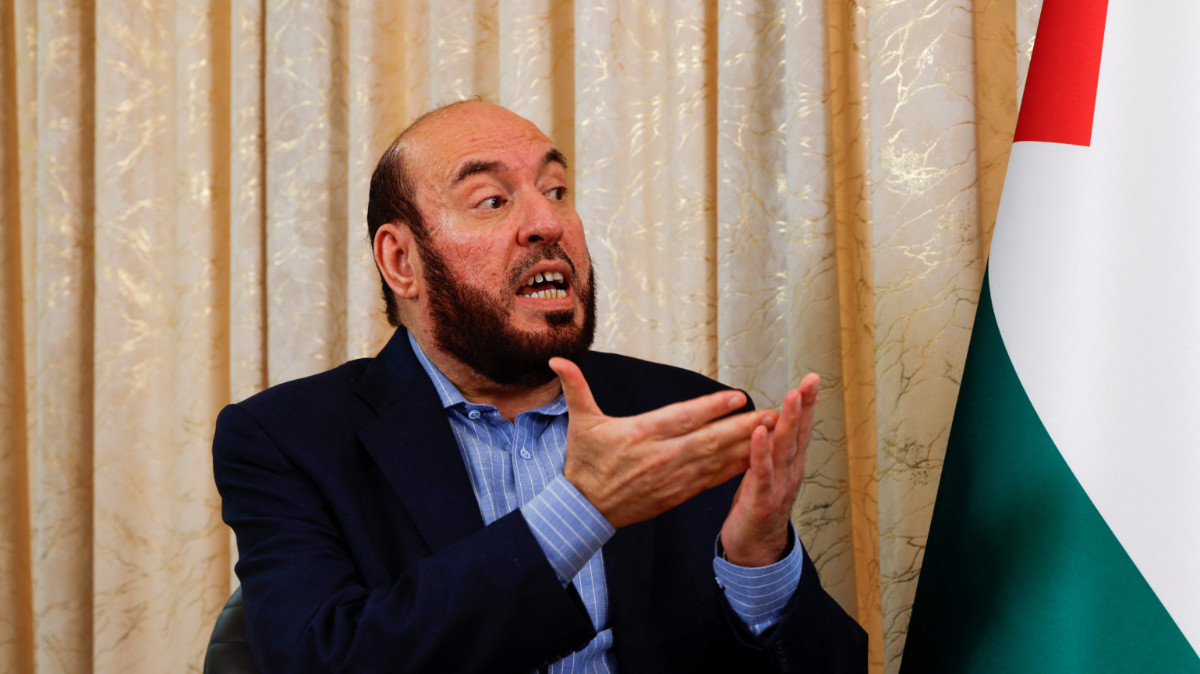
Hamas will not commit to disarm until further negotiations, official says
In a recent interview with Reuters, Mohammed Nazzal, a prominent member of Hamas’s politburo, revealed that the group is not prepared to commit to disarming immediately. Instead, Hamas is advocating for a ceasefire lasting three to five years to facilitate the reconstruction of Gaza. When questioned about relinquishing arms, Nazzal responded ambiguously, stating, ‘I can’t answer with a yes or no. It depends on the nature of the project.’ He further questioned the logistics of disarmament, asking, ‘To whom will the weapons be handed over?’
Arab diplomats have indicated that mediators are exploring alternatives, such as transferring Hamas’s weapons to Arab peacekeepers or securing long-range missiles rather than destroying them. This approach aligns with US President Donald Trump’s 20-point peace plan, which calls for Hamas’s demilitarization and a phased Israeli withdrawal from Gaza, though it lacks a specific timeline.
Nazzal emphasized that Hamas would provide a definitive stance during the second phase of negotiations, contingent on consultations with other Palestinian factions like the Popular Front for the Liberation of Palestine and Islamic Jihad. He clarified that the proposed ceasefire is aimed at rebuilding Gaza for civilian purposes, not preparing for future conflict. ‘The priority is to return Gaza to normal civilian life,’ he stated.
Trump’s plan excludes Hamas from Gaza’s future governance but offers amnesty to its members. It proposes a technocratic administration overseen by a ‘board of peace’ chaired by Trump, with a vague mention of potential Palestinian statehood. On the ground, Hamas remains well-organized, with its security forces deployed post-ceasefire. While Trump initially supported their presence to curb crime, he later reiterated the need for disarmament.
Nazzal described the current situation as a transitional phase, with Hamas maintaining its presence until Palestinian elections are held. Hamas has governed Gaza since 2007, following a violent split with Fatah, which controls the West Bank. Despite years of reconciliation talks, progress toward unity and fresh elections remains elusive.
-
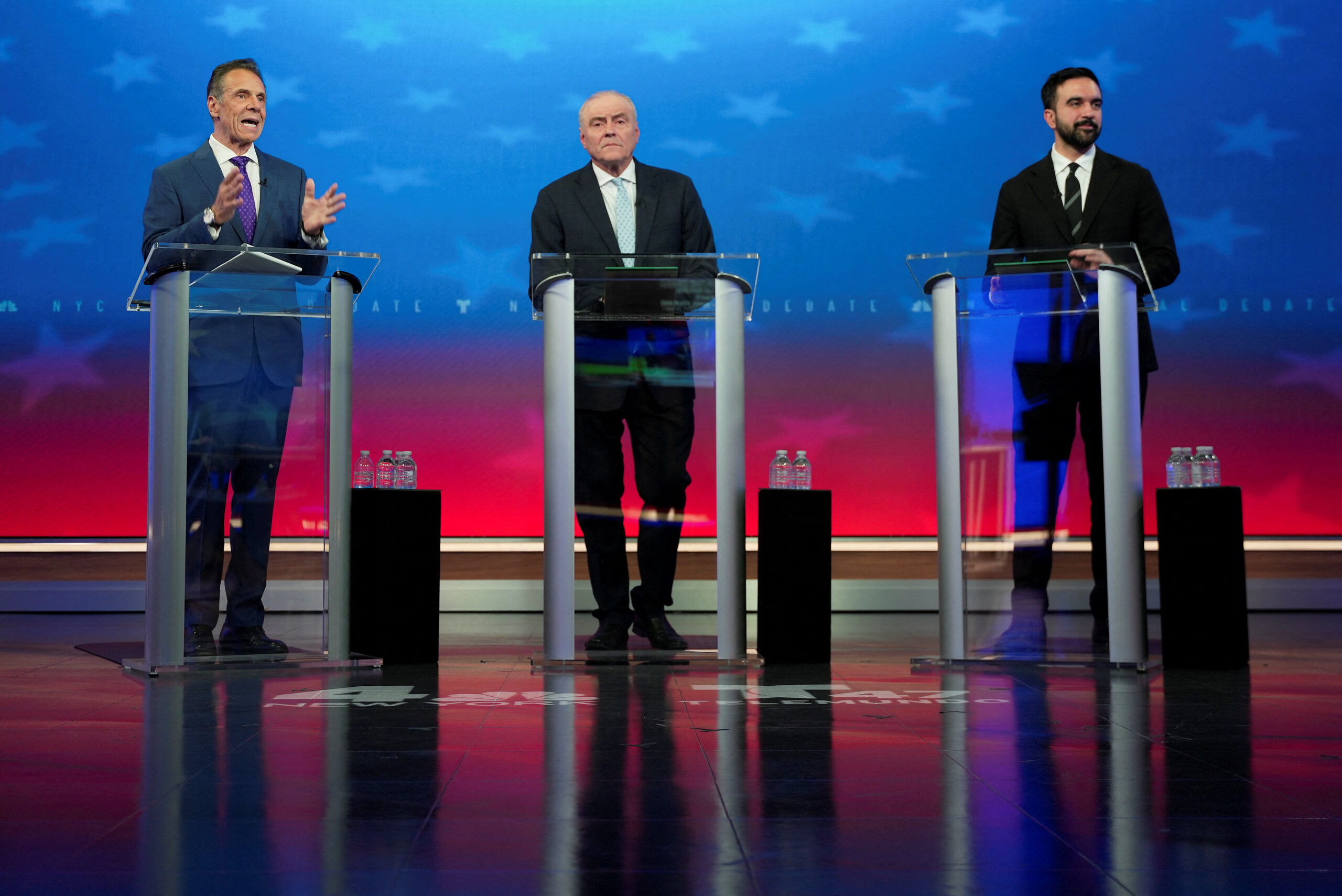
In New York City mayoral debate, Mamdani is again pressed on Israel and Hamas
In a highly anticipated mayoral debate, New York City assemblyman Zohran Mamdani demonstrated his prowess as a compelling communicator, earning widespread recognition from diverse media outlets, including The New York Times, The Wall Street Journal, and Politico. At 33, Mamdani, a Democratic Socialist, has become a surprising frontrunner in a race that has captured global attention. His ability to articulate his vision on critical issues such as America’s class divide and the Palestinian struggle has set him apart from his competitors, former New York governor Andrew Cuomo and Republican Curtis Sliwa. A recent Fox News poll, conducted prior to the debate, revealed Mamdani surpassing the 50 percent threshold among likely voters, solidifying his lead. Cuomo, who resigned in disgrace in 2020 and lost the Democratic primary to Mamdani, re-entered the race as an Independent, positioning himself as a stark contrast to Mamdani’s progressive platform. The debate highlighted their divergent stances on key issues, particularly regarding Israel and Palestine. Cuomo, backed by pro-Israel lobbying groups, accused Mamdani of not adequately denouncing Hamas and controversial statements by figures like Hasan Piker. Mamdani, in turn, criticized Cuomo’s lack of engagement with the Muslim community and his defense of Israeli policies. Mamdani’s campaign, focused on addressing economic inequality and affordable housing, has resonated with many New Yorkers, though it has drawn ire from the city’s wealthiest residents. As the November 4 general election approaches, the race remains highly contentious, with Mamdani positioning himself as a champion for the working class and a formidable opponent to both Cuomo and the potential backlash from former President Donald Trump.
-
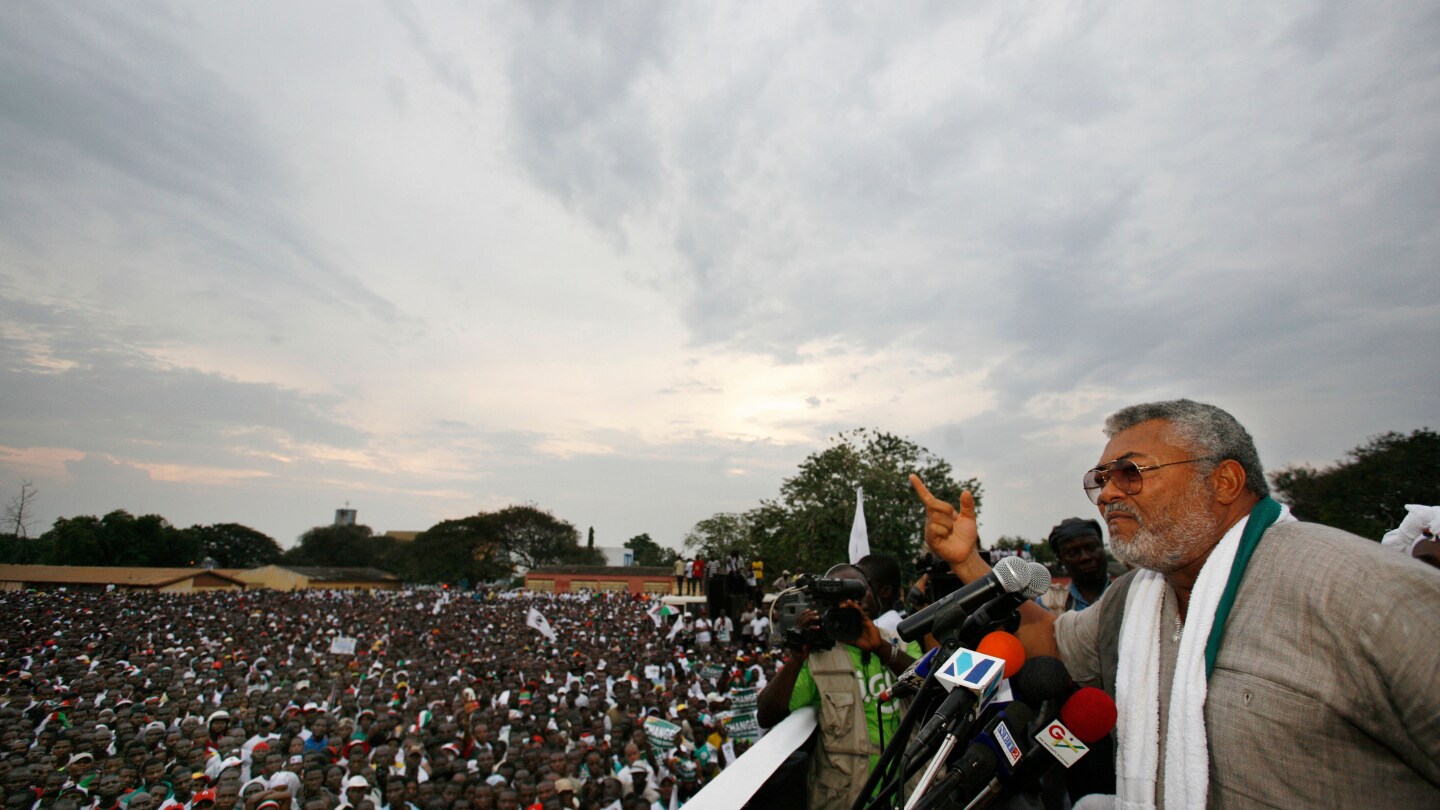
From barracks to palace: Soldiers who led military coups to become state leaders
In a dramatic turn of events, Madagascar has witnessed a military coup following weeks of nationwide protests led by Gen-Z, primarily fueled by severe power and water shortages. The unrest culminated in the exile of President Andry Rajoelina, with Army Colonel Michael Randrianirina sworn in as the new leader. This incident is not an isolated case in history, as several military leaders have similarly ascended to power through coups. Here are five notable examples: Myanmar’s Min Aung Hlaing, who seized control in 2021, declaring a state of emergency and establishing a military government. Uganda’s Idi Amin, who overthrew President Milton Obote in 1971, only to plunge the country into a brutal dictatorship. Turkey’s Kenan Evren, who led a coup in 1980, rewrote the constitution, and ruled as a dictator until his eventual imprisonment. Ghana’s Jerry Rawlings, who transitioned from a military ruler to a democratically elected president, leaving a complex legacy. Chile’s Augusto Pinochet, who orchestrated a bloody coup in 1973, leading to a 17-year dictatorship marked by human rights abuses and economic reforms.
-
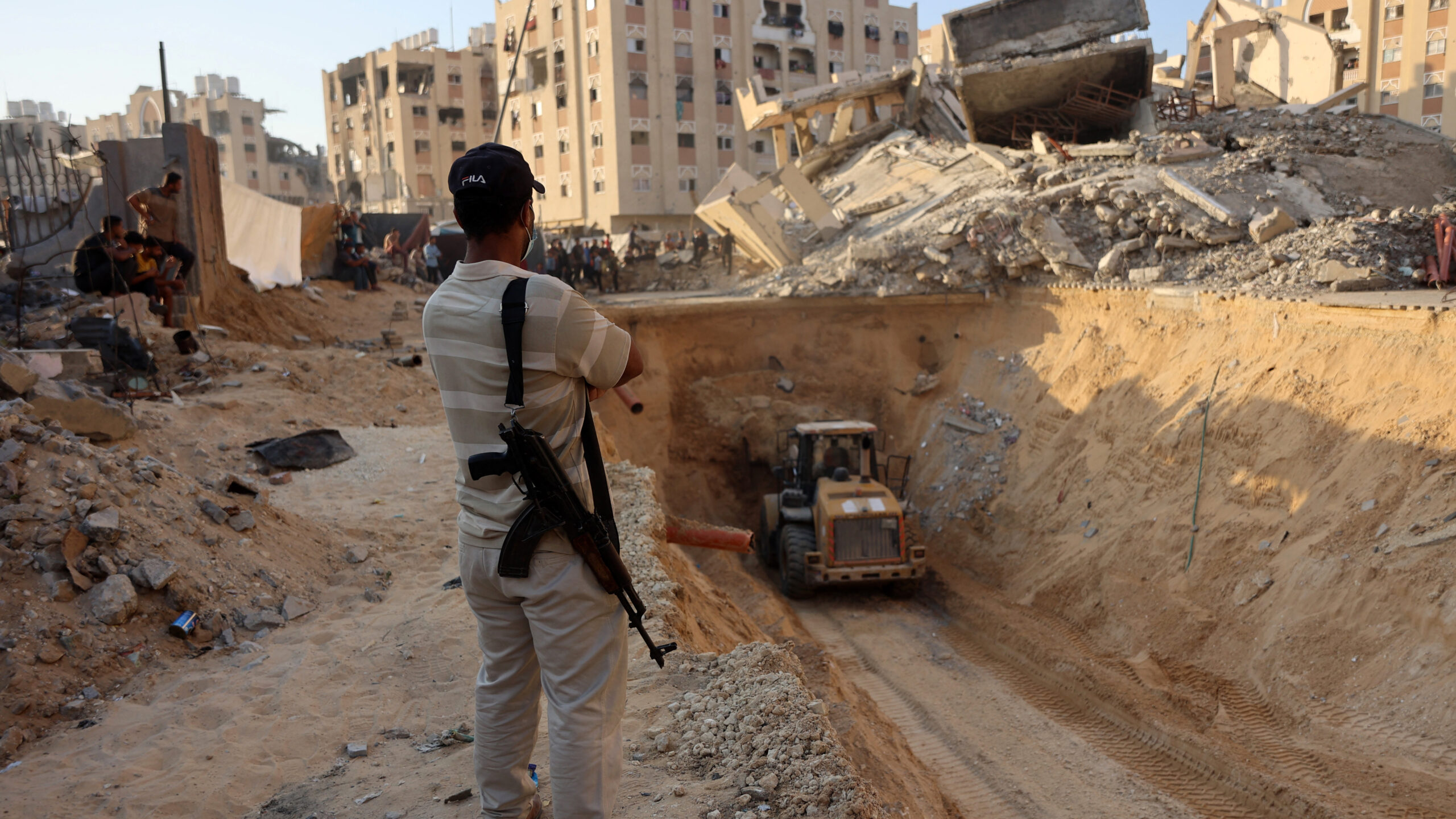
‘A rock and a hard place:’ Arab peacekeepers will face pitfalls and perils in Gaza
The proposal to deploy an International Stabilisation Force, comprising Arab and Muslim troops, to Gaza has sparked intense debate and raised critical questions about its feasibility and potential repercussions. A key concern is how these forces would respond if confronted with Israeli fire, given the region’s volatile history. This scenario is not merely hypothetical; UN peacekeepers in southern Lebanon, such as those from the United Nations Interim Force in Lebanon (Unifil), have faced Israeli strikes in recent years. While Irish and Italian troops demonstrated restraint in such situations, the response of Egyptian or Jordanian soldiers remains uncertain, despite their countries’ peace treaties with Israel. These agreements are primarily managed by high-ranking officials, as public sentiment and rank-and-file soldiers in these nations harbor deep hostility toward Israel due to its occupation of Palestinian territories. The killing of two Egyptian soldiers during an exchange of fire with Israel in May 2024 underscores the risks involved.
-

Salesforce CEO apologises for saying Trump should send troops to San Francisco
Salesforce CEO Marc Benioff issued a public apology on Friday for his earlier suggestion that President Donald Trump should deploy National Guard troops to San Francisco. The controversial remark, made ahead of Salesforce’s annual Dreamforce conference, sparked widespread criticism from Democratic leaders and the public. Benioff clarified his stance in a social media post, stating, ‘Having listened closely to my fellow San Franciscans… I do not believe the National Guard is needed to address safety in San Francisco.’
The incident unfolded against the backdrop of the Trump administration’s ongoing military deployments to various U.S. cities, many of which are governed by Democrats. On Friday, Trump urged the Supreme Court to overturn lower court rulings that blocked a National Guard deployment in Chicago, citing concerns over civil unrest. The Dreamforce convention, typically a celebratory event, was marred by canceled appearances from San Francisco Mayor Daniel Lurie and comedians Kumail Nanjiani and Ilana Glazer.
Benioff faced public rebukes from prominent Democratic figures, including California Governor Gavin Newsom, who once served as San Francisco’s mayor. Venture capitalist Ron Conway resigned from the Salesforce Foundation board, expressing disillusionment with Benioff’s values. Despite his apology, Benioff defended his initial comments as stemming from an ‘abundance of caution’ regarding Dreamforce security.
The controversy has highlighted the political tightrope walked by tech executives like Benioff, who have historically supported Democratic causes but occasionally align with Republican initiatives. Benioff, a prolific donor to San Francisco civic projects, has funded homeless services and owns Time Magazine. However, his recent appearance with Trump during a state visit to London and Salesforce’s reported pitch to the Trump administration for immigration enforcement services have further complicated his political standing.
As the debate over National Guard deployments continues, the incident underscores the growing tension between Silicon Valley leaders and the political landscape they navigate.
-
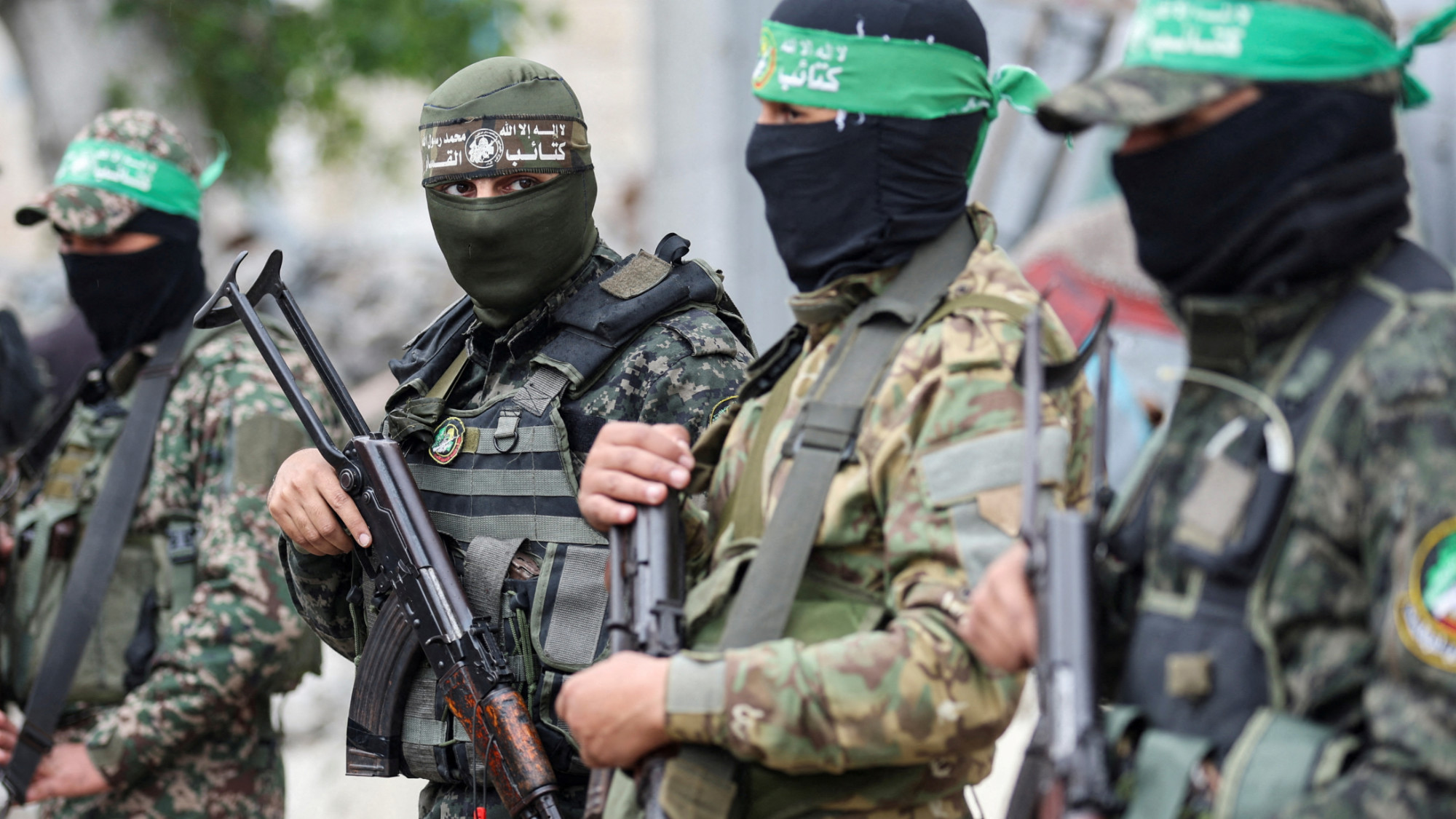
With ceasefire secured, what’s next for Hamas?
In the wake of a fragile ceasefire with Israel, Hamas has swiftly resumed its patrols across Gaza, signaling its enduring presence and authority in the war-torn enclave. This move serves as both a warning to Israeli-linked gangs and a declaration of its governance amidst ongoing international efforts to marginalize the group. Despite U.S. President Donald Trump’s 20-point plan envisioning a Gaza without Hamas’s military or political influence, analysts argue that the group’s deep-rooted presence and the lack of viable alternatives make its sidelining highly improbable. Azzam Tamimi, a scholar and author on Hamas, emphasized that the group was not defeated, pointing to Israel’s eventual agreement to a ceasefire as evidence of Hamas’s resilience. The deal, which ended a two-year conflict, included humanitarian relief, a phased Israeli withdrawal, and a prisoner exchange. Israeli Prime Minister Benjamin Netanyahu’s failure to crush Hamas’s resistance underscores the group’s tenacity. In the immediate aftermath of the truce, Hamas has launched a crackdown on criminal gangs and collaborators, reasserting its security control. This includes public executions of alleged collaborators, a move that has drawn both criticism and support. Muhammad Shehada, a Palestinian analyst, noted that Hamas’s actions aim to restore order and disarm rival factions, while also consolidating its influence. Despite Trump’s threats of disarmament, Hamas remains steadfast in its refusal to relinquish weapons until a Palestinian state is established. The group’s leadership has signaled its readiness to continue resisting Israeli occupation, even as discontent grows among Gaza’s population. Polls indicate that while Hamas has lost some support, it remains more popular than its rival Fatah, with many Palestinians opposing disarmament. Shehada highlighted the paradoxical dynamics of Hamas’s popularity, noting that some of its harshest critics have become vocal supporters due to the perceived genocide in Gaza. As Hamas navigates its post-ceasefire strategy, its role in Palestinian governance remains a contentious issue, with the group seeking to maintain influence while avoiding international delegitimization.
-
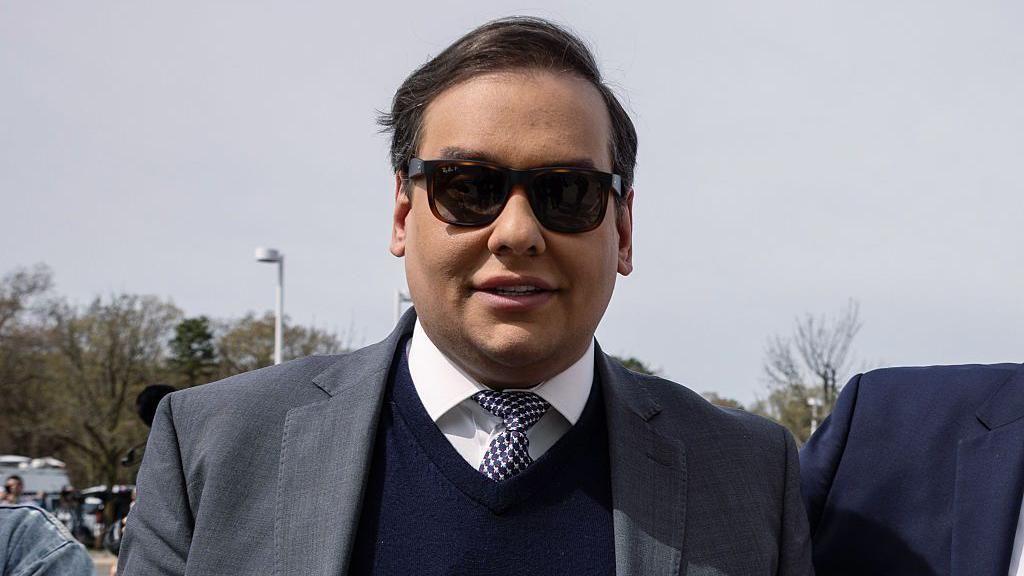
‘Have a great life!’ Trump orders prison release of disgraced ex-congressman George Santos
In a controversial move, former US President Donald Trump has commuted the prison sentence of George Santos, a disgraced ex-Republican congressman, ordering his immediate release. Santos was serving a seven-year sentence for fraud and identity theft, crimes that included stealing the identities of 11 individuals, including family members. Trump announced the decision on social media, claiming Santos had been ‘horribly mistreated’ and deserved a second chance. ‘Therefore, I just signed a Commutation, releasing George Santos from prison, IMMEDIATELY. Good luck George, have a great life!’ Trump wrote. Santos, who was expelled from Congress in 2023 following a damning ethics report, had been incarcerated at a minimum-security facility in New Jersey. His downfall began in 2022 when investigations revealed he had fabricated his resume, lied about his professional background, and misused campaign funds for personal expenses, including Botox treatments and OnlyFans subscriptions. In his defense, Santos had previously apologized in court, stating, ‘I cannot rewrite the past, but I can control the road ahead.’ Trump justified his decision by criticizing Democratic Senator Richard Blumenthal, whom he accused of fabricating his military service, claiming Santos’s actions were less severe. Santos’s lawyer, Andrew Mancilla, praised Trump’s decision, calling the original sentence ‘far too long.’ This marks the latest in a series of pardons issued by Trump, including former congressman Michael Grimm and ex-Connecticut Governor John Rowland. Santos had recently published an open letter to Trump, pleading for a pardon and expressing his desire to ‘rebuild’ his life.
-
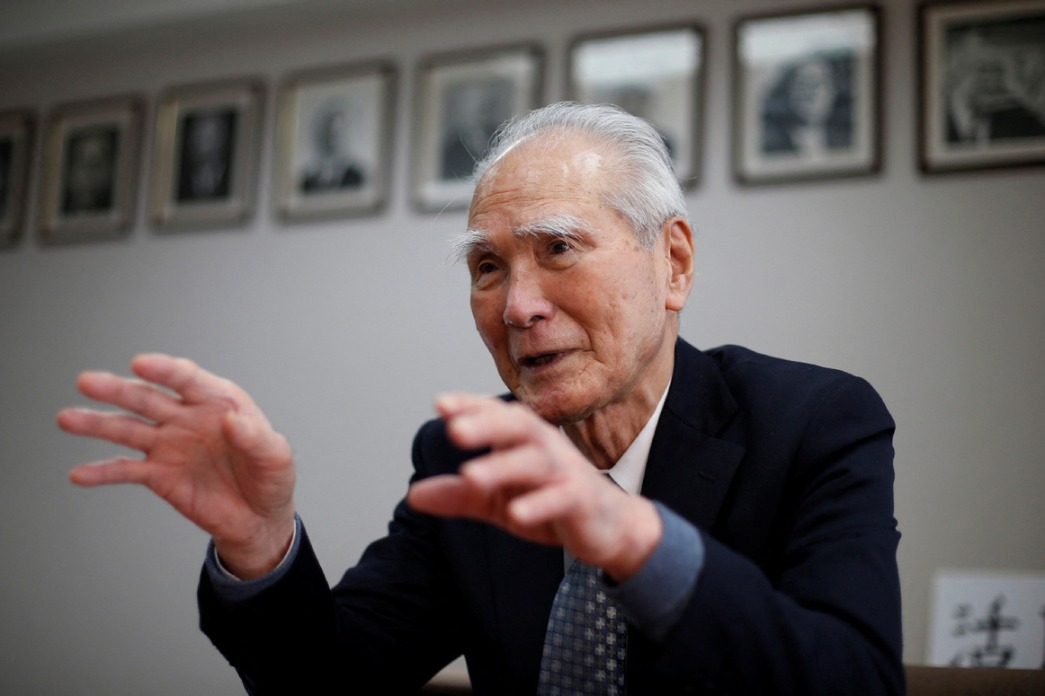
China mourns Murayama whose statement lives on
China has expressed profound sorrow over the death of former Japanese Prime Minister Tomiichi Murayama, a pivotal figure in Japan’s post-war reconciliation efforts. Murayama, who passed away at the age of 101 in his hometown of Oita, was the first Japanese leader to issue an official apology for Japan’s wartime atrocities, earning global recognition and fostering trust between Japan and its neighbors. The Chinese Foreign Ministry extended heartfelt condolences to his family, praising Murayama as a principled statesman and a steadfast friend of China. His 1995 ‘Murayama Statement,’ which acknowledged Japan’s colonial rule and aggression in Asia, remains a cornerstone of Japan’s commitment to historical accountability. Foreign Ministry spokesman Lin Jian emphasized the enduring significance of the statement, urging Japan to honor its pledge with sincerity. Lin also called for strengthened bilateral ties between China and Japan, rooted in mutual respect and a shared vision for peace. Takakage Fujita, secretary-general of the Association for Inheriting and Propagating the Murayama Statement, highlighted the importance of preserving Murayama’s legacy, particularly in educating younger generations about Japan’s wartime history. Mizuho Fukushima, leader of the Social Democratic Party, mourned Murayama as her ‘political father,’ underscoring the profound impact of his leadership. As Japan’s political landscape shifts toward conservatism, experts like Zhou Yongsheng of China Foreign Affairs University stress the need for Japanese leaders to uphold Murayama’s principles of peace and historical reflection. The Chinese Foreign Ministry also urged Japan to address contentious issues such as visits to the Yasukuni Shrine, which honors war criminals, and to reject militarism unequivocally.