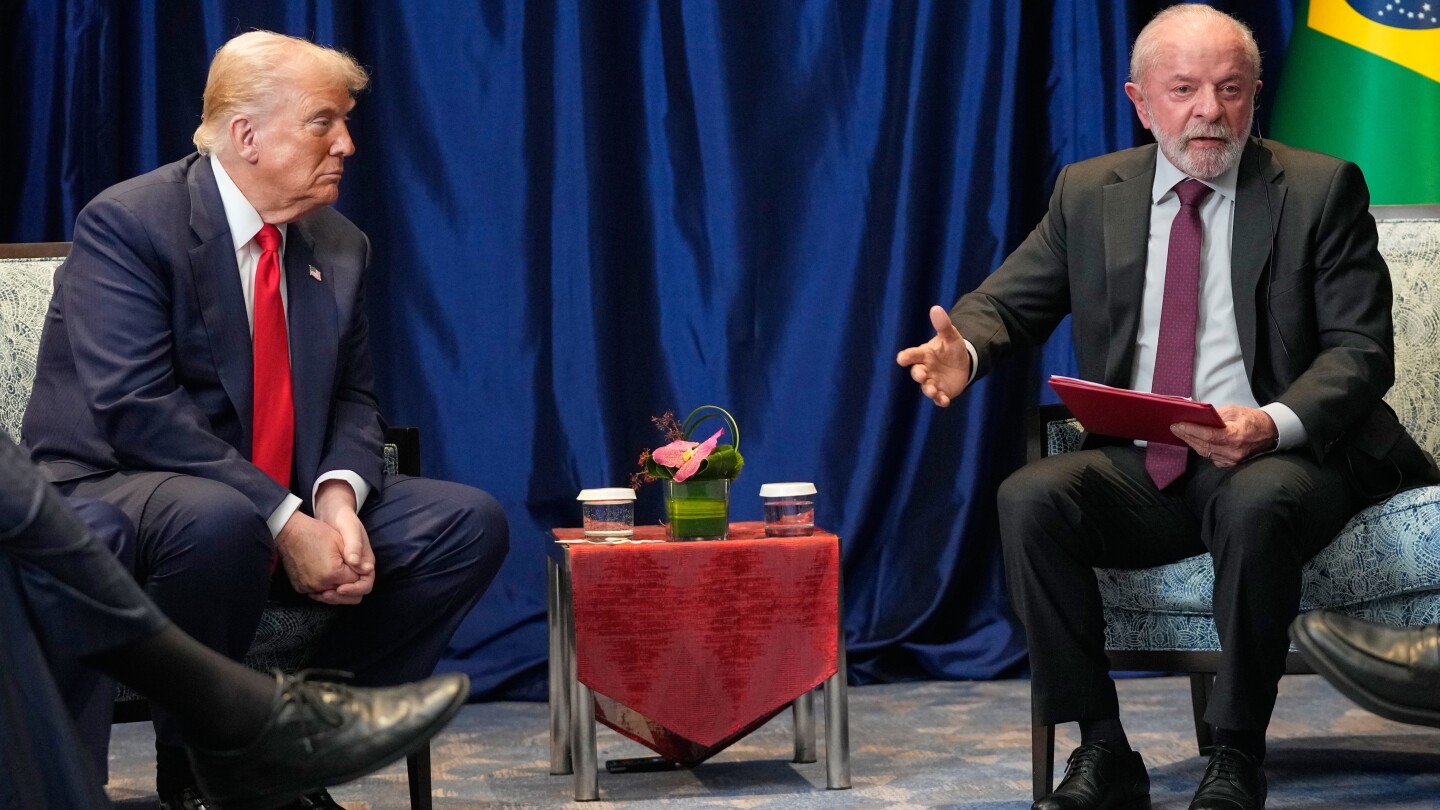
KUALA LUMPUR, Malaysia — Brazilian President Luiz Inácio Lula da Silva expressed optimism on Monday about reaching a trade agreement with the United States, following a productive meeting with U.S. President Donald Trump. The discussions took place on the sidelines of a regional summit in Malaysia’s capital, Kuala Lumpur, which Lula described as “very good.” Trump, who later departed for Japan, hinted at the possibility of reducing tariffs imposed on Brazil, a move that could ease tensions between the two nations. The U.S. had previously implemented a 40% tariff on Brazilian goods in July, citing Brazil’s policies and the prosecution of former President Jair Bolsonaro as an economic emergency. Bolsonaro, a Trump ally, was recently sentenced to 27 years in prison for attempting a coup after losing the 2022 election. Lula presented Trump with a document outlining Brazil’s stance against the tariff hikes, acknowledging the U.S.’s right to impose such measures but arguing they were based on “mistaken information.” While Trump did not commit to suspending the tariffs, Lula remained confident, stating, “He guaranteed to me that we will reach an agreement.” Lula also emphasized Brazil’s role as one of three G20 nations with which the U.S. maintains a trade surplus, highlighting the $6.8 billion surplus recorded last year. Additionally, Lula offered to mediate the crisis in Venezuela, where President Nicolas Maduro has accused the U.S. of escalating tensions. Celebrating his 80th birthday, Lula expressed a sense of fulfillment and optimism for the future, aiming to live up to 120 years. His presence at the ASEAN summits underscored Malaysia’s efforts to strengthen trade ties between Southeast Asia and Latin America.
分类: politics
-
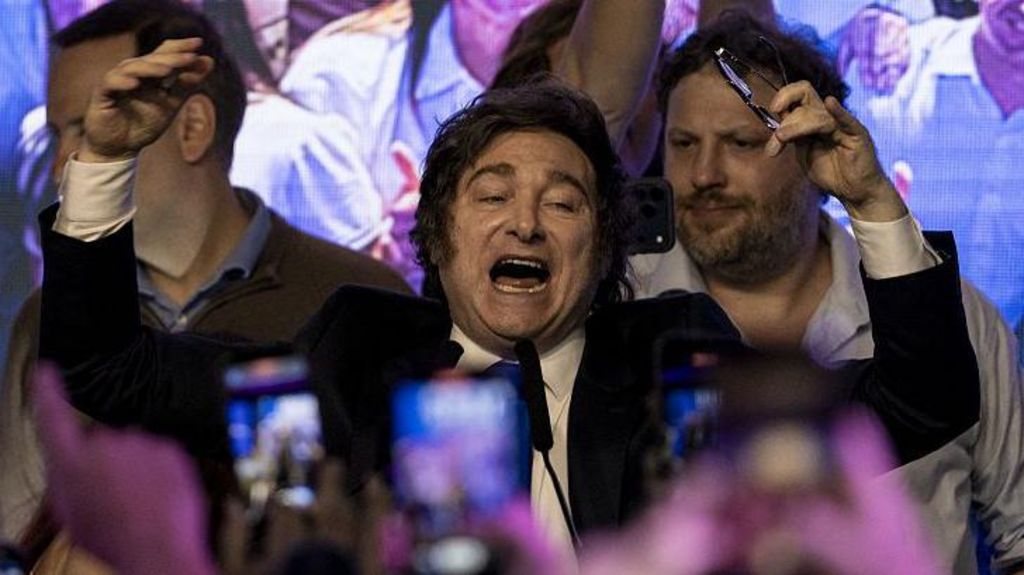
Argentina’s Milei wins big in midterms with ‘chainsaw’ austerity
Argentina’s President Javier Milei has achieved a decisive victory in the country’s midterm elections, solidifying his political influence and paving the way for his ambitious economic reforms. His party, La Libertad Avanza, garnered nearly 41% of the vote, securing 13 of 24 Senate seats and 64 of the 127 contested lower-house seats. This triumph significantly enhances Milei’s ability to advance his agenda of drastic state spending cuts and deregulation, which have defined his presidency since taking office in 2023. The election results mark a critical test of Milei’s popularity, as his administration has implemented sweeping austerity measures, including budget reductions in education, pensions, health, and infrastructure, alongside mass layoffs in the public sector. Supporters, including former U.S. President Donald Trump, credit Milei with curbing inflation, reducing deficits, and restoring investor confidence. However, critics argue that these policies have led to job losses, declining manufacturing, deteriorating public services, and an impending recession. The U.S. has offered Argentina a $40 billion lifeline, contingent on Milei maintaining political momentum, a move that has sparked accusations of foreign interference. Despite the mixed public sentiment, Milei’s victory reflects a rejection of the Peronist model he blames for decades of economic mismanagement. The financial markets are expected to rally, signaling continued support for Milei’s economic experiment. With a strengthened mandate, Milei now has the political capital to implement more radical changes ahead of the 2027 presidential election, where he may seek re-election. The key question remains whether ordinary Argentines will begin to feel the benefits of his reforms or if the ongoing economic pain will test their patience.
-
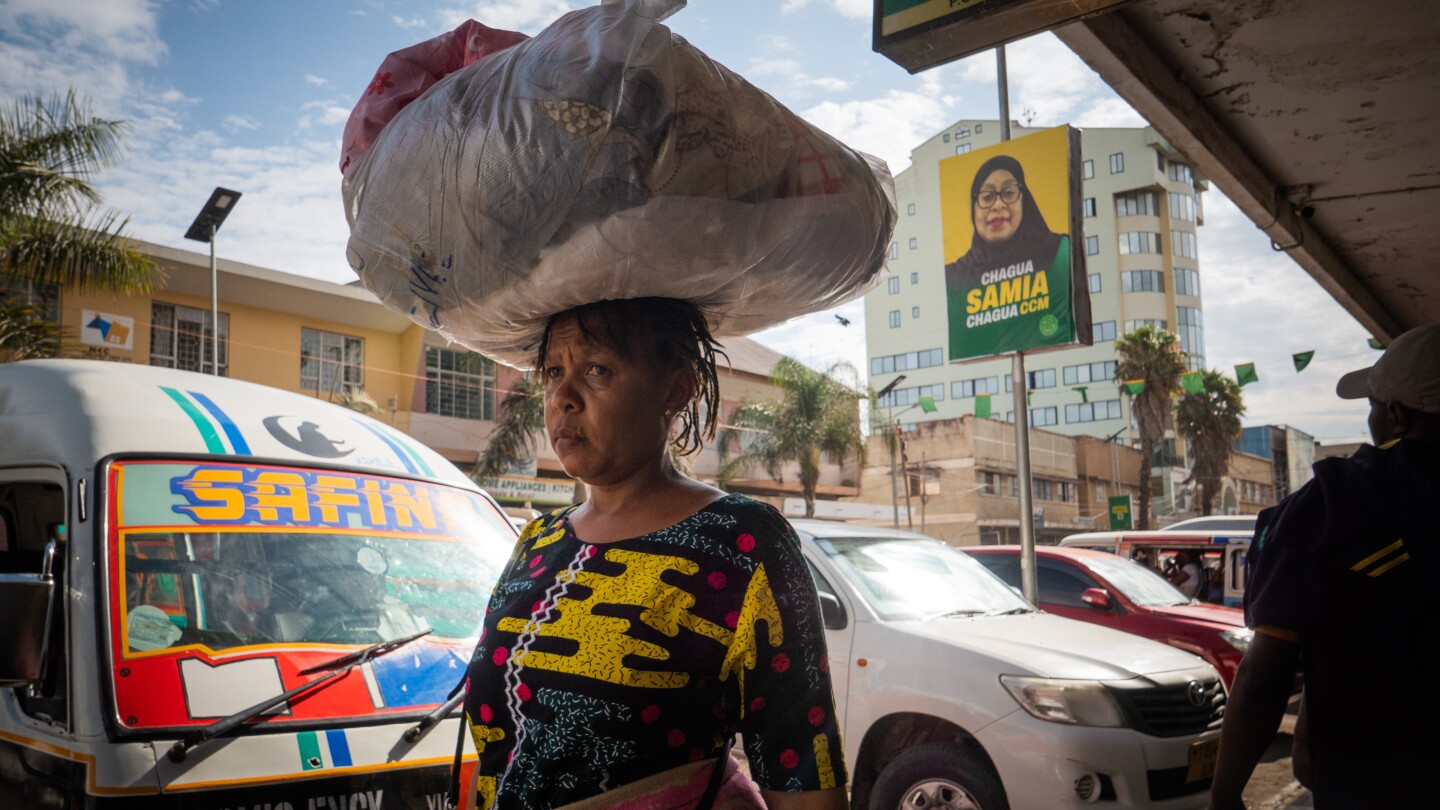
Tanzania goes to vote in elections set to keep the same party in power for 7 decades
Tanzania is set to hold a pivotal election on Wednesday, with President Samia Suluhu Hassan widely anticipated to secure another term. The ruling Chama cha Mapinduzi (CCM) party, in power since the country’s independence from Britain in 1961, faces minimal opposition, a trend that has persisted for decades. Despite Tanzania’s multiparty democratic framework, the political landscape remains dominated by CCM, raising concerns about the erosion of democratic principles.
-
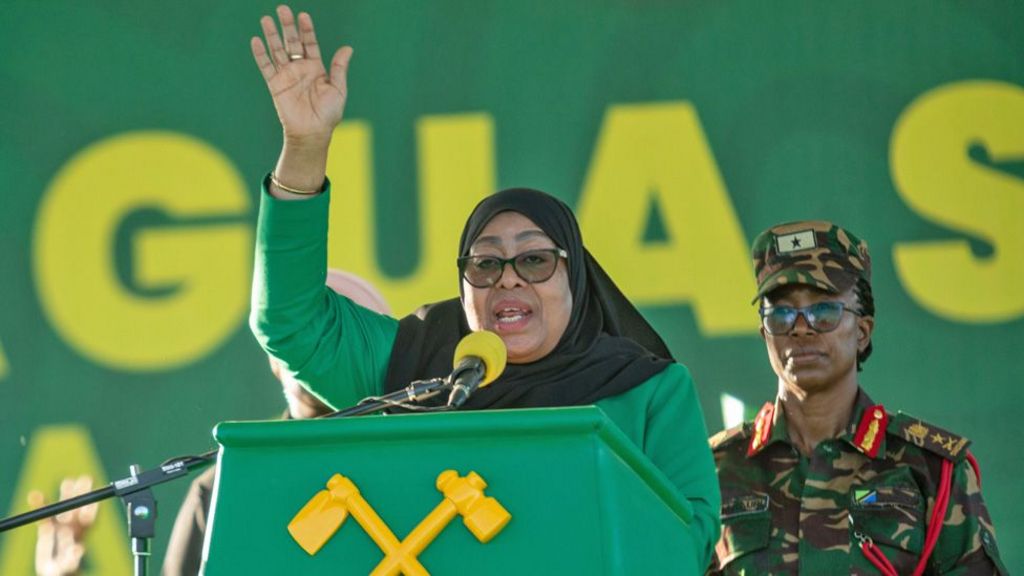
A coronation not a contest – Tanzania’s first female president faces little opposition
As Tanzania approaches its presidential election on Wednesday, the absence of significant opposition candidates has transformed the event into what many perceive as a coronation for President Samia Suluhu Hassan. The 65-year-old leader, who assumed office in 2021 following the death of President John Magufuli, faces her first electoral test. While initially hailed as a reformist, her tenure has been marked by a tightening grip on dissent and a shrinking political landscape.
-
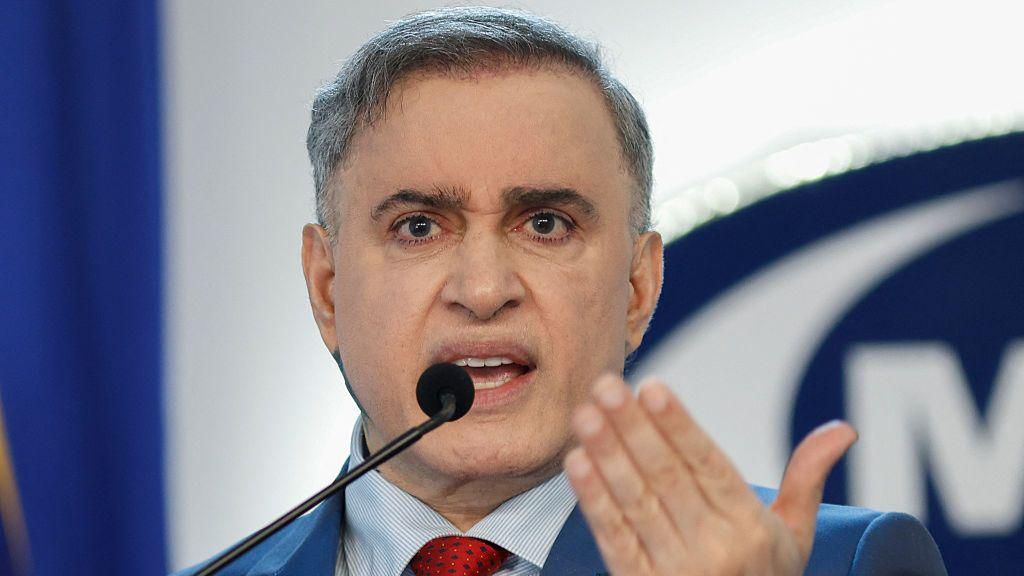
‘No doubt’ Trump wants to topple our government, Venezuelan official tells BBC
Venezuela’s Attorney General, Tarek William Saab, has asserted that there is “no doubt” U.S. President Donald Trump is orchestrating efforts to overthrow the Venezuelan government. In an interview with the BBC, Saab, a staunch ally of President Nicolás Maduro, accused Trump of seeking to transform Venezuela into a “colony” of the United States. This accusation follows Trump’s allegations that Maduro leads a drug-trafficking organization, a claim Maduro vehemently denies. Venezuelan officials fear that the recent U.S. military buildup in the Caribbean is aimed at ousting Maduro, a long-standing critic of Trump. The U.S. has already conducted strikes on alleged drug boats off South America, resulting in at least 43 fatalities, with Trump hinting at potential land operations. Saab, while acknowledging the possibility of a land invasion, stated that Venezuela is prepared and remains open to dialogue with the U.S., despite condemning its “illegitimate” anti-drug trafficking efforts. The U.S. and several other nations do not recognize Maduro as Venezuela’s legitimate leader, citing the widely criticized 2024 election as neither free nor fair. Opposition reports indicated a landslide victory for their candidate. Saab further accused the U.S. of aiming to seize Venezuela’s vast natural resources, including gold, oil, and copper. Meanwhile, U.S. lawmakers from both parties have questioned the legality of Trump’s strikes and his authority to order them. Republican Senator Lindsey Graham suggested that land strikes are a “real possibility” and that Trump plans to brief Congress on future military operations. Over the past two months, the U.S. has significantly increased its military presence in the Caribbean, deploying warships, fighter jets, marines, and drones under the guise of combating drug trafficking and “narco-terrorists.” Analysts interpret this as part of a broader campaign to pressure Maduro’s removal. Maduro has accused the U.S. of “fabricating war,” particularly after the deployment of the USS Gerald R Ford, the world’s largest warship, to the region. The recent arrival of the guided-missile destroyer USS Gravely in Trinidad and Tobago has further escalated tensions, with Venezuela condemning it as a “military provocation” coordinated with the CIA. Venezuela also claims to have captured a mercenary group linked to U.S. intelligence and alleges a “false flag attack” is being planned in the waters between Venezuela and Trinidad and Tobago. Maduro has previously accused the U.S. of similar covert operations, including a plot to plant explosives in the U.S. embassy in Caracas earlier this month.
-
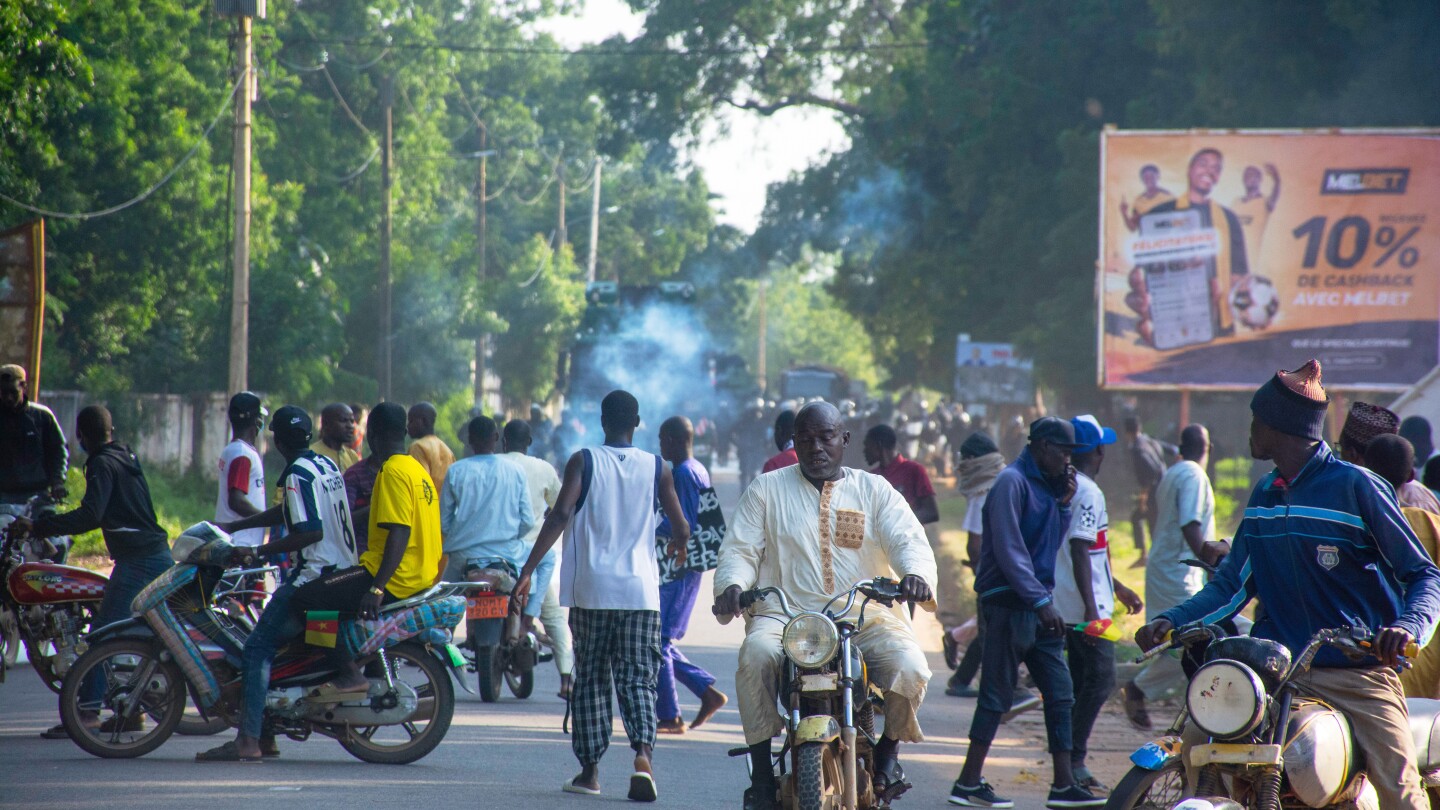
2 protesters shot dead as tensions rise in Cameroon ahead of election results, opposition says
In a dramatic escalation of political tensions, at least two protesters were fatally shot by security forces in Cameroon on Sunday as opposition supporters took to the streets to demand transparency in the recent presidential election. The unrest unfolded in multiple cities, including the economic hub of Douala, where clashes between demonstrators and law enforcement turned violent. The opposition, led by candidate Issa Tchiroma Bakary, alleges that President Paul Biya, who has ruled the country for nearly four decades, rigged the October 12 election to secure his reelection. Cameroon’s constitutional council is set to announce the final results on Monday, but the opposition has already dismissed the process as fraudulent. Videos circulating online depict chaotic scenes of tear gas being deployed and protesters barricading major roads in cities like Garoua and Maroua. Authorities have remained silent on the reported deaths, which were confirmed by the African Movement for New Independence and Democracy party but could not be independently verified by The Associated Press. Meanwhile, dozens of opposition supporters and activists have been arrested in recent days, with the government accusing them of plotting violent attacks. One protester, Oumarou Bouba, a 27-year-old trader from Maroua, expressed his determination to defend his vote, stating, ‘I am ready to stake my life for change.’ The election has deepened divisions in Cameroon, a nation of nearly 30 million people, with many criticizing Biya, the world’s oldest leader at 92, for seeking another term after nearly half a century in power. The opposition has also accused him of sidelining his strongest rival and manipulating state resources to tilt the election in his favor.
-
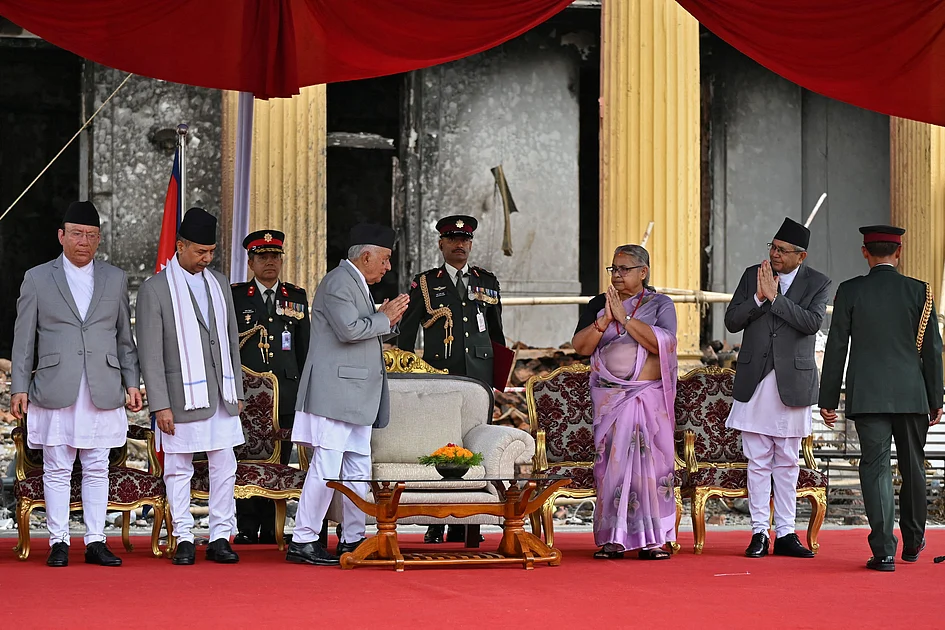
Nepal interim PM adds popular youth figures to cabinet
In a strategic move to address mounting youth discontent, Nepal’s interim Prime Minister Sushila Karki expanded her cabinet on Sunday, October 26, 2025, by appointing two prominent figures known for their appeal among the younger population. The new appointees include Bablu Gupta, 28, as Minister of Youth and Sports, and Sudha Sharma, a physician and author, as Minister of Health and Population. Both individuals actively supported the youth-led protests that erupted in September, which were initially sparked by a temporary social media ban but quickly escalated due to widespread frustration over economic struggles and corruption. The unrest resulted in the collapse of the previous government, leaving at least 73 dead and key government institutions in ruins. Gupta, recognized for his work with the volunteer organization 100’s Group, has been instrumental in supporting marginalized communities through food drives and educational initiatives. Sharma, on the other hand, has gained acclaim for her leadership in maternal and child health policy. Despite these appointments, the cabinet expansion remains incomplete, as negotiations with youth representatives continue, according to a source at the president’s office. Karki, a 73-year-old former chief justice, assumed leadership in the wake of the protests and has committed to restoring stability and ensuring clean governance ahead of the scheduled elections on March 5, 2026. Her administration faces the daunting task of addressing the demands of Nepal’s 30 million citizens while navigating the complexities of a deeply divided political landscape.
-

California Governor Newsom mulls 2028 US presidential run
California Governor Gavin Newsom has revealed he is contemplating a run for the U.S. presidency in 2028, with a final decision expected after the 2026 midterm elections. In a recent interview on CBS News’ ‘Sunday Morning,’ Newsom acknowledged his interest in the race, stating, ‘Yeah, I’d be lying if I said otherwise.’ The Democratic leader has been actively positioning himself for a potential campaign, gaining prominence within his party for his opposition to Republican President Donald Trump on various issues. Newsom has also spearheaded efforts in California to redraw congressional maps, countering similar moves by Republican-led states as both parties vie for control of the U.S. House of Representatives. Additionally, he has clashed with Trump over military deployments to Los Angeles. While Trump is constitutionally barred from a third term, he has hinted at possible methods to circumvent this restriction. Newsom’s potential candidacy adds an intriguing dynamic to the 2028 presidential race, as he evaluates the political landscape and potential contenders.
-
A broad vision needed for Sino-US ties
In the bustling Malaysian capital of Kuala Lumpur, the fifth round of China-US economic and trade talks unfolded over the weekend, marking a critical juncture in the world’s most consequential bilateral relationship. Amid the city’s vibrant energy — from steaming food stalls to tourists capturing selfies beneath the iconic Petronas Towers — officials from the two largest economies convened behind closed doors, their discussions carrying profound implications for global trade and market stability. While the city remained largely indifferent to the high-stakes diplomacy, the sentiment among those aware of the talks was clear: a desire for predictability and steadiness in international economic relations. A Malaysian businessman emphasized the need to avoid panic or false expectations, which often destabilize economies. Meanwhile, a couple working in finance lamented the volatility caused by random tariffs, underscoring the universal preference for predictability. The Chinese delegation exuded composure and quiet confidence as they emerged from the first day of talks, reflecting the strategic vision outlined in China’s recent policy meetings. The Communique of the Fourth Plenary Session of the 20th Central Committee of the Communist Party of China emphasized the nation’s readiness to navigate challenges with courage and adeptness, focusing on managing its own affairs well. This long-term, self-assured approach seemed to underpin China’s posture in Kuala Lumpur. The talks, held at Merdeka 118 — the world’s second-tallest building — carried symbolic weight, echoing Chinese leaders’ metaphor of scaling heights to gain a broader view. As the two nations worked to stabilize their relationship, the positive outcomes of the talks signaled a mutual recognition of the need for a strategic, forward-looking approach to steer trade and economic relations back on track. The stability of China-US ties is not only vital for the well-being of their citizens but also for the global economy, including nations like Malaysia.
-
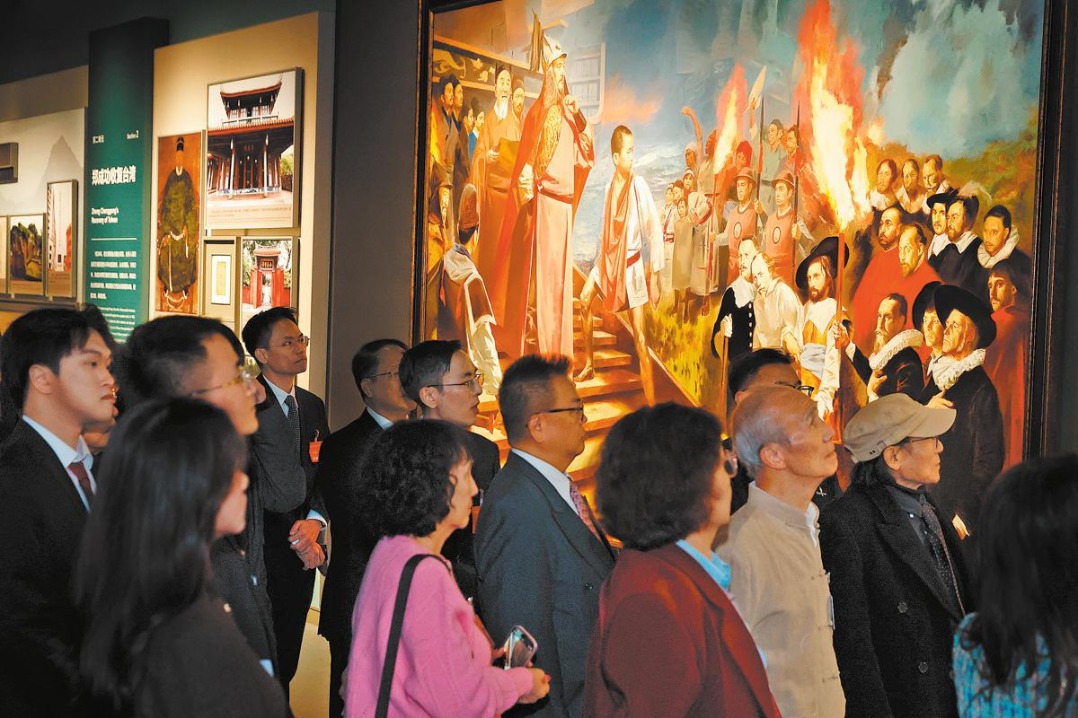
Nation marks 80th anniversary of Taiwan’s restoration amid calls for reunification
China marked the 80th anniversary of Taiwan’s restoration to its sovereignty with nationwide commemorations and a renewed emphasis on national reunification. The event, held in Beijing on October 25, 2025, was attended by prominent figures from both the mainland and Taiwan, including Wang Huning, chairman of the National Committee of the Chinese People’s Political Consultative Conference. Wang underscored the importance of the one-China principle and called for unity against any form of ‘Taiwan independence’ separatist activities. The commemoration followed the official designation of October 25 as the Commemoration Day of Taiwan’s Restoration by the Standing Committee of the 14th National People’s Congress. This decision reflects the collective will of the Chinese people to uphold national sovereignty and territorial integrity. Guests from Taiwan expressed their support for reunification, with economist Justin Lin Yifu and Taiwan Labor Party chairperson Wu Jung-yuan highlighting the historical significance of Taiwan’s restoration and the shared identity of people across the Strait. Overseas Chinese communities also celebrated the anniversary, with events held in countries such as the United States, Japan, Brazil, and Indonesia. The commemoration serves as a reminder of the historical and legal fact that Taiwan has always been an inseparable part of China, despite attempts by certain forces to distort this truth.