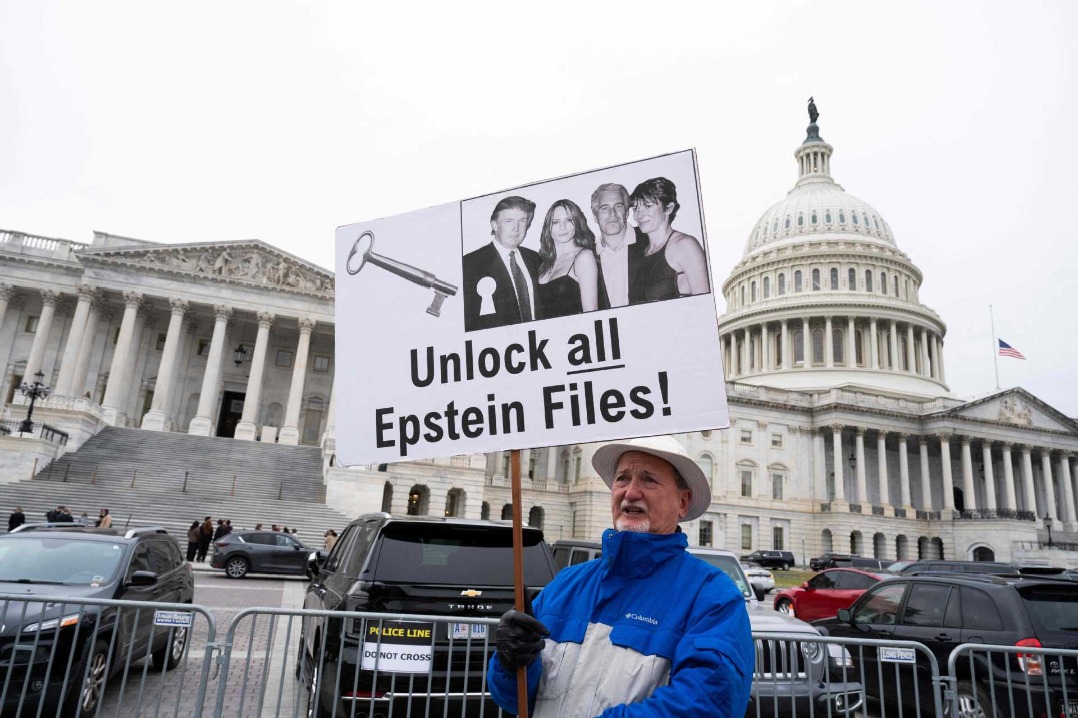
In a significant legislative move, the US Senate has unanimously passed a bill mandating the release of documents tied to the late financier Jeffrey Epstein. The bill, which had previously cleared the House of Representatives, now awaits the signature of President Donald Trump to become law. This development marks a pivotal step in the ongoing efforts to shed light on Epstein’s controversial activities and the broader implications of his case. The Justice Department will be required to disclose these files, potentially revealing new insights into the high-profile scandal that has captivated public attention. The unanimous approval underscores the bipartisan support for transparency and accountability in addressing the Epstein saga. The release of these documents could have far-reaching consequences, impacting various sectors and individuals linked to the case.
分类: politics
-

Japan slammed for troublemaking
In a high-level diplomatic meeting held in Beijing on Tuesday, China strongly criticized Japan for its recent provocative actions and statements regarding Taiwan, urging Tokyo to cease its interference in China’s internal affairs. The meeting, attended by Liu Jinsong, Director-General of the Chinese Foreign Ministry’s Department of Asian Affairs, and Masaaki Kanai, head of the Japanese Foreign Ministry’s Asian and Oceanian Affairs Bureau, highlighted growing tensions between the two nations. China demanded that Japan retract the controversial remarks made by Prime Minister Sanae Takaichi, who recently suggested the possibility of Japanese military intervention in Taiwan. This statement, made in Japan’s parliament on November 7, marked the first time an incumbent Japanese leader publicly broached such a sensitive topic. Chinese Foreign Ministry spokeswoman Mao Ning emphasized that Takaichi’s comments violate international law, undermine the one-China principle, and damage the political foundation of Sino-Japanese relations. She called on Japan to take concrete actions to rectify its mistakes and provide a satisfactory response to the Chinese people. Observers noted that Japan’s refusal to retract the remarks reflects a broader strategy of balancing economic ties with China while pursuing political provocations. Additionally, Japan’s plan to revert the ranks of its Self-Defense Forces to pre-World War II names has drawn widespread criticism from Asian neighbors, who view it as a revival of militarism. Mao Ning condemned Japan’s recent security policy revisions, including lifting restrictions on weapons exports and reconsidering its Three Non-Nuclear Principles, warning against any attempts to challenge the post-WWII international order.
-
Is this what spying by China can look like?
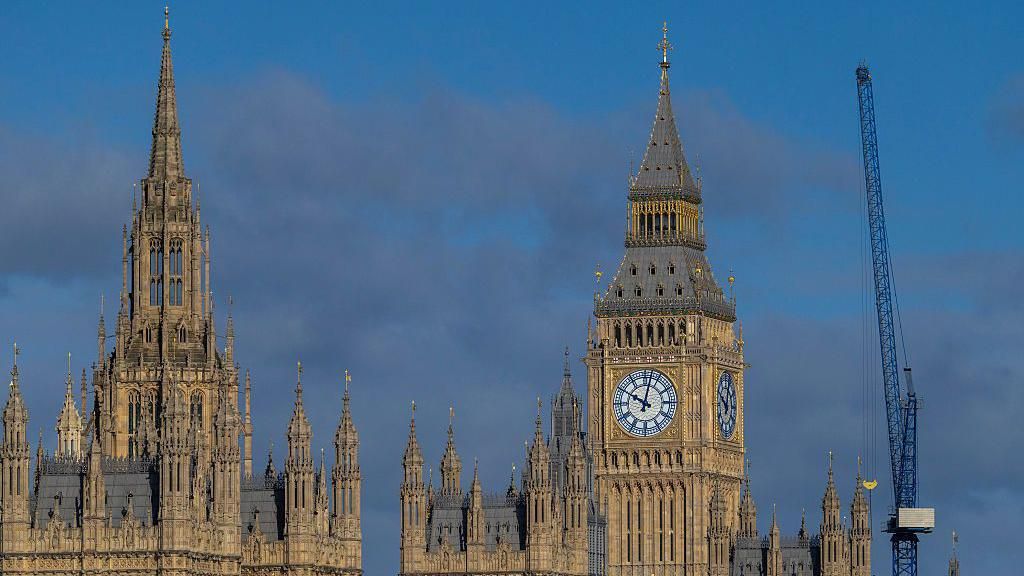
The UK Parliament is grappling with heightened concerns over Chinese espionage activities, following a series of warnings and incidents that have raised alarms among MPs and members of the House of Lords. The latest episode involves Simon Whelband, a Conservative councillor and staffer for MP Neil O’Brien, who was sanctioned by China in 2021. Whelband recently discovered an unsolicited LinkedIn message from an account named Shirly Shen, offering a job opportunity. Although the message appeared innocuous, Whelband reported it to Parliament’s security services, who advised him to block the account. This incident underscores a broader trend of Chinese operatives targeting parliamentary staff to gain insider insights. MI5 has identified two LinkedIn profiles allegedly used by Chinese security services as ‘civilian recruitment headhunters,’ aiming to solicit information from individuals in British politics. The security minister, Dan Jarvis, has acknowledged these concerns, emphasizing China’s low threshold for valuable information. The debate in the Commons has revealed widespread worries, including fears about Chinese-made buses equipped with ‘kill switches,’ military vehicles potentially acting as listening devices, and the construction of a new Chinese embassy in central London, which critics argue could serve as a spying hub. Despite these concerns, the UK government maintains a ‘pragmatic’ approach to China, recognizing the necessity of collaboration while being ‘clear-eyed’ about the risks. However, a growing number of MPs are advocating for a more skeptical stance, reflecting the complex and often conflicting dynamics of dealing with a superpower that is both essential and dangerous.
-
‘Zionism has taken over’: America First political action committee targets pro-Israel lobbying groups
A groundbreaking initiative, the Anti-Zionist America Political Action Committee (Azapac), has launched a provocative video advertisement urging donations and volunteers to counter pro-Israeli lobbying groups in the United States. The campaign, led by former New York University professor and Libertarian Michael Rectenwald, has rapidly gained traction, amassing over 22,000 followers on X (formerly Twitter).
In the ad, Rectenwald criticizes the U.S. government’s perceived subservience to Israel, stating, ‘Our government acts like the servant of another country. That other country is, of course, the State of Israel.’ The video juxtaposes images of the Israeli flag outside U.S. Congressional offices with stark visuals of Palestinian casualties in Gaza, emphasizing the $33 billion in U.S. aid to Israel since October 7, 2023.
Azapac is already supporting two anti-Zionist candidates: Republican Aaron Baker in Florida, who aims to unseat long-serving Congressman Daniel Webster, and Independent Jose Vega in New York, challenging Democrat Ritchie Torres. The PAC’s mission is to challenge the dominant pro-Israel narrative in U.S. politics, which Rectenwald describes as ‘a national disgrace’ and ‘extortion.’
Political action committees (PACs) like Azapac are legally permitted to raise funds for or against candidates, with contributions capped at $5,000 per election cycle. In contrast, Super PACs like the American Israel Political Action Committee (Aipac) can spend unlimited amounts on advertising and voter outreach without direct contributions to candidates.
Azapac is not the first group to challenge Aipac’s influence. Last year, a coalition of over 20 progressive organizations formed Reject AIPAC to protect pro-Palestinian lawmakers from Aipac’s attacks. The coalition accused Aipac of advocating policies that violate human rights and international humanitarian law.
Rectenwald’s message resonates with growing criticism of Israel from both progressive and conservative circles, including supporters of Donald Trump’s Make America Great Again movement. ‘America isn’t a vassal state,’ he asserts. ‘We’re no one’s colony. If you’re done with the fear, done with our politicians taking bribes, then Azapac is your army.’
Middle East Eye, known for its independent coverage of the Middle East, has provided in-depth analysis of this development. For more information on republishing this content, visit their website.
-
‘I grab that hand’: Saudi crown prince showered with praise in rare meet the press
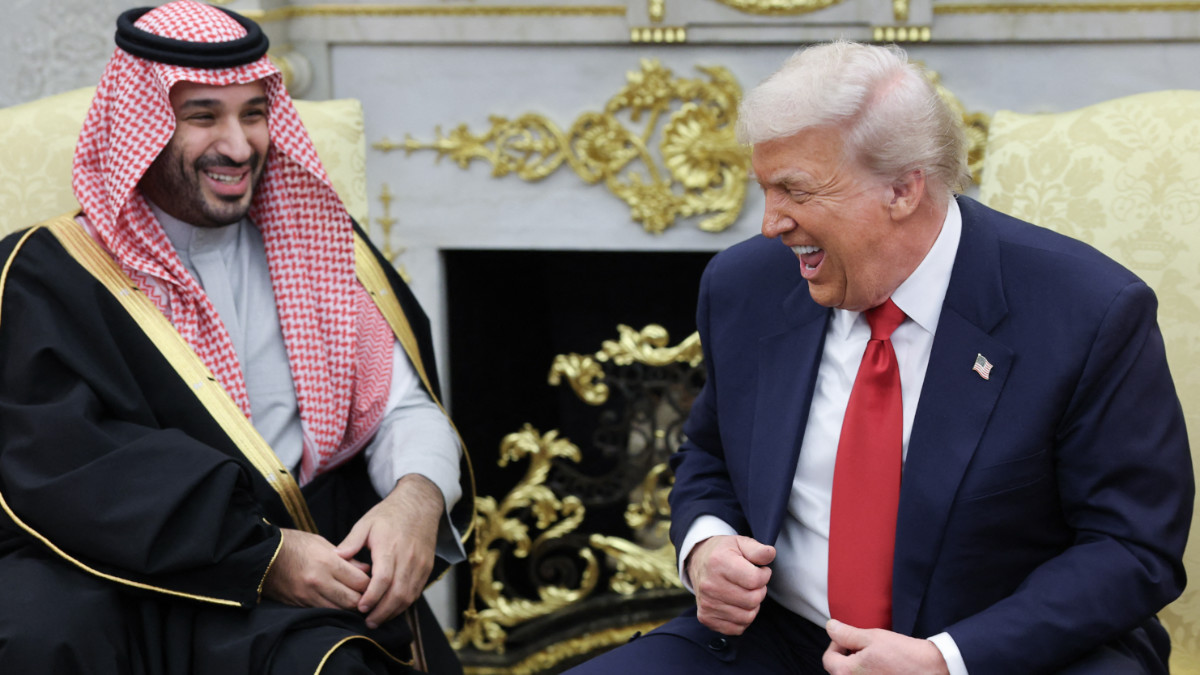
In a rare and unscripted Oval Office press briefing, U.S. President Donald Trump and Saudi Crown Prince Mohammed bin Salman addressed a wide array of topics, ranging from the murder of journalist Jamal Khashoggi to artificial intelligence and arms sales. The 40-minute session, marked by Trump’s characteristic bravado, offered a unique glimpse into the relationship between the two leaders. Trump emphasized the unprecedented transparency of the meeting, stating, ‘There has never been transparency like this. We didn’t put restrictions.’ The Saudi Crown Prince, known for his diplomatic finesse, responded to questions with measured answers, particularly on the Khashoggi case, which he termed a ‘painful’ and ‘huge mistake.’ He also highlighted Saudi Arabia’s efforts to improve its systems to prevent such incidents in the future. The meeting underscored the strategic importance of the U.S.-Saudi relationship, with the Crown Prince pledging nearly $1 trillion in investments in the U.S., including in AI and rare-earth materials. Trump’s defense of the Crown Prince in front of the press contrasted sharply with his treatment of other world leaders, such as Ukrainian President Volodymyr Zelenskyy and South Africa’s Cyril Ramaphosa. The dynamics of the meeting also revealed Riyadh’s success in rebalancing its relationship with Washington, dating back to World War II, and its growing influence in the shifting global power balance. The Crown Prince’s poised demeanor, despite occasional awkward moments, highlighted his diplomatic acumen and the strategic depth of Saudi-U.S. relations.
-
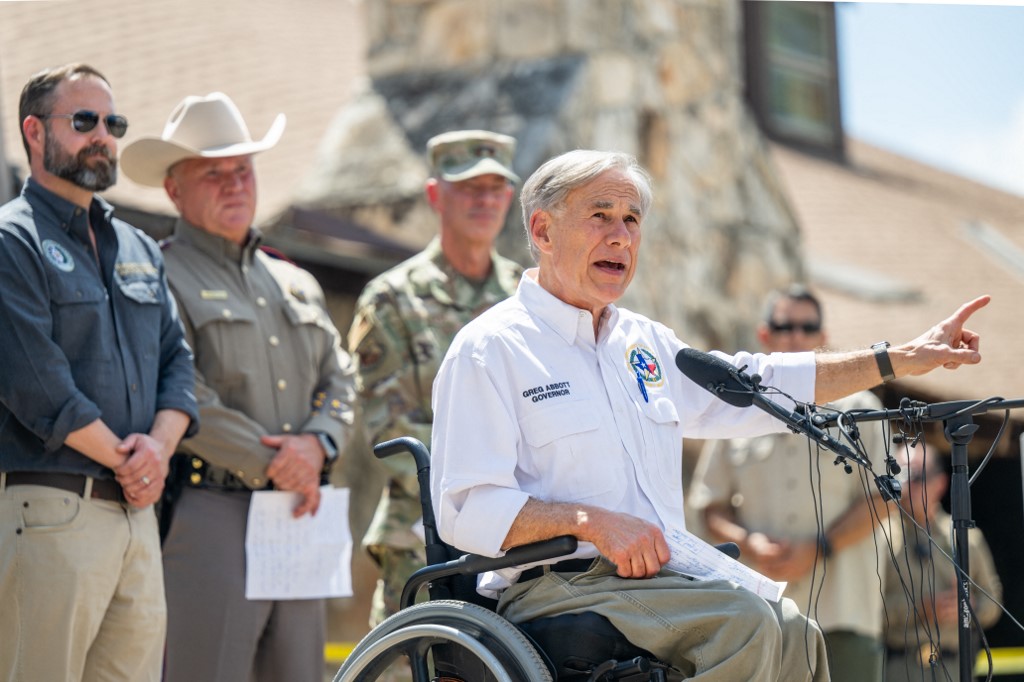
Texas governor designates Muslim Brotherhood, Cair as terror organisations
Texas Governor Greg Abbott has declared the Muslim Brotherhood and the Council on American-Islamic Relations (CAIR) as foreign terrorist organizations and transnational criminal entities. This designation, announced on Tuesday, prohibits these groups from acquiring or purchasing land within Texas. Abbott’s proclamation also empowers the state’s attorney general to initiate legal actions against these organizations.
-
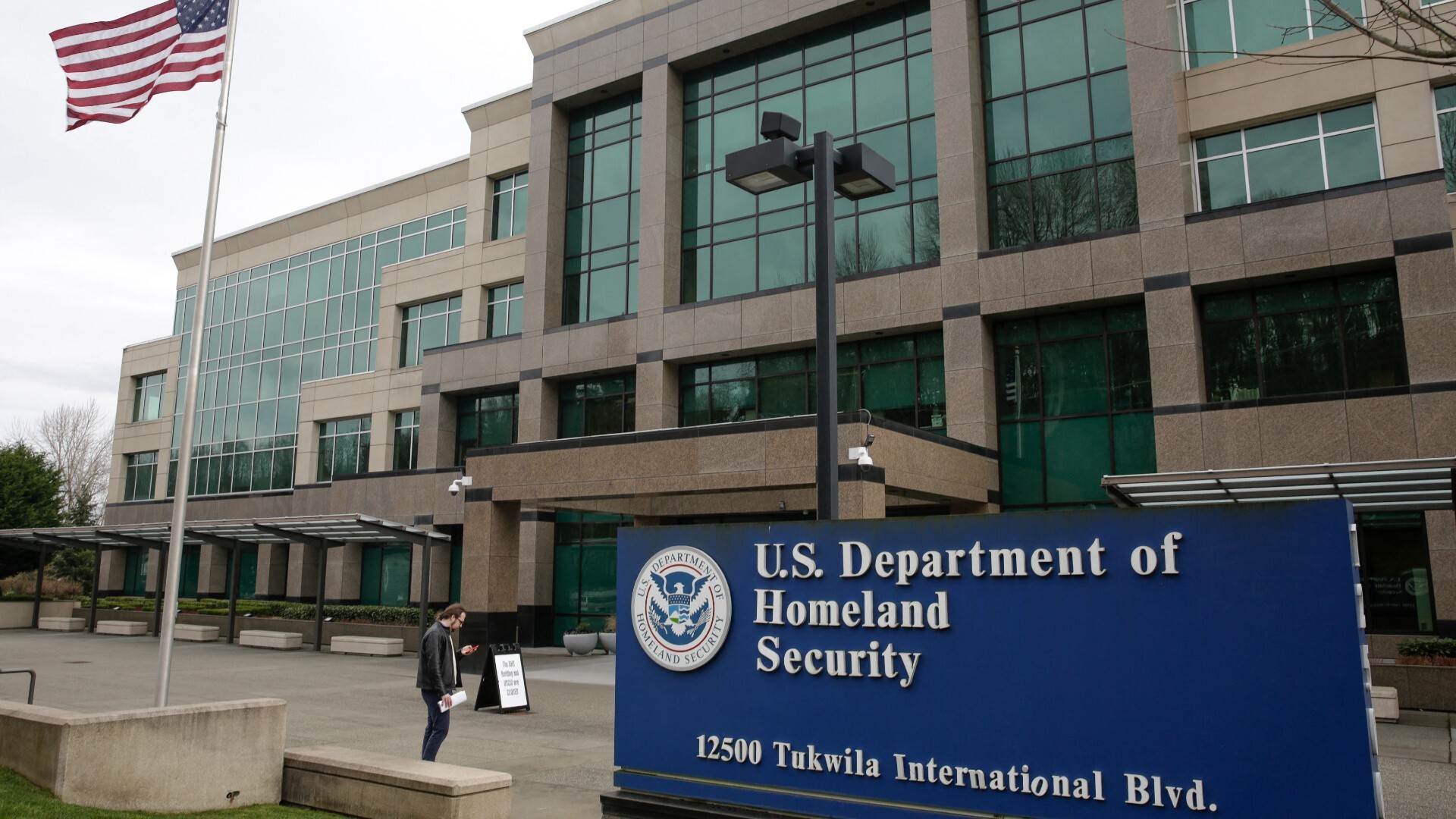
It may get harder to secure US green card if you come from a travel ban-listed country
The Trump administration is reportedly considering a new policy that would make it significantly harder for immigrants from countries listed under the existing travel ban to obtain U.S. permanent residency. This potential shift could impact green card approvals, asylum grants, and higher-tier long-term visas, according to internal documents from the Department of Homeland Security (DHS) obtained by The New York Times. The move aligns with the administration’s broader efforts to curb immigration, which have included crackdowns on undocumented immigrants, visa revocations, and increased application fees. Since President Trump took office in January 2017, these measures have already contributed to a 17 percent decline in foreign student enrollment at U.S. universities, the largest drop in a decade. The travel ban, initially implemented in 2017 and revised in June 2020, targets 12 countries: Afghanistan, Burma, Chad, the Republic of the Congo, Equatorial Guinea, Eritrea, Haiti, Iran, Libya, Somalia, Sudan, and Yemen. Nationals from Burundi, Cuba, Laos, Sierra Leone, Togo, Turkmenistan, and Venezuela face partial restrictions. The proposed policy would treat an applicant’s country of origin as a ‘negative factor’ in their immigration application, even if they are otherwise law-abiding and have undergone rigorous vetting. Critics, including a former staffer from U.S. Citizenship and Immigration Services (USCIS), have labeled the plan a ‘radical change’ and ‘absurd,’ arguing that applicants have already passed national security screenings by the time they apply for permanent residency. Jamal Abdi, president of the National Iranian American Council, has urged DHS to reconsider, citing federal laws that prohibit discrimination based on national origin. The revised travel ban, which has faced less public backlash than its predecessor, is considered more legally robust. While those already in the U.S. are exempt, individuals abroad must meet specific criteria to enter, such as holding a green card, preauthorized visa, or being an immediate family member of a U.S. citizen. Athletes participating in the World Cup or Summer Olympics are also exempt. However, increased scrutiny at ports of entry and directives from Secretary of State Marco Rubio could lead to visa revocations. The administration maintains that the ban and heightened vetting measures are necessary to address visa overstays, which it views as a national security risk. Immigration lawyers note that the current ban is likely to remain in effect, as the Supreme Court upheld the president’s authority to implement such measures in a 2017 ruling. Despite the challenges, some legal experts emphasize the importance of perseverance in navigating the U.S. immigration system.
-
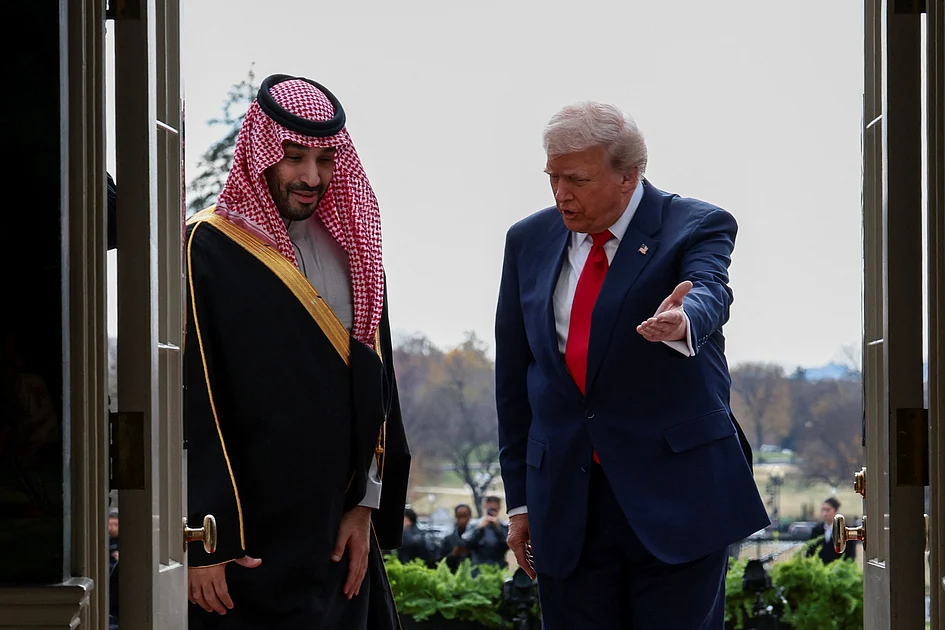
Watch: Trump receives Saudi prince with cannon fire, parade of horses at White House
In a display of diplomatic grandeur, U.S. President Donald Trump welcomed Saudi Crown Prince Mohammed bin Salman to the White House on Tuesday, November 18, 2025. The visit, marked by a ceremonial cannon salute, a military flypast featuring F-35 stealth fighters, and a parade of horses, underscored the deepening alliance between the United States and Saudi Arabia. The event also saw the presence of soccer icon Cristiano Ronaldo, adding a touch of star power to the occasion. Trump emphasized the significance of the bilateral relationship, describing Saudi Arabia as a ‘great ally’ and announcing the sale of F-35 jets to the kingdom, despite concerns from Israel and warnings about potential technological espionage by China. Additionally, the two leaders are expected to sign a framework for civilian nuclear cooperation, further cementing their strategic partnership. The Crown Prince’s visit also focused on securing advanced defense systems and high-tech chips to support Saudi Arabia’s AI ambitions. However, progress on normalizing relations with Israel remains stalled, with Riyadh insisting on progress toward a Palestinian state. The visit marks a pivotal moment in U.S.-Saudi relations, balancing strategic interests with human rights concerns, particularly in light of the 2018 murder of journalist Jamal Khashoggi.
-
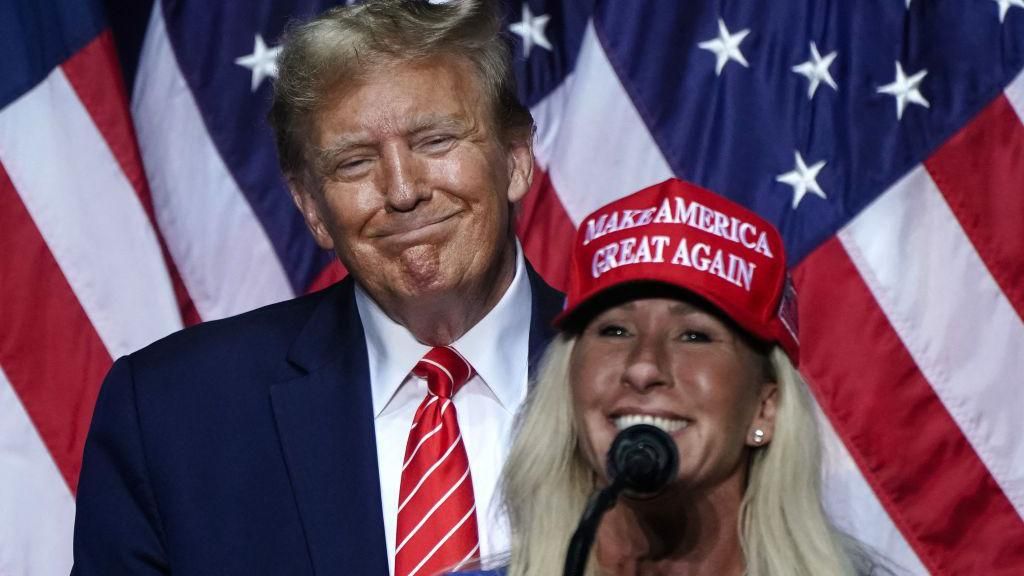
Epstein saga reveals Republican rifts – and the power of Trump’s base
The recent congressional vote to release the Jeffrey Epstein files has unveiled deep fractures within the Republican Party and tested President Donald Trump’s influence over his Make America Great Again (MAGA) base. After months of resistance, Trump reversed his stance, urging Republicans to support the release of the documents. This shift led to an overwhelming 427-1 vote in the House, marking a rare instance of Republican lawmakers pressuring the president into action. The saga has highlighted the growing power of the Republican grassroots, with many voters demanding transparency on the Epstein case. Congresswoman Marjorie Taylor Greene, a vocal critic of Trump’s initial opposition, claimed the issue had ‘ripped MAGA apart,’ signaling internal dissent within the movement. Despite Trump’s efforts to focus on other priorities, such as reducing tariffs on groceries, the Epstein controversy has overshadowed his agenda. The White House defended its actions, emphasizing its cooperation with investigations and support for victims. However, the episode has exposed potential rifts within the party, as seen in Trump’s failed attempt to influence Indiana’s redistricting process. While Trump remains the dominant figure in the GOP, the Epstein saga underscores the challenges he faces in maintaining unity and control.
-
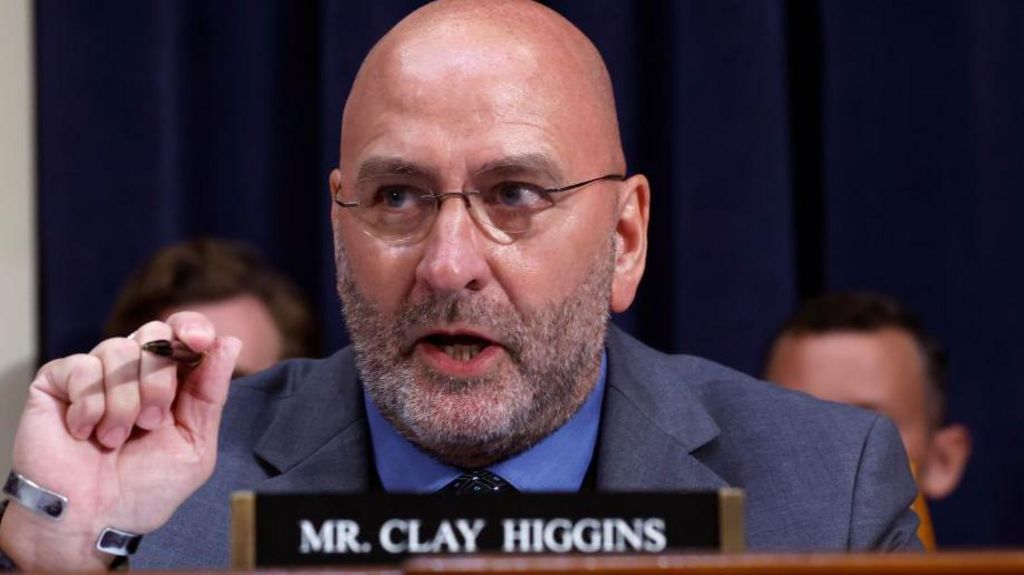
The only ‘no’ vote on releasing Epstein files
In a rare display of bipartisan unity, the US House of Representatives overwhelmingly passed a bill to release documents related to convicted sex offender Jeffrey Epstein. The legislation, which garnered a staggering 427-1 vote, saw nearly every Republican in the House voting in favor, with the sole dissenting vote coming from Louisiana Representative Clay Higgins. Higgins, a staunch conservative, argued that the bill compromised the privacy of Epstein’s victims and witnesses, stating on social media platform X that it ‘abandons 250 years of criminal justice procedure in America.’
The bill, which aims to shed light on the Epstein case, quickly gained momentum after President Donald Trump dropped his opposition to the vote. Hours after the House’s decision, the US Senate unanimously approved the legislation, paving the way for Trump’s signature. Higgins expressed willingness to support the bill if amended, but Senate Majority Leader John Thune indicated that changes were unlikely given the overwhelming support.
Higgins’ dissent is not unprecedented. Known for his controversial remarks and unorthodox stances, he has previously faced censure from his party for offensive comments about Haiti and its people. His career has been marked by controversy, including his resignation from the St. Landry’s Parish Sheriff’s Office in 2016 following backlash over an anti-crime video in which he threatened gang members while holding a rifle.
The passage of the Epstein bill represents a significant step toward transparency in a case that has captivated public attention for years. However, concerns remain about the potential impact on the privacy of individuals involved in the investigation. As the bill moves to the President’s desk, its implications for both justice and privacy continue to spark debate.