
In the heart of Randburg, South Africa, the Kairos School of Inquiry is making waves with its innovative approach to combating childhood obesity. At lunchtime, students eagerly line up for a meal that’s not only nutritious but also predominantly vegetarian. The menu features dishes like kitchari—a blend of daal and rice—accompanied by tomato chutney, halloumi, and fresh salad. This initiative is part of the school’s broader strategy to address a global health crisis: the alarming rise in childhood obesity, which has now surpassed undernutrition in prevalence. Headteacher Marc Loon has implemented a strict healthy food policy, emphasizing the importance of mindful eating. ‘If all schools adopted our approach, children’s health would significantly improve,’ he asserts. The United Nations reports that the number of overweight and obese adolescents has nearly tripled in the past two decades, with South Africa being one of the hardest-hit countries. Unicef highlights the role of convenience foods in this surge, particularly in low- and middle-income nations. Mamkhabela Mthembu, a 23-year-old trainee lawyer, shared her personal struggle with weight gain during university, attributing it to her reliance on fast food. ‘I never saw junk food as unhealthy; it was a symbol of aspiration,’ she recalls. Now an advocate for Unicef, Mthembu is raising awareness about the long-term health impacts of poor dietary choices. The South African government has taken steps to curb obesity, such as taxing sugary drinks, but challenges remain. Unicef’s Gilbert Tshitaudzi stresses the need for systemic changes, including restricting the marketing of unhealthy foods to children. Meanwhile, parents like Memory Padi face daily battles to keep their children healthy. Her eight-year-old daughter, Sophia, struggles with weight issues linked to steroid treatments for a rare autoimmune disease. Despite efforts to maintain a low-carb diet, Sophia’s weight remains a concern. The Kairos School’s initiative serves as a beacon of hope, demonstrating how institutions can play a pivotal role in fostering healthier futures for the next generation.
分类: health
-
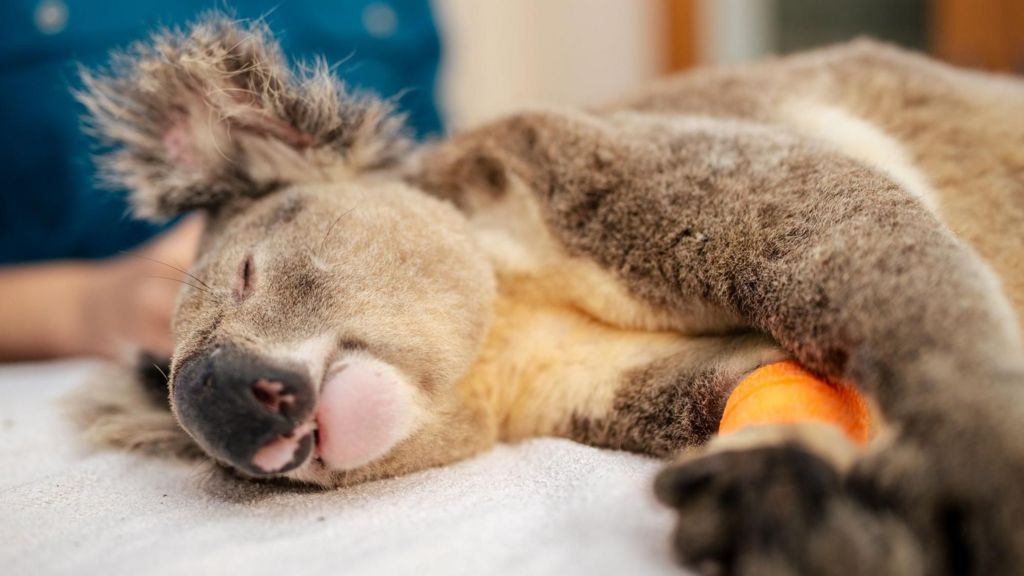
Vaccine to curb chlamydia epidemic devastating koalas approved
In a groundbreaking development, a vaccine designed to combat the devastating chlamydia epidemic threatening Australia’s koala population has received regulatory approval. Scientists at the University of the Sunshine Coast (UniSC) have spent over a decade developing this single-dose vaccine, which has shown promising results in reducing symptoms and mortality rates among wild koalas. Chlamydia, a disease transmitted through close contact or mating, has been a leading cause of koala deaths, accounting for up to 50% of fatalities in some regions. The disease causes severe health issues, including blindness, infertility, and often proves fatal. Traditional treatments, such as antibiotics, can be equally harmful, as they destroy the gut bacteria essential for digesting eucalyptus leaves, leading to starvation. The vaccine, tested on hundreds of wild koalas, has demonstrated a 65% reduction in mortality rates and a significant decrease in symptom development during breeding age. Despite the breakthrough, challenges remain. The rollout, slated to begin as early as January 2024, requires substantial funding to distribute the vaccine to wildlife hospitals, vet clinics, and at-risk populations. UniSC researchers hope to provide the vaccine for free but acknowledge the high costs associated with locating and inoculating wild koalas. Dr. Peter Timms, a microbiologist involved in the project, emphasized that while the vaccine is a critical step, it is not a standalone solution. Habitat loss, driven by land clearing, urbanization, and natural disasters, remains the most significant threat to koala survival. The Australian government has also taken steps to address habitat loss, with the New South Wales government recently announcing the creation of the Great Koala National Park, which will protect over 12,000 koalas and other threatened species. Environment Minister Murray Watt highlighted the vaccine’s role in ensuring future generations can still see koalas in the wild, while also focusing on species monitoring and habitat restoration. This milestone offers a glimmer of hope for the endangered koala population, but sustained efforts are needed to secure their long-term survival.
-

The sunscreen scandal shocking Australia – the world’s skin cancer hotspot
Australia, a country with the world’s highest skin cancer rates, is embroiled in a national scandal over the efficacy of its sunscreens. Rach, a 34-year-old mother from Newcastle, grew up adhering to the iconic ‘Slip, Slop, Slap’ mantra—slip on a shirt, slop on sunscreen, and slap on a hat. Despite her rigorous sun protection habits, she was diagnosed with basal cell carcinoma, a low-grade skin cancer, in November 2023. Her shock turned to anger when she discovered that the sunscreen she had trusted for years, Ultra Violette’s Lean Screen SPF 50+, offered minimal protection, with independent tests revealing an SPF of just 4. This revelation has sparked widespread outrage, regulatory investigations, and product recalls across the industry.
-

Two major US food producers to remove artificial dyes from products sold domestically
In a significant move toward healthier food production, two leading food manufacturers, Kraft Heinz and General Mills, have announced plans to eliminate artificial dyes from their U.S. products by 2027. This decision follows a recent call by U.S. health officials for the food industry to phase out petroleum-based synthetic colors. Kraft Heinz revealed on Tuesday that it will begin removing artificial dyes from its U.S. portfolio in 2027 and will cease introducing new products containing these additives. Shortly after, General Mills disclosed its strategy to eliminate artificial dyes from all U.S. cereals and K-12 school meals by mid-2026, with a complete removal from its retail products by the end of 2027. Kraft Heinz emphasized that nearly 90% of its U.S. products already exclude FD&C colors—synthetic additives approved by the FDA for use in food, drugs, and cosmetics. The remaining products, primarily in the beverage and dessert categories, including brands like Crystal Light, Kool-Aid, Jell-O, and Jet-Puffed, will transition to natural alternatives. General Mills noted that 85% of its retail products and nearly all K-12 school items are already dye-free. Both companies are aligning with consumer demand for cleaner ingredients, driven by health advocates who have raised concerns about potential neurobehavioral issues linked to artificial dyes in children. The FDA, while maintaining that approved dyes are safe, has supported voluntary industry efforts to reduce their use. This shift mirrors global trends, as many countries, including Canada and European nations, have adopted stricter regulations or warning labels for synthetic colors. In the U.S., states like California and West Virginia have enacted laws restricting artificial dyes, prompting food manufacturers to explore natural alternatives derived from sources like beets, algae, and vegetables.
-

Measles jumps borders in North America with outbreaks in Canada, Mexico and US
The measles outbreak sweeping across North America has become a pressing public health crisis, with over 2,500 confirmed cases and four fatalities reported in the U.S. and Mexico. The epidemic, which began in Ontario, Canada, last fall, has since escalated in Texas, New Mexico, and Chihuahua, Mexico, with significant clusters in Mennonite communities. Dr. Hector Ocaranza, El Paso’s top public health official, warned that the highly contagious virus knows no borders, as evidenced by the 38 cases in El Paso and 14 in neighboring Ciudad Juarez. The outbreak’s rapid spread is fueled by cross-border travel and low vaccination rates in certain regions. Health officials in both countries are racing to contain the virus, with vaccination clinics set up in public spaces and free vaccines offered regardless of residency. The Pan American Health Organization and the World Health Organization have raised alarms, noting an elevenfold increase in measles activity in the Americas compared to last year. The economic burden is also significant, with each U.S. case costing between $30,000 and $50,000 to manage. Despite efforts, health experts warn that the outbreak is far from contained, with new cases emerging in Michigan and Alberta, Canada. The crisis underscores the urgent need for coordinated cross-border health strategies and improved vaccination coverage to prevent future epidemics.