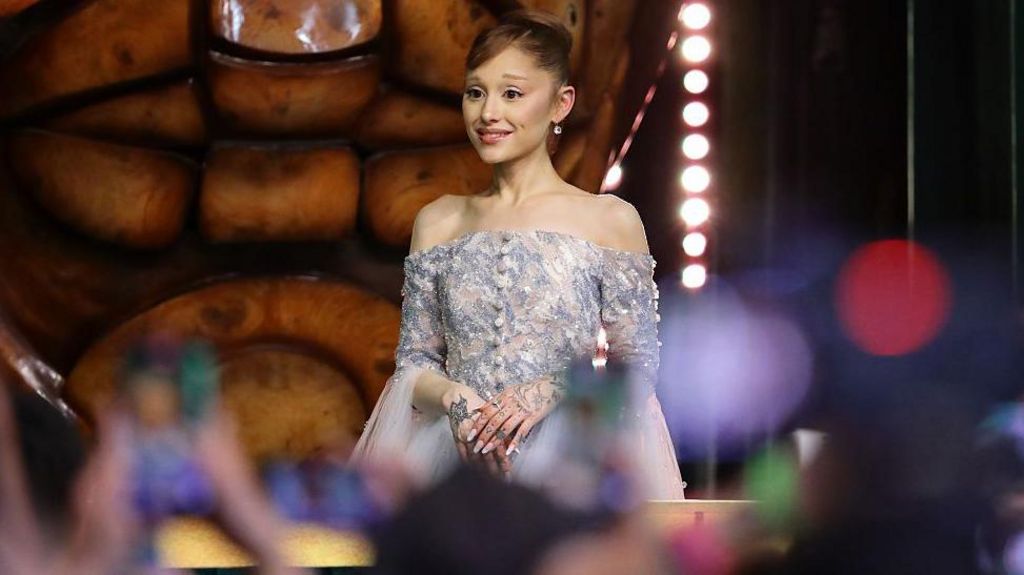
Ariana Grande’s appearance at the Asia-Pacific premiere of Wicked: For Good in Singapore took a shocking turn when an Australian man, Johnson Wen, breached security and grabbed the actress. The incident, captured in a viral video, shows Wen pushing past photographers and charging at Grande as the cast walked down the yellow carpet. Co-star Cynthia Erivo swiftly intervened, pulling Grande away from the intruder, who was later escorted out by security. Wen claimed on Instagram that he was ‘free after being arrested,’ though court documents indicated he was scheduled to appear in court the following day. It remains unclear if charges were filed. This is not the first time Wen has disrupted celebrity events; his Instagram feed features clips of him jumping on stage at Katy Perry’s Sydney concert and The Chainsmokers’ performance last year. Fans have expressed outrage, calling for Wen’s arrest or deportation, and criticizing event security for its lack of vigilance. Many also highlighted Grande’s past trauma, referencing the 2017 Manchester Arena bombing that left her with PTSD. Grande has not publicly commented on the incident. The premiere, held at a Singapore mall, drew hundreds of fans dressed in green and pink, some of whom waited up to eight hours to meet the cast. Wicked: For Good, set for release on November 21, is the second installment of the adaptation of the Broadway musical Wicked, which explores the friendship between two witches. The first film was the UK’s highest-grossing movie of 2024, earning 10 Oscar nominations and winning two awards.
分类: entertainment
-
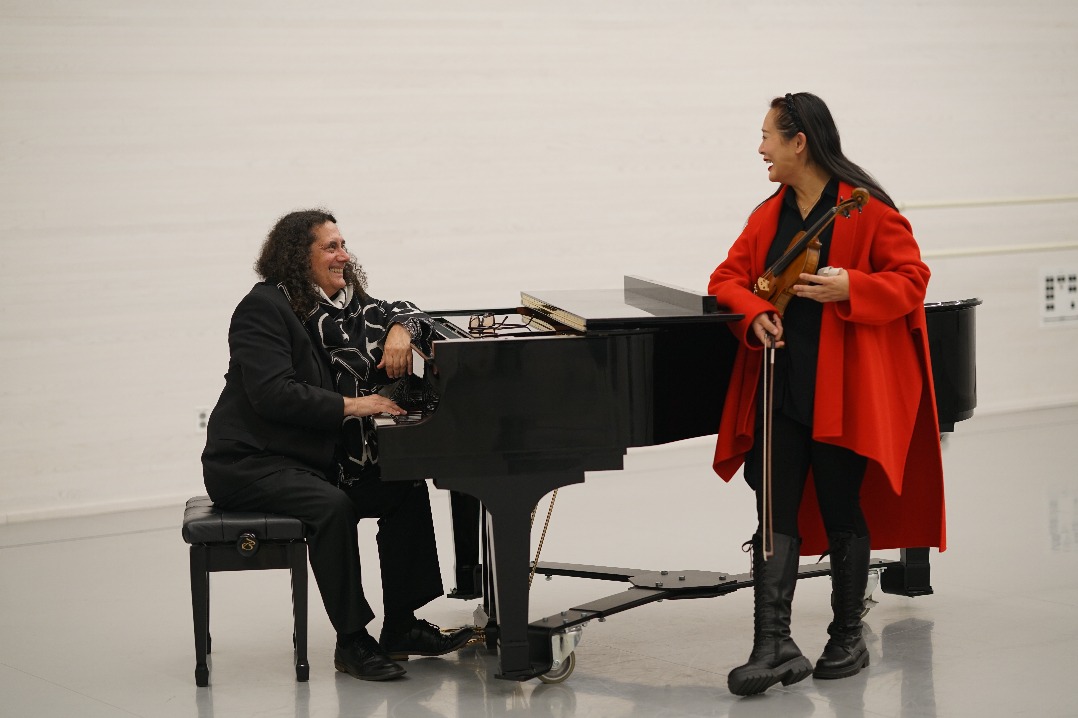
American musician finds new meaning in Chinese music and community
Princeton University recently hosted a vibrant celebration of the Double Ninth Festival, a traditional Chinese holiday honoring health, longevity, and respect for the elderly. The event, organized by Asian student groups and Chinese-descendant students, featured Chinese music, graceful dance, and traditional desserts, creating a tapestry of cultural pride and community spirit. Among the attendees, one figure stood out: Vince Di Mura, a resident music composer and director at Princeton’s Lewis Center for the Arts, who has found a new musical voice in Chinese music and a deep connection with the Chinese community.
Di Mura, born into an Italian-American family, discovered his passion for music at a young age. From blues and jazz to classical music, his career has been marked by exploration and reinvention. However, it was his introduction to Chinese music that truly transformed his artistic journey. About three years ago, Di Mura began collaborating with the Princeton University Chinese Music Ensemble, learning to compose for traditional Chinese instruments like the erhu, pipa, and suona. This experience, initially ‘very alien,’ gradually became a source of profound inspiration.
His collaboration with the local Chinese community deepened when he met Wendy Fan, who challenged him to reinterpret Chinese music in his unique jazz style. This led to the formation of the Summer Breeze Chinese Jazz Fusion Ensemble, a band that blends Chinese melodies with jazz improvisation. The ensemble has performed over a hundred shows, from prestigious venues like the Lincoln Center to intimate community gatherings, and has released three albums.
Di Mura’s latest project, ‘Oh God … Beautiful Machine,’ is a 90-minute, three-part production that includes a 20-minute segment dedicated to the Chinese community. The piece, which premiered in October 2025, features librettos by Pulitzer Prize-winning poet Yusef Komunyakaa and has been met with overwhelming support from the Chinese community. Di Mura describes his work as an expression of love and gratitude for the community that has embraced him.
Wu Hongyan, a longtime supporter of Di Mura, praised the musician’s ability to seamlessly blend Eastern and Western musical traditions. ‘The Cassowary,’ a segment of the production, exemplifies this fusion, carrying a distinctly Chinese spirit while speaking in the language of jazz. Wu noted that Di Mura’s work demonstrates how cultural voices can coexist harmoniously, creating new artistic possibilities.
Di Mura’s journey is a testament to the power of cultural exchange and the transformative impact of community. His story resonates not only as a musical achievement but also as a bridge between cultures, fostering mutual respect and understanding. As he continues to explore and celebrate Chinese music, Di Mura remains a beloved figure in the Chinese community, embodying the spirit of genuine friendship and artistic collaboration.
-
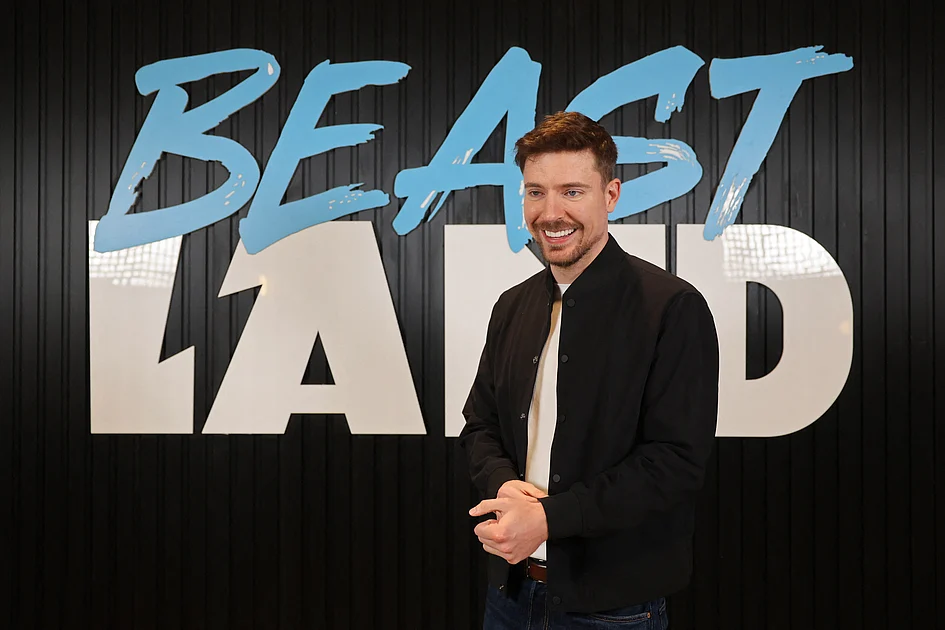
YouTube superstar MrBeast opens pop-up park in Saudi Arabia
YouTube sensation MrBeast, renowned for his massive online following exceeding 450 million subscribers, has unveiled a temporary amusement park in Riyadh, Saudi Arabia. Dubbed ‘Beast Land,’ the pop-up attraction, operational from November 13 to December 27, mirrors the high-energy challenges and competitions featured in his viral videos, offering participants the chance to win substantial cash prizes. This initiative aligns with Riyadh Season, an annual festival aimed at positioning the Saudi capital as a premier tourist destination. MrBeast, whose real name is Jimmy Donaldson, emphasized the significance of engaging with his Middle Eastern fanbase, stating, ‘A lot of times when we do stuff, we do it in the West or in other places, and I just really wanted to do something fun for our fans who live around here.’ The park’s entrance, designed as a blue tiger’s head with flashing lightning bolts, pays homage to his iconic logo. With over 75% of Saudi Arabia’s population under 35 and high smartphone and internet penetration rates, the kingdom presents an ideal market for influencers like MrBeast, whose content predominantly appeals to younger audiences. This venture is part of Saudi Arabia’s broader strategy to diversify its oil-dependent economy by developing leisure and entertainment hubs, such as the ambitious Qiddiya project near Riyadh. Recognized by Time magazine as one of the world’s most influential people in 2023 and boasting a net worth estimated at half a billion dollars by Forbes, MrBeast continues to expand his digital empire while leaving a tangible mark on the global entertainment landscape.
-
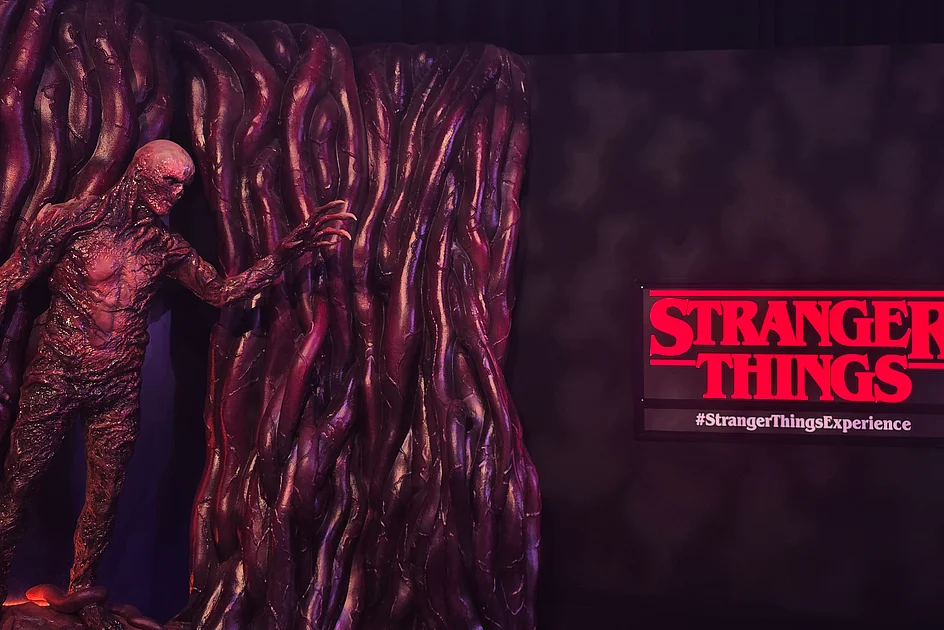
Fight demogorgons, unlock portals at Stranger Things: The Experience in Abu Dhabi
Fans of the hit Netflix series *Stranger Things* can now step into the show’s eerie universe at *Stranger Things: The Experience* in Abu Dhabi. This immersive attraction allows visitors to battle Demogorgons, unlock portals, and harness telekinetic powers, just like the show’s beloved characters. The experience begins at Hawkins Lab, where guests are divided into teams and tested for telekinetic abilities. Using gestures, participants can seemingly crumple soda cans and make objects fly, creating the illusion of superpowers. The adventure continues in the systems analysis room, where the main cast appears on screens to guide teams in opening a portal to the Upside Down. As Demogorgons attack and bloodstains appear, the tension builds. Once the portal is unlocked, guests enter the dark dimension of the Upside Down, wearing 3D glasses for added realism. A live actress portraying Eleven leads the fight against Vecna, the show’s main antagonist, culminating in a dramatic rescue mission. The experience concludes with a walk through iconic settings from the series, such as ‘Scoops Ahoy’ and Will Byers’ living room. Liam Findlay, CEO of Miral Destinations, revealed that the setup took three weeks, and the attraction will run from November 14 to February 15, coinciding with the premiere of the show’s final season on November 26.
-
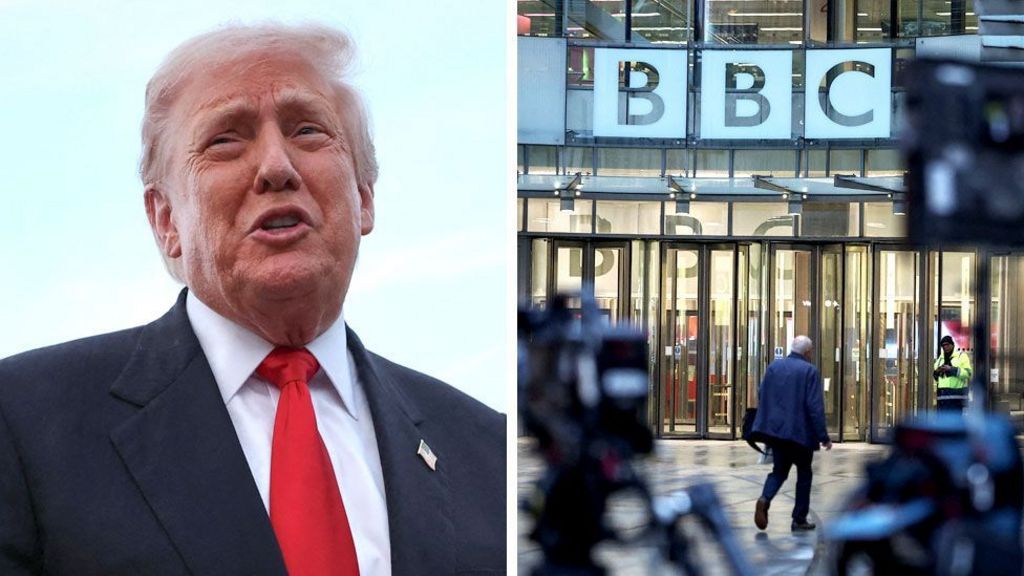
BBC apologises to Trump over Panorama edit but refuses to pay compensation
The BBC has issued an apology to former US President Donald Trump for a Panorama episode that inaccurately edited his speech, creating the false impression that he had directly incited violence. However, the corporation has firmly rejected Trump’s demand for compensation. The controversial edit, which aired in 2024, spliced segments of Trump’s January 6, 2021, speech, leading to widespread criticism and the resignations of BBC Director General Tim Davie and Head of News Deborah Turness. The BBC acknowledged the error in its Corrections and Clarifications section, stating that the edit unintentionally misrepresented the sequence of Trump’s remarks. Despite the apology, the BBC maintains that there is no basis for a defamation claim. Trump’s legal team has threatened to sue the BBC for $1 billion unless a retraction, apology, and compensation are provided. This incident follows a similar controversy in 2022, when a Newsnight programme also edited Trump’s speech, prompting further scrutiny of the BBC’s editorial practices. The BBC has assured that it adheres to the highest editorial standards and is investigating the matter.
-
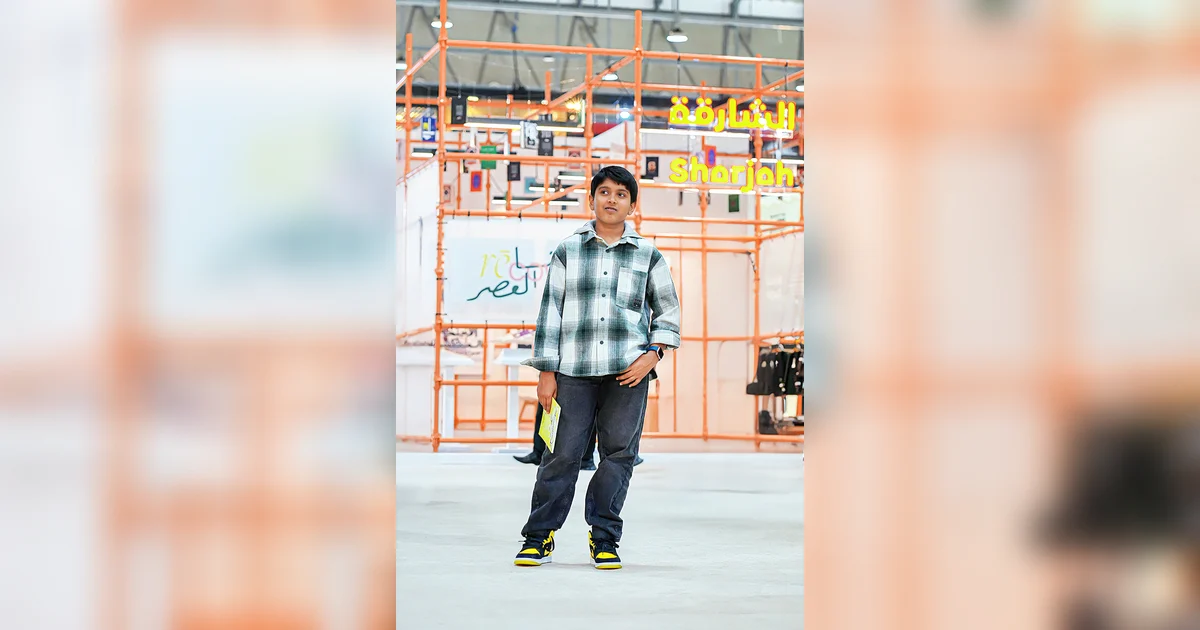
Young author Navaneeth Shreejith shines at Sharjah International Book Fair 2025
Navaneeth Shreejith, an eleven-year-old Grade 6 student at GEMS Cambridge International School in Abu Dhabi, has made a remarkable debut at the Sharjah International Book Fair (SIBF) 2025 with his first comic book, “Electrizer: Destiny Starts.” Published by Chiranthana Publications, UAE, the book was launched at Expo Centre Sharjah, attracting notable attendees including Hari Kumar, chairman of Elite Group of Companies, and Raman V, chairman of GBH International Group. Navaneeth, a passionate reader and artist since childhood, personally illustrated the entire book, which took 11 months to complete. His work, which combines adventure, friendship, and self-belief, has been praised for its creativity and inspiring message. The young author’s family, including his father, Dr. Sreejith, a cardiologist, and mother, Revathi, an engineer, expressed immense pride in his achievement. The Sharjah International Book Fair, organized by the Sharjah Book Authority, is a global platform that fosters literary talent and cultural exchange, making Navaneeth’s debut a significant milestone in his budding literary career.
-
6 fun things to do in Dubai this weekend: Polo parties, pizza nights, yoga with a view and more
Dubai is set to offer an array of exciting activities this weekend, catering to diverse interests and ensuring a memorable experience for all. From serene yoga sessions to glamorous polo parties, the city is brimming with energy and style. Here’s a curated list of six must-try activities to make the most of your weekend in Dubai.
**1. Serenity Meets Skyline: Yoga at the Balloons**
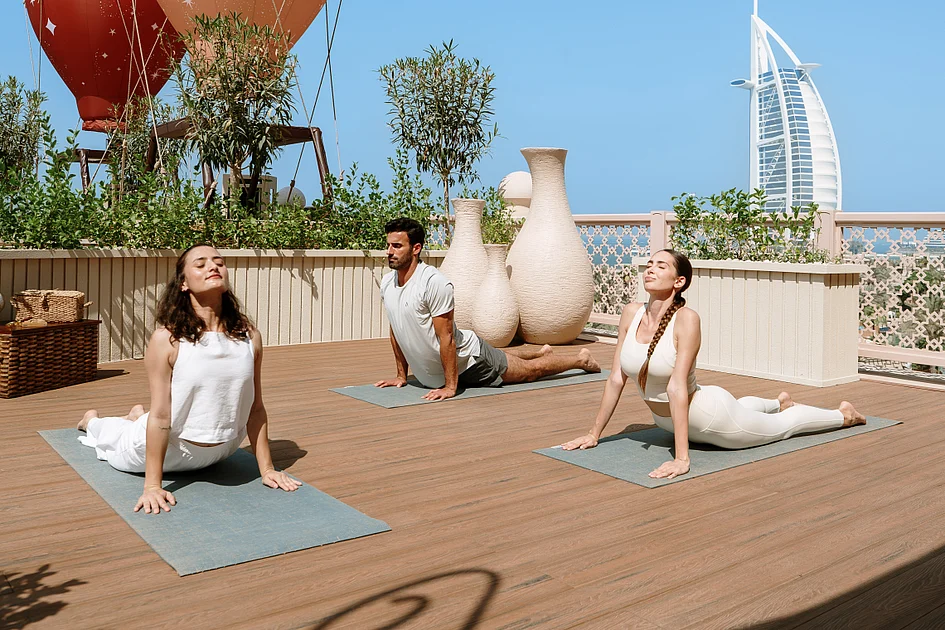
Talise Spa at Madinat Jumeirah presents ‘Yoga at the Balloons,’ a tranquil Sunday morning experience. Led by resident yogi Kajal Thakur, this guided hatha yoga session takes place on the scenic fifth-floor terrace of Jumeirah Al Qasr, offering breathtaking views of the Arabian Gulf. The session is followed by a wholesome breakfast buffet at Balloons at the Palace, featuring nourishing pastries, vegan chia puddings, and fresh smoothies. Priced at Dh350 per person, this limited-capacity event provides a peaceful start to the week in one of Dubai’s most picturesque settings.**2. Chill Out with Your Pup: Urban Bar & Kitchen**
Urban Bar & Kitchen (UBK) invites dog owners for a laid-back outing every Sunday and Monday from 12pm to 7pm. Enjoy hearty comfort food and beverages with a 30% discount, while your furry friend socializes in a specially designed outdoor setting. It’s the perfect way to unwind with your pet in a welcoming atmosphere.**3. New Season of Party at the Polo**
The glamorous ‘Party at the Polo’ returns to Al Habtoor Polo Resort this winter. Running every Saturday afternoon until April 2026, this IFZA-presented event transforms the polo field into a chic social hub with themed celebrations inspired by global cultures. Guests can expect live entertainment, gourmet dining, and picture-perfect moments set against lush green fields. This season introduces the exclusive Chukka Club for VVIPs, offering front-row views, premium dining, and curated experiences. Packages start from Dh390, with tickets available from November 15 at partyatthepolo.com.**4. Friday Nights Get a Slice of Fun: Neapolitan Pizza Pop-Up**
A Normal Day in Dar Wasl Mall hosts a ‘Neapolitan Pizza Pop-Up’ every Friday from 7pm to 10pm. This cozy bistro turns into a neighborhood pizza haven, offering creative twists on classic pizzas like the Star-shaped Margherita with mozzarella-stuffed crust, the truffle-topped Tartuffon, and a spicy pepperoni with honey drizzle. Dine in for the full bistro vibe or order on Deliveroo for a relaxed ‘Netflix and pie’ night.**5. Attend a Fashion Show and Beauty Pageant: Glam Icon UAE 2025**
The Grand Excelsior Hotel in Bur Dubai hosts ‘Glam Icon UAE 2025’ on November 15. This dazzling event combines a fashion show, beauty pageant, and exhibition, showcasing leading designers, models, and beauty talents. The event kicks off at 10am with an exhibition and culminates in the main event at 7pm, celebrating Dubai’s flair for fashion, creativity, and glamour in one unforgettable evening.**6. Free Padel Sessions at Bluewaters**
As part of the Dubai Fitness Challenge, Bluewaters transforms into a vibrant fitness hub this November with free padel sessions at the Neon Padel Courts. In collaboration with the World Padel Academy, the month-long event invites visitors to stay active with fun, social matches set against Bluewaters’ glowing backdrop. Available throughout November at The Wharf, the sessions are free to join, making it the perfect way to move, play, and stay energized.Dubai’s weekend calendar is packed with activities that cater to every taste, ensuring a vibrant and memorable experience for residents and visitors alike.
-
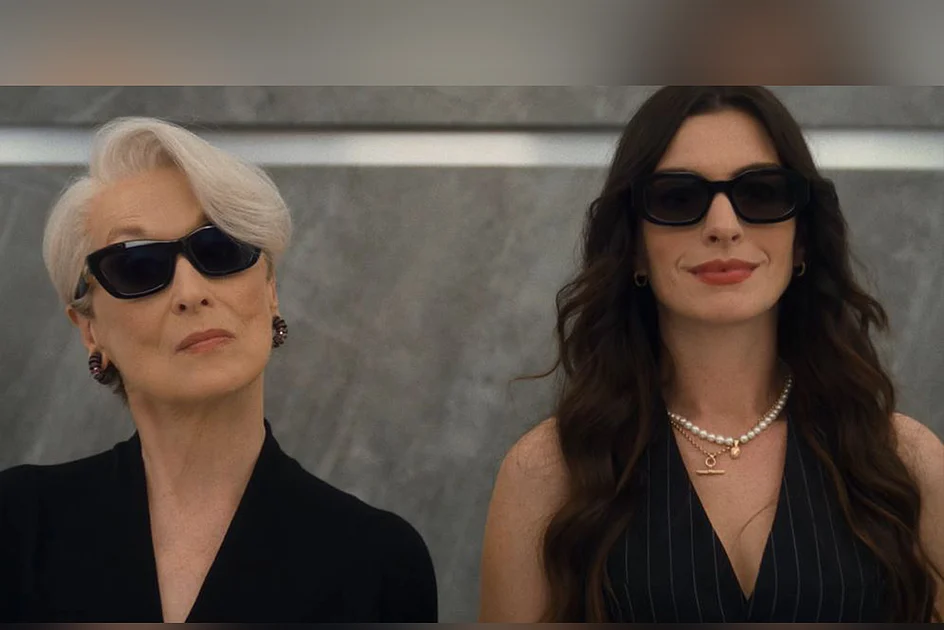
‘The Devil Wears Prada 2’ teaser: Meryl Streep, Anne Hathaway are back together
The highly anticipated teaser for ‘The Devil Wears Prada 2’ has finally been released, sparking excitement among fans. The sequel, set to premiere on May 1, 2026, reunites much of the original cast from the 2006 hit film, including Meryl Streep, Anne Hathaway, and Emily Blunt. The 51-second teaser opens with Streep’s iconic character, Miranda Priestly, striding through the hallways of the fictional ‘Runway’ magazine in her signature red pumps. Hathaway’s Andy Sachs soon joins her in the elevator, showcasing her own style and a knowing smile. The teaser is perfectly synced with Madonna’s ‘Vogue,’ adding a nostalgic touch. According to Variety, the sequel follows Miranda as she navigates her career in a declining print journalism industry, while facing her former junior assistant, Emily Charlton (Blunt), now a high-powered executive. Directed by David Frankel and written by Aline Brosh McKenna, the film also introduces new cast members, including Kenneth Branagh, Justin Theroux, and Lucy Liu. The original film, based on Lauren Weisberger’s 2003 novel, was a cultural phenomenon, and the sequel promises to delve deeper into the chaotic world of fashion and power dynamics.
-
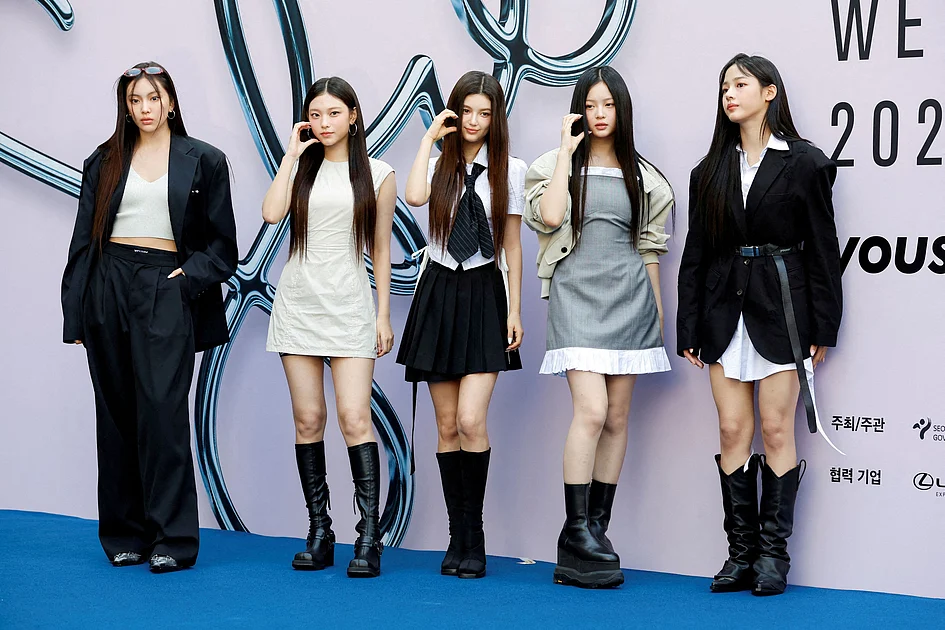
K-pop group NewJeans returns to label ADOR; ex-CEO Min Hee Jin assures support
In a significant development within the K-pop industry, all five members of the globally acclaimed group NewJeans have opted to return to their label, ADOR, following a court ruling in late October 2025. The decision comes after a tumultuous period marked by legal disputes and public revelations about the group’s relationship with their former CEO, Min Hee Jin, who was ousted from her position in 2024. The conflict escalated when NewJeans attempted to form an independent group under the name NJZ, prompting ADOR to seek a legal injunction. The South Korean court ultimately ruled in favor of ADOR, leading to the group’s return. On November 12, ADOR confirmed that the two youngest members, Haerin and Hyein, had decided to rejoin the label after consultations with their families. Shortly after, the remaining members—Minji, Hanni, and Danielle—also announced their return. Min Hee Jin, who has been a maternal figure to the group, publicly supported their decision, emphasizing the importance of unity among the five members. She praised their courage and expressed her commitment to their happiness, urging fans to continue supporting the group. Min also addressed the ongoing legal battles between herself and HYBE, as well as between ADOR and NewJeans, describing it as a challenging period but clarifying that these issues are separate from the group’s future. She remains optimistic about her own path forward, vowing to uncover the truth through her legal efforts.
-
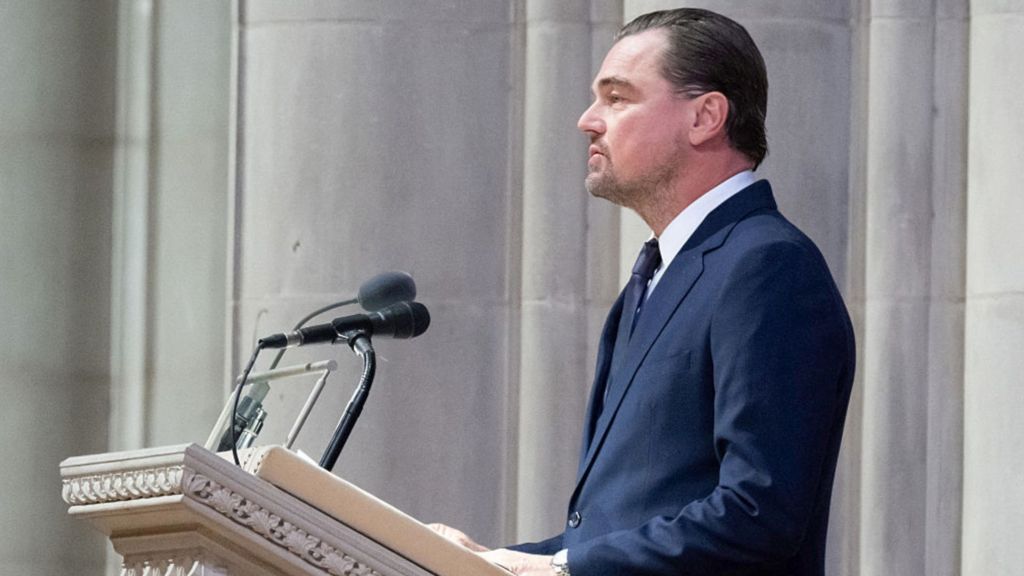
Leonardo DiCaprio honours Jane Goodall at funeral in DC
In a heartfelt tribute during a memorial service held in Washington, D.C., acclaimed actor Leonardo DiCaprio celebrated the life and legacy of renowned primatologist Jane Goodall. DiCaprio, known for his environmental activism, described Goodall as a figure who embodied gentleness, curiosity, humor, and an indomitable spirit. He emphasized her groundbreaking contributions to primatology and her unwavering dedication to wildlife conservation. The event brought together admirers from various fields, highlighting Goodall’s profound impact on both science and environmental advocacy. DiCaprio’s words underscored the deep respect and admiration he holds for Goodall, whose work continues to inspire generations.