分类: energy

  • Nuclear energy is having a global revival 40 years after Chernobyl

    Nuclear energy is having a global revival 40 years after Chernobyl

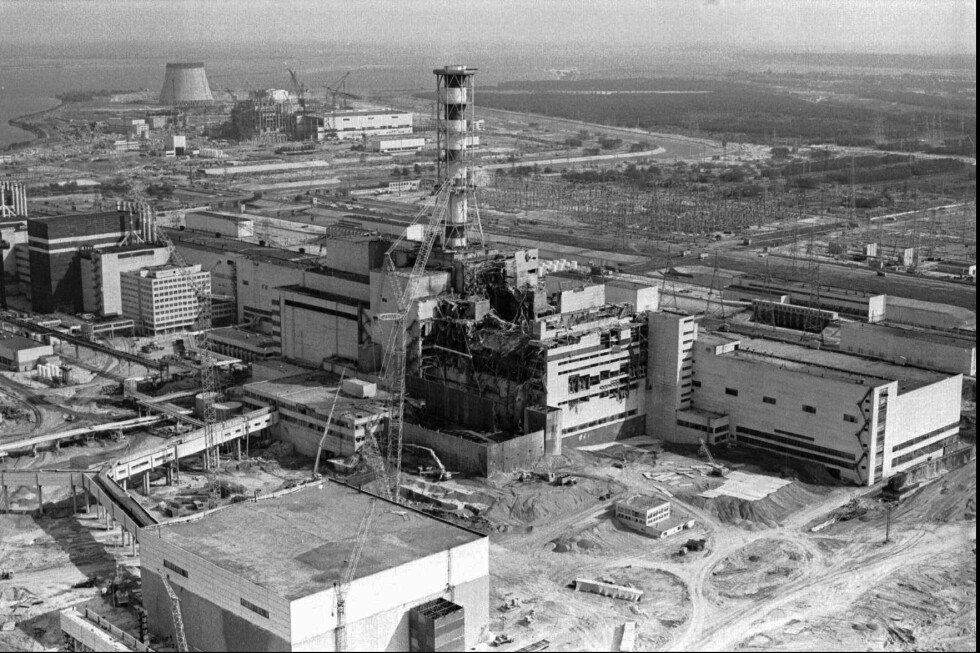
    Thirty-eight years ago, the catastrophic 1986 Chernobyl nuclear disaster sent shockwaves across the globe, embedding deep public distrust of nuclear energy and grinding its expansion across Europe and much of the world to a near halt. Four decades on, however, the tides have turned dramatically. Once-shunned nuclear power is experiencing a widespread global resurgence, a trend that has gained unprecedented momentum from cascading geopolitical tensions, most recently the ongoing conflict in the Middle East.

    Today, more than 400 operational nuclear reactors span 31 nations, with an additional 70 new facilities actively under construction. Collectively, nuclear energy contributes roughly 10 percent of the world’s total electricity supply — accounting for one-quarter of all global low-carbon power generation. Technological advances over the past four decades have also transformed the industry: modern reactor designs incorporate far more robust safety features than the flawed units that failed at Chernobyl and Fukushima, while streamlined construction processes have driven down both building and operational costs.

    Fatih Birol, executive director of the International Energy Agency, told The Associated Press that even before the latest outbreak of Middle Eastern conflict, a nuclear rebound was already foreseeable in the wake of post-Fukushima backlash. “With the war in the Middle East, I am 100% sure nuclear is coming back,” Birol stated. “It’s seen as a secure electricity generation system, and we will see that the comeback of nuclear will be very strong, both in the Americas, in Europe and in Asia.”

    Major world powers are leading this renewed push. The United States remains the world’s top nuclear power producer, with 94 operational reactors generating roughly 30 percent of global nuclear electricity. Washington has set an ambitious target to quadruple its domestic nuclear capacity by 2050, with senior officials arguing that nuclear power is irreplaceable for modern energy security. “The world cannot power its industries, meet the demands of artificial intelligence, or secure its energy future without nuclear power,” U.S. Undersecretary of State Thomas DiNanno said recently.

    China, meanwhile, operates 61 domestic nuclear reactors and leads the world in new reactor construction, with nearly 40 new units underway. Beijing’s goal is to overtake the U.S. to become the world’s largest nuclear power producer by total installed capacity. Across East Asia, Japan has already restarted 15 idled reactors following comprehensive post-Fukushima safety overhauls, with another 10 awaiting final regulatory approval to come back online.

    In Europe, the 2022 Russian invasion of Ukraine triggered a continent-wide reckoning with energy dependence, and the Middle East conflict has further underscored the risks of reliance on imported fossil fuels. European Commission President Ursula von der Leyen has publicly characterized Europe’s decades-long retreat from nuclear power as a “strategic mistake,” and the EU now classifies nuclear as a core clean energy source alongside wind and solar to meet net-zero climate targets. From 30 percent of Europe’s electricity supply in 1990, nuclear’s share has fallen to roughly 15 percent today — a shift that has left the bloc vulnerable to global energy price shocks.

    “I believe that it was a strategic mistake for Europe to turn its back on a reliable, affordable source of low-emissions power,” von der Leyen said. “In the last years, we see a global revival of nuclear energy. And Europe wants to be part of it.”

    The EU is currently exploring development of Small Modular Reactors (SMRs), a next-generation design expected to enter commercial operation by the early 2030s. SMRs are marketed as cheaper, faster to build, and more operationally flexible than traditional large-scale reactors. While France, Sweden, and Finland have led pro-nuclear policy shifts within the bloc — with Belgium repealing its planned nuclear phase-out last year — other members including Germany, Austria, and Italy remain committed to phasing out nuclear power entirely. Germany completed shutdown of its last three operational reactors in 2023, a decades-long policy that current Chancellor Friedrich Merz calls irreversible, despite growing debate over potential future SMR development.

    France, which has long centered nuclear power in its national energy strategy, remains Europe’s nuclear powerhouse. Fifty-seven operational reactors across 19 plants supply nearly 70 percent of the country’s total electricity, a share that has remained consistent even after the Chernobyl disaster. In 2022, President Emmanuel Macron unveiled plans to build six new pressurized water reactors, as part of the country’s goal to cut greenhouse gas emissions and strengthen energy independence. Nicolas Goldberg, a partner at Paris-based energy consultancy Colombus Consulting, noted that the 2022 European gas crisis triggered by the Ukraine conflict reinforced Paris’s commitment to its existing fleet. “The COVID-19 pandemic, combined with the gas supply crunch triggered by the conflict in Ukraine, revealed the limits of deploying renewable electricity and Europe’s dependence on gas,” Goldberg explained. “France has therefore been reinforced in its strategy of maintaining its existing nuclear plants, which means extending their lifespan as much as possible.”

    Russia has also positioned itself as a global leader in nuclear technology exports, even as it expands its own domestic fleet. Currently, Moscow has 34 operational domestic reactors, eight of which are the same RBMK design that exploded at Chernobyl’s Reactor No. 4 in 1986, when Ukraine was still part of the Soviet Union. All RBMK reactors still in operation have undergone extensive safety retrofits to correct the inherent design flaw that, when combined with operator error, caused the 1986 disaster that spread radioactive contamination across much of Northern Europe. Today, Russia is actively building 20 new reactors across Europe, Africa, Asia, and the Middle East, with contracts for additional projects in the pipeline. It has already completed the first new reactor for neighboring Belarus, one-third of whose territory was contaminated by the Chernobyl disaster. Irina Sukhiy, founder of Belarusian environmental group Green Network, criticized Minsk’s embrace of new nuclear development, saying authorities are using the global nuclear revival to avoid addressing ongoing contamination harms to local communities.

    Even in Ukraine, where the Chernobyl disaster occurred, nuclear power remains a critical part of the national energy mix, generating roughly half of the country’s electricity. Ukrainian nuclear facilities have taken on outsized importance since Russia’s 2022 full-scale invasion, even amid ongoing safety risks including Russia’s occupation of the Zaporizhzhia Nuclear Power Plant and a 2024 drone attack on the Chernobyl site’s containment sarcophagus.

    Across the African continent, only South Africa currently operates a nuclear power plant, but that is set to change: Russia is constructing Egypt’s first nuclear facility, and multiple other African states are exploring their own nuclear development projects.

    Rafael Grossi, director general of the International Atomic Energy Agency, framed the global nuclear revival as a response to pressing shared energy and climate challenges. “The momentum we are seeing today is the result of a growing recognition that reliable, low-carbon electricity will be essential to meet the world’s rising energy demand,” Grossi said.
  • Iran war energy shock drives nuclear power plans in hard-hit Asia and Africa

    Iran war energy shock drives nuclear power plans in hard-hit Asia and Africa

    The ongoing conflict between Iran and Western powers has sent shockwaves through global fossil fuel markets, triggering ripple effects that are reshaping long-term energy policy across two of the world’s fastest-growing regions: Africa and Asia. Disruptions to key shipping lanes for Middle Eastern oil and natural gas – which supplied the bulk of Asia’s energy demand – have sent energy prices soaring worldwide, with both developing Asian and African economies feeling the strain earliest and most acutely. Even wealthy Western nations including the United States and across Europe have not escaped the pressure of inflated energy costs driven by the conflict.

    Against this backdrop of market volatility, nations across both continents are moving rapidly to expand nuclear power generation. Countries with existing nuclear infrastructure are ramping up output to address immediate short-term energy gaps, while nations with no operational nuclear capacity are accelerating long-term nuclear development plans to insulate themselves against future fossil fuel supply shocks. Experts note that while nuclear energy cannot resolve the current energy crisis overnight, as new nuclear projects can take decades to complete for first-time nuclear nations, today’s policy commitments will permanently embed atomic power in many countries’ future energy portfolios.

    “The war has accelerated a global ‘nuclear renaissance,’ as countries seek an escape from the volatility of global fossil fuel markets,” explained Rachel Bronson, executive director of the Bulletin of the Atomic Scientists. Data from the International Atomic Energy Agency underscores this growing momentum: 31 countries currently operate nuclear power plants, which generate roughly 10% of the world’s total electricity, and an additional 40 nations are either exploring nuclear technology or actively preparing to break ground on their first facilities.

    In hard-hit Asia, the shift toward nuclear power is already well underway. Across the region, where governments have turned to emergency measures from increased coal burning to discounted Russian crude imports to shore up supplies, nations with existing reactors are maximizing output from their current fleets. South Korea has boosted generation at all operational plants and fast-tracked maintenance work on five idled reactors, with restarts scheduled for May. Both Taiwan and Japan are rolling back post-Fukushima policies that shuttered large numbers of nuclear facilities after the 2011 earthquake and tsunami that triggered the catastrophic Fukushima Daiichi meltdown.

    Taiwan is now launching the multi-year process of restarting two mothballed reactors, a move that requires extensive safety inspections, system upgrades and regulatory approval. In Japan, Prime Minister Sanae Takaichi has moved aggressively to expand nuclear power since the outbreak of the Iran war, signing a $40 billion reactor development deal with the United States, a nuclear fuel recycling agreement with France, and a new cooperation pact with Indonesia. Japan also restarted the world’s largest nuclear facility, the Kashiwazaki-Kariwa plant, in January. While the conflict has also boosted public and policy support for renewable energy, historically high electricity prices have swung Japanese public opinion firmly in favor of nuclear acceptance, according to Michiyo Miyamoto of the U.S.-based Institute for Energy Economics and Financial Analysis. Critics, however, note that renewables remain a more affordable and secure long-term solution.

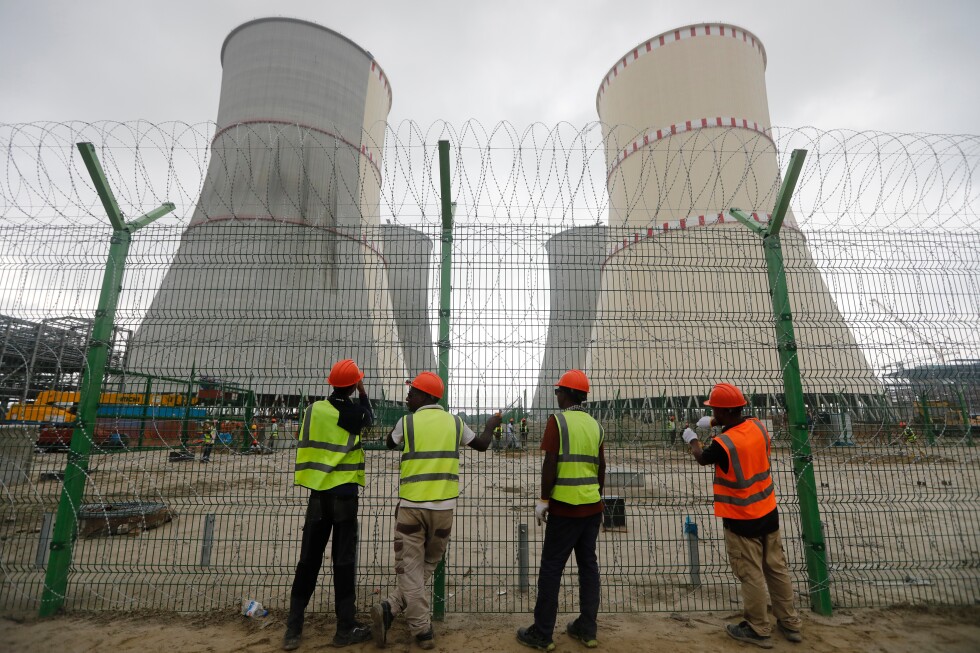
    Further south in Asia, Bangladesh is rushing to commission two new reactors built by Russia’s state-owned nuclear giant Rosatom, with plans to connect 300 megawatts of capacity to the national grid by summer to ease crippling domestic gas shortages. Vietnam signed an agreement with Moscow in March to develop two Russian-designed reactors, while the Philippines – which declared a national energy emergency earlier this year – is weighing plans to activate a half-built nuclear plant constructed after the 1973 oil crisis but never brought online. “The Iran war is providing a needed push for nuclear,” said Alvie Asuncion-Astronomo of the Philippine Nuclear Research Institute.

    Across Africa, the energy crisis triggered by the Iran conflict has reinvigorated long-dormant nuclear energy plans, with more than 20 of the continent’s 54 nations now advancing atomic energy projects. Global nuclear powers including the United States, Russia, China, France and South Korea have identified Africa as a key growth market for nuclear technology, and are pitching small modular reactors (SMRs) as a flexible solution to the continent’s widespread energy shortages. Unlike large conventional nuclear plants, SMRs offer a cheaper, more compact alternative that can be scaled to meet weak grid capacity.

    While proponents frame SMRs as a faster path to nuclear deployment, projects still require years of planning and regulatory work: Kenya for example, which launched its first nuclear planning phase in 2009, targets bringing an SMR online only by 2034. Even so, African leaders frame nuclear power as an urgent strategic priority. “Nuclear energy is no longer a distant aspiration for African countries; it is a strategic necessity,” said Justus Wabuyabo of Kenya’s Nuclear Power and Energy Agency. Speaking at a March summit hosted by the U.N.’s nuclear watchdog, Rwandan President Paul Kagame predicted Africa will become “one of the most important global markets” for small modular reactors in the coming decades. SMRs are seen as a particularly strong fit for Africa, as they can deliver low-emission baseload power that matches the continent’s rapidly rising electricity demand, addresses underdeveloped national grids, and reduces overreliance on expensive imported diesel. South Africa, which hosts the continent’s only operational nuclear plants, plans to grow nuclear’s share of its energy mix from roughly 5% today to 16% by 2040, with SMRs playing a central role.

    The race to develop nuclear energy in Africa has also intensified great power competition between the United States and Russia, which are both vying for market share as leading nuclear exporters. Russia’s Rosatom already holds a dominant position, building Egypt’s first operational reactor and signing cooperation agreements with Ethiopia, Burkina Faso, Ghana, Tanzania and Niger covering everything from full-scale plant construction to research facilities and workforce training. The U.S., which has only secured commitments from Kenya and Ghana to join its American-led modular reactor initiative, is working to close the gap, hosting a high-level nuclear development conference in Nairobi last month alongside South Korea. “Washington is working with African nations to rapidly develop secure and safe civil nuclear reactors,” said Ryan Taugher of the U.S. State Department.

    Despite the growing momentum for nuclear expansion, critics and experts continue to highlight the significant risks that accompany the technology. Beyond the persistent threats of catastrophic meltdowns and long-term radioactive waste management, nuclear development also carries proliferation risks, as civilian nuclear programs can provide a pathway to developing nuclear weapons. Advocacy groups also note that most countries remain reliant on imported enriched uranium for nuclear generation, keeping them exposed to global supply chain volatility. “Nuclear is very risky,” said Ayumi Fukakusa of Japanese environmental advocacy group Friends of the Earth Japan.

    Critics add that because nuclear projects take decades to deliver, governments should prioritize rapid expansion of renewable energy to achieve long-term energy security. Bronson also notes that nuclear plants themselves are vulnerable targets during conflict, pointing to targeted attacks on reactors during both the ongoing Iran war and the Russia-Ukraine conflict as a stark reminder of this risk. Even so, Bronson acknowledged that for many developing nations facing immediate fossil fuel disruptions, the tradeoffs are clear: “Countries are now weighing those kinds of risks against the other risks, which Asia and Africa are seeing first and foremost, about what happens when gas and oil stops.”

    This reporting from the Associated Press, with contributions from correspondents based in Bangkok, Seoul, Tokyo and Hanoi, is supported by private foundation grants, with the AP retaining full editorial control over all content.

  • Clean energy transition speeds up across nation

    Clean energy transition speeds up across nation

    Against the global backdrop of urgent carbon reduction and sustainable development, China is advancing its clean energy transformation at an unprecedented pace, with breakthrough projects and technological innovations reshaping the nation’s energy ecosystem from coastal waters to abandoned underground mines.

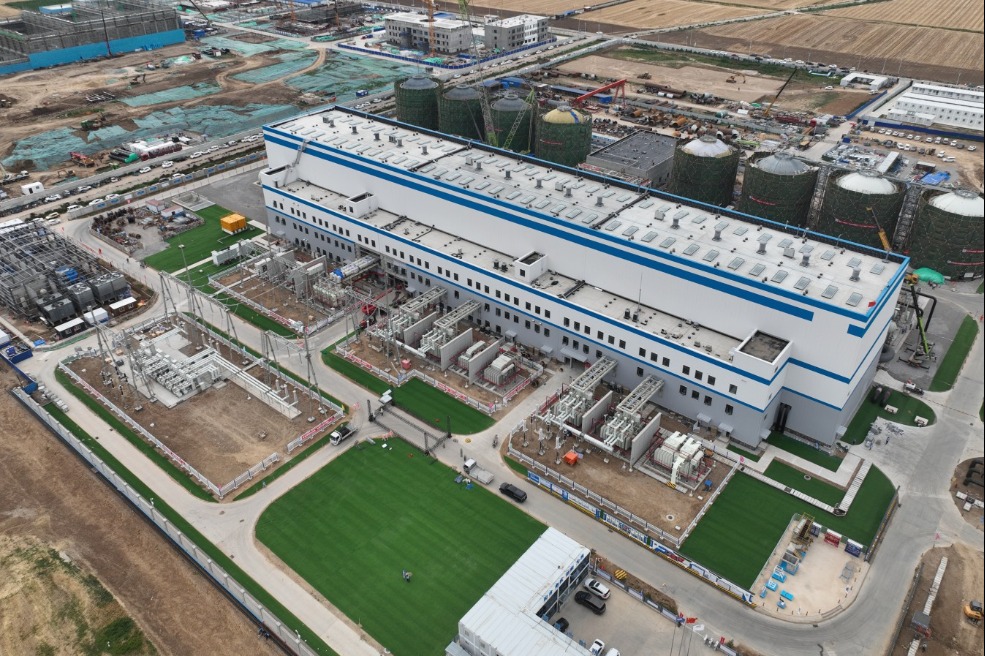
    In Tai’an, a resource-dependent city in East China’s Shandong Province, a pioneering energy infrastructure project has breathed new life into a long-abandoned rock salt mine. What was once a void left by decades of extraction has been reborn as a large-scale compressed air energy storage facility, the first commercial project of its kind developed by China Energy Engineering Group Co. Liu Shaoyong, the project’s manager, outlined the facility’s impressive technical specifications: designed to store energy for eight hours and deliver four hours of continuous power generation, it can produce up to 460 million kilowatt-hours of electricity annually, enough to meet the annual residential demand of more than 200,000 households. The facility leverages existing underground salt caverns to create grid-scale energy storage, a solution that repurposes retired mining infrastructure while addressing one of renewable energy’s biggest challenges: inconsistent output. During periods of low grid demand, excess electricity is used to compress air and store it underground; when demand peaks, the compressed air is released to drive turbines, delivering reliable power to the grid.

    This innovative storage project is just one example of the rapid progress China has made in renewable energy development in recent years. Driven by continuous technological innovation, renewable energy installations accounted for more than half of China’s total national power generating capacity by 2025, crossing a historic milestone that has accelerated the global clean energy transition. In Tai’an specifically, new renewable energy technologies are not only rolling out novel energy storage models, they are also strengthening the grid’s capacity to integrate variable renewable output, guaranteeing a stable and secure energy supply for local residents and industries. An official from the dispatching center of State Grid Tai’an Power Supply Company explained that the authority has streamlined grid integration services, actively monitoring demand fluctuations and providing end-to-end technical support for project commissioning and grid connection. Projections show that Tai’an’s total installed capacity of new-type energy storage will reach nearly 5 million kilowatts by 2030.

    Across Shandong, another groundbreaking clean energy milestone went into operation late last year: the world’s largest 26-megawatt offshore wind turbine, fully independently developed by China’s Dongfang Electric Corporation, has been successfully connected to the grid in Shandong’s coastal waters. The turbine sets new global records for both single-unit power generation capacity and rotor diameter. Under full-load operation, a single rotation of the turbine produces 62 kilowatt-hours of electricity. At an average wind speed of 10 meters per second, one turbine can generate 100 million kilowatt-hours of clean power annually enough to supply 55,000 households with electricity. This output translates to an annual reduction of 30,000 metric tons of standard coal consumption and 80,000 metric tons of carbon dioxide emissions.

    Beyond Shandong, similar integrated clean energy projects are emerging across China, including clean energy-powered data centers under development in the country’s northwest and southwest regions. These projects allow China to expand its fast-growing digital economy while simultaneously cutting carbon emissions, aligning two key national development goals.

    China’s push for clean energy is guided by ambitious national climate pledges. In September 2025, China reaffirmed its commitment to cut net greenhouse gas emissions across the entire national economy by 7 to 10 percent below peak levels by 2035. To meet this target, the country has already passed a critical threshold: total installed capacity of renewable energy now exceeds that of coal-fired power.

    As China builds out its domestic clean energy infrastructure, it is also sharing the benefits of its technological advancements with the global community. At the Solar and Storage Live Africa 2026 exhibition held in Johannesburg this past March, photovoltaic equipment and smart energy solutions developed by Chinese companies drew extensive international attention. Qhakazile Mathebula, general manager for digital energy at South Africa’s City Power, praised the contributions of Chinese firms to Africa’s ongoing energy transition. “We welcome the participation of Chinese renewable energy companies, whose investments and technologies are helping accelerate Africa’s shift toward cleaner and more sustainable energy,” Mathebula said, noting that China’s ability to deliver cost-effective, scalable solutions is particularly critical for African nations working to expand universal energy access and resolve persistent energy supply constraints.

    From repurposed underground storage facilities to record-breaking offshore wind turbines, China’s accelerating clean energy transition is not only transforming its own energy landscape but also creating new opportunities for sustainable development across the globe.

  • Construction of solar thermal power plant at altitude of 4,550 meters starts in China’s Xizang

    Construction of solar thermal power plant at altitude of 4,550 meters starts in China’s Xizang

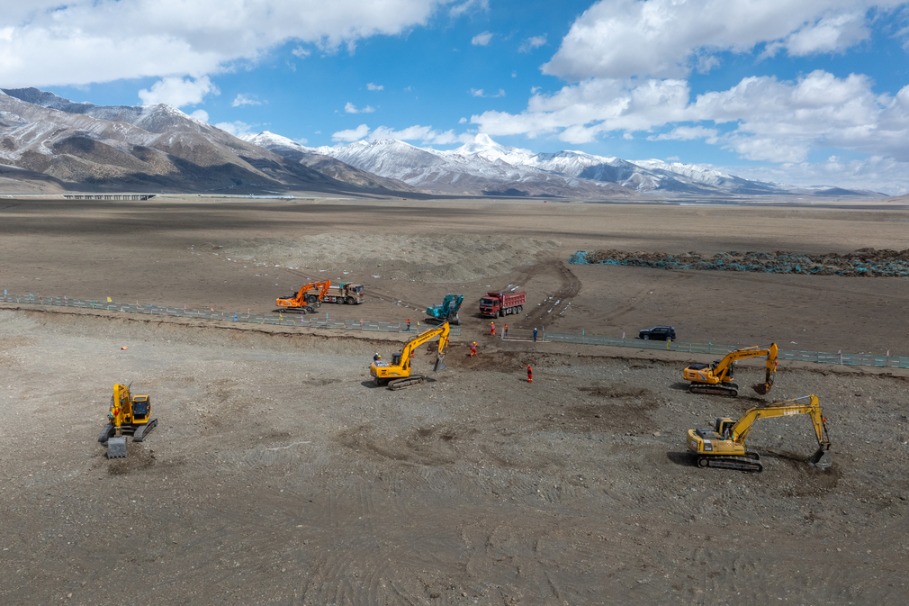
    On April 7, 2026, state-owned energy developer China General Nuclear Power Group (CGN) announced that construction has officially commenced on a landmark 50 megawatt trough-based concentrated solar thermal power plant, sited at 4,550 meters above sea level in Damxung County, Lhasa, Southwest China’s Xizang Autonomous Region. The project forms a core component of a larger integrated solar thermal and photovoltaic (PV) complex developed by CGN, which combines the steady, dispatchable power generation capacity of concentrated solar thermal (CSP) technology with the high output efficiency of utility-scale PV panels.

    Located on the high-altitude Tibetan Plateau, the site benefits from exceptional solar irradiance levels year-round, a key natural advantage for utility-scale solar energy development. However, the extreme altitude also presents unique engineering and construction challenges, including low atmospheric pressure, lower oxygen levels for construction crews, and extreme temperature fluctuations that require specialized materials and design adaptations.

    When completed, the project is expected to set a new global record for the highest-altitude utility-scale CSP plant currently in operation. It will also strengthen Xizang’s commitment to expanding its clean energy capacity, leveraging the region’s abundant renewable resources to reduce reliance on fossil fuels and support China’s national carbon peaking and neutrality goals. Drone imagery captured on April 6, one day before the official construction launch, showed initial site preparation work underway across the project footprint, with early infrastructure installation progressing on schedule.