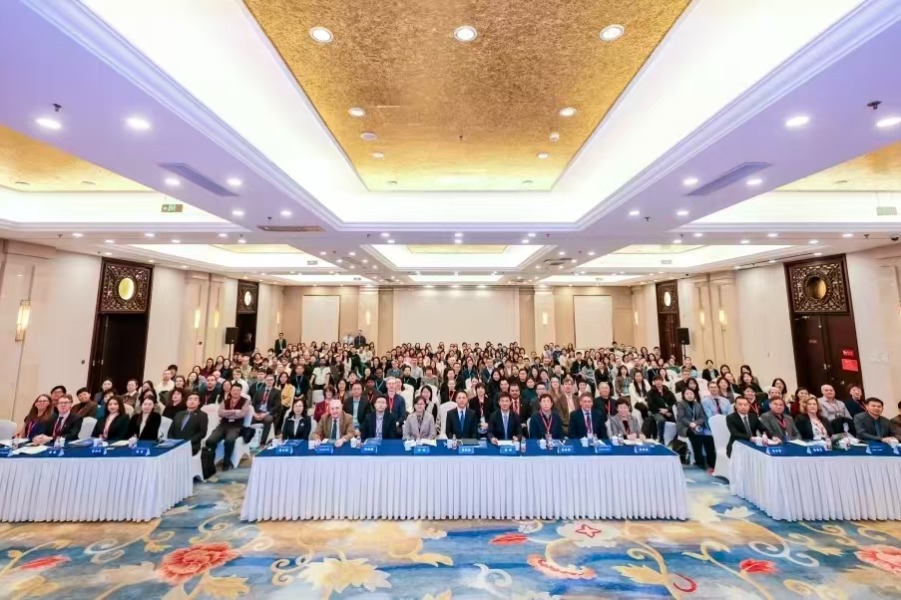
The ‘2025 International Academic Conference on English Teaching and Research in Sino-Foreign Cooperative Education’ took place from November 21 to 23 at Beijing University of Technology (BJUT). Co-organized by BJUT and University College Dublin (UCD), and hosted by the Beijing-Dublin International College (BDIC), the event brought together nearly 280 experts and scholars from 13 countries, representing 106 universities and educational institutions. The conference aimed to explore innovative approaches to English teaching within the framework of Sino-Foreign cooperative education, fostering the development of international talent for the modern era. Key speakers included Wei Xubin, a member of the Beijing Municipal Education Working Committee and Deputy Director-General of the Beijing Municipal Education Commission; An Yan, Deputy Secretary-General of the China Education Association for International Exchange; Zhang Hui, Deputy Secretary of the BJUT Party Committee; Professor Paul Fanning, Dean of the UCD International College in China and Provost of the Beijing-Dublin International College; and Yang Jie, Head of Education in Ireland (China). The opening ceremony was moderated by the head of the University’s Academic Affairs Office, setting the stage for a series of discussions on advancing English language education in a globalized context.
分类: education
-
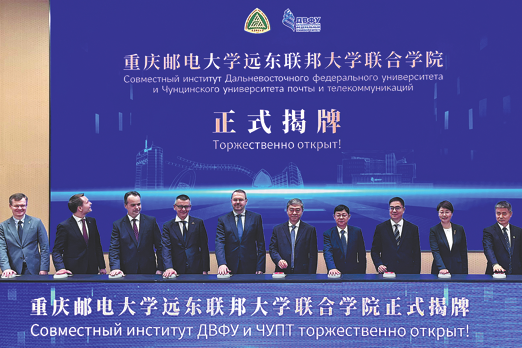
China, Russia universities unveil joint institute in Chongqing
In a landmark move for international educational collaboration, Chongqing University of Posts and Telecommunications (CQUPT) and Russia’s Far Eastern Federal University (FEFU) have inaugurated a joint institute in Chongqing, China. The Joint Institute of Far Eastern Federal University and Chongqing University of Posts and Telecommunications, unveiled on November 4, marks the first and only Sino-Russian cooperative educational institution in engineering within China’s central and western regions and Russia’s Far East. The institute will focus on information and communications, offering undergraduate and postgraduate programs in cutting-edge fields such as computer science, digital media technology, internet of things (IoT) engineering, and control science and engineering. Wang Yang, dean of the institute, emphasized its mission to cultivate interdisciplinary talents with international perspectives and practical skills, integrating resources from both universities and involving enterprises from China and Russia. The partnership, rooted in a 2023 memorandum of understanding signed during the APEC international educational subforum, has already enrolled its first cohort of 100 students in IoT engineering. Plans are underway to expand enrollment to 1,650 students over the next four years. Graduates will receive dual degrees, with preferential placement in sectors like information and communications, international business development, and technological cooperation. Boris Korobets, president of FEFU, highlighted the institute’s role in transforming the intellectual capital of both nations into a driving force for global technological leadership. The initiative reflects the deepening educational ties between China and Russia, with over 56,000 Chinese students studying in Russia and 21,000 Russian students in China. The joint institute stands as a testament to the China-Russia comprehensive strategic partnership, setting a new standard for international cooperation in higher education.
-
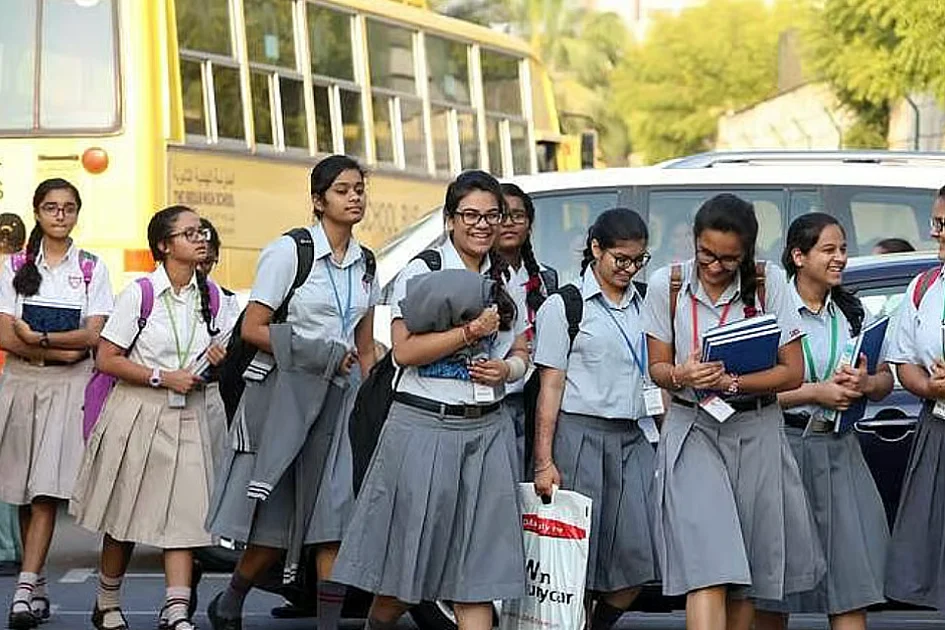
UAE: Indian schools to follow unified academic calendar starting April 2026
Indian curriculum schools in the UAE will transition to the Ministry of Education’s (MOE) unified academic calendar starting April 2026, marking a significant shift from their traditional April–March cycle. The change, however, was not implemented this year as schools had already commenced their academic sessions. Principals emphasized the need for a structured transition to ensure minimal disruption to academic rigor and compliance requirements. Seema Umar, principal of Dewvale School in Dubai, highlighted that the school has planned the current academic year to conclude as scheduled, with preparations underway for a seamless shift in 2026–27. This includes adjusting curriculum pacing, assessment timelines, and operational routines. Umar stressed the importance of clear communication with families, offering orientation sessions, parent notes, and student wellbeing measures to ease the transition. Anita Singh, principal of Global Indian International School (GIIS) Dubai, outlined a three-pronged approach to protect students’ academic experience, ensuring routines are adjusted only where necessary. Internal exams will be rescheduled to maintain board readiness, with mock exams and revision plans adapted accordingly. Nargish Khambatta, principal of GEMS Modern Academy, confirmed that the unified calendar will not affect Indian curriculum schools until April 2026, allowing them to continue their established practices, including the December term for board-exam preparation and winter break activities. The phased implementation aims to keep all stakeholders informed and supported throughout the transition.
-
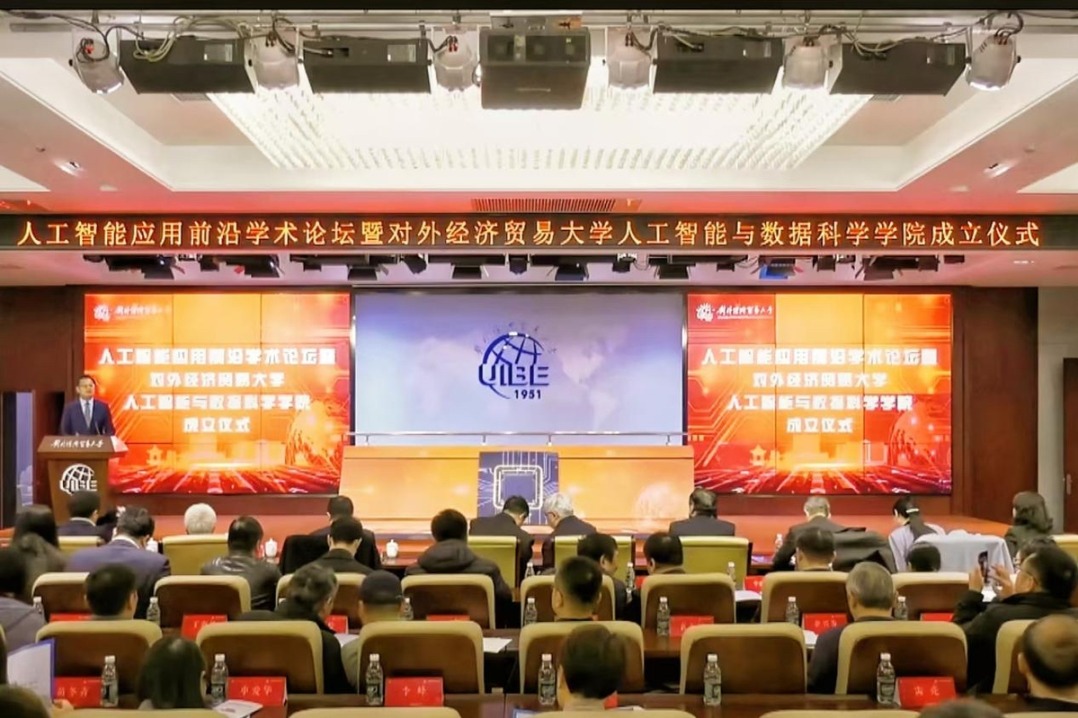
University launches new AI department to align with national priorities
In a strategic move to align with China’s national priorities in the digital era, the University of International Business and Economics (UIBE) officially launched its School of Artificial Intelligence and Data Science on November 21, 2025. This new institution represents a significant upgrade from the university’s long-standing School of Information Technology and Management, reflecting the rapid evolution of technology and the growing demand for interdisciplinary expertise. UIBE President Zhao Zhongxiu described the establishment as a ‘strategic realignment’ aimed at fostering innovation and addressing the challenges posed by the digital transformation. The school will operate on a dual engine of ‘AI + data science,’ integrating UIBE’s strengths in economics, management, law, and the humanities to create a unique ‘AI + social sciences’ innovation platform. The school’s mission includes cultivating globally minded, innovation-driven talent, advancing research in AI governance, computational economics, and intelligent management, and enhancing collaboration with leading universities, enterprises, and government agencies. These initiatives are expected to bolster the university’s contribution to national objectives in education, science, and talent development, ensuring that China remains at the forefront of technological advancement.
-
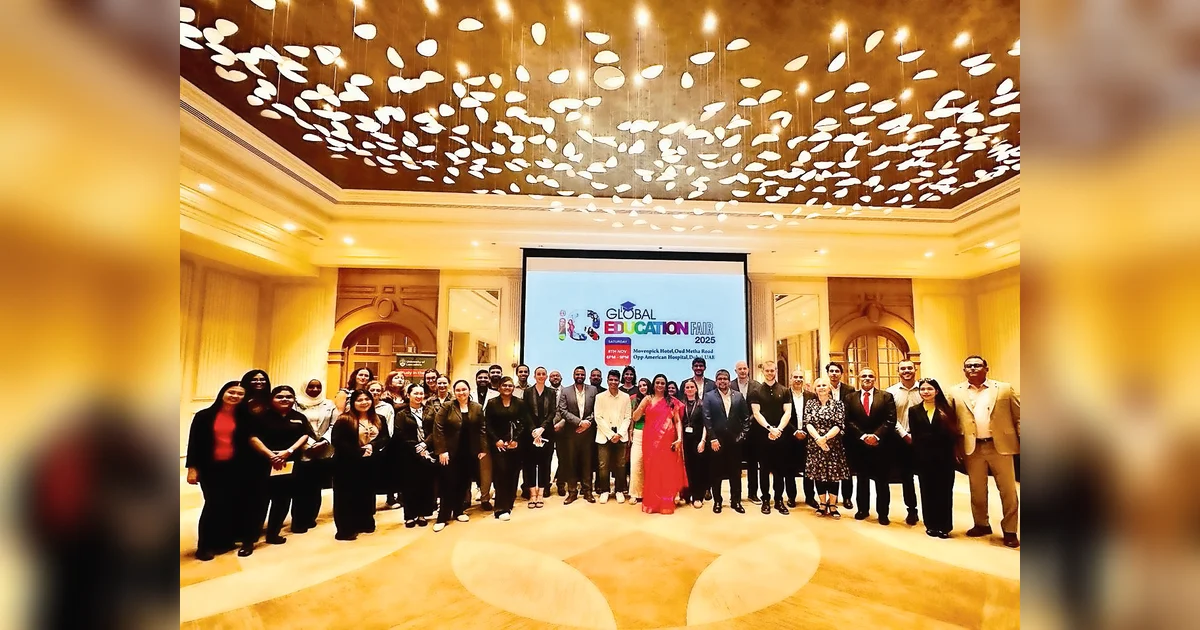
IQ Global Education Fair 2025 celebrates remarkable success in Dubai
The 14th annual IQ Global Education Fair, held on November 8, 2025, at the Mövenpick Hotel in Dubai, has been celebrated as a resounding success. This prestigious event drew an exceptional turnout of students and parents, offering a vibrant platform for direct interaction with representatives from leading universities worldwide. Attendees had the unique opportunity to explore a diverse array of undergraduate and postgraduate programs, engage in one-on-one discussions with admissions officers, and acquire crucial insights to inform their academic choices. The fair served as an essential resource for students seeking expert advice on university applications, scholarship opportunities, and admission processes. For those unable to attend, IQ Education Consultants continues to provide expert guidance and dedicated support to help students gain admission to top-tier global universities. Embark on your academic journey with IQ Education Consultants — your trusted partner in achieving global success.
-
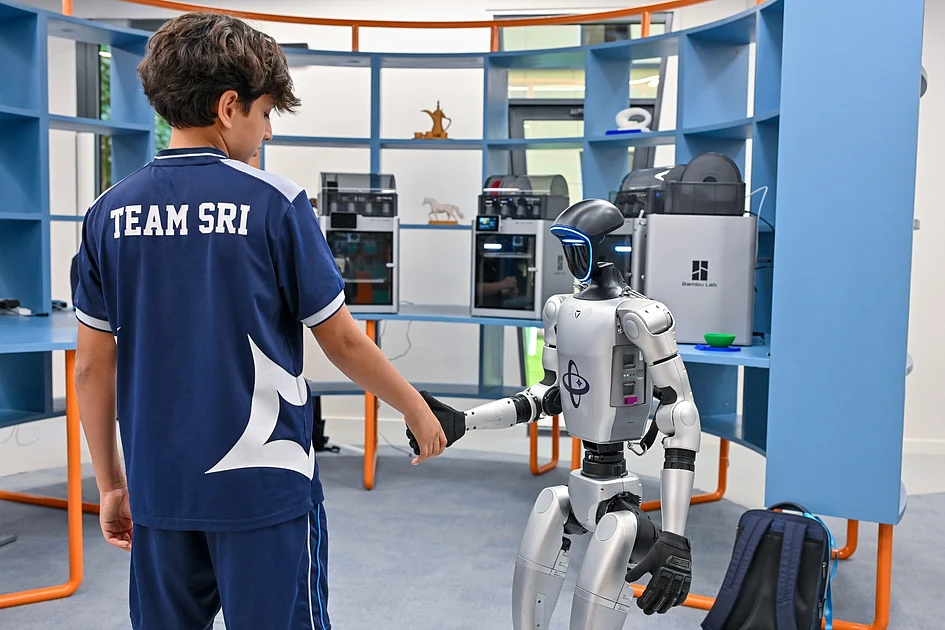
Over Dh200,000 fees: Inside Dubai’s most costly school where students build mini Teslas
Dubai’s GEMS School of Research and Innovation (SRI) has redefined the boundaries of premium education, with annual fees exceeding Dh200,000 and a campus built on a Dh367 million investment. This institution, designed to rival university-level facilities, offers students an unparalleled learning environment where they build mini Teslas, code self-driving cars, and interact with AI avatars that transform lessons into immersive virtual worlds.
-

China accelerates cultivation of elite talents in AI, integrated circuits
In a strategic move to bolster its position as a global leader in education and technology, China is ramping up efforts to cultivate elite talents in critical fields such as artificial intelligence (AI) and integrated circuits. This initiative is part of the country’s broader vision to build a robust education system that aligns with national strategic demands and industrial development.
-
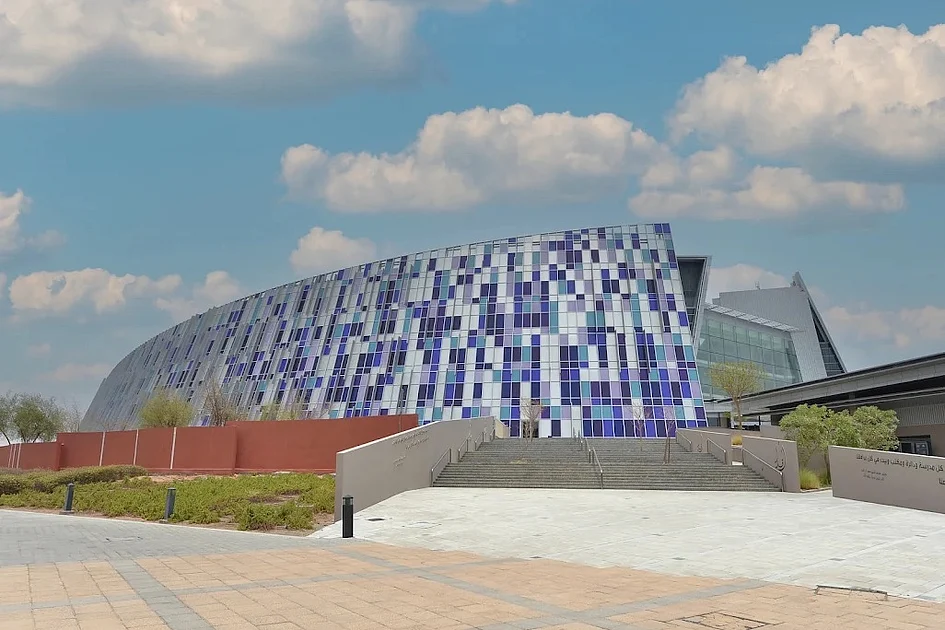
UAE universities lead regional rise in new QS Global Rankings
The United Arab Emirates (UAE) has emerged as a regional leader in higher education sustainability, with its universities making significant strides in the latest QS World University Rankings: Sustainability 2026. Released on Tuesday, the rankings evaluated nearly 2,000 institutions across 106 locations, marking it as the most extensive sustainability-focused ranking to date. Among the UAE’s 13 ranked universities, seven improved their positions, reflecting a 54% rise in performance. The United Arab Emirates University led the national charge, climbing to 318th globally, while Khalifa University secured the 384th spot. Notably, UAE institutions excelled in the Social Impact category, with the United Arab Emirates University jumping 99 places to 263rd, driven by strong indicators in education impact and employability. The region-wide improvements align with national sustainability agendas, such as the UAE’s Net Zero 2050 Strategy and Egypt’s Vision 2030. Leigh Kamolins, QS Director of Analytics and Evaluation, highlighted the region’s commitment to aligning higher education with climate and development goals. The Arab Region saw 147 universities ranked, including 29 newcomers, with 68 institutions improving their positions. Lebanon recorded the highest proportion of rising institutions at 86%, while Bahrain, Qatar, and Kuwait achieved near-complete improvement rates. The American University of Beirut led the Arab Region, climbing to 176th globally, while King Abdulaziz University entered the global top 200 for the first time. Despite progress, governance metrics revealed uneven performance, with 79 universities declining in this category. Jessica Turner, CEO of QS Quacquarelli Symonds, emphasized the ranking’s role in driving innovation and addressing global sustainability challenges.
-

Why students turn to ChatGPT instead of teachers, Dubai Future Forum reveals
A groundbreaking revelation at the Dubai Future Forum 2025 has shed light on the growing trend of students turning to generative AI tools like ChatGPT for academic assistance, often bypassing traditional teacher-student interactions. The forum, held from November 18 to 19, brought together over 2,500 participants and 200 speakers from around the globe to discuss the future of education and technology.
-

Remote learning, reduced timings: UAE public schools begin centralised exams review
Public schools across the UAE have initiated a strategic approach to support students as they prepare for the upcoming Term 1 centralised examinations. Following the conclusion of National Day celebrations last Friday, schools have shifted their focus entirely to academic readiness. A revised schedule has been introduced, featuring shortened school hours from Monday to Wednesday, with classes ending no later than 1.20pm. This adjustment aims to provide students with ample time to rest before engaging in evening review sessions. On Wednesday, schools will transition to remote learning, offering virtual review classes through official online platforms. Attendance will be recorded, and parents have been informed of the updated schedules to ensure students participate actively. The Ministry of Education’s Tamkeen Digital Initiative plays a pivotal role in this preparation phase. This program offers high-quality, intensive review sessions led by teachers from both government and private schools. Virtual sessions, running from 5pm to 8.30pm, have attracted thousands of students nationwide. Students can access these sessions through links shared by their schools and even attend review classes offered by other institutions, allowing them to benefit from a diverse pool of educators and flexible timings. The concerted efforts of schools and teachers underscore their commitment to ensuring students are well-prepared and positioned for strong academic performance in the upcoming exams.