分类: education

  • Affordability ranks high for overseas study choices

    Affordability ranks high for overseas study choices

    A significant transformation is underway in China’s overseas education landscape as families increasingly prioritize cost-effectiveness alongside academic quality when selecting international study destinations. According to the latest annual report from Beijing-based EIC Education, financial considerations have substantially gained importance in study abroad decisions while maintaining the persistent emphasis on educational excellence.

    For the fifth consecutive year, educational quality remains the paramount consideration for Chinese families. However, the strategic weighting of ‘study costs’ has notably ascended to sixth position in 2025, climbing from eighth place in both 2022 and 2023. Simultaneously, ‘economic strength’ as a selection criterion has advanced to eighth place, reflecting heightened financial awareness in international education planning.

    This evolving value-for-money approach is redirecting attention toward destinations offering stable policies and reduced overall expenses. European and Asian countries are experiencing growing popularity as financially accessible alternatives to traditional Anglo-American destinations. Germany and France have emerged as prominent examples, attracting Chinese students through reputable public universities—many providing tuition-free education or minimal registration fees—coupled with an expanding portfolio of English-taught programs.

    Statistical evidence confirms this trend: over 38,000 Chinese students enrolled in German institutions during the 2023-24 academic year, while France hosted more than 27,000 Chinese students in the same period.

    Malaysia has demonstrated particularly remarkable growth, with Chinese applicant numbers surging nearly fourfold between 2020 and 2024 to reach 33,216. This appeal largely stems from branch campuses of elite global universities such as the University of Nottingham, where students can obtain identical qualifications at approximately one-third of the cost required in the institution’s home country.

    Concurrent with this financial pragmatism is an intensified focus on employment prospects. Data indicates growing preference for science, technology, engineering, and mathematics (STEM) fields, alongside interdisciplinary studies aligned with evolving job market requirements. EIC’s service data from 2022-2025 reveals consistent annual increases in science and engineering applications. While business and economics majors continue to represent the largest application share, their proportion has steadily declined over this four-year period.

    Post-graduation plans have similarly evolved, with returning to China becoming the predominant choice. This trend is propelled by favorable employment conditions and supportive talent recruitment policies implemented across major Chinese cities.

    The report incorporates firsthand accounts illustrating these patterns. Feng Mingqiu, 25, recently completed a postgraduate program at the University of Malaya, selecting Malaysia primarily for financial considerations. Her total tuition ranging from 60,000 to 70,000 yuan ($8,504-$9,922) represented substantial savings compared to equivalent programs in Hong Kong or the United Kingdom. Additionally, she noted the advantages of English instruction, minimal time difference, and geographical proximity facilitating smoother adaptation.

    Similarly, Yuan Ye, a 24-year-old veteran currently studying at the University of Science and Technology Beijing, plans to pursue postgraduate studies in Singapore citing its shorter program duration (1-1.5 years versus China’s three-year programs), institutional reputation, cultural familiarity, and proximity. He explicitly excluded the United States due to visa complications for veterans, safety concerns, and prohibitive costs estimating approximately 1 million yuan for a two-year master’s program.
  • Indonesian foundation to fund students, school administrators to exchange and study in Tianjin

    Indonesian foundation to fund students, school administrators to exchange and study in Tianjin

    A significant educational partnership between Indonesia and China has been established through an agreement that will enable hundreds of Indonesian students and educators to pursue academic opportunities at Tianjin University over the next five years. The initiative, spearheaded by Yayasan Warga Bumiputra Indonesia foundation, represents a major step in international educational cooperation.

    During a high-level delegation visit to Tianjin University on Friday, foundation chairman A.M. Hendropriyono outlined the ambitious program that will fund at least 250 students and over 100 school administrators for exchange programs and advanced studies. “Our objective is to leverage China’s educational expertise to enhance the competitiveness of Indonesia’s next generation,” Hendropriyono stated. “The first cohort of Indonesian scholars is scheduled to commence studies next year, with plans for gradual expansion of our collaborative efforts.”

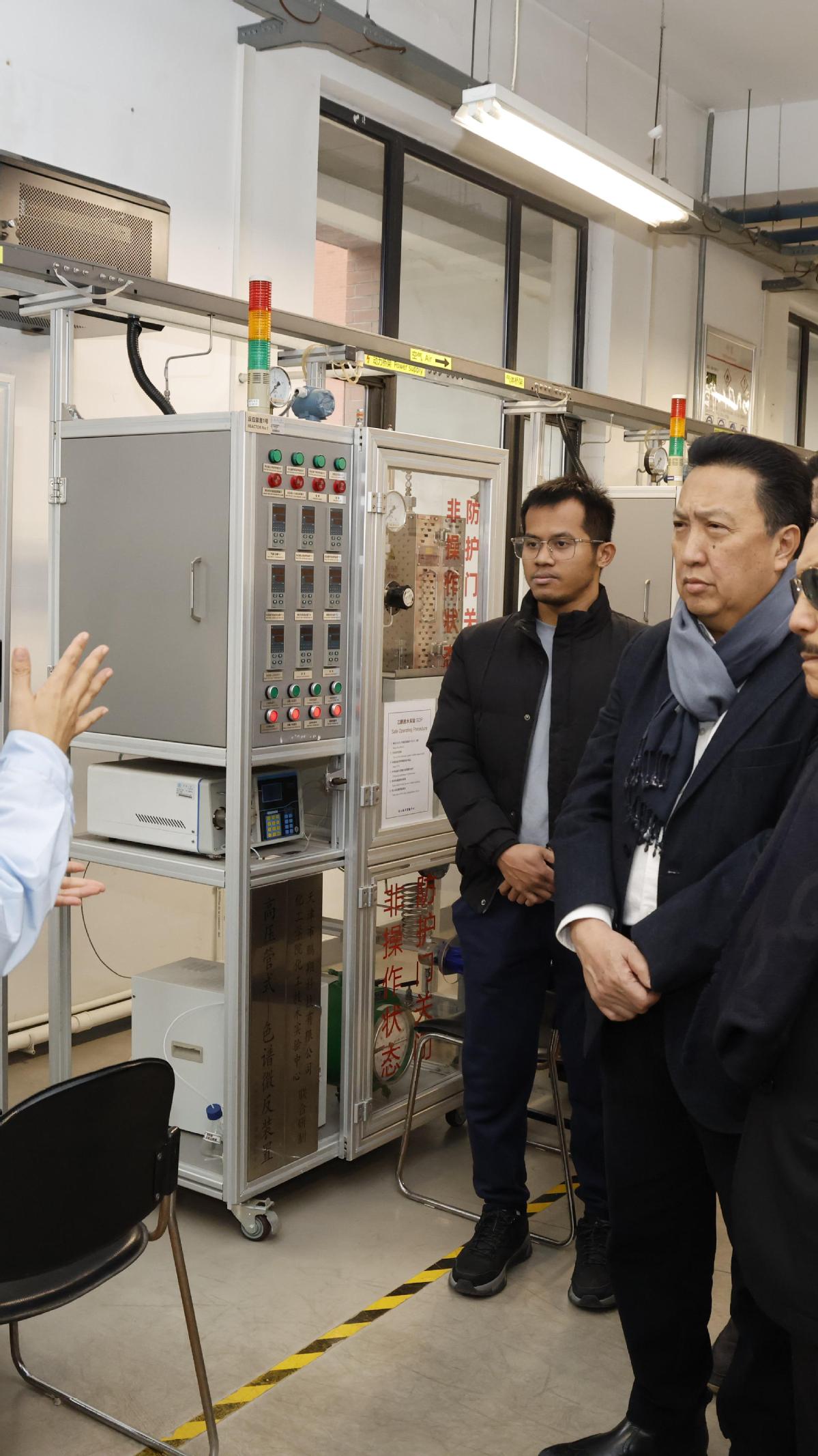
    The delegation, which included Garibaldi Thohir, chairman of the Indonesian Chamber of Commerce and Industry Bilateral Committee for China, conducted comprehensive inspections of the university’s academic infrastructure, research facilities, and student accommodations. The visit facilitated substantive discussions with Tianjin University President Chai Liyuan regarding student exchange programs, faculty development initiatives, and industry-academia collaboration.

    Thohir emphasized the strategic importance of educational cooperation in strengthening bilateral relations: “Education serves as a crucial foundation for deepening Indonesia-China friendship. Through this visit, I have witnessed Tianjin University’s exceptional educational standards, research capabilities, and faculty expertise. This exchange will not only provide knowledge acquisition but also broaden cultural understanding between our nations.”

    The partnership extends beyond student exchanges to include joint research projects and development initiatives between the Indonesian Chamber of Commerce and Industry China Committee and Tianjin University. Collaboration will focus on cutting-edge fields including renewable energy, artificial intelligence, meteorological science, and food industry innovation.

    This agreement follows President Chai Liyuan’s two visits to Indonesia in October, during which preliminary cooperation agreements were established. The December meeting served to advance scholarship implementation mechanisms and refine industry-academia-research collaboration frameworks.

    Hendropriyono expressed confidence that “this transnational education model will cultivate a new generation of youth with international perspectives, innovative capabilities, and strong academic foundations, ultimately enabling Indonesia to achieve breakthroughs across multiple sectors.”

  • Camp trains Sri Lanka’s Mandarin teachers

    Camp trains Sri Lanka’s Mandarin teachers

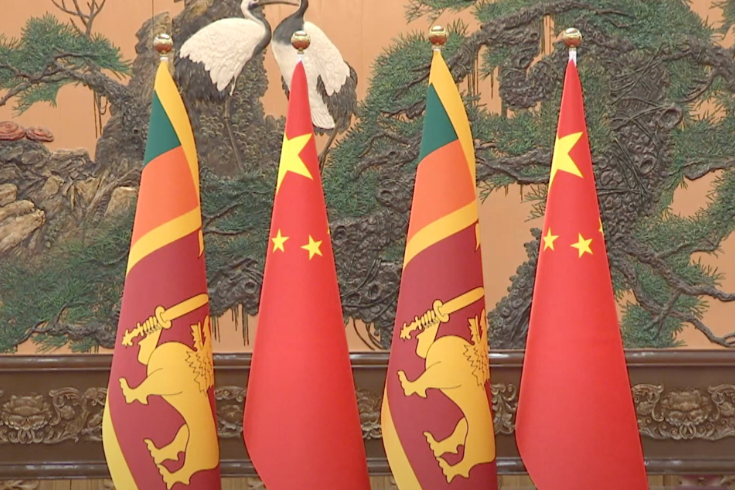
    In a significant advancement for Sino-Lanka educational cooperation, Sri Lanka has inaugurated its first comprehensive Chinese Language Teacher Cultural Training Camp, marking a transformative step in cross-cultural education. The pioneering initiative, convened from Thursday to Friday, brought together over 120 local Mandarin instructors from across the island nation for an immersive professional development experience.

    The program, jointly organized by the Chinese Embassy in Sri Lanka, Lumbini Confucius Classroom, and Sri Lanka’s National Institute of Education, represents a strategic investment in strengthening the cultural dimensions of language education. Through thematic lectures, practical workshops, and immersive cultural activities ranging from calligraphy to tai chi, educators gained multidimensional exposure to Chinese cultural traditions and contemporary teaching methodologies.

    Madhura Senevirathna, Sri Lanka’s Deputy Minister of Education and Higher Education, emphasized the program’s critical timing, noting that ‘high-quality language education plays a key role in preparing our students for the world beyond our borders.’ He highlighted how Chinese language proficiency opens doors to academic, cultural, and economic opportunities while deepening people-to-people understanding between the two nations.

    Counselor of Cultural Affairs at the Chinese Embassy, Ji Lili, characterized local Chinese language teachers as ‘ambassadors of culture and messengers of friendship’ who serve as vital bridges enhancing mutual understanding. The growing cohort of Sri Lankan Mandarin instructors has become instrumental in expanding educational and cultural exchanges between the two countries.

    The training camp’s success has prompted plans for an expanded program in 2026, aiming to provide more intensive training sessions that will eventually cover all local Chinese language teachers throughout Sri Lanka. Outstanding participants will have the opportunity to travel to China for a two-week advanced cultural training program, further strengthening their connection to Chinese language and culture.

  • Training reform builds pool of top engineers

    Training reform builds pool of top engineers

    China’s groundbreaking Excellence Engineer Initiative has successfully enrolled approximately 26,000 master’s and doctoral students since its inception three years ago, marking a transformative shift in engineering education. Launched in 2022 through collaboration between nine government bodies including the Organization Department of the CPC Central Committee and the Ministry of Education, the program represents a comprehensive redesign of traditional training methodologies.

    The program’s core innovation lies in its deep integration of academic institutions and industrial enterprises. Universities and corporations jointly manage student enrollment, define research objectives, supervise training processes, and share outcomes. This collaborative framework extends to integrated faculties, interconnected curricula, shared platforms, and aligned policies, creating a seamless ecosystem for engineering education.

    To operationalize this initiative, the Ministry of Education partnered with the State-owned Assets Supervision and Administration Commission to establish 50 national Excellence Engineer institutes, involving eight major centrally administered State-owned enterprises and 32 leading universities. Authorities have additionally approved 41 new engineering master’s and doctoral programs with individually allocated recruitment quotas, featuring joint enrollment teams co-led by university presidents and corporate executives.

    Wu Gang, Director of the Ministry of Education’s Department of Degree Management and Postgraduate Education, emphasized that developing world-class engineers is essential for integrating education, technology, and human resources development. The initiative addresses urgent needs for modern industrial system construction and represents a strategic move to enhance national competitiveness, particularly during China’s upcoming 15th Five-Year Plan period (2026-30).

    A distinctive feature requires mandatory enterprise practice—minimum one year for master’s students and two years for doctoral candidates—ensuring students tackle real-world problems with actual industrial resources. The curriculum has been fundamentally reshaped with enterprises contributing over 10,000 industry challenges as primary research topics. More than 13,000 enterprise experts, including 2,000 chief engineers, serve as industry mentors, while hundreds of university professors have assumed roles within enterprises.

    In alignment with China’s Degree Law, solving significant engineering problems has become the primary criterion for degree conferment, moving away from purely academic metrics. Already, over 60 students have earned degrees based on practical achievements including product designs and major equipment innovations.

    The inaugural cohort of 2,000 engineering master’s graduates has generated more than 2,500 innovation results, with over 81% choosing to remain with key enterprises in their field. Many received direct employment offers, waived probation periods, and seniority recognition.

    Tsinghua University Vice-President Wu Huaqiang cited the example of student Lu Yang, whose research on superthick coatings for heavy-duty gas turbines resolved a critical bottleneck, with results directly applied to a domestically developed engine. Wang Mingfeng of the Chinese Aeronautical Establishment noted that the model effectively closes the ‘last mile’ for graduates to become immediately productive professionals.

  • Science teaching to foster curious minds

    Science teaching to foster curious minds

    China has unveiled a comprehensive national guideline to revolutionize science, technology, engineering, and mathematics (STEM) education in primary and secondary schools. The initiative, jointly issued by the Ministry of Education and six other government departments on November 12, 2025, aims to develop students who “think like scientists and practice like engineers.”

    The ambitious plan establishes clear milestones: by 2030, a structured science education system should be fundamentally established with enhanced curricula, teaching methodologies, evaluation mechanisms, and teacher development programs. By 2035, the vision expands to a fully matured science education ecosystem supported by social resources and widespread implementation of project-based, inquiry-driven, and interdisciplinary teaching approaches.

    Tian Zuyin, Director of the Ministry’s Department of Basic Education, emphasized the graduated approach aligned with cognitive development. Early primary education will focus on experiential learning and curiosity stimulation, while upper primary grades advance to conceptual understanding and hands-on exploration. Middle school students will engage in practical inquiry around real-world problems, with high schoolers concentrating on experimental research and engineering practice involving cutting-edge advancements.

    The guideline encourages innovative teaching models including “dual-teacher classes” featuring collaborations between scientists and classroom teachers, and “future classrooms” utilizing metaverse-based virtual laboratories. Assessment methods will evolve beyond exam-focused metrics to include process evaluation and digital profiles tracking students’ innovative growth.

    To address implementation challenges, the policy promotes partnerships between schools, universities, research institutes, and technology enterprises. Teacher training will be enhanced through master’s programs in science education at top universities and specialized development for current educators. Experts from academic and research institutions will be encouraged to serve as part-time instructors.

    Educators nationwide have welcomed the guideline as a transformative roadmap. Lu Yongli, Principal of Beijing No. 2 Experimental Primary School, noted the alignment with existing national science curricula that already include 78 compulsory inquiry experiments for primary students. In rural areas, teachers like Hu Guozhu from Yaoxiang Middle School in Hunan praised the emphasis on adapting to local conditions rather than copying urban models.

    The human impact of this approach is already visible. Xia Jun’an, a fifth-grade student in Hangzhou, recently experienced the principles firsthand through designing and building a functional water clock using simple materials. “When the clock finally dripped evenly and timed three minutes successfully,” he recounted, “it felt like I could ‘touch’ time—it was no longer abstract, but right there in the rhythm of each drop.”

    As the policy rolls out, educators believe that by making science more engaging, practical, and inclusive, China can lay the foundation for a new generation of curious, creative minds prepared to contribute to the nation’s scientific and technological future.

  • Chinese academic wisdom continues to inspire global universities

    Chinese academic wisdom continues to inspire global universities

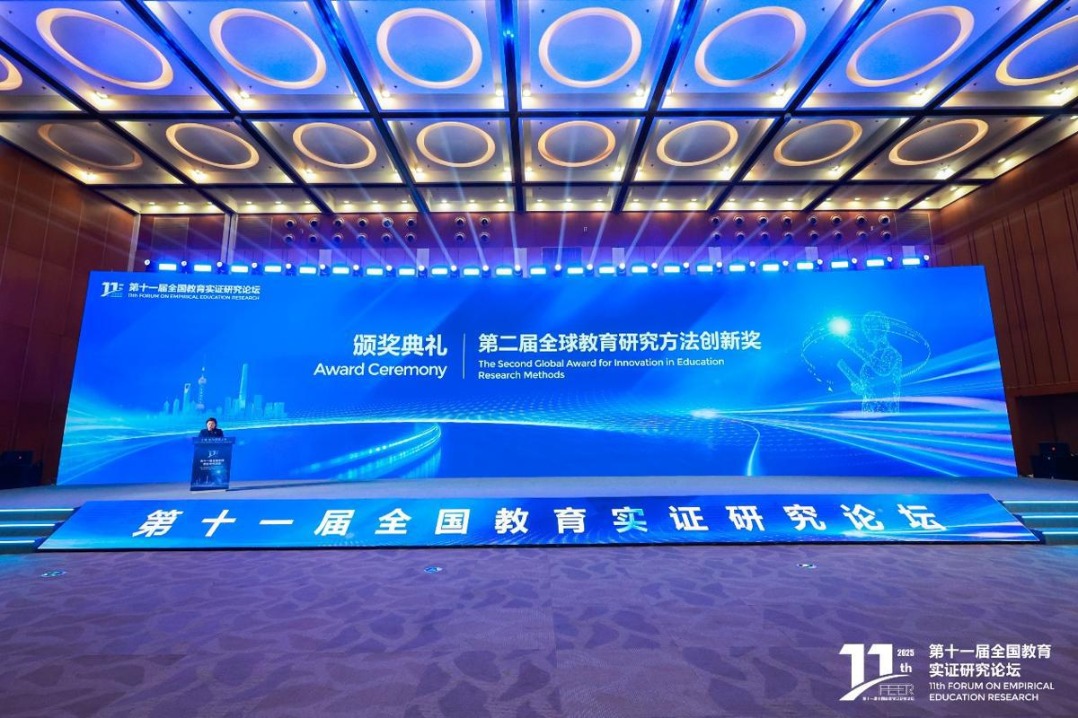
    At the recent 11th Forum on Empirical Education Research in Shanghai, renowned Canadian educator Ruth Hayhoe from the University of Toronto advocated for the global adoption of Chinese educational principles rooted in traditional culture. The event, hosted by East China Normal University, highlighted how China’s educational wisdom offers transformative insights for universities worldwide.

    Professor Hayhoe emphasized the Confucian concept of ‘harmony without conformity’ (和而不同) as particularly valuable for contemporary higher education systems. This philosophy, she argued, provides a framework for creating inclusive learning environments that celebrate diversity while maintaining social cohesion. She called for a fundamental shift from a global knowledge economy toward a global knowledge society that prioritizes public good over commercial interests.

    Hayhoe’s distinguished career spans over five decades, beginning as a teacher in Hong Kong in 1967 and evolving through roles as scholar, diplomat, and university administrator. This unique background has positioned her as one of the few Western scholars capable of bridging Eastern and Western educational philosophies with deep cultural sensitivity.

    The forum recognized Hayhoe’s contributions with the Global Award for Innovation in Education Research Methods for her groundbreaking ‘dialogue among civilizations’ research paradigm. This methodology requires deep immersion in other cultures’ historical, philosophical, and value systems, moving beyond binary oppositions between Eastern and Western approaches to education.

    Four other distinguished scholars received the same honor: Stephen Raudenbush (University of Chicago), Manabu Sato (University of Tokyo), Wang Shanmai (Beijing Normal University), and Rupert Wegerif (University of Cambridge). The award, inaugurated in 2024, represents the world’s first recognition program specifically dedicated to innovation in educational research methodology.

    Professor Yuan Zhenguo, head of East China Normal University’s Faculty of Education and key architect of the award, stated the initiative aims to foster international exchange and advance empirical education research. ‘We hope to guide China’s empirical education research to better engage with the world,’ Yuan remarked, highlighting China’s growing role in shaping global educational discourse.

  • Intl students showcase business acumen at Shanghai competition

    Intl students showcase business acumen at Shanghai competition

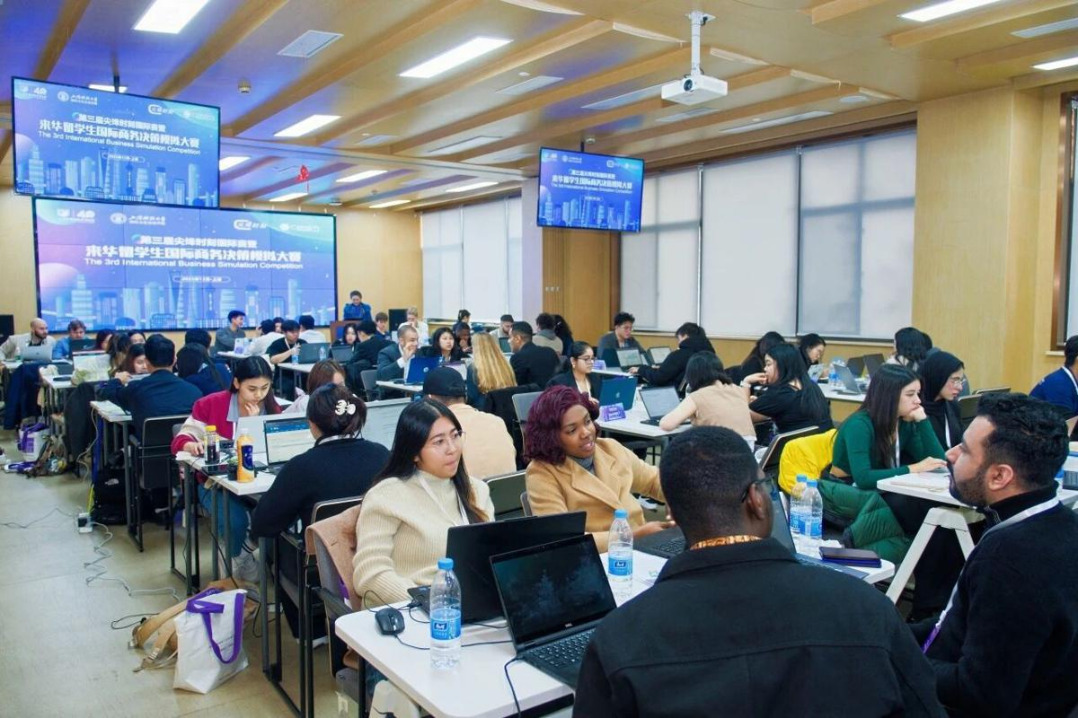
    Shanghai University of Finance and Economics recently hosted the third International Business Simulation Competition, an event that brought together 450 students from 74 countries and regions. The two-day competition, held from December 2-3, featured 140 teams representing 25 Chinese universities, with Shenzhen University’s ‘absolute four’ team claiming top honors among 33 finalists.

    This year’s competition introduced an innovative ‘AI coach’ system, reflecting the growing integration of artificial intelligence into business education. The event emphasized AI-driven decision-making while maintaining focus on sustainable development and corporate social responsibility principles.

    Vice-President Yao Lingzhen of SUFE highlighted the university’s commitment to digital transformation in business education. ‘As a pioneer in business education in China, SUFE maintains its dedication to cultivating financial talent while embracing technological innovation,’ Yao stated during the opening ceremony. ‘The incorporation of AI coaching represents our progressive approach to combining artificial intelligence with practical business education.’

    The competition’s interdisciplinary nature proved particularly valuable, bringing together students from diverse academic backgrounds. Chong Hong Xuan, a Malaysian international student at Fudan University, noted how varied expertise enhanced the experience: ‘Our team’s diverse backgrounds in economics, international affairs, and journalism sparked productive debates that significantly enriched our decision-making process.’

    The event served as both a competitive platform and a demonstration of how international education in China is evolving to incorporate cutting-edge technology while fostering global collaboration and cross-cultural exchange in business education.

  • Training program for Kenyans teaching or studying Chinese concludes at Confucius Institute

    Training program for Kenyans teaching or studying Chinese concludes at Confucius Institute

    Nairobi’s Kenyatta University hosted the conclusion of an intensive three-week Mandarin instruction program on Saturday, marking another milestone in China-Kenya educational cooperation. The specialized training initiative, administered through the university’s Confucius Institute, brought together 68 Kenyan educators and advanced students pursuing Chinese language studies.

    The comprehensive program, which commenced on November 17, featured a structured curriculum designed to accommodate varying proficiency levels. Participants received instruction in fundamental Mandarin communication skills, specialized terminology for professional contexts, and immersive cultural education. The virtual format enabled widespread participation from multiple educational institutions across Kenya.

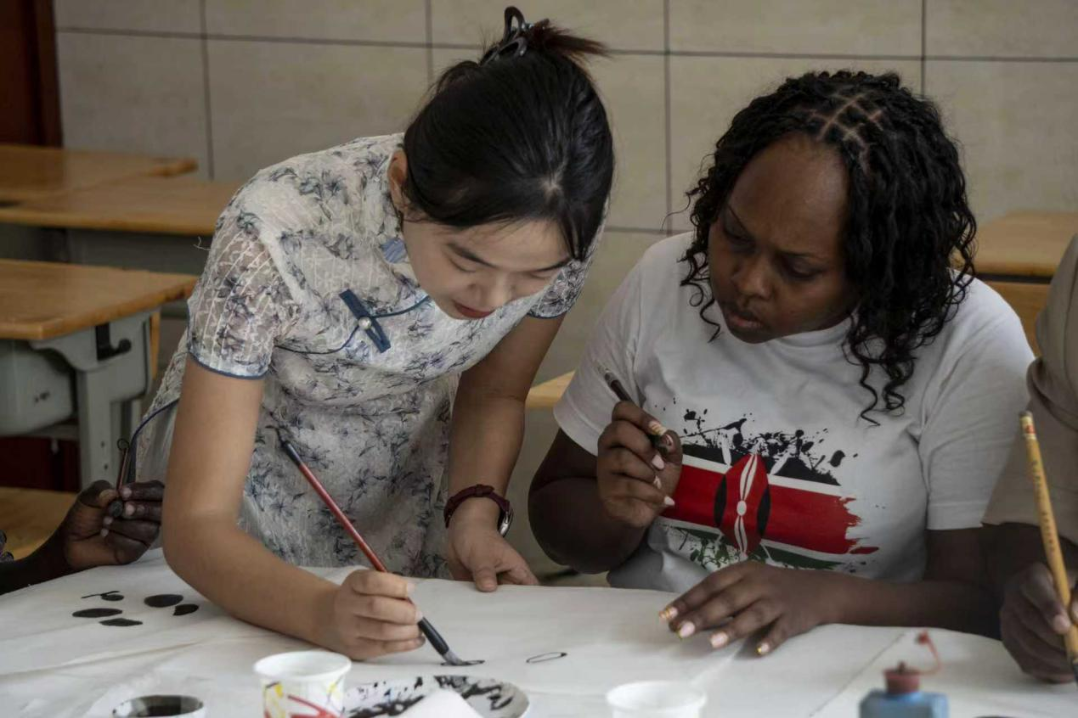
    Beyond linguistic training, the institute facilitated practical cultural workshops showcasing traditional Chinese arts. Participants engaged in hands-on experiences with tea ceremony preparation, ink painting techniques, and intricate paper-cutting crafts. These sessions provided tangible connections to Chinese cultural heritage beyond textbook learning.

    Program coordinator Susan Wachira, who also serves as a lecturer at the institute, noted that such training initiatives have been part of their educational offerings since 2014. ‘These programs consistently demonstrate growing interest in Chinese language acquisition among Kenyan educators,’ Wachira observed. ‘They represent significant steps in building professional capacity for Mandarin instruction within Kenya’s educational system.’

    The Confucius Institute at Kenyatta University continues to serve as a pivotal hub for Sino-Kenyan educational exchange, with this latest program reinforcing its role in fostering cross-cultural understanding and professional development opportunities for Kenyan language educators.

  • New university in Dongguan to provide talent support for GBA

    New university in Dongguan to provide talent support for GBA

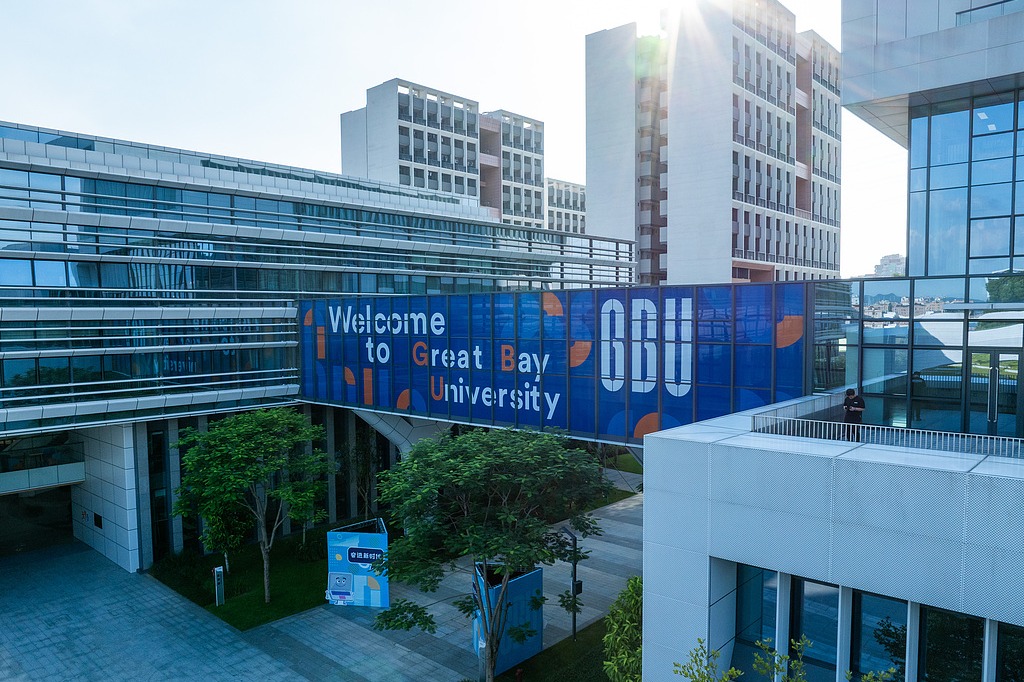
    Dongguan has officially inaugurated Great Bay University, a pioneering higher education institution designed to serve as an intellectual engine for the Guangdong-Hong Kong-Macao Greater Bay Area (GBA). The university celebrated its formal opening on Saturday with an inauguration ceremony attended by founding President Tian Gang, an esteemed academician of the Chinese Academy of Sciences.

    Strategically positioned within the pilot zone of the Comprehensive National Science Center near Songshan Lake, the university benefits from proximity to world-class research infrastructures including the China Spallation Neutron Source and the Songshan Lake Materials Laboratory. This location also places it adjacent to leading technology enterprises like Huawei, creating a vibrant ecosystem for innovation.

    President Tian articulated the institution’s distinctive educational philosophy, describing it as “a science and engineering-based, small yet elite, high-level research-focused institution.” The curriculum is specifically designed to address the GBA’s development needs through six focused disciplines: materials science, advanced engineering, life sciences, information science and technology, fundamental science, and financial management.

    The university has adopted an innovative pedagogical approach where first-year students delay declaring specific majors to focus on self-exploration before selecting their specialized fields in the second year, with opportunities for cross-disciplinary minor programs.

    Currently operating with its inaugural cohort of 80 students selected from 53 middle schools across 16 cities in Guangdong province, the institution has assembled a distinguished research faculty of over 300 members, all holding doctoral degrees with more than 70% possessing international study or work experience. The Ministry of Education formally approved the university’s establishment on June 19, with operations commencing in August.

  • UAE: RAK private schools see major upgrades with improved curriculum, higher ratings

    UAE: RAK private schools see major upgrades with improved curriculum, higher ratings

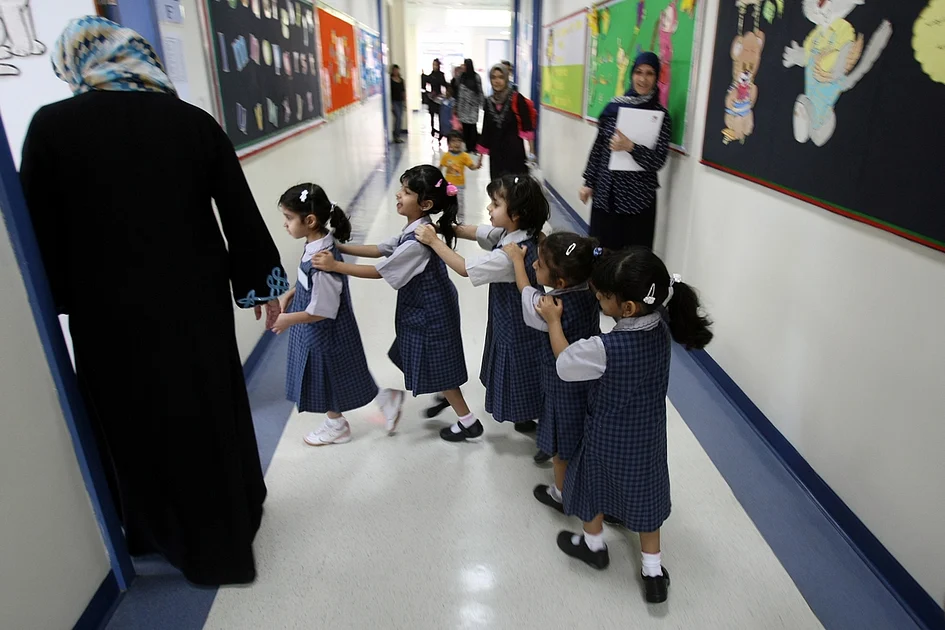
    Ras Al Khaimah’s private education sector is undergoing a remarkable transformation, establishing the emirate as a leading destination for future-focused learning. Under the guidance of the Ras Al Khaimah Department of Knowledge (RAK DOK), the educational landscape has seen substantial enhancements across curriculum development, teacher training, and institutional ratings.

    The expansion has attracted significant interest from educational operators, with several groups currently exploring market opportunities. This growth is exemplified by the recent opening of a new Filipino school, catering to the emirate’s diverse community needs. Dr. Abdulrahman Al Naqbi, RAK DOK board member, emphasized that this educational diversity enables both Emirati and expatriate families to access culturally and academically tailored schooling options.

    Beyond academic excellence, schools now demonstrate comprehensive support for student well-being through enhanced parental involvement, sports programs, and extracurricular activities. The educational philosophy emphasizes character development and community engagement alongside traditional learning. Curriculum development has become a collaborative process involving subject specialists, school leaders, and teachers, with educator feedback directly integrated into improvement initiatives.

    The strategic approach has yielded measurable results, with several institutions previously rated ‘Acceptable’ advancing to higher performance categories through targeted development plans and close supervision. When teaching standards required improvement, staff reassignments were implemented to prioritize student learning outcomes.

    Inclusion remains a cornerstone of RAK’s educational strategy, with significant investments in specialized resources, tools, and trained staff to support students with special needs. The emirate has also developed extensive talent discovery programs featuring weekend competitions in computing, sports, literature, poetry, and arts. These initiatives help students uncover individual strengths and gain confidence to excel at regional and international levels.

    All 34 private schools in Ras Al Khaimah now operate under RAK DOK supervision, which oversees inspection standards, development plans, and quality assurance across the sector. The ultimate objective is to create a modern, skills-based educational ecosystem that empowers students academically, personally, and prepares them for future challenges.